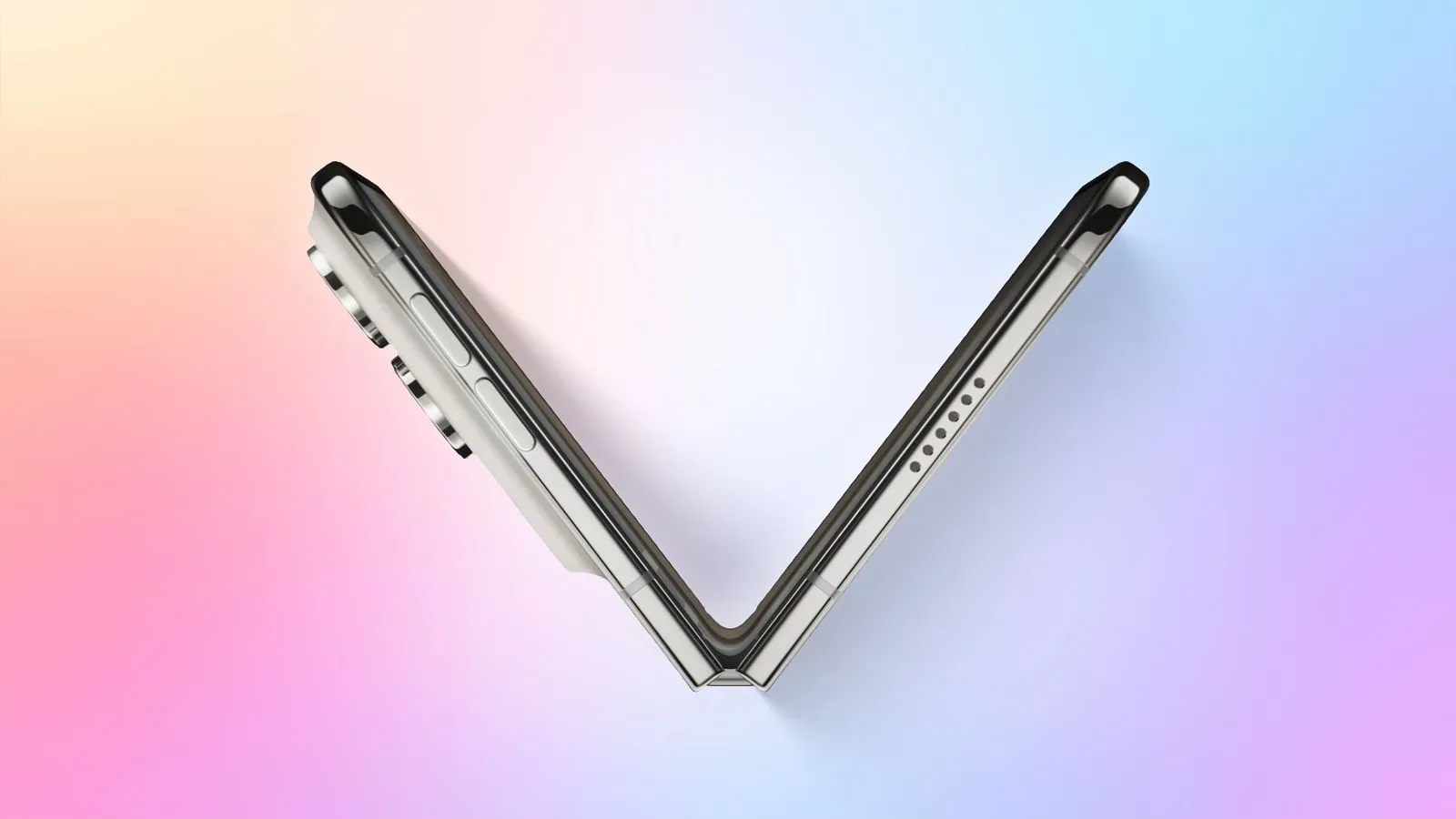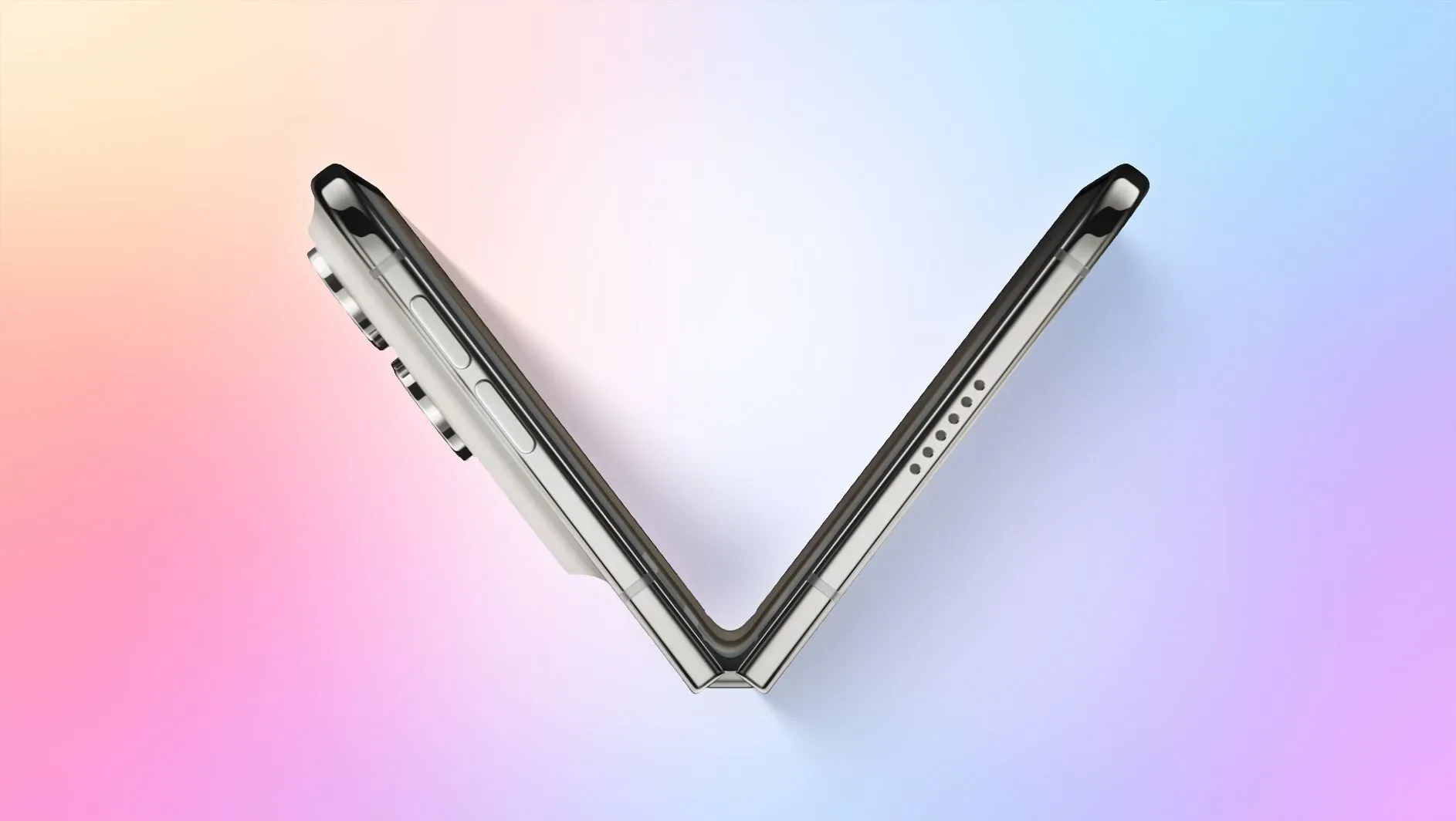
Apple has outlined two new U.S. supply-chain commitments tied to its iPhone Duo and iPhone 18 Pro lines, putting the spotlight on materials that sit at very different points in a device’s construction. Pennsylvania-based Perryman is set to provide titanium used in iPhone Duo enclosures, while Delaware-based Qnity Electronics will produce what Apple calls “advanced films” for the variable-aperture camera system in iPhone 18 Pro models.
The company says the work falls under its existing American Manufacturing Program. Apple plans to commit up to $100 million to Perryman over the next three years, while placing both supplier arrangements within its broader stated plan to invest $600 billion in U.S. manufacturing and innovation by the end of 2029.
For the gaming audience, this is a hardware-industry story rather than an announcement of a new game or gameplay feature. Still, it is a useful reminder that the phones, tablets, computers and television boxes used around games are built from a long list of specialized parts. A premium enclosure is not simply a piece of metal, and a camera system is not simply a lens: each depends on distinct materials, manufacturing processes and quality-control requirements.
What Apple says Perryman will supply
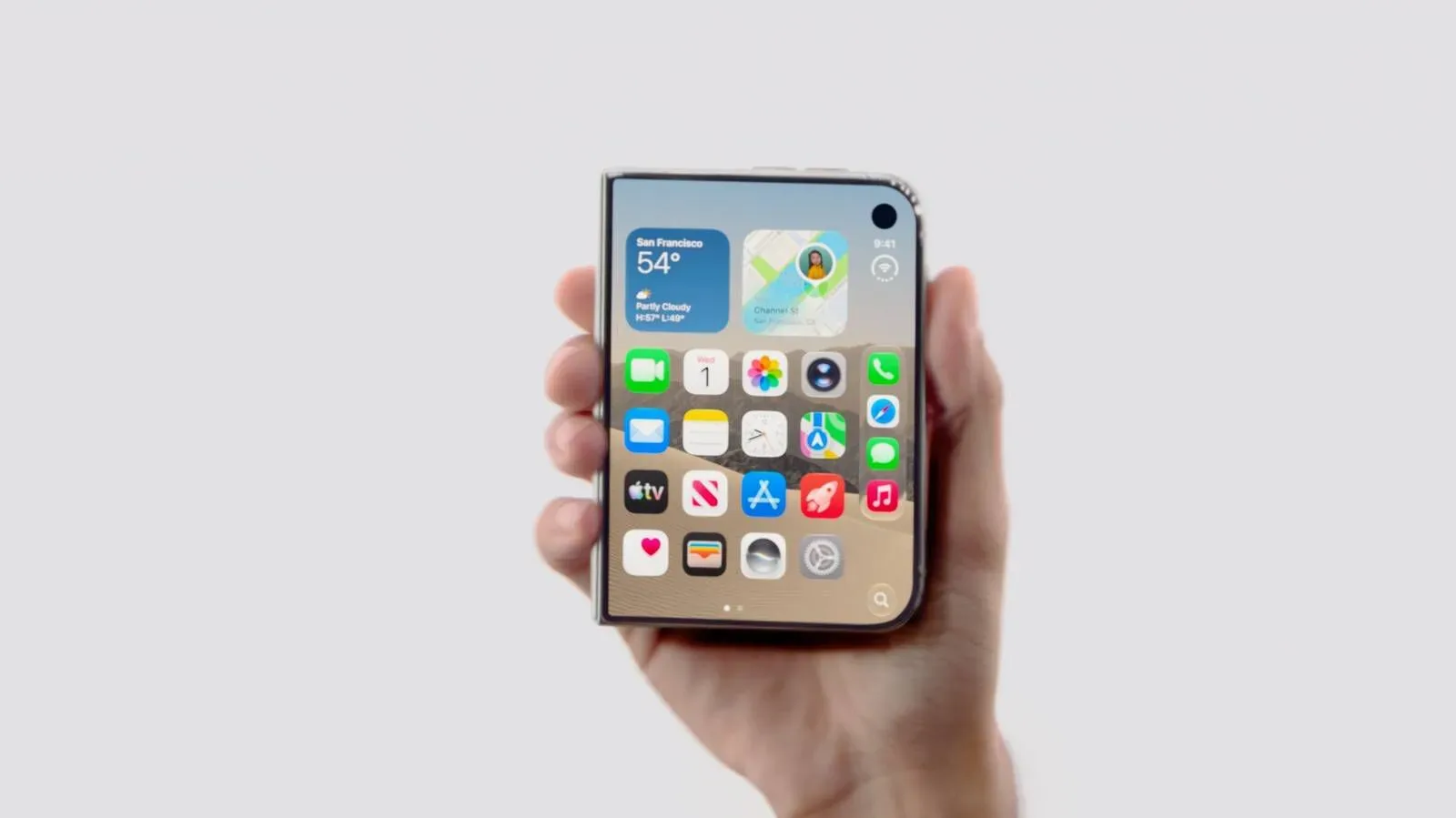
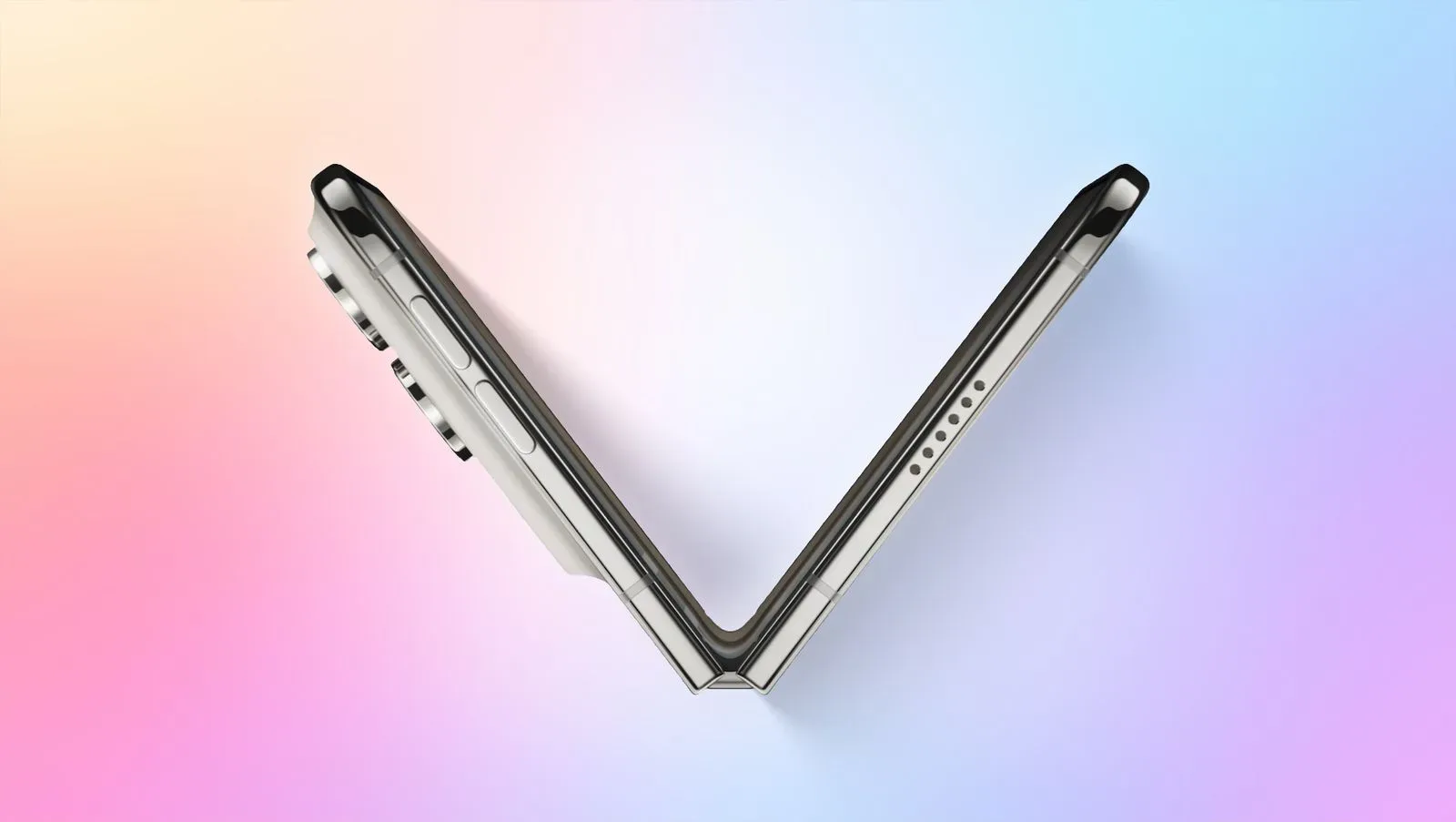
Perryman, based in Pennsylvania, produces the titanium that Apple says is used in iPhone Duo enclosures. An enclosure is the physical exterior structure of a device: the part that forms the body around its internal components. In practical terms, it is both an aesthetic and structural element, rather than an app, chip or feature that can be updated after purchase.
Apple’s stated commitment of up to $100 million over three years is specifically attached to this existing American Manufacturing Program relationship. The wording matters. “Up to” establishes a ceiling for the commitment rather than confirming that the full sum has already been spent. Likewise, the announcement identifies the material and its intended product use, but does not provide a component-by-component breakdown of how the money will be allocated.
Titanium is the material named in the announcement; Apple has not, in the details available here, described particular manufacturing methods, enclosure dimensions, durability claims or color options for iPhone Duo. Those would be separate product specifications, and they should not be assumed from a supplier announcement alone.
Qnity’s role is in the iPhone 18 Pro camera system
The second commitment concerns Qnity Electronics, a Delaware-based company. Apple says Qnity will produce advanced films for the variable-aperture camera system on iPhone 18 Pro models.
An aperture is the adjustable opening in a camera system that controls how much light enters. A variable aperture, as the term suggests, is one that can change rather than remain fixed at one opening size. Apple’s announcement identifies Qnity’s films as part of that system, but it does not explain the films’ exact composition, the precise mechanism they support, or the photography results users should expect. It would be premature to turn that supplier detail into unannounced claims about low-light performance, zoom, video or mobile game capture.
What can be said is that a camera assembly is a stack of specialized elements, and Apple has chosen to highlight the films as a distinct U.S.-produced contribution. That distinction is meaningful in a manufacturing context. A finished phone can involve materials, optical elements, silicon, glass, mechanical structures and final assembly from numerous companies. One supplier’s contribution can be narrowly defined yet still be essential to the operation of the complete product.
Nearly 100 U.S.-made components, Apple says
Apple says U.S. companies make nearly 100 components used in iPhone Duo and iPhone 18 Pro. The company has not published the full component list in the information provided, so the announcement does not establish which parts make up that total, where every stage of manufacturing occurs, or how those components compare by value, size or complexity.
That limitation is important when reading any supply-chain statistic. A component count describes breadth: it signals that many distinct parts are supplied by U.S. companies. It does not on its own describe total manufacturing value, identify final assembly location, or establish that every material involved in each part came from the United States. Modern consumer hardware supply chains are layered, and a single component may itself draw on multiple inputs and production steps.
Even so, Apple’s framing makes the intended message clear: the company is presenting its U.S. manufacturing activity not as one isolated supplier deal, but as a network spanning a substantial number of iPhone parts. Perryman and Qnity are two named examples within that larger claim.
Cover glass is the other major deadline in the announcement
Apple also says that, by the end of 2026, all cover glass for every iPhone and Apple Watch model sold worldwide will be produced by Corning in Kentucky. Cover glass is the protective glass layer on the outside of a device display. It is not the same thing as every display component underneath it, nor does the statement say that all iPhone and Apple Watch production will move to Kentucky.
The global scope is notable: Apple’s claim applies to cover glass on devices sold worldwide, not merely units sold in the United States. The deadline is also explicit, giving the plan a concrete target of the end of 2026. As with the nearly 100-components figure, however, this is a claim about a defined production input. It should not be expanded into a claim about every part of an iPhone or Apple Watch.
For people who use Apple hardware around gaming, the distinction may sound technical, but it is useful. Screens, chassis materials, wireless chips, storage, cameras, batteries and processors are separate categories of hardware. A change in the source of cover glass or titanium may be significant to the supply chain while saying very little, by itself, about game compatibility, performance, operating-system support or pricing.
How this fits Apple’s stated U.S. investment plan
Apple places the Perryman and Qnity commitments under an overall pledge to invest $600 billion in U.S. manufacturing and innovation by the end of 2029. That larger figure covers a wider horizon and scope than the up-to-$100-million Perryman commitment. The two numbers therefore should not be treated as equivalent: one is a specific three-year supplier commitment, while the other is Apple’s broader, multi-year U.S. investment promise.
Sabih Khan, Apple’s operations chief, described U.S. manufacturing as important across the company’s products, citing titanium for iPhone Duo and camera innovation for iPhone 18 Pro. His statement also characterized the partnerships as support for U.S. jobs. Apple CEO John Ternus highlighted the manufacturing announcement in a post on X.
The emphasis on operations is unsurprising. Operations work in consumer electronics is about turning product designs into repeatable, high-volume hardware through supplier coordination, materials planning, manufacturing capacity and quality processes. It does not necessarily reveal a device’s consumer-facing specification sheet, but it can show where a company is choosing to develop or expand production relationships.
Why supplier announcements deserve careful reading
Supply-chain news can be easy to overread because the product names are familiar while the underlying parts are not. The accurate takeaway here is focused: Apple has named Perryman as a titanium supplier for iPhone Duo enclosures and Qnity Electronics as a producer of advanced films for the iPhone 18 Pro variable-aperture camera system. It also says U.S. firms make nearly 100 parts across those phones, and that Corning in Kentucky will produce all cover glass for iPhones and Apple Watches sold worldwide by the end of 2026.
Those are manufacturing commitments and targets, not a full device reveal. They do not establish retail prices, release dates, complete technical specifications, or how either phone will perform in games and apps. Keeping those categories separate makes the news more useful: it clarifies which pieces of Apple’s hardware pipeline the company is publicly associating with U.S. production, while leaving product questions for product-specific announcements.
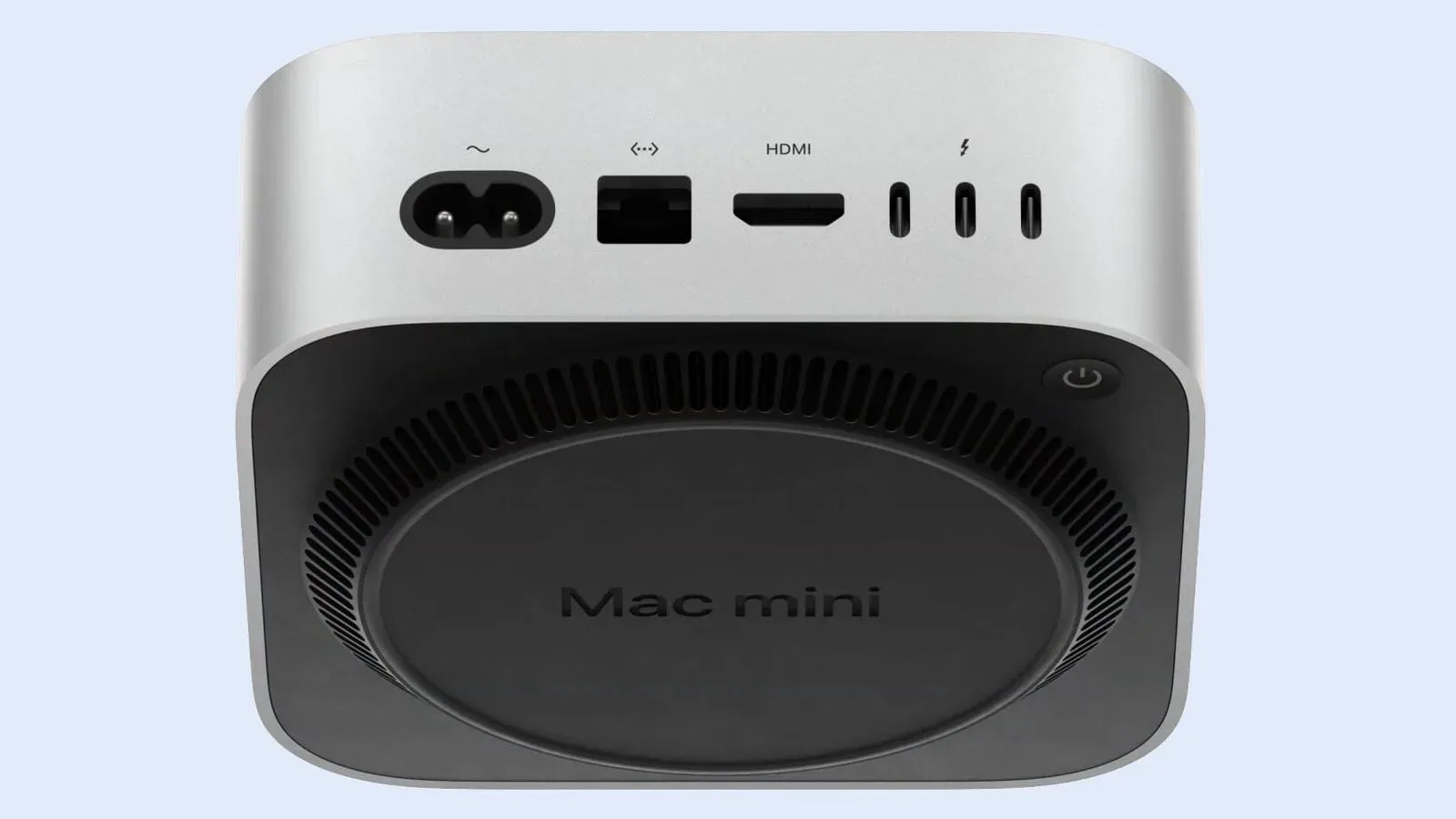
Apple has also pointed to U.S. production activity beyond phones and watches. The company previously said Mac mini assembly is set to begin in Houston, another example of the company tying a particular product stage to a particular U.S. location. Together, these updates show the value of reading the nouns closely: material supply, component production, cover-glass manufacturing and final assembly are connected, but they are not interchangeable terms.