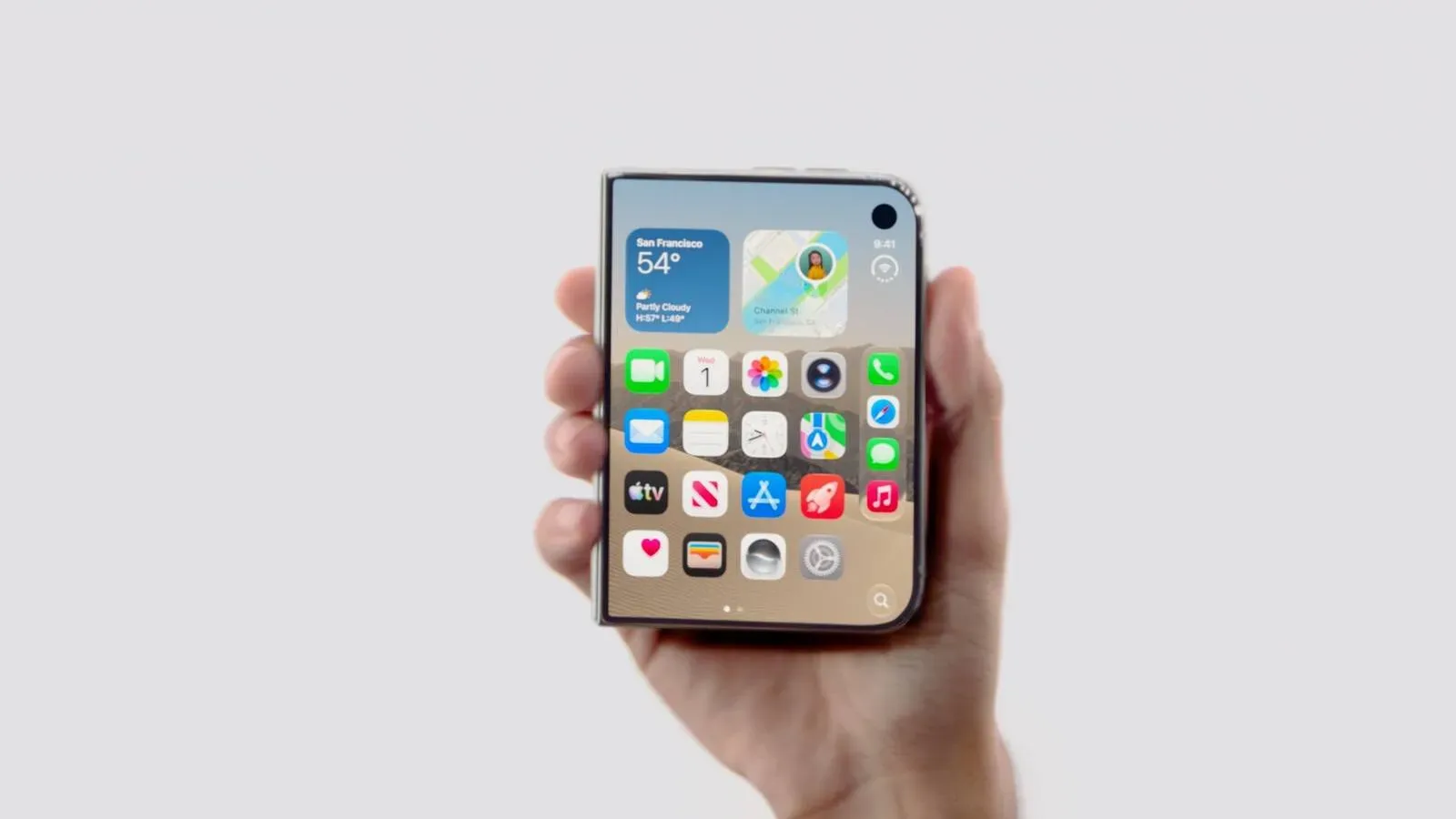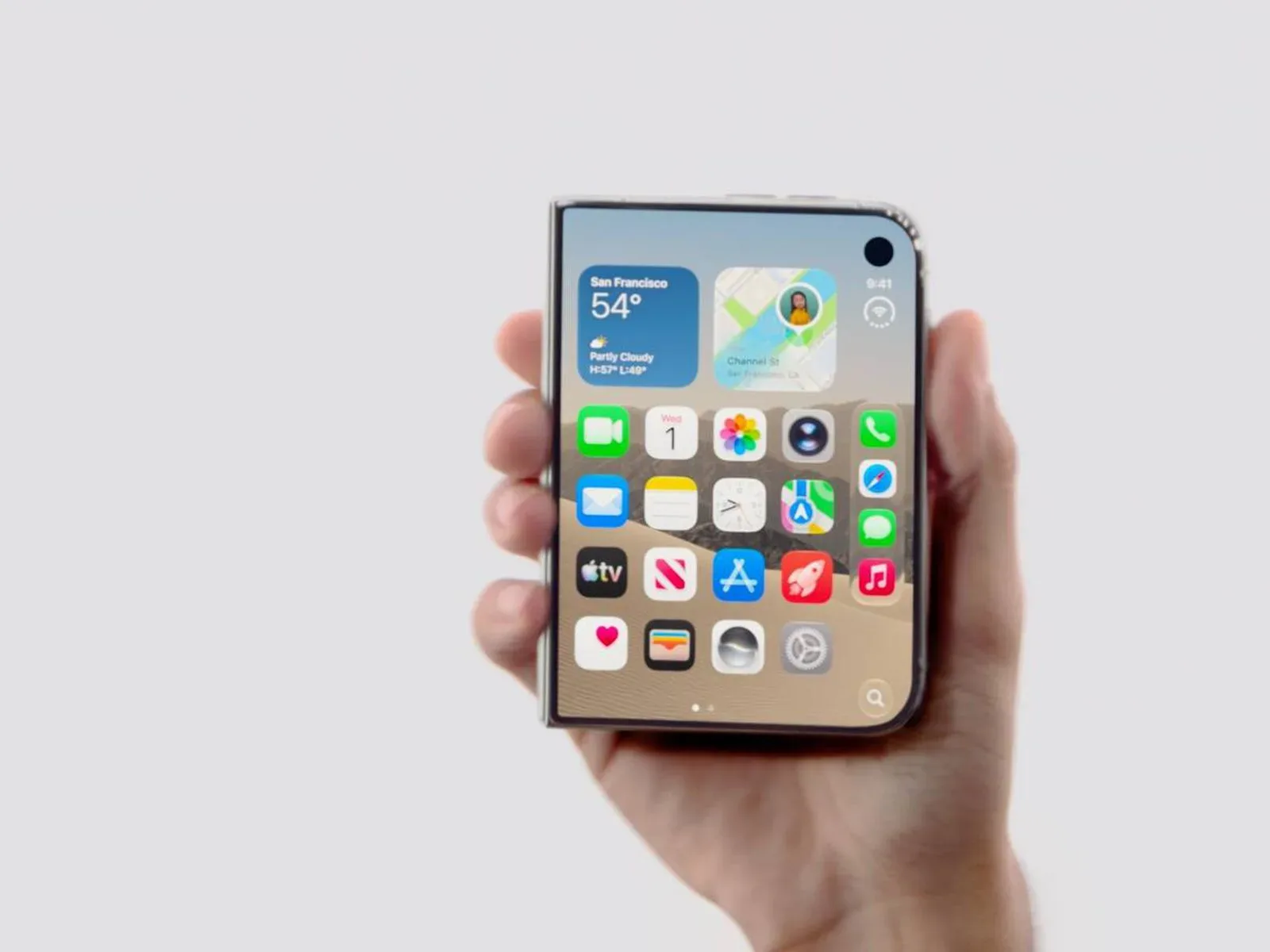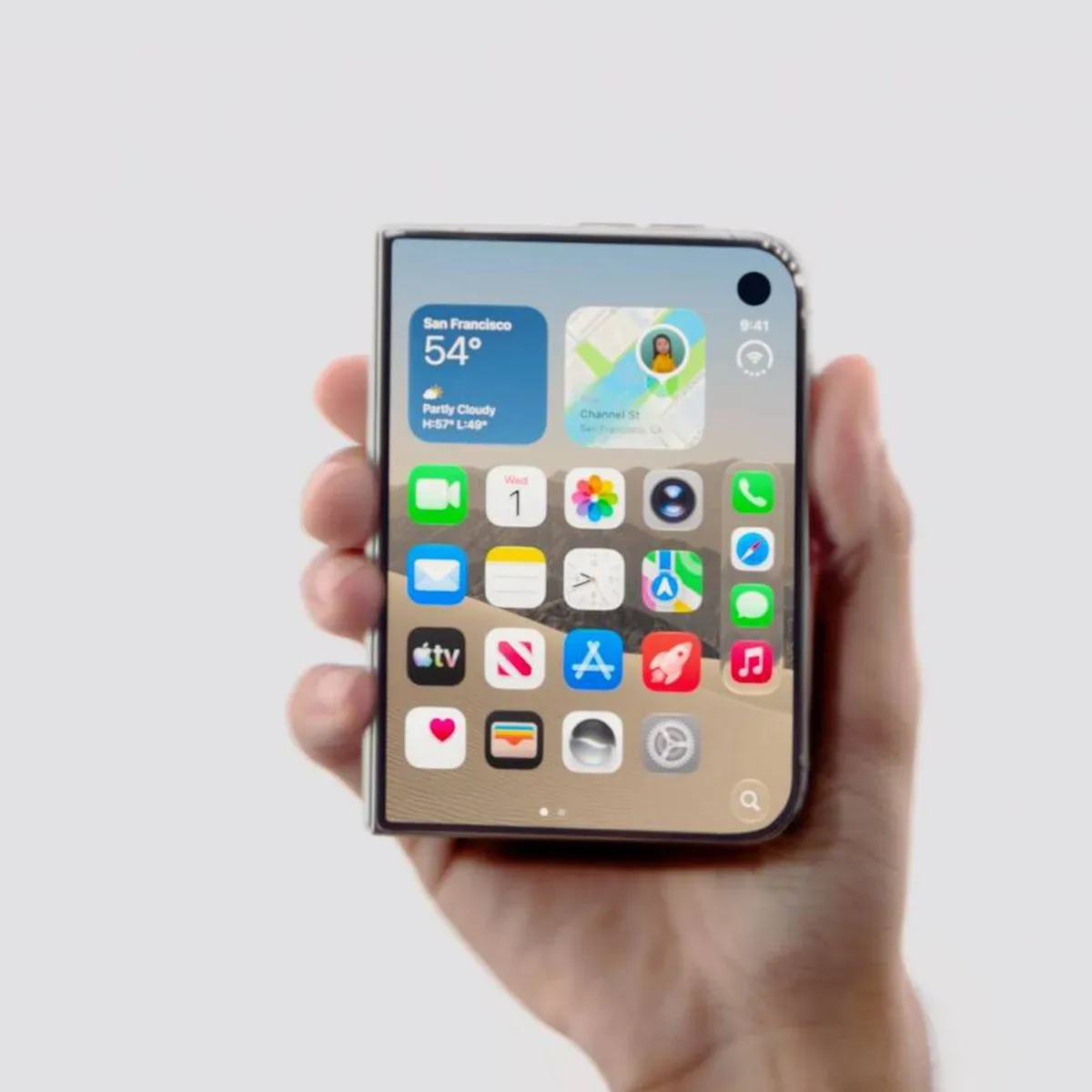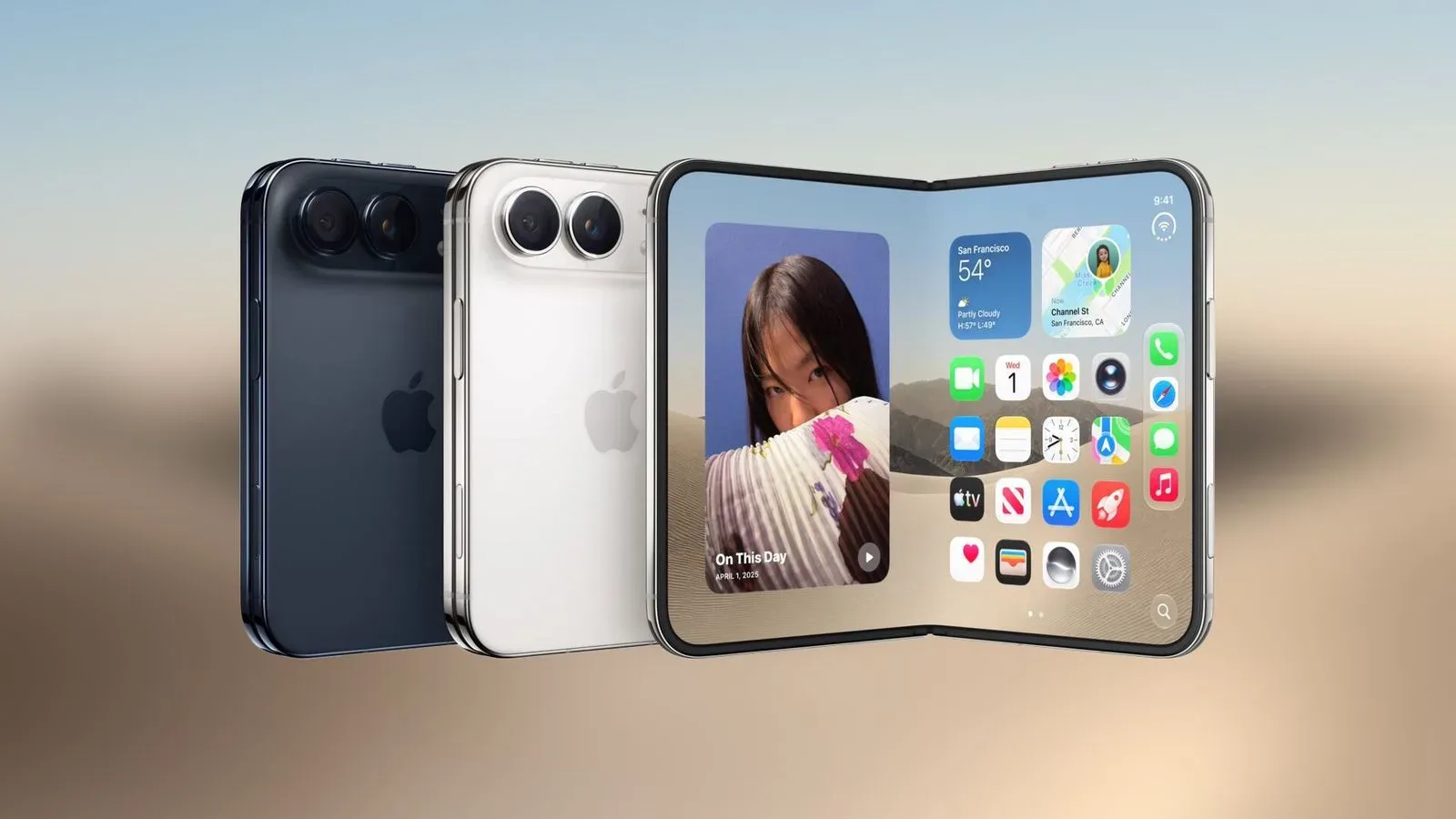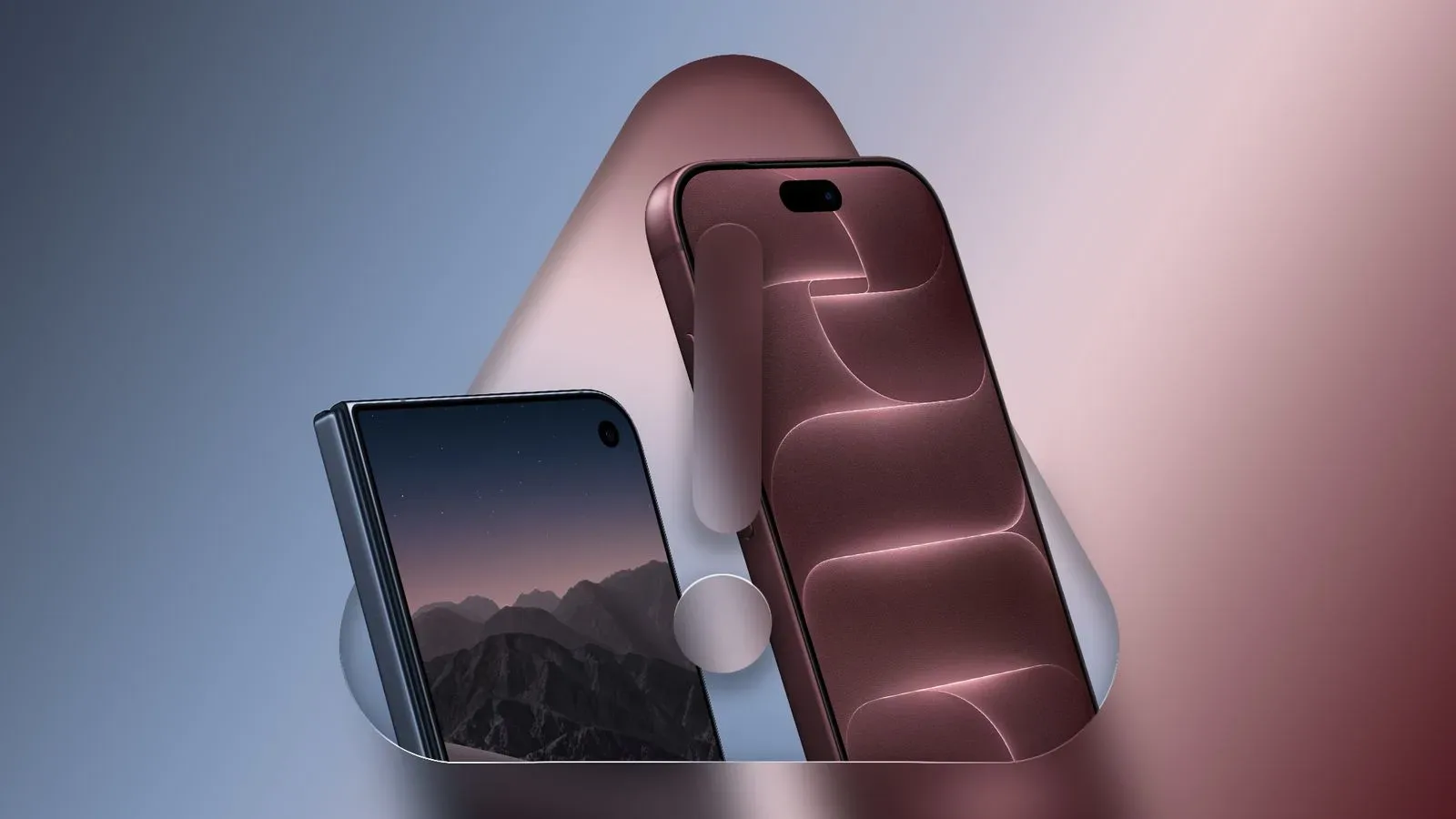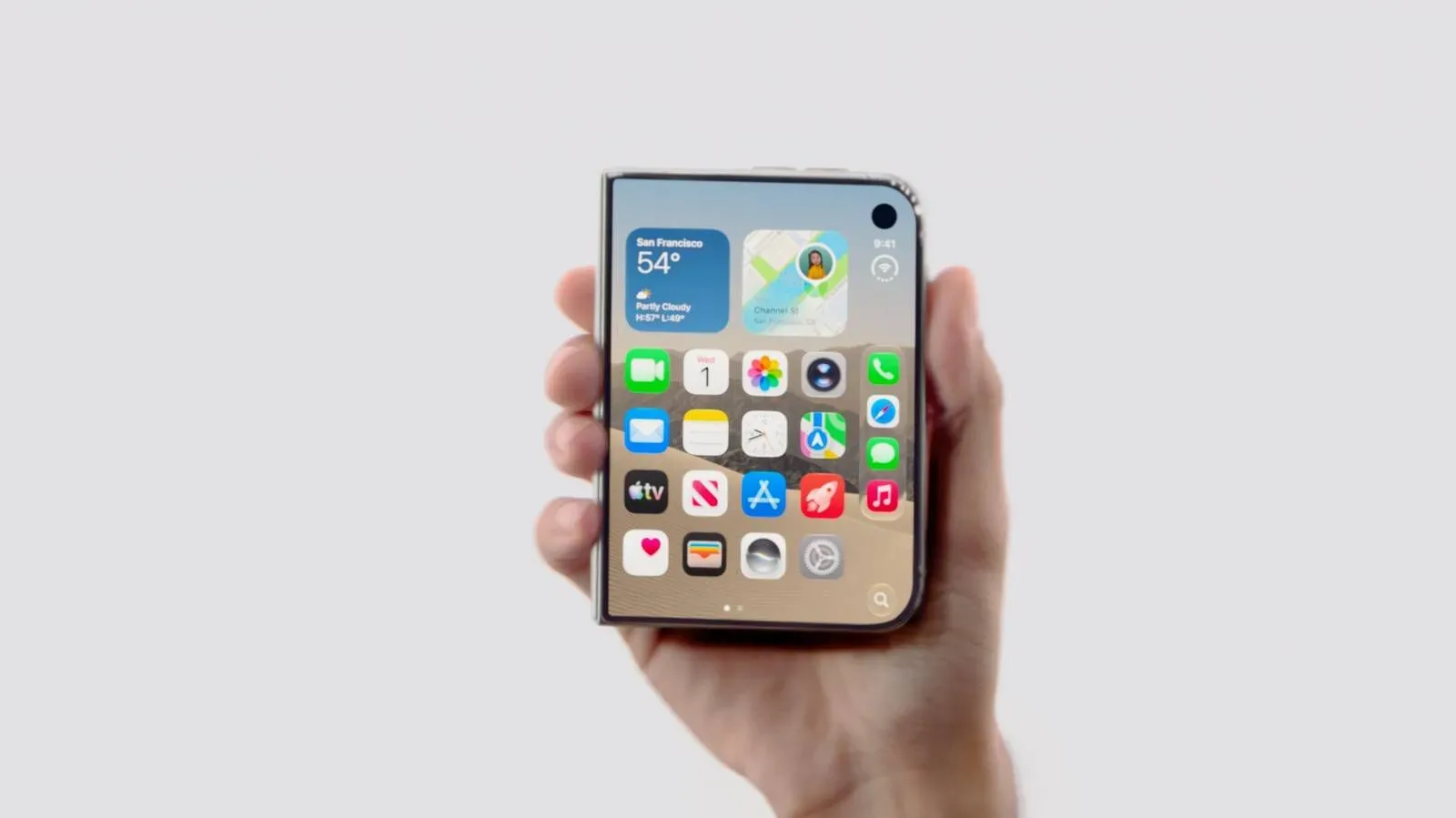
The iPhone Duo has been listed with a total battery capacity of 4,883 mAh on an EU energy label published by Apple. The figure gives a more concrete look at the phone’s power hardware, while also lining up with an earlier report that described the handset as using two separate battery cells.
Those cells are listed at 2,962 mAh and 1,921 mAh. Added together, they produce the newly documented 4,883 mAh total. That match matters because it moves the dual-cell figure beyond an unverified standalone claim and into documentation tied to the device’s formal energy-label information.
What the 4,883 mAh number tells us
mAh, short for milliampere-hours, is a measurement commonly used to describe battery capacity. In plain terms, it indicates how much electrical charge a battery can store. A larger mAh number can suggest more capacity is available, but it is not a direct guarantee of longer real-world battery life.
A phone’s eventual runtime also depends on the power required by its display, processor, wireless connections, software activity and whatever a person is doing with it. Gaming, video capture, navigation, mobile-data use and high screen brightness can all change the rate at which a battery is consumed. As a result, the label establishes an important hardware specification, not a universal answer to how many hours every owner will get between charges.
Still, capacity is useful context. It is a fixed starting point for understanding where the iPhone Duo sits within Apple’s recent phone lineup, and it offers a clearer reference point than vague claims about a device having a “large” or “small” battery.
A two-cell battery arrangement
The 4,883 mAh total is made up of a 2,962 mAh cell and a 1,921 mAh cell rather than one battery cell of that full capacity. The available material does not specify the internal layout, charging behavior or design rationale for the split, so it would be premature to draw conclusions about those details.
What can be said is that the two capacities together account exactly for the EU label’s total. For shoppers who had seen the earlier cell figures, that is the key confirmation: the reported 2,962 mAh and 1,921 mAh components correspond to the capacity now documented for the iPhone Duo.
The distinction between individual cells and the total is worth keeping straight. Readers comparing phones should use the combined 4,883 mAh figure, not either component by itself. The smaller figures describe pieces of the battery system; the total describes the capacity available from the system as a whole.
How it compares with iPhone 18 Pro models
The iPhone Duo lands between the eSIM-only iPhone 18 Pro and iPhone 18 Pro Max in reported battery capacity:
- iPhone 18 Pro: 4,288 mAh
- iPhone Duo: 4,883 mAh
- iPhone 18 Pro Max: 5,567 mAh
That puts the Duo 595 mAh above the iPhone 18 Pro and 684 mAh below the iPhone 18 Pro Max. It is therefore neither the smallest nor the largest of these three eSIM-only models by raw battery capacity.
That middle position should not be turned into a performance ranking. Capacity comparisons can be informative, but phones with different displays, components and software workloads may use power differently. The documented figures show how much charge the respective batteries can hold; they do not, on their own, prove which model lasts longest under any particular workload.
For the iPhone Duo specifically, the number may be most helpful for people considering the device’s hardware trade-offs. A 4,883 mAh total is now a known part of the package, rather than an estimate based solely on earlier reporting. Anyone trying to judge day-to-day endurance will still need battery-life testing and the device’s other power-related specifications before treating capacity as a final buying answer.
Why eSIM-only status matters here
The iPhone Duo is eSIM-only. An eSIM is an embedded digital SIM used to connect a phone to a mobile carrier, rather than a removable physical SIM card placed in a tray.
That detail is relevant because there is no separate iPhone Duo version with a physical SIM tray that could have a slightly smaller battery. The 4,883 mAh capacity should therefore apply worldwide for the iPhone Duo, rather than being a number limited to one regional hardware variant.
This makes cross-market comparisons simpler than they can be for phones that have different internal designs depending on whether they retain a physical SIM slot. Here, the listed capacity is positioned as the common figure for the product, wherever it is sold.
What the EU label confirms—and what it does not
The energy label provides a firm capacity figure: 4,883 mAh. It also supports the idea that the iPhone Duo contains two cells whose reported capacities add up to that total. Those are the central takeaways.
It does not establish every aspect of the phone’s battery experience. Capacity alone does not reveal charging speed, battery longevity over time, temperature behavior, repairability, power efficiency or exact screen-on time. Nor does the number explain why Apple uses two cells in this product.
That boundary is important in a product category where a single spec can quickly become shorthand for much broader claims. A battery is one part of a system. The iPhone Duo’s 4,883 mAh listing is meaningful and directly comparable with the 4,288 mAh iPhone 18 Pro and 5,567 mAh iPhone 18 Pro Max figures, but it should be read as a capacity measurement first.
There is also a practical benefit to Apple publishing a formal label: it gives prospective buyers a reference that is more useful than speculation. The earlier two-cell figures now have a matching official total, and the eSIM-only design means buyers do not need to account for a physical-SIM version with a different, slightly reduced capacity.
What prospective buyers can take from this
For someone weighing the iPhone Duo against the iPhone 18 Pro family, the cleanest interpretation is straightforward. The Duo’s battery capacity sits in the middle of the three stated numbers. It has more total capacity than the eSIM-only iPhone 18 Pro, while the eSIM-only iPhone 18 Pro Max remains ahead on capacity.
Whether that middle ground is the right fit will depend on priorities beyond the label. Capacity can be a useful filter for buyers who want to understand a device’s physical battery resources, but it should be considered alongside the phone’s broader design and eventual independent battery testing.
The new listing also removes one point of uncertainty around the Duo: its 4,883 mAh total is no longer merely inferred from reports of two cells. For more on the device’s market context, see the earlier coverage of iPhone Duo pre-order demand and supply concerns.