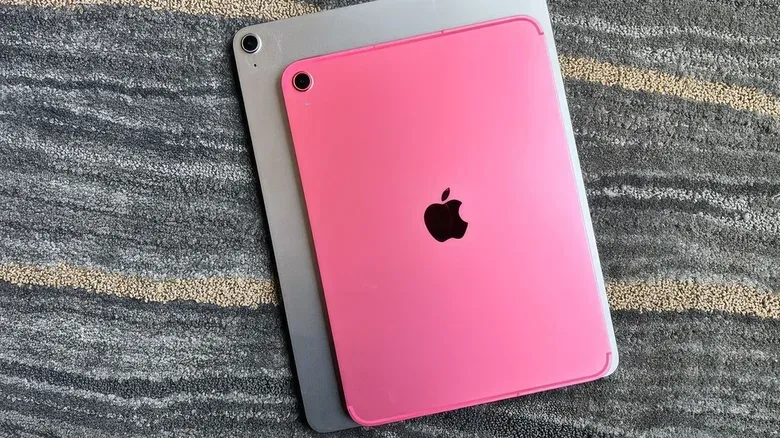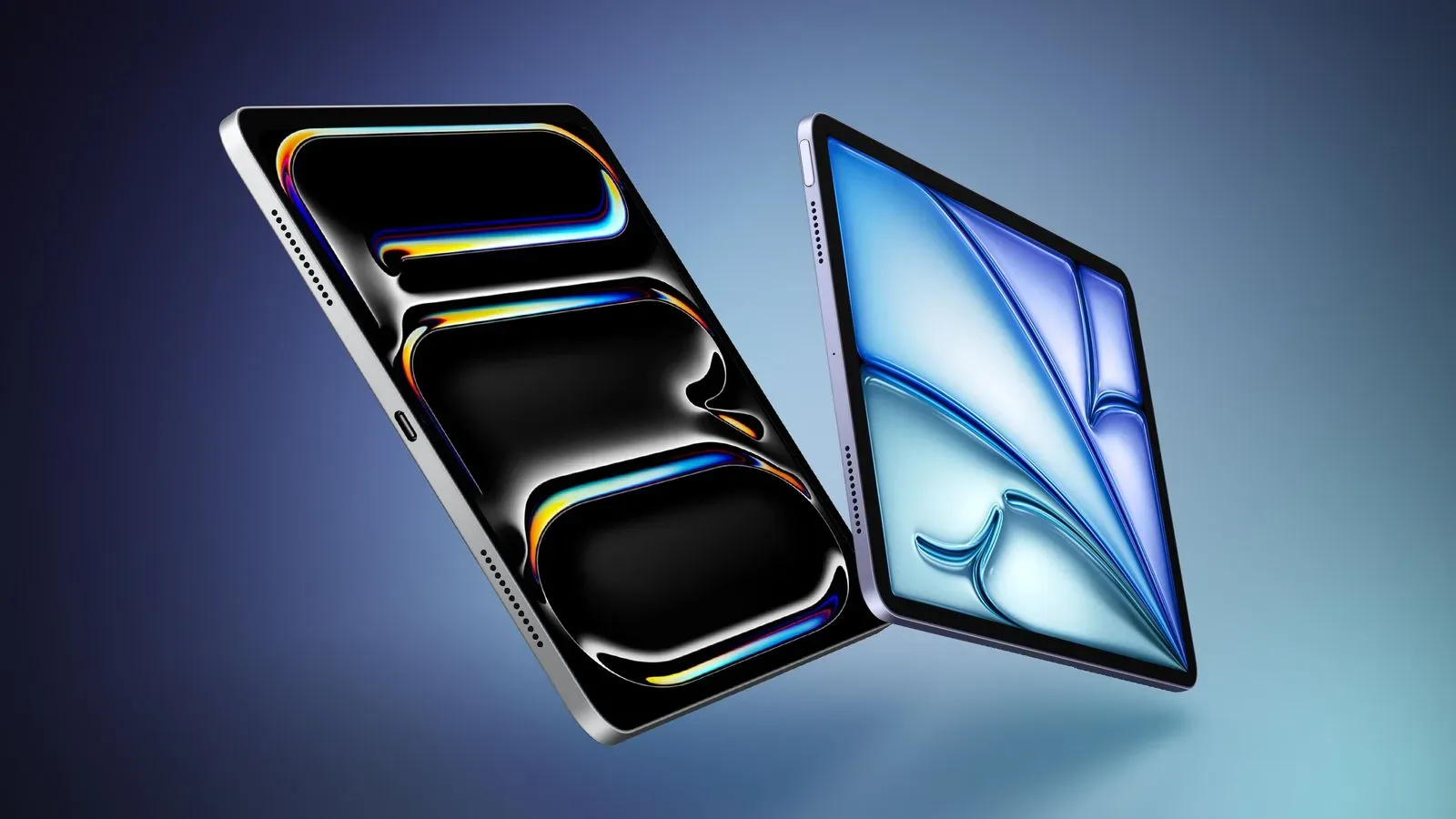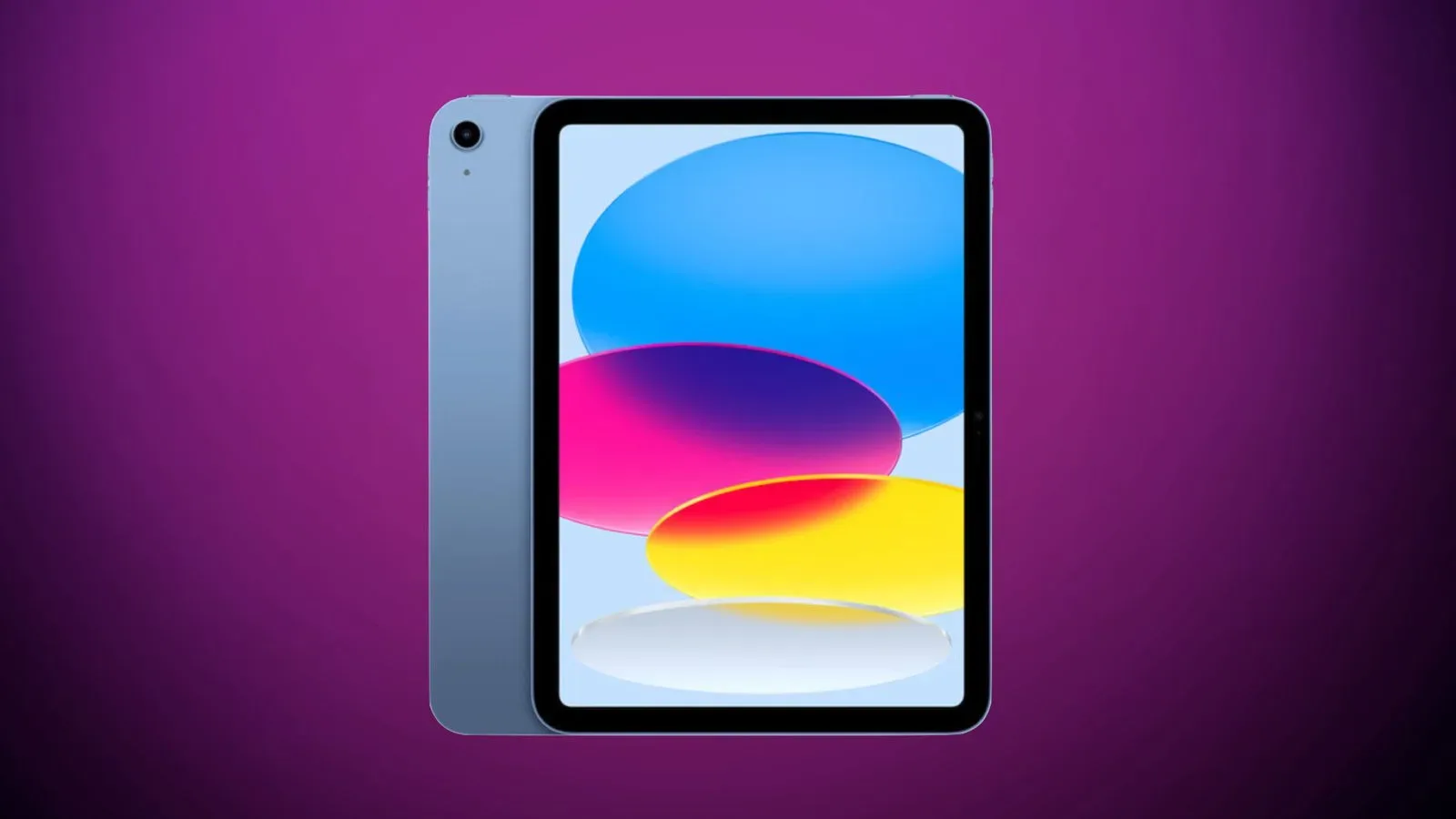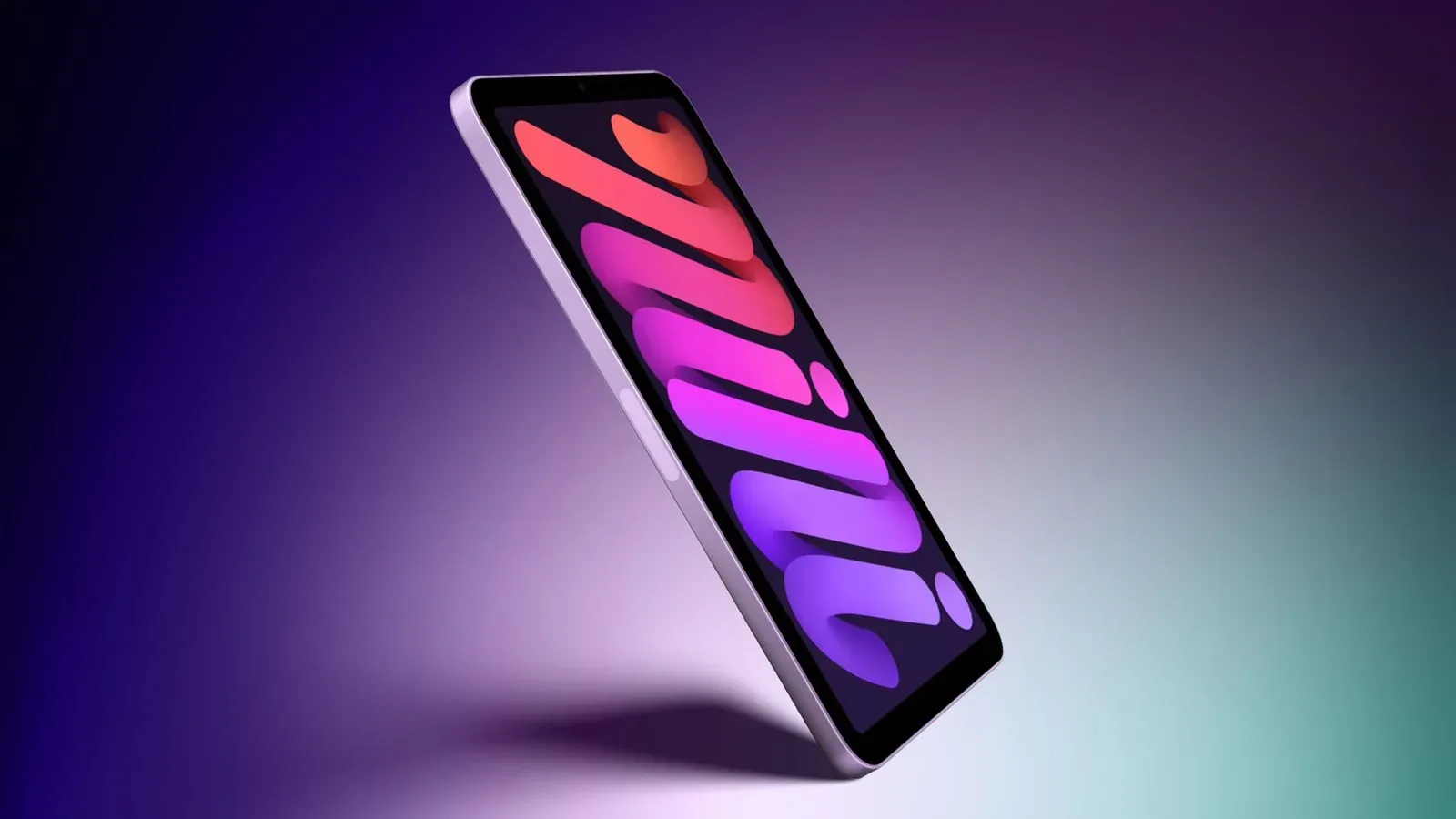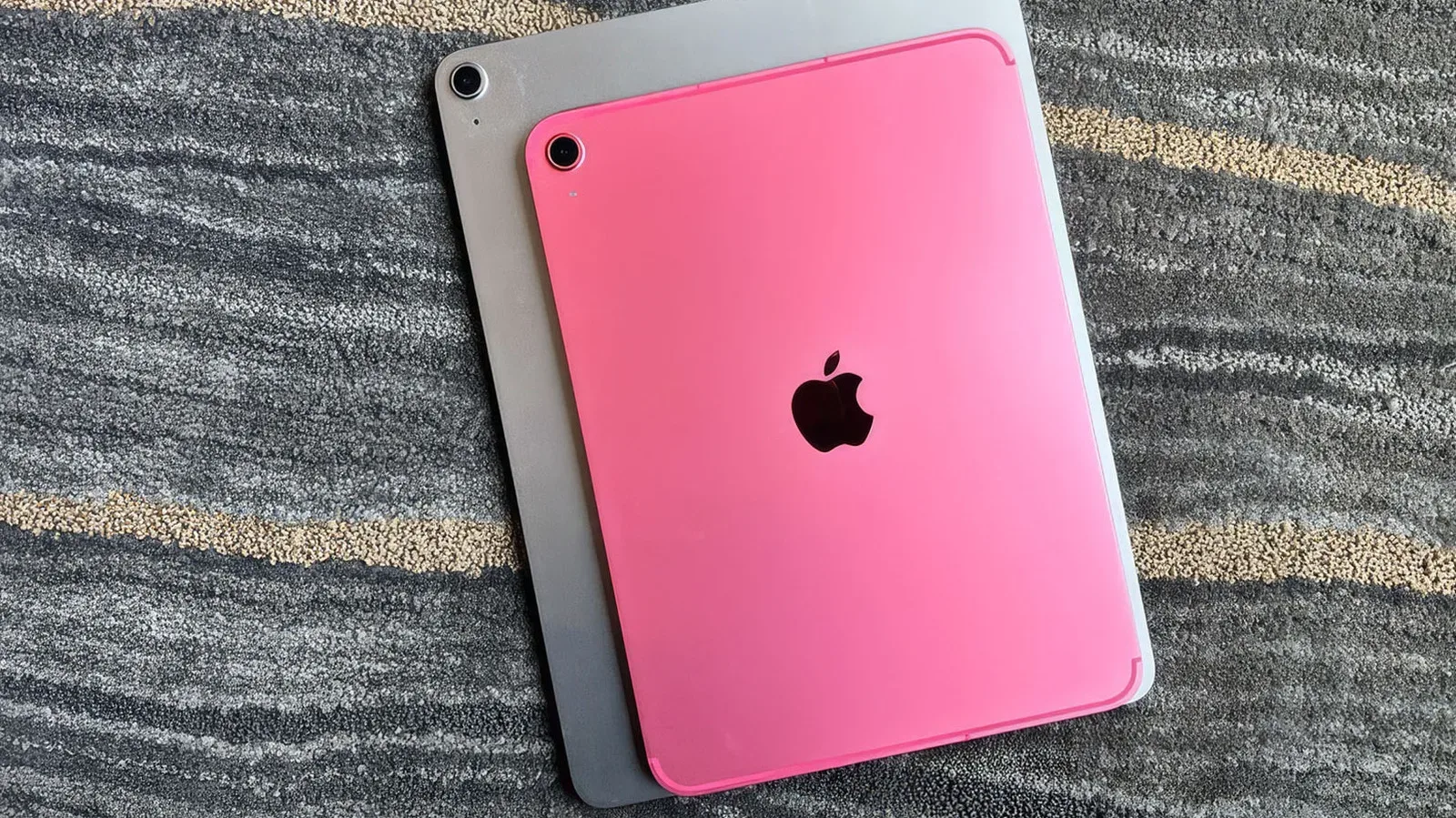
Apple may be preparing a three-pronged iPad refresh for early next year, with reported updates spanning the entry-level iPad, the mid-range iPad Air and the flagship iPad Pro. The prospect is notable not simply because it would touch nearly every remaining rung of the tablet range, but because each model is said to have a distinct reason to exist: accessible on-device AI capabilities for the standard iPad, display technology for the Air, and higher-performance silicon plus improved thermal management for the Pro.
These plans remain unconfirmed, and several important specifics—including the final chip inside the next iPad Pro—are uncertain. Still, the reported direction suggests an effort to clarify the practical differences between Apple’s tablet tiers at a time when the company’s broader device lineup may increasingly overlap. The iPad mini was launched last week, while the iPhone Duo arrived last month, leaving the base iPad, iPad Air and iPad Pro as the apparent candidates for the next wave.
The reported changes at a glance
- Base iPad: An A19 chip, 8GB of RAM, Apple Intelligence support, an N1 chip and a C1X modem are reportedly under consideration. Those connectivity components would bring Wi-Fi 7 and sub-6 GHz 5G, with faster speeds and lower battery draw also cited as expected benefits.
- iPad Air: An OLED display is reportedly planned, putting its screen technology in line with the current iPad mini, alongside the usual processor update.
- iPad Pro: The Pro could move beyond M5 to an M6 or possibly a future M7 chip. It is also expected to gain a vapor chamber intended to handle the extra heat generated during demanding work, especially AI tasks.
That is a larger set of changes than a routine speed bump. It does not mean every buyer should hold off on a current model—the report offers no confirmed release date, pricing, storage tiers, sizes or full feature list—but it does establish useful questions for anyone deciding which part of the family is likely to change in the most meaningful way.
Base iPad: the important upgrade may be eligibility
The clearest reported shift for the standard iPad is access to Apple Intelligence. In plain terms, this is Apple’s AI feature umbrella. The crucial point is not just that an iPad may perform tasks faster; it is that the entry device could qualify for capabilities that depend on a particular combination of processor performance and memory.
The reported A19 processor and 8GB of RAM would be the proposed hardware foundation. RAM, or random-access memory, is fast working memory used by apps and the operating system while they are active. More RAM can matter for demanding workloads and multitasking, but it can also be a threshold for features whose models and processing need more memory available. The report specifically pairs 8GB with Apple Intelligence, making feature support the central significance of that number.
For prospective buyers, this could make the ordinary iPad much less of a compromise on the software side. The standard model has traditionally represented the most straightforward route into the iPad lineup. If the report proves accurate, it would retain that role while no longer standing outside Apple’s AI push.
Its connectivity list is just as consequential, if less flashy. The reported N1 chip and C1X modem would enable Wi-Fi 7 and sub-6 GHz 5G. Wi-Fi 7 is a newer Wi-Fi generation designed for higher-speed wireless networking. Sub-6 GHz 5G refers to 5G service operating below 6 GHz; it is distinct from the extremely high-frequency version of 5G often associated with short-range deployments. The practical promise in this report is faster connectivity with reduced battery draw, rather than a claim that every user will see identical speeds in every location.
There is an important buying caveat embedded in that distinction. A modem matters only for cellular-equipped iPads, while Wi-Fi performance depends on the network around the device. Neither reported addition automatically changes every person’s daily experience. But together, they would give the base iPad a much newer connectivity foundation and potentially make it a better long-term fit for people who use their tablet away from home or office networks.
iPad Air could gain a screen-based reason to step up
The iPad Air is reportedly in line for an OLED display, matching the iPad mini in this respect. OLED is a display technology in which pixels emit their own light, rather than relying on a conventional backlight. At a high level, that can allow dark areas of an image to be displayed differently from backlit-panel approaches because individual pixels can be controlled directly.
The source material does not specify the exact panel characteristics, brightness behavior, refresh rate, sizes or any other display measurements for the prospective Air. It would be premature to infer those details. What can be said is that OLED would be a visible, everyday distinction—not merely a benchmark result or a line on a specification sheet. A screen is the component tablet owners look at constantly, whether they are reading, drawing, editing images or watching video.
This reported change could also reshape the Air’s middle position. A recurring challenge for a mid-range device is explaining why it is neither the low-cost option nor the maximum-performance choice. A display upgrade is a direct answer: the Air could be pitched as a device for buyers who want a more premium viewing surface but do not necessarily need the most powerful iPad configuration or a specialized cooling design.
The Air is also expected to receive the usual chip update. That phrase leaves the exact processor unknown, so it should not be treated as confirmation of a particular generation or performance target. Its importance is instead strategic. An Air that improves both the screen and processing hardware would not be a simple cosmetic refresh; it could become the most balanced option in the range, assuming the final product and positioning bear out the report.
iPad Pro’s reported vapor chamber is about sustained work
The potential iPad Pro update is the most technically ambitious of the three. The report says it could move from M5 to an M6, or perhaps even a future M7, while adding a vapor chamber for cooling. The precise chip remains unresolved, but the cooling element gives the story its clearest implication: Apple may be preparing the Pro to sustain tougher workloads rather than solely to advertise a new processor name.
A vapor chamber is a component used to spread heat inside a device. Put simply, it helps move heat away from concentrated hot spots so the system can manage temperature more effectively. That is relevant because powerful chips generate heat under prolonged load. If a device cannot control that heat, it may need to reduce performance to protect itself or maintain stable operation.
The reported motivation is particularly tied to AI tasks. AI work can involve intensive computation, and the report suggests that the increased heat associated with those tasks is why a new thermal approach may be necessary. This does not establish how much faster a future iPad Pro would be, how long it could maintain a given level of performance, or which exact Apple Intelligence experiences would benefit. Those details have not been provided. It does, however, suggest that thermal design may become a meaningful part of the Pro’s identity rather than invisible engineering.
For creative and professional users, sustained capability can matter as much as peak capability. A device that produces a brief high score in a performance test is not necessarily the same thing as one designed to stay responsive through extended processing. The available reporting does not make any measured claims, and buyers should wait for final specifications and independent testing before drawing conclusions. But the possible vapor chamber is a credible signal that Apple sees heat management as increasingly relevant to its top tablet.
Apple’s device categories may be getting harder to separate
The iPad refresh would arrive amid a potentially crowded set of Apple form factors. The iPhone Duo is already part of that picture, and touchscreen MacBook Pro models are also described as a possibility. The result is a question of product identity: when phones have more screen space, laptops have touch input and tablets keep receiving more powerful chips, which job does each device do best?
There is no single answer because buyer needs differ. A person who values a larger portable workspace may see the iPhone Duo as compelling. Someone whose priority is traditional laptop-oriented work may prefer a touchscreen MacBook Pro if those models emerge. And in rooms such as a kitchen, a HomeView smart display may be seen as more convenient than carrying an iPad around.
That does not erase the iPad’s relevance. Apple is said to sell roughly 60 million iPads annually, underscoring that tablets remain an important part of its product mix. The planned distinctions also point toward a possible division of labor: the base iPad as an affordable route to contemporary software and networking, the Air as a screen-forward step-up, and the Pro as the option for people who need the most capable hardware.
Developers will also have reason to watch how Apple Intelligence is distributed across the range. If the base iPad receives the reported 8GB of RAM and becomes eligible, the addressable iPad audience for AI-enabled apps and workflows could expand. That is an implication, not a confirmed developer-policy change, but feature parity on a lower-tier device can affect which experiences feel practical to build and support.
What shoppers should take from an unconfirmed roadmap
The practical takeaway is not that a launch is guaranteed, nor that current iPads have suddenly become obsolete. It is that the reported updates are substantive enough to affect the wait-or-buy calculation for people who care about AI support, OLED technology, new wireless standards or sustained high-end performance.
- If Apple Intelligence matters most, the reported standard iPad update is the model to watch. Its combination of A19 and 8GB of RAM is specifically linked to obtaining access.
- If screen quality is the priority, the reported OLED iPad Air deserves attention. The present information does not establish all panel details, but an OLED move itself would be significant.
- If demanding workloads are central, the prospective iPad Pro’s chip and vapor chamber are the key variables. It is the most promising report for performance-focused buyers, but also the one with the biggest unanswered question over M6 versus M7.
- If the device is needed immediately, do not make a purchase decision based on unspecified features or a timetable that has not been officially confirmed. Evaluate the iPad available now against the tasks it needs to handle now.
The iPad story is no longer just about larger screens or faster chips. AI eligibility, display technology, cellular and Wi-Fi hardware, and thermal engineering may all become clearer markers between models. Apple still needs to explain those differences carefully, particularly as its phones, laptops and smart displays potentially cover more overlapping territory. For a useful look at how the wider app ecosystem is already adapting to newer Apple hardware, see the recent iPhone Duo optimization work for Zoom and Microsoft 365 apps.
Until Apple provides official details, the sensible reading is measured: three iPads may be on the way early next year, and each is rumored to get a meaningful upgrade, but the specifications, timing and final product segmentation are not settled facts. The strongest thread across the report is a company preparing its tablet line for an era in which AI performance and the hardware required to support it may matter as much as raw speed.