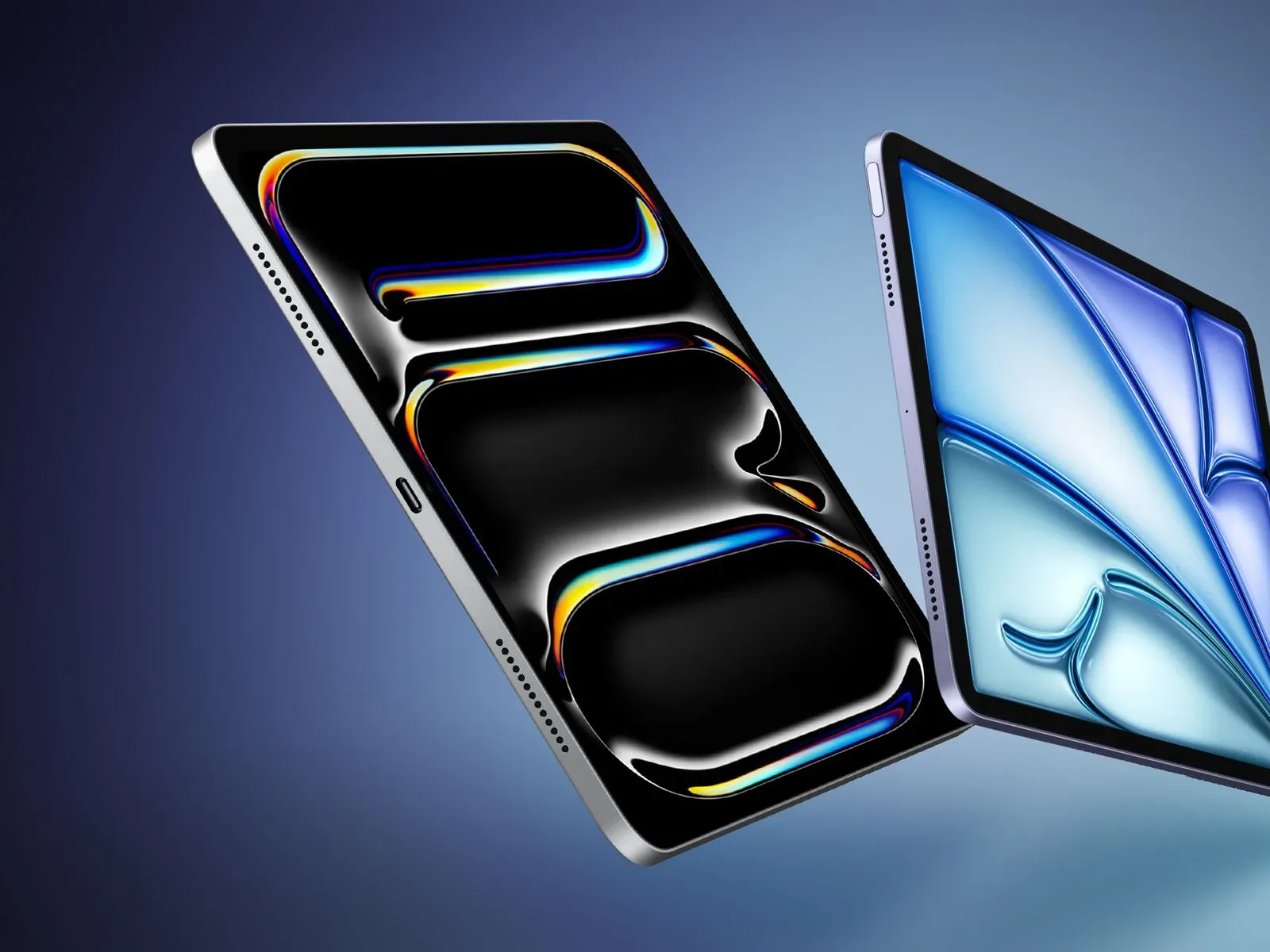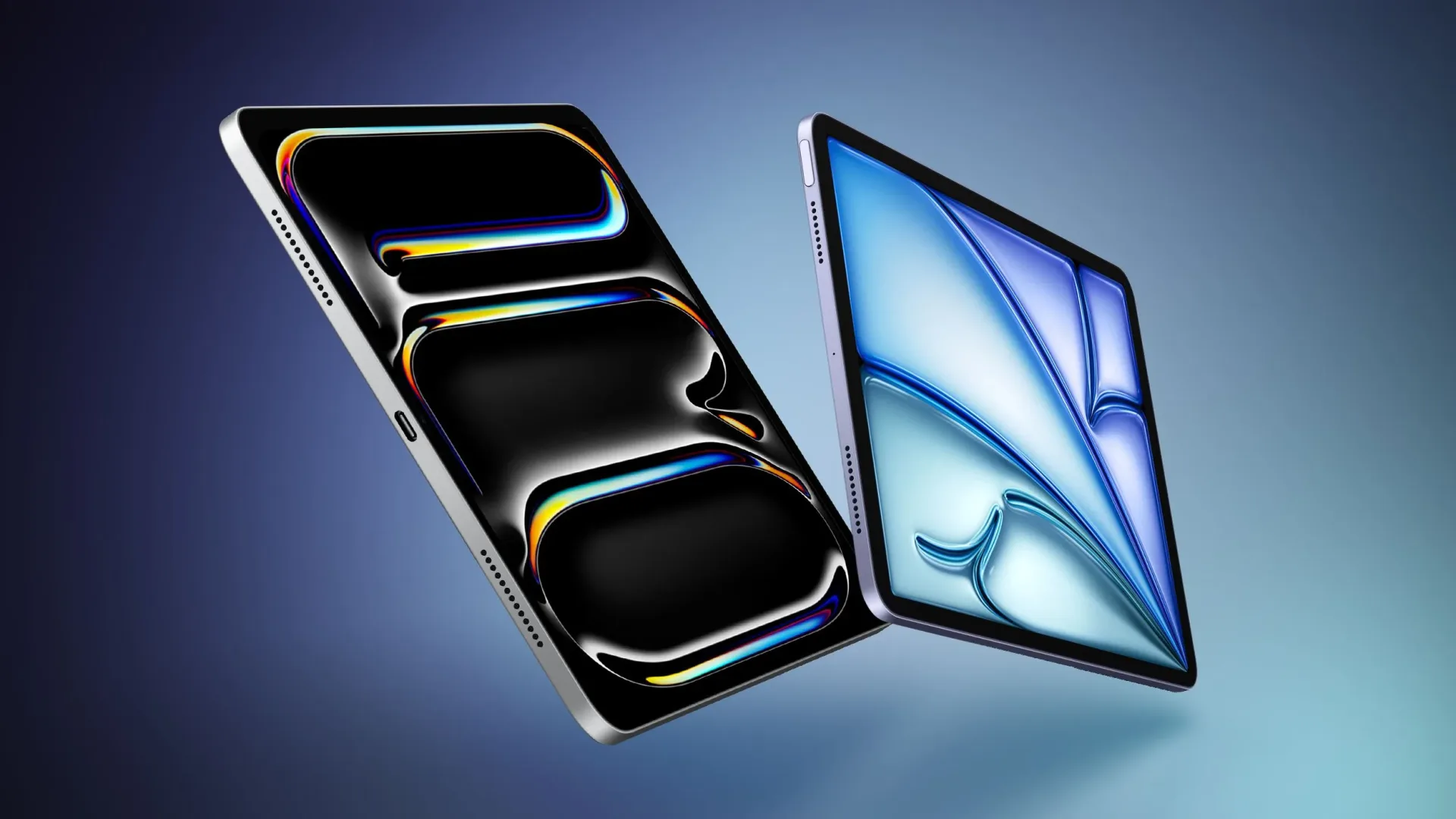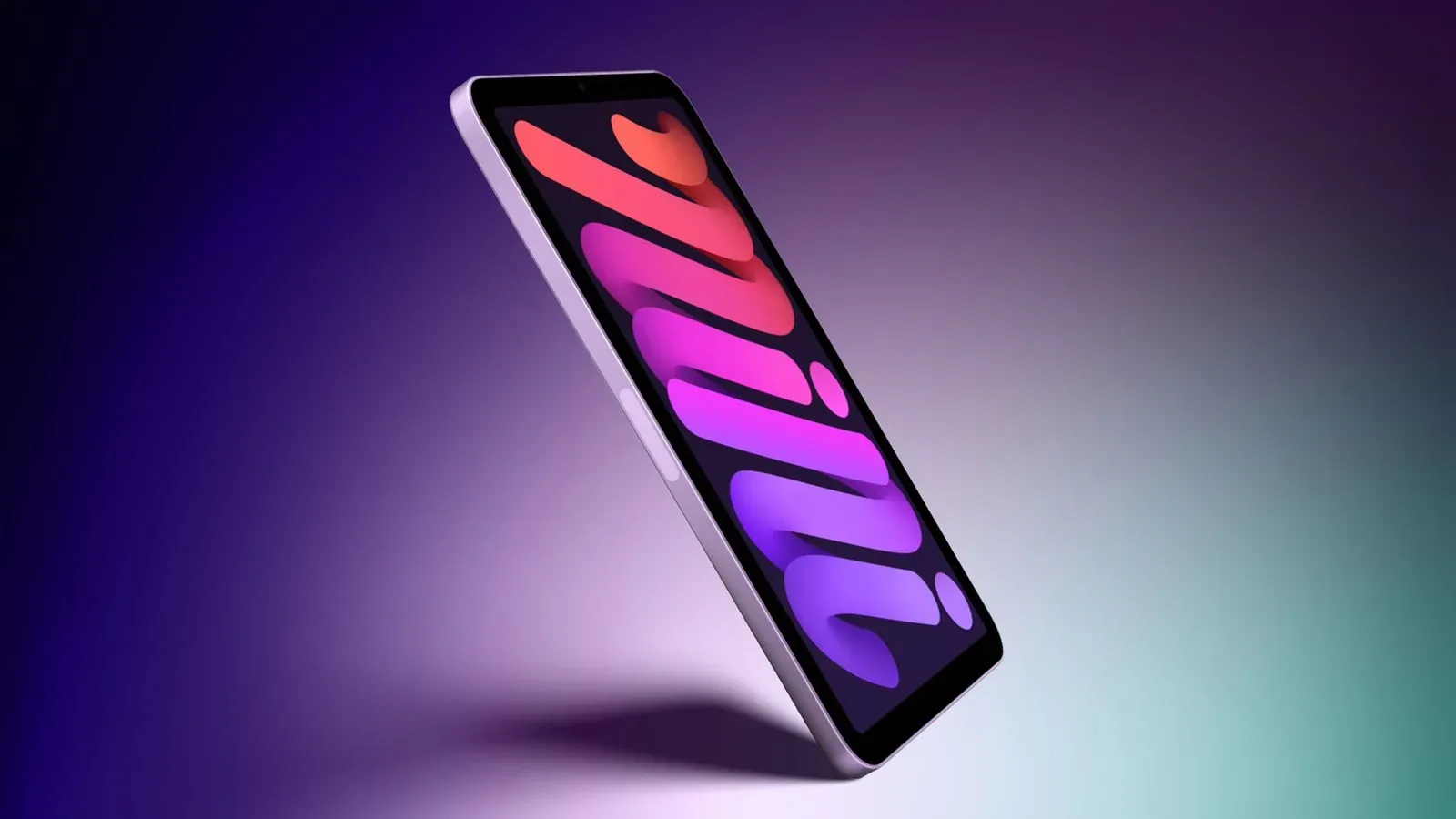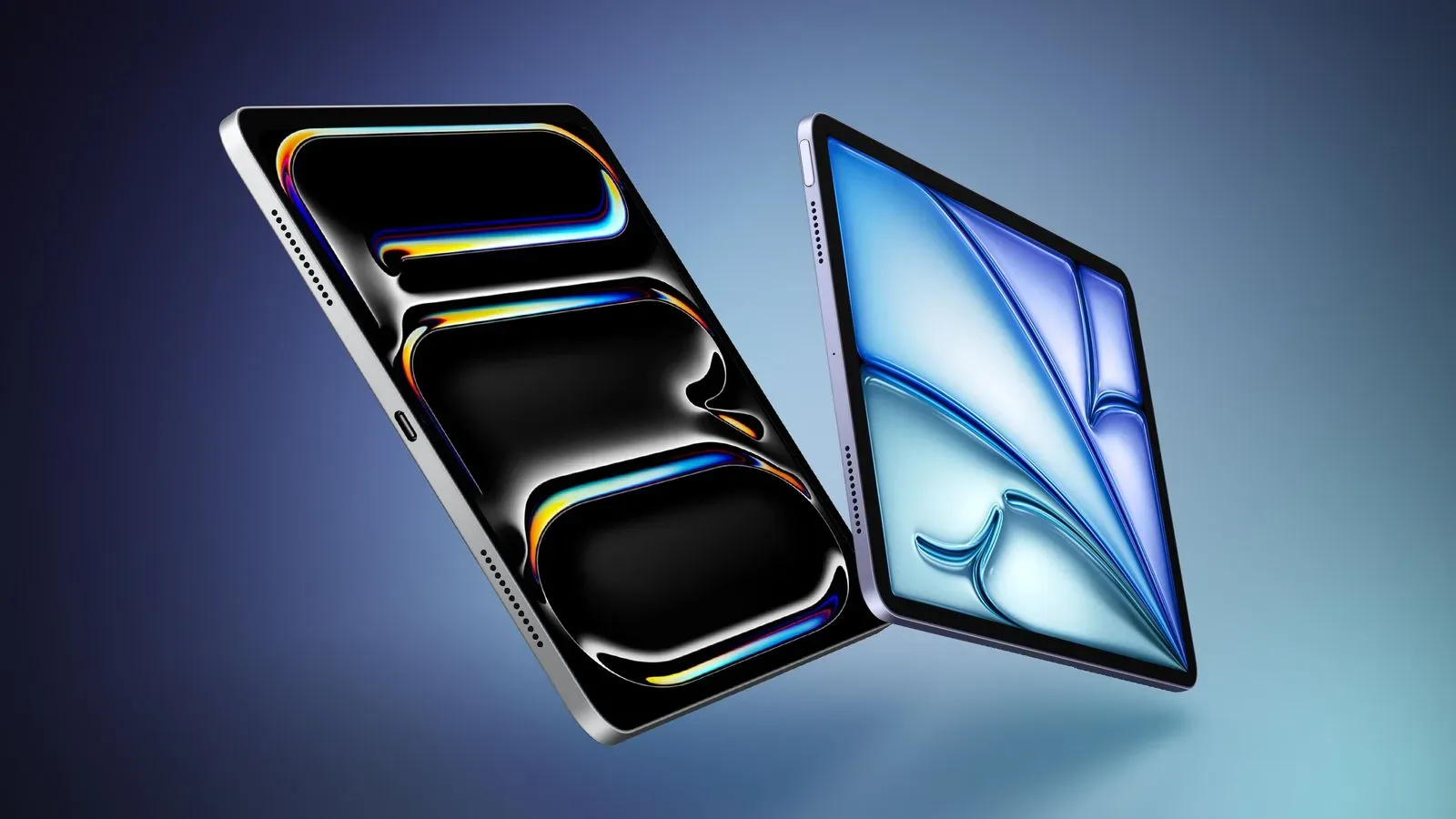
Apple may be planning a broad iPad refresh for the first half of 2027, with new iPad Air, iPad Pro and entry-level iPad models reportedly in the pipeline. The most notable alleged changes are not merely annual chip bumps: the iPad Air is expected to gain an OLED display, while the next iPad Pro could add a vapor chamber intended to manage heat during demanding work.
Those details remain rumors, not confirmed product specifications. That distinction matters, especially when the reported launch window is still well ahead. But taken together with the recently announced OLED iPad mini, the claims suggest Apple could be extending OLED further across its tablet range while using cooling hardware to separate the Pro from the rest of the lineup.
The rumored 2027 iPad lineup
Three models are said to be targeted for the first half of 2027:
- iPad Air: reportedly moving to an OLED display and presumed to use an M5 chip.
- iPad Pro: expected to use an M6 chip and a vapor-chamber thermal system for better sustained performance.
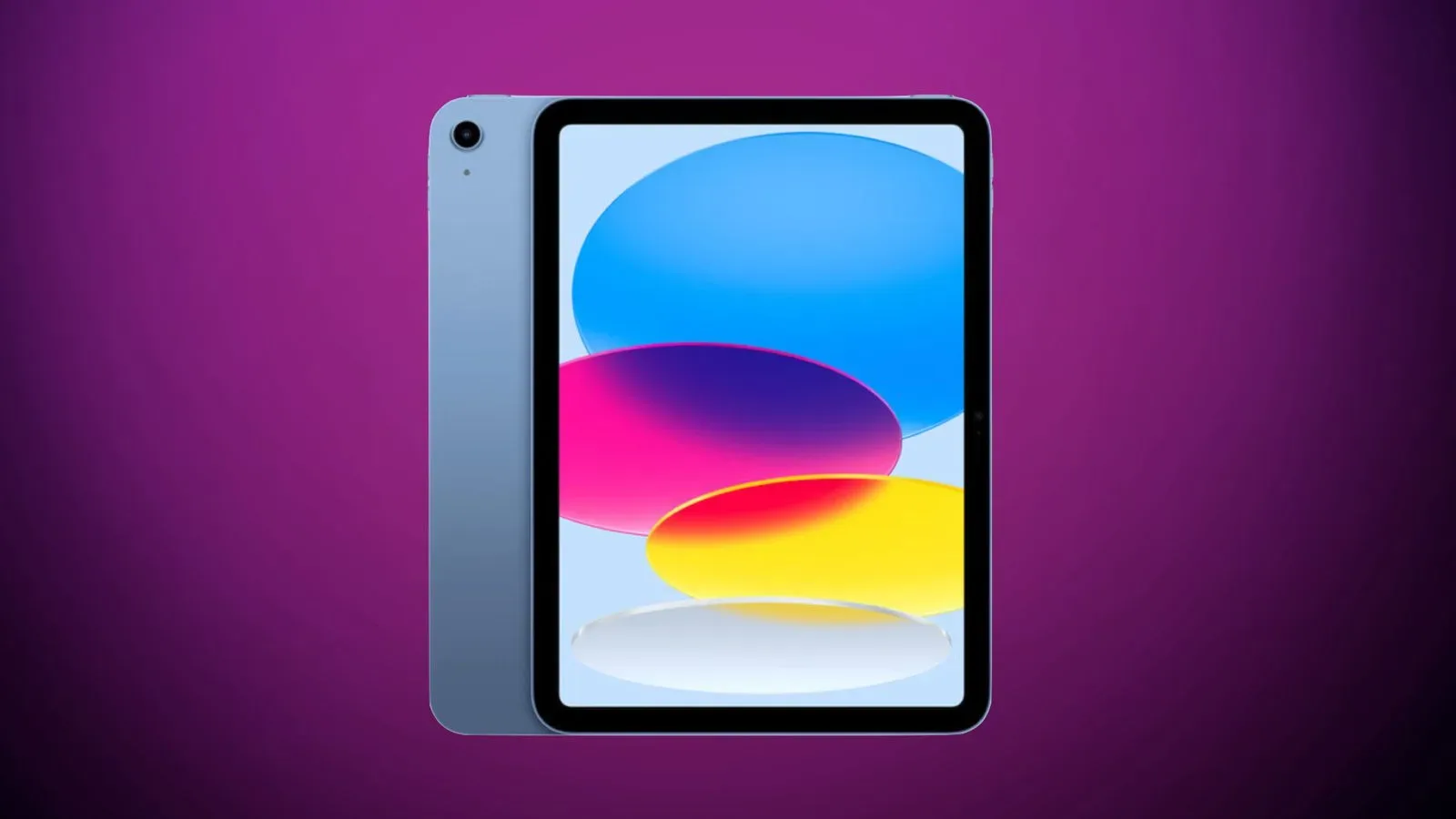
- Entry-level iPad 12: previously rumored to include an A19 chip, an N1 chip with Wi-Fi 7 support, and a C1X modem in cellular versions.
No pricing, screen sizes, storage configurations, exact release dates or software changes have been established by the information at hand. Nor is it confirmed that every item described will make it to the final hardware. The M5 and M6 references for the Air and Pro are expectations rather than firm claims.
OLED on iPad Air could be the headline change
OLED, short for organic light-emitting diode, is a display technology in which pixels emit their own light. Unlike a conventional backlit display, an OLED panel can switch individual pixels off. In practical terms, that can allow true black areas rather than a black that is still lit from behind.
For an iPad Air, the reported move would matter because the Air has traditionally occupied the middle ground: more capable than the basic iPad, but distinct from the Pro range. An OLED screen would make the Air a materially more premium proposition on the component level, not simply a tablet with a faster processor.
Apple already announced a new iPad mini with an OLED display earlier in the month. If the Air follows, it would indicate a wider rollout of the technology within the company’s tablet family. It would not, however, tell buyers everything they need to know. Display implementation can differ between products, and the current report does not provide panel specifications, brightness figures, refresh-rate details or any other measurement that would allow a direct comparison.
For people who use a tablet as a portable screen for games, video, art or general media, display quality is often as noticeable as processor speed. That is an explanation of why an OLED Air would attract attention, rather than evidence of how any unreleased model performs. Until Apple confirms the hardware, shoppers should treat the alleged panel change as a reason to watch, not a reason to delay or make a purchase decision on its own.
Why a vapor chamber could distinguish the iPad Pro
The iPad Pro rumor is more technical. A vapor chamber is a thermal-management component designed to spread heat away from hot areas. It is not a promise of unlimited performance, and it does not by itself define a device’s speed. Its importance is in helping a system dissipate heat more effectively under sustained load.
The reported purpose here is improved sustained performance. That wording is key. A device can deliver a short burst of performance and then reduce speed when temperatures rise in order to protect its components. Better thermal dissipation can help preserve performance during longer intensive tasks, rather than changing the fact that the hardware has a finite thermal limit.
If implemented, the cooling system would be a logical way to reinforce the Pro’s positioning beside a rumored OLED-equipped Air. With both lines potentially featuring more advanced displays, the Pro would need meaningful differentiators beyond its processor generation. The report’s expected M6 chip and possible vapor chamber form one such distinction: a focus on high-end capability maintained over time.
It is important not to overstate the claim. There are no reported benchmarks, no described workloads and no confirmed information about the chamber’s size or design. As a result, it would be premature to claim specific gains for creative apps, games or any other use case. What can be said is narrower: the rumored component is intended to improve the Pro’s ability to deal with heat during prolonged demanding activity.
The basic iPad may get a connectivity and AI-focused update
The entry-level iPad 12 is rumored to receive an A19 chip, which would enable Apple Intelligence support. Apple Intelligence is Apple’s name for its AI-related features; the report links support on this model to the rumored A19 silicon. It does not identify which features would be available or how they would function on the device.
The same iPad is also said to feature an N1 chip with Wi-Fi 7 support. Wi-Fi 7 is a newer Wi-Fi standard, and the notable point in this report is compatibility support, not a guarantee of a particular real-world connection speed. Actual network performance depends on factors beyond the tablet itself, including the network being used.
For cellular models, the prior rumor includes Apple’s power-efficient C1X modem. A modem is the component that handles cellular-network connectivity. The claim is explicitly limited to cellular iPad 12 versions, so it should not be read as an upgrade that would apply to Wi-Fi-only units. There are also no stated battery-life estimates, network claims or carrier details attached to the C1X reference.
That combination gives the entry model’s alleged refresh a different character from the Air and Pro stories. The Air’s reported headline is screen quality. The Pro’s is a combination of next-generation processing and heat management. The basic iPad’s reported changes concern chip capability, AI eligibility and wireless connectivity. In other words, the rumor does not portray the three devices as receiving identical upgrades at different prices.
How to read this rumor cycle
Several layers of certainty are present in the current picture. The broad claim is that Apple plans to release three iPad models in the first half of 2027. More specific details then vary in firmness: OLED is reported for the next Air; a vapor chamber is expected for the next Pro; and the M5 and M6 chip assignments are framed as presumptions. The iPad 12 features are described as previously rumored.
That language is not nitpicking. It is the useful way to separate a reported timetable from anticipated hardware and earlier speculation. Rumored products can change before launch, and a product name or component expectation should not be treated as an official roadmap.
Consumers weighing an iPad purchase now also have an obvious limitation: the report gives no exact date within the first half of 2027. A broad window cannot answer whether an announcement is close enough to wait for, whether stock will appear immediately, or what each configuration may cost. It likewise cannot establish whether a new model will be the right fit for someone whose priority is a particular display, cellular service or on-device feature set.
For Apple watchers, the stronger takeaway is the direction suggested by the individual rumors. OLED may be spreading beyond the highest-end tablets; Pro differentiation may increasingly include thermal engineering as well as processing silicon; and the entry-level iPad may be positioned to gain Apple Intelligence support and newer wireless hardware. Each is consequential if it happens. None is a substitute for final specifications.
Apple’s broader device plans are also worth viewing as part of its software-and-hardware ecosystem rather than as isolated spec sheets. The company’s setup experience has recently been a point of attention in reporting around HomeView shipping on version 26.5 software. That does not confirm anything about these iPads, but it is a reminder that hardware launches and software readiness often intersect.
What is known—and what is not
At present, the prospective 2027 refresh is best understood as a three-part report with a shared timeframe. The rumored iPad Air could gain OLED and may use M5; the iPad Pro could pair M6 with vapor-chamber cooling; and the iPad 12 could bring A19, Wi-Fi 7 support through N1, and C1X cellular hardware in applicable models.
What remains unknown is equally substantial: final names, pricing, regional availability, sizes, storage, display characteristics beyond the OLED claim, exact performance, battery results and a launch date. There is no confirmed Apple announcement in the supplied information. Until one arrives, the sensible expectation is not that every detail is settled, but that the first half of 2027 could be a notably busy period for the iPad range.