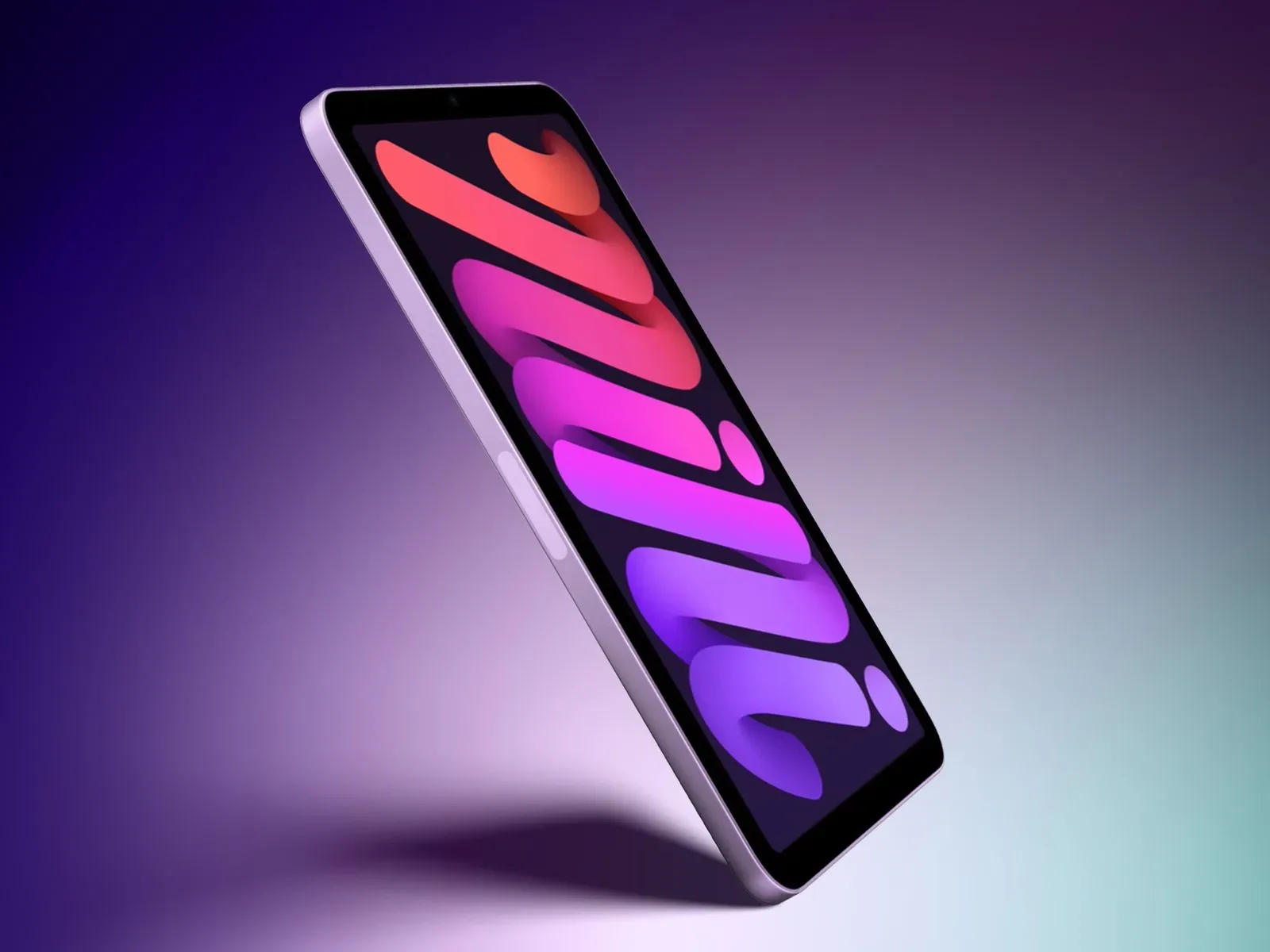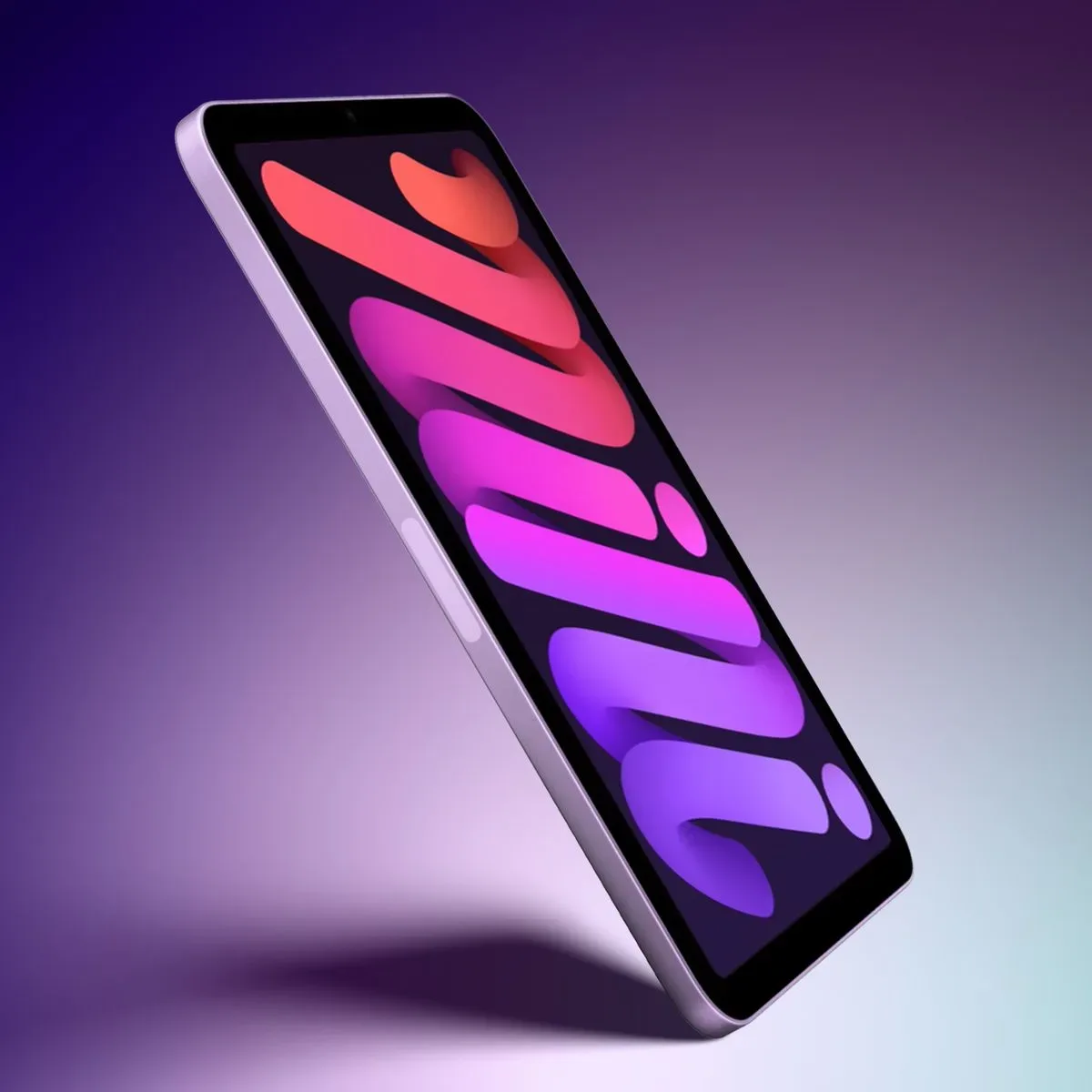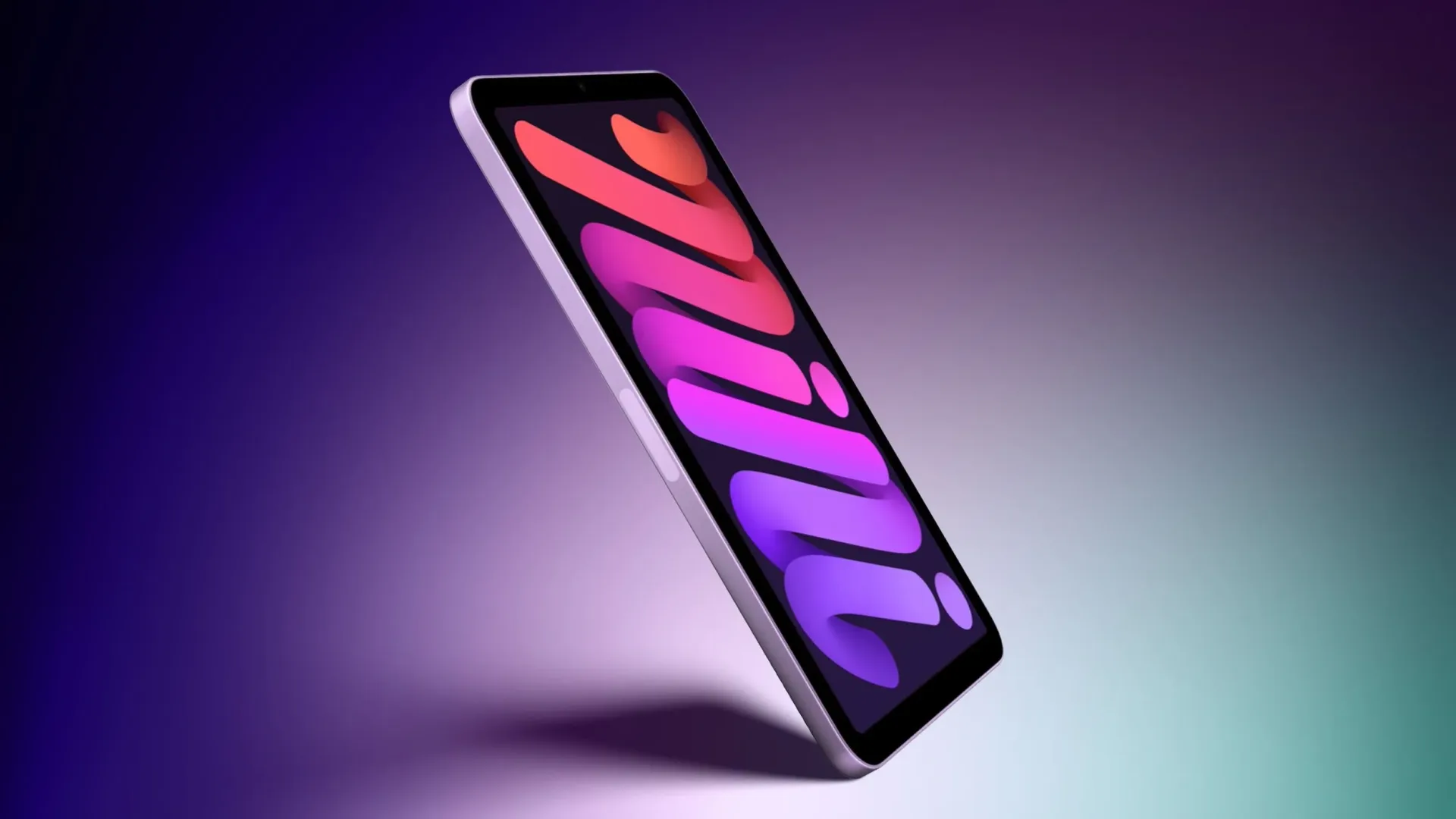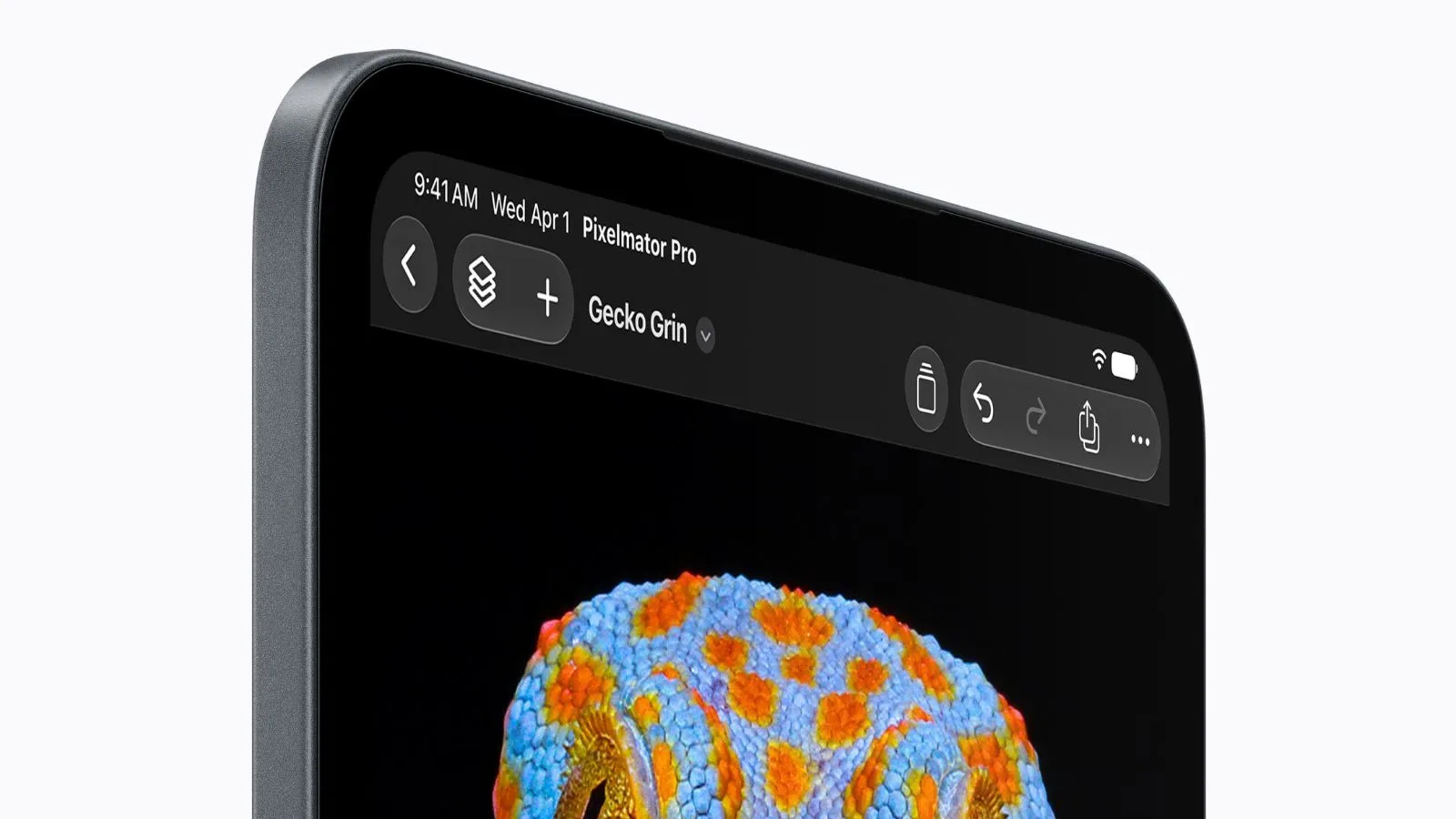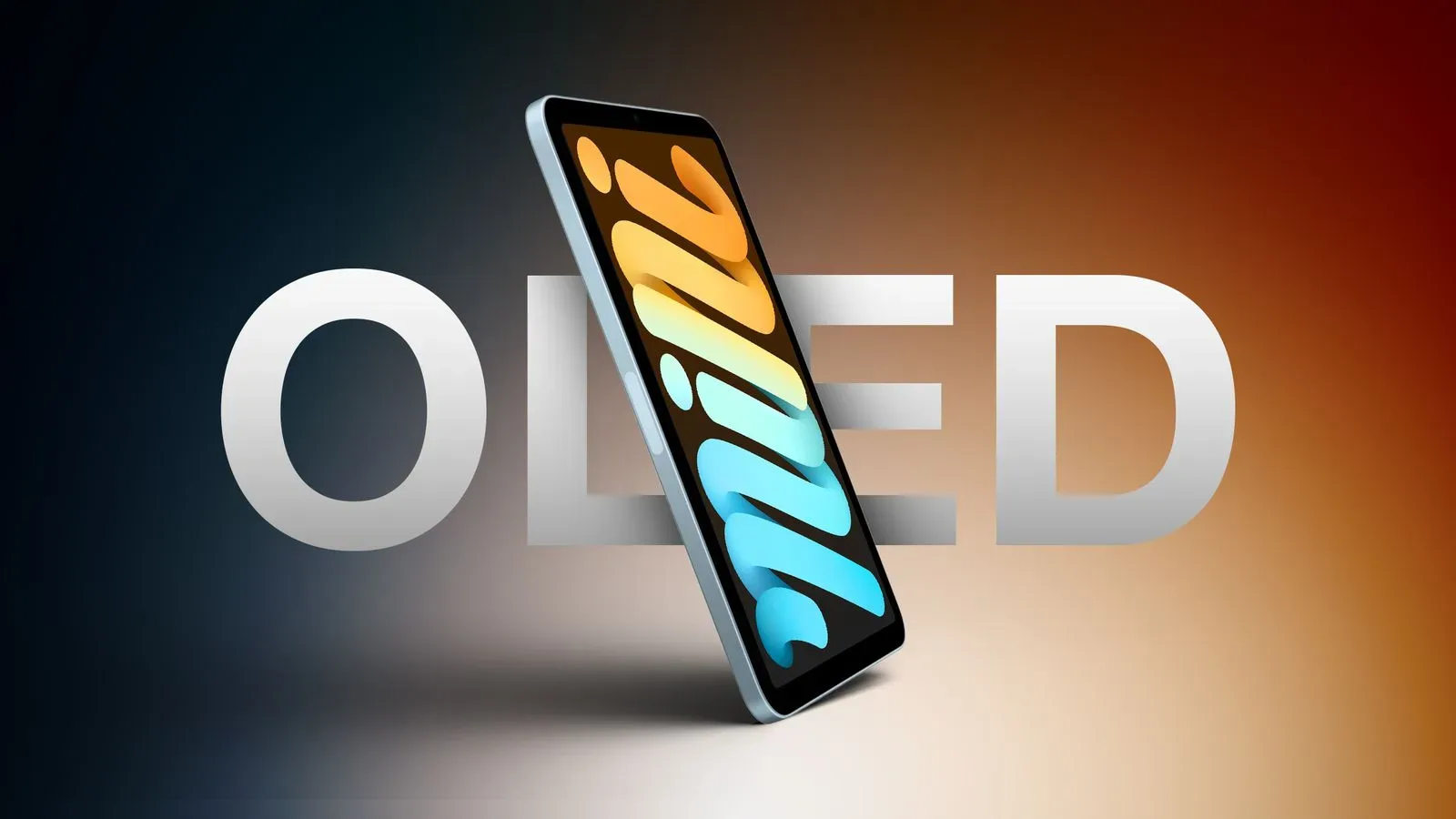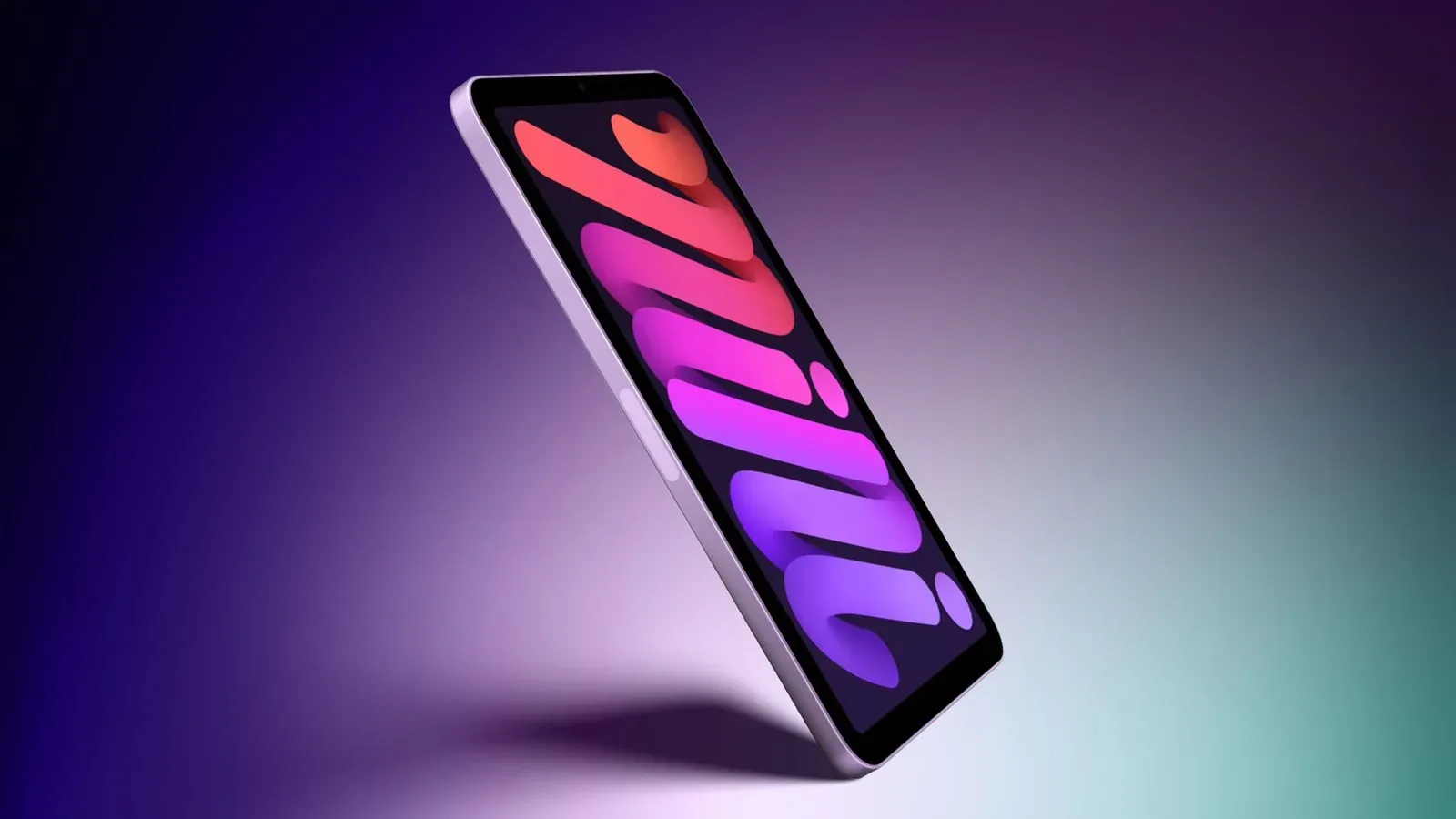
A new iPad mini may be close to breaking cover, with reports pointing to an Apple reveal as soon as October 26 or, failing that, October 27. The reported device—widely described as the iPad mini 8—would be a substantial revision of Apple’s smallest tablet rather than a simple processor refresh. The headline changes are said to include an OLED screen, an A20 Pro processor, 12GB of memory, revised cameras and speakers, updated wireless silicon, and IP-rated water resistance.
Important caveat: none of those specifications are official in the material available so far. Some of the more consequential details, especially display refresh rate, cellular modem choice and pricing, remain uncertain. Still, the list paints a clear picture of what Apple may be trying to do: preserve the mini’s compact format while addressing several areas in which the current model has remained more modest than larger, more expensive tablets.
The reported unveiling is tied to an Apple experience in Los Angeles on Wednesday, October 28, where invitees are expected to get hands-on time with the tablet alongside new MacBook Pro and iMac hardware. For background on the broader OLED iPad mini story as it develops, see our OLED iPad mini coverage.
OLED could be the most visible upgrade
The proposed move from LCD to OLED would be the change users notice first. LCD panels use a separate backlight behind the display. OLED, short for organic light-emitting diode, allows individual pixels to emit their own light. A pixel can switch off completely when an image calls for black, which is why OLED can deliver true blacks and a much higher contrast ratio than a typical LCD.
In practical terms, that can make dark game scenes, film letterboxing, space backgrounds and interface elements look more convincing because black areas do not carry the gray glow associated with a backlight. Richer color is also expected. Those benefits are relevant to a small tablet: a compact device is often held closer to the face than a laptop display, making contrast and color quality particularly apparent.
The screen is reportedly slightly larger than the current iPad mini’s display, while thinner bezels may help Apple accomplish that without dramatically changing the overall footprint. That combination matters more than a diagonal measurement alone. A larger active display area could make touch controls, reading panes and split-screen work a little less cramped while retaining the portability that distinguishes the mini line.
One central screen question is unresolved. Apple has reportedly tested both 60Hz and 120Hz options. Refresh rate measures how often a display updates per second. At 60Hz, the panel redraws up to 60 times per second; at 120Hz, it can redraw twice as often. A 120Hz adaptive implementation is commonly associated with the ProMotion name and can make scrolling, animation and compatible games appear smoother. It may also adjust dynamically to conserve power when high refresh is not needed.
OLED alone would be a meaningful visual upgrade, but it does not answer the refresh-rate question. A 60Hz OLED mini could provide much deeper blacks and stronger contrast without offering the fluid motion associated with 120Hz displays. Until the device is official, shoppers should not treat a high-refresh screen as confirmed.
A20 Pro and 12GB RAM could reshape the performance ceiling
The report expects an A20 Pro chip built on TSMC’s 2nm manufacturing process. Process labels are not a simple promise of a physical dimension, but a newer process generation generally signals an opportunity for better performance, improved power efficiency or a balance of both. The claimed expectations are up to roughly 1.5 times the CPU performance and up to roughly 2.5 times the GPU performance of the A17 Pro used in the current iPad mini.
The CPU, or central processing unit, handles a broad range of everyday computational work. The GPU, or graphics processing unit, is especially important for drawing visual content and accelerating graphics workloads. For games, a large GPU uplift could potentially give developers more headroom for visual effects, resolution, frame rate or steadier performance—but those outcomes depend on individual software and have not been demonstrated here. A chip comparison is not a guarantee that every game will run at a fixed multiple of its previous speed.
The A20 Pro is also said to introduce a dual 16-core Neural Engine, for 32 cores in total. A Neural Engine is dedicated hardware intended for machine-learning tasks. The core count alone does not provide a complete measure of real-world AI performance, and no broader benchmark figures are supplied. It does, however, fit with the report that the iPad mini 8 would receive 12GB of RAM instead of the current model’s 8GB.
RAM is the working memory used to keep active apps and data readily available. More RAM can be useful when an operating system has to hold more data in memory or keep more demanding tasks available at once. Here, the stated software implication is support for adjusting the pace and expressiveness of Siri AI’s voice. That is a specific capability attached to the reported memory increase, rather than evidence for any wider list of AI features.
For compact-tablet buyers, the processor and memory claims are arguably more consequential over time than a cosmetic redesign. A small device may be used for quick notes, media, reading, portable games, communication and lightweight work across many years. The difference between a good screen and a stronger internal platform is that the latter can affect which capabilities remain feasible as software evolves. But prospective owners should wait for final details on configurations and software support before making long-term assumptions.
Camera placement and connectivity target everyday friction points
Another reported change is a landscape-oriented front camera. In portrait use, the lens would sit in the right bezel rather than at the top. Put the tablet in landscape orientation, as many people do for video calls with a keyboard or stand, and the positioning should be better aligned with the user’s face. The change is less glamorous than OLED, yet it addresses a familiar awkwardness of front cameras designed around portrait framing on devices that are frequently used sideways.
Connectivity may also receive a broad update. The iPad mini 8 is expected to use Apple’s custom N1 chip with Wi-Fi 7 and Bluetooth 6 support. Wi-Fi 7 and Bluetooth 6 are standards generations, not an automatic promise that every household network or accessory will immediately behave differently. Real benefits depend on compatible routers, peripherals, software and local network conditions. Still, newer radios can matter during the lifespan of a tablet, particularly for buyers who keep a device through multiple network upgrades.
Cellular models may use either an Apple C1X or C2 modem, though the specific component is not settled in the report. A modem is the hardware that communicates with cellular networks. This detail applies only to cellular configurations and should not be read as a change affecting Wi-Fi-only models in the same way.
A speaker redesign and first IP rating would change the hardware proposition
The audio design may be undergoing a much bigger rethink than usual. Reports describe a speaker system without conventional speaker holes, potentially using an iPhone earpiece-like speaker in the top bezel. The exact acoustic arrangement and its sound characteristics are not confirmed, so it would be premature to declare it better or worse than the existing approach. What is clear is that eliminating visible holes would be a notable design shift.
That reported redesign sits alongside an expected first: IP-rated water resistance. An IP rating, short for Ingress Protection, is a standardized classification that indicates how well a device resists intrusion from solids and liquids under specified test conditions. The exact rating is crucial, because different ratings indicate different levels of protection. No rating number is available here, so there is no basis to characterize the tablet as suitable for submersion, heavy rain, dust exposure or any particular scenario.
Even so, the prospect is meaningful. Water resistance is not the same thing as waterproofing, and it should not be treated as permission to expose electronics to liquid. It can instead provide a defined degree of protection against specified accidents or conditions. Until Apple gives the precise rating and related guidance, cautious handling remains the sensible approach.
Price may be the difficult part of the upgrade
The current iPad mini starts at $599 in the United States following a $100 increase in June, a rise Apple attributed to sharply higher RAM and storage chip costs. An OLED display is expected to be more costly, creating the possibility that the next model could cost more again.
No price for the rumored iPad mini 8 has been provided, and the current $599 starting point should not be mistaken for an announced price for the new device. That distinction is especially important because the reported upgrade list includes several components that could raise manufacturing cost: OLED, more RAM, a newer processor, new wireless hardware, a potential cellular modem revision and a redesigned audio system.
The value calculation therefore hinges on details that have not yet emerged. Buyers will need the final starting price, storage tiers, display refresh rate, cellular options and IP rating to judge whether the mini remains the relatively accessible entry to Apple’s tablet range or becomes a more premium compact device. The expected OLED panel may be the eye-catching headline, but the final equation will be determined by what Apple confirms—and by what it asks customers to pay for the smaller tablet’s new ambitions.