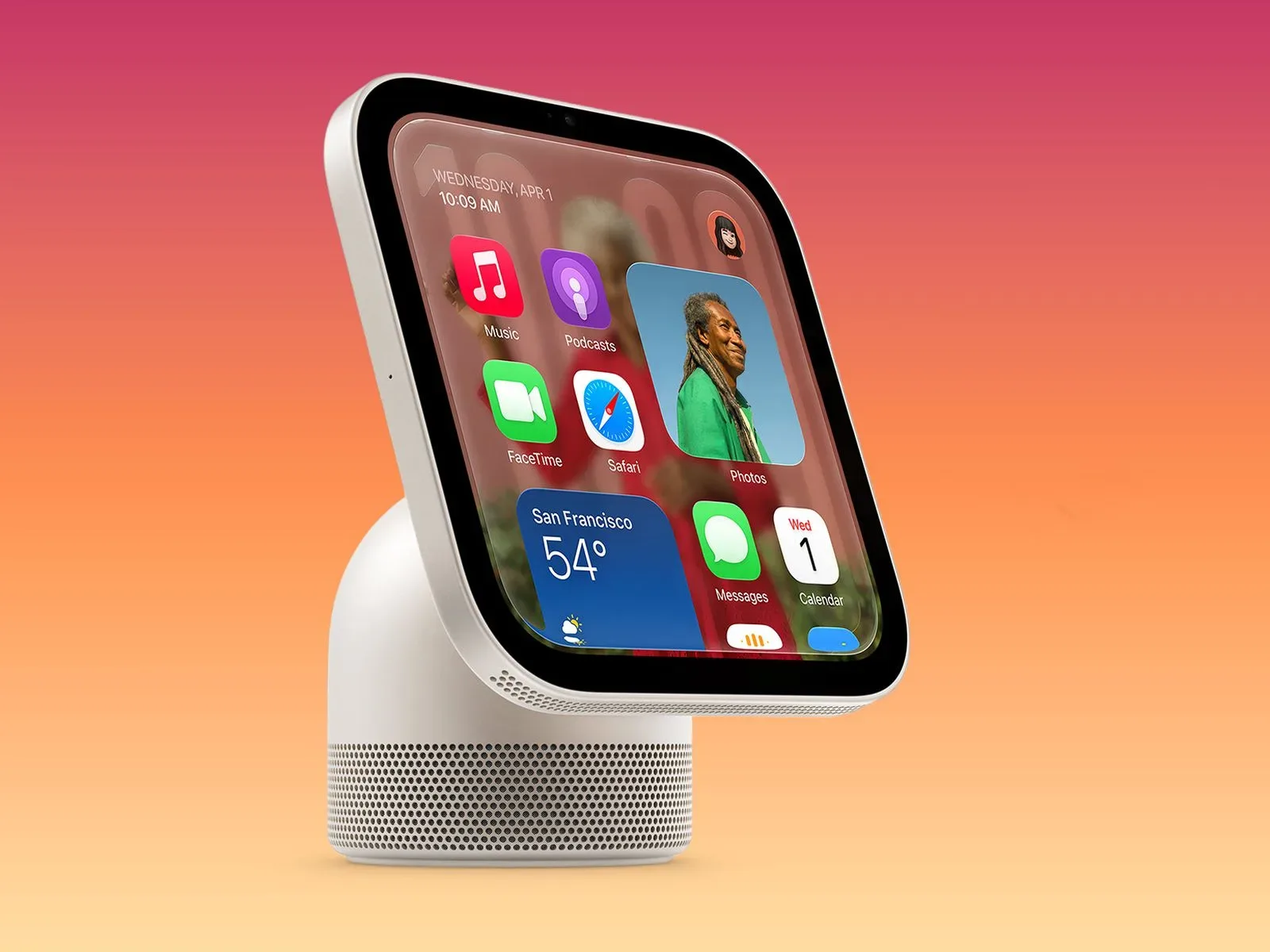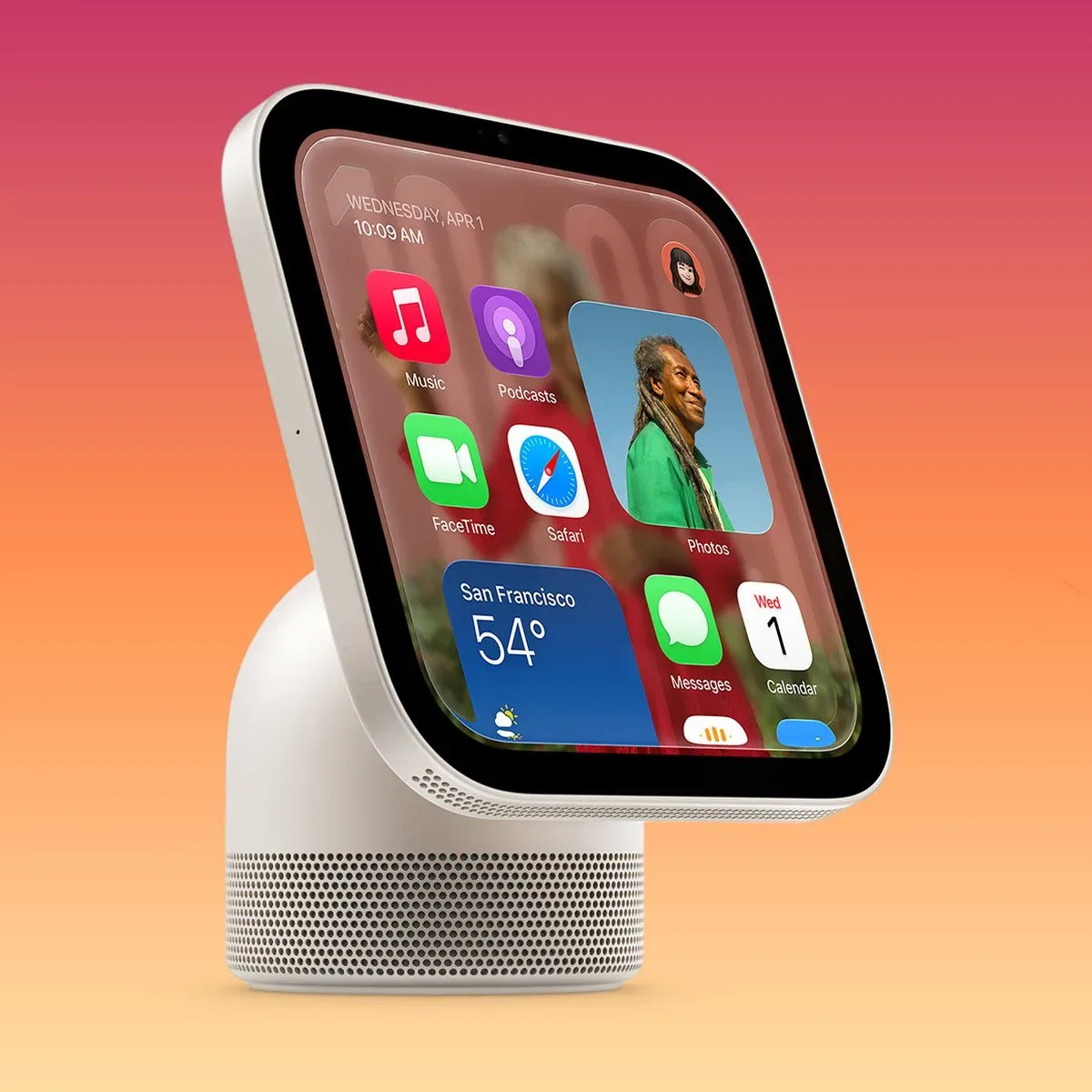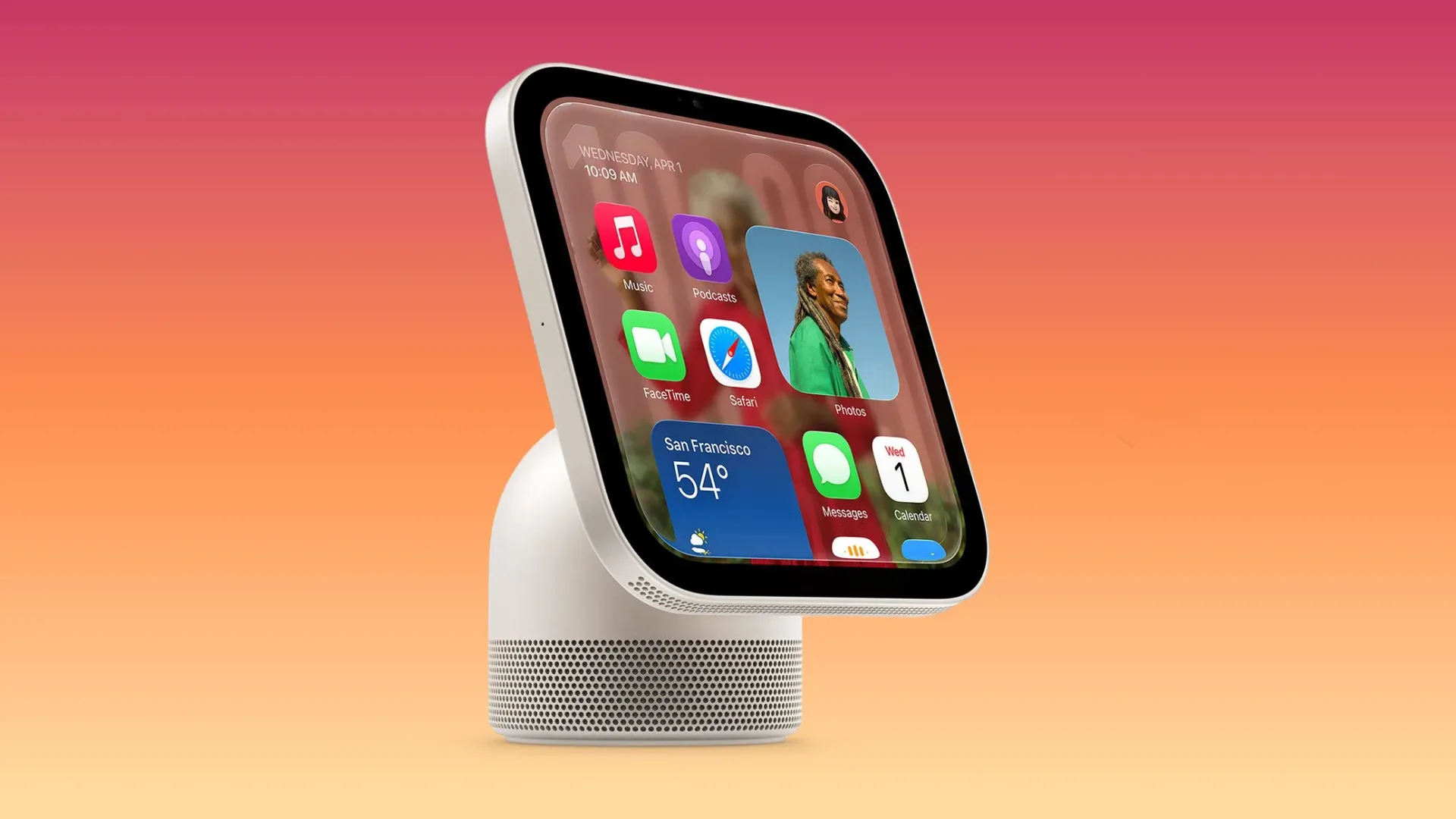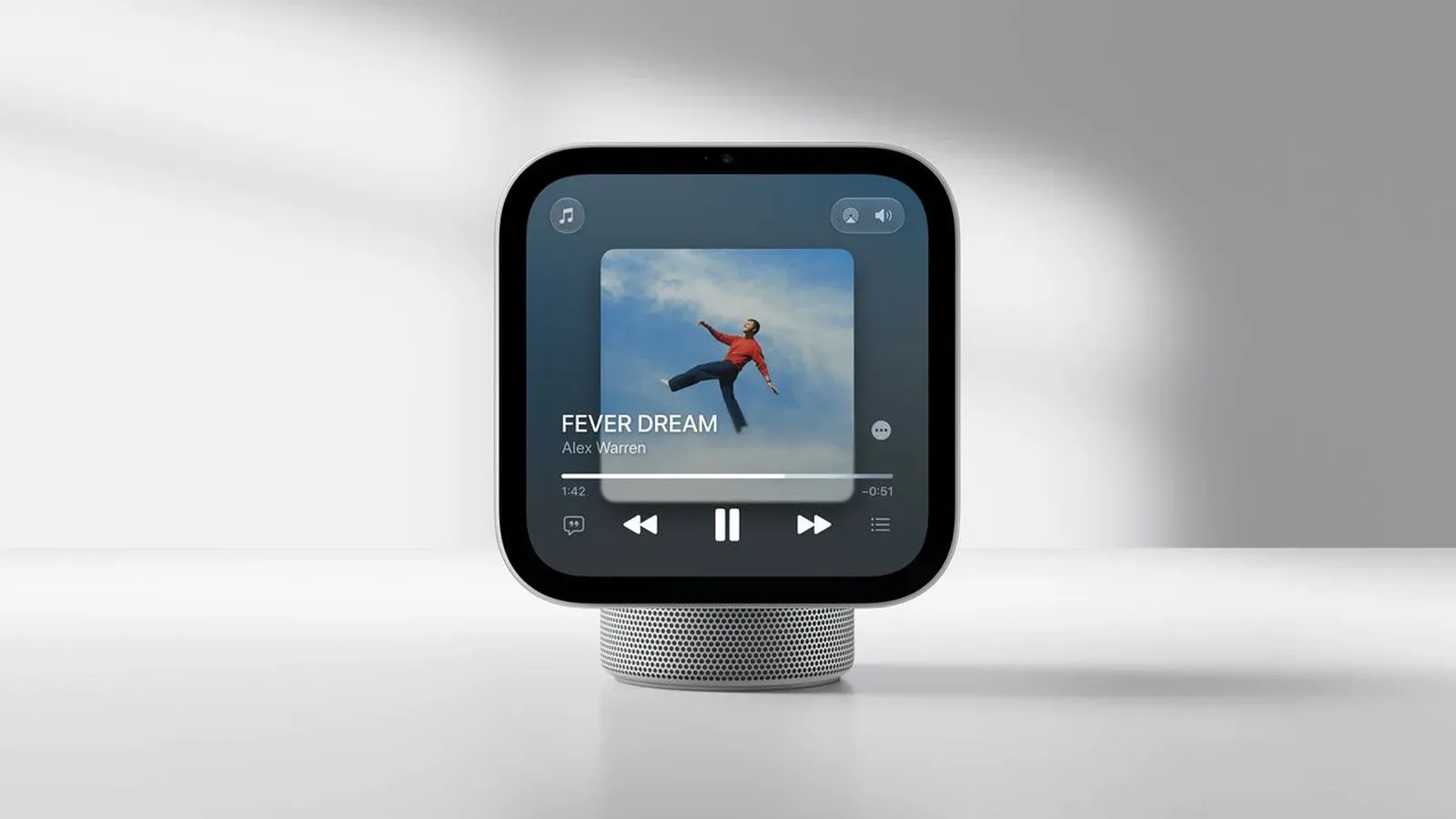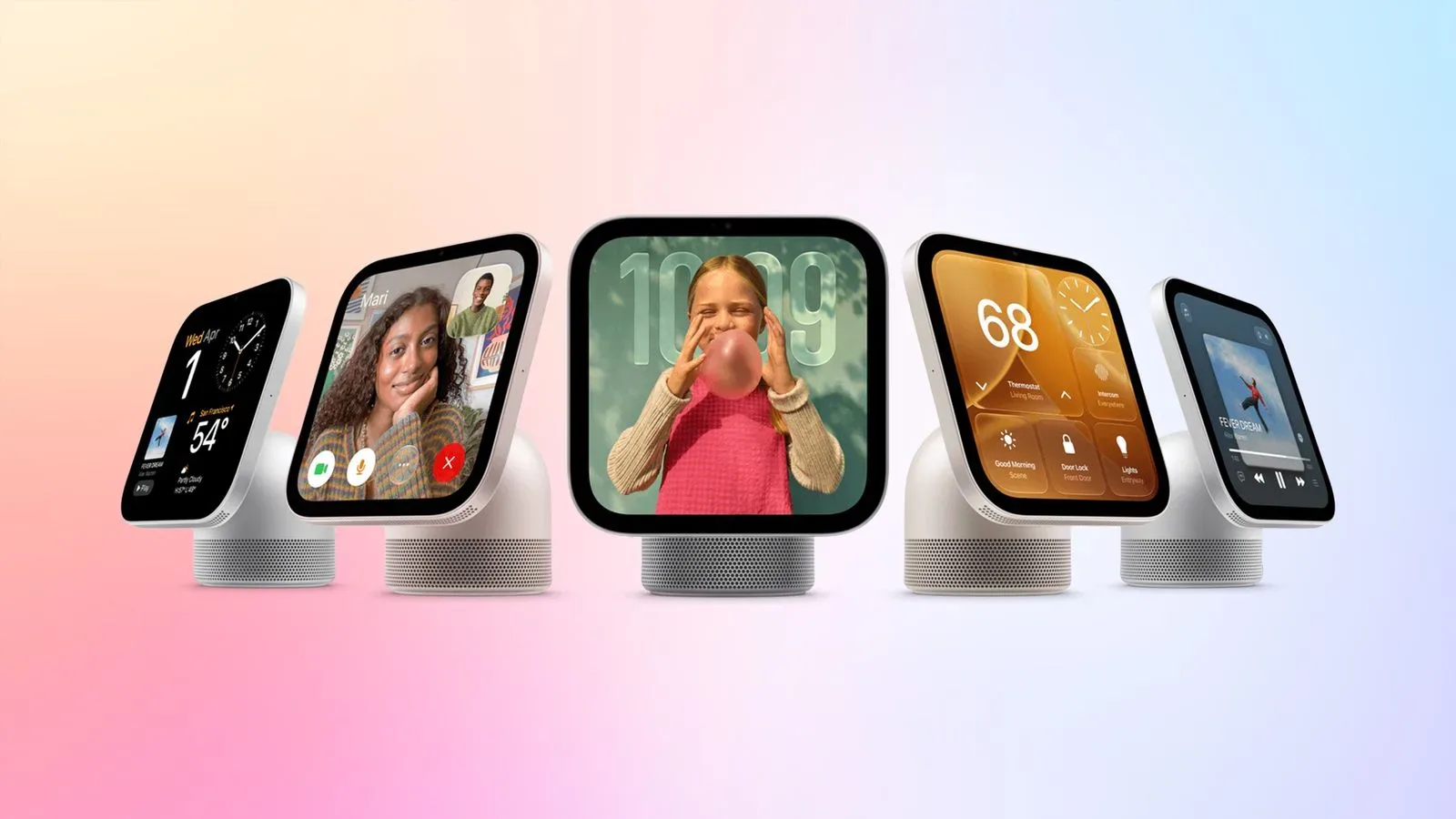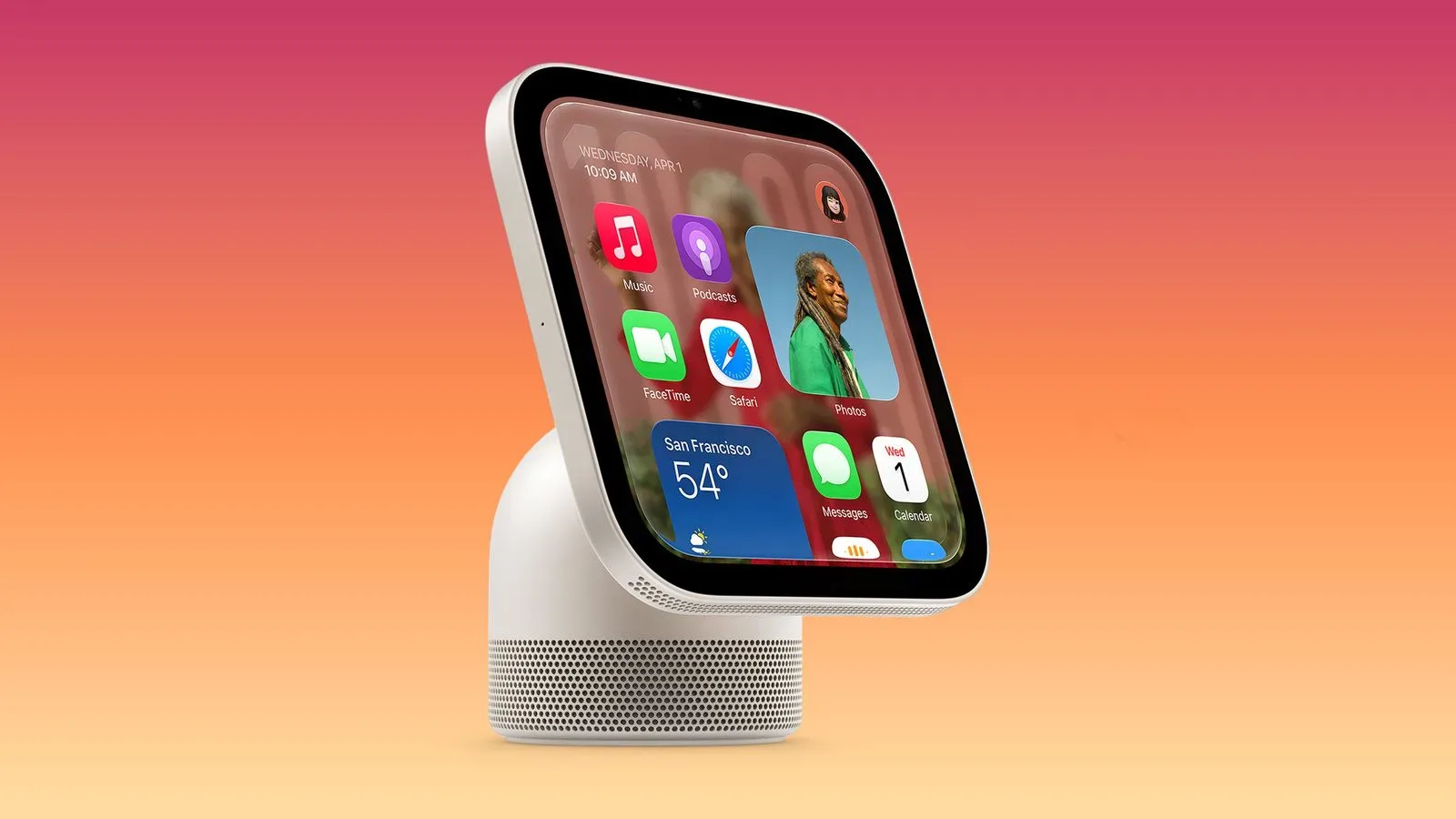
Apple’s HomeView smart-home hub is expected to launch with notably older software already installed. The device is set to ship with HomeView software version 26.5, then prompt users to install version 27.2 during its initial setup process. HomeView launches Friday, November 13.
The version gap is a small but revealing detail for a product that has been significantly delayed. Version 26.5 is described as roughly six months old at launch, while 27.2 is the newer release users will be directed toward once they power on and configure their hub. In practical terms, early buyers should expect that getting the most current intended software experience will include an update before—or as part of—bringing the product online.
What is known about the launch software
The available information is precise on version numbers but limited on what changed between them. HomeView units will initially carry version 26.5, and setup will offer version 27.2. That does not establish a feature list, bug-fix list, update size, installation duration, or whether the newer release is mandatory to complete setup. Those details have not been provided.
It does, however, show that the software image placed on retail hardware predates the launch-ready software by a meaningful stretch. A software image is the version of an operating system installed on a device before it reaches its owner. For a connected product such as a smart-home hub, that factory-installed image does not have to be the final version customers use day to day. The device can retrieve a newer build after it joins a network.
That distinction matters. “Ships with” describes what is loaded on HomeView before purchase; it does not necessarily describe the software a buyer will be using once setup is finished. Here, Apple’s setup flow appears positioned to move new owners from 26.5 to 27.2 immediately.
Why an out-of-date first boot is worth noticing
A launch-day update is not automatically a sign of a problem. Connected devices commonly receive newer software after manufacturing, packaging, distribution, and retail delivery have begun. Those stages take time, and a product maker can continue improving the software after the production image has been finalized.
In HomeView’s case, the unusually wide separation between the installed and offered versions is the point of interest. The six-month-old 26.5 build is another concrete indication that the product’s path to release extended beyond an earlier software milestone. It does not, by itself, explain why the hub was delayed, nor does it show whether the delay was caused by hardware, software, manufacturing, or any other factor. It simply documents that the launch hardware will carry an older build and that the setup experience is prepared to update it.
The numbering also requires a little care. It is reasonable to identify 27.2 as newer than 26.5, but version numbers alone do not reveal the scale of an update. A change in the first number could encompass extensive changes, a revised release cadence, or a naming convention that cannot be decoded from public version labels alone. Without release notes, treating 27.2 as a known major overhaul would be speculation.
Practical implications for HomeView buyers
For someone planning to set up HomeView on launch day, the clearest implication is preparation: allow for an internet-connected onboarding process and possible additional time before the device reaches the current version offered by Apple.
- Have network access ready. The prompt to move from 26.5 to 27.2 indicates that a connection will be relevant during setup.
- Plan for an update step. Buyers should not assume that plugging in the hub means it is already running the newest version intended for new users.
- Avoid guessing at what the update changes. The reported version information does not confirm new controls, compatibility additions, security changes, or performance improvements.
- Keep the launch distinction in mind. A review, guide, or support discussion that refers only to version 26.5 may not fully reflect the experience after the device has been updated to 27.2.
This is especially relevant to smart-home equipment because setup is not merely an administrative chore. It is the stage where a hub is introduced to a household network and configured for the role it will play. An update presented at that moment can ensure the unit moves beyond its factory software before the owner gets too far into the process. But the supplied information does not say exactly when the prompt appears, whether it occurs automatically, or what happens if the update is postponed.
Factory software versus the software that defines the product
There are two valid ways to talk about HomeView’s release software, and both are true at once. Physically, retail units ship with 26.5. Operationally, Apple intends new users to encounter 27.2 as part of setup. The second point is likely more useful to buyers who want to know what version they should expect to use after installation; the first is more useful for understanding the product’s production timeline.
That split also offers a useful reminder for anyone tracking consumer hardware launches. A device’s factory firmware is a snapshot of the moment manufacturing software was locked in, not necessarily a final statement of the product’s public software support. A setup-time update is the bridge between that snapshot and the version the company currently wants customers to run.
Apple hardware has also remained a point of interest beyond the smart-home category. For a separate look at how long-term changes can reshape an Apple product’s everyday experience, see this look at MacBook Pro battery-life gains over time.
What remains unconfirmed
There is still much that cannot be inferred from the version numbers. No supplied details identify the changes in HomeView software 27.2, explain why 26.5 remained on shipping units, or state whether buyers will receive later updates beyond 27.2. There is also no basis to judge the hub’s performance, reliability, smart-home compatibility, or overall value from this information alone.
What is clear is narrower: HomeView arrives November 13 with version 26.5 preinstalled, despite that version being around six months old, and the initial setup process will prompt owners to update to version 27.2. For launch buyers, the first HomeView experience therefore begins not only with unboxing and configuration, but with a transition from the software frozen into the hardware supply chain to a newer build delivered at setup.