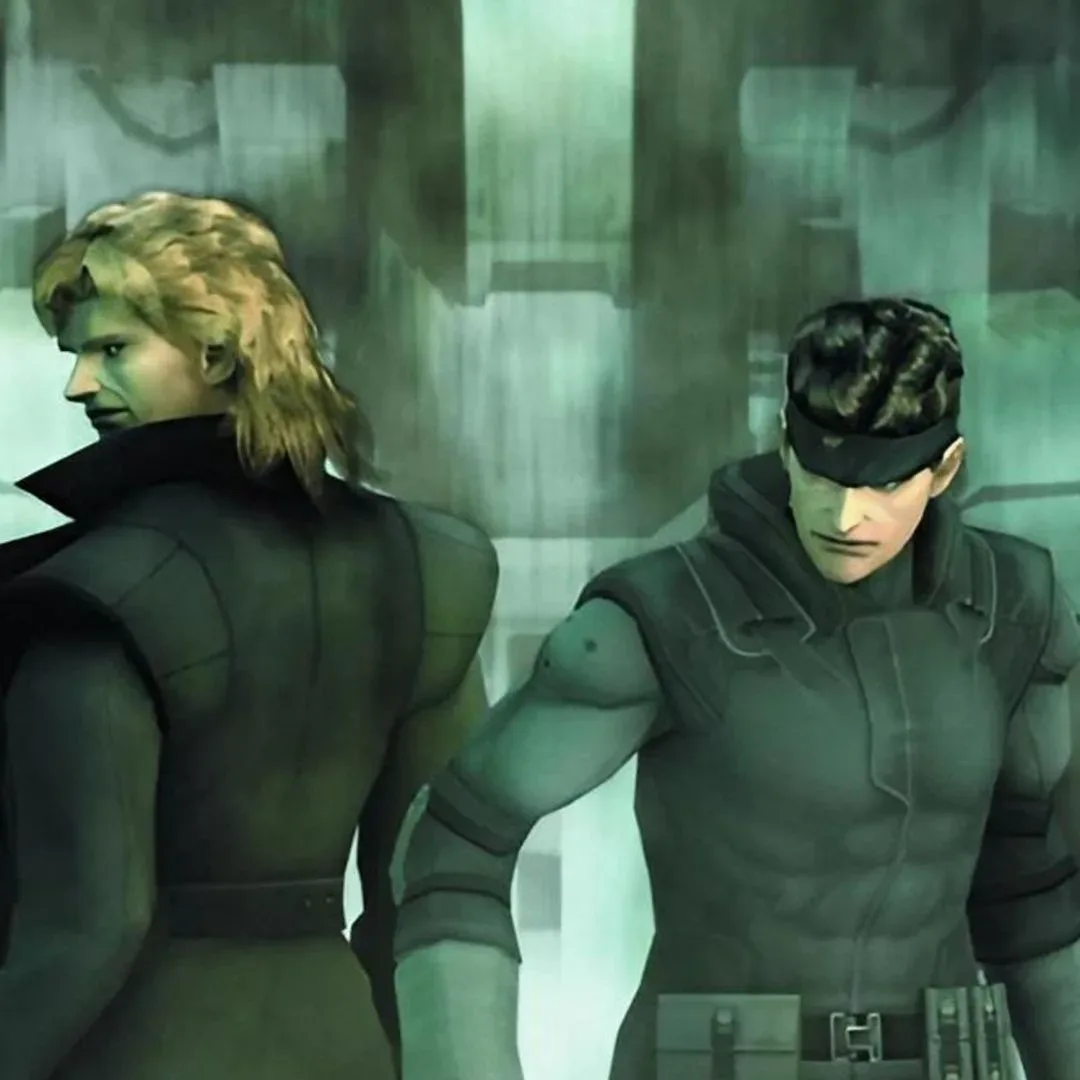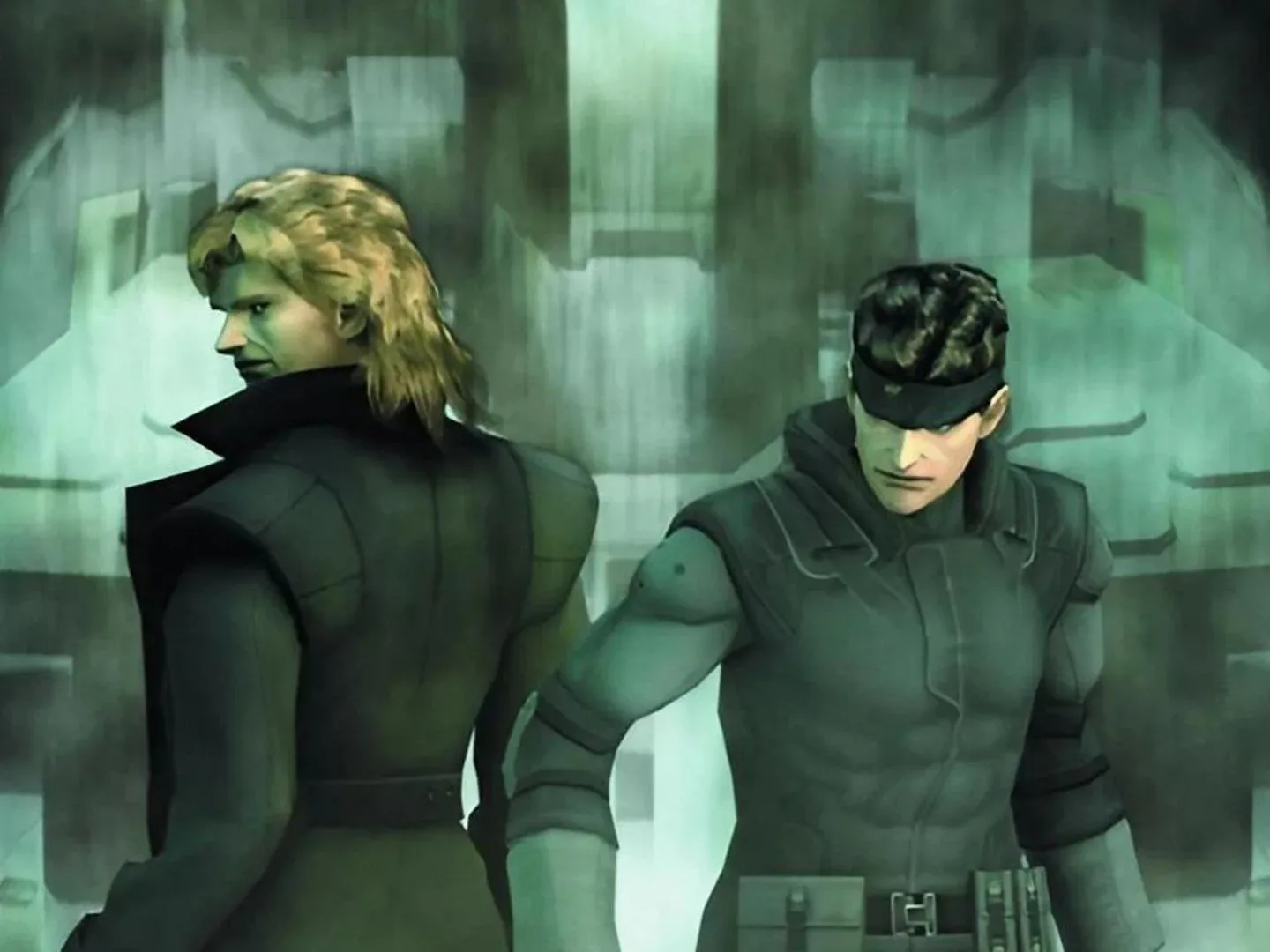
Akio Otsuka, the Japanese performer whose Metal Gear work spans several versions of Snake, has voiced support for Konami making another entry in the stealth-action series without Hideo Kojima’s direct involvement.
It is a meaningful shift from Otsuka’s earlier position. He had previously indicated that he was not interested in returning to Metal Gear unless Kojima was involved in some form. In newer comments, however, Otsuka said that feeling came from the pride he took in working with Kojima, rather than a belief that the franchise should be unable to move forward without him.
“There are Metal Gear fans all over the world, and they have been waiting patiently for it. So, for their sake, let’s make one more Metal Gear,” Otsuka said.
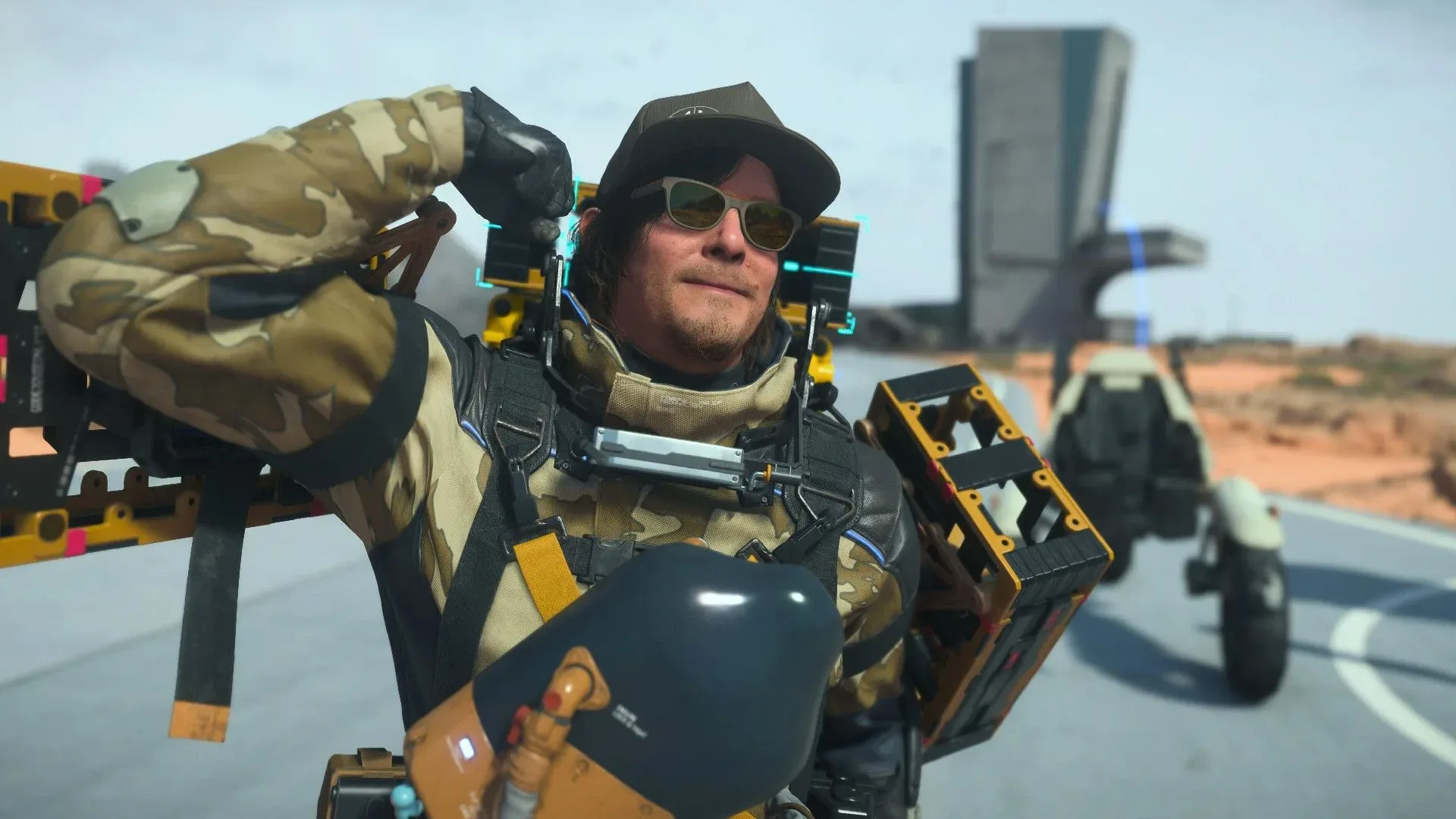
He also pointed to Kojima’s own current work, including Death Stranding, as a reason a new Metal Gear made without its original creator could be acceptable. “Why not? It’s okay to do it,” Otsuka said of the prospect.
Why Otsuka’s view carries particular weight
Voice actors do not decide whether a publisher greenlights a game, nor do these remarks constitute confirmation that a new Metal Gear is in production. But Otsuka is unusually connected to the series’ identity.
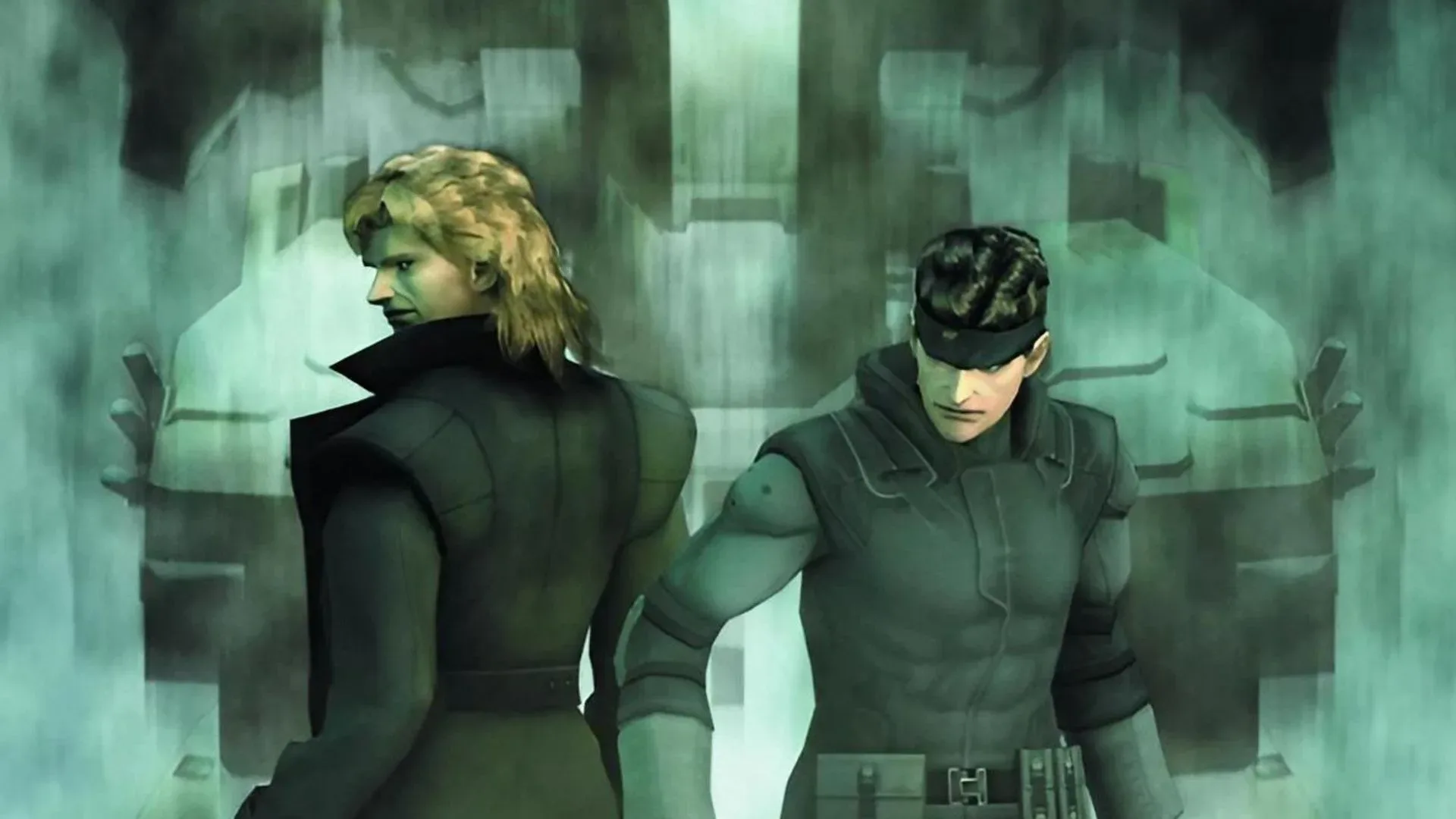
For Japanese players, he has voiced both Solid Snake and Naked Snake. His run also extends to Solidus Snake in Metal Gear Solid 2 and Venom Snake in Metal Gear Solid V. Those roles cover distinct characters and, in the case of Venom Snake, a deliberately complicated identity central to that game’s story.
The notable exception was Big Boss in Metal Gear Solid 4, who was played by Otsuka’s father, Chikao Otsuka. That family connection makes the performer’s association with the Snake lineage even more singular: his career has helped give multiple versions of Metal Gear’s most recognizable character a consistent Japanese voice across the series.
That context makes his changed stance more than a simple casting question. Otsuka is not merely saying he would potentially reprise a role. He is arguing that a major game series can have a future beyond the creator most closely identified with it, particularly when its audience is still waiting for more.
Related coverage includes Akio Otsuka Wants Konami to Make Another Metal Gear, Even Without Hideo Kojima.
Creator, series, and continuity are separate questions
The discussion around Metal Gear is often reduced to a yes-or-no question: can there be Metal Gear without Kojima? Otsuka’s comments suggest a more practical framing. A publisher can continue an established property while the original creator pursues separate projects. Whether that continuation satisfies fans depends on what it preserves.
For Metal Gear, that would likely include more than the name and military hardware. The series is closely associated with stealth gameplay, elaborate political and personal storylines, distinctive characters, and performances that make its many Snake identities legible to players. “Continuity” in this setting does not necessarily mean repeating every old plot beat or casting choice. It means understanding which ingredients make a new work feel connected to the legacy it inherits.
That is also why fan expectations can be difficult to meet. Some players may want a direct continuation, while others may prefer a new cast and setting that retains the stealth focus. A remake, a remaster, and a new installment are different propositions as well. A remake revisits an existing game; a remaster typically updates presentation or compatibility; a new installment has to establish fresh ideas while carrying the burden of the series name.
Otsuka specifically called for “one more Metal Gear,” but did not lay out what form that game should take. His comments should not be read as details about its story, platform, development team, release window, or his own participation. None of those items are established here.
The voice of Snake is not one simple role
Otsuka’s history also underlines a technical and creative issue a future Metal Gear would have to navigate: Snake is a legacy of characters, not a single unchanging protagonist.
Solid Snake and Naked Snake are separate figures in the larger narrative, while Solidus Snake and Venom Snake carry their own contexts. The Japanese and English casts have likewise varied across games and characters. In English, David Hayter is widely associated with Solid Snake and Naked Snake, while John Cygan played Solidus Snake and Kiefer Sutherland played Venom Snake.
That makes casting part of narrative design, not simply a matter of hiring a familiar voice. A future project could potentially feature a familiar Snake, a new character, or another angle on the series’ existing mythology. Each route would raise different expectations about performance, chronology, and the kind of Metal Gear story being told.
Otsuka’s remarks do at least indicate that one longstanding Japanese voice of the franchise no longer sees Kojima’s involvement as an absolute prerequisite for its continuation. That does not settle how any new game should sound, but it adds a veteran performer’s perspective to an argument that has long centered on authorship.
Kojima’s work remains separate
Kojima continues to make games outside Metal Gear. Otsuka has also worked with him after Metal Gear, providing the Japanese-dubbed voice of Die-Hardman in Death Stranding. When asked whether he had discussed another collaboration with Kojima, Otsuka reportedly laughed and left the answer open to interpretation.
Kojima is also working on Physint, described as his own spiritual successor to Metal Gear. A spiritual successor is not a direct sequel and does not share an existing franchise’s formal continuity. Instead, the label generally signals that a newer work may explore related creative interests, themes, or gameplay ambitions without being an official chapter of the earlier series.
That distinction matters. Physint does not answer whether Konami will make another Metal Gear, and a potential new Metal Gear would not determine what Kojima does with his separate project. Both can exist as different answers to the appetite for cinematic, stealth-oriented action games.
There is a wider industry lesson here, too. Big series often outlive individual creators, but the best-case outcome is not automatic. A continuation needs a clear reason to exist and a credible sense of what it is carrying forward. The same debate appears whenever a long-dormant game series returns; recent discussion around Castlevania’s hoped-for return shows how quickly questions of stewardship, timing, and legacy surface.
What Otsuka actually changes—and what he does not
Otsuka’s statement changes the public picture of his own willingness to see the series continue. Previously, his stated reluctance was tied to his respect for the collaboration with Kojima. Now, he has placed greater emphasis on the global audience that has waited for another Metal Gear.
It does not confirm a project, a return to the recording booth, or a new working arrangement between Otsuka and Kojima. It also does not resolve the creative concerns fans may have about a Metal Gear developed without Kojima.
Still, there is value in the clarity of the position. One of the franchise’s most enduring performers is making the case that respect for a creator and support for a series’ future do not have to be mutually exclusive. For Metal Gear fans, that may be the most notable part: a voice so intertwined with Snake now believes there is room for another mission.