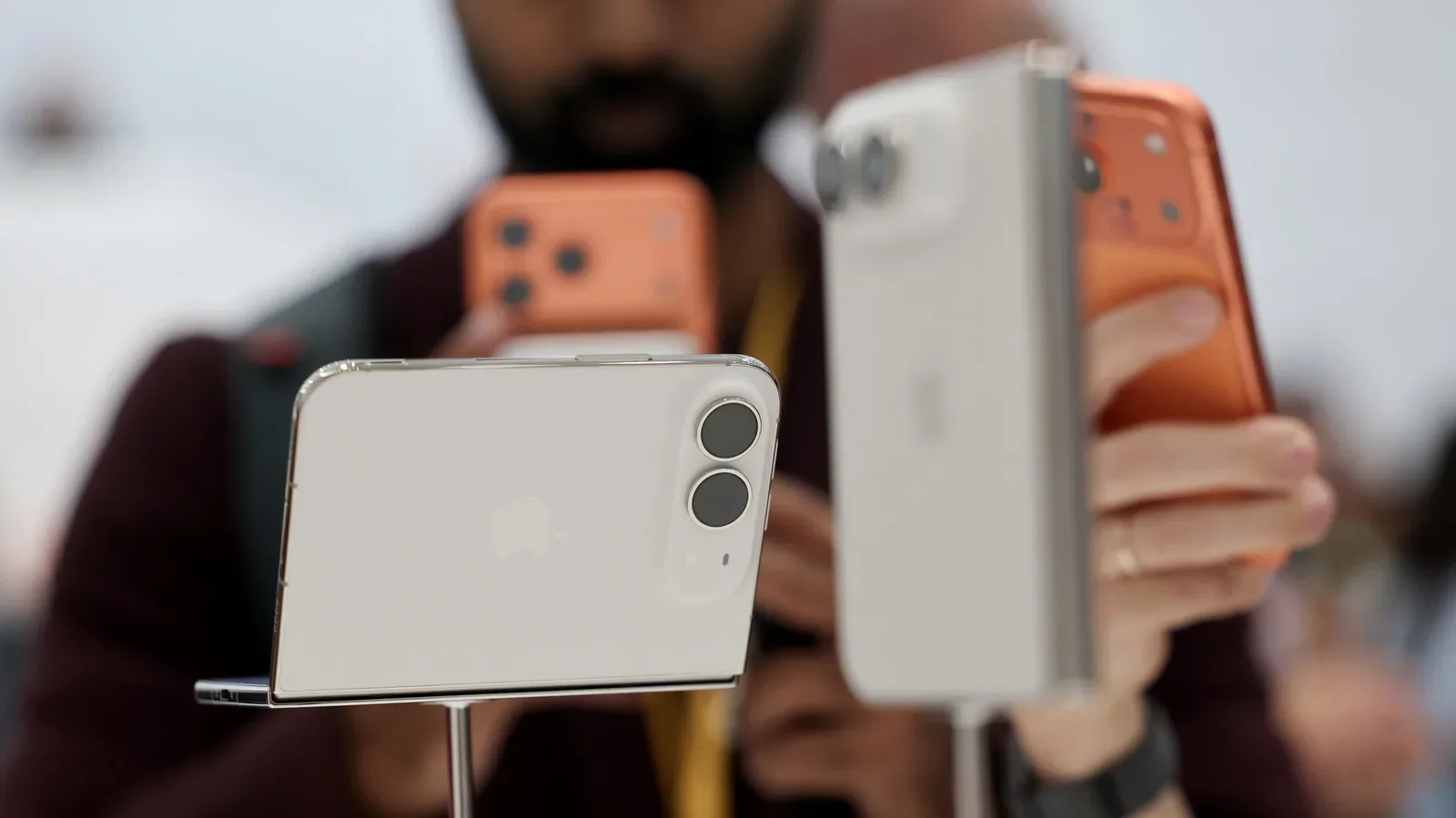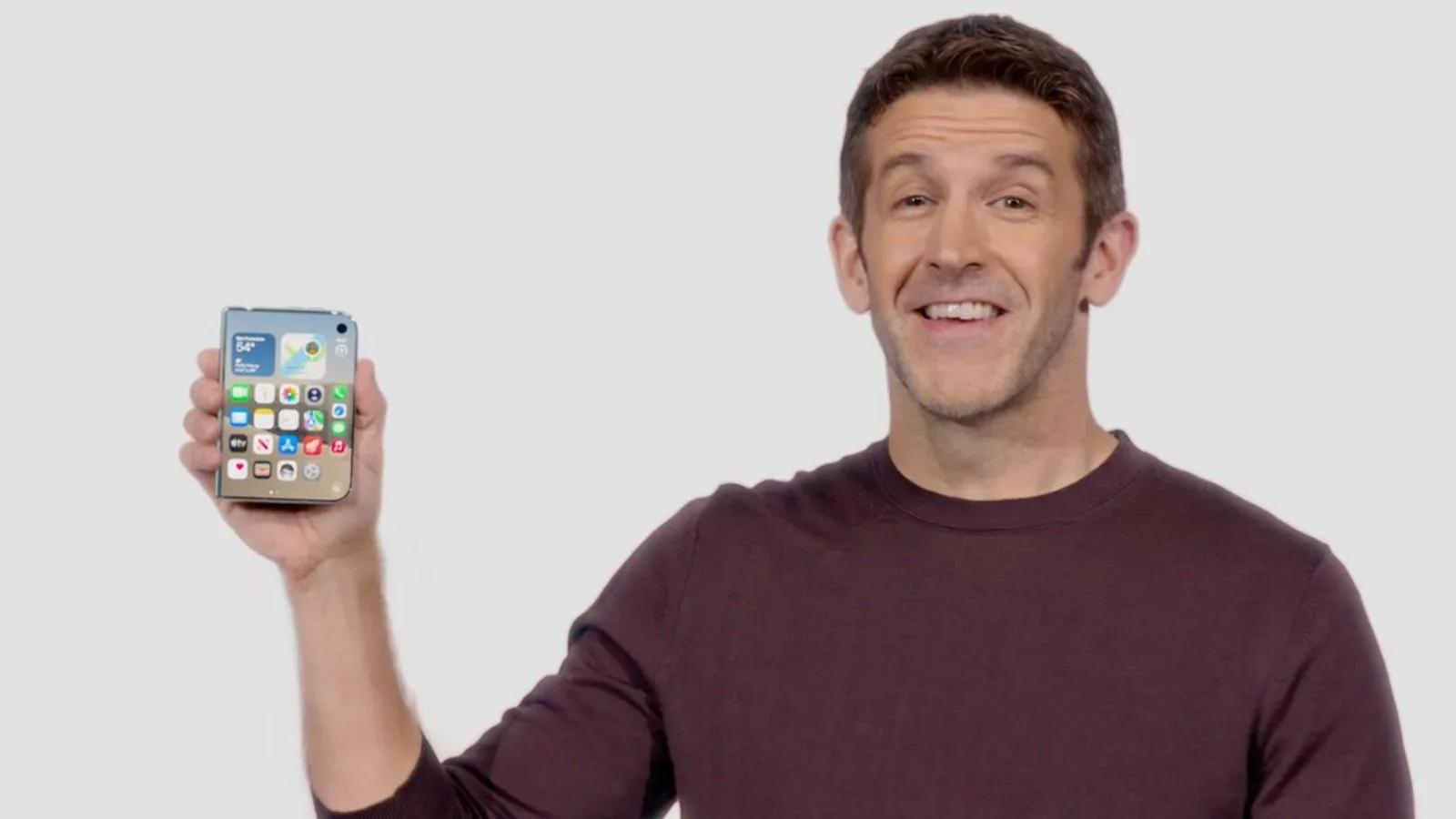
Foldable devices ask owners to trust a moving part that most modern phones simply do not have. Every opening and closing cycle places the hinge and flexible display under repeated mechanical stress, so one obvious question around Apple’s iPhone Duo is not just whether the device feels polished on day one, but how close it stays to that feeling after thousands of folds.
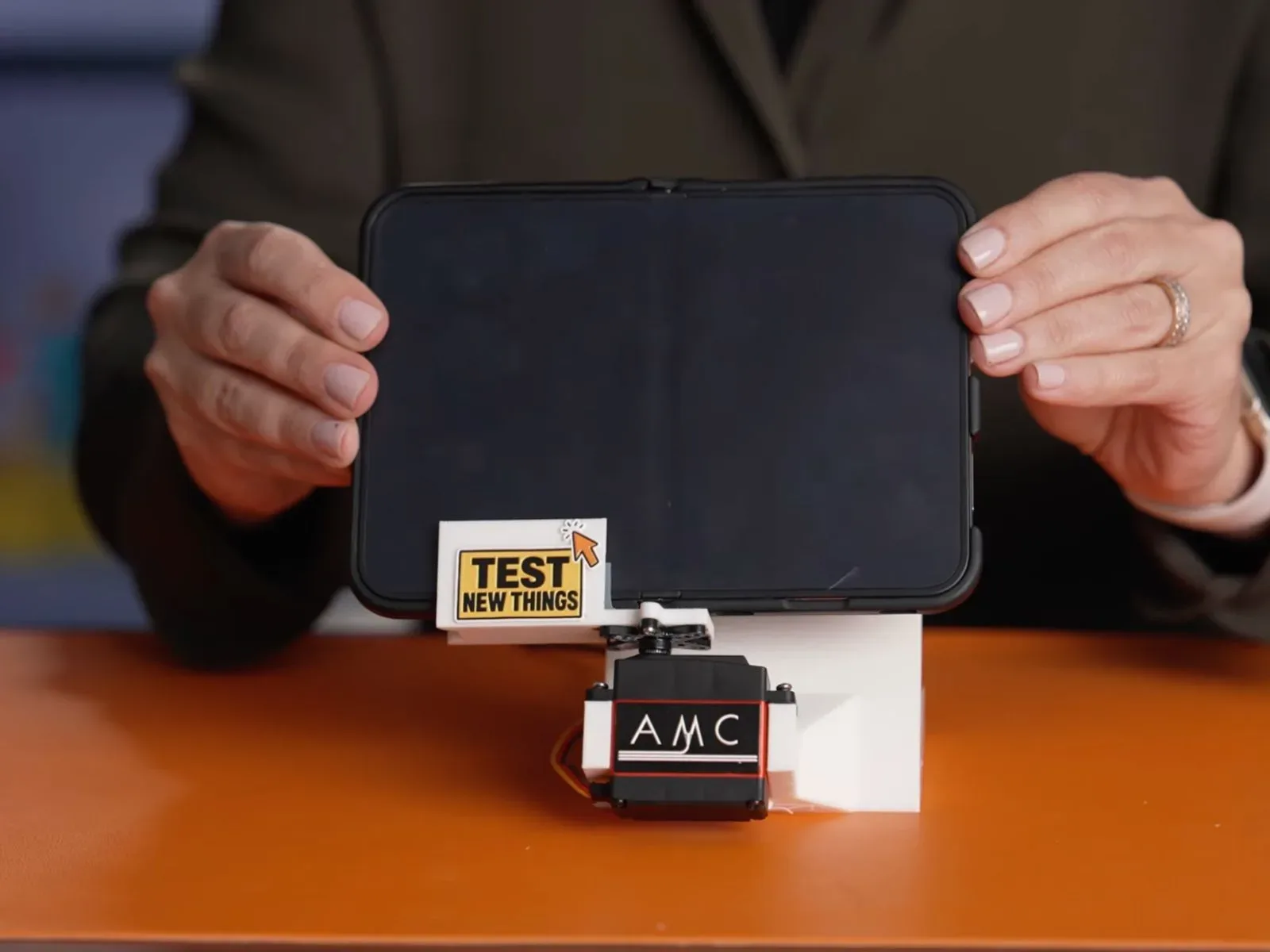
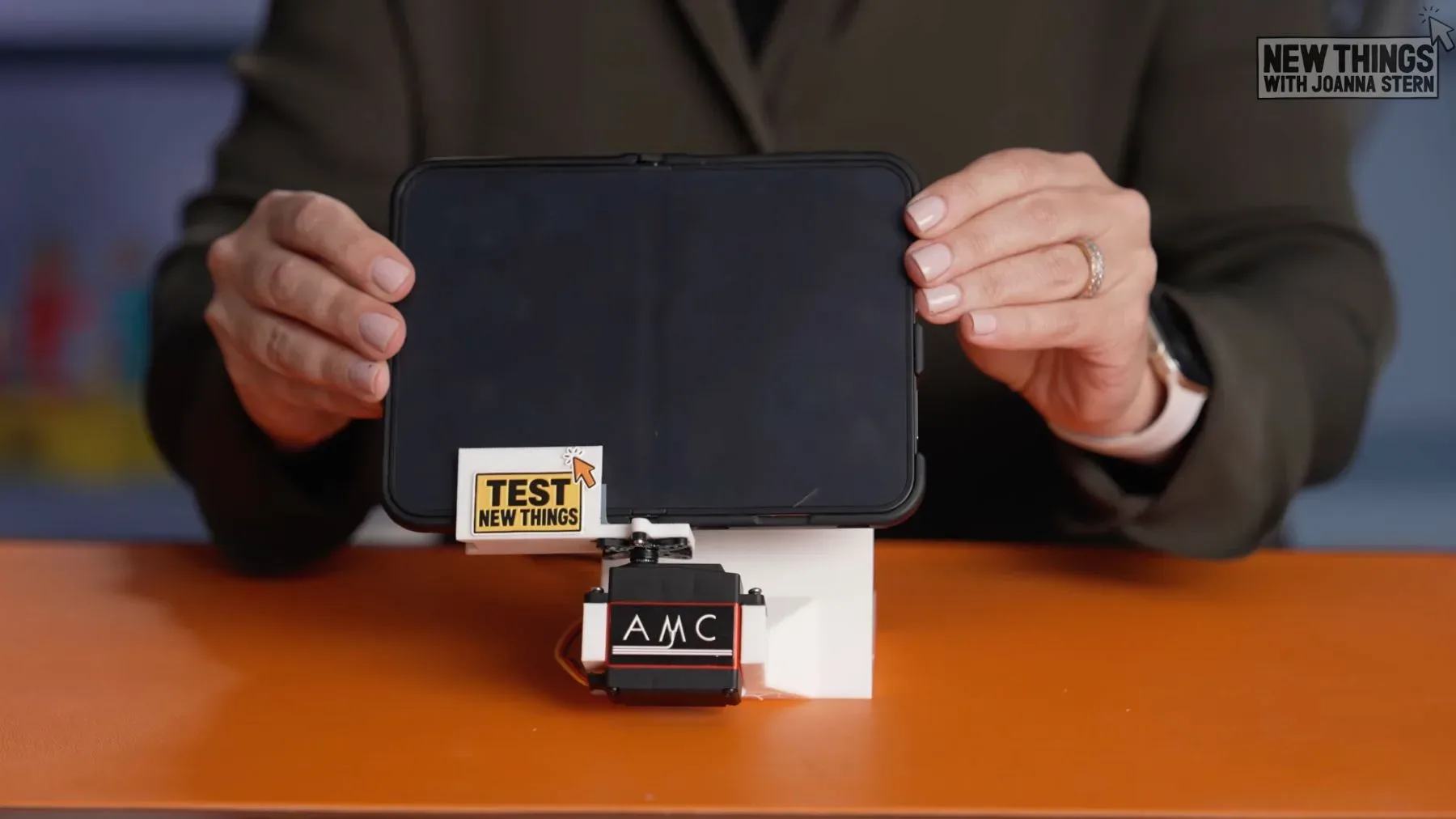
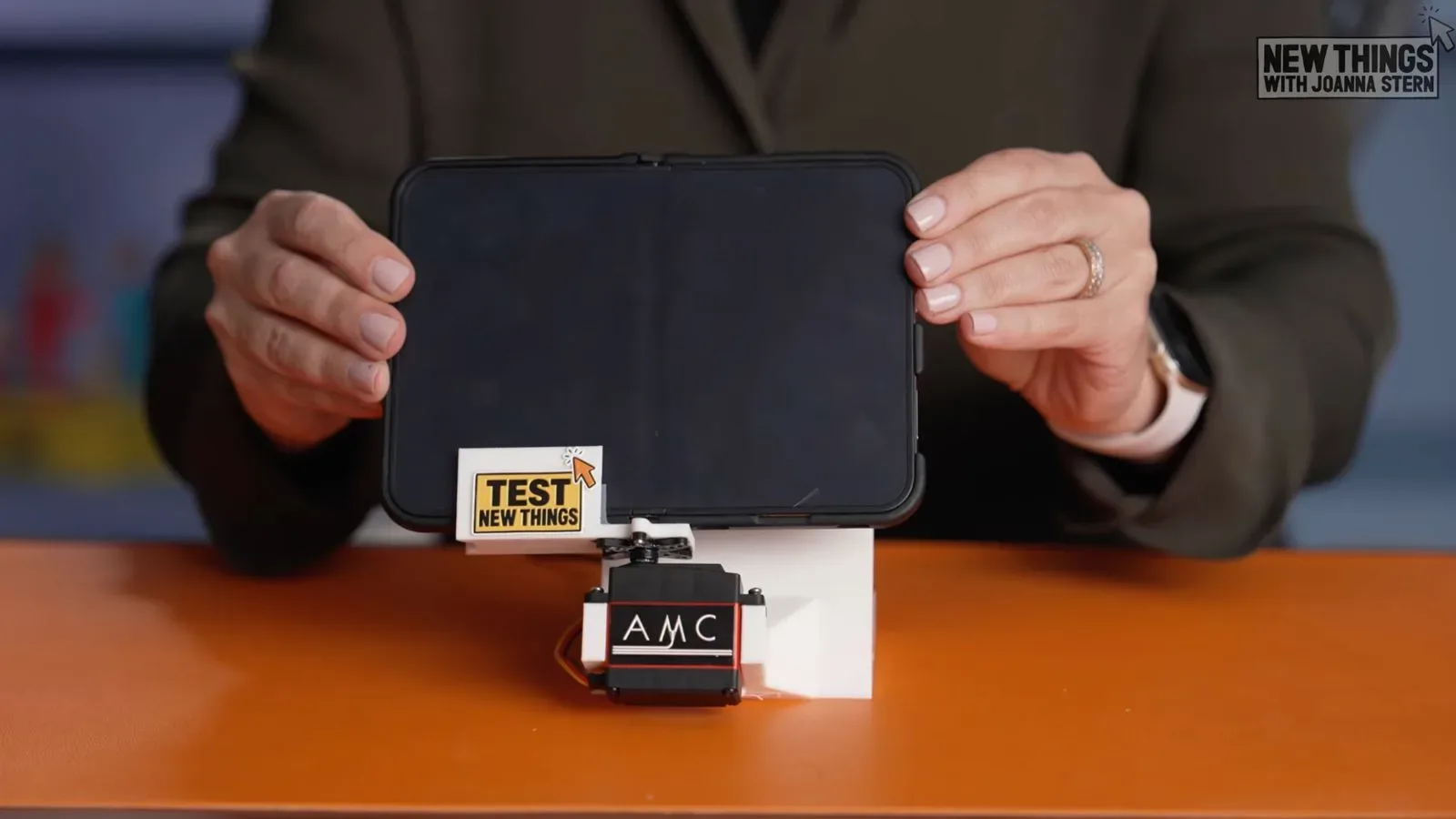
An unofficial stress test has now supplied one early, narrowly focused data point. Joanna Stern used a custom-built machine to fold an iPhone Duo review unit more than 32,000 times across four nights. Her everyday assessment afterward was notably positive: the device felt substantially like it had at the beginning of the process.
“But in everyday use, I really couldn't feel a difference. So, after 32,000 folds, it felt pretty much the same as day one, which is pretty darn impressive.”
That is encouraging for the hinge specifically, but it is important not to turn one automated experiment into a complete durability verdict. Apple has not published its own hinge-testing information or stated a lifetime fold rating for the iPhone Duo. The test also did not address every part of a foldable phone that could change with use, particularly the display crease.
What the 32,000-fold test actually measured
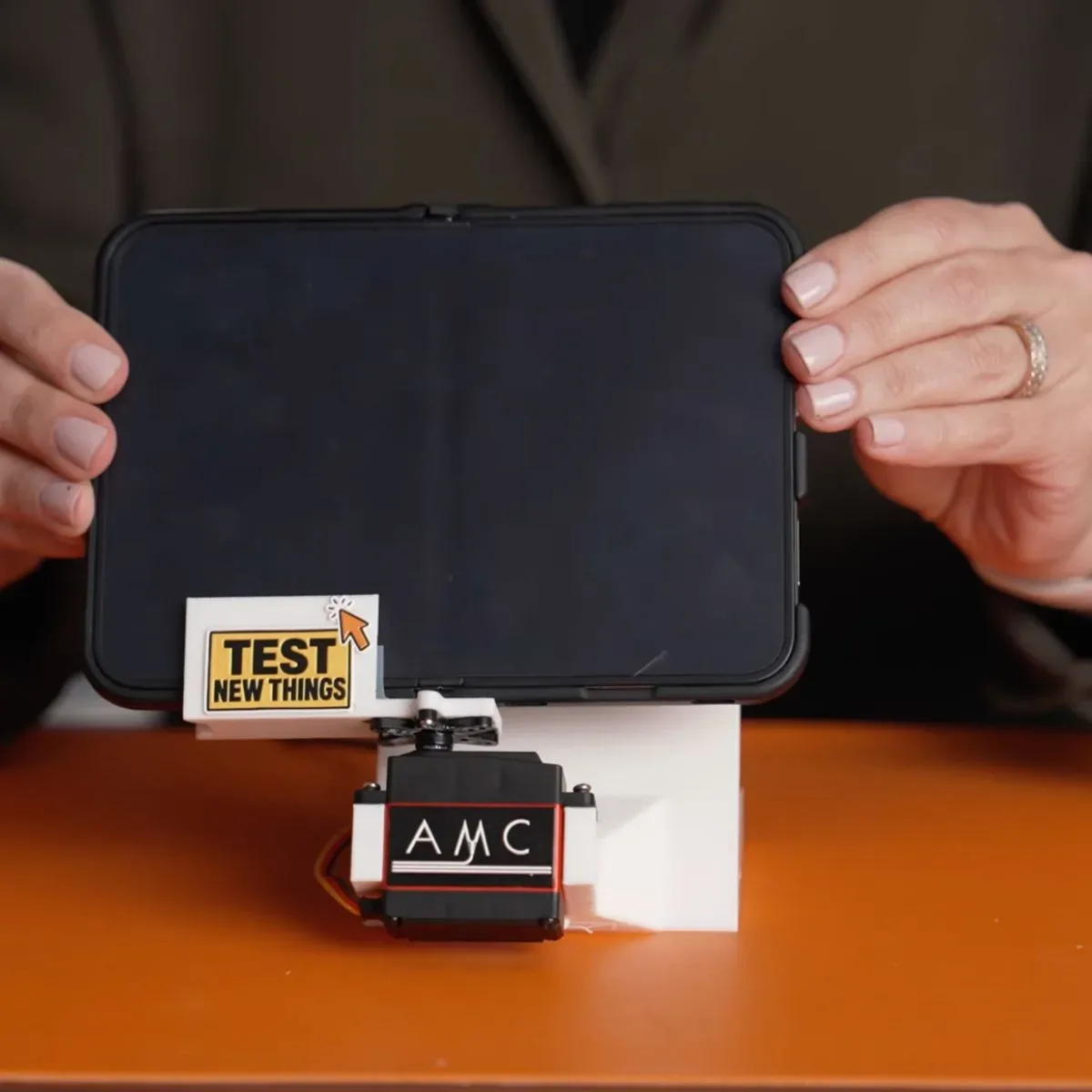
The test used a custom machine rather than manual opening and closing. Automation matters because it can repeat a defined motion many times without fatigue or a person’s changing grip. The machine opened the Duo flat during the test, while it did not fully close the handset on every cycle.
Before and after the folding run, a calibrated push-pull gauge was used to take hinge readings. A push-pull gauge measures force: in this context, it offers a way to compare how much resistance the hinge presents before repeated cycling and after it. The reported result was counterintuitive but clear: the hinge measured stiffer after the more than 32,000 folds.
That measurement did not translate into a meaningful sensation in everyday handling. During the process, Stern thought the hinge might be becoming looser, yet her final practical impression was that there was little discernible change. This distinction is useful. An instrument can detect a difference that a person cannot reliably feel, while a person may also perceive temporary variation that does not hold up under later comparison.
Neither result cancels the other out. The gauge offers a controlled before-and-after reference, and the handling impression speaks to the question a prospective owner is likely to ask: does the phone now feel worse to open? On this one unit, after this one pattern of use, the answer appears to be no.
Why “stiffer” is not a simple win or loss
Hinge stiffness describes the resistance encountered as the phone moves through its folding range. It is not automatically a measure of quality by itself. A hinge that is too loose might feel unstable or fail to hold an intended position. One that is too stiff could make opening inconvenient. The most relevant outcome is whether its resistance remains predictable and usable over time.
The post-test gauge result suggests that repeated movement did not produce a simple, measurable loss of resistance in this example. But the reason for the increased reading is not established by the test. It would be speculation to assign a mechanical cause from the available information. The safe reading is limited: the machine’s before-and-after measurements went upward, while normal use did not reveal a meaningful subjective change.
That restraint matters because foldables contain more than a single simple joint. The hinge, the flexible screen assembly, the frame, and the components that guide the opening motion are all part of a system. A test result on hinge resistance is informative, but it cannot by itself establish the condition of every component or predict years of ownership.
The screen crease is still an unanswered question
A foldable’s crease is the visible and tactile line where its flexible display bends. It is often one of the first things people inspect when judging a folding phone, and the supplied test account does not say whether the iPhone Duo’s crease became more visible after 32,000 cycles.
That omission is significant rather than trivial. A hinge can remain satisfying to operate while the screen’s appearance changes. Conversely, a crease that looks somewhat different may not necessarily affect usability. These are separate questions, and the current experiment only offers a partial answer to the first one.
The phone was also tested with a case attached. That is not inherently a flaw; cases are a normal part of ownership for many people. Still, it means the results belong to the specific test configuration. A case can alter grip and how a device is handled, even if the core action being repeated is the hinge’s movement. The test should therefore be understood as evidence from a case-on unit, not as a universal description of every possible iPhone Duo setup.
Why incomplete closing affects how the result should be read
The fact that the machine did not fully close the Duo each time is another important boundary. Folding stresses can differ across the range of motion. Opening a device flat repeatedly provides useful hinge exercise, but a cycle that stops short of complete closure is not identical to a real-world open-close action performed from one end of travel to the other.
This does not render the 32,000-fold figure meaningless. More than 32,000 repeated movements remain a substantial test of the mechanism’s ability to keep operating. It does, however, prevent an overly broad conclusion. The result supports a specific statement: the reviewed iPhone Duo remained subjectively similar to its starting condition after the machine’s particular four-night routine, and its measured hinge stiffness increased. It does not prove how the phone would respond to every possible use pattern.
The distinction between a cycle count and a lifetime rating is useful here. A cycle count records how often a device was moved in an experiment. A lifetime rating, if a manufacturer publishes one, is a claim made under stated internal test conditions. Apple has not provided a lifetime fold number for the Duo, so there is no official benchmark in the supplied information against which to compare 32,000 folds.
What prospective owners can reasonably take from it
The strongest takeaway is also the least dramatic: one iPhone Duo survived an intensive automated folding run without an obvious everyday hinge-feel decline. That is a welcome early sign for a product category where the hinge is central to the entire experience.
It is not yet grounds to say that the Duo’s hinge has been comprehensively proven over the long term. There is no official durability target to assess, no reported crease result from this run, and no indication that this one device represents every unit. There is also no information here about outcomes beyond the hinge and the opening motion used by the machine.
For readers evaluating a foldable, this is a useful way to separate claims from observations:
- Observed: a custom machine put one review unit through more than 32,000 folds over four nights.
- Observed: the tester did not perceive much everyday difference afterward.
- Measured: a calibrated push-pull gauge showed a stiffer hinge after the test.
- Not established: whether the crease changed, how fully closed cycles would affect outcomes, or the device’s eventual lifetime durability.
- Not provided: Apple’s own hinge or display test details and a stated lifetime fold figure.
This is the right level of caution for early hardware stress tests. They can expose immediate weaknesses, and a clean result is meaningful. But they are snapshots, not final warranties. Additional unofficial testing is likely to follow while Apple’s own display and hinge durability information remains unavailable.
A useful early signal in a category built around moving hardware
For the iPhone Duo, the custom folding experiment offers better news than a failure report would have: after 32,000 machine-driven folds, the tested hinge did not seem worn-out in ordinary use. More surprisingly, its measured resistance increased rather than decreased.
Still, the responsible interpretation is measured optimism. The apparatus opened the phone flat but did not close it fully each time; the device had a case on; and the test left the display crease unaddressed. Those are not footnotes to ignore—they define what this result can and cannot tell us.
As hardware durability becomes an increasingly visible technology-industry question, it is worth keeping the distinction between observed testing and confirmed specifications clear. For another recent example of a technology product entering an early, still-developing phase, see our coverage of Claude Duet’s research preview. The iPhone Duo hinge test belongs in that same broad category of early evidence: useful, promising, and not yet the entire story.