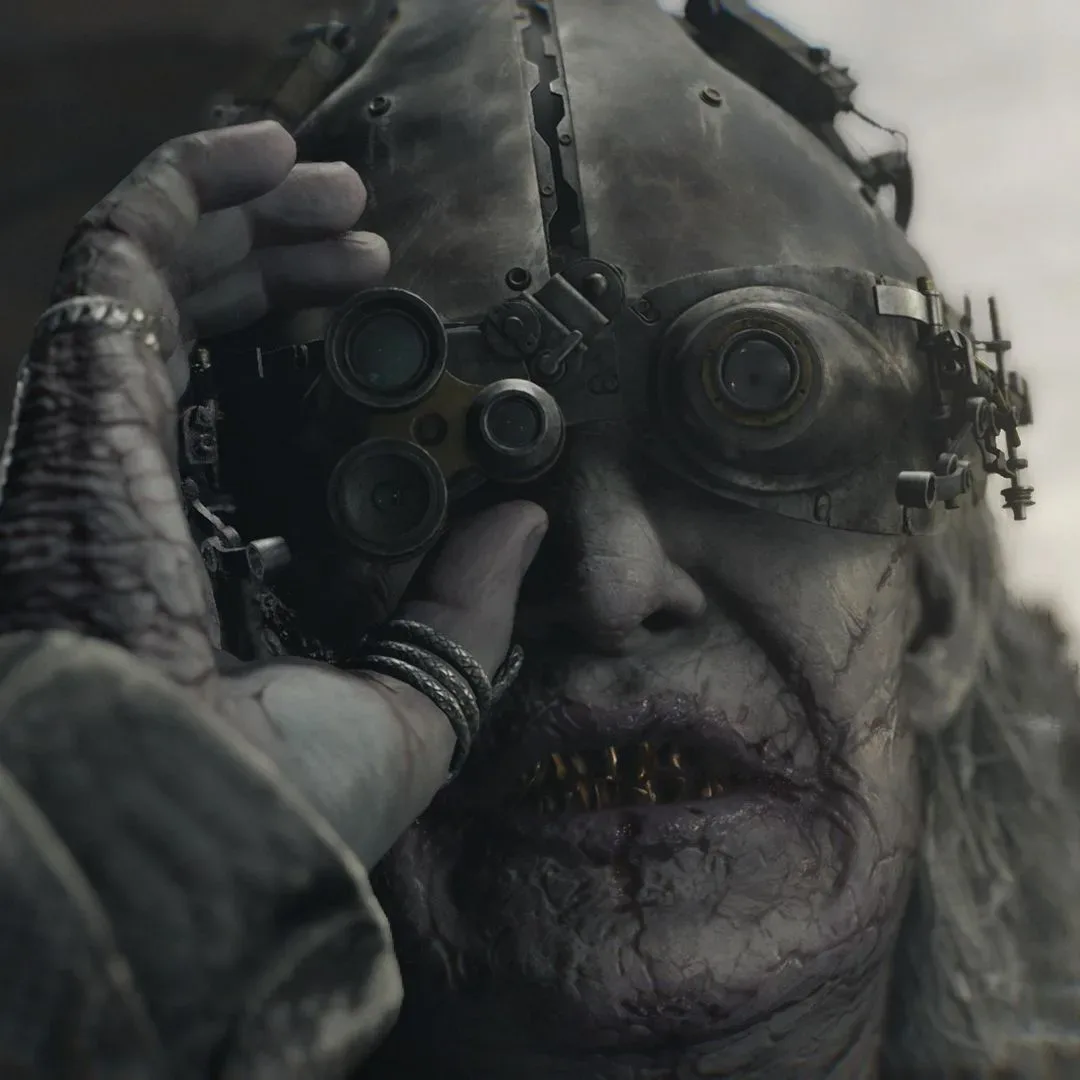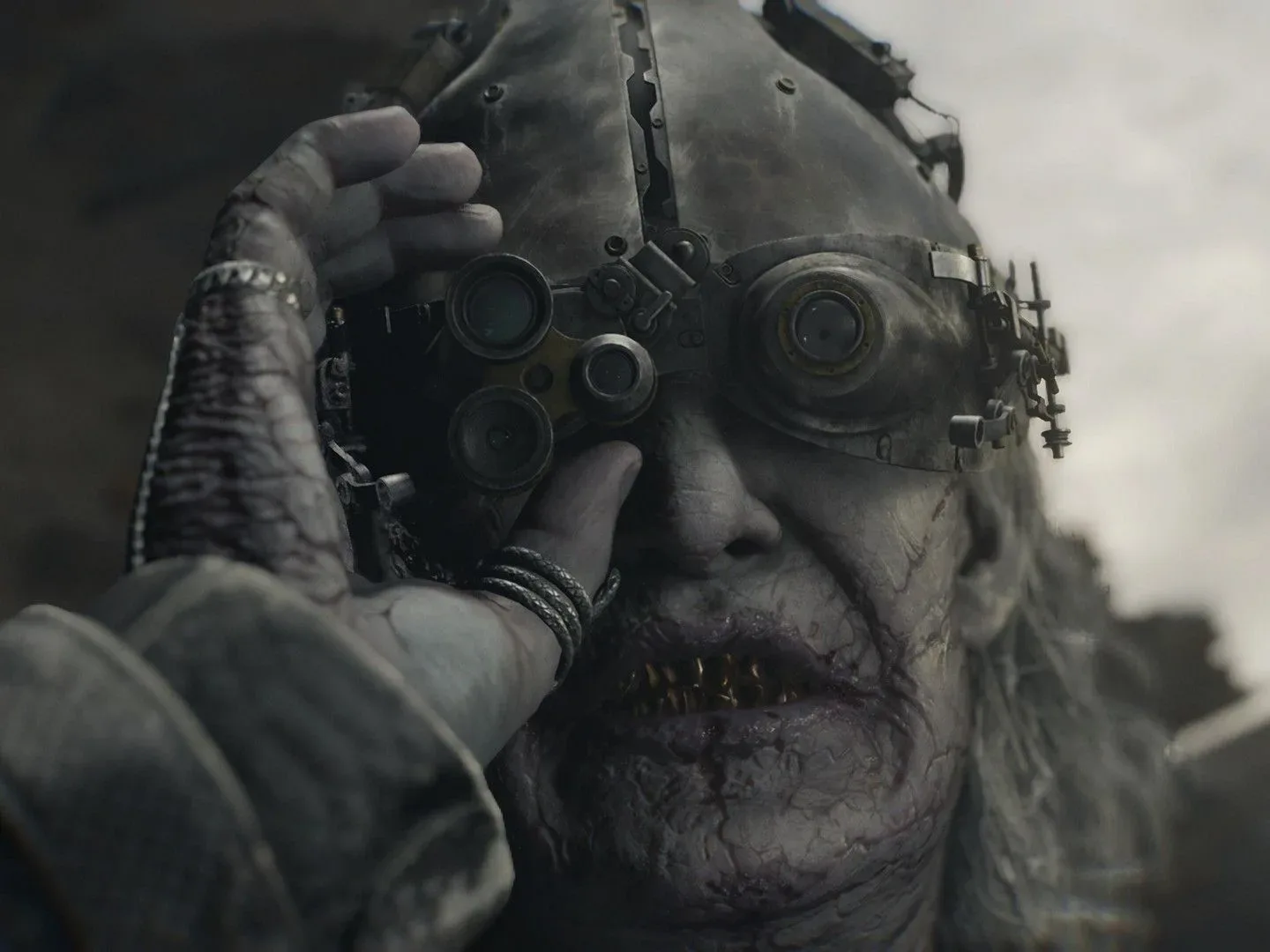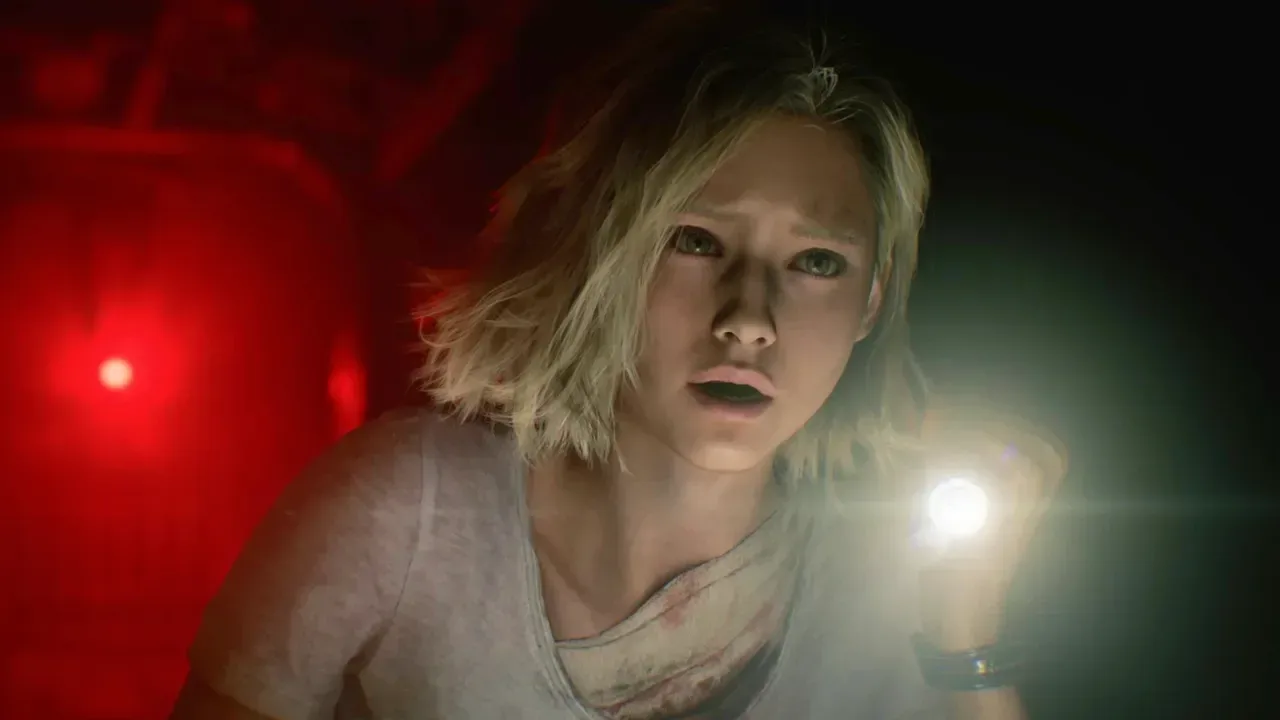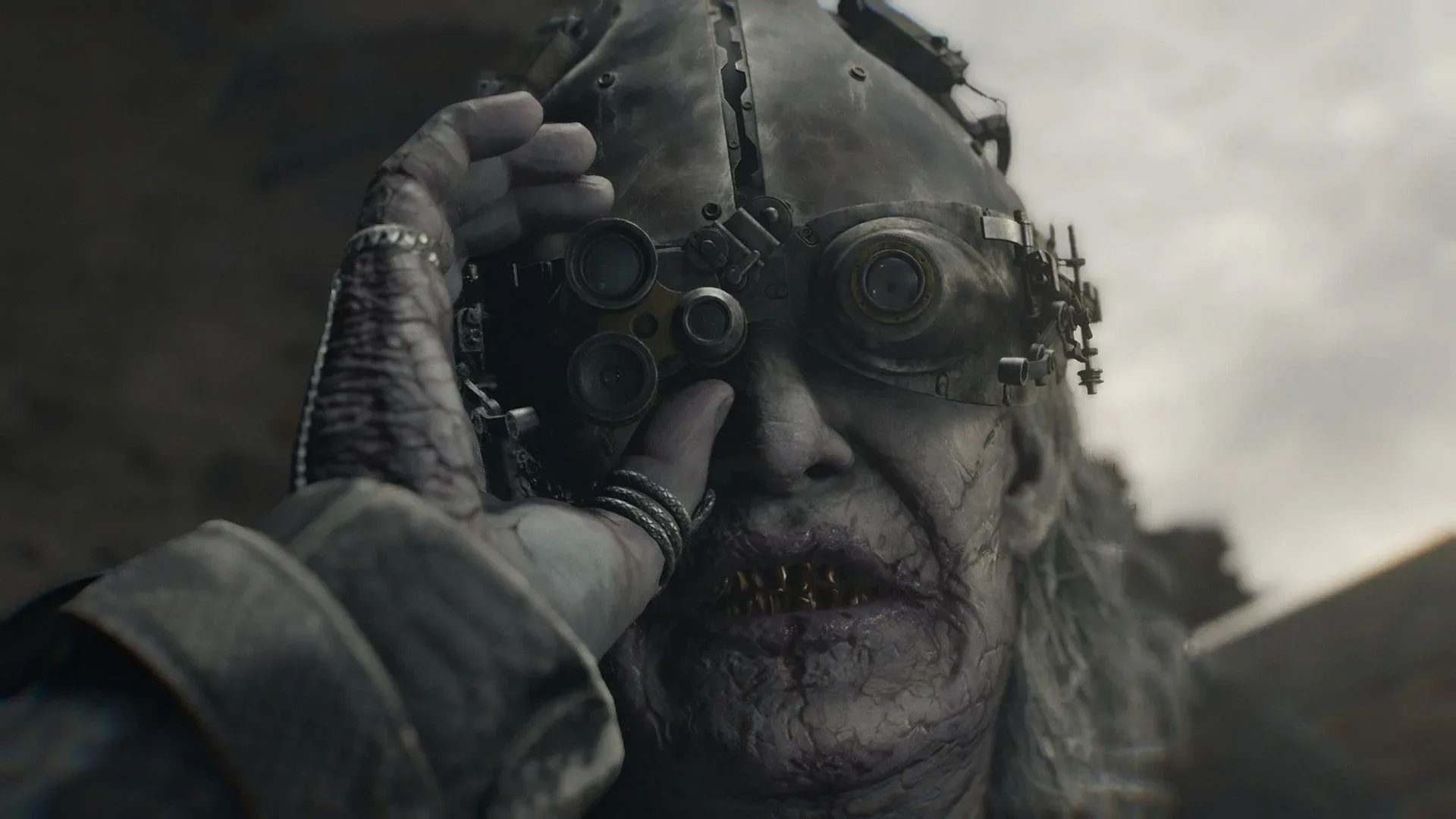
There is a wonderfully strange tension at the center of Hideki Kamiya’s latest Resident Evil observation: one of the people most closely associated with the series’ survival-horror legacy wants an escape hatch from the scares.
Kamiya, the director of the original Resident Evil 2, has said that Resident Evil Requiem was simply too frightening for him to play through. He was interested in seeing Leon Kennedy return to Raccoon City and in learning how that journey reflected the character’s history. Yet the game’s horror proved to be the obstacle rather than the attraction. His proposed solution is not a small difficulty tweak, either. He would like a mode designed for players who want Resident Evil’s narrative, puzzles, and familiar places without the full force of its dread.
To make the point vivid, Kamiya floated a deliberately silly-sounding but apparently sincere example: put brown paper bags over zombies’ heads. Pair that with brighter, more pleasant lighting instead of dark and grimy rooms, and an intimidating survival-horror setting might become approachable enough for people who otherwise cannot handle it.
It is an amusing mental image, certainly. It is also a useful prompt for a real discussion about what players seek from a horror game—and whether changing the emotional intensity of a mode changes the game itself.
Why Kamiya wanted to see Requiem for himself
Kamiya’s interest was personal as well as professional. Resident Evil Requiem brings Leon Kennedy back to Raccoon City, a location and character combination inseparable from Resident Evil 2. For a director who helped establish that particular chapter, it makes sense that a later story involving Leon’s memories and experiences there would be compelling. He wanted to encounter the result as a player.
But curiosity did not override fear. Kamiya has stressed that the request is not a punchline: he genuinely wants Capcom’s games to be playable for people who struggle with frightening material. Earlier in 2026, he similarly argued for a “non-scary” option because he wanted to engage with the puzzles. That distinction matters. This is not a complaint that Resident Evil has puzzles instead of action, or action instead of puzzles. It is an argument that its core activities could be available to an audience unable to tolerate the delivery system surrounding them.
That audience is likely larger than the genre’s loudest fans assume. Horror can involve more than sudden shocks. Audio cues, oppressive darkness, grotesque enemy designs, uncertainty about what is around a corner, resource pressure, and the anticipation of an attack can create a sustained discomfort. A player may appreciate Resident Evil’s characters, environmental puzzles, and elaborate locations while still finding the overall package exhausting or inaccessible.
The series is hardly unaware of this balancing act. Koshi Nakanishi, director of Resident Evil 7, previously acknowledged that the game may have been too scary for some players. That does not mean the fear was a mistake. Rather, it recognizes that a successful horror design can still close the door on people it might otherwise reach.
A paper-bag mode would be funny, but the design question is serious
Paper bags on enemies’ heads are not likely to be a literal feature request that survives a production meeting. They would undermine the art direction, alter readability, and potentially turn every dramatic encounter into accidental slapstick. Still, the image usefully separates several ingredients commonly bundled under the word “horror.”
A less frightening option could potentially affect some of the following:
- enemy appearance and the graphic intensity of models or animations;
- lighting, color, and visual contrast in threatening spaces;
- music, stingers, ambient noise, and sudden loud sounds;
- the frequency or severity of surprise encounters;
- pursuit sequences and pressure from invulnerable threats;
- camera treatment, visual distortion, or other techniques built to unsettle players.
None of those changes would be automatically simple. In a survival-horror game, mood is not a decorative layer placed on top of combat and exploration. Darkness can conceal routes and items. Sound can warn of danger. An enemy’s silhouette communicates behavior and urgency. Tension determines how a puzzle room feels and how a scarce resource is valued. If developers soften one element, they may need to reconsider others to ensure a sequence remains legible and functional.
That is why a non-horror mode would be more ambitious than an ordinary menu setting. It might be closer to an alternate presentation of the same campaign: the same story objectives and puzzle solutions, but with a different emotional temperature. Whether that would preserve the intended experience is a fair question. Whether every player needs the exact same intended experience is another.
The tension between preservation and access
Resident Evil has spent decades evolving between action, horror, melodrama, puzzle-solving, and monster spectacle. Different entries emphasize different parts of that formula, and fans frequently disagree over where the ideal balance belongs. A request to reduce horror therefore touches a sensitive part of the franchise’s identity.
One response is straightforward: Resident Evil is a horror series, so fear is not an optional garnish. Removing too much of it could flatten the pacing and atmosphere that make a visit to Raccoon City distinct. That position has merit. A version with cheerful illumination and heavily softened enemy imagery might no longer land as survival horror at all.
Another response is that an optional mode does not erase the standard version. Players who want the full tension could select it as always, while others could experience portions of the story they would otherwise skip. Difficulty options already recognize that people arrive with different skill levels. Content and comfort options acknowledge that they also arrive with different tolerances and needs.
The better question is not whether every game must be reshaped to suit every person. It is whether a particular adaptation can broaden participation without presenting the default experience as lesser. Kamiya’s framing is notably modest on this point. He is not asking that the frightening version disappear. He wants the ability to enjoy elements he values—especially puzzles and story—despite being someone who cannot comfortably endure the horror.
That is a relatable position for players whose relationship with games is selective. Plenty of people love a genre’s settings, systems, or social conversations without enjoying every sensation the genre deploys. There are players drawn to Resident Evil’s lore who cannot manage a chase sequence. There are players who love multiplayer chaos but would rather negotiate it in daylight and with friends nearby; our guide to the unwritten rules of couch multiplayer is a reminder that the people around a game can dramatically alter how it feels.
Fear is not measured on a single scale
The exchange Kamiya describes with Resident Evil developers contains another familiar comedy of perspective. He says he has told people on the team that their games are too scary, only to receive the equivalent of, “They are not that scary.” The creators may be so accustomed to the machinery of dread that it registers differently for them. They understand where the scares are, why they happen, and how the encounter is meant to work. A player entering blind is asked to live in the uncertainty.
There is no universal horror meter that can resolve the disagreement. A seasoned genre fan might find an intense scene exciting, while another player finds it intolerable. Even the same player can react differently depending on sound setup, time of day, stress level, familiarity with the series, and whether they are playing alone. This is not necessarily a matter of bravery, nor is it a demand that horror stop being scary. It is evidence that fear is a subjective part of the interface.
Interactive storytelling keeps expanding into new devices, formats, and audiences, a theme also visible in discussions around immersive projects exploring shared spaces and new hardware. As games seek broader participation, the question of how much control players should have over intensity will only become more relevant. Horror has unique stakes because discomfort is often the point—but an option that allows someone to stay with a story can be meaningful.
What the request really says about Resident Evil
Kamiya’s remarks are funny precisely because they come from someone with such a central connection to the franchise. The creator tied to a foundational Resident Evil chapter wants to walk Raccoon City again, but would prefer its undead residents to be less visually alarming and its rooms to feel a lot less hostile. It is an unexpectedly human admission.
It also reinforces how confidently modern Resident Evil can pursue horror. If a series veteran feels unable to proceed, that suggests the games’ atmosphere is doing real work—not merely leaning on familiar monsters or nostalgia. Resident Evil Requiem appears to have made enough of an impression to stop a player who was genuinely motivated to see Leon’s return.
There is no indication that a non-horror mode is planned for Resident Evil Requiem, and Kamiya’s comments are a wish rather than a confirmed feature direction. But the proposal is worth more than the paper-bag gag. It asks whether a game can preserve its definitive scary route while offering a parallel route for players who want the mystery, the characters, and the puzzles without quite so many nightmares waiting behind the next door.