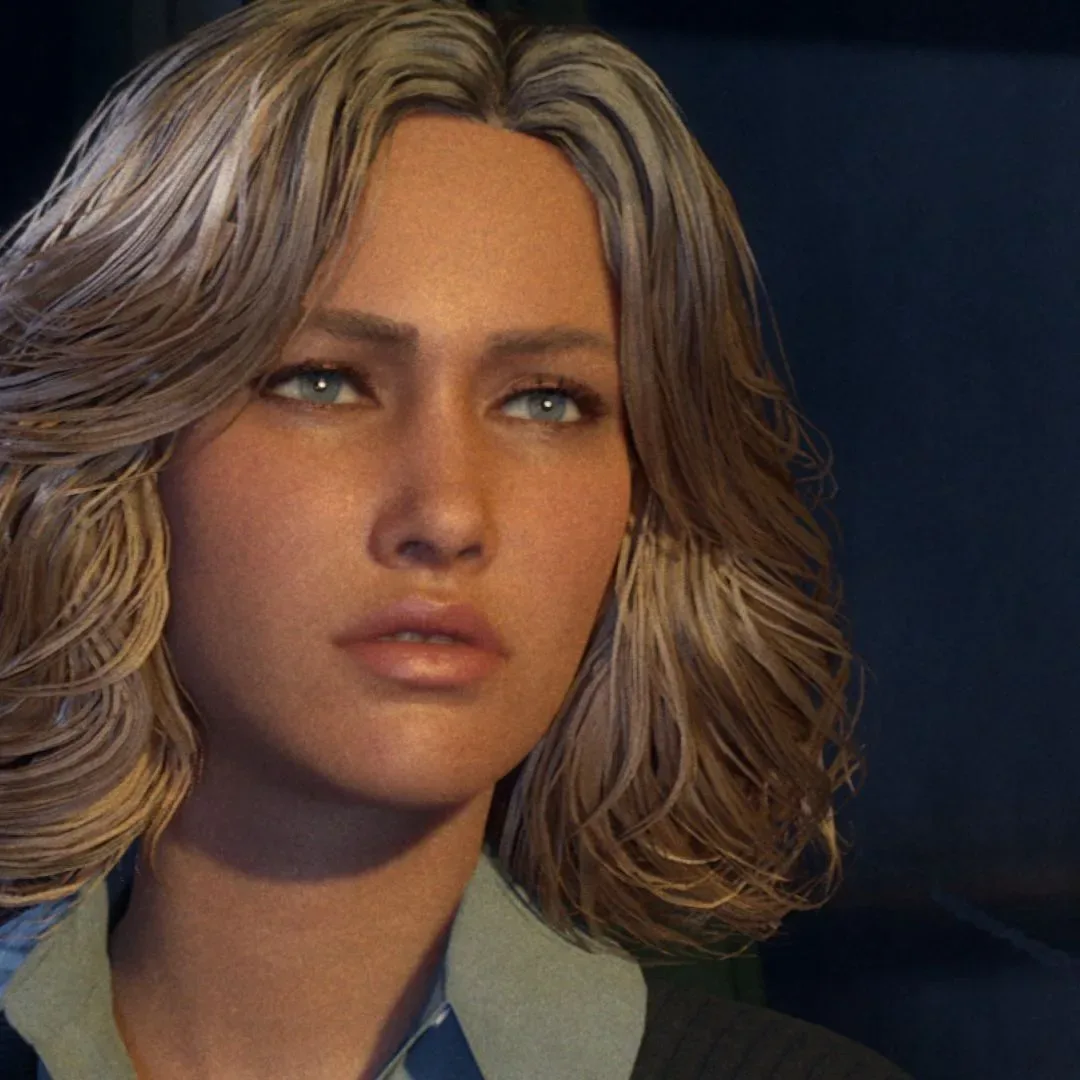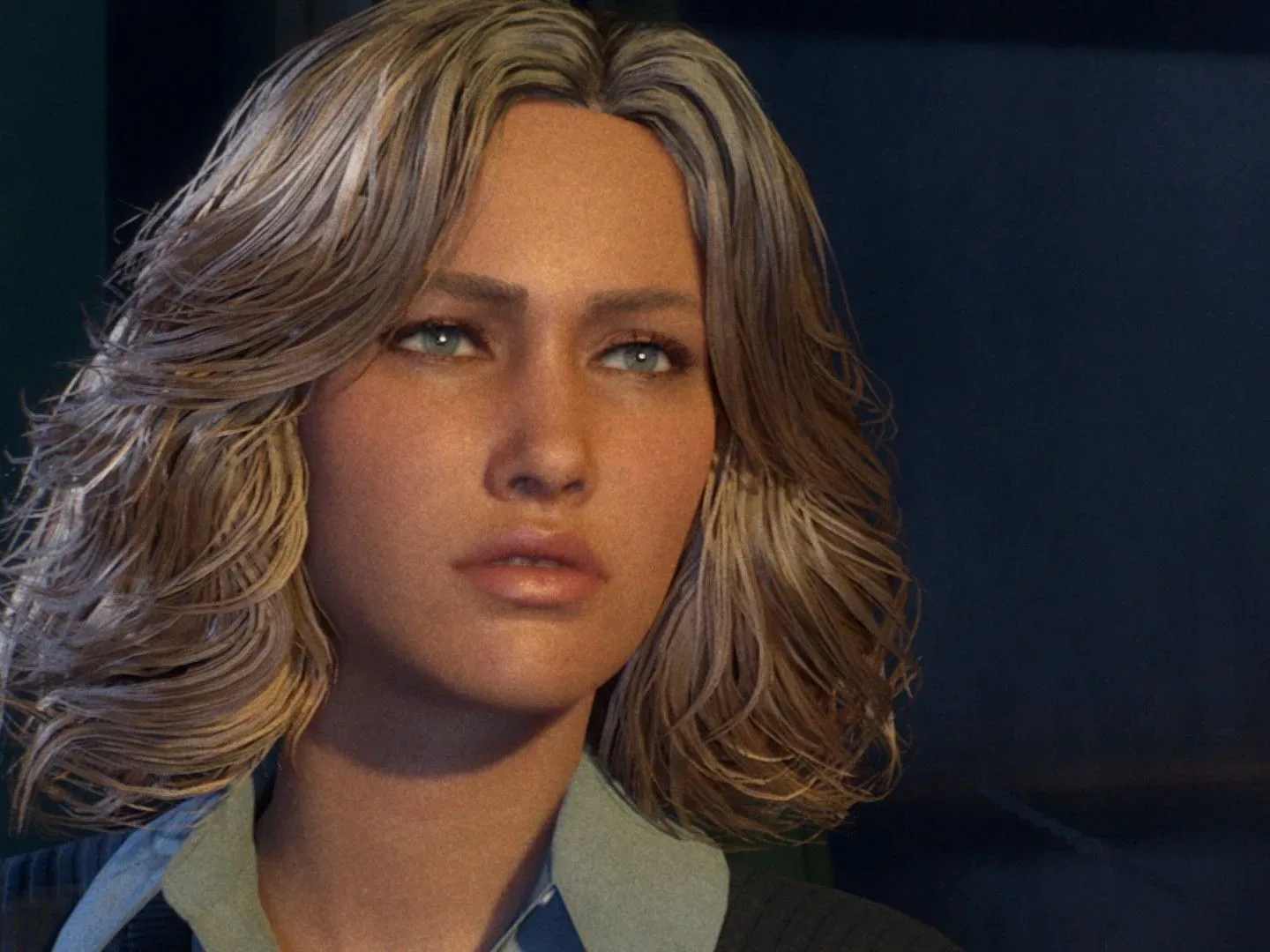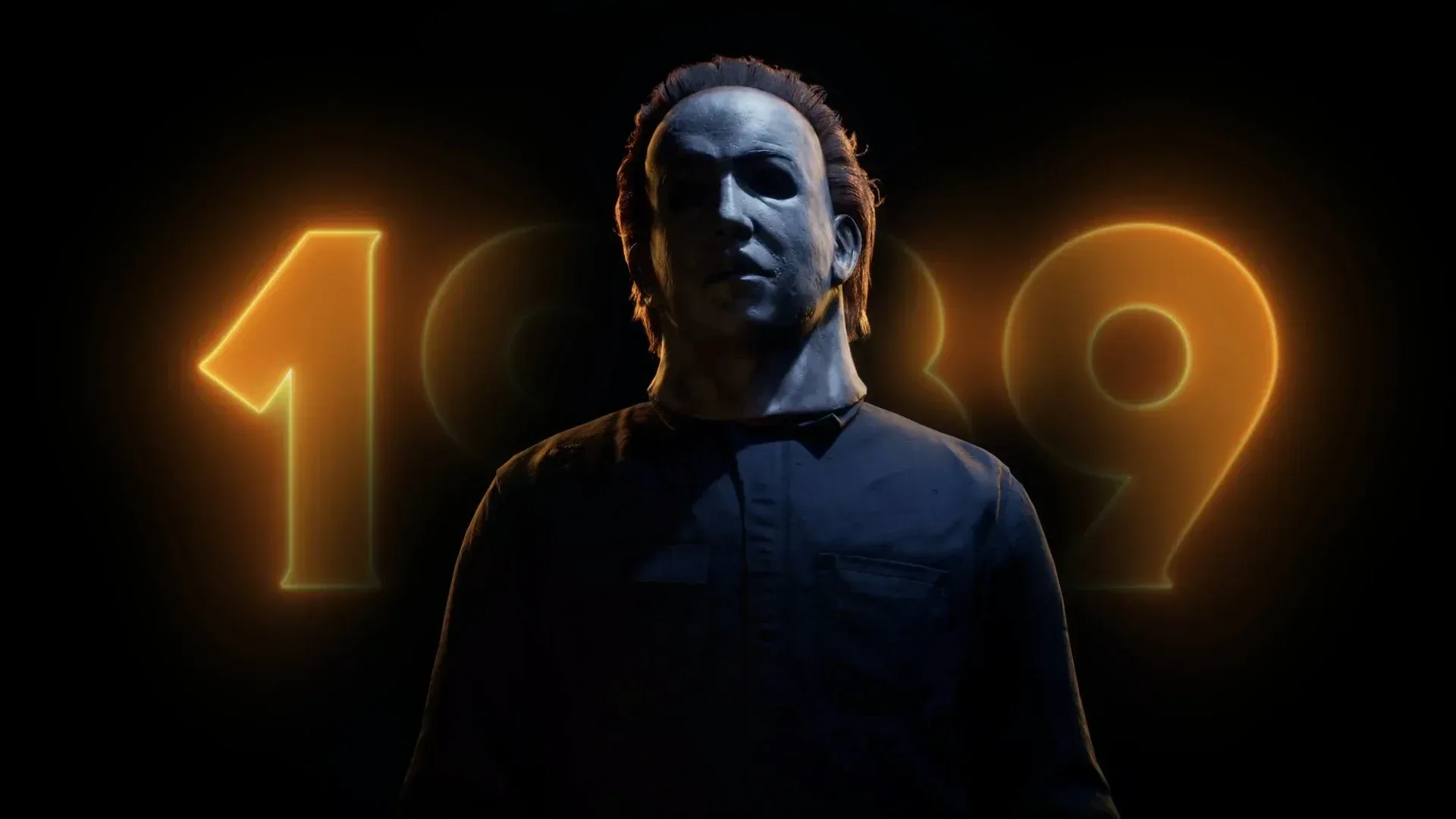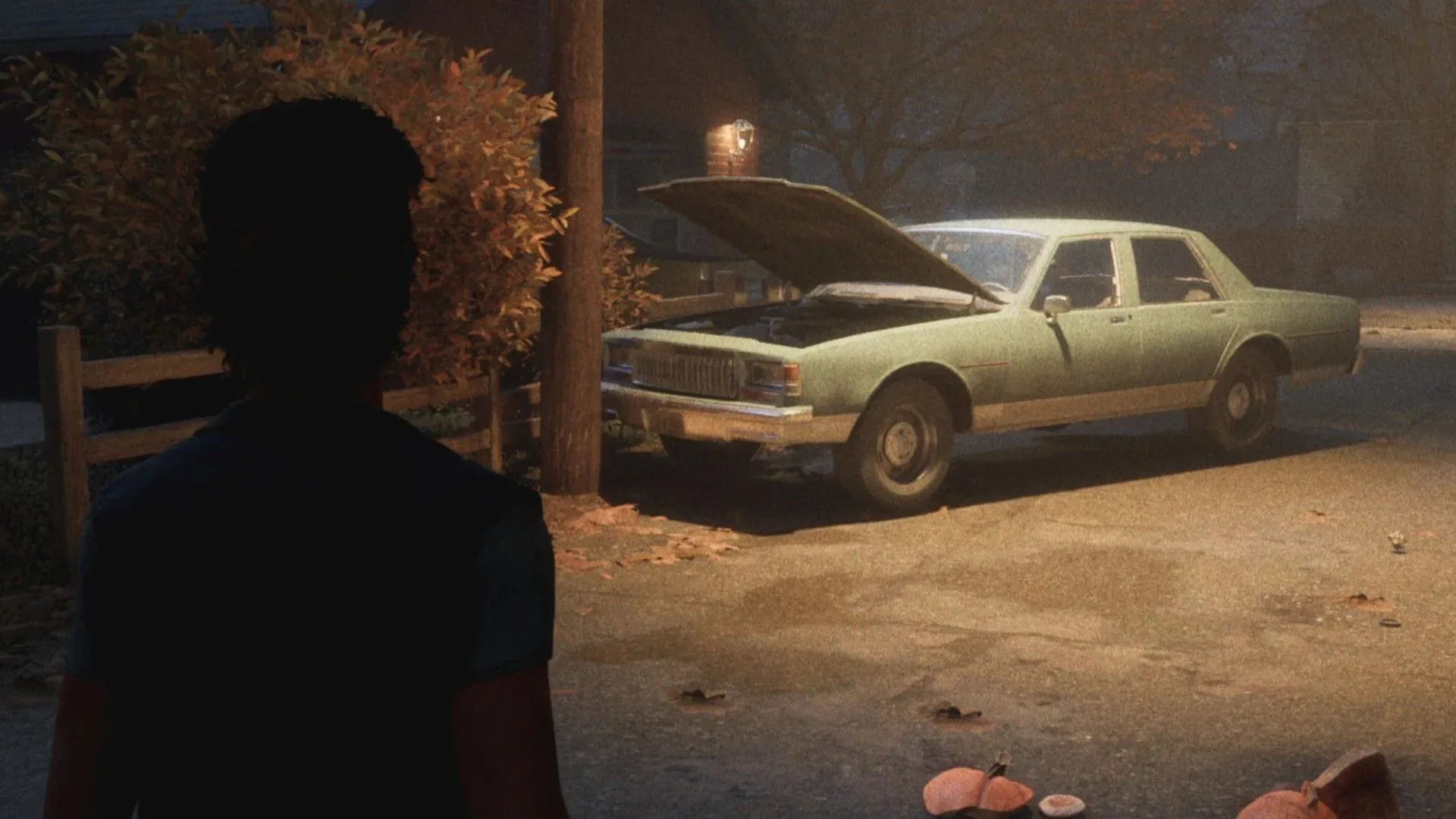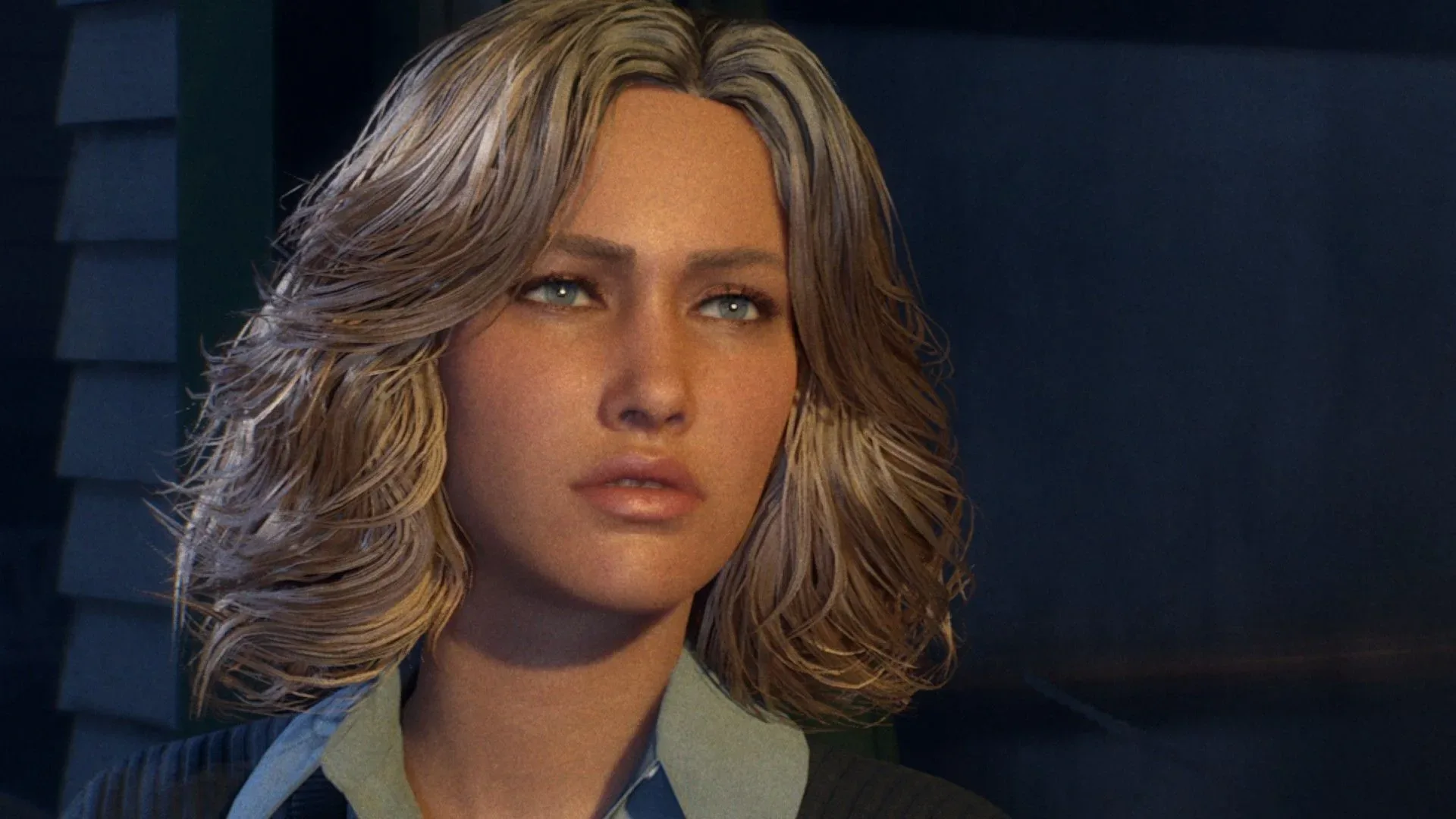
In Halloween The Game, being a civilian is a little like attending a neighborhood open house where every door is locked, the host has misplaced the keys, and Michael Myers has decided the property needs fewer visitors. The game offers one killer, Michael Myers, with options that can be changed, but civilians provide the wider range of character choices. That makes the civilian pick more than a cosmetic preference: their individual statistics and abilities can meaningfully affect an escape attempt.
A ranking built around those differences puts Tanya and Marcus at the top, followed by Eric, Laurie, and Alexis. The order emphasizes the traits that help a civilian leave danger behind—especially Athleticism and Resourcefulness—while still accounting for Personality, Capability, and each character’s distinctive skill. It is a sensible hierarchy for a game where opening an exit, finding an item, getting indoors, or simply creating a little distance from Michael can matter more than being broadly competent on paper.
That does not mean a lower-tier civilian is unusable, or that a tidy tier list can predict every chaotic match. Horror games are very good at turning a solid plan into a scream with legs. Still, the list identifies which kits appear most useful when the immediate objectives are survival, movement, access, and information.
Halloween The Game civilian rankings
- S tier: Tanya, Marcus
- A+ tier: Eric, Laurie, Alexis
- A tier: Richard, Jennifer
- B tier: Thomas, Rachel
The ranking comes from assessing statistics and skillsets separately, then averaging the results. Athleticism and Resourcefulness receive the greatest weight, with Personality and Capability following behind. That priority reflects the basic civilian problem: conversation speed is helpful, but it is usually more urgent to move quickly away from Michael, use a useful item efficiently, and open a route out before the situation becomes a very bad meeting with a very quiet man.
For a broader reminder that multiplayer behavior develops its own strange code of conduct, see The Unwritten Rules of Couch Multiplayer, Now Written Down. Halloween’s civilian selection is not couch-multiplayer etiquette, naturally, but the same truth applies: one person’s choice can change everyone’s night.
Why Marcus earns an S-tier spot
Marcus is ranked at the very top largely because he can unlock doors using a unique lockpick option. That ability addresses a practical problem civilians face: houses can be locked, preventing entry. Being shut outside keeps a civilian exposed for longer and delays the search for items that could support an eventual escape.
Put less politely, Marcus brings an answer to architecture. A locked house is not merely scenery when Michael is nearby; it is a barrier between a civilian and resources, cover, or a new path. The lockpick option allows Marcus to bypass that obstacle in situations where another civilian may have no way through. It is the kind of skill whose value can be easy to underestimate until a door becomes the entire plot.
His ability is also backed by strong Resourcefulness and respectable Athleticism. Resourcefulness supports efficient item use and exit interactions, while Athleticism helps with getting away in a hurry. That combination gives Marcus both a special solution and dependable baseline tools. He is not carried by a single gimmick.
There is a tradeoff: Marcus has comparatively low Personality, making skill checks associated with calling the police more difficult. The listed workaround is to ask residents to handle that task instead. In other words, Marcus may be the civilian who gets the door open, but he is not necessarily the best person to make the important phone call. A team that recognizes that division of labor can reduce the downside.
Tanya turns sound into a survival tool
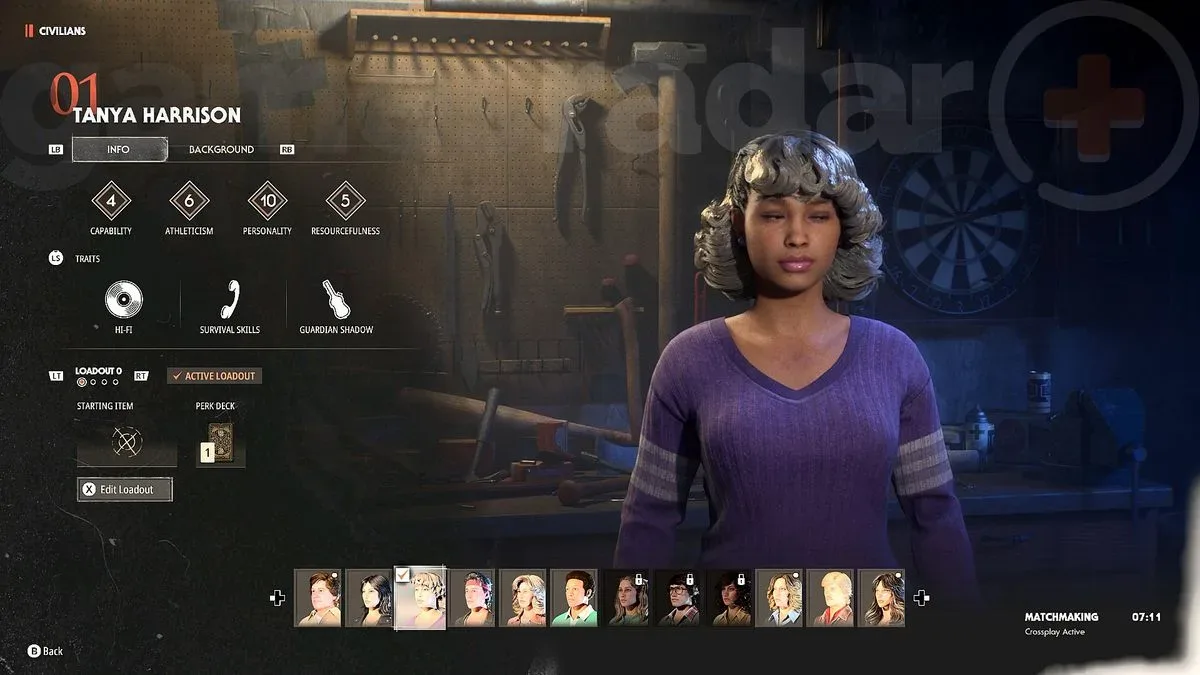
Tanya shares S tier with Marcus, although her case is built differently. Her Resourcefulness is not especially strong, but high Personality and Athleticism help compensate. More importantly, her Hi-Fi ability gives her a way to gain information about Michael’s position through noise-makers such as televisions and stereos.
That makes Tanya’s kit about awareness rather than access. Where Marcus can solve the problem of a closed door, Tanya can help make the problem of Michael’s whereabouts a little less mysterious. The ability only offers a partial way to track him, not a complete guarantee of safety, but any useful signal in a horror-game pursuit can help a player choose whether to push toward an objective, retreat, or avoid walking into the world’s worst surprise party.
Her Athleticism is particularly meaningful under the ranking’s criteria. Escaping danger quickly is treated as more important than rapidly completing conversations, and Tanya’s mobility supports that emphasis. Personality adds value as well, while the Hi-Fi skill makes her more than a runner with good social stats. She is an information-oriented pick whose strengths can create room for better decisions.
Marcus and Tanya therefore reach the same tier by different routes. Marcus is the access specialist with solid practical stats; Tanya is the fast, personable civilian who can use environmental sound to obtain a measure of situational awareness. Players deciding between them can think less about which is universally “best” and more about whether their priority is overcoming locked spaces or keeping closer tabs on the killer.
A+ tier: exits, awareness, and dependable value
Eric and Laurie land in A+ because both have excellent aura-reading abilities. When calm, they can see exits. In a game structured around finding a way out while avoiding Michael, that is a direct and meaningful advantage.
Exit knowledge is valuable because it reduces uncertainty. A civilian who knows where an escape route is can make movement more purposeful instead of spending precious time wandering, checking, and hoping that the next turn does not lead to another locked door or a sudden encounter. The condition matters, though: the aura reading works while calm. It is a powerful tool, but one that is tied to maintaining the right state.
Eric and Laurie do not occupy S tier in this ranking, yet their exit-reading ability makes them particularly appealing for players who value clear objectives and navigation. The difference between knowing an exit exists and knowing where it is can be the difference between a plan and an anecdote nobody wants to tell afterward.
Alexis joins them in A+ tier. The available ranking places her above the A-tier civilians without detailing a specific ability or stat spread here. That placement still indicates a notably strong overall balance when the separate evaluations of statistics and skills are combined.
The middle of the list is not the end of the roster
Richard and Jennifer occupy A tier. Jennifer is an especially useful example of why looking at raw statistics alone can mislead. She has some of the better all-around stats, but her skills are considered among the less useful options. Once those elements are averaged together, she ends up lower than a first look at the stat sheet might suggest.
That is an important distinction for anyone choosing a civilian. A well-rounded profile is valuable, but a special ability needs to help with the game’s actual pressure points. If a skill does not assist with escape, access, awareness, or other urgent survival tasks, it can struggle to compete with Marcus opening doors, Tanya tracking sound cues, or Eric and Laurie locating exits while calm.
Richard’s A-tier position places him alongside Jennifer as a credible choice rather than an automatic first pick. The tier structure is not saying these civilians are doomed. It is saying that, when the ranking prioritizes Athleticism, Resourcefulness, and relevant abilities, the characters above them offer stronger or more immediately useful packages.
At B tier are Thomas and Rachel. They round out the listed civilian roster. The ranking gives them the lowest overall placement, but that should be read as a comparative judgment, not a command to ignore them. Match circumstances, coordination, and comfort with a particular character can all influence a player’s choice. In a horror game, a supposedly optimal pick cannot help much if the plan is to investigate every suspicious noise alone. That plan has been workshopped by cinema for decades. It does not test well.
How to use the ranking without becoming enslaved by it
The practical takeaway is to start with the objective that causes the most trouble. Choose Marcus if locked buildings and door access are the concern. Choose Tanya if partial tracking through TVs and stereos sounds more useful. Consider Eric or Laurie if seeing exits while calm fits the desired approach. Alexis is positioned as another strong overall choice, while Richard and Jennifer remain respectable picks despite Jennifer’s weaker skill value relative to her statistics.
It also helps to consider the group’s needs. Marcus’s lower Personality can make police-call checks harder, but residents can be asked to place the call. That creates an opportunity for complementary roles rather than a reason to dismiss him outright. Likewise, information abilities and exit awareness are strongest when that knowledge leads to a better decision for the group.
For players who enjoy the social side of gaming as much as the carefully calculated side, the important rule is still simple: communicate, share what you know, and do not let the person with the lockpick become separated from every locked door. The civilian tier list offers a useful starting point, but smart use of each ability is what turns a ranking into an escape plan.