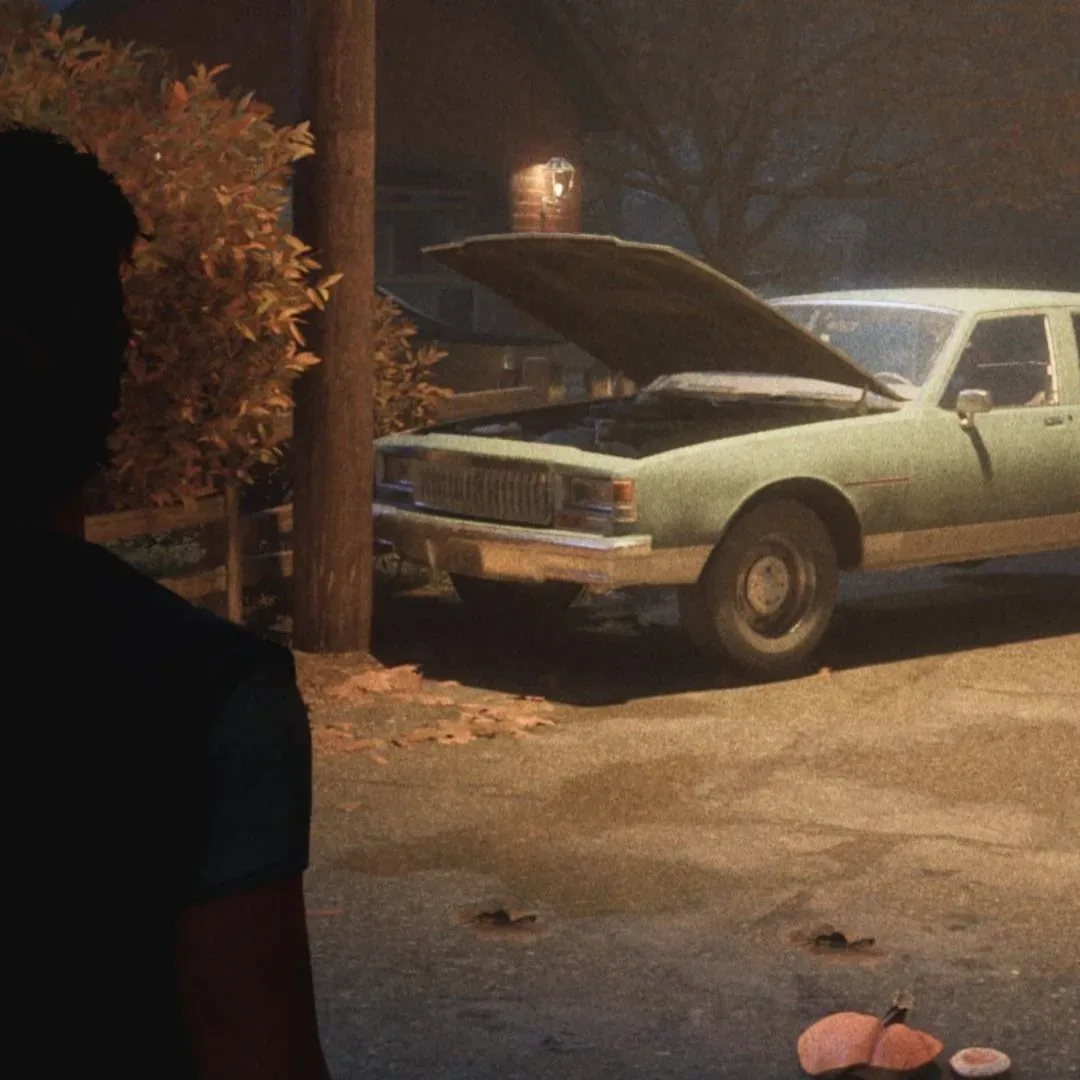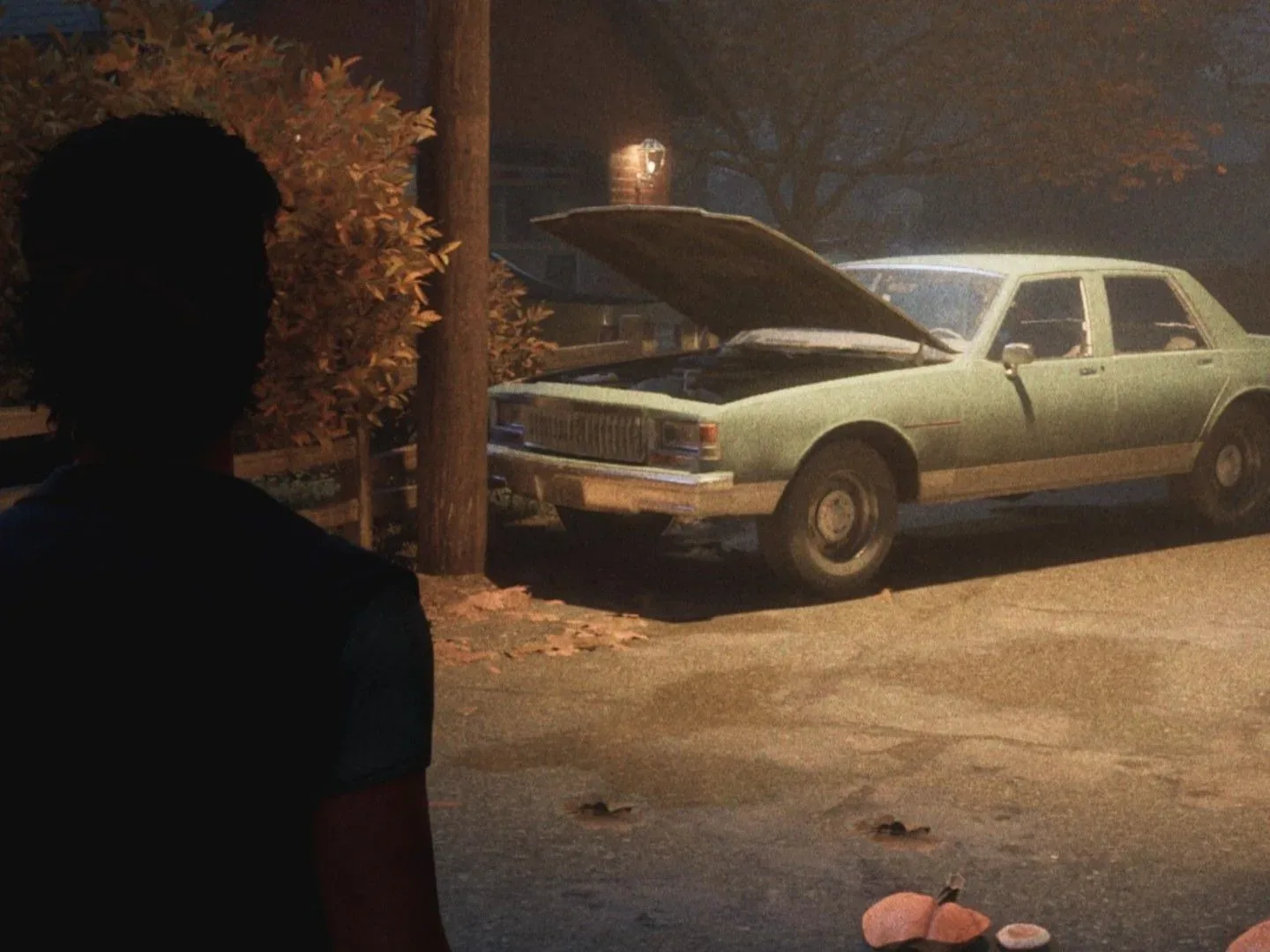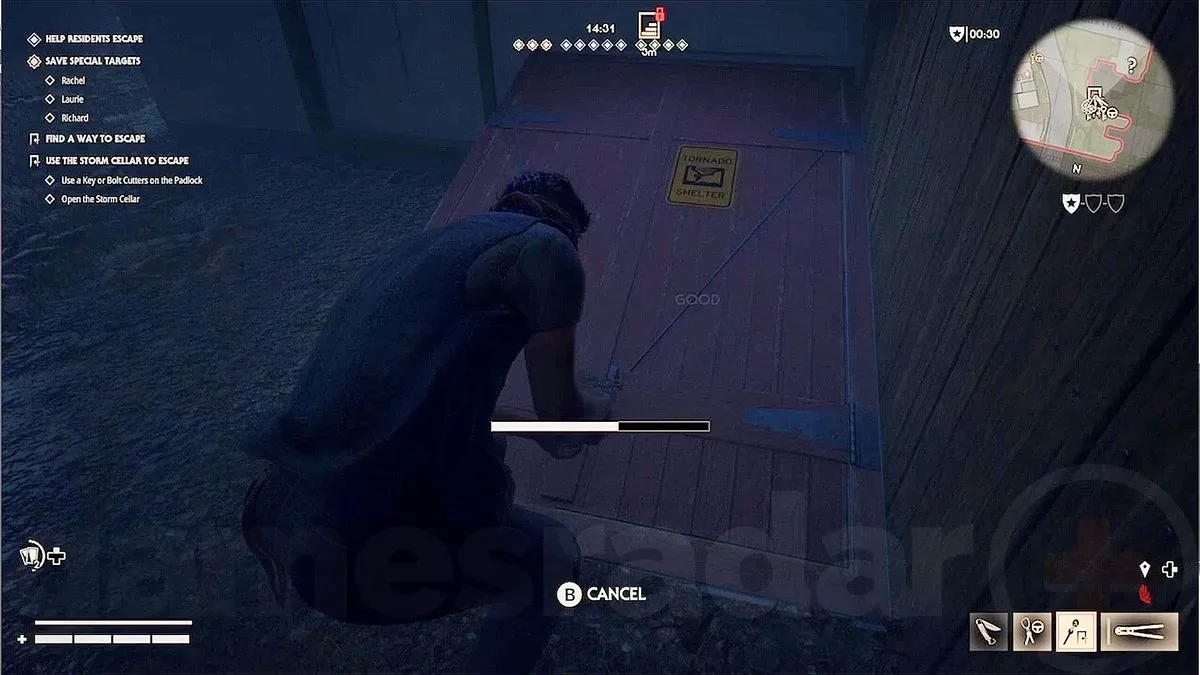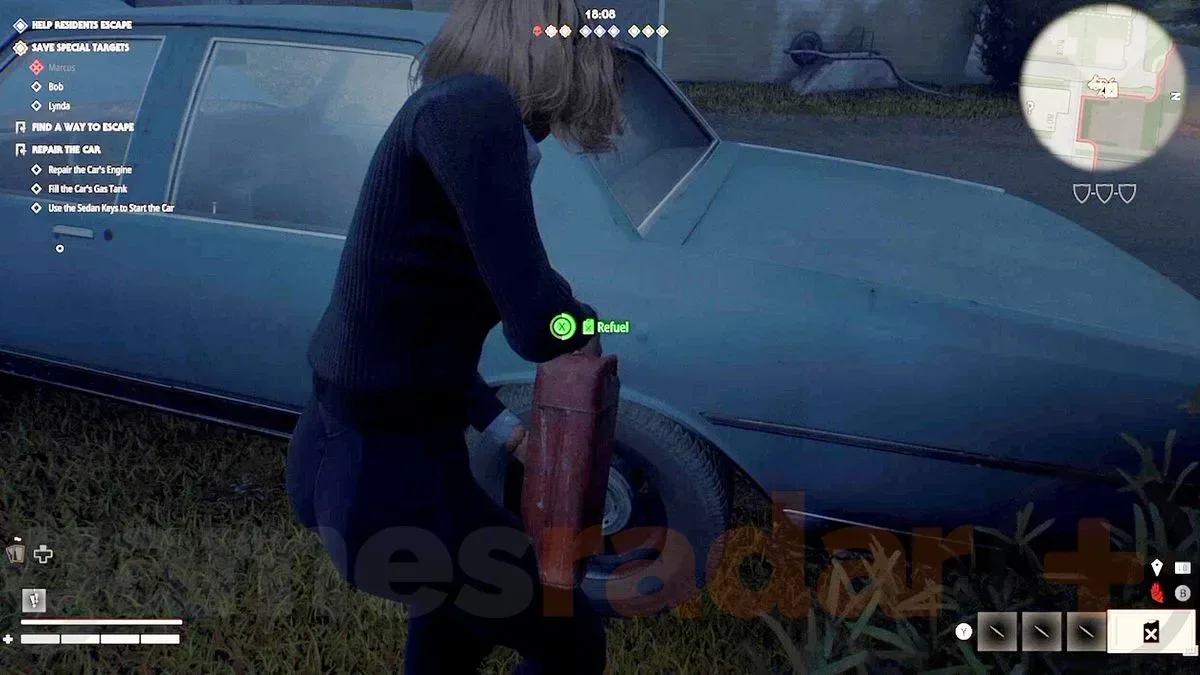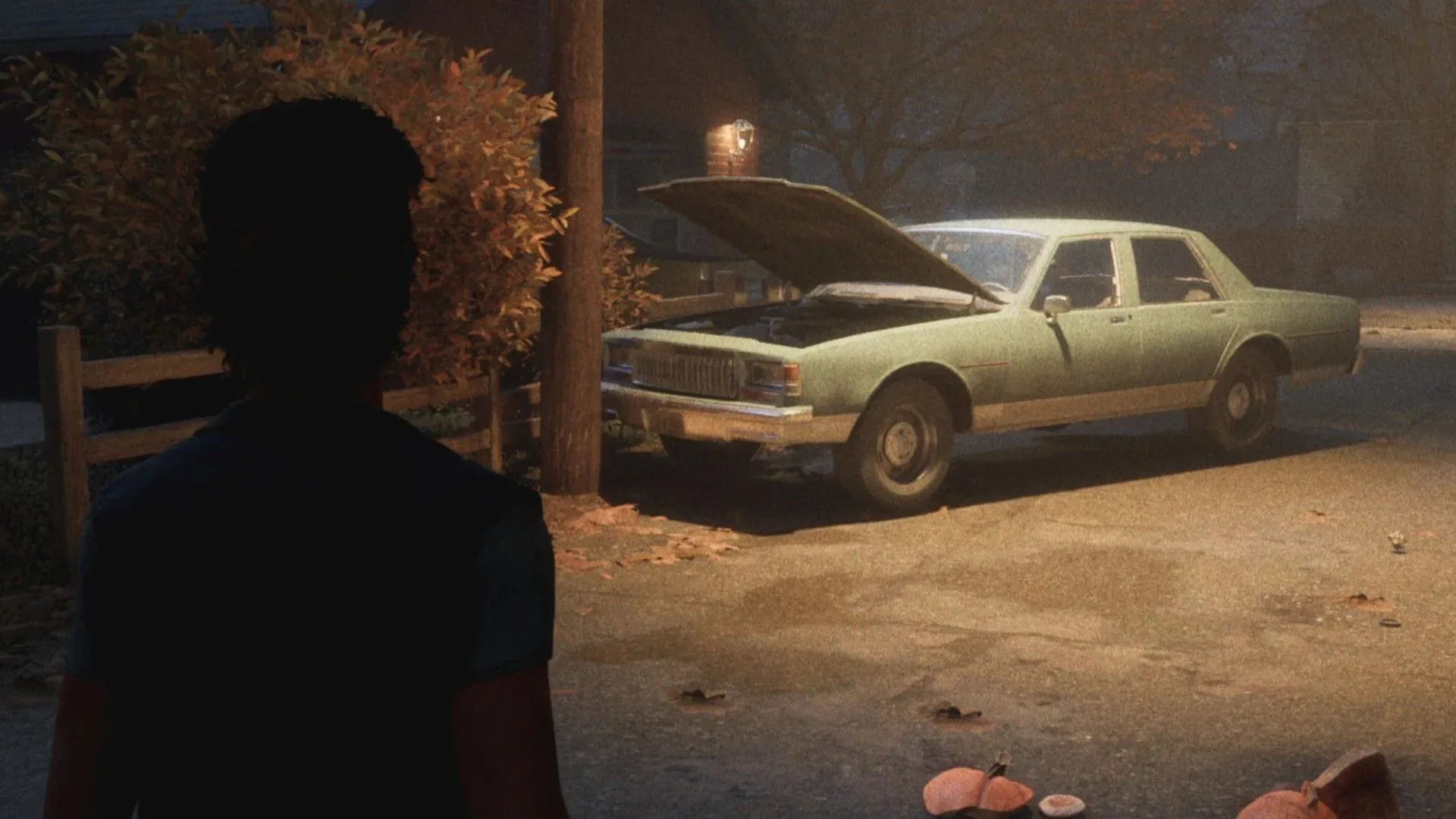
Haddonfield is not designed to make a civilian’s evening easy. In Halloween The Game, escaping Michael Myers means more than spotting an exit and sprinting toward it: each route has its own requirements, and some demand several separate items before they become usable. A locked hatch may need clearing, a car needs enough parts to become more than expensive driveway scenery, and the police are not immediately available simply because someone would very much like them to be.
There are four principal civilian escape methods across the game’s maps: cellar hatches, the Sedan, a powered gate, and police-related departures. Their requirements vary considerably, so recognizing an exit early can matter just as much as locating the tool that opens it. The underlying lesson is pleasantly rude: Haddonfield rewards civilians who investigate the map, remember important locations, and avoid treating every useful item as a mysterious object to admire while Michael is nearby.
For broader advice on staying alive while routes come together, see our Halloween The Game civilian survival and Michael Myers match strategies guide.
The four civilian escape routes
- Cellar hatches
- The Sedan
- The powered gate
- Police exits
Not every option asks for the same amount of preparation. Cellar hatches generally represent the most accessible route because their locks can be dealt with using more than one possible item, though the hatch itself may have additional physical obstructions. The powered gate is another comparatively direct route, but it depends on finding a fuse as well as a way through its lock. The Sedan involves the longest shopping list. Police help offers two possibilities: one tied to the match’s alert progression and another involving a key found on a fallen officer.
Because item locations and the exact condition of an exit can shape what is practical in a particular match, there is no guarantee that the theoretically simplest escape will be the one available at the moment a civilian needs it. Still, knowing the full checklist for each route prevents wasted time and helps make a discovered tool meaningful.
Cellar hatch escape: the leanest requirements
Cellar hatches are usually the most attractive prospect for civilians looking for the quickest route out. Maps typically contain more than one hatch, giving players multiple potential targets rather than forcing everyone toward a single fixed point. Every hatch is locked, but the surrounding obstacles are not always identical.
One hatch might be hidden beneath leaves, while another can have wooden boards that must be cut through. The best-case version is a hatch that has no extra covering or barricade beyond its padlock. That does not make it entirely free—there is still a lock to defeat—but it removes the need to spend time handling secondary obstacles.
What opens a cellar hatch?
- A key, or
- Boltcutters
The fact that either a key or boltcutters can open the padlock gives the hatch route useful flexibility. A player who finds one of those tools has a reason to keep cellar hatches in mind, rather than waiting for one highly specific item. Of course, leaves and wooden barriers may still alter the plan, so a hatch should be checked rather than assumed ready. If boards are in the way, civilians will need to address that barrier before the lock becomes the final problem.
Related coverage includes Halloween The Game: Every Civilian Escape Route Explained.
The hatch route’s relative simplicity does not mean it is automatic. Locating the hatch is still part of the task, and a workable tool only matters if the player can reach the correct hatch and use it safely. But among the four escape families, this is the option with the fewest core demands, particularly when a hatch is found with only its lock remaining.
The Sedan escape: four pieces of a very inconvenient puzzle
The Sedan offers a much more elaborate departure plan. To escape in it, civilians need to locate the car itself plus three key resources:
- The Sedan key
- A gas can
- A repair kit
That is four necessary elements in total. The Sedan’s location may sound like the least complicated part because it is a full-sized car, but it is nevertheless valuable information. Once the car has been identified, every later discovery of a Sedan key, gas can, or repair kit has a destination attached to it. Without knowing where the car is, a civilian can possess an essential component while still lacking an immediate plan for converting it into an escape.
This makes early map awareness particularly relevant to the vehicle route. The Sedan is less about one lucky find and more about connecting several discoveries across the match. It may become a realistic option when multiple civilians are working toward the same goal, as different people can potentially locate the components and understand where they must eventually go. It is not presented as impossible for a lone player, only as a route requiring more pieces to fall into place than the hatch or gate.
The car’s requirements also explain why it should not be confused with the separate police-car option. The Sedan has its own dedicated key, fuel requirement, and repair requirement. Finding a generic-looking vehicle does not mean a civilian has discovered a universal escape button. In Haddonfield, even automotive salvation arrives with paperwork.
Powered gate escape: fuse first, then get through the lock
At the outskirts of town, civilians can find a powered gate that serves as another path beyond the map. Its baseline requirements are a power component and a means of opening the gate:
- A fuse
- Either boltcutters or an exit key
There is also a possible complication. Some gates can be obstructed by boards, in which case a hatchet is needed to remove that barrier. That means the gate can range from a two-item objective to an exit with an additional clearing task. As with the hatch, inspecting the actual state of the escape point is important before assuming the items already in hand will be enough.
The fuse is the notable limiting factor in this route. Fuses were previously regarded as especially scarce, although they appear to be more common now. That shift can make the gate more achievable than players may expect if they are relying on older impressions of its difficulty. The item remains required, however, so the route still hinges on finding one before the lock and any boards can be treated as the last obstacles.
Compared with the Sedan, the powered gate has a shorter checklist. Compared with a straightforward cellar hatch, it asks for a more specialized component. It is therefore a useful middle-ground exit: potentially efficient when a fuse is found, but capable of becoming awkward if the gate is boarded up and a hatchet has not appeared.
Police escape: delayed rescue or a grim key hunt
Police-related exits operate in two distinct ways. The more structured option involves building the police alert through successful calls. Once the alert reaches the full three-star level, an additional call to the police is required. That extra call brings a police wagon onto the map, and civilians can escape by entering the rear of the van.
This route has an important timing condition: it does not activate early in a match. Its mechanics are simple once the police wagon has arrived, but the wagon is tied to sustained progress through the alert system rather than merely finding a single item. For civilians who have survived long enough to reach that stage, it provides a clearly defined exit point.
The alternate police method can happen sooner, although it has an unmistakably macabre requirement. Police cars that appear during a match can be used for escape if a civilian obtains a police officer’s car key. That key can be found on the body of a dead officer. In practical terms, this means the police-car route is available before the full alert-driven wagon sequence, but it depends on a particular key being present and recovered.
The distinction is worth remembering. The police wagon requires successful calls, a three-star alert, and one further call; the police car depends on the officer’s car key. They are related by theme, but they are not interchangeable systems.
A quick item checklist for civilian escapes
When an item turns up during a match, its purpose can immediately narrow the viable exit options:
- Key or boltcutters: useful for cellar-hatch padlocks; boltcutters or an exit key can also open the powered gate.
- Fuse: required for the powered gate.
- Hatchet: may be necessary when boards block the powered gate.
- Leaves or wooden hatch barriers: signal that a cellar hatch has extra conditions beyond its lock.
- Sedan key, gas can, repair kit: all three are needed alongside the Sedan itself.
- Police officer’s car key: enables escape using a police car.
- Successful police calls: build toward the three-star alert and, after an additional call, the arrival of the police wagon.
Each escape route ultimately asks civilians to turn information into a decision: identify what has been found, determine which exit it supports, and account for any remaining obstacles. The cellar hatch is generally the shortest route on paper; the gate offers a compact but fuse-dependent alternative; the Sedan asks for the largest collection of parts; and the police provide either a late-match wagon or a more immediate but grimly conditional car exit. In a town stalked by Michael Myers, that is about as close to a travel guide as anyone is likely to get.