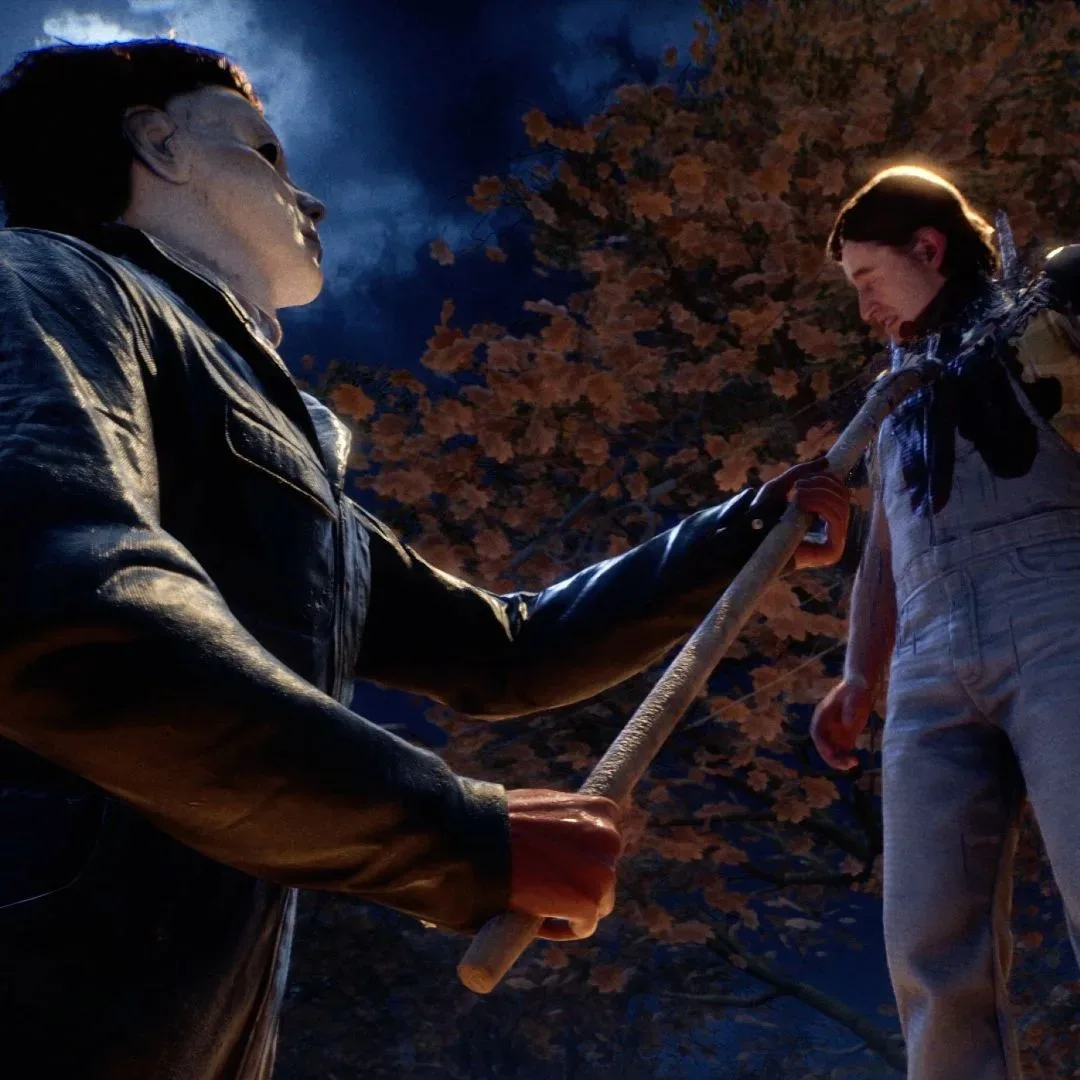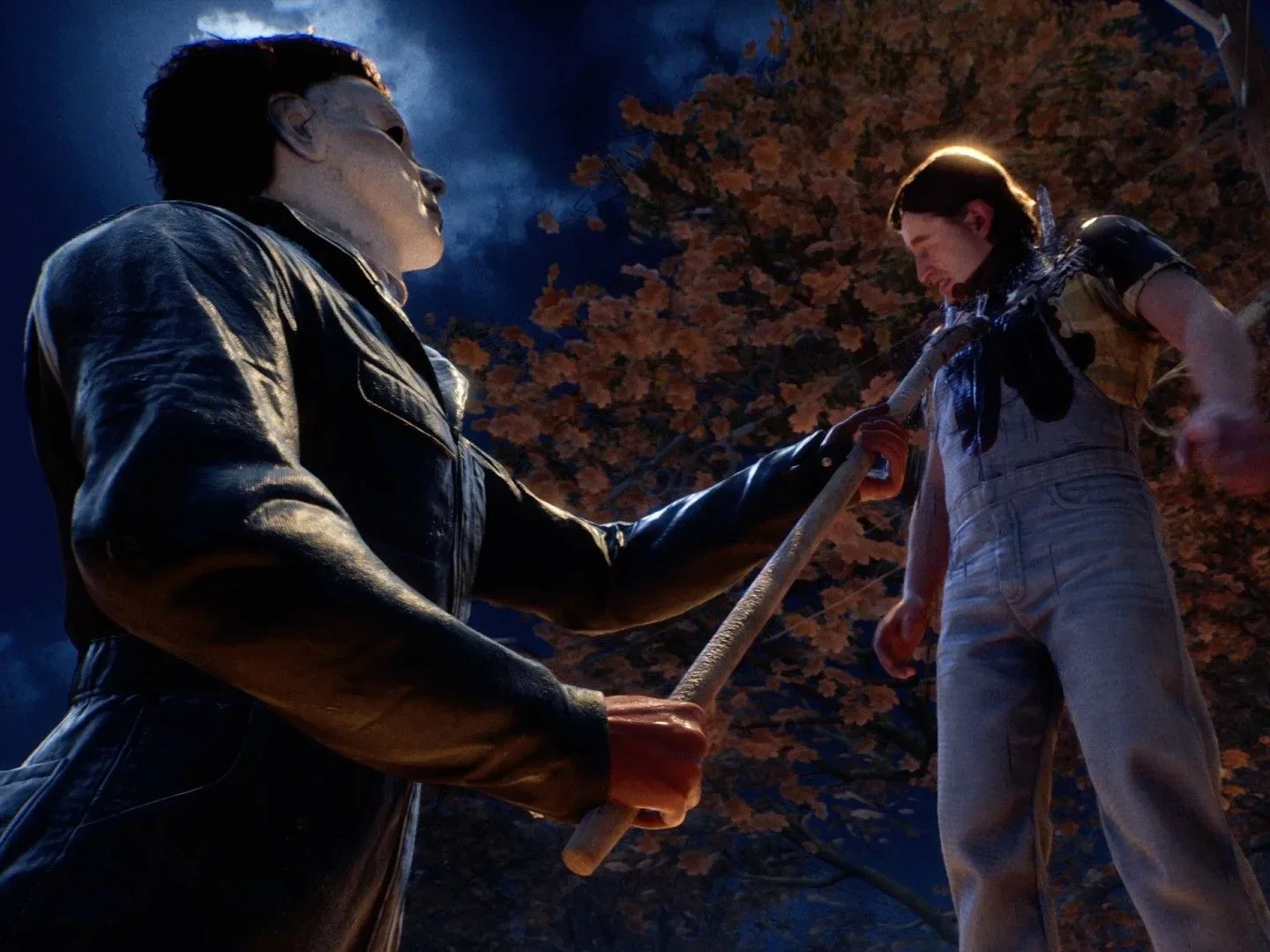
Halloween The Game asks its players to handle two very different kinds of pressure. A civilian joins three other human-controlled survivors in Haddonfield, where escape routes, supplies and potential allies must be found before Michael Myers closes in. Michael, meanwhile, operates alone against the civilian group, NPC residents and a growing police response. The result is an asymmetrical multiplayer match where time matters as much as direct confrontation.
Neither side benefits much from treating a round as a simple chase. Civilians have ways to expand the map’s available help, reveal objectives and delay Michael. Michael has tools that can turn a brief sighting into a broader disruption of the survivors’ plans. Knowing which actions create lasting advantages is more valuable than getting fixated on a single dramatic moment.
For players coming from other games that divide power and objectives between opposing roles, that shifting perspective is a key part of the appeal. There is also a different kind of two-sided combat focus in Stranger Than Heaven’s tougher two-sided brawl, although Halloween The Game’s survival setup makes information, positioning and teamwork the central currencies.
How civilians can make Haddonfield work for them
A civilian’s most obvious win condition is getting out alive. Helping other residents reach safety can also improve the end-of-match score, while an organized group may attempt to put Michael down and ultimately detain him. Those ambitions need preparation, however. Running aimlessly, hoarding items without a destination or leaving every resident behind generally gives Michael the calmer, simpler match he wants.
Turn NPC residents into active support
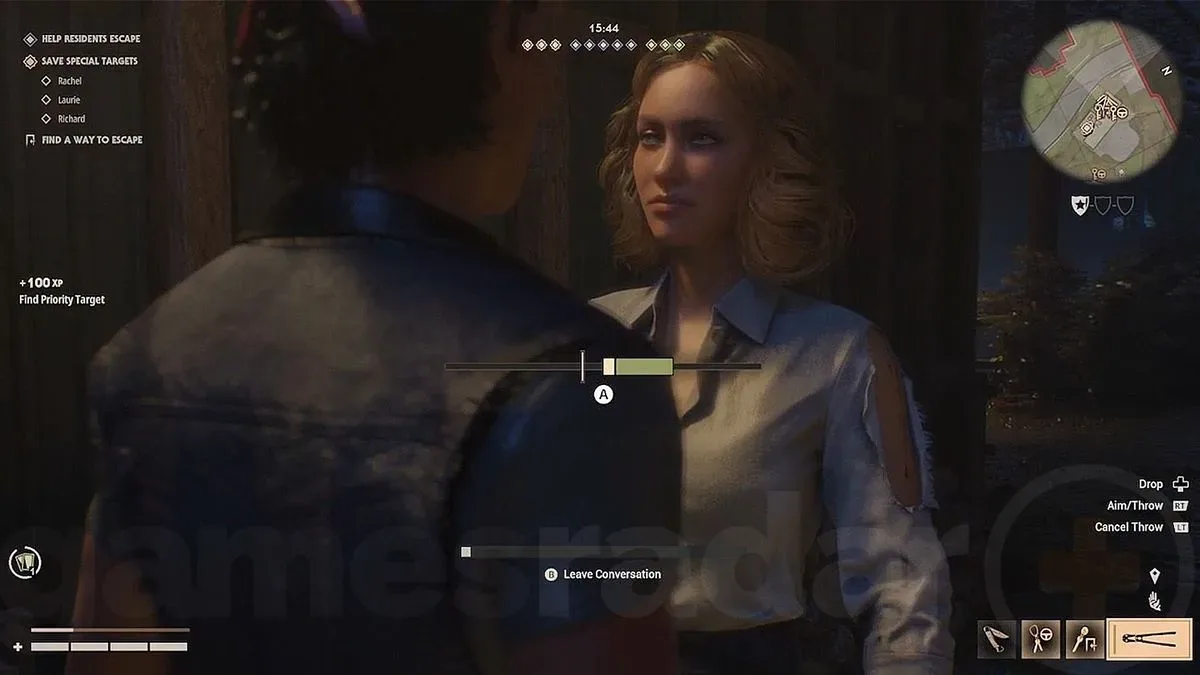
Haddonfield’s residents are not merely scenery. After initiating and completing a conversation, civilians can direct these NPCs to call the police, follow them, or head to an available exit. Each option has a purpose.
- Sending a resident to an exit contributes to score, making it useful when survival is already under control.
- Asking for a police call helps accelerate police arrival, particularly valuable for civilians whose personality trait makes them less suited to handling that job.
- Having a resident follow is the most flexible choice: followers can search storage, acquire weapons, place police calls and potentially fight Michael if equipped.
That flexibility has a cost. A larger group is easier for Michael to notice. Civilian teams should therefore think of followers as mobile utility rather than an automatic collection quest. Bring one along when the extra searching, calls or weapon support will move the team toward an exit; avoid turning the whole neighborhood into a noisy parade without a plan.
Make police calls a shared priority
Phones scattered across the map allow civilians, their teammates and residents to contact the police. The call requires skill checks, and stronger performance makes the request more persuasive. Repeated calls add to the overall response, eventually bringing more police presence and opening another escape possibility.
This is a major reason not to treat every civilian as a lone scavenger. One person on a phone can be advancing the entire team’s chances, while others scout, locate equipment or act as protection. A failed or interrupted call is frustrating, but the wider objective remains worthwhile: the more the situation escalates in the civilians’ favor, the more options Michael must cover.
Related coverage includes Halloween The Game Guide: Civilian and Michael Myers Tips for Surviving Haddonfield.
Watch the reinforcement timer and find the CB radio
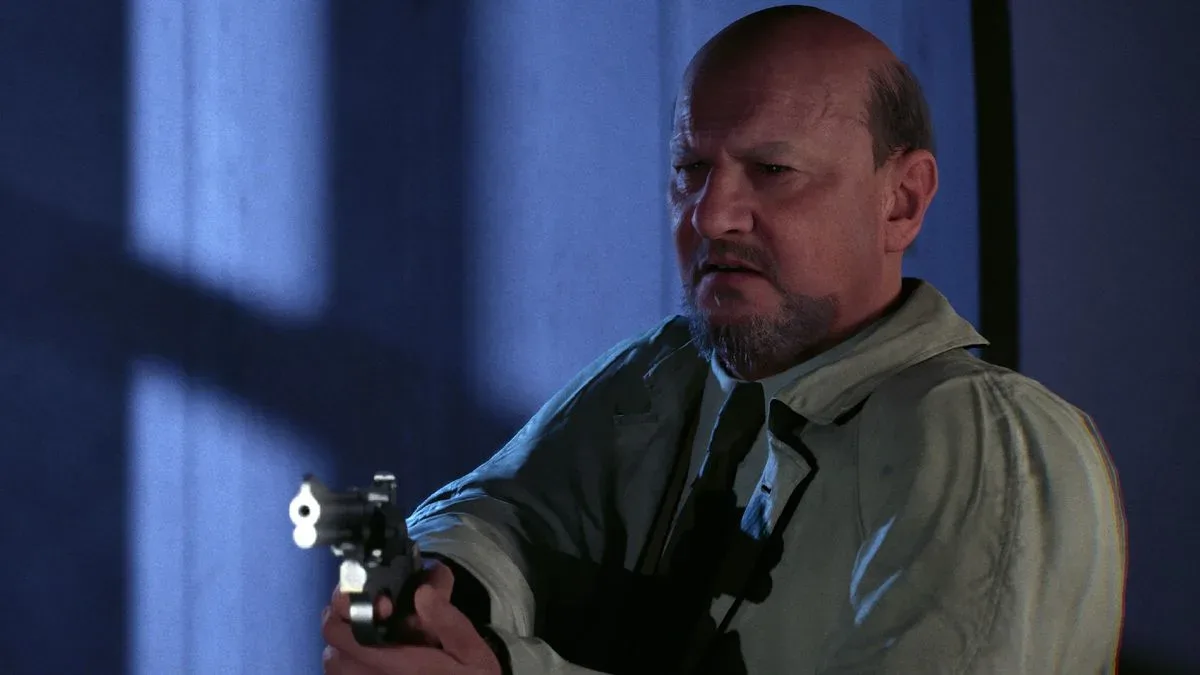
Sam Loomis offers the civilian side a potential return from elimination. The relevant signals appear at the top of the screen: first a reinforcement countdown, then a notice that reinforcements are available. A brief CB-radio activation message accompanies that change. At that point, players need to locate a CB radio on the map; it is highlighted when someone gets close enough.
Using the radio calls Loomis. If a civilian has already died, the first eliminated player returns immediately as Loomis. If nobody has died yet, the first civilian killed afterward is the one who returns in that role. A player who has successfully escaped does not come back.
The role comes with a complication and a benefit. Map markers reset on the Loomis respawn, so prior navigation knowledge cannot be taken for granted. But Loomis appears with a gun and 12 bullets, which can dramatically change a tense situation. Teams should communicate the CB radio’s location and avoid assuming another player will handle it. Missing the window or losing track of the radio can waste a powerful swing in momentum.
Scout first, then commit to an escape route
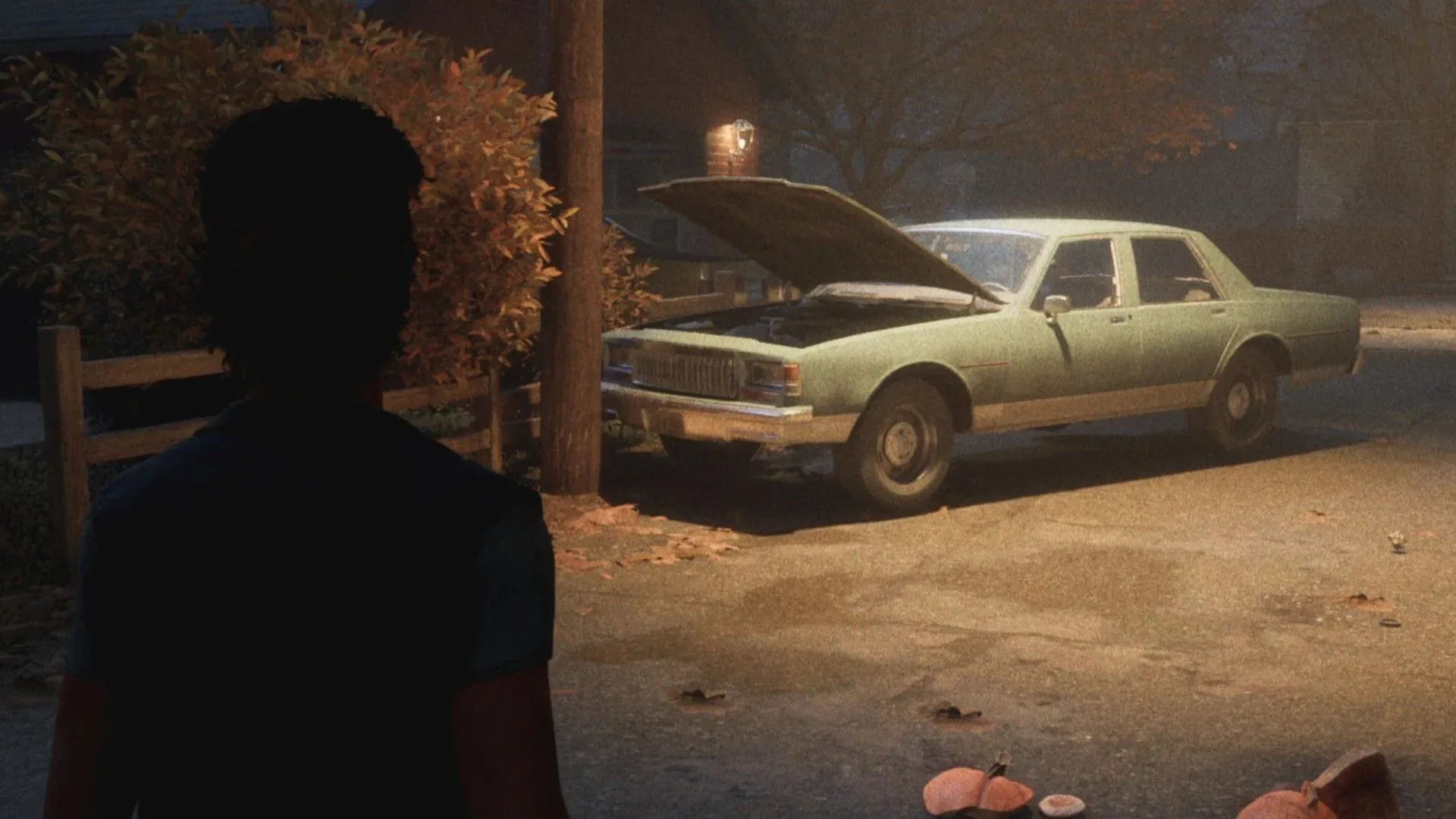
Early in a match, it is tempting to empty every drawer and cupboard near the spawn point. That approach can produce useful items, but it also delays a more important task: learning where the important places are. Moving through the wider map causes vital locations to appear on the map, including escape methods such as cars and hatches.
This knowledge prevents the classic problem of finding a needed object—such as fuel—without knowing where the corresponding vehicle is located. Do a quick, practical search while moving, but prioritize broad discovery. Once locations are revealed, item finds become actionable information rather than a hopeful guess.
Secure a small weapon early when possible
Map exploration should not mean ignoring the first useful weapon. A pocket knife or butterfly knife occupies a small inventory slot and provides a vital emergency answer if Michael grabs a civilian. The weapon can be used to stun him briefly, buying time for an escape attempt.
Larger tools, including guns and axes, use their own slot and can be used before a grab occurs. With enough hits, civilians can down Michael, though he does not remain incapacitated for long. Sustained group pressure can eventually lead to detention. That makes weapons more than personal insurance: in the hands of coordinated teammates, they can create time for phone calls, rescues or exit progress. Still, a civilian carrying a powerful weapon alone should not mistake a temporary down for a permanent solution.
How Michael Myers can control the pace
Michael’s assignment is broad. His main victim total includes three special targets, five NPC residents and the four player-controlled civilians—12 main victims altogether. Police officers called into the area and Sam Loomis, if he enters the match, are not mandatory kills. Once those 12 primary victims are dead, Michael can escape, a condition that fits the character’s horror legacy.
That count shows why Michael should think beyond whichever civilian happens to be closest. The killer is strongest when the whole map feels unsafe and survivors must constantly abandon plans.
Use single-player to learn the basics without match pressure
Single-player chapters based on recognizable films provide a useful place to understand Michael’s movement, attacks and skill set against NPCs. Multiplayer introduces the unpredictable decisions of four civilians, but the fundamentals still carry over. Learning how kills work, how abilities are activated and how quickly Michael covers ground is far easier before a live group is exploiting every hesitation.
This is especially useful because Michael is alone. Civilians can compensate for an inexperienced teammate through numbers; the killer has no such safety net. Familiarity with the character’s systems helps ensure that a promising ambush does not unravel because an ability was misunderstood or a kill was handled too slowly.
Spend cooldown abilities with a clear follow-up
Michael’s abilities are powerful but limited by cooldowns, so activating them simply because they are available is rarely ideal. An ability that darkens nearby lights is particularly helpful around residents or police, where reduced visibility can help Michael stay concealed. Another ability briefly reveals civilian positions, but its effect expires quickly and alerts detected players that they have been found.
The practical lesson is to combine information with movement. A location reveal is most valuable when Michael can immediately close the distance, potentially using a mobility or stealth-oriented option to capitalize before civilians scatter. Likewise, darkness is stronger when it supports an imminent approach rather than being deployed in an empty stretch of street. Every cooldown should either secure a victim, interrupt an objective or force several people to change course.
Abandon unproductive chases
A civilian who is effectively creating distance can consume far too much of Michael’s time. Pursue long enough to test whether the survivor can be caught, but do not let one evasive target pull the killer across Haddonfield while teammates work on exits elsewhere.
Instead, use detection tools to reassess the map and move toward pressure points. An abandoned chase is not necessarily a loss if it drives a civilian away from an important task and allows Michael to threaten someone more vulnerable. The killer’s real goal is to keep civilians from calmly completing several objectives at once.
Prioritize reliable kills over flashy environmental finishes
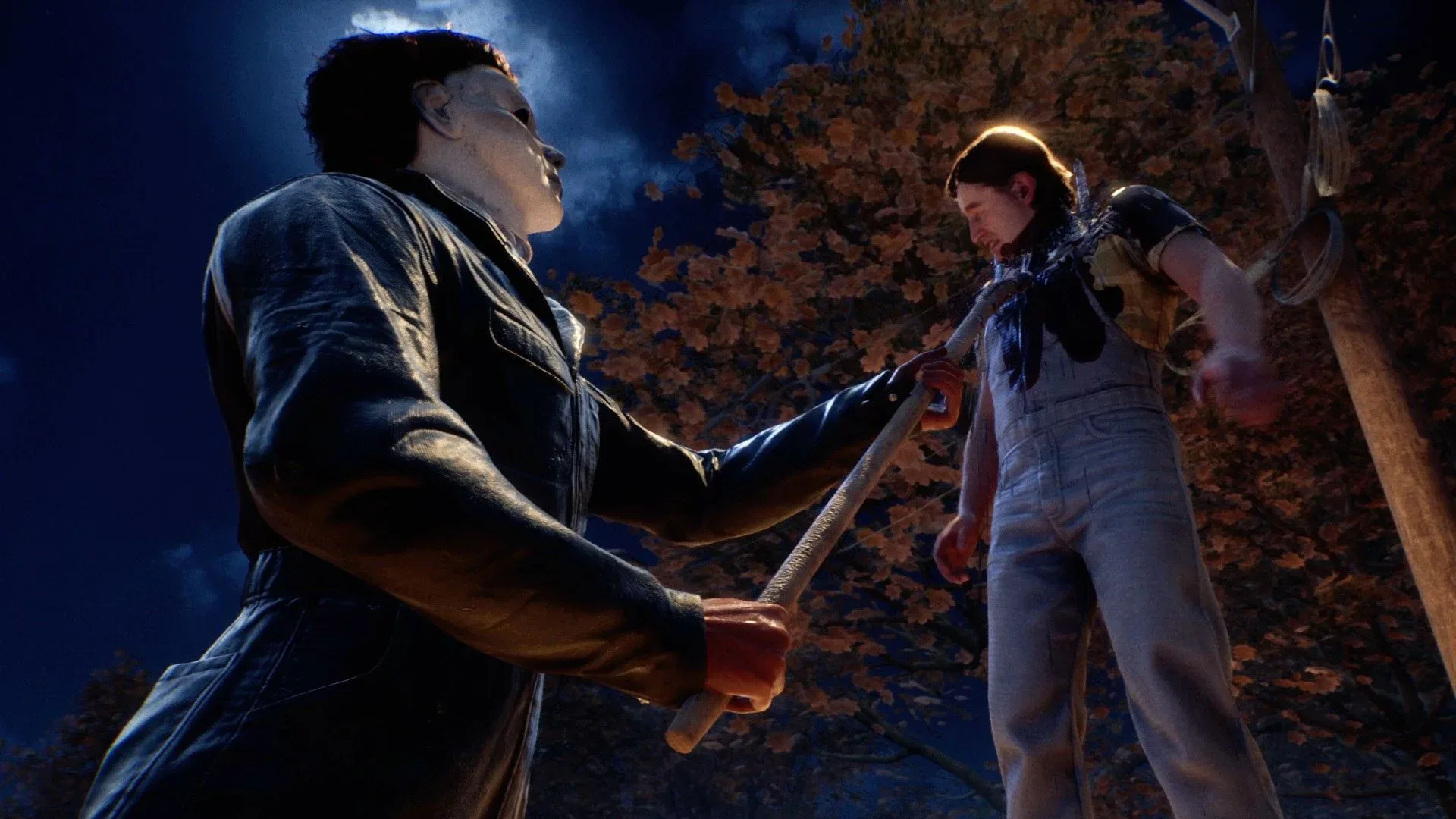
Environmental kill opportunities trigger special animations, and they can be tempting when Michael has a victim in hand. They require carrying the struggling character to a marked location, though, which creates extra time for that civilian to complete escape skill checks and break free.
Against an NPC, the risk can be more acceptable. Against a player-controlled civilian, a fast regular kill using the standard skill checks or a held weapon is usually the safer tactical call. Losing a captured survivor while hunting for a cinematic location not only sacrifices a kill; it hands the civilian team renewed time to call police, activate reinforcements, search for weapons and advance an exit.
A match is won through pressure, not panic
Halloween The Game’s civilians thrive when they turn scattered resources into a coordinated response: explore enough to reveal the map, involve residents intelligently, build the police response and keep a weapon handy. Michael thrives by denying that coordination, converting brief information windows into ambushes and refusing to waste time on a chase that is no longer productive.
The important detail on both sides is adaptation. Civilians may need to shift from escape preparation to rescue or direct resistance. Michael may need to leave a near-certain-looking pursuit to stop another objective from becoming permanent. Haddonfield rewards the player who recognizes when the situation has changed—and acts before the other side gets comfortable.