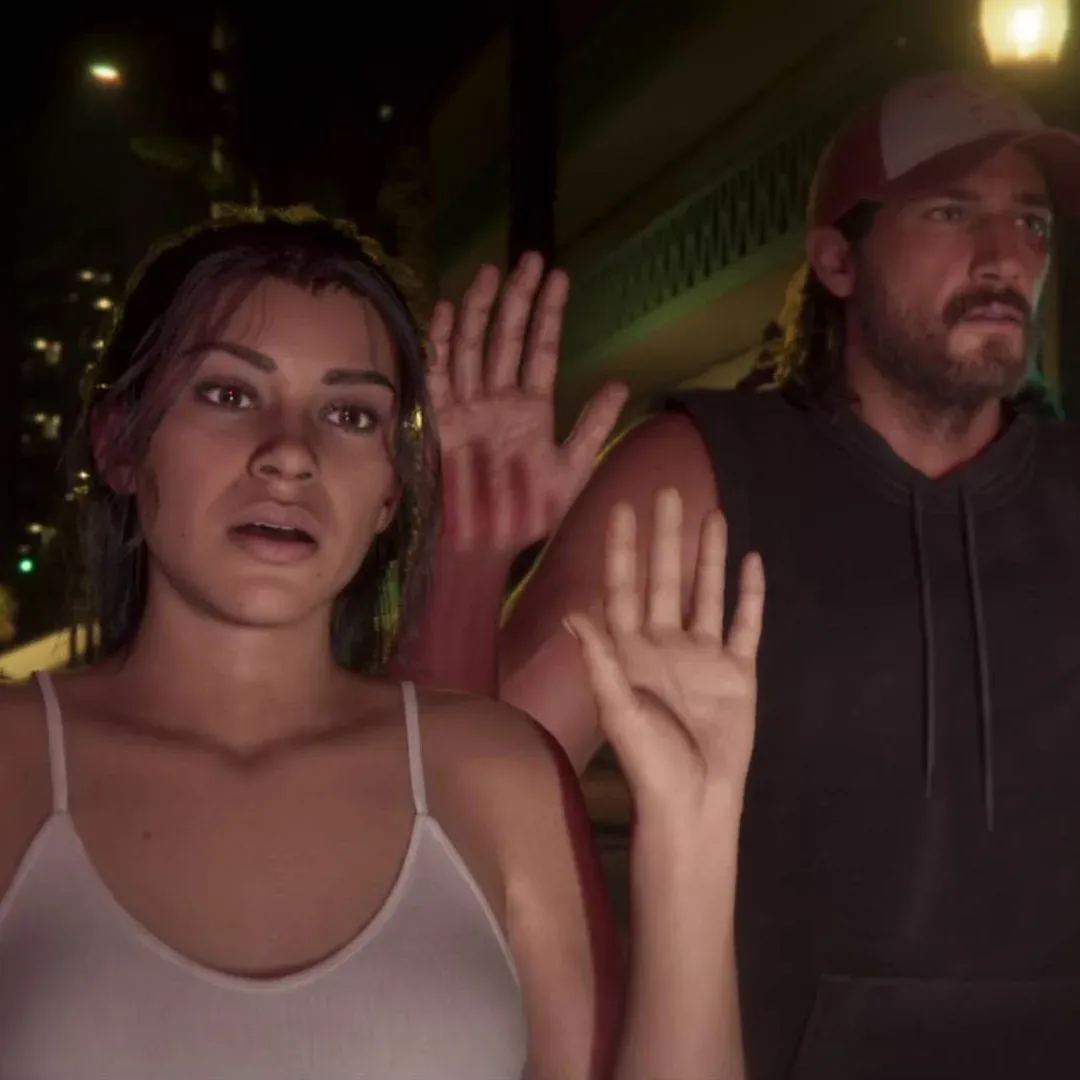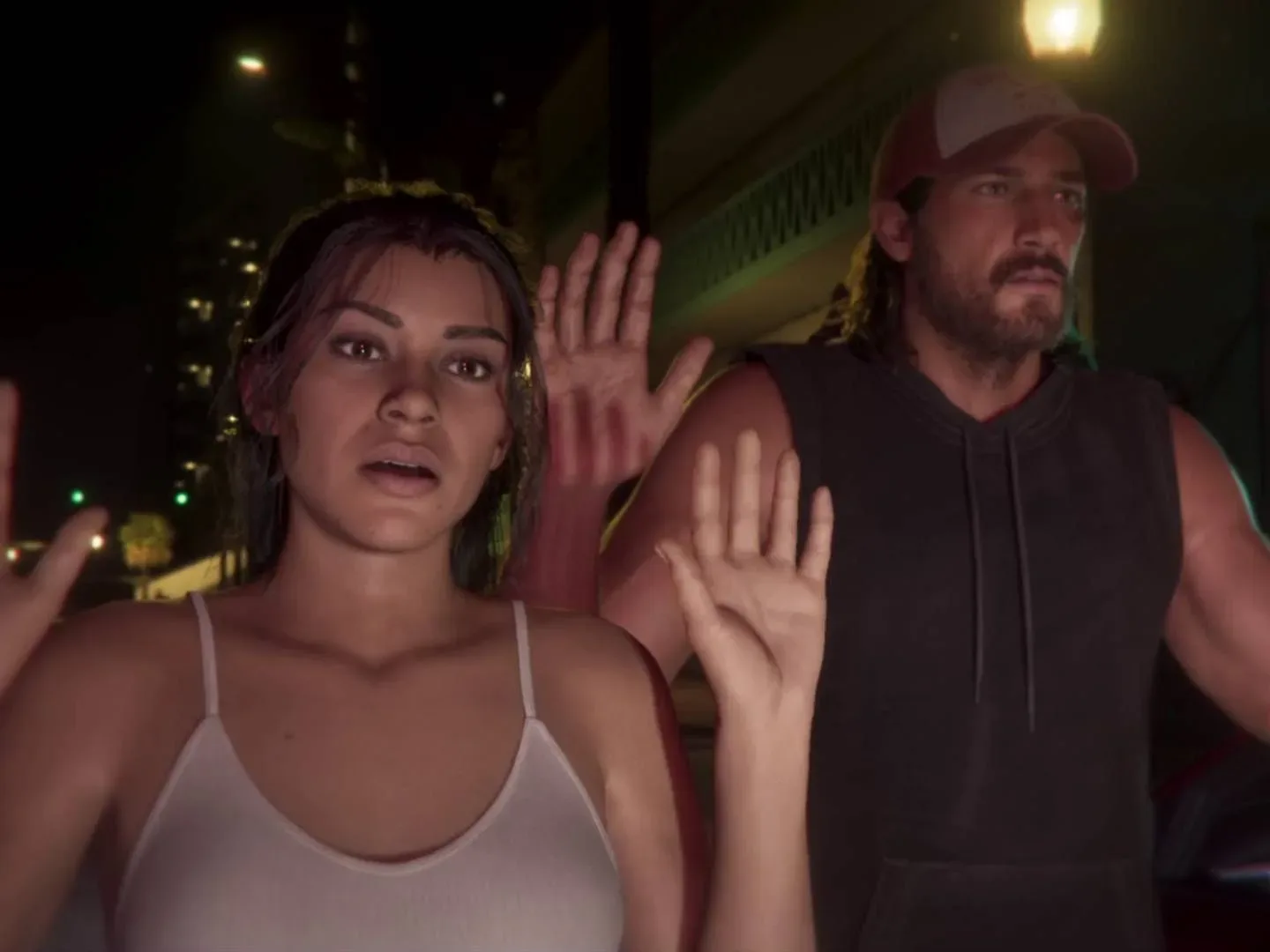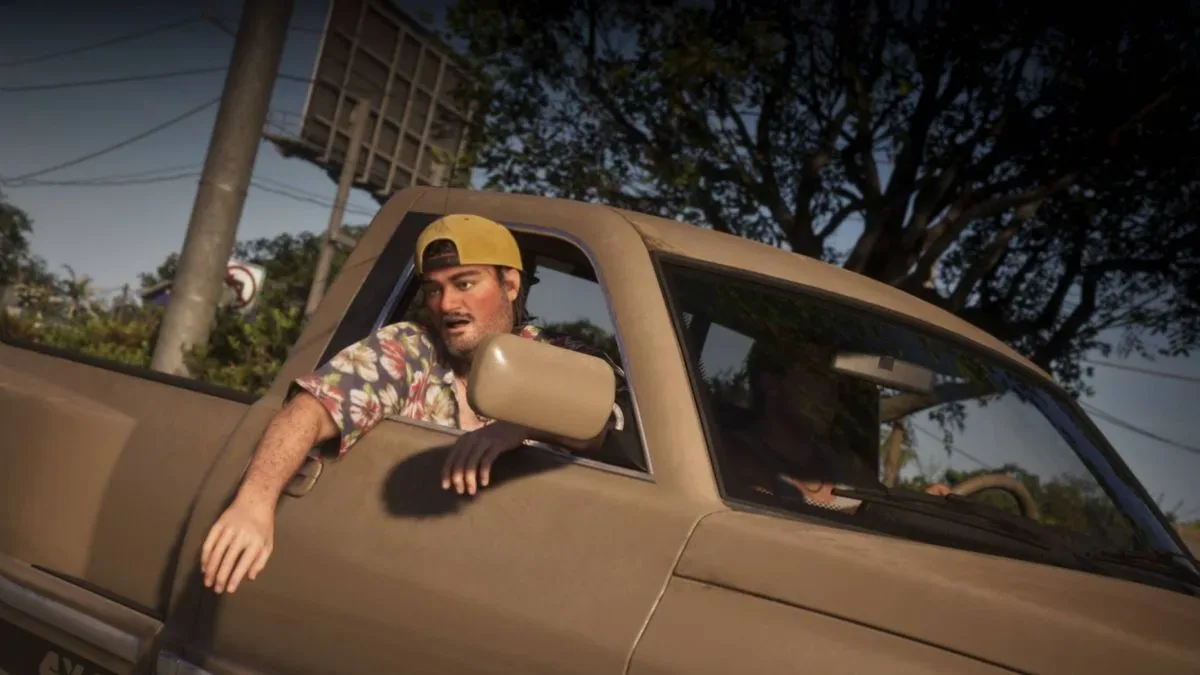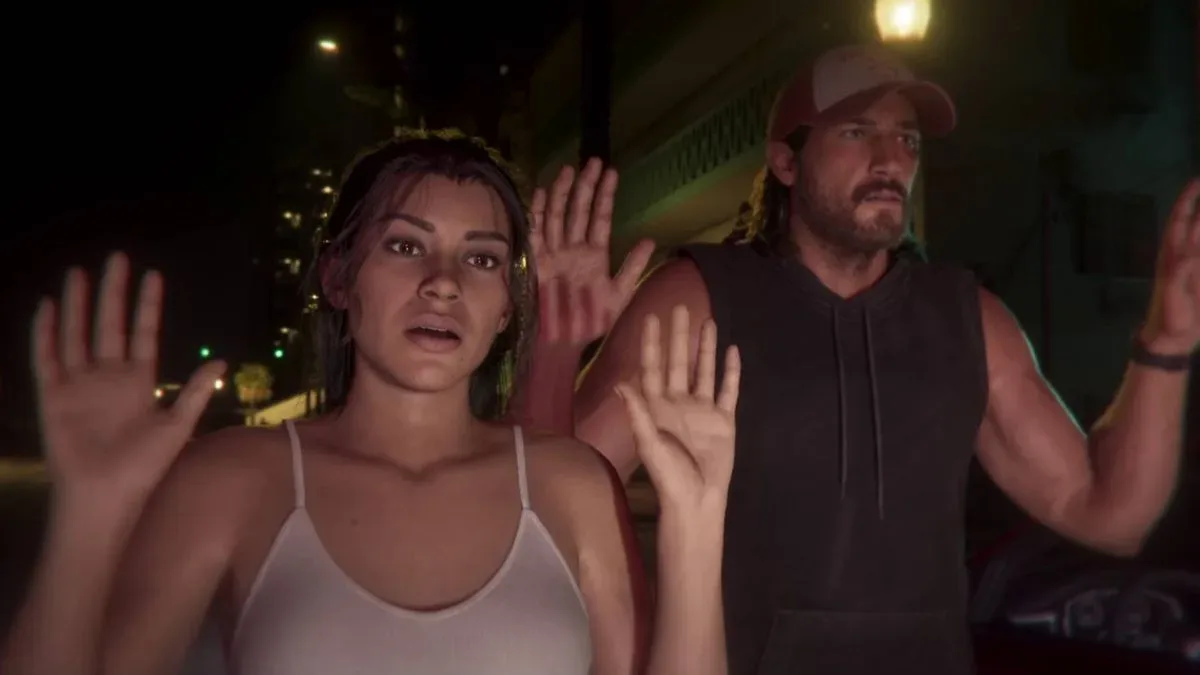
Grand Theft Auto has long made a playground out of reckless escalation. Steal a vehicle, collide with something expensive, draw a weapon, and see how much of the city can be made to react. GTA 6 appears to be asking a more pointed question: what happens when the city does not merely spawn a response, but remembers the kind of person the player has decided to be?
Rockstar co-founder Rob Nelson has described GTA 6’s Criminal Profile as a system meant to discourage what the game labels “psycho” behavior. The label is not presented simply as a temporary scolding after a chaotic incident. Players who consistently push toward indiscriminate violence can apparently reach an irreversible state that permanently changes how non-player characters react to and interact with them.
That is a substantial shift for a series whose traditional appeal has included the freedom to treat a fictional metropolis like a toy box. The new system does not remove that option. Nelson’s point is closer to this: the option becomes more interesting when it carries a social cost within the game world, and when players have other ways to inhabit that world.
What the Criminal Profile changes
A Criminal Profile is, in practical terms, a persistent record of player conduct. It is not the same thing as a brief police chase or a short-lived alert level. The reported design ties repeated actions to a more enduring reputation, with the most extreme behavior eventually leading to a permanent “psycho” designation.
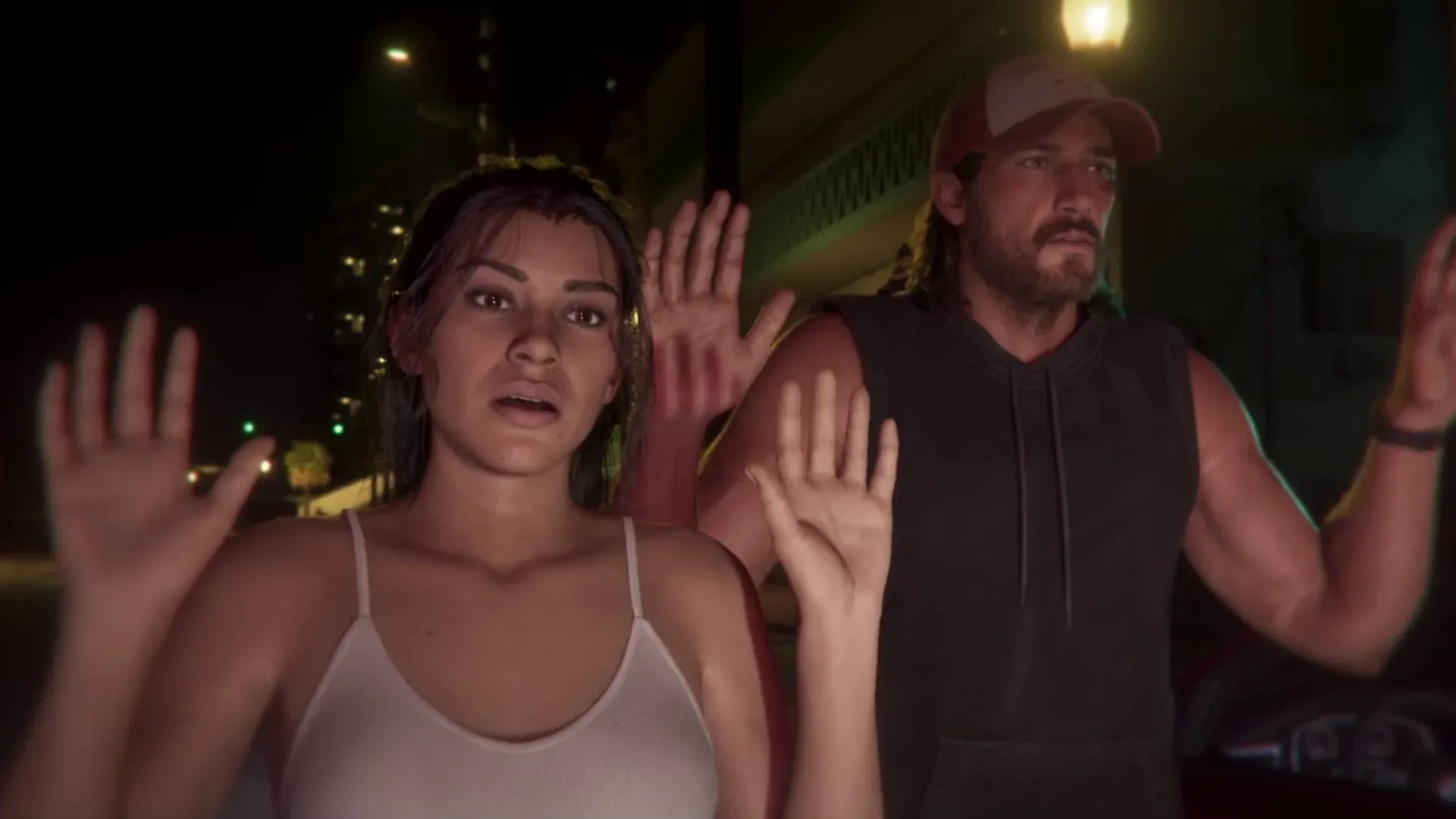
That permanence matters. A conventional wanted system produces an immediate gameplay problem: evade the authorities, survive the pursuit, wait for the pressure to subside, and return to normal. A profile system instead frames actions as part of a character’s longer story. The relevant question is no longer only whether Jason or Lucia can escape consequences in the next several minutes. It is whether their accumulated conduct changes the texture of ordinary life in Leonida.
Nelson says players can effectively break the profile system by pursuing rampages until they enter an irredeemable state. The phrasing is important because it preserves agency. GTA 6 is not reportedly forcing players into caution; it is offering a deliberate rejection of caution as a recognizable role-playing choice. A player can embrace the chaos, but the game will no longer pretend that nearby people should greet that character as though nothing happened.
In this context, NPC means a non-player character: the pedestrians, drivers and other simulated residents controlled by the game rather than another human player. Their reactions are central to the idea. A reputation mechanic has little dramatic weight if the surrounding world remains emotionally blank. GTA 6’s premise is that more believable inhabitants can make the player’s choices feel more legible—and occasionally more uncomfortable.
Why more detailed worlds invite different behavior
Nelson connects the design to technical and visual sophistication. As a game’s resolution rises, he argues, players naturally expect its mechanics and social interactions to become more sophisticated as well. It is not merely that people on screen look more human. The systems around them need to acknowledge obvious acts in a way that feels consistent with what players can see.
Related coverage includes GTA 6's Criminal Profile System Makes Restraint Part of the Open-World Fantasy.
He points to an earlier limitation in GTA 5: a nearby NPC would not necessarily react when a player abruptly produced a weapon until it was aimed. That can work perfectly well in an arcade-like simulation, where the player is primarily interacting with rules and triggers. But it also creates a peculiar disconnect. The player may see a character holding a visible threat, while the people around them behave as though the threat does not exist.
GTA 6’s reported approach tries to close that gap. If civilians respond earlier and more plausibly, then drawing a weapon is no longer just a menu of possible buttons leading to combat. It becomes a social action. That does not turn Grand Theft Auto into a game about moral purity, nor should it. It does mean violence can carry context before a shot is fired.
This is where the system’s comedy may have more bite. Nelson describes a situation in which a player tries to take a motorcycle, the rider draws a gun, and the confrontation becomes lethal. The player may feel as if they were forced into the outcome, even though the initial decision set it in motion. That is a very Grand Theft Auto kind of irony: an absurdly self-serving justification made more amusing because the simulation has supplied a plausible chain of reactions.
Restraint is not the same as removing freedom
The most obvious concern about an honor-style mechanic in GTA is that it could turn a famously unruly series into a lecture. The available details suggest a less restrictive intention. Nelson explicitly frames restraint as another form of role-play, not as the only approved way to play. Players may still hijack vehicles, cause mayhem and pursue the fantasy of overwhelming power. The difference is that persistent excess can become part of how the world reads them.
That distinction is crucial. Open-world freedom is often misunderstood as a lack of consequences. But freedom can also mean having multiple paths with distinct outcomes. A system that makes peaceful, opportunistic, reckless and irredeemably violent playstyles feel different can expand role-play rather than narrow it.
For players who want a lower-profile criminal fantasy, the practical implication is straightforward: avoid treating every interaction as an excuse to escalate. Theft and criminality may still fit the protagonists’ lives, but repeatedly harming uninvolved civilians or turning routine encounters into massacres appears likely to push the profile toward its harshest result. The stakes are especially notable because the reported designation cannot simply be undone after it is reached.
For players who prefer the classic rampage, the same mechanic may create a more coherent version of that experience. Instead of being a nearly consequence-free “demigod stomping through the world,” as Nelson puts it, the player can choose to become a feared and socially isolated presence. That is still power fantasy, but it has a sharper identity and a response from the world around it.
A GTA first built on an older Rockstar idea
The Criminal Profile is described as an evolution of the honor system in Red Dead Redemption 2 and a first for the GTA series. An honor system generally tracks behavior along a moral or reputational spectrum and can influence how characters respond to the player. The key change here is tone and setting. A frontier tale can foreground honor relatively directly. A modern crime satire has to account for the fact that rule-breaking is part of the premise.
That makes GTA 6’s apparent answer more specific than a simple good-versus-evil meter. It is not reportedly trying to tell players that its protagonists must become saints. Rather, it separates petty or situational criminality from repeated, indiscriminate cruelty. The player can apparently live as a criminal without necessarily becoming the game world’s permanently branded nightmare.
That is also why the permanent threshold is potentially effective. A meter that can always be erased asks players only to manage a number. An irreversible outcome asks them to decide whether they want a particular version of Jason and Lucia to exist at all. The protagonists’ relationship is cited as a reason some players may hesitate to cross that line, suggesting the narrative is intended to make reputation feel personal rather than purely mechanical.
There is a wider design conversation here about how games preserve player expression while making simulated worlds feel responsive. Other development discussions have likewise emphasized how foundational choices can shape the identity of a role-playing game, as seen in recent comments about the long-term possibilities around Dragon Age: Origins. GTA 6’s Criminal Profile is different in genre and purpose, but it rests on a related principle: systems do more than track actions; they help define what kind of story a player is creating.
The real test is whether the reactions stay meaningful
The strongest promise in the Criminal Profile is not punishment. It is recognition. If Leonida’s residents visibly and consistently respond to threat, history and reputation, then restraint can become a meaningful playstyle rather than an imaginary rule players impose on themselves. Conversely, the system’s impact will depend on whether those reactions remain believable over the long term and whether players can understand the consequences of their choices before reaching an irreversible status.
Based on Nelson’s comments, GTA 6 is trying to make its chaos more deliberate without sanding away the series’ capacity for absurdity. The old fantasy of causing trouble remains available. The newer proposition is that stealing one nice car and disappearing into the city can be its own kind of role-play—and that a world full of people should notice the difference between a petty criminal and someone determined to turn every street into a disaster zone.