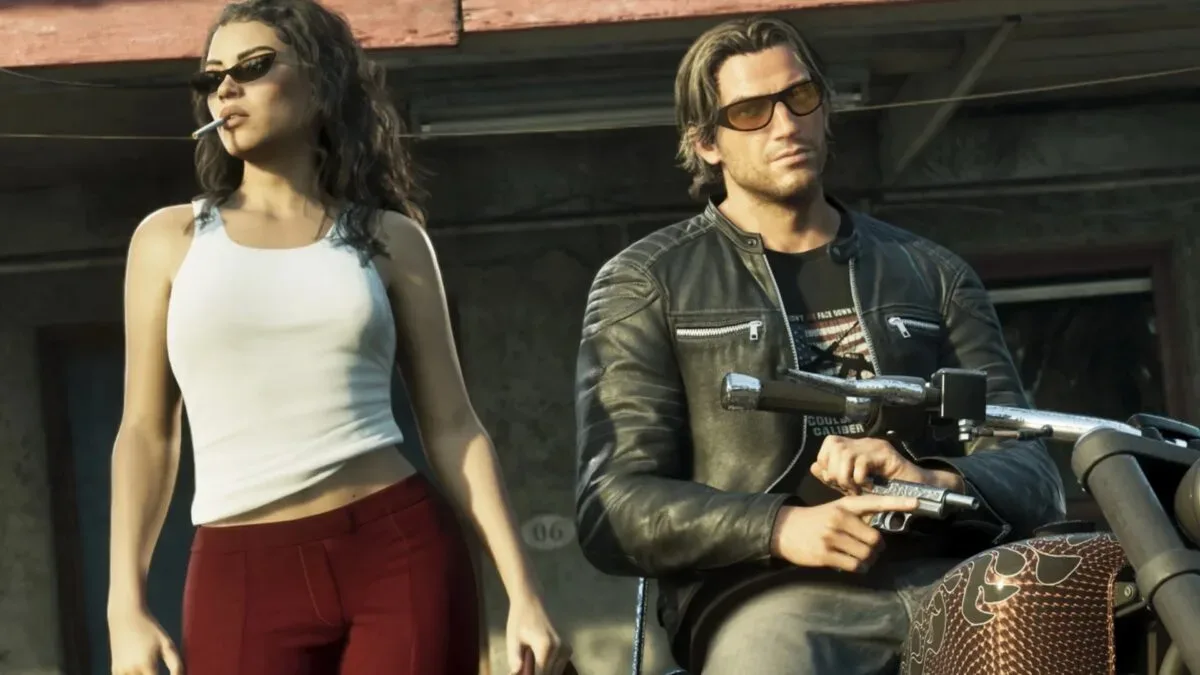
An account operating under the Cyberleek name has made an extraordinary and unverified claim involving Grand Theft Auto VI: if its associated memecoin reaches a $30 million market capitalization, it says it will release material said to contain the game’s full story through the end credits.
The practical meaning of that threat is uncertain. The account’s wording could mean a playable software build, but it could also mean a complete video playthrough. Those are materially different things, and there is no confirmation that Cyberleek possesses either. What is clear is that the alleged offer turns anticipation around one of gaming’s biggest upcoming releases into a speculative cryptocurrency campaign—one that has already drawn substantial criticism.
For players who want to experience Rockstar’s game as intended, the immediate takeaway is simple: treat purported leaks, polls and token promotions as both potential spoiler traps and financial-risk territory. Do not assume a social-media claim establishes that a build is authentic, complete, current or likely to be released.
The alleged $30 million condition
Cyberleek reportedly posted that a $30 million market cap would cause “the build” to go out with the full story completed, credits included. The account also framed the demand as leverage against Take-Two, calling for a physical-disc edition of GTA 6 and a public apology.
Cyberleek’s reported proposal ties an alleged full-story release to a $30 million token market cap, while demanding physical discs and an apology from Take-Two.
That framing does not resolve the central credibility problem. An account can make a claim about files, footage or access without demonstrating that the claim is true. Even if some previously released footage is genuine, that would not by itself prove the account has a complete, playable version of the game or the ability to distribute it. It also would not establish which stage of development any material reflects.
The account’s stated physical-media rationale has faced pronounced skepticism. Critics have characterized the campaign as a crypto scheme rather than a consumer-focused effort to preserve boxed releases. That distinction matters because a campaign can use a topic with genuine fan interest—such as discs versus digital distribution—to push a separate financial product with its own incentives and risks.
What “market cap” means—and what it does not mean
Market capitalization, usually shortened to market cap, is a calculation commonly expressed as the current price of a token multiplied by the number of tokens in circulation. It is a headline measure of an asset’s implied total value, not a guarantee that holders could sell all tokens at that valuation.
Related coverage includes GTA 6 Leak Account Claims Story-Focused Build Could Be Released Amid Memecoin Push.
In this case, the reported Cyberleek token market cap was around $3.8 million when the claim was reported, after reaching roughly $5.7 million earlier in the day. Those figures remain far below the stated $30 million threshold. The gap is important, but so is the volatility implicit in using market cap as a public target: token prices can move sharply, and a market-cap figure is not the same as cash held by the project or money returned to participants.
That is why fans should be especially cautious about any invitation to buy a token in order to influence a leak schedule or vote on future disclosures. A vote mechanism does not make the arrangement accountable. It does not verify the promised material, protect buyers from losses, or remove the possibility that people promoting a token may have financial interests different from those of ordinary purchasers.
Reports from late August indicated that the person or group behind the campaign may have converted holdings worth about $270,000. That reported cash-out allegation sits uncomfortably beside later calls for fans to engage with the token to determine what leaks might follow. It is not proof of every claim being made about the account, but it is a relevant reason to separate interest in GTA 6 from decisions involving money.
Lucia clothing targets make the campaign more troubling
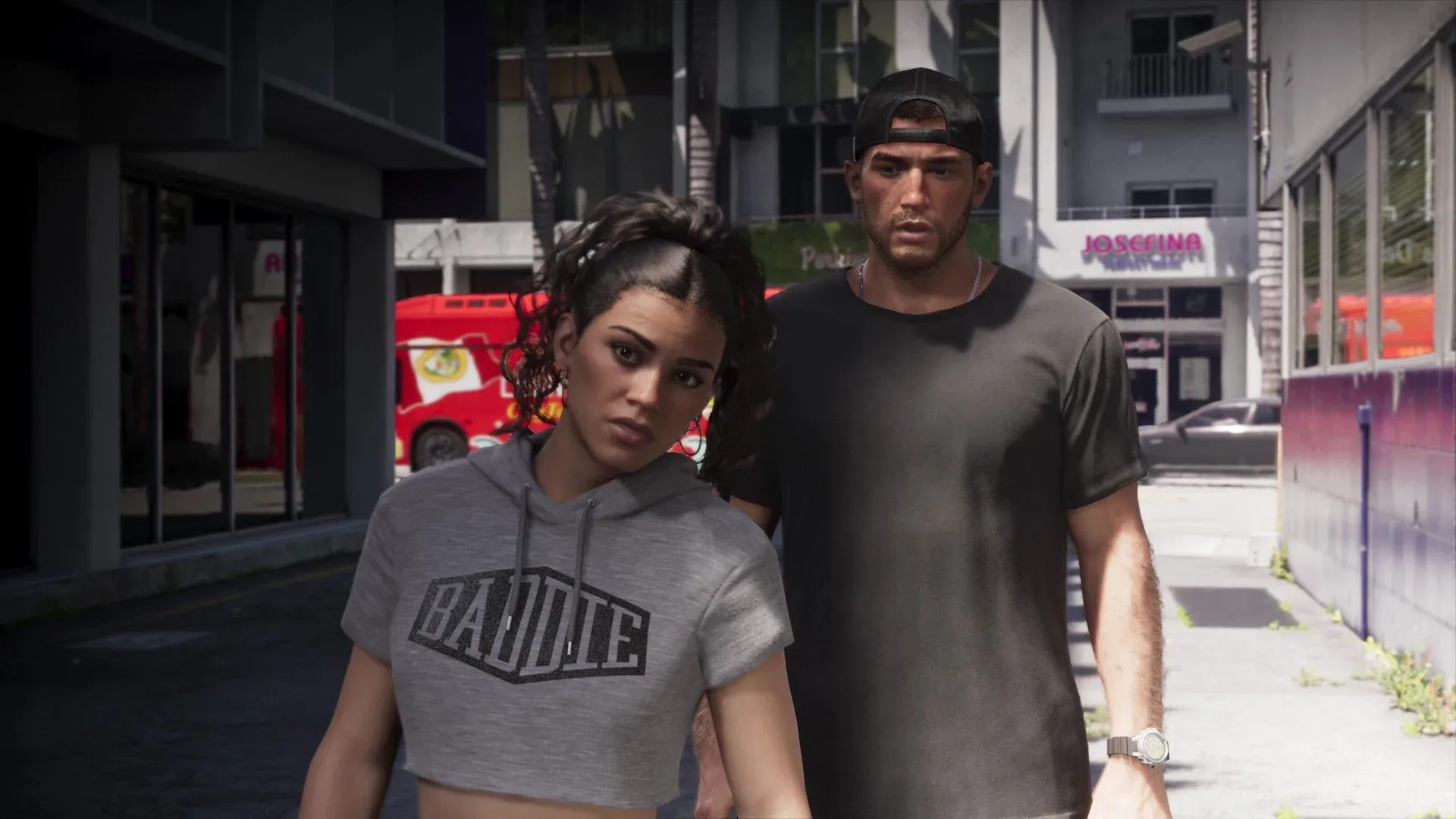
Cyberleek reportedly attached additional market-cap goals to footage featuring Lucia, one of GTA 6’s playable characters. At $2 million, the account said it would release gameplay showing her in a bikini; at $4 million, it claimed it would publish gameplay depicting nudity.
Those targets turn character imagery into a promotional mechanism for a token. Beyond the obvious spoiler question, it is an approach that reduces a fictional character and unreleased game material to a lever for speculative attention. It also gives people looking to avoid sexualized or explicit leak content one more reason to be cautious around reposts, thumbnails, discussion threads and supposedly harmless “update” accounts.
For anyone managing their own feed, the sensible response is to mute Cyberleek-related terms, avoid autoplay-heavy social platforms where possible, and be wary of videos claiming to show “proof” of a full build. Spoiler-free players should remember that a short clip, a text post and a thumbnail can reveal major story information just as effectively as a long gameplay upload.
What has already surfaced
Cyberleek had apparently become quiet after a wave of prominent leaks in August, which prompted an investigation by Rockstar parent Take-Two. The company sought subpoenas involving services including Discord as it worked to identify the person or people responsible.
The account reappeared with a 24-minute gameplay video said to show cutscenes, story details, Jason and Lucia, nudity, and a first-person camera. That description should not be mistaken for a complete accounting of the game, a confirmation of final features, or a reliable guide to the finished experience. Unreleased material may be incomplete, old, altered, removed from context or subject to change before launch.
There is no clear explanation for how the footage, or a potential build from which it may have come, left Rockstar’s security systems. The account’s continued activity does suggest that the dispute has not simply faded away, but it does not reveal the source of the material or whether all claims about its scope are accurate.
Why a complete-story leak would be different
A lengthy gameplay clip can spoil a mission, location, mechanic or character beat. A recording or build that runs all the way to the credits would potentially expose the game’s major narrative turns, finale and resolution at once. That would change the stakes for players who have waited to encounter the story fresh at release.
Rockstar has already said the earlier leak situation was heartbreaking for its development team and unfortunate for fans, acknowledging that spoilers could affect the experience it intends players to have. The company nevertheless reiterated the previously confirmed November 19 launch date at that time.
The developer’s concern is not hard to understand. Games are carefully paced works: narrative reveals, character motivations and late-game consequences are designed to land in a particular order. A complete leak can break that sequence permanently for viewers, while discussion of it can spread far beyond the original upload. The secondary circulation—clipped scenes, captions, memes, search suggestions and unmarked reposts—is often the harder part to avoid.
For an adjacent example of the tension between unofficial game distribution and officially supported play, Full Circle’s request that Skate players remain on official channels amid an offline mod underscores a broader point: access to unofficial material can carry technical, legal and community consequences that are separate from curiosity about a game.
Practical implications for players
There are several straightforward ways fans can reduce the downside without needing to settle every question around Cyberleek’s claims.
- Do not buy a token to chase a leak. A memecoin’s market cap and promotional claims are not evidence that promised content exists or will be delivered.
- Avoid unofficial downloads entirely. Files presented as leaked builds, gameplay unlockers or private previews may expose users to malware, account theft or other security problems. There is no need to authenticate a purported leak by running it.
- Assume reposts can spoil the game. Muting terms related to the account, its token and key character names can help, although it cannot guarantee a clean feed.
- Keep final-game assumptions in check. Material from an unreleased project does not necessarily represent the shipped version, its options, its visuals or its narrative context.
- Use official channels for release information. That is the most reliable route for confirmed launch details and avoids rewarding a campaign built around escalating disclosures.
The legal and credibility questions still hanging over the account
Take-Two’s subpoena efforts show that the alleged leaks are not being treated as harmless fan activity. Whether investigators identify anyone may depend partly on what information social platforms, messaging services and cryptocurrency exchanges can be compelled to provide, along with what records they retain.
That uncertainty also applies to Cyberleek’s central threat. The account remains publicly defiant, but neither a dramatic market-cap goal nor a poll for future content validates its possession of a full-story build. There is a large difference between claiming leverage and having credible, verifiable control over the material being invoked.
For now, the most substantiated facts are narrower: a leak account has promoted a cryptocurrency, claimed further GTA 6 material could be released at specified market-cap levels, and tied those claims to demands aimed at Take-Two. The promised full-story release remains unverified, the exact form of any supposed release is unclear, and the consequences of engaging with the token could be far more immediate than any alleged payoff for fans.