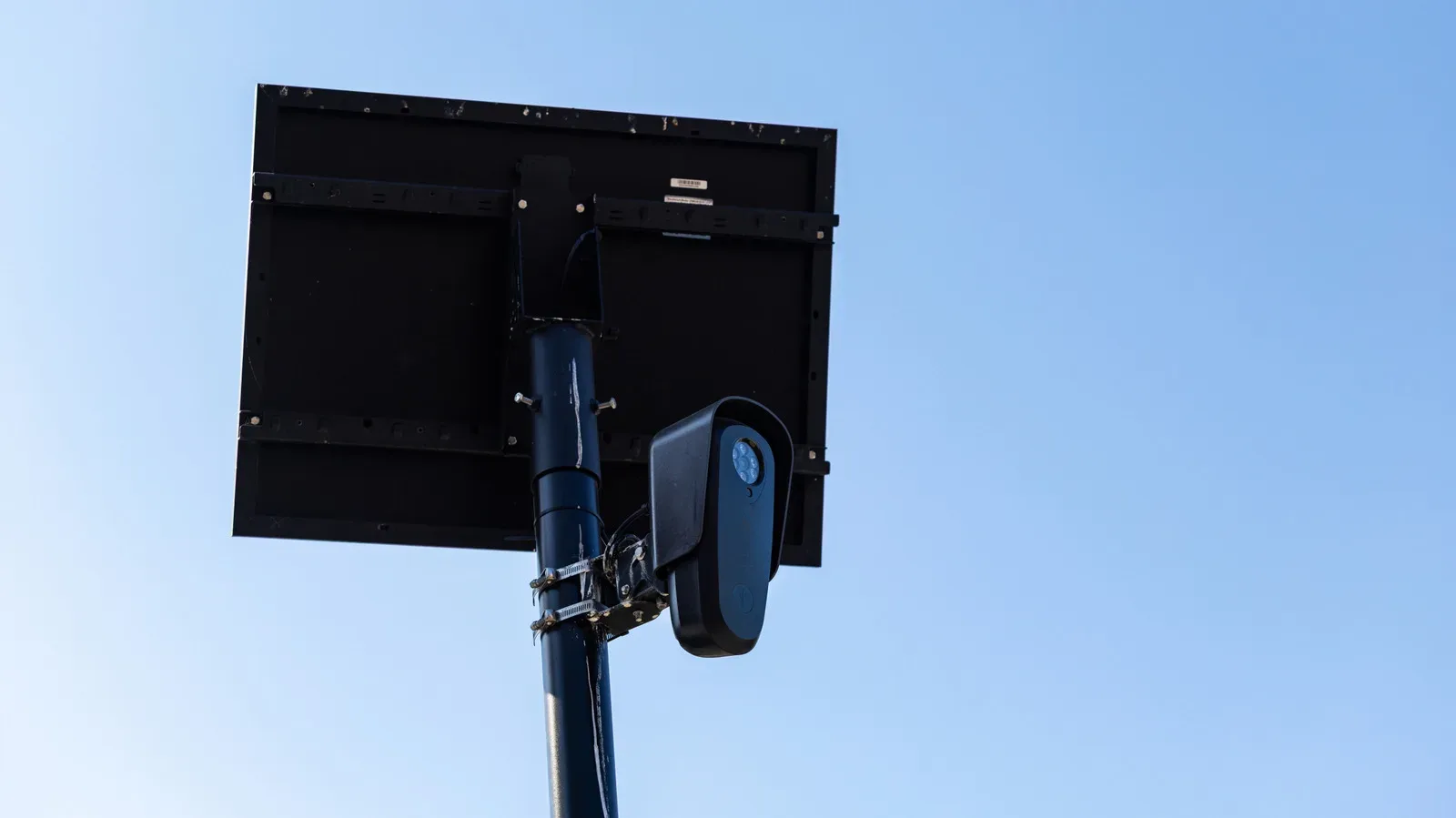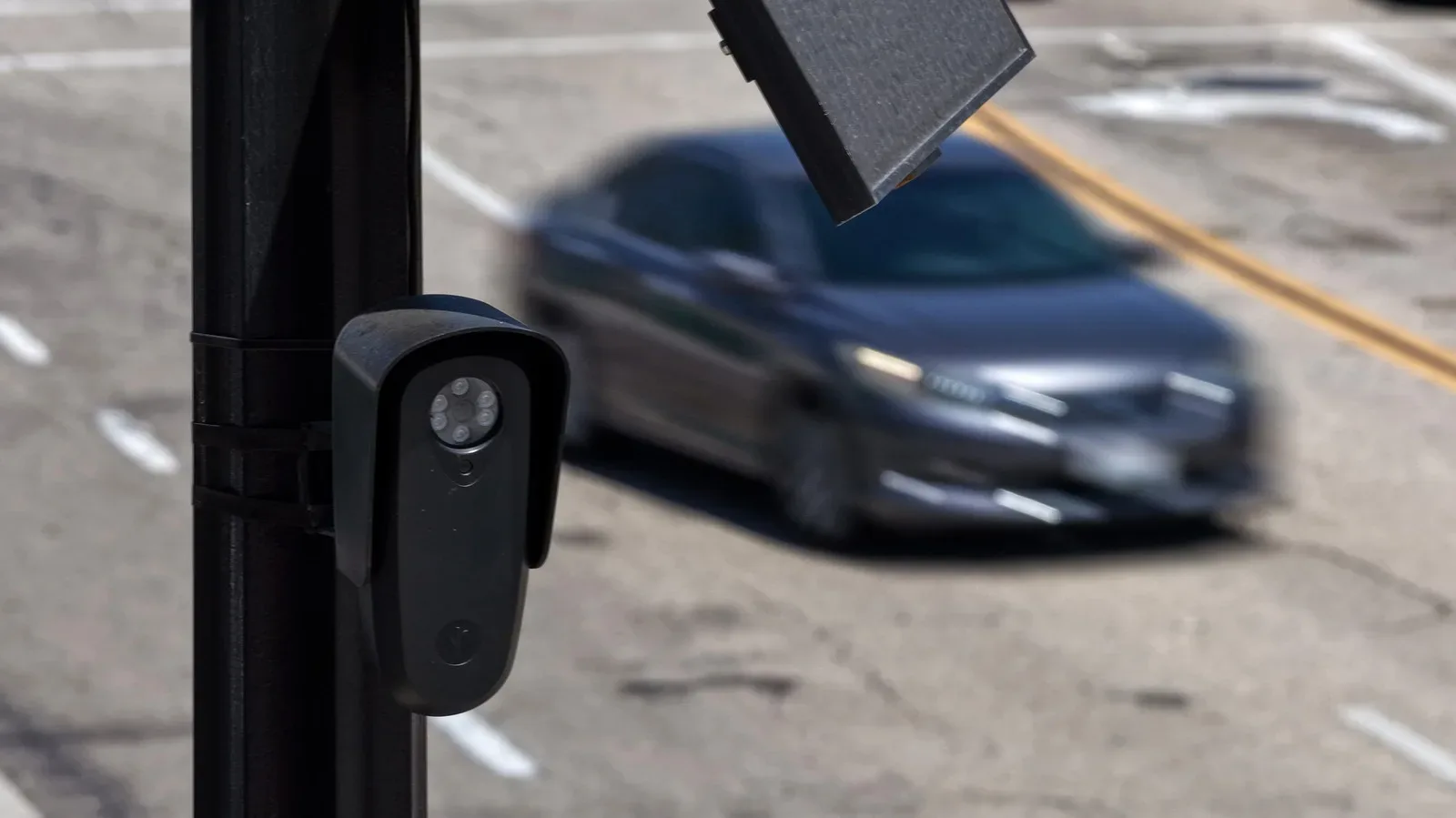
Flock Safety, the company that sells AI-powered license plate-reader cameras to police departments and cities, is reportedly preparing to reduce its workforce by 18%. The expected cuts would affect roughly 270 people and are said to take effect at the end of October.
The reported reduction is notable not merely for its size, but for the context surrounding it. Flock has become a prominent flashpoint in arguments over public surveillance, policing and the limits of automated technology. Its cameras have spread widely, but so has opposition to them—from elected officials in different parties, police agencies that have chosen not to continue contracts, critics across the media spectrum and members of the public.
The company employs about 1,500 people. An 18% reduction is therefore a substantial restructuring rather than a minor adjustment. It follows reports that Flock had already started an employee buyout program offering severance packages, amid dissatisfaction inside the company. It remains unclear how many people affected by the forthcoming reduction may instead leave voluntarily through that program.
What is being reported
The core reported figure is 18% of Flock Safety’s workforce, estimated at 270 current employees. The timeline provided is the end of October. Neither the supplied information nor the reported headcount clarifies which teams would be affected, whether particular products or regions would be prioritized, or how the buyout process will overlap with involuntary job cuts.
Those unknowns matter. A buyout program and a layoff can produce similar headcount results, but they are not the same thing. A buyout, in this employment context, is an offer for workers to leave voluntarily in exchange for severance. A layoff is an employer-directed termination of a role. When both processes are active around the same time, the final number of people who leave voluntarily versus involuntarily can be difficult to establish until the process is completed.
It would be premature to treat the reported 270 positions as a definitive final total, or to assume every departure has the same cause. What is clear from the available reporting is that the company is facing a large expected workforce reduction while scrutiny of its surveillance products remains unusually intense.
Why Flock’s cameras have become politically volatile
Flock’s products are described as AI-powered license plate readers. At the most basic level, a license plate reader is a camera system intended to identify vehicle plates. The reference to AI indicates software-assisted analysis is part of the product’s framing, rather than the system being only a conventional camera feed.
That combination places Flock directly in a contentious public-policy space. Cameras used by police and municipal authorities are not simply a question of hardware procurement; they raise questions about how extensively authorities can observe movement through public spaces and what safeguards should govern that capability. The supplied reporting describes the backlash as bipartisan, and the list of examples supports that characterization.
Florida Governor Ron DeSantis said he did not want the state to become “a surveillance state,” and Flock has been banned from Florida highways. In Texas, the company was cut off from state funding as Governor Greg Abbott sought support ahead of November’s midterm elections. Pennsylvania Governor Josh Shapiro has also criticized Flock’s use in law enforcement and said he would welcome legislation to ban the cameras.
“I don't want to have this become a surveillance state.” — Florida Governor Ron DeSantis
The political alignment is important because it makes this more than a conventional dispute between predictable partisan camps. DeSantis, Abbott and Shapiro come from different political parties and political coalitions, yet the supplied accounts show each expressing concern or supporting restrictions. That does not mean every criticism is identical, nor does it establish a uniform national policy. It does indicate that opposition to these systems can travel across ideological lines.
Contract decisions can carry as much weight as rhetoric
Public criticism becomes more consequential for a vendor when it changes purchasing decisions. The Los Angeles Police Department declined to renew its Flock contract, according to the supplied information. Separately, Texas cutting off state funding and Florida’s highway ban signal that government access and funding can be constrained through multiple routes.
For a company selling to public-sector customers, each route matters differently. A contract non-renewal concerns a specific customer relationship. A funding cutoff affects whether public money can be used in the first place. A ban can limit where a technology may be deployed. All can influence a company’s prospects, but they are distinct actions and should not be collapsed into a single claim that every jurisdiction has prohibited the product.
The practical takeaway for cities, police departments and residents is that the debate is likely to remain active wherever new camera deployments, renewals or funding decisions are considered. The reported layoffs do not establish that opposition alone caused the workforce change. The information available does not provide a company explanation assigning a cause. But the timing connects a significant internal restructuring with an expanding external fight over the company’s central product.
Employee morale is part of the story
The earlier employee buyout program adds another dimension. External criticism can be a reputational concern; employee discontent is an internal operational concern. The reporting indicates that growing numbers of workers were unhappy as outside opposition mounted. That does not reveal the views of every employee or the specific issues motivating each person. Still, it suggests the controversy may have affected more than the company’s public image.
Morale is not an abstract metric when a business is entering a headcount reduction. Employees facing voluntary-separation offers, possible layoffs and public controversy may have to make decisions with incomplete information: whether to remain, whether to take severance if offered, and how organizational changes could affect the work left behind. The source material does not describe individual roles or terms, so there is no basis to speculate about who will be affected most. The key point is simply that reported workforce concerns preceded the expected cuts.
What the broader AI label does—and does not—tell us
“AI-powered” is a politically loaded label, particularly when attached to systems used by law enforcement or public authorities. It can suggest scale, automation and data-driven decision-making to critics and supporters alike. But the phrase alone does not answer the questions people often care about most: what information is retained, who can access it, what rules apply, how decisions are reviewed, or what accountability exists when a system is used improperly.
None of those implementation details are established in the supplied material, so they should not be assumed. The present controversy is nevertheless a useful reminder that the AI debate is not limited to generative tools, browser ports or entertainment-industry intellectual-property disputes. As explored in the separate debate around AI-decompiled game browser ports and intellectual property, the same broad technology label can cover very different practical conflicts. In Flock’s case, the reported conflict centers on public surveillance and law-enforcement deployment.
That distinction is worth keeping straight. “AI” is not itself a complete explanation of a product’s impact. The relevant questions depend on where the system operates, who uses it and what power it enables. A camera network used by police and cities is evaluated through a different lens from a tool used to alter media, write text or analyze software.
Public anger has moved beyond official channels
The backlash described in the reporting is not confined to governors and agencies. Commentators as ideologically different as Hasan Piker and Tucker Carlson have criticized Flock. Meanwhile, videos involving people dismantling or taking Flock cameras have circulated widely on social platforms, with supportive responses from commenters.
That development demonstrates the intensity of the backlash, but it should not be mistaken for a recommended form of civic participation. Physical interference with cameras is separate from the policy argument over whether governments should buy, fund or regulate them. The more durable arena for the underlying dispute remains public governance: contracts, funding, legislation and local oversight.
For Flock Safety, the combination of official restrictions, contract pressure, public anger and reported employee dissatisfaction creates a difficult environment. For observers, the immediate facts should remain carefully bounded: the layoffs are reported, expected to begin at the end of October and may affect about 270 people; the role of voluntary buyouts in that total is unresolved; and the information provided does not establish a single definitive reason for the cuts.
Even with those limits, the episode shows how quickly a company built around controversial civic technology can find its business decisions inseparable from a broader argument about public power. The reported workforce reduction is a human and organizational consequence of that moment, while the larger disagreement over automated plate-reader cameras appears far from settled.