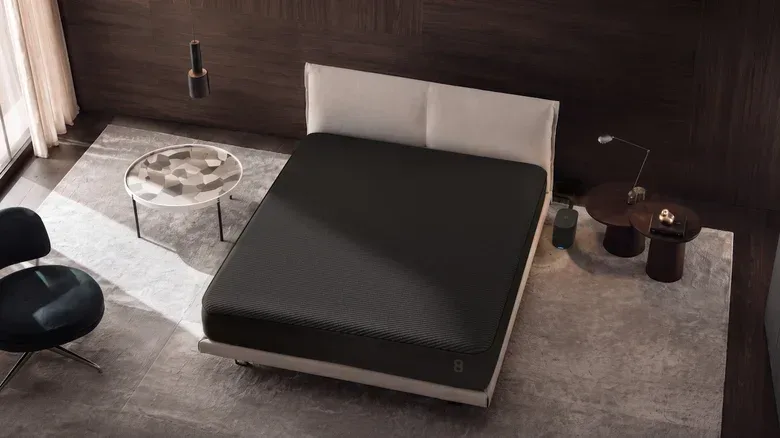
Eight Sleep has introduced the Pod 6, a new smart sleep system built around a temperature-controlled mattress cover and a redesigned hub. The headline upgrades are substantial on paper: more sensors, quicker temperature adjustments, and a new solo-sleeper configuration. The less surprising headline is the cost. The system begins at $2,000 for the single-user version and rises to $3,000 by mattress size, while Autopilot requires an additional monthly subscription of $17 to $25.
That places the Pod 6 in a particularly uncompromising corner of sleep technology. It is not selling a conventional mattress with a few electronic flourishes. It is selling an active system meant to measure a sleeper, move temperature-controlled water through the supplied cover, interpret the readings, and adjust conditions over the course of the night. In other words, it is the sort of setup for people who look at a bed and think, “This could use telemetry.”
What the Pod 6 actually is
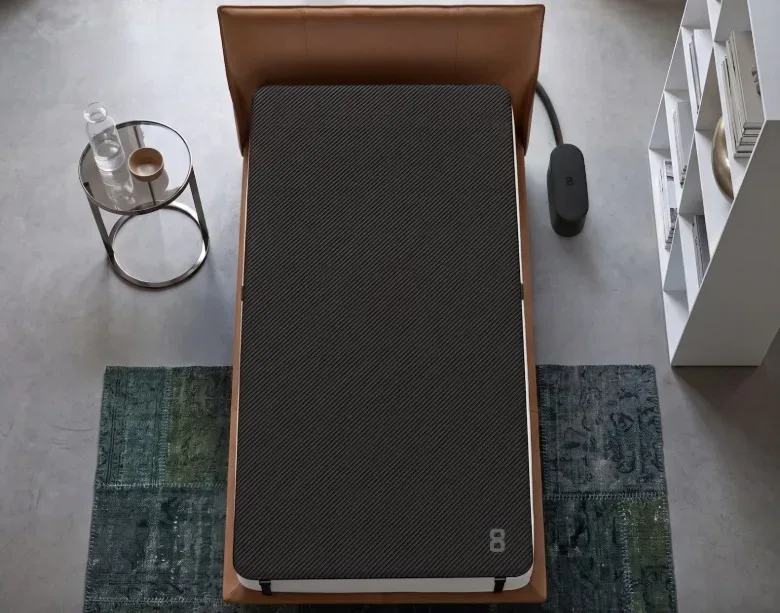
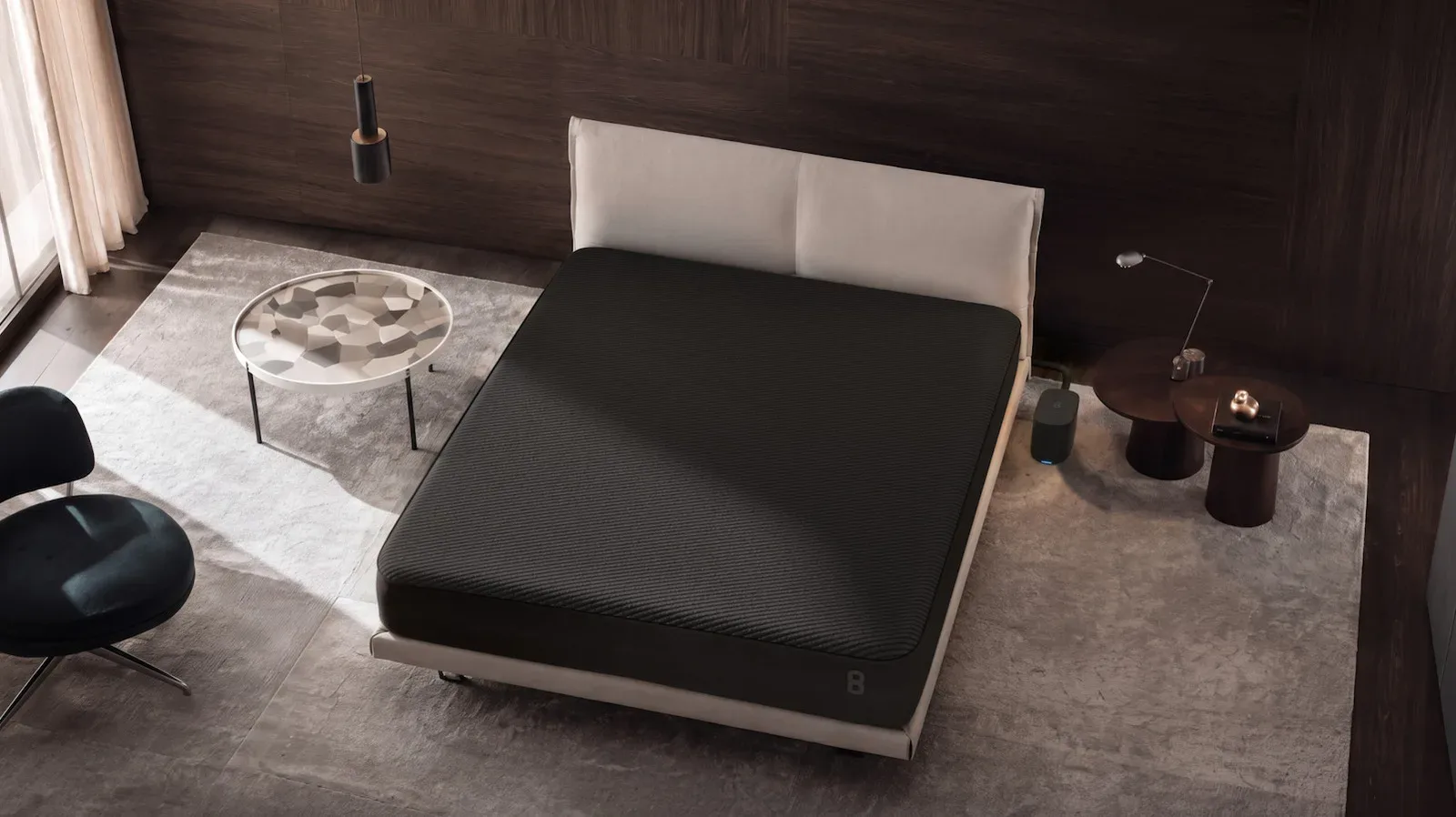
The Pod 6 consists of two central pieces: a hub and a mattress cover. The hub circulates temperature-controlled water through the cover, rather than asking buyers to replace their existing mattress outright. That distinction matters, especially at these prices. A shopper is paying for an active climate and sensing layer, not for the mattress beneath it.
Eight Sleep says it rebuilt the hardware from the ground up. The revised hub is small enough to fit beneath most bed frames, an important practical change for a device that otherwise risks becoming an expensive bedside roommate. The company also says Pod 6 has the quickest temperature response among its products, with adjustments estimated to happen around 20% faster than on Pod 5.
“Temperature response” here means how rapidly the system can change the temperature of the circulating water and, in turn, the cover’s sleeping surface. The stated purpose is straightforward: react more quickly when someone feels too warm or too cool during the night. It is a meaningful claim in an active cooling system, though it should be understood as a company performance claim rather than a universal promise about any individual’s sleep.
For a two-person bed, the standard sizes retain individual temperature regulation for each sleeper. This is often called dual-zone temperature regulation: each side can be adjusted separately instead of forcing two people with very different comfort preferences to negotiate a single setting at 2 a.m. The new solo model has the same core functionality but drops the dual-zone arrangement because it is intended for one person.
The big numerical jump: two sensors to 18
The most dramatic generational change is sensing. Pod 6 includes 18 biometric sensors, compared with two on Pod 5. Eight Sleep says those sensors can track heart rate, breathing rate, heart-rate variability, snoring, sleep stages and other data without requiring a wearable device. The resulting information is presented in the company’s app.
That “without a wearable” qualifier is central to the product’s pitch. No watch, ring, wristband or other device needs to stay on the body overnight. Instead, the sensors are integrated into the sleep system. For people who dislike sleeping in wearables, that is a clear convenience argument. It also means that the data collection is tied directly to the place where the system is attempting to alter comfort: the bed.
A few terms deserve unpacking. Heart rate is the number of heartbeats in a given time period. Breathing rate is the number of breaths in that same kind of interval. Heart-rate variability, commonly shortened to HRV, refers to variation in the timing between heartbeats; it is not simply a higher-resolution version of pulse. Pod 6 also reports sleep stages and snoring, which expands the system from a temperature product into a sleep-monitoring platform.
More sensors do not automatically mean every reading is infallible, nor does the announced feature list turn the system into a medical device. What it does mean is that Pod 6 is designed to collect a broader set of signals than its predecessor and use them in its automated adjustments. Consumers weighing the upgrade should separate those two ideas: the hardware now gathers more information, while the usefulness of the resulting automation depends on how the system interprets that information in real sleeping conditions.
Autopilot is the control loop—and the recurring bill
The biometric readings feed Eight Sleep’s AI engine and its Autopilot system. Autopilot automatically changes the cover’s settings based on sleep stage and ambient temperature. In plain language, it is intended to make changes on the user’s behalf rather than require a person to open an app and manually tweak the bed whenever they wake up feeling too hot or cold.
That is the Pod 6’s defining idea: monitoring is not presented as an end in itself. The data is used to drive a response from the temperature system. A sleep tracker can tell a person what happened overnight; Pod 6 is designed to observe signals and then alter the sleeping environment while the night is still in progress.
The automation may also be the feature that requires the most scrutiny from prospective buyers, because every model requires an Autopilot subscription. At $17 to $25 per month, the continuing charge changes the ownership equation. The up-front hardware cost is already premium, and the subscription makes the system an ongoing service relationship rather than a one-time purchase.
That does not make the feature inherently less useful, but it does make the arithmetic unavoidable. Buyers are not simply comparing a $2,000 to $3,000 cover-and-hub package against another bedroom purchase. They are also deciding whether automated, sensor-informed control is worth a recurring payment after the hardware has been installed.
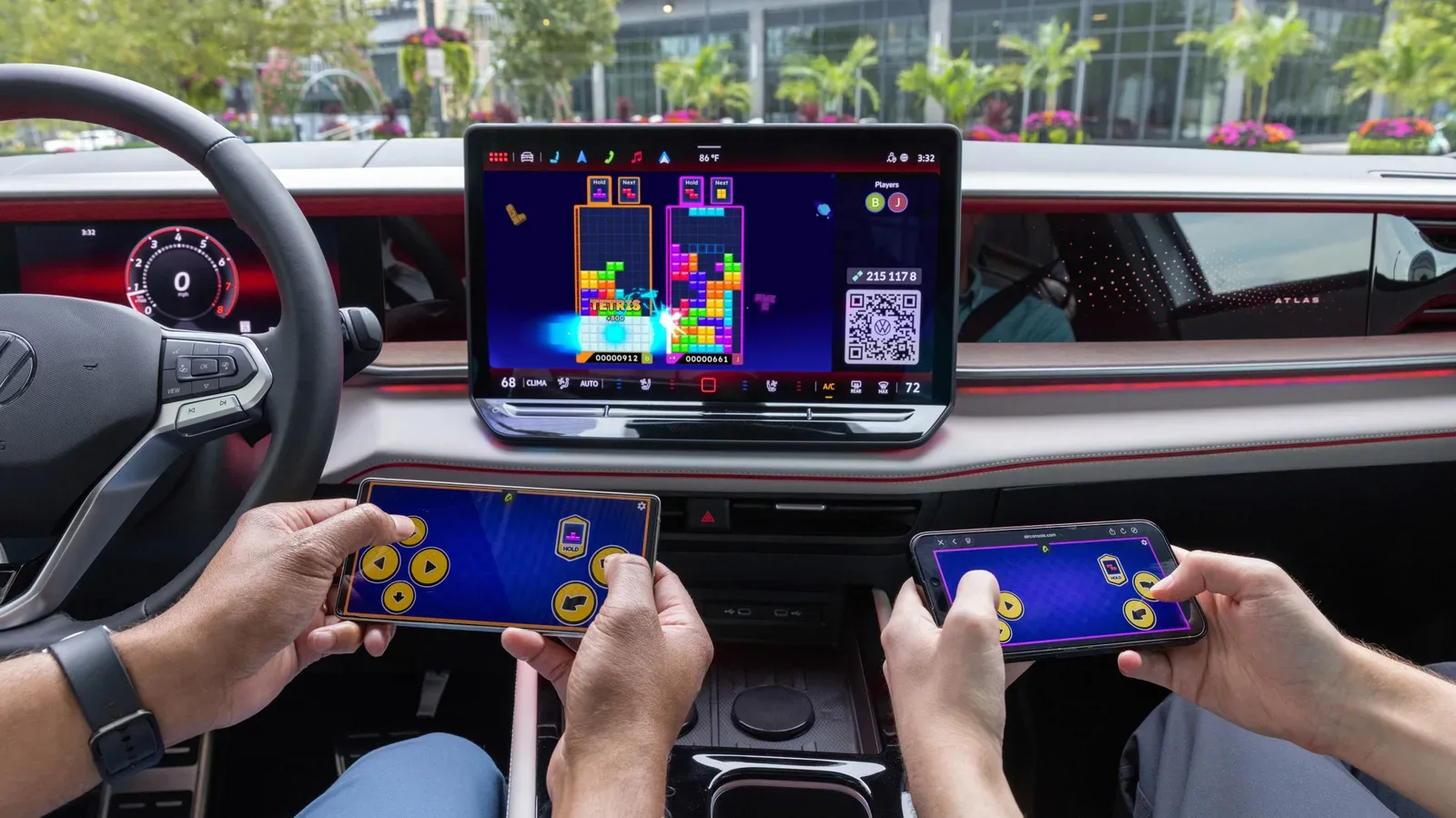
The model resembles a broader trend in connected consumer hardware: physical equipment provides the sensors and mechanism, while an app-driven service supplies the adaptive software layer. Gaming hardware has its own versions of that tension, too, as seen whenever a device’s most distinctive features are tied to an account, a service or an ongoing payment. Even apparently frivolous connected-car features such as Tetris in future Volkswagen cars underline how far software ecosystems have spread beyond traditional screens. Pod 6 takes that logic to the bedroom, only with less opportunity to clear four lines before breakfast.
Designed to tell sleepers apart
For shared beds, individual sensing is as important as individual temperature zones. Eight Sleep says Pod 6 can distinguish between two people sleeping close together. The company also says its sensors can separate a human sleeper’s signal from that of a pet that has joined the bed.
This is not a trivial requirement for a bed-based tracking system. If signals from two people were routinely treated as one, or if a pet were regularly mistaken for a sleeper, the recorded data and subsequent automated adjustments could become less meaningful. The stated ability to separate occupants is therefore tied directly to the product’s core promise of personalization.
It also explains why the solo option is not simply a smaller price tag with a stripped-down monitoring package. Eight Sleep says the solo size keeps the functionality intact; the notable difference is the lack of dual-zone temperature controls. A single sleeper presumably does not need a separate climate lane on the other side of the mattress, unless their cat has developed extremely specific preferences and a willingness to cover half the subscription.
Who the new size is for
The solo model is explicitly aimed at individual sleepers and starts at $2,000. Standard sizes support two people’s separate needs at the same time, while the solo unit removes the dual-zone setup. The lower entry price is the principal benefit described for the smaller version.
“Budget-friendly” is therefore a relative term here. It means less costly than the larger Pod 6 configurations, not inexpensive in the ordinary sense. A buyer considering the solo setup should account for both the starting cost and the mandatory Autopilot fee. Someone sharing a bed, meanwhile, needs to decide whether independent temperature control and occupant-specific tracking justify stepping into the standard sizes.
The practical buying question
Pod 6 is available to purchase now, and its appeal is easy to define: it combines active temperature management with contactless overnight monitoring and automated adjustments. The redesign makes the hub easier to place under many bed frames, while the sensor count and claimed faster response are the major technical upgrades over Pod 5.
The trade-off is just as clear. This is premium hardware with a premium entry price, plus a required subscription. Potential buyers should avoid mentally filing it under “mattress,” because that can obscure what is actually being purchased. It is a smart cover and hub intended to sit on top of an existing sleep setup, equipped with a substantial sensing array and software-driven climate control.
For someone chiefly seeking separate temperature settings in a shared bed, the dual-zone configuration is likely the feature to focus on. For someone who wants no wearable overnight, the expanded sensor suite and app-based reporting are central. For someone intrigued by automatic changes based on sleep stage and room conditions, Autopilot is the point—but also the recurring expense. The Pod 6 may be a sophisticated answer to nighttime comfort, but it arrives with the kind of price structure that makes checking the settings feel like checking a skill tree before committing points.