A first maintenance update for iOS 27 appears to be approaching. Evidence of iOS 27.0.1 testing has surfaced just one week after the main iOS 27 release, pointing to a typically modest follow-up rather than a major new feature drop.
The most sensible expectation is a release centered on bug fixes and, potentially, security patches. One issue that may be in scope is Face ID trouble reported by some iPhone 18 Pro users. There is no published list of fixes yet, so that connection remains a reasonable possibility rather than confirmation. Still, a rapid point release is exactly where a platform maker would normally address an early issue affecting a core phone function.
What the “.0.1” version number usually signals
Software version numbers can communicate the expected scale of an update. In this case, iOS 27 is the main annual operating-system version, while 27.0.1 is a small revision to that initial release. That does not make it unimportant: a narrow update can resolve a problem that has an outsized effect on daily use.
For players, creators, and anyone who uses an iPhone as their always-on device, stability patches are often more valuable than a long list of headline additions. Mobile games, companion apps, messages, account authentication, captures, payments, and wireless accessories all live downstream of basic operating-system reliability. A fix to unlocking alone can remove repeated friction from every one of those activities.
It is also worth keeping expectations calibrated. Nothing currently establishes the full contents of iOS 27.0.1. The update may include Face ID-related work, other corrections, security changes, or some combination of those things. Until release notes arrive with the public build, users should treat any more detailed fix list as speculation.
Why Face ID matters beyond simply opening the phone
Face ID is Apple’s facial-recognition authentication system. In practical terms, it is used to verify the owner before unlocking the device and can also be involved when approving access to apps and protected information. When that layer does not behave reliably, the consequences are broader than an extra tap on the lock screen.
Affected iPhone 18 Pro owners may encounter interruptions when moving between apps, accessing account-protected services, or simply trying to start using the handset. The supplied information does not detail the precise symptoms, how widely they occur, or whether a single cause is involved. It only establishes that some users are experiencing Face ID issues. That distinction matters: an observed problem among some users is not proof that every iPhone 18 Pro is affected.
Early software problems can emerge after a new iPhone reaches a large global audience because real-world use produces an enormous mix of settings, apps, accounts, accessories, networks, and personal usage patterns. A bug that escaped narrower testing can become visible quickly once millions of devices are in circulation. The arrival of a small correction shortly after a major launch is therefore not unusual, nor does it by itself reveal how serious any particular issue is.
What is known—and what is still unknown
Here is the clear line between reported information and informed interpretation:
- Known: iOS 27 was released last week.
- Known: iOS 27.0.1 is being tested.
- Known: some iPhone 18 Pro users are experiencing Face ID issues.
- Likely: iOS 27.0.1 will be a minor maintenance release focused on bug fixes and/or security patches.
- Possible, but unconfirmed: the update includes a Face ID-specific correction or enhancement.
- Unknown: the complete release-note list and the precise public release date.
That uncertainty is useful context for anyone deciding whether to wait. There is no confirmed timetable beyond an expectation that the update could arrive within days or weeks. There is likewise no confirmation that every reported Face ID concern will be addressed in this particular build.
An Apple Watch update offers a useful parallel
Apple has already released watchOS 27.0.1 for the Apple Watch Series 12 and Apple Watch Ultra 4. That update fixes an issue in which those models could restart unexpectedly.
The watchOS release does not confirm the iPhone update’s contents, but it does provide a nearby example of the kind of narrow post-launch maintenance work now underway. Unexpected restarts are a straightforward reliability issue, and the available fix targets the newest affected watch models. In the same general spirit, iOS 27.0.1 could concentrate on issues that became apparent after the newest iPhones were broadly deployed.
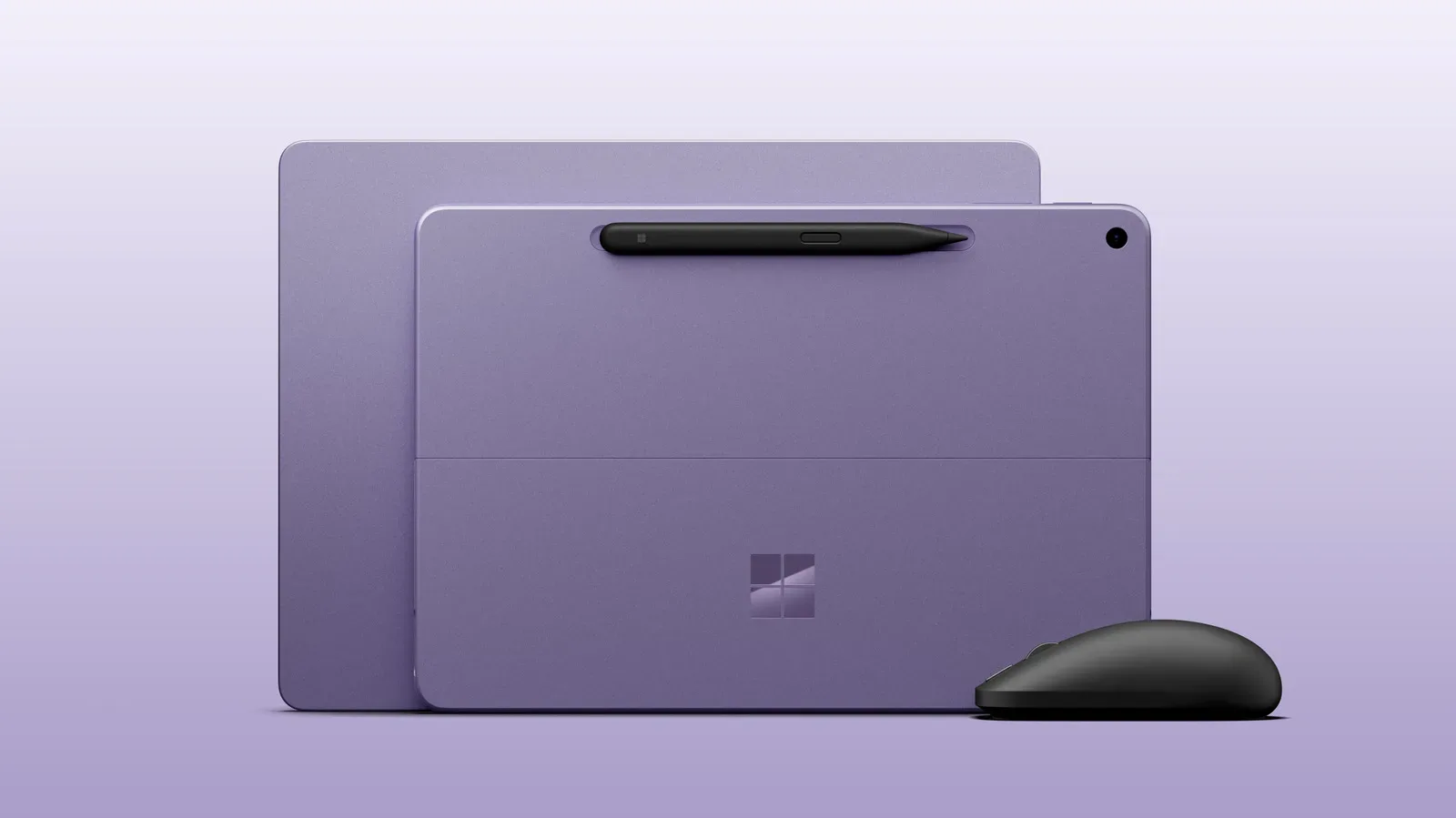
For people who move between multiple Apple devices, this is a reminder that platform maintenance happens across the wider device lineup rather than in isolation. Phone, watch, computer, and app workflows can each matter to a person’s daily setup. Readers following broader device hardware news can also see how platform shifts intersect with new silicon in Microsoft’s refreshed Surface Pro 12 and Surface Laptop 13 lineup.
Practical implications for iPhone owners
If an iPhone 18 Pro is experiencing Face ID problems, the immediate takeaway is not that a fix is guaranteed today. It is that a small iOS revision is in the pipeline and Face ID is a plausible area for attention. Keeping an eye on Software Update and reading the eventual release notes will be more useful than assuming a specific remedy before Apple publishes one.
For iPhone users who are not seeing trouble, a point release can still be worth considering once available. Maintenance updates often target edge cases that are not obvious until a device is used in a particular way. Conversely, the limited information currently available does not support declaring iOS 27.0.1 essential for every device or every use case. Its significance will depend on the actual patch notes and on whether an individual is affected by the issues it addresses.
There is a sensible difference between awareness and urgency. Users with Face ID difficulty have a concrete reason to watch for 27.0.1. Everyone else can wait for the official description of what changed, then decide based on their own device experience. That approach avoids both extremes: ignoring a potentially helpful stability update and treating a testing sighting as a fully detailed launch announcement.
Why small updates deserve attention
Major OS releases receive the spectacle: redesigned interfaces, prominent features, and a big new version number. Point updates do the less glamorous work of making the new baseline dependable. They can be especially relevant immediately after a major release, when hardware and software are meeting a much larger and more varied group of users for the first time.
For gaming audiences, that reliability layer is easy to overlook until it breaks. A phone that cannot consistently authenticate its owner, remains stable, or behaves predictably can interrupt a session before a game ever reaches its title screen. The available evidence does not identify any iOS 27.0.1 game-specific fixes, so it would be wrong to promise them. But dependable system behavior remains foundational to how games and the surrounding social, account, and media tools fit into daily device use.
For now, iOS 27.0.1 should be viewed as an impending clean-up patch with a potentially meaningful focus on Face ID for affected iPhone 18 Pro owners. The release date, exact contents, and scope of its fixes remain unannounced. More certainty will arrive only when the public build and its accompanying notes are available.