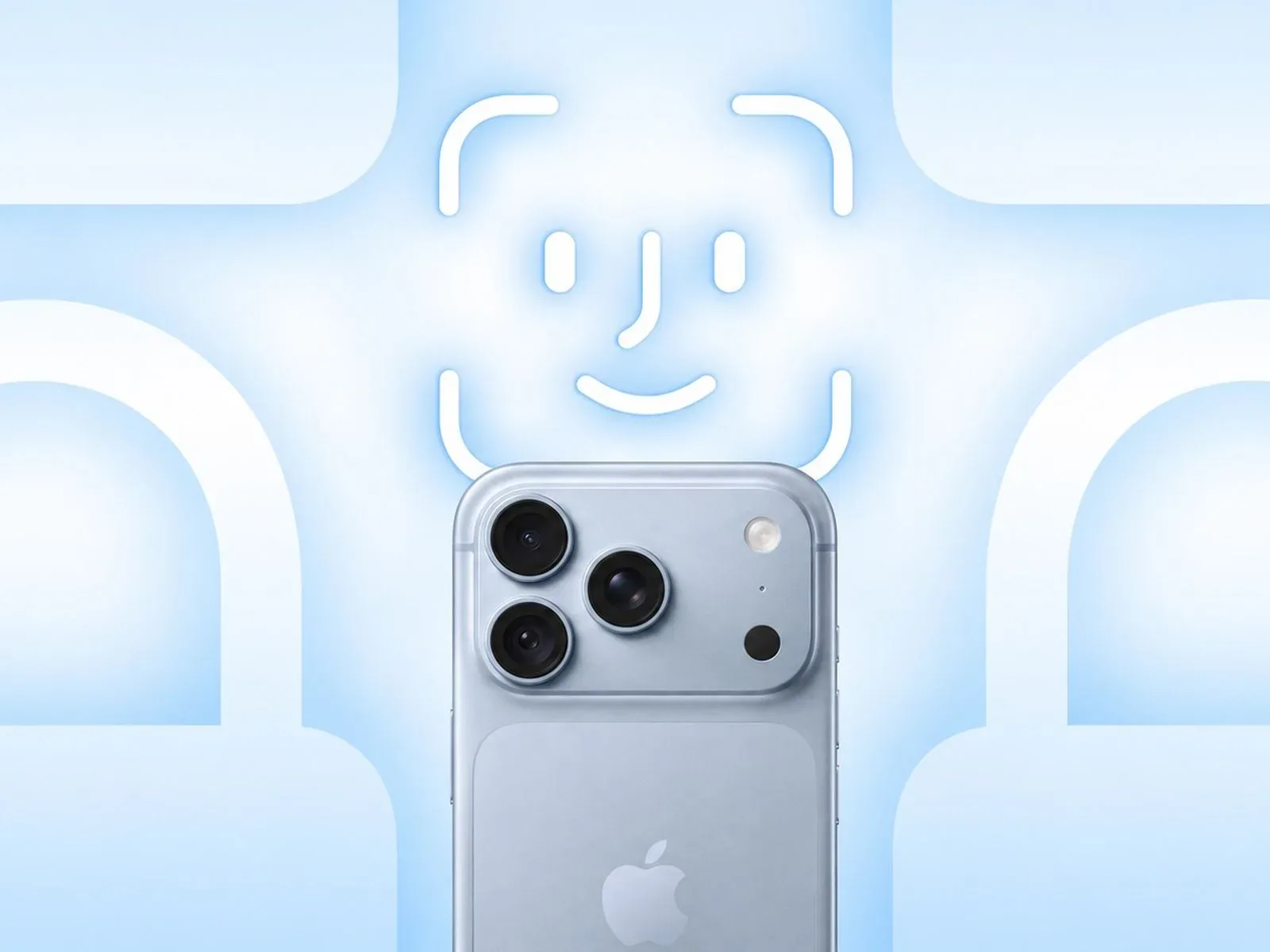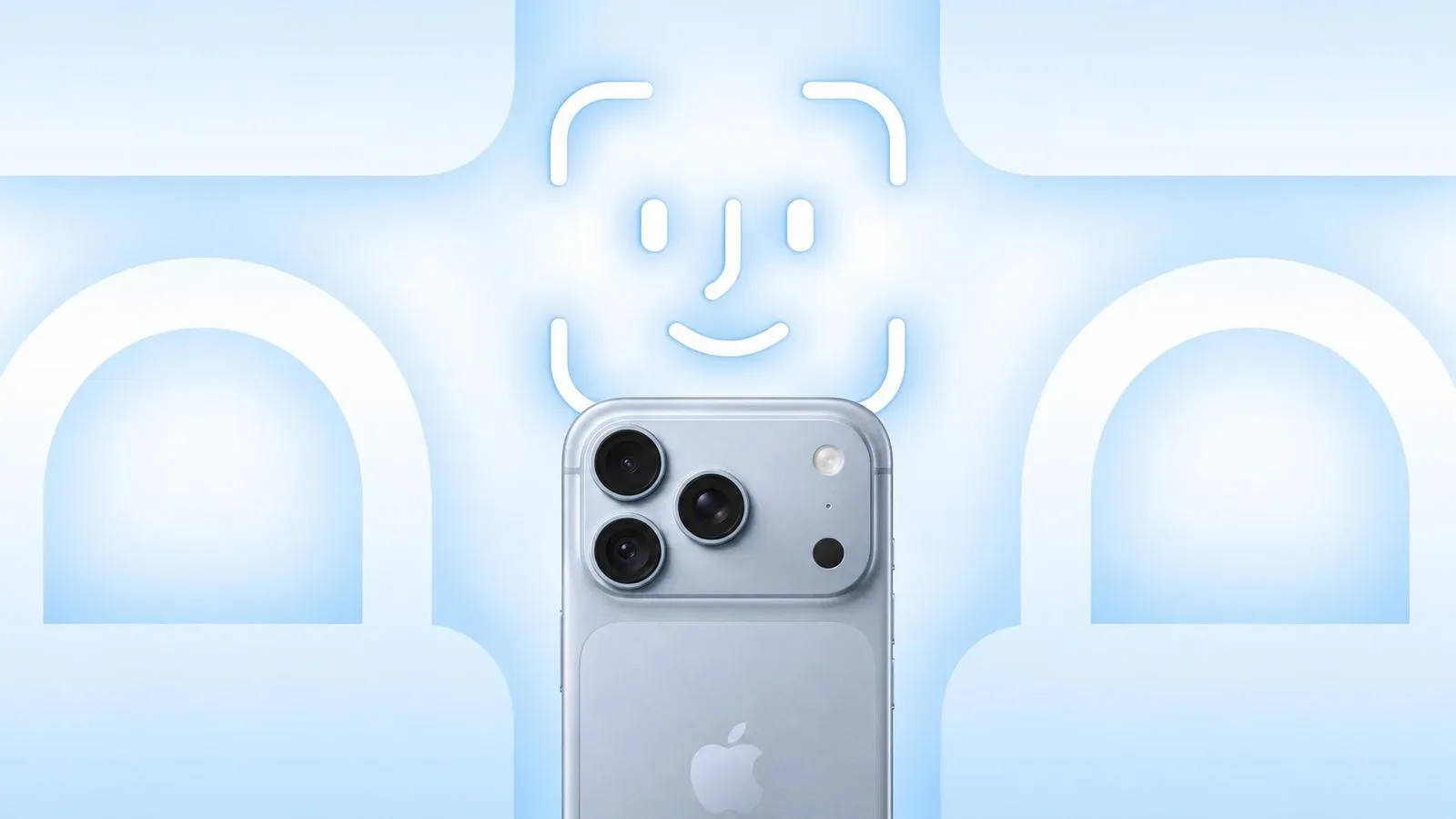
Early iPhone 18 Pro and iPhone 18 Pro Max owners are reporting a frustrating set of Face ID problems, with the most severe accounts describing a failed authentication that leaves the phone frozen before it restarts at the lock screen.
The reports are limited and their overall scale is not yet clear. They are also inconsistent: the behavior appears to be intermittent, and not every owner is affected. Still, the complaints matter because Face ID is involved in routine actions that can quickly become disruptive when they fail—particularly when authentication is needed to open a locked app.
What owners are reporting
The most notable reported issue occurs when Face ID is asked to authenticate a specific action, such as opening an app that has been locked. Rather than simply declining recognition, the phone can fail to complete authentication, freeze, and ultimately reboot back to its lock screen.
That sequence is important. A normal failed Face ID attempt is inconvenient but contained: the user remains in the current flow and can try again or use another available method. A freeze followed by a return to the lock screen is a broader interruption, ending whatever the user was doing and requiring them to re-enter the device.
Other reports concern Face ID before day-to-day authentication even begins. Some owners say they receive a “Face ID is Not Available” message while attempting the initial setup process. In those cases, the feature cannot be configured normally at that moment.
A separate group of complaints centers on the “Require Attention for Face ID” setting. Owners have said their iPhone 18 Pro models do not always appear to honor the setting when it is enabled. The available reports establish perceived inconsistent behavior, not why it happens or whether every reported example shares the same underlying cause.
A new display placement is part of the context—not a confirmed cause
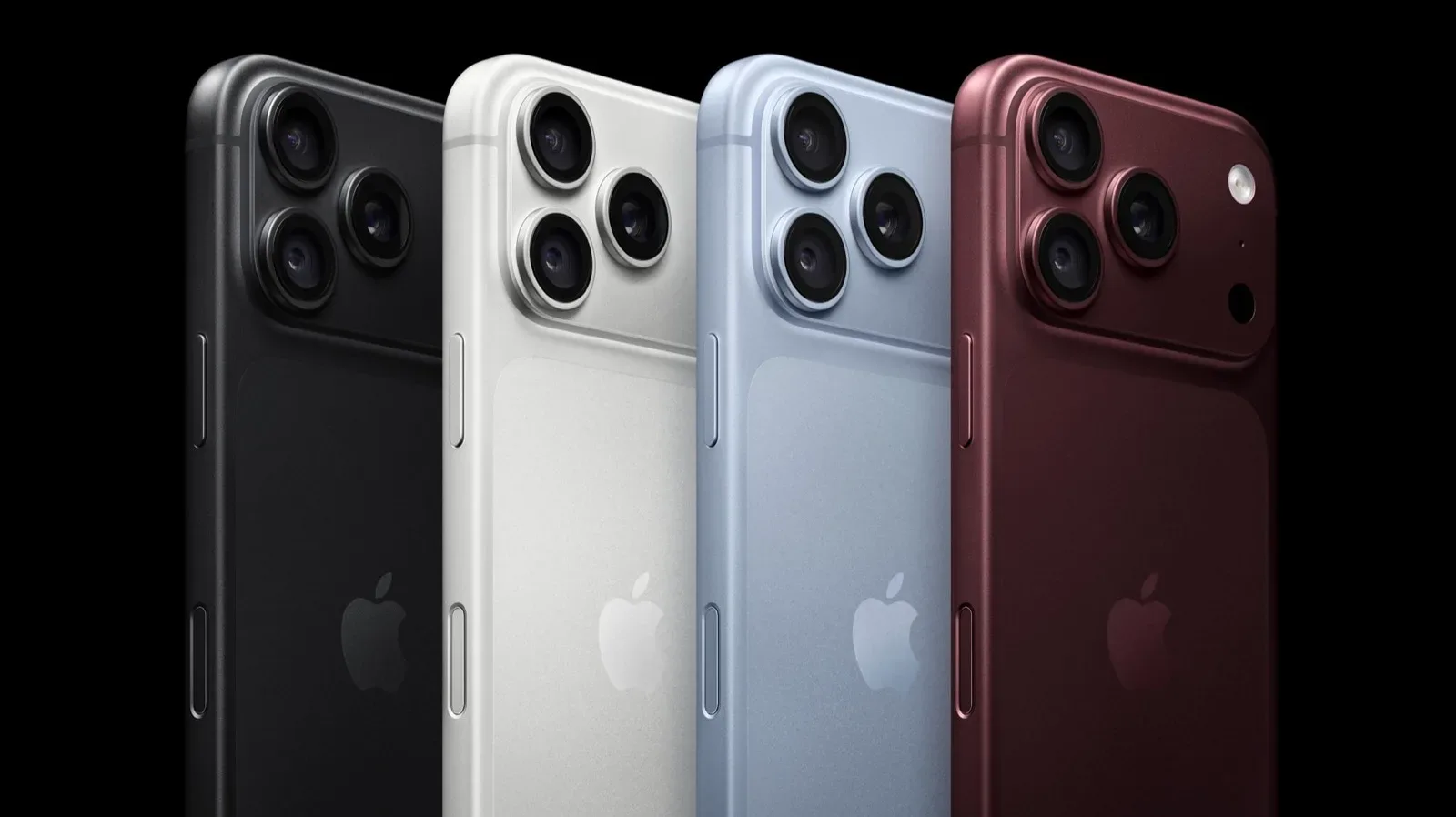
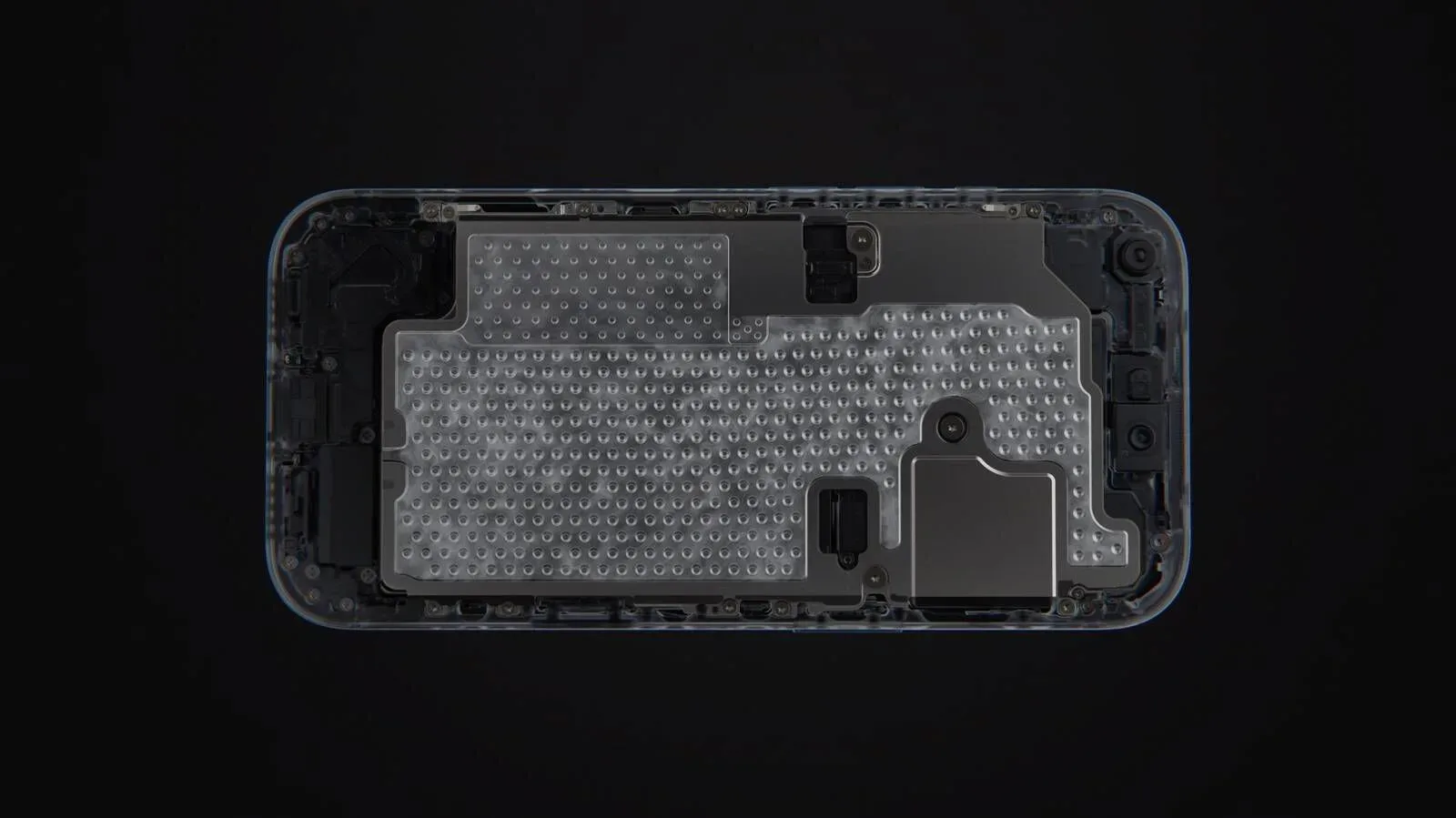
The iPhone 18 Pro line changes the placement of Face ID’s infrared camera, moving it under the display at the top-left corner. The design change allows for a smaller Dynamic Island on the new Pro models.
It is reasonable for owners to notice the timing: reports of Face ID trouble are emerging as customers begin receiving phones with that revised hardware arrangement. But the connection remains unconfirmed. There is no established evidence that the under-display infrared camera is responsible for the freezes, setup errors, or attention-setting complaints.
That distinction is worth keeping clear. A hardware redesign may be relevant, but it does not by itself prove a hardware defect. Likewise, an early software issue could potentially affect behavior without meaning every handset has a physical fault. At present, the reported symptoms support caution rather than a definitive diagnosis.
Why the range of symptoms makes this hard to read
There are at least three reported experiences: authentication failures that can lead to a freeze and reboot, Face ID being unavailable during setup, and inconsistent treatment of an enabled attention setting. Those reports may turn out to have one explanation, several explanations, or no direct relationship beyond appearing on the same new models.
The intermittent nature of the authentication issue adds another complication. A problem that is hit-or-miss is difficult for an owner to predict and can be difficult to isolate from a small collection of anecdotes. It also means a person whose phone works normally has not necessarily disproved another person’s report, while a report of one malfunction does not establish that the issue is widespread.
For prospective buyers, the practical takeaway is measured rather than dramatic: early reports indicate that some iPhone 18 Pro units are encountering Face ID-related trouble, but the available information does not quantify the affected population. The phones began reaching customers on Friday, so the current picture is necessarily an early one.
What this means for people already using one
Owners encountering the issue have a useful set of details to track for any future support conversation or software change: whether the problem happens during Face ID setup or while authenticating an action; whether it occurs when unlocking a locked app; whether the phone freezes; and whether it subsequently returns to the lock screen. The distinction between a single recognition failure and a freeze-and-reboot event is especially meaningful.
It is also sensible not to overstate what an individual symptom proves. A “Face ID is Not Available” message during setup and an occasional failure to recognize a face are not identical reports. Nor is an observation about Require Attention necessarily evidence that Face ID has stopped functioning altogether. Keeping the symptoms separate helps avoid turning an incomplete early pattern into a claim of a single confirmed defect.
No specific fix, timetable, or official explanation is established here. However, the reported issues are the kind that could be addressed in a later iOS 27 update if they are software-related. Apple is expected to resolve new Face ID bugs through a future update, though there is no stated version number or release date attached to that expectation.
Software updates will be closely watched
The iPhone 18 Pro situation arrives during the iOS 27 cycle, where Apple’s software plans are already drawing attention in other areas. The company is also using a waitlist approach for a personal cloud feature connected to Siri AI, as covered in our look at Siri AI’s iOS 27 waitlist. That is a separate matter from Face ID, but it underscores how central software rollout and update timing can be to the experience of a newly released phone.
For now, it is too early to describe the Face ID reports as either a broad launch issue or an isolated collection of cases. The confirmed picture is narrower: some early iPhone 18 Pro and iPhone 18 Pro Max owners have reported Face ID failures; the complaints span setup, app authentication, and attention-setting behavior; and one reported failure path can end in a freeze and reboot to the lock screen.
Until more is known, the smallest Dynamic Island is an interesting part of the new Pro design, while the relocated infrared camera remains an unproven part of the Face ID story. Owners experiencing the issue will be looking for consistency first—and, if the cause is software, a durable iOS 27 remedy rather than a temporary reprieve.