Geralt of Rivia has spent decades being dragged through swamps, political disasters, monster nests, family drama, and the occasional card game that somehow feels more important than saving the world. Doug Cockle, the actor behind Geralt’s English voice, has had the somewhat more civilized assignment of returning to the White Wolf in recording booths. Still, after voicing the character since the first game, he has accumulated his own long history with the witcher.
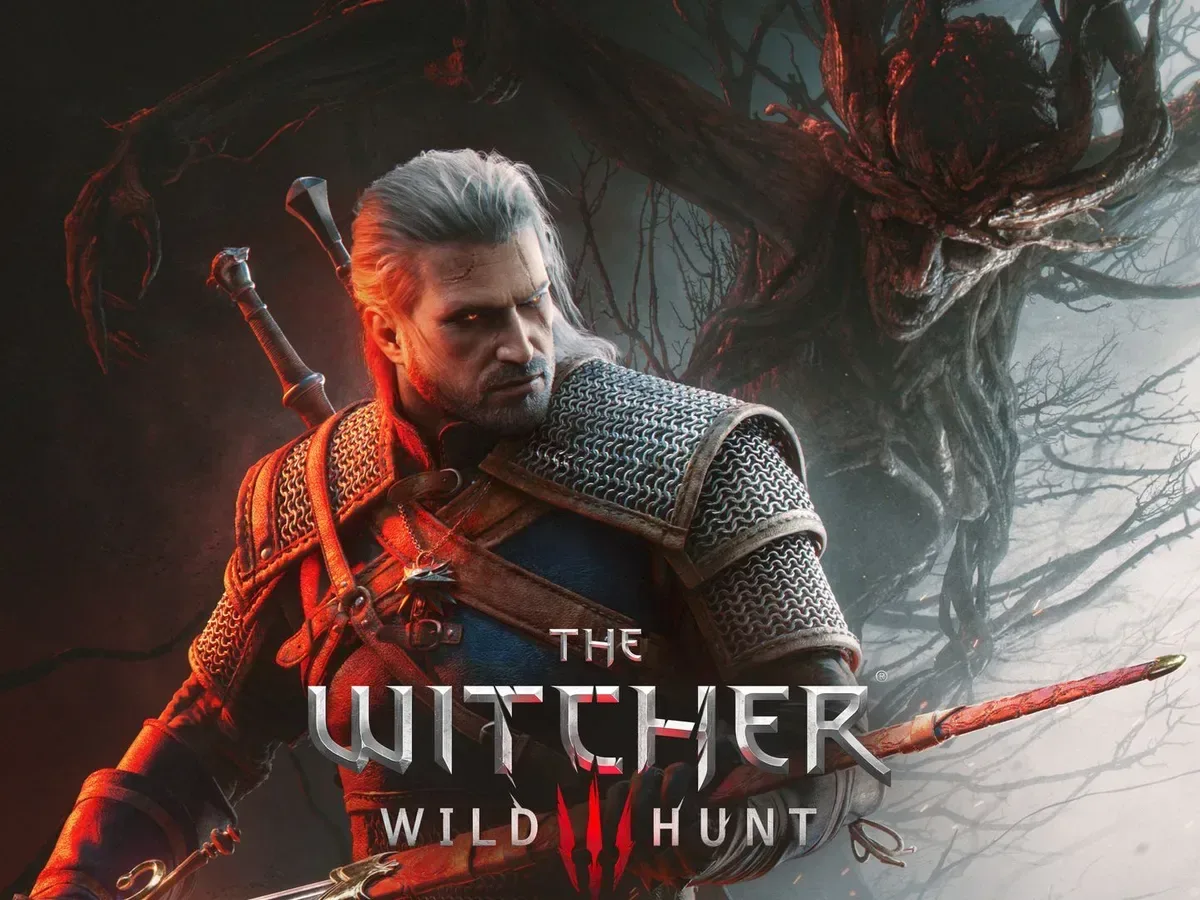
That history is continuing with The Witcher 3: Songs of the Past, the newly revealed expansion for The Witcher 3. Cockle will once again play Geralt, while John Schwab is returning as Dandelion. Both actors discussed the unusual comfort and excitement of revisiting characters they have known for a very long time.
The expansion and The Witcher 3 Remastered were shown for the first time during Gamescom Opening Night Live 2026. The reveal itself came as a surprise even to the performers now attached to Songs of the Past: Cockle and Schwab said the expansion was announced before they knew what their work on it would be. That makes the return feel less like a long-running production quietly ticking over and more like an unexpected contract from destiny—ideally delivered by a raven rather than a corporate email.
A role built over more than 20 years
Cockle recalled beginning his time as Geralt in 2006. That means his connection to the character now stretches beyond 20 years, across the original game and the subsequent evolution of CD Projekt Red’s role-playing series. The length of that relationship matters. Geralt is not merely a familiar fictional face for Cockle; the actor has helped establish how generations of English-speaking players hear the witcher’s restraint, weariness, dry humor, and flashes of loyalty.
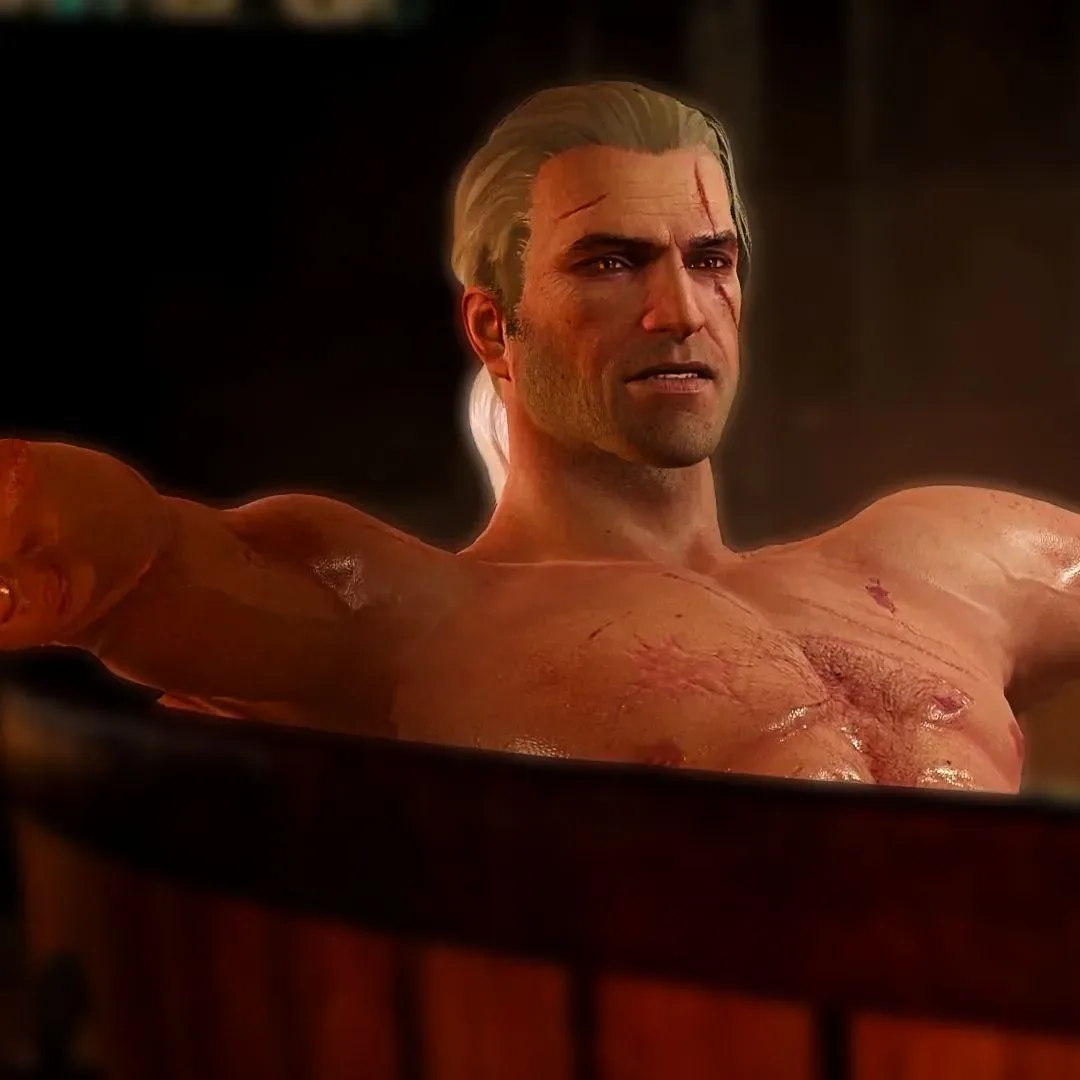
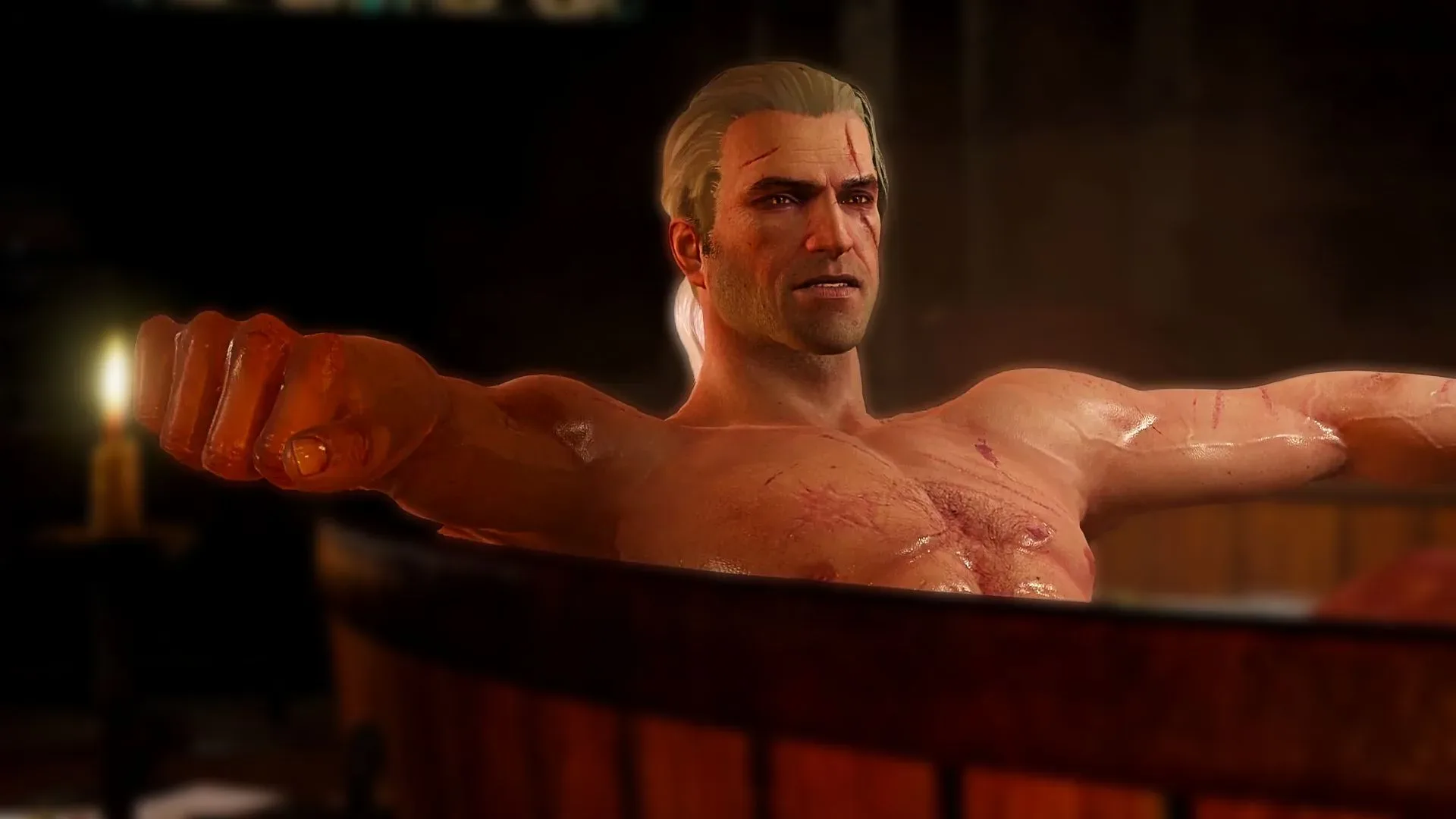
His description of coming back is wonderfully low-drama for a role associated with swords, sorcery, and monsters with far too many teeth. Cockle characterized returning to Geralt as being like slipping into a warm bath. It is an apt image: welcoming, known, and comfortable, though hopefully Geralt himself has access to fewer baths than a man who spends much of his life covered in bog residue.
Cockle also made clear that familiarity does not make voice acting effortless. It remains work. But it is work within a voice and a character he understands exceptionally well. That distinction is important for anyone who assumes a recognizable performance can simply be switched on. A long-running role may supply a deep foundation, but every new script, scene, emotional beat, and direction still asks the actor to find the person inside the words.
For Geralt, that is especially significant. His delivery often sounds sparse and controlled, which can make the smallest shift in pace or emphasis do considerable narrative work. A brief response can communicate irritation, concern, doubt, affection, or a firm desire to leave before the local mayor describes another haunted basement. Continuity in that performance is one part of why Geralt has remained so identifiable even as the series has expanded in scale and cultural reach.
Songs of the Past brings back more than one familiar voice
Schwab’s Dandelion is returning alongside Cockle’s Geralt. Where Geralt tends toward economy, Dandelion thrives on personality, verbal momentum, and the useful confidence of somebody who can stroll toward danger while assuming the dangerous thing will appreciate an audience. The contrast between the characters has always been central to their dynamic, and having both established actors involved gives Songs of the Past a direct vocal link to the existing RPG world.
Schwab said that entering the booth brought extra excitement because he was returning to Dandelion. That is a slightly different emphasis from Cockle’s ease, but the two reactions fit together. One actor has described the familiarity of a role shaped over decades; the other has highlighted the spark of picking up a beloved character again. Familiarity does not have to mean routine. For performers, returning can carry both confidence and anticipation—especially when the character has enough history to make every new appearance feel like another chapter rather than a reset.
There is a real player-facing benefit here too. Video game performances are not isolated pieces of casting. They help hold a continuing world together. When a character returns after years away, the voice can instantly bridge the distance between old quests, remembered scenes, and a new story. In a series as steeped in relationships, grudges, jokes, legends, and accumulated consequences as The Witcher, that sense of recognition does a lot of heavy lifting.
It is also a reminder that game narratives rely on performers as much as they rely on technical spectacle. Visual upgrades and remasters may draw attention to detail, lighting, animation, or environments, but voice work is often where players reconnect emotionally. The broader conversation around interactive storytelling continues to evolve, as seen in recent discussions of shared spaces and stronger storytelling in immersive media. A returning performance is a more traditional tool, but its effect is no less immediate: one familiar “hmm” can do a surprising amount of world-building.
What the announcement confirms—and what it does not
The confirmed details here are focused on the project’s existence and its returning cast. The Witcher 3 Remastered and Songs of the Past received their first public look at Gamescom Opening Night Live 2026. Cockle is reprising Geralt, and Schwab is reprising Dandelion. The actors were not informed about the nature of their work before the expansion’s public announcement.
Beyond that, there is much that remains unaddressed in the available information. No release date, price, platform list, plot outline, scope, or gameplay particulars were provided alongside these comments. It would be easy to treat the names Geralt and Dandelion as invitations to start mapping every possible story route, but that would turn reasonable anticipation into pure tavern gossip. For now, the safest read is that Songs of the Past is an expansion that reconnects with key voices from The Witcher’s past, rather than a detailed roadmap of exactly where it will take them.
The word “remastered” also naturally invites questions, particularly given how thoroughly players know The Witcher 3. What changes will distinguish the new edition, how it will relate to prior versions, and whether it will be offered alongside or separately from the expansion are matters still waiting for official clarification. Until then, the reveal is more of a promise of renewed attention than a complete list of features.
Why Cockle’s willingness to return matters
Cockle indicated that he would keep returning as Geralt as long as he is asked—even imagining himself doing so at 80. It is a lighthearted remark, but it points to a durable relationship between actor, role, and audience. Long-running game characters can outlive console generations, graphic styles, and plenty of the arguments players have about whether a certain side activity is a masterpiece or a terrible distraction. A performer’s attachment helps make that longevity feel human.
For fans, the appeal is not simply nostalgia. Geralt’s voice is part of the character’s identity in the English-language games, and continuity gives a new project an emotional anchor. Cockle has been there since the series’ early days, long before The Witcher 3 became a defining modern RPG for so many players. His return therefore represents both an ongoing collaboration and a recognizable thread running through the franchise’s history.
There is a useful parallel in the way players remember social games: technical details fade, but the voices, reactions, and relationships remain lodged in collective memory. The chemistry that makes those experiences stick is the same reason the unwritten rules of couch multiplayer can feel so instantly recognizable. The Witcher is not being defined here as a couch-multiplayer game, of course. The point is simpler: games are remembered through human texture as much as mechanics, and performances are a huge part of that texture.
Songs of the Past now has at least two powerful pieces of that texture confirmed. Cockle’s Geralt returns with the relaxed assurance of an actor revisiting a character he knows inside out. Schwab’s Dandelion returns with renewed enthusiasm. The expansion’s larger story is still under wraps, but its voice cast has already supplied a clear signal: whatever new trouble waits on the path, the White Wolf and his bard will sound like themselves.