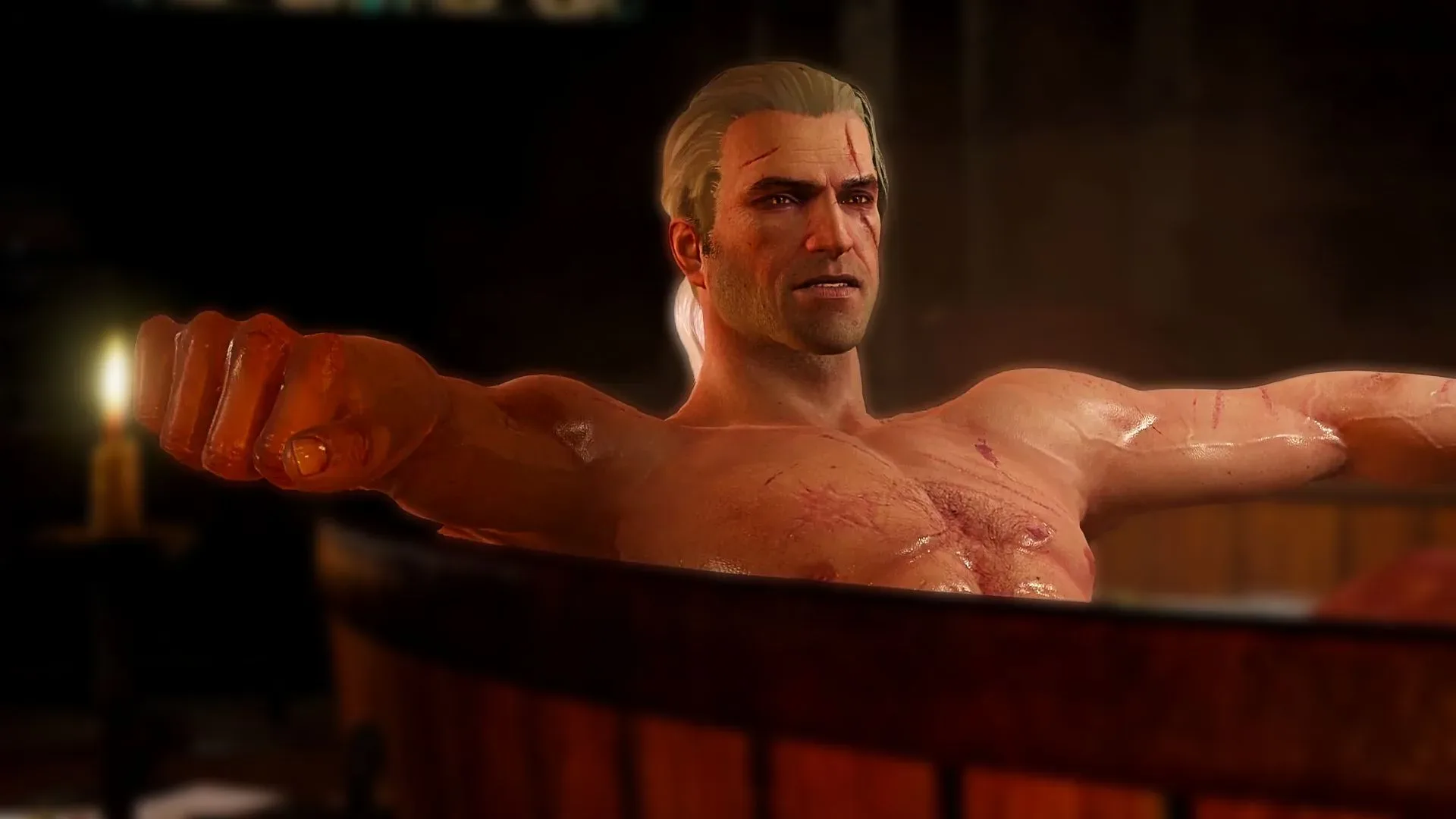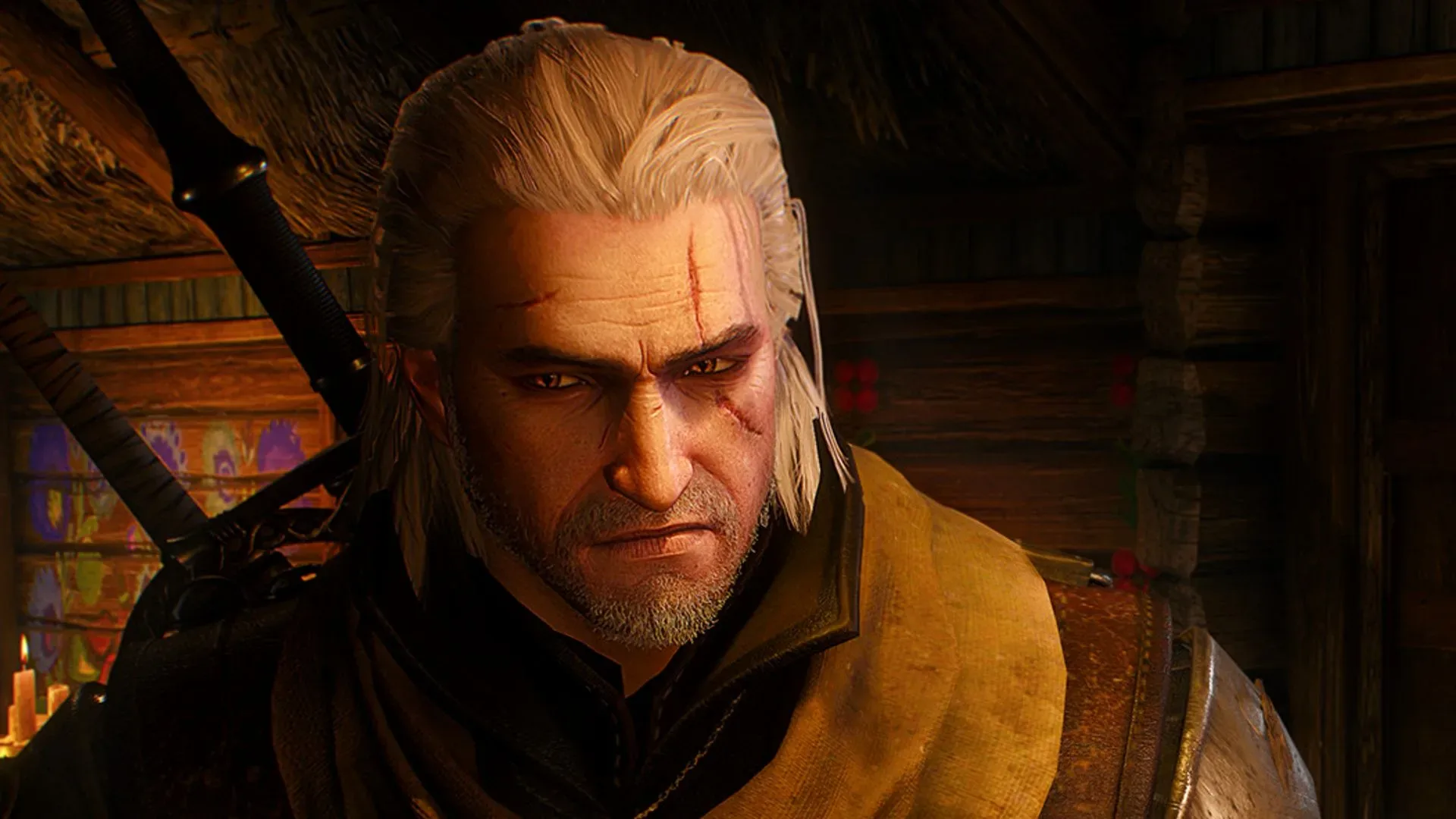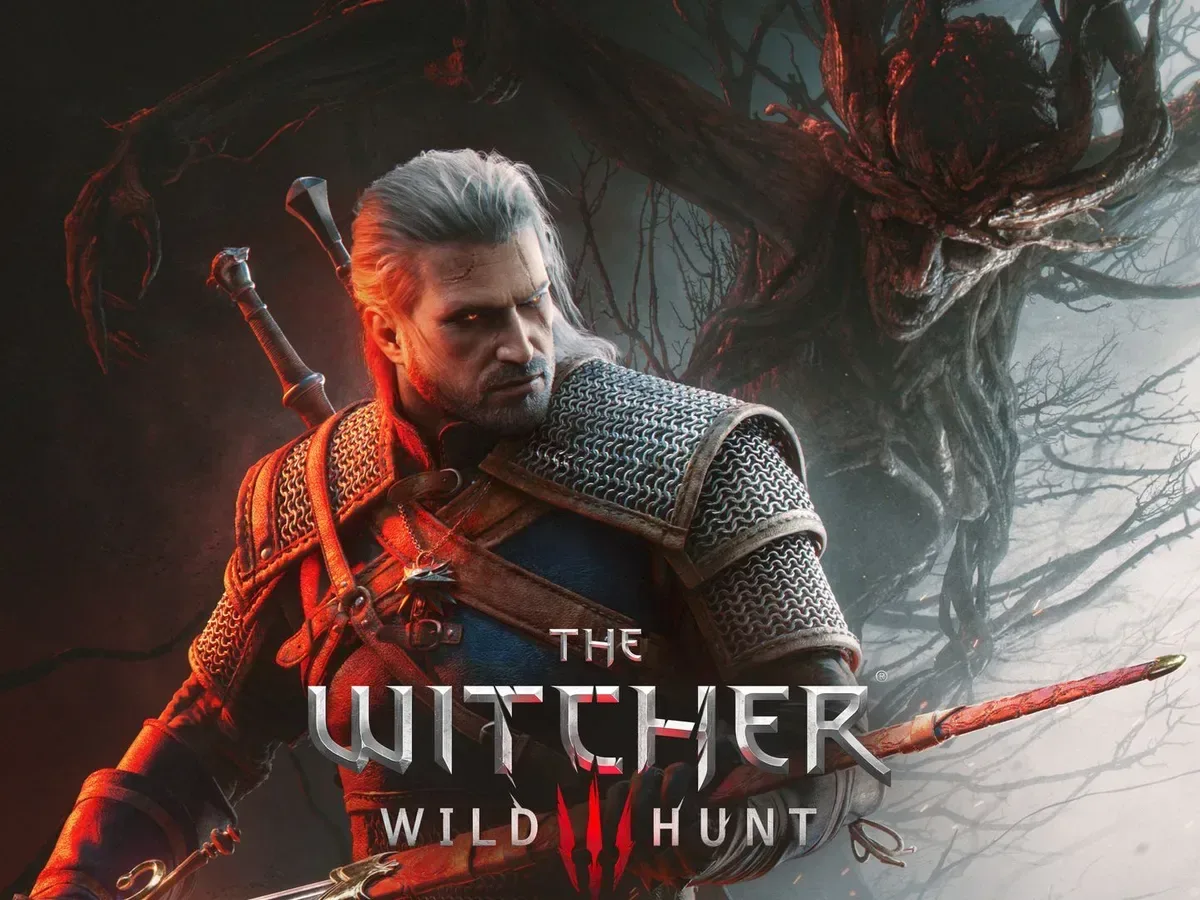
The Witcher 3: Wild Hunt is getting an unusually early musical introduction to its upcoming Songs of the Past expansion. A new five-track release, The Witcher 3: Wild Hunt – Songs of the Past (Original Soundtrack Gamescom 2026 EP), is now available and presents the first publicly released pieces associated with Geralt of Rivia’s return to the Path.
The EP matters for more than its short running order. Songs of the Past is set to arrive next year, when the original game will be 12 years old, and it will be the first expansion for The Witcher 3 in more than a decade. That makes the music a substantial first signal of how this new chapter intends to speak in the series’ established sonic language while still identifying itself as something fresh.
The five tracks and their composers
The release brings together compositions by Magda Urbańska, Marcin Przybyłowicz and Daniel Elms. Urbańska is credited on three of the five selections, while Elms and Przybyłowicz each have one track.
- Return to the Path — Magda Urbańska
- Awoken — Magda Urbańska
- Into Darkness — Daniel Elms
- What’s Done — Marcin Przybyłowicz
- Belleteyn Night — Magda Urbańska
The track names alone should not be treated as plot confirmation. They do, however, frame a selection that moves between travel, awakening, darkness, consequence and a named celebration. For fans who pay close attention to how RPGs establish atmosphere before dialogue or quests take over, that sequence gives the EP a clear identity: this is music intended to carry both motion and memory.
Folk and orchestral writing are central to the stated approach
The description accompanying the EP points to a blend of orchestral composition, traditional folk influences, vocals and regional instruments inspired by different cultures within the game world. In practical musical terms, orchestral writing refers to composing for ensembles built around families such as strings, woodwinds, brass and percussion. Folk influence, by contrast, can involve performance styles, melodic shapes, vocal character or instruments associated with particular regional traditions.
Neither term guarantees a single sound. An orchestral passage can create scale, tension or melancholy; folk-rooted material can make a tavern, village, ritual or journey feel more physically grounded. Combining them gives a fantasy score room to shift between personal scenes and large dramatic stakes without losing its core palette.
Urbańska described folk music as requiring a different sensibility from classical work, despite the creative freedom it offers. She specifically connected the project’s direction to Slavic heritage and said the aim was to preserve the musical DNA associated with The Witcher.
“Our roots, our Slavic heritage, are something more than that — something that runs deep within us, something that grows out of who we are,” Urbańska said. “I hope we’ve managed to preserve The Witcher DNA in these pieces.”
Related coverage includes The Witcher 3: Songs of the Past EP Offers an Early Listen to Geralt's New Musical Journey.
That is a useful distinction for listeners setting expectations. The new score is not being presented as a clean break from the music people associate with Geralt’s world. Its stated purpose is continuity: retaining a recognizable character while creating pieces for a new story chapter.
Why an EP is a meaningful first look
An EP is a short-form release, rather than a full soundtrack album. Here, it offers a focused sampler rather than a map of the expansion’s complete musical arc. Five tracks cannot establish every location, character, encounter or emotional beat that may appear in a full DLC score. It can establish tone.
That makes the release especially helpful for separating confirmed details from assumption. Confirmed: the expansion has newly released original music; the three named composers contributed to this five-track selection; and its stated musical ingredients include orchestra, folk influence, vocals and regional instrumentation. Unconfirmed by these tracks alone: how long the expansion will be, where every piece will be used, what story events the titles may allude to, or whether the EP represents all of the score’s major styles.
For players, the practical takeaway is simple: listen to this as a preview of mood, not as a soundtrack roadmap. A game score is often designed around context. The same musical idea may land differently under exploration, a conversation, a cutscene or a dangerous confrontation. Without those scenes, listeners have the music’s shape and texture, but not its final dramatic placement.
“Return to the Path” sets the thematic frame
The phrase “the Path” is central to the way the release presents Geralt’s role. The EP’s opening title, Return to the Path, directly matches the broader framing of a new chapter accompanying his return. As a result, it functions as more than a generic fantasy-track label: it gives this small collection a thematic center.
That does not reveal the expansion’s narrative specifics, but it reinforces the extraordinary nature of this project. Expansions normally arrive while a game remains close to its original release cycle. This one is returning to a title with a long-established identity and an audience that is likely to recognize even small musical decisions as part of a much bigger legacy.
There is also a wider industry implication in that timing. New work for a mature RPG is a reminder that a game’s life does not end when its original release window passes. For comparison, discussion around the next generation of action RPGs is still closely tied to questions of how legacy design ideas can coexist with modern expectations, as seen in ongoing debate about classic ARPG influence and modern balance. Songs of the Past has a related, though distinct, challenge: it must revisit a recognizable world without treating familiarity as the only idea.
A short release with a broad musical brief
The official description’s pairing of intimacy and grandeur is the most revealing high-level clue about the intended score. Intimacy suggests music that can sit close to character, place or reflective moments. Grandeur suggests a capacity for scale. The addition of powerful vocal performances and regional instrumentation points toward a soundtrack that wants its world-building to be heard as well as seen.
Importantly, “regional instrumentation” should not be read as a list of confirmed instruments, because none have been identified in the available details. It is better understood as a design principle: instrumental color may help distinguish cultural or geographical spaces in the expansion’s world. That approach can make a fantasy setting feel less uniform, giving different places their own musical silhouette rather than relying on a single generic medieval sound.
The reference to Belleteyn in one track title similarly adds texture without supplying hard story information. It signals a specific in-world point of reference, but the music release does not explain its narrative use. Fans can recognize the name and enjoy the resonance while leaving room for the expansion itself to provide its meaning.
What is known, and what remains open
- Known: The five-track EP is available now and contains new original music for Songs of the Past.
- Known: Magda Urbańska, Marcin Przybyłowicz and Daniel Elms are credited as composers on the release.
- Known: The musical brief combines orchestral writing, folk influence, vocals and regional instrumentation.
- Known: The expansion is expected next year and will be the first Witcher 3 expansion in over a decade.
- Not established by the EP: detailed plot points, track placement in the game, full soundtrack scope, or additional expansion specifics.
For now, the EP’s role is clear. It is a compact, listenable statement of intent for a late-arriving expansion: Geralt’s next journey is being introduced with music that deliberately reaches back to the series’ roots, while reserving the larger context for the game itself.