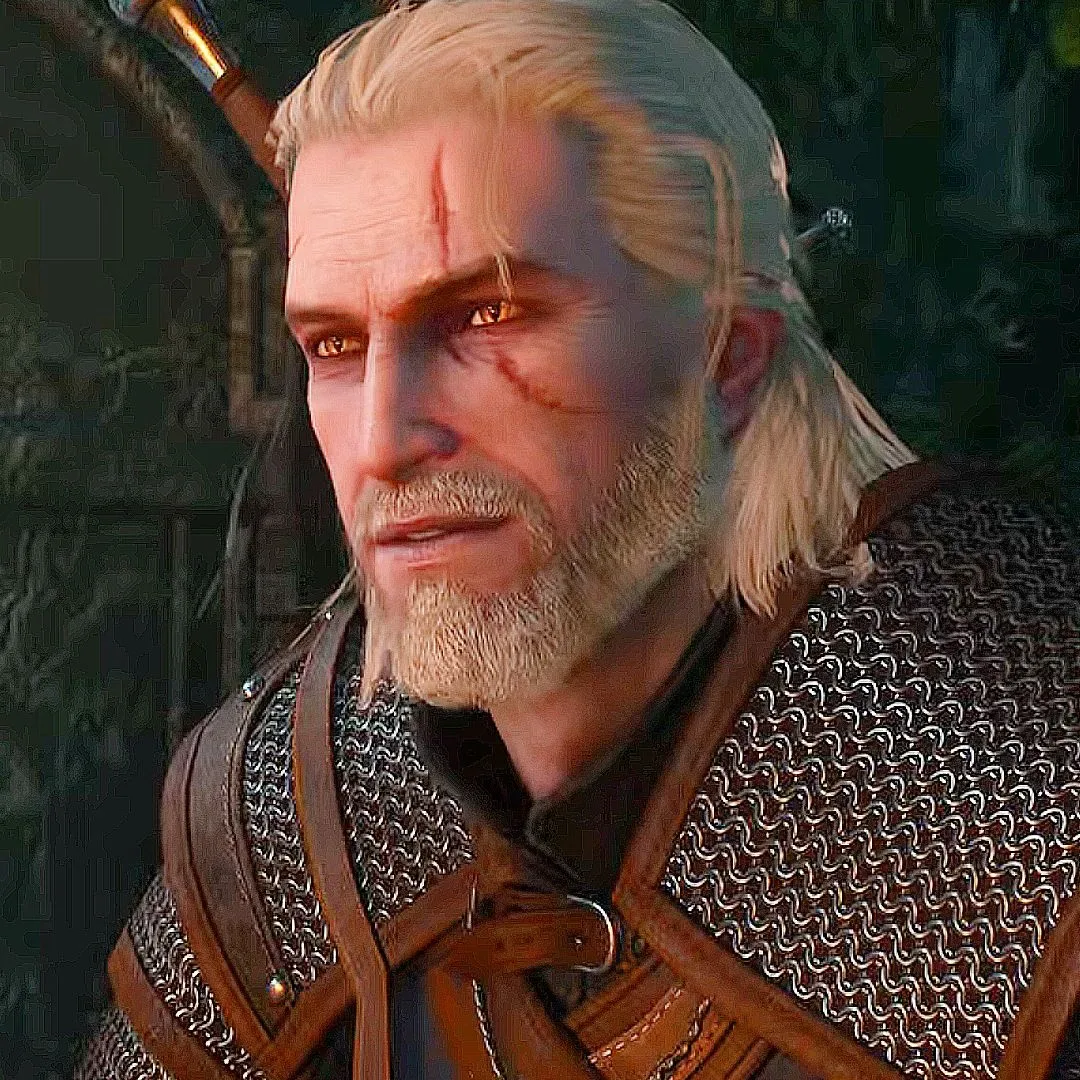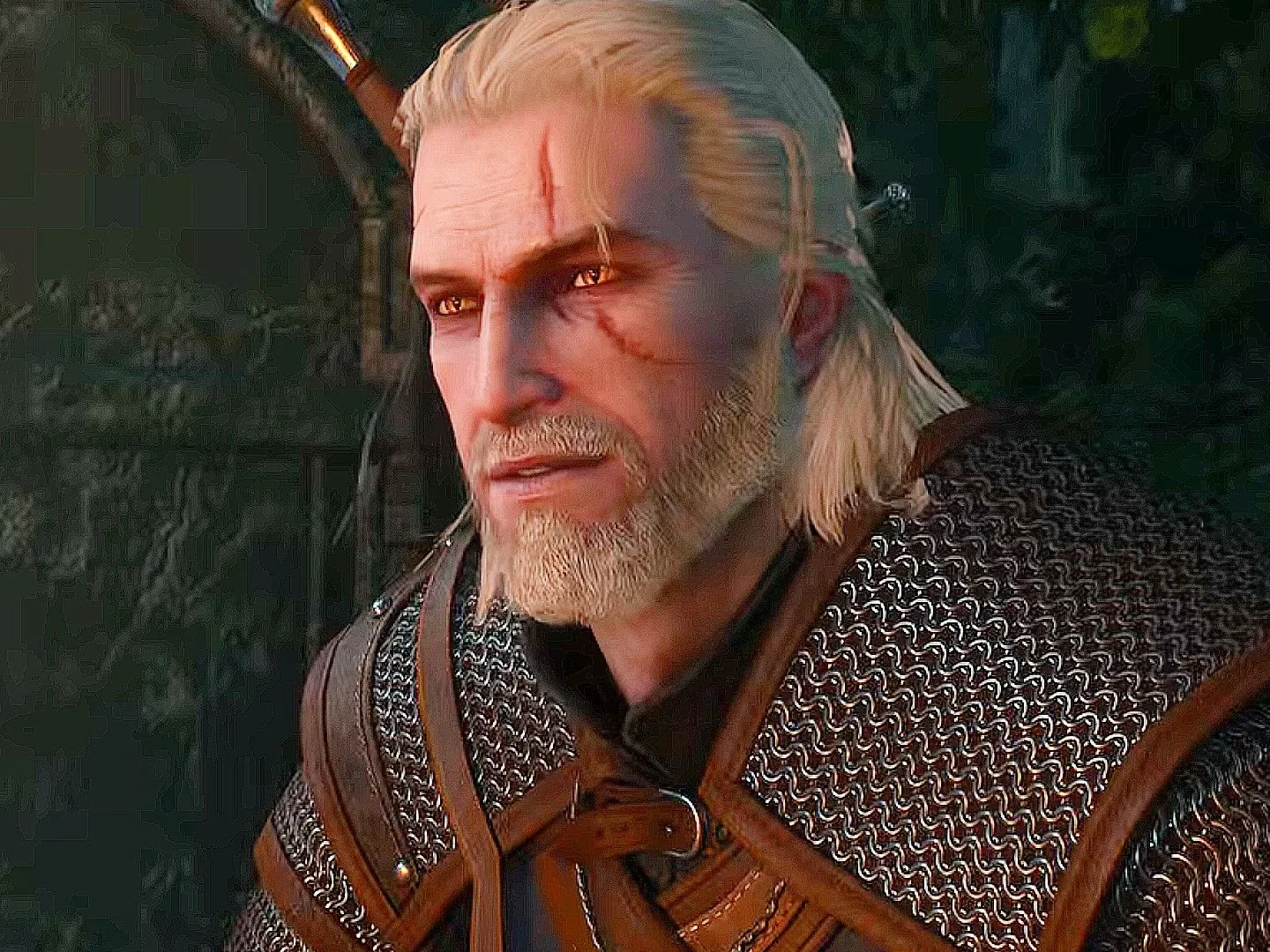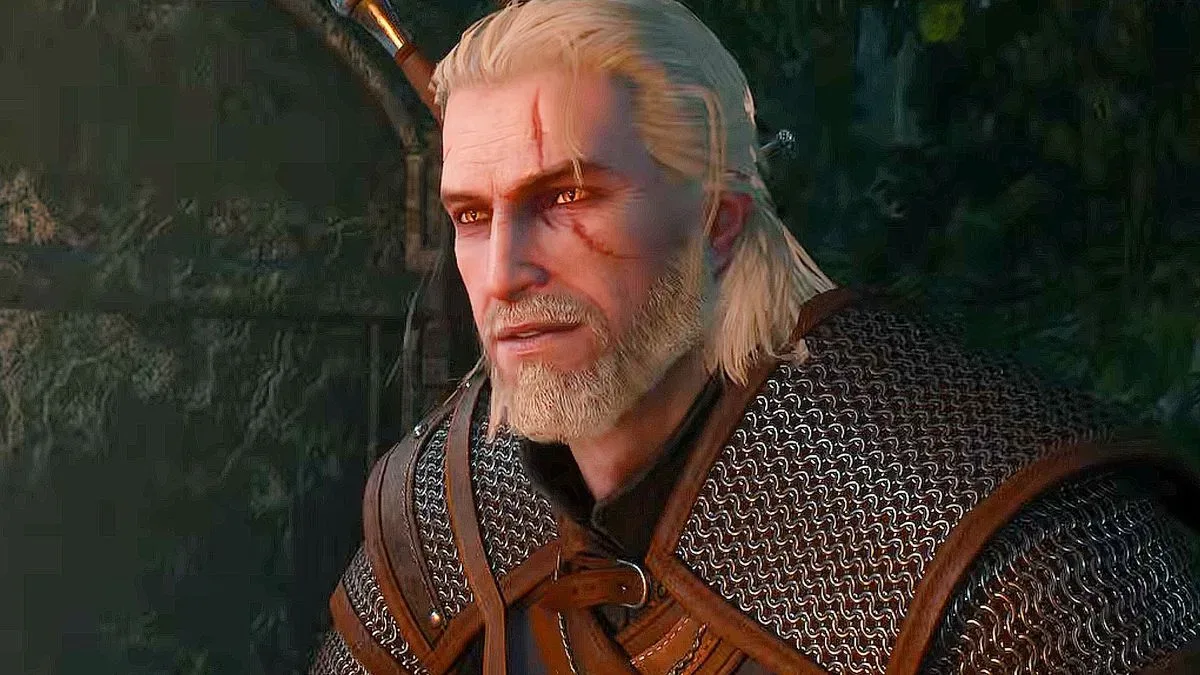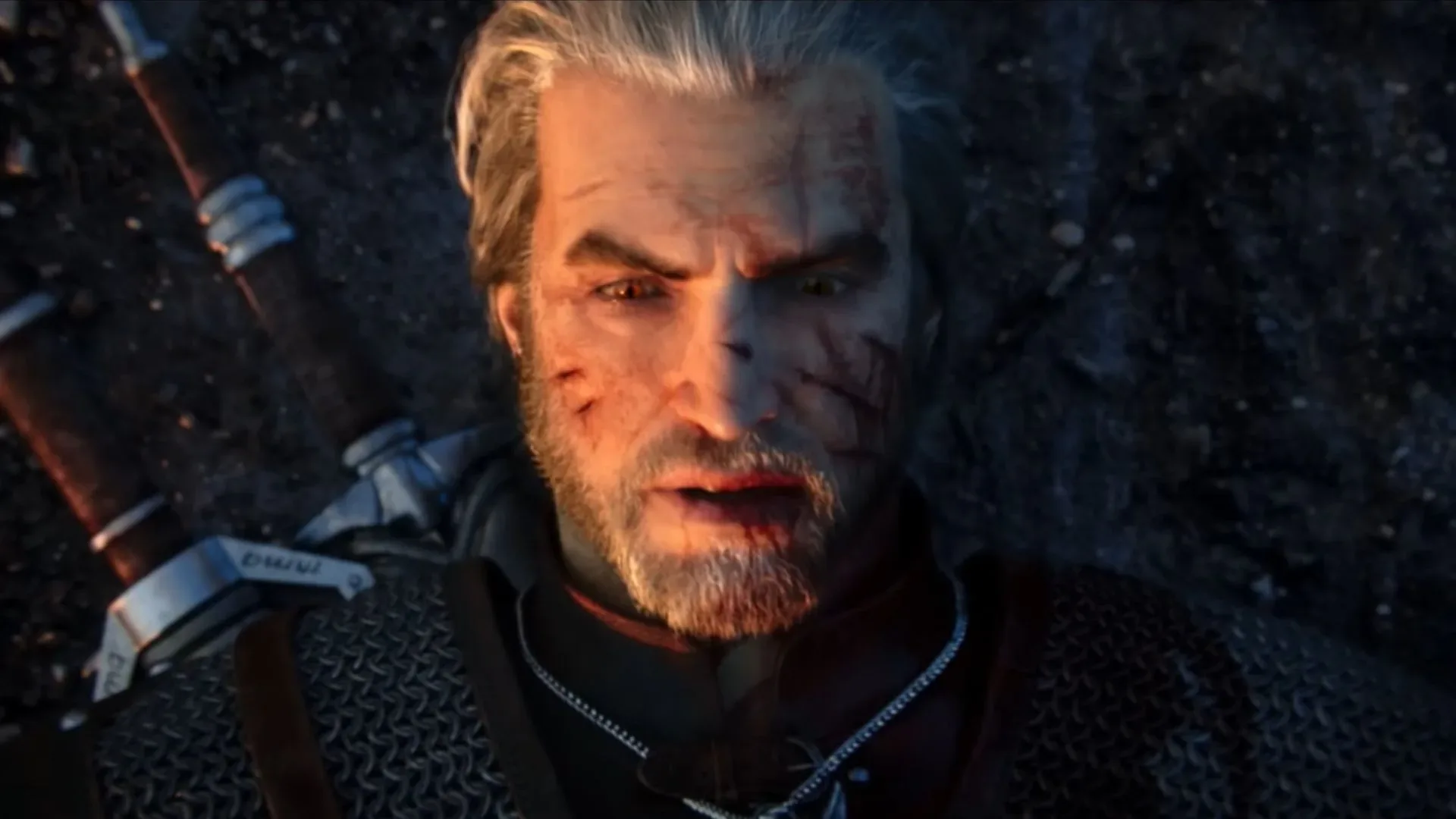
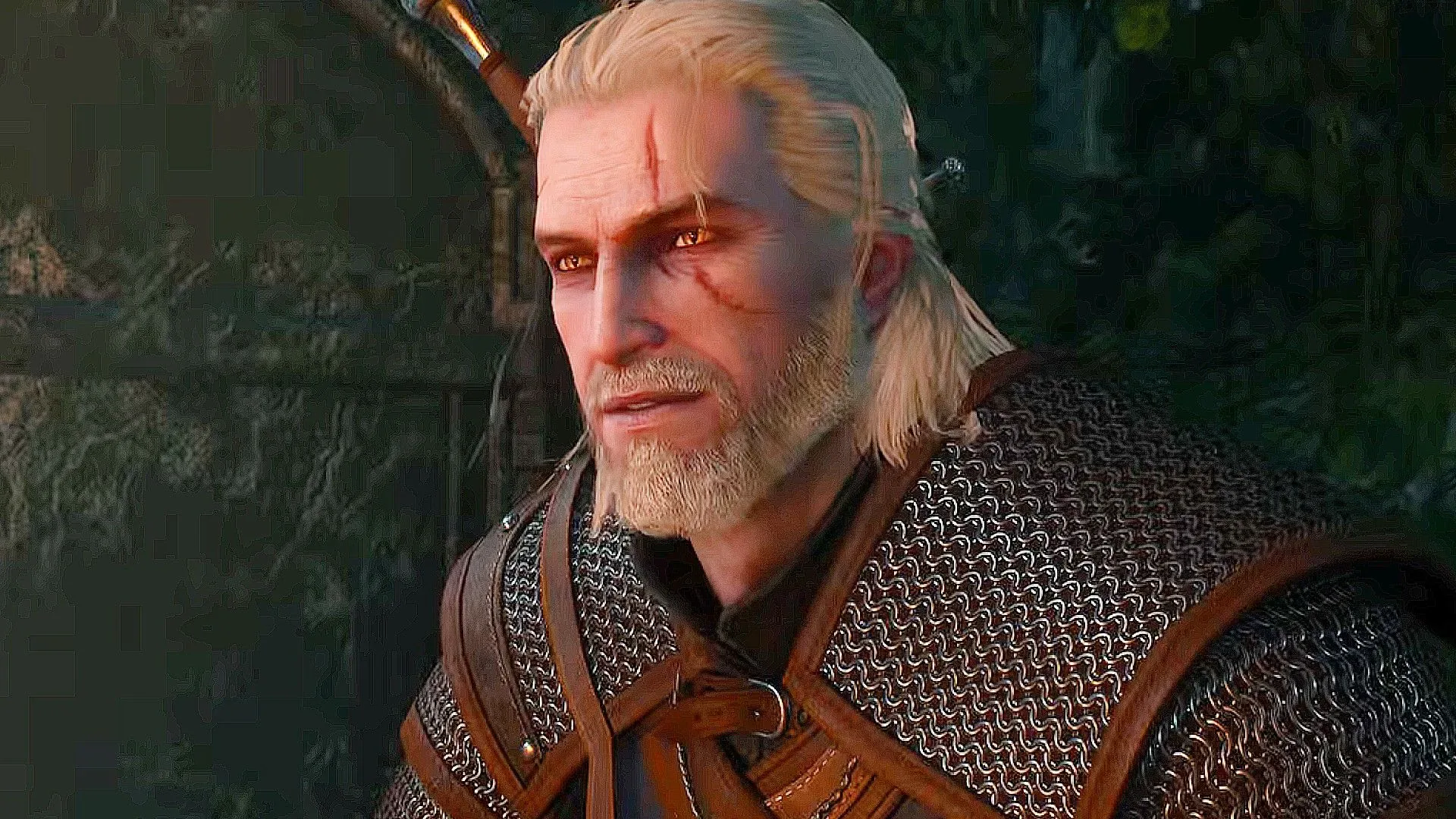
The Witcher 3 has added another Golden Joystick Award to a record that already spanned years before and after its 2015 launch. Its remaster won Best Remake/Remaster at the 2026 ceremony, lifting the game’s direct award tally at the event to 10.
That figure becomes 12 under the broader accounting that also includes CD Projekt Red’s Studio of the Year awards in 2015 and 2016. The distinction is important: studio prizes are awarded to the developer, rather than solely to one game. But with The Witcher 3 and its expansion at the center of the studio’s run in those years, the expanded count underlines just how thoroughly the RPG has been associated with the awards.
The new remaster prize also widens the gap between The Witcher 3 and two newer RPG award standouts, Baldur’s Gate 3 and Clair Obscur: Expedition 33. Each has been credited with seven Golden Joystick wins in a single ceremony when their respective studio honors are included. The Witcher 3’s story is different: it is not a one-night sweep, but an awards record built across anticipation, the original release, post-launch content, and now a remaster.
A decade-plus awards run, step by step
The Witcher 3’s Golden Joystick history began before players could buy it. It won Most Wanted in both 2013 and 2014. That category reflects pre-release enthusiasm rather than a judgment of the finished game, so those early trophies should be understood as evidence of unusually sustained anticipation.
After launch, the game converted that attention into four wins at the 2015 ceremony:
- Best Storytelling
- Best Visual Design
- Best Gaming Moment, for the Bloody Baron quest
- Ultimate Game of the Year
The awards continued in 2016 through Blood and Wine, the game’s expansion. It received Best Storytelling and Best Visual Design, while Doug Cockle won Best Gaming Performance for his work as Geralt.
Add those results together—two Most Wanted awards, four wins for the base game’s launch-year showing, and three connected to Blood and Wine—and the total stands at nine. The 2026 Best Remake/Remaster win is therefore the tenth direct Golden Joystick awarded to The Witcher 3.
That arithmetic matters because awards discussions can easily blur together prizes for games, expansions, performers, studios, and franchises. The cleanest reading is that The Witcher 3 now has 10 directly related Golden Joystick wins across multiple forms of recognition. Counting CD Projekt Red’s two Studio of the Year awards raises the associated total to 12, a method also used by Guinness World Records.
Related coverage includes The Witcher 3 Extends Its Golden Joystick Lead With a 2026 Remaster Win.
What the remaster award actually adds
A remaster is generally a refreshed version of an existing game, rather than a ground-up remake that reinterprets it more radically. The Best Remake/Remaster category therefore judges a different achievement from a Game of the Year prize. It is not simply a repeat of the original game’s 2015 success; it recognizes the contemporary reception of a new presentation of that RPG.
The 2026 award came against a field that included Trails in the Sky 2nd Chapter, Star Fox, Metal Gear Solid: Master Collection Vol. 2, Gothic 1 Remake, and Assassin’s Creed Black Flag Resynced. That makes the victory notable even apart from the historical total. The Witcher 3 was competing in a category full of projects tied to recognizable series and established player expectations.
For the game’s broader legacy, the win shows the difference between longevity and nostalgia. Nostalgia can make an older title memorable, but it does not automatically make a new version of that title competitive in a current awards field. A remaster needs to persuade players that the return has value now. This award indicates that The Witcher 3’s refreshed release did exactly that with Golden Joystick voters.
It also gives CD Projekt Red another example of how a long-lived RPG can remain culturally active without being reduced to its original launch window. The game has now been recognized before release, at release, through expansion content, and through a remaster. Few individual games get an opportunity to appear across all of those stages, much less win at each of them.
Why the comparison with Baldur’s Gate 3 and Clair Obscur matters
Baldur’s Gate 3 set a record in 2023 by earning seven Golden Joystick awards in one night when Larian’s Studio of the Year award is counted. Clair Obscur: Expedition 33 matched that seven-award mark the following year. Those are extraordinary single-show results and demonstrate the force of a game landing at exactly the right moment with players and voters.
The Witcher 3’s advantage is instead cumulative. Its 10 direct wins are distributed over several years, with the additional studio awards making 12 in the wider count. This does not make the newer games’ sweeps less significant; it answers a different question. A one-ceremony record measures concentrated impact. The Witcher 3’s overall total measures durability and the capacity to return to the awards conversation after its original release.
It is also worth avoiding the temptation to treat these totals as a simple quality ranking. Award categories vary by year, nominees differ, and studio honors do not map perfectly onto a single title. What the numbers clearly establish is the scale of The Witcher 3’s Golden Joystick footprint: it remains the leading RPG in this specific cumulative awards comparison, and its remaster has pushed that lead further.
The Bloody Baron, Blood and Wine, and what the awards recognized
The spread of The Witcher 3’s awards helps explain why the record has endured. Its recognition was not limited to one broad, catch-all prize. Best Storytelling and Best Visual Design point to two different aspects of the game: narrative construction on one hand, and its visual presentation on the other. Best Gaming Moment singled out the Bloody Baron quest, identifying a particular piece of the RPG rather than merely rewarding its overall reputation.
Then Blood and Wine repeated the storytelling and visual-design wins. That is meaningful because expansions can sometimes be treated as a footnote to a base game. Here, the expansion earned its own category recognition, and Cockle’s performance award put an individual creative contribution alongside awards for the game’s writing and aesthetic work.
In practical terms for players revisiting the game through the remaster, this history suggests where its reputation is concentrated. The awards repeatedly point toward story, art direction or visual design, a standout quest, a substantial expansion, and Geralt’s performance. They do not guarantee that every element will suit every player’s preferences, but they provide a useful map of the areas that have most consistently resonated in this awards history.
Could the total rise again?
The record may not be finished. Songs of the Past, a new expansion for The Witcher 3, is set to launch next year. Its arrival creates a possible future route back into awards consideration, although no award outcome can be assumed from the existing record alone.
Expansions are especially relevant to this conversation because Blood and Wine already proved that Witcher 3 add-on content can earn recognition in its own right. Whether Songs of the Past repeats that achievement will depend on its eventual reception and the categories available in its release year—not on the base game’s past trophies.
There is also an ongoing production detail around the expansion: Songs of the Past is using an AI-retouched Polish Geralt voice with Jacek Rozenek’s consent. That is separate from the awards news, but it illustrates why a future expansion will likely prompt discussion on its own terms rather than simply functioning as another nostalgia-driven return.
For now, the firm result is simpler. The Witcher 3 remaster has won Best Remake/Remaster, moving the game to 10 direct Golden Joystick Awards. With CD Projekt Red’s 2015 and 2016 Studio of the Year victories included, the associated number is 12. Either way of counting it preserves the central point: the RPG’s lead has grown once more.