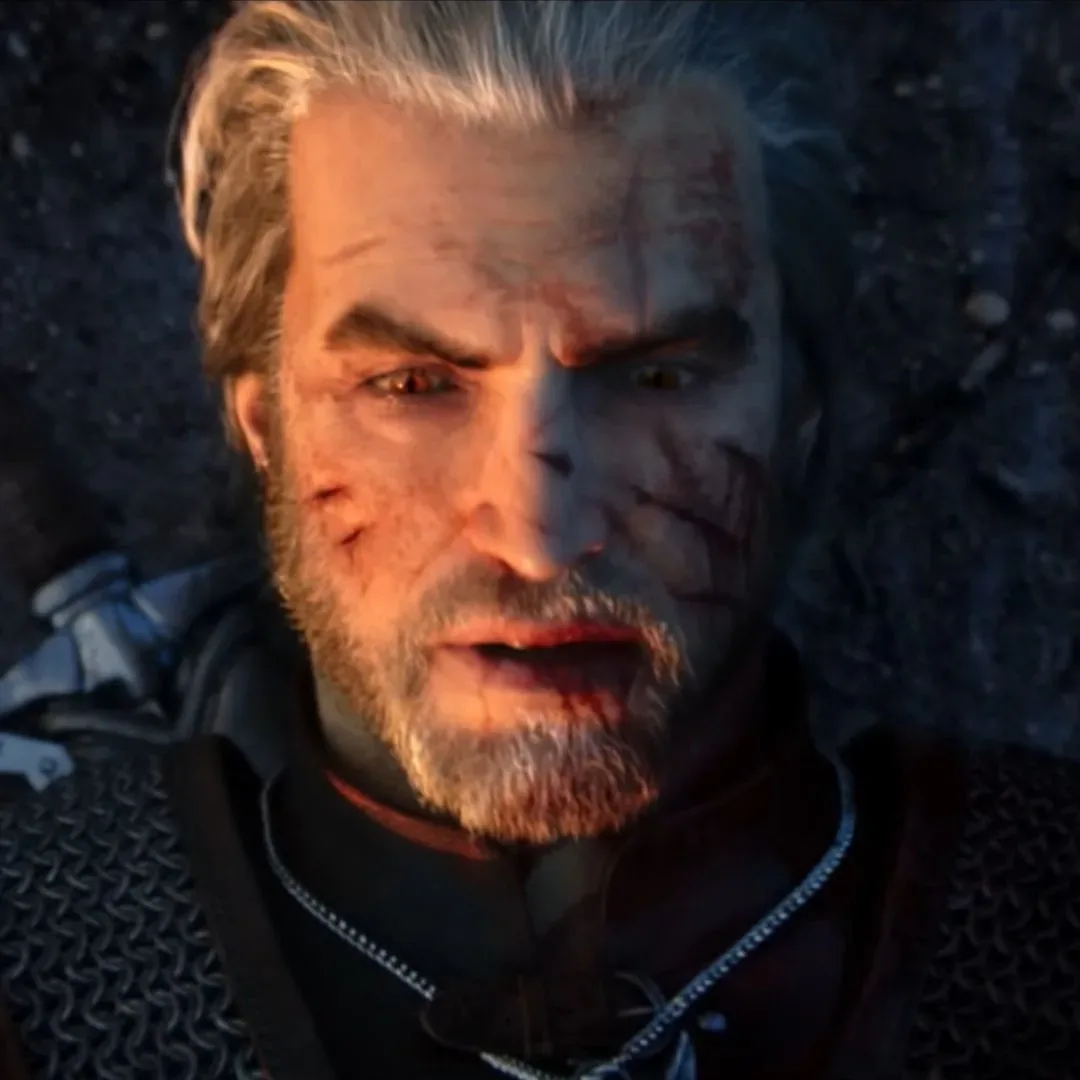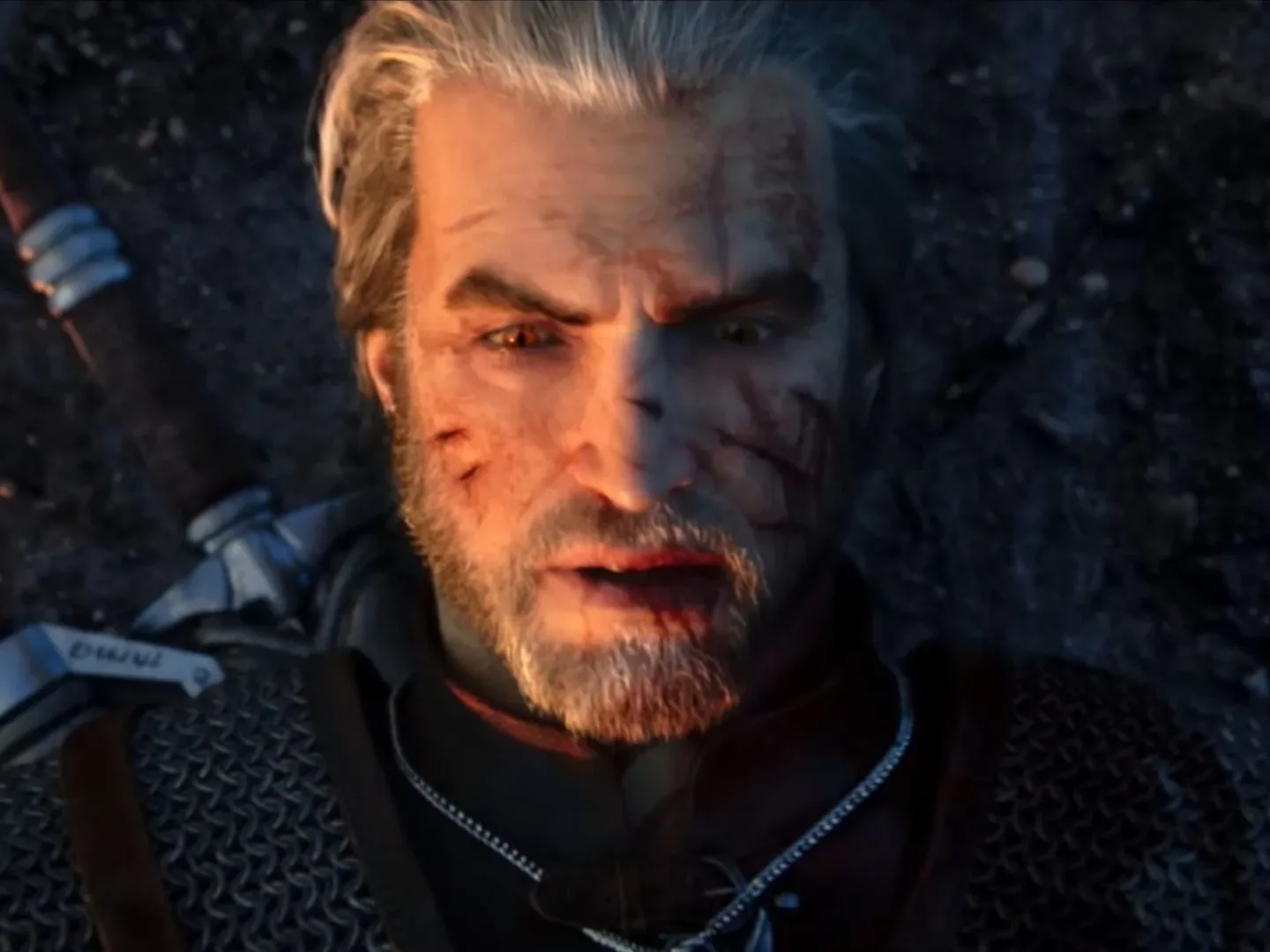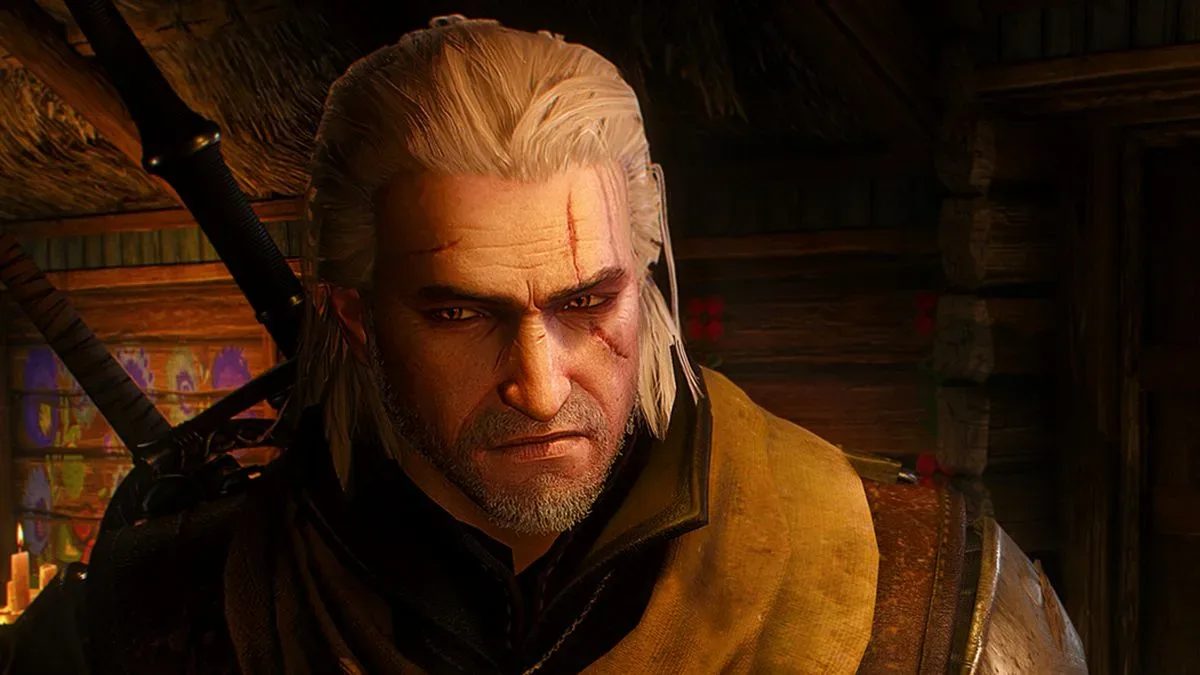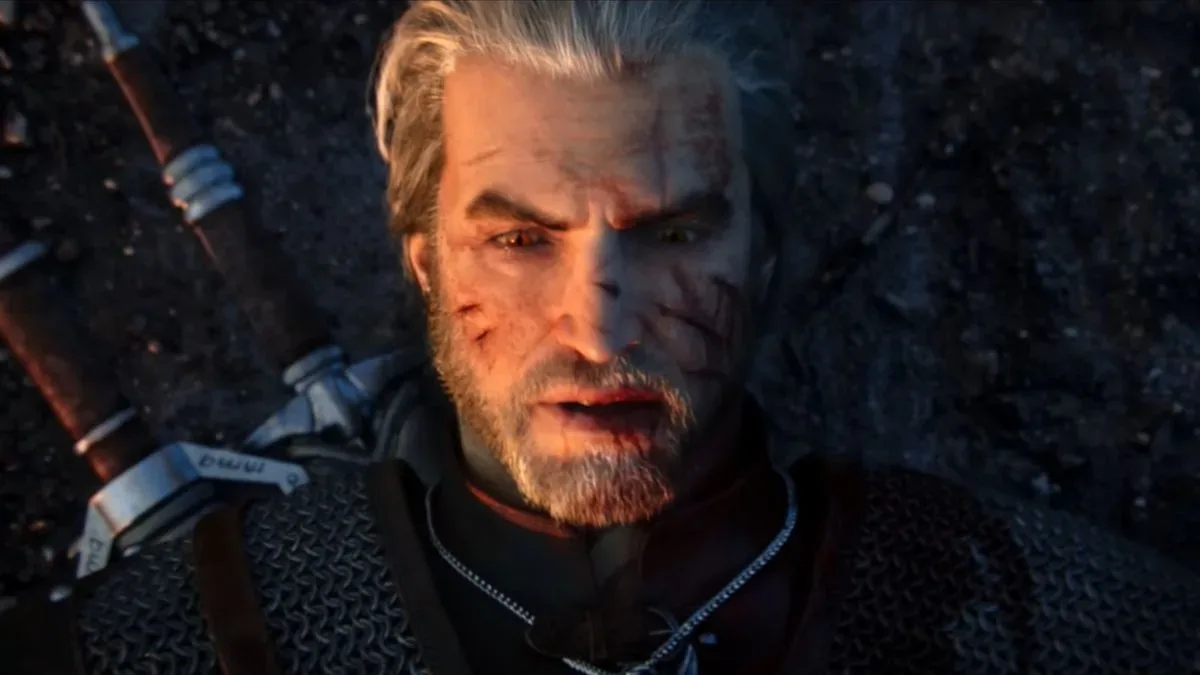
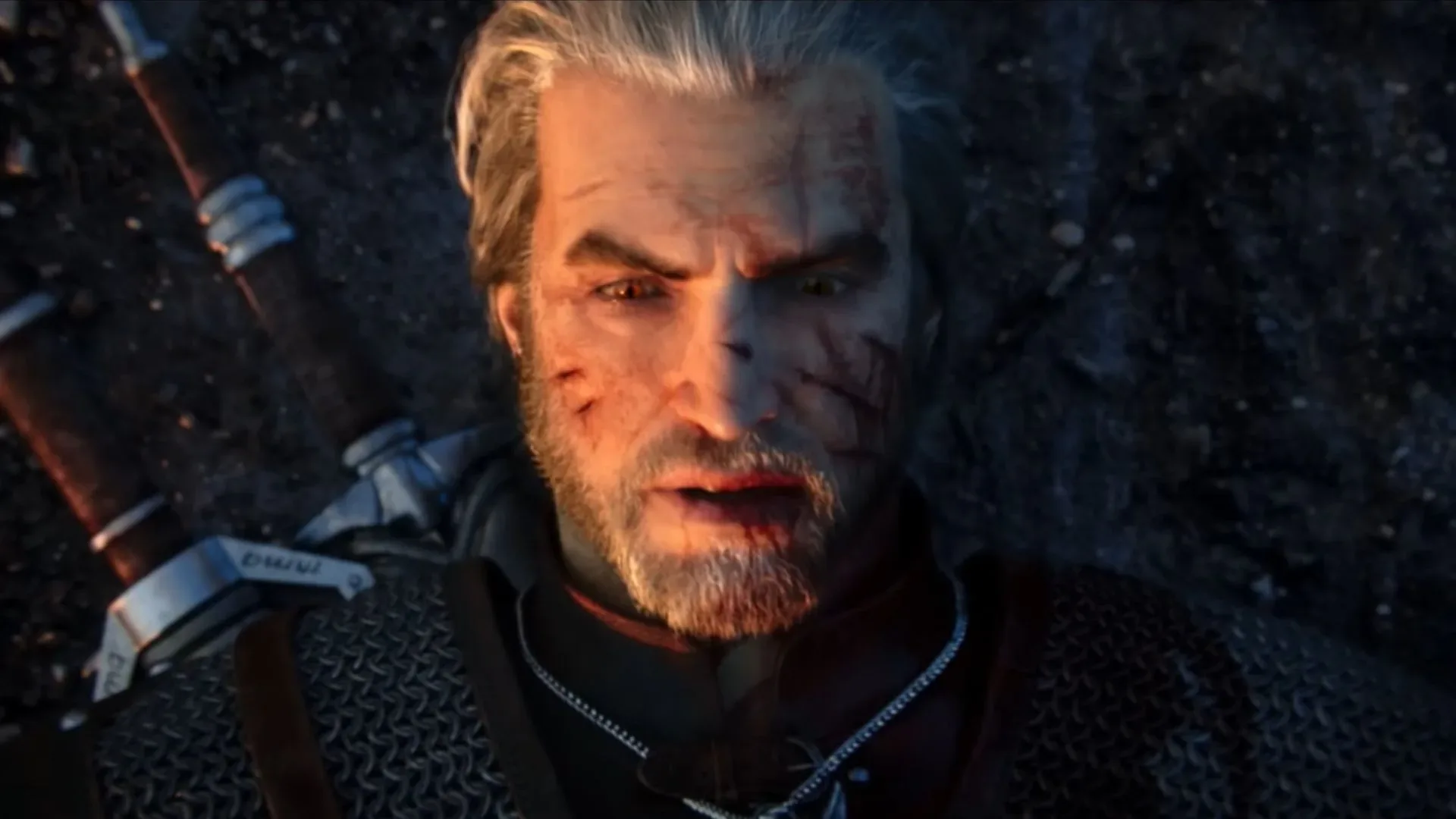
CD Projekt Red has used AI-assisted voice retouching for the Polish-language Geralt in The Witcher 3: Songs of the Past, working with Ukrainian voice technology company Respeecher and, crucially, with the approval of longtime Polish Geralt actor Jacek Rozenek.
The reported purpose was not to replace Rozenek with a newly generated performance. Rather, the work was intended to help his newly recorded dialogue sit naturally beside material recorded for the original The Witcher 3 roughly 12 years earlier. Rozenek suffered a stroke in 2019 and, following his recovery, his speaking voice had changed enough that fresh recordings sounded markedly different next to the original Polish dialogue.
That distinction matters in a debate where “AI voice” can describe many very different practices. This case involves an established actor recording new material, then authorizing a technical process intended to bring the tone of that material closer to his earlier performance. It is still a use of AI in game voice production, and the wider concerns around that technology remain real. But the circumstances described here are narrower than a studio training on a performer’s voice without permission or substituting a synthetic voice for an actor who could otherwise be hired.
Why the Polish recordings were retouched
Localization producer Mikołaj Szwed said the team wanted Rozenek to return as Geralt, but the unaltered new recordings conflicted with the older dialogue. He characterized the new base recordings as lower and rougher than Geralt’s original Polish voice.
For a returning character in a large RPG, continuity is more than a cosmetic concern. Players may hear old and new dialogue in close proximity, making differences in pitch, texture, cadence and apparent age especially noticeable. A voice can remain recognizably the same person while still no longer matching the sound audiences associate with a character.
Respeecher synthetic speech artist Dmytry Vasylets described the assignment in simple terms: make the voice feel alive, rich and young in a way that resembles the original game. Rozenek also said the intention was to get as close as possible to how he sounded 12 years ago, adding that he trusted the game’s creators.
The studio supplied Respeecher with the lines Rozenek had originally recorded for The Witcher 3 to help train the voice model. Reported comparisons between the untreated and retouched recordings described a substantial difference, with the processed result sounding smoother and younger.
What “AI-retouched” means in this context
Voice cloning is a broad term, but it generally refers to systems trained on recordings of a speaker so they can reproduce aspects of that speaker’s vocal identity. In this instance, the stated goal was vocal matching: use recordings from the original Polish Geralt performance as reference material, then reshape new actor-recorded dialogue to better match that earlier sound.
Related coverage includes The Witcher 3: Songs of the Past Uses AI-Retouched Polish Geralt Voice With Jacek Rozenek's Consent.
That is separate from the artistic question of who is performing Geralt. The available details point to Rozenek remaining central to the process: he provided the new recordings and approved use of his voice for the model. The technology was applied to the delivery after recording so it could bridge a real, health-related change in his voice.
There is also a language-specific element. Doug Cockle, Geralt’s English-language actor, reportedly did not require retouching for Songs of the Past. That makes this a Polish localization issue tied to the circumstances of one performer, not an indication that every version of Geralt has been altered.
Consent is the key safeguard — but not the only question
Respeecher states that it requires explicit permission for voice replications through a signed agreement intended to ensure understanding and consent. Szwed likewise said CD Projekt Red’s contracts require consent for AI-related work and described Rozenek’s situation as a special case.
Consent is the clearest dividing line in the reported process. It gives the performer agency over whether their voice can be used as training material and over the purpose of the resulting model. In this case, that purpose was also closely connected to the actor’s own continued role rather than an effort to dispense with it.
Still, consent alone does not settle every industry question. Agreements need to establish what material can be used, who can access it, whether the model can be reused, and whether future uses require further approval. They also need to account for compensation and for a performer’s ability to understand the practical consequences of a voice replica. Those details have not been provided here, so it would be wrong to assume terms beyond the stated permission requirement.
The production context matters, too. Respeecher promotes voice technology for games partly on its ability to create voices at scale without expensive additional recording sessions. That promise is exactly why many performers and developers view generative voice systems warily: a tool framed as efficient can be used to reduce opportunities for human performers. The Rozenek work is being presented as an exception driven by a specific health circumstance, not as a general replacement strategy.
A sensitive use case inside a contentious technology debate
Generative AI remains one of the game industry’s most disputed subjects. Objections are often moral, creative and legal at the same time. Performers can worry about being imitated without meaningful permission. Developers may question whether outputs built from models serve a game’s artistic needs. Both groups face uncertainty about ownership, reuse and the terms of contracts written before this technology became commonplace.
Recent scrutiny of AI voices in games has shown why broad assurances are unlikely to satisfy everyone. In another high-profile situation, criticism followed the use of AI voices for a game’s numerous spoken callouts and pings; some characters were later re-recorded with human actors. The episode underlined that production scale and convenience are not neutral justifications when work normally associated with performers is at stake.
CD Projekt Red’s stated reasoning is notably different: retain the original Polish actor, with his permission, and address an audible mismatch caused by recovery from a stroke. Szwed, who works with voice actors across regions, acknowledged the wider concern while arguing that this was an ethical use because of consent and the particular circumstances.
That is a defensible framework for discussing this individual case, but it should not be mistaken for a blanket verdict on AI voice work. The details that make it more compelling are unusually specific: the original actor’s involvement, a known health-related reason for the mismatch, a defined continuity goal, and stated approval for the use of his voice.
What it means for players of Songs of the Past
For players using the Polish localization, the intended benefit is consistency. Geralt’s newly recorded lines should better blend with the version of the character heard throughout the original game, rather than abruptly revealing the difference between recordings separated by more than a decade.
For players in other languages, the immediate practical impact may be limited. The English Geralt recordings did not need this treatment. But the story is still relevant because localization is often where technical, artistic and labor questions become most visible. A single global game can contain many performances across languages, each with different recording histories, contracts and practical challenges.
Songs of the Past also reportedly changes depending on whether players have completed the RPG’s second expansion, though completion is not said to be mandatory. That suggests the new material has to coexist not just with the original release, but with multiple possible player histories — raising the value of a Polish Geralt who sounds coherent across older and newer dialogue.
The wider industry will likely keep watching the policy rather than merely the polish of the final audio. Voice technology can preserve continuity in rare situations, but trust depends on clear consent, a limited purpose and respect for the actor whose voice gives a character life. This case offers a relatively concrete example of those principles being invoked, while also illustrating why every future deployment deserves to be examined on its own facts.
For more on the human side of game development and the pressures facing RPG talent, read our coverage of Alix Wilton Regan’s tribute to BioWare and its developers.