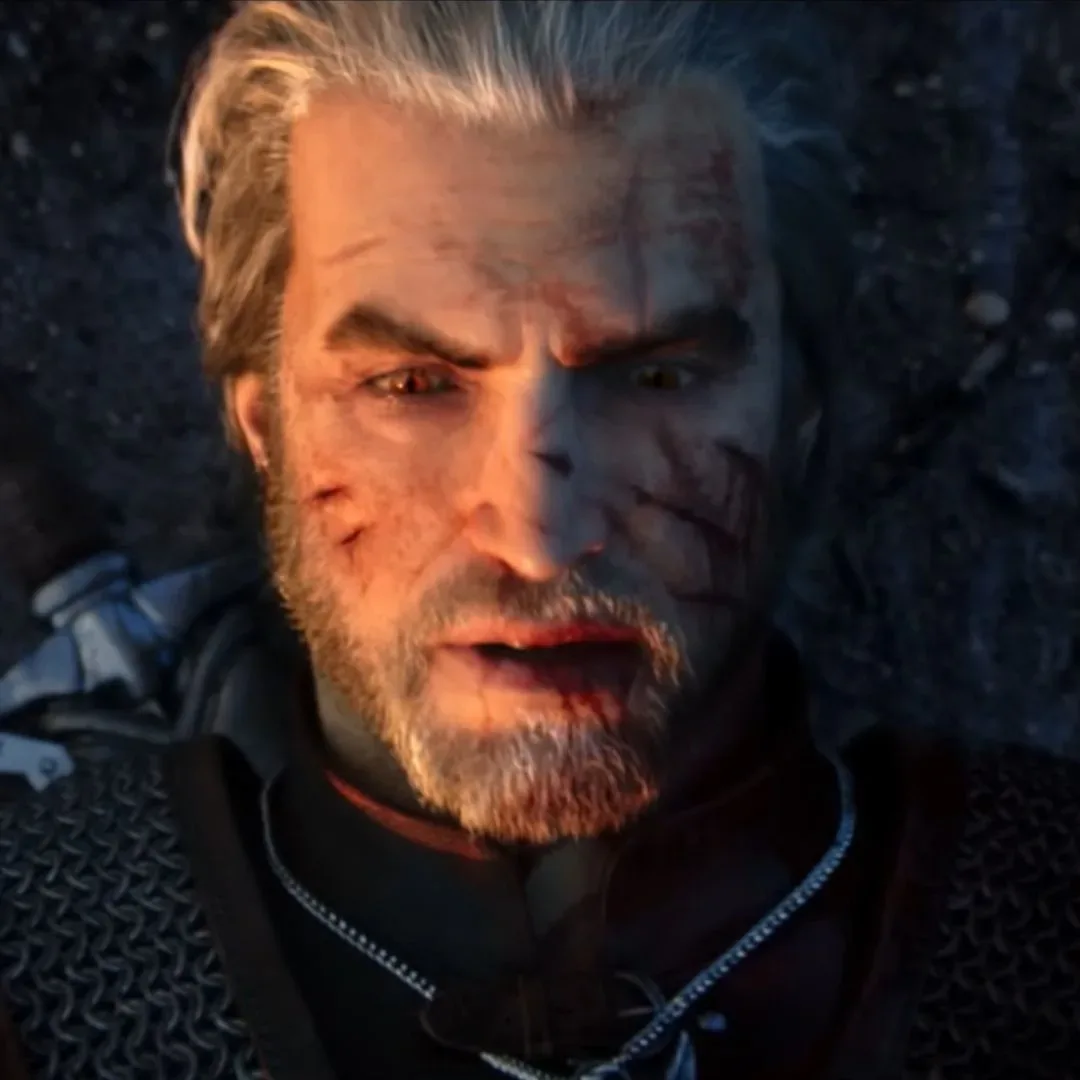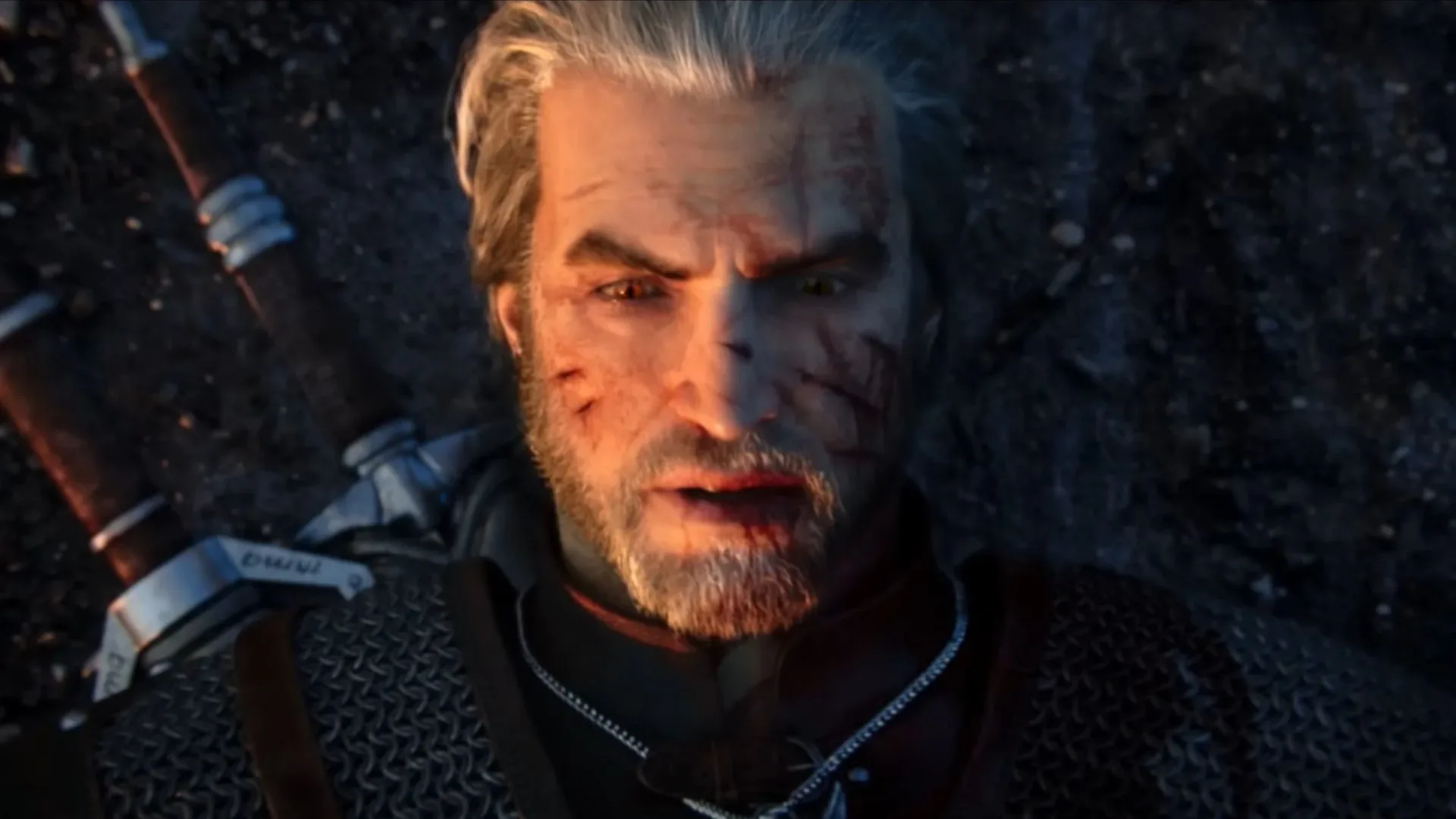
Karolina Stachyra has returned to CD Projekt Red, bringing back a writer whose credits include work on The Witcher 3: Wild Hunt’s main storyline and two of its most remembered quests: Bloody Baron and Dead Man’s Party.
Her public professional profile lists a new freelance-consultant stint beginning in February 2026, followed by an expert writer role in August. The listing does not identify the project or projects she is assigned to, so it would be premature to treat the hire as confirmation that she is writing for The Witcher 4. Still, the timing naturally makes the return notable for fans watching CD Projekt Red’s next RPG slate.
A return with meaningful Witcher history
Stachyra previously worked at CD Projekt Red from 2012 to 2016 as a senior writer on The Witcher 3. Her listed work includes helping shape the game’s main narrative, as well as quest design. Those categories overlap, but they are not identical: the main storyline is the broad narrative spine that carries a player through the game, while individual quests are self-contained dramatic units that can supply their own characters, choices, stakes and consequences.
That distinction helps explain why Stachyra’s history has attracted attention. An open-world RPG can have enormous amounts of dialogue and still feel scattered if its quests lack a clear emotional or thematic purpose. Strong quest writing needs to make a local problem feel specific, connect it to the world’s larger tensions, and give the player enough information to make a decision without reducing every dilemma to a plainly labelled good-or-evil switch.
Bloody Baron is the obvious reference point because it remains one of the most widely discussed storylines in The Witcher 3. The quest line begins with a search for information but grows into a family tragedy involving violence, loss and supernatural consequences. It is remembered not merely for being grim, but for the way it asks players to navigate a situation in which knowledge arrives gradually and no response can cleanly undo the damage already done.
That structure is a useful example of why narrative-focused hiring matters in a role-playing game. The player is not simply sent to defeat an enemy, collect an object and return for a reward. Instead, the quest changes as new context appears. Characters who initially fit one impression become more complicated; a practical goal becomes tied to personal responsibility; and choices carry weight because they are made in conditions of uncertainty.
Dead Man’s Party points to a different kind of quest craft
Stachyra also worked on expansion content, including Dead Man’s Party. Its inclusion is significant because it demonstrates another part of the writing challenge in a game as tonally varied as The Witcher. Dark fantasy does not have to remain at one emotional volume. A memorable RPG can move between horror, humour, tenderness, absurdity and violence while still feeling like one coherent world.
That tonal control is particularly valuable in quest design. Humour can give players and characters room to breathe after heavier material, but it has to arise from personality and circumstance rather than interrupting the setting for a joke. Conversely, a grim plot only lands when the game has created people and relationships worth caring about. The quests associated with Stachyra’s time at the studio suggest experience in working across that range.
Related coverage includes The Witcher 3 Quest Writer Karolina Stachyra Returns to CD Projekt Red.
There is also an important practical difference between a writer contributing dialogue and one involved in quest design. Quest design concerns the delivery mechanism for narrative: what the player does, in what order they learn information, who reacts to their actions, and how a scenario resolves. A beautifully written conversation can be undermined if it comes at the wrong moment, if the player has already learned something the character is explaining, or if gameplay makes the supposed dilemma feel irrelevant. The most effective RPG quests align those elements rather than treating writing as text pasted onto missions after the fact.
What the expert writer title does—and does not—tell us
The available information is limited. Stachyra’s profile identifies her current position as expert writer, but it does not name a game, a team or a specific narrative responsibility. It also does not establish whether the role is full-time, what its duration may be, or whether she is attached to one project rather than several.
That uncertainty matters. CD Projekt Red has publicly known projects including The Witcher 4 and Cyberpunk 2, while other future titles remain less clearly defined. A returning writer with deep Witcher experience may appear to be an intuitive fit for the next Witcher game, but an intuitive fit is not evidence of an assignment. Until the studio or Stachyra identifies the work, the responsible reading is simply that an experienced RPG writer is again working with CD Projekt Red.
Speculation can be fun, especially for a studio whose games are built around secrets, branching outcomes and player theories. But there is a meaningful line between reading a signal and declaring a confirmation. This is a personnel development, not a plot reveal, release-window update or promise that a particular quest line will return.
Why fans will still see this as encouraging
The excitement around the news is easy to understand. The Witcher 3 has become a frequent benchmark in conversations about narrative RPGs, especially when the topic is how optional content can rival a game’s central campaign in complexity and impact. A writer associated with some of that work returning to the company suggests continuity of experience at a time when the studio is building future games.
Continuity is not the same as repetition. Players should not expect a new game to recreate Bloody Baron beat for beat, and a sequel would be weaker if it merely chased past acclaim through familiar shapes. The useful lesson is broader: quests resonate when writers and designers build situations around believable motivations, develop consequences instead of simply displaying them, and trust players to sit with ambiguity.
For The Witcher, ambiguity is especially central. The series’ fantasy world is not built around spotless heroism. Contracts, politics, monsters and family disputes routinely place Geralt amid competing interests. The drama comes from investigating the reality behind an apparent problem and deciding what responsibility looks like once that reality is known. Writers familiar with that mode of storytelling can help preserve the series’ voice even as its characters and locations change.
It is also worth stressing that major games are collaborative. A returning writer is one part of a much larger development process involving narrative colleagues, quest designers, cinematic teams, gameplay designers, artists, programmers, audio staff, quality assurance and more. No individual credit can account for all the strengths of a beloved quest, just as no single hire can guarantee the quality of an unreleased game. But specialized experience remains meaningful, particularly when it is experience with the specific balance of player choice, world-building and character drama that a studio’s RPGs require.
CD Projekt Red is continuing to add RPG experience
Stachyra’s return follows other reported additions to CD Projekt Red’s broader talent pool. In May, senior Kingdom Come: Deliverance designer and writer Zdeněk Glatz joined the studio. The company has also added developers with backgrounds at Warhorse Studios, a former Baldur’s Gate 3 developer, and a former Mass Effect lead among more than 220 new developers mentioned in the available information.
Those resumes should not be read as a promise that CD Projekt Red’s forthcoming games will resemble any one prior series. Different studios have different tools, production methods and creative priorities. What they do indicate is an effort to bring together people who have worked on large-scale RPG problems: character-driven storytelling, reactive quests, team coordination and worlds meant to support many hours of player discovery.
For audiences, the immediate takeaway is narrower and more useful than forecasting an entire game from one role change. Stachyra is back at the studio after roughly a decade away, and her past Witcher work makes that a noteworthy development. Her exact project remains unknown. The next substantive update will need to come from official project information rather than assumptions drawn from a job title.
Until then, the news is a reason to revisit what makes an RPG quest stay with players long after its rewards have been spent: carefully paced revelations, characters who resist easy judgment, and choices that feel consequential because the writing has made their human cost clear. For more on the wider industry side of creative talent and studio culture, see our look at a very different kind of game-development workplace story.