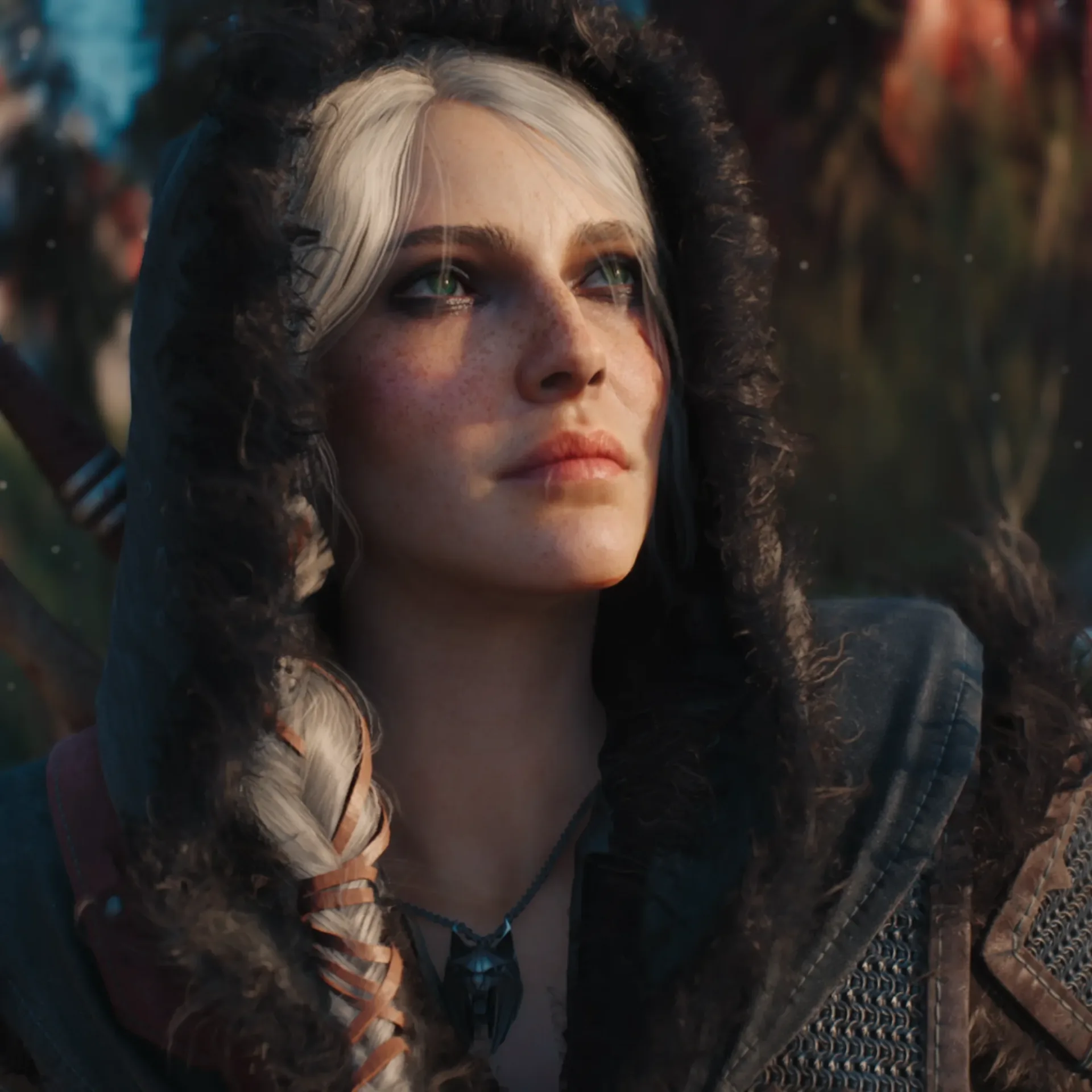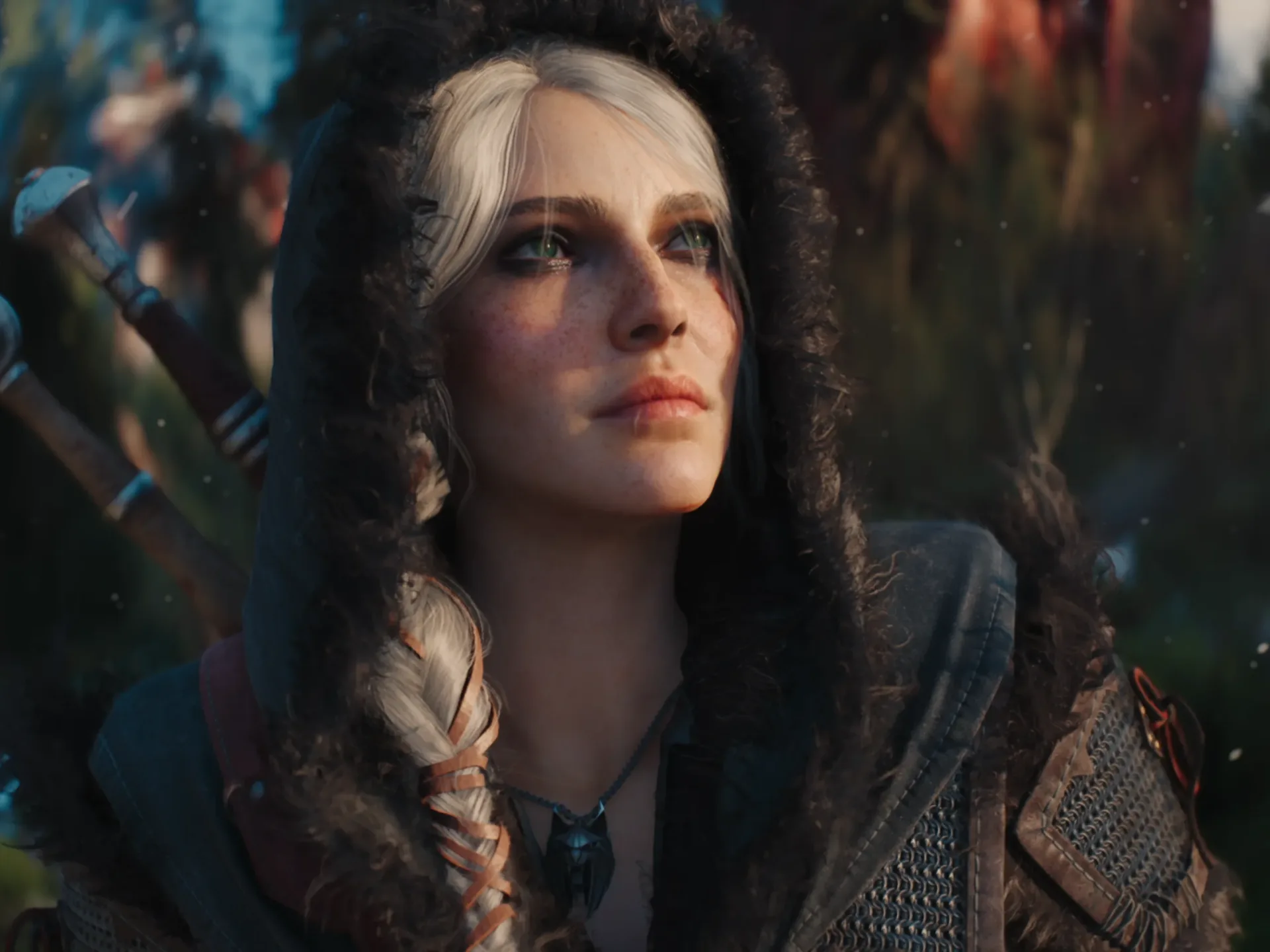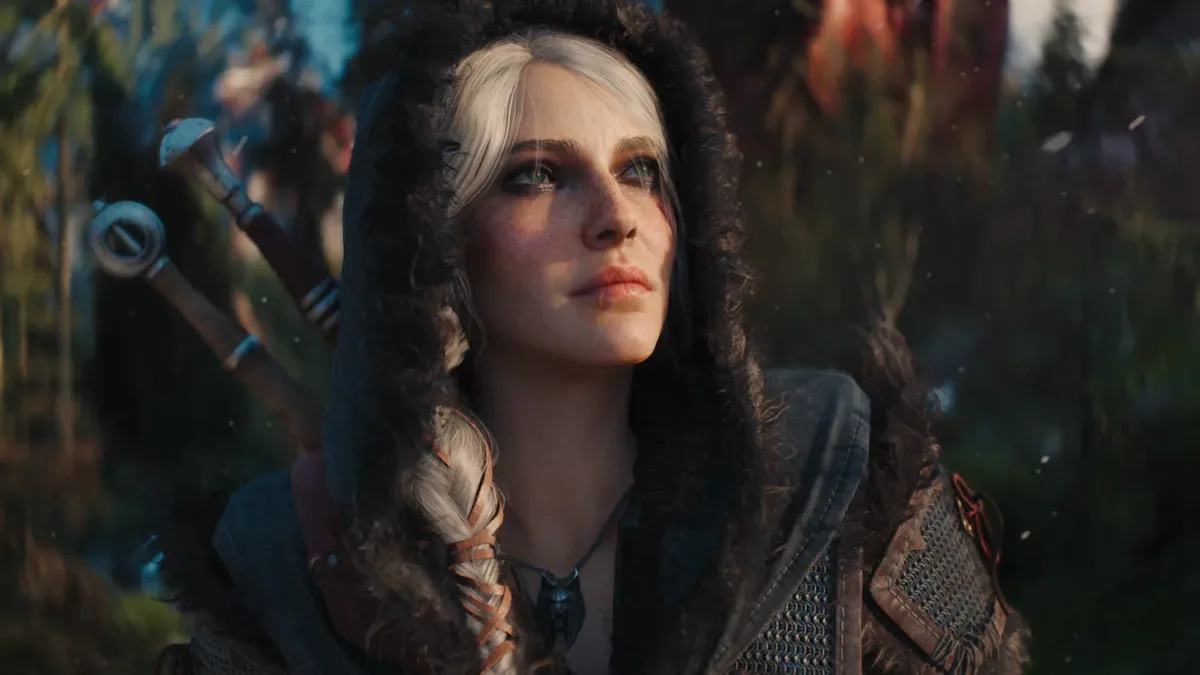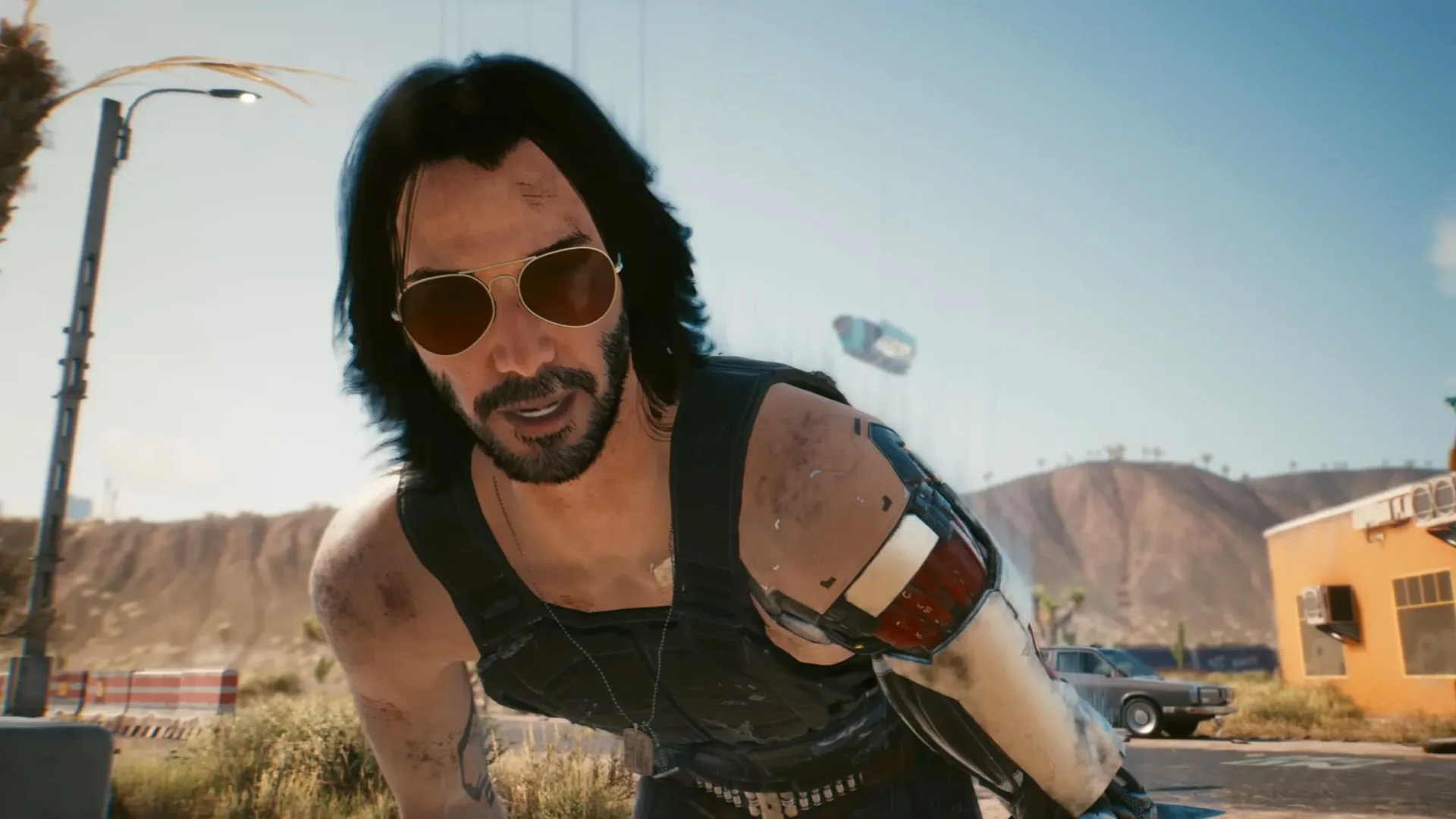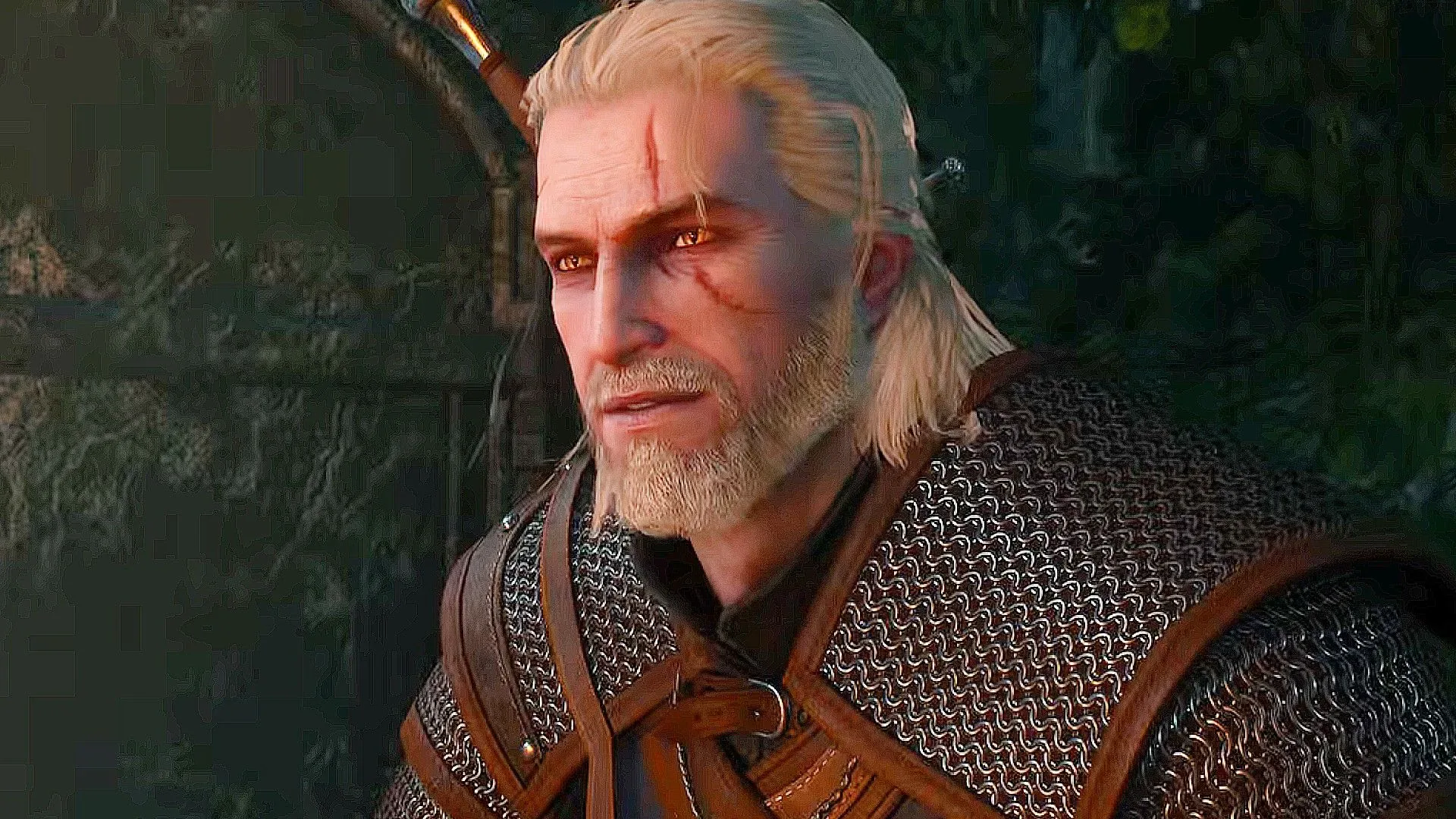
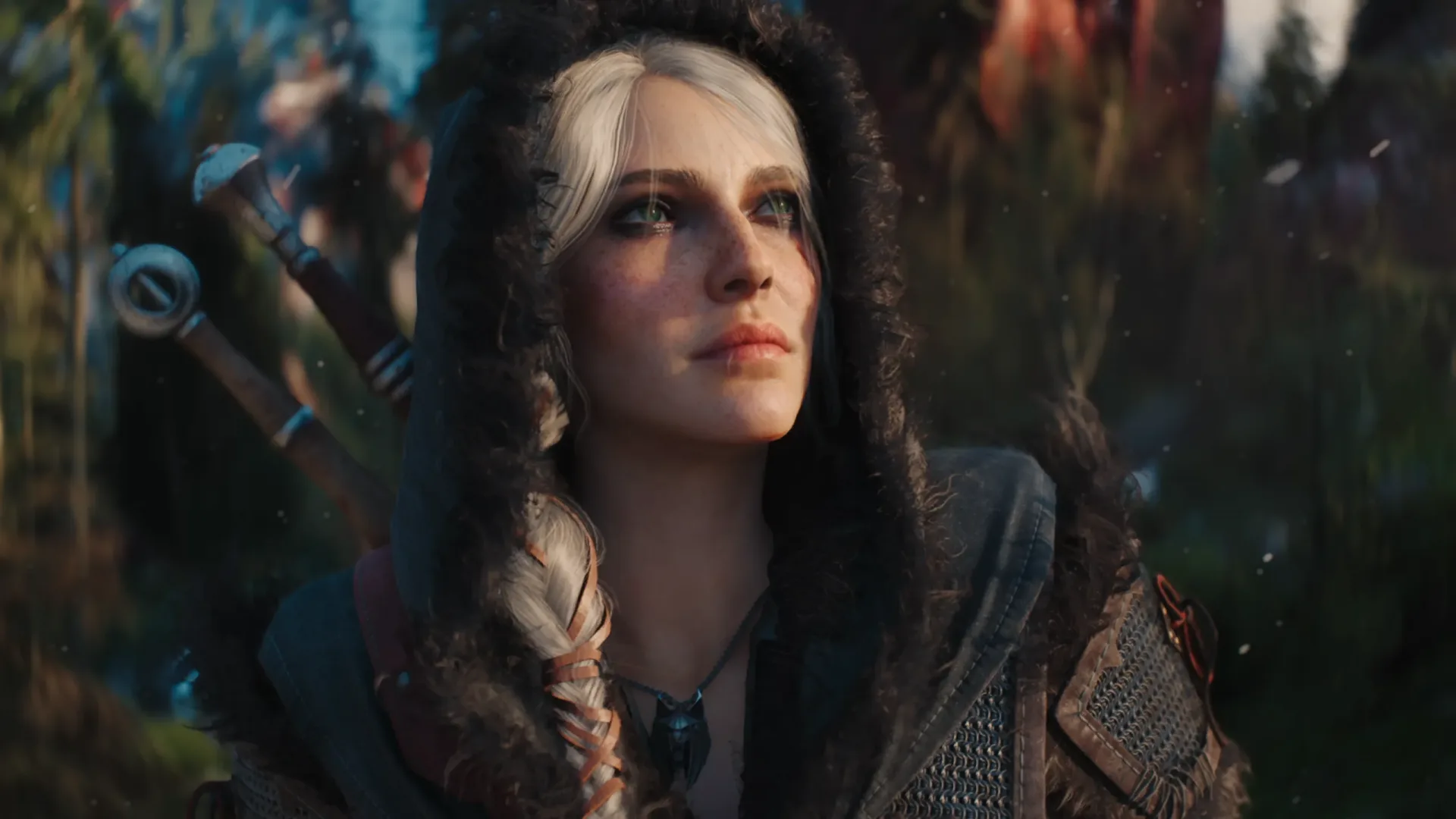
The Witcher 4 has won the Golden Joystick Award for Most Wanted Game, placing CD Projekt Red’s next role-playing game at the center of an already formidable set of expectations. Production director Małgorzata Mitręga accepted the award with a message that was appreciative, candid and notably grounded: the team sees the win not simply as validation, but as a commitment it now has to meet.
The award put The Witcher 4 ahead of Fable and Resident Evil Veronica in the category. It came near the end of the 2026 ceremony, before Resident Evil Requiem was named the night’s overall big winner. For CD Projekt Red, though, the key takeaway is less about a trophy than what a Most Wanted Game award communicates. It is a public measure of anticipation for a project that has yet to be delivered, and one that follows a hugely admired RPG legacy.
“This is a huge, huge honor for us, but it’s also a great responsibility. We all know it,” Mitręga said. “We are working hard, giving heart and soul there, all the skills we have, passion we have, and moments like that are such a fucking boost for us, for the stamina, to [keep] it going, to deliver [for] you when the time is right.”
Why “Most Wanted” is praise with pressure attached
Most Wanted Game is an anticipation award. That distinction matters. It recognizes the strength of player interest and confidence before the final game is available for people to judge in full. It does not tell audiences how The Witcher 4 will play, what its release timing will be, or whether it will satisfy every expectation attached to the series. Instead, it establishes a highly visible baseline: people are waiting for it, and they expect a great deal.
That creates a different kind of burden than a post-release award. A completed game can be evaluated on its actual quests, performance, systems, writing and technical state. An anticipated game is judged in the space between a studio’s reputation and the audience’s imagination. The stronger the previous reputation, the more expansive that imagined version can become.
Mitręga’s use of “responsibility” acknowledges that dynamic without promising specifics that have not been announced. It is also a sensible description of sequel development. A sequel has to feel connected enough to honor what its audience values, while still providing a reason to exist as a new game rather than a repeat of familiar ideas. The balance is especially delicate for a series associated with one of the generation’s most acclaimed RPGs.
Analysis: awards like this can be valuable internally because they signal that a team’s work has meaning to an audience. Mitręga directly described the recognition as a boost to the team’s stamina. Yet the same attention raises the stakes around communication, creative choices and the eventual launch. The practical challenge is to treat enthusiasm as encouragement rather than a mandate to make promises before the work is ready.
A sequel’s expectations are broader than a single feature list
Role-playing games, or RPGs, are games where players generally inhabit a character within a broader world and make progress through narrative, exploration, combat, character development or choices. Within a major RPG series, fans rarely evaluate just one element in isolation. They may care about the setting, characters, story tone, voice performances and the sense that choices or adventures carry weight. That is why following an acclaimed entry is a studio-wide challenge, not merely a matter of adding new content.
Related coverage includes The Witcher 4 Wins Golden Joystick Most Wanted Game as CD Projekt Red Acknowledges the Pressure Ahead.
The available information does not lay out The Witcher 4’s design, platforms, release window or feature set. That absence is important. The Golden Joystick result indicates demand, not a detailed roadmap. Anyone looking for definitive answers about the game’s structure or mechanics will need to wait for CD Projekt Red to provide them.
There is a useful distinction here between anticipation and expectation. Anticipation is the excitement of waiting to see a game. Expectation is the standard against which it will later be judged. The former helped The Witcher 4 win this category; the latter is what Mitręga was addressing. The team’s task is not merely to preserve interest until launch, but to eventually turn that interest into confidence in a finished game.
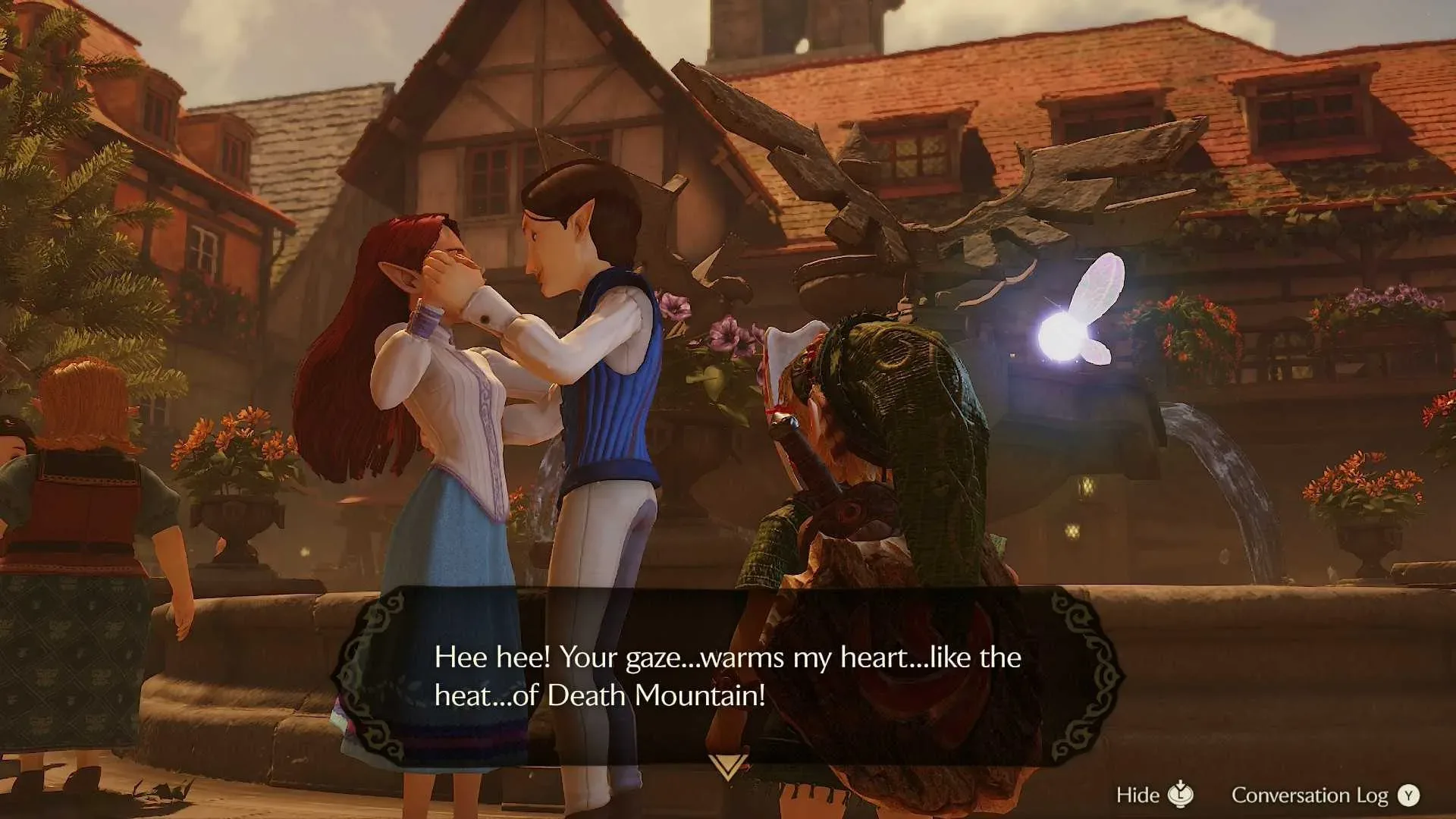
Legacy-driven anticipation remains a major force across gaming, whether the conversation concerns a new entry in a role-playing series or continued fascination with older classics. For a different example of how players keep examining beloved game worlds long after release, see this look at an Ocarina of Time relationship mystery. That kind of lasting scrutiny helps explain why established franchises inspire enthusiasm, but also why creators receive close attention.
The studio’s responsibilities extend beyond The Witcher 4
CD Projekt Red’s workload is not limited to the new Witcher game. The studio is also preparing Songs of the Past, DLC planned for 2027. DLC, short for downloadable content, is additional material made for an existing game after its original release. The source information characterizes this expansion as another situation in which the company must extend a celebrated RPG in a way that feels meaningful and respectful.
That is an important parallel to the pressures around The Witcher 4. A new sequel and a new expansion face different creative problems, but each must navigate an existing relationship with players. An expansion has to add something worthwhile without undermining what audiences value about the base game. A sequel has more freedom to develop a new direction, but it faces an even bigger question of identity: what should remain familiar, and what needs to change?
One specific detail surrounding Songs of the Past shows how creative ambition can intersect with questions of performer consent and technology. CD Projekt Red confirmed that it worked with an AI company to touch up Geralt’s Polish voice after voice actor Jacek Rozenek’s voice changed following a stroke in 2019. The work was done only after the studio received Rozenek’s approval.
What “touch up” means in this context
The information provided describes AI being used to touch up a performance, rather than presenting a broad claim that a voice was created without the actor’s involvement. The distinction is significant. In voice work, AI-assisted alteration can refer to processing or modifying audio to help it better match an established character sound. It is separate from an allegation that technology has replaced an actor outright, and the supplied details do not support making such a claim.
The stated approval from Rozenek is equally central. Consent is not a minor footnote when a performer’s recognizable voice is involved; it is the condition that makes this particular use different from an unauthorized imitation. The case also illustrates why discussions of AI in games require precision. “AI” is an umbrella term, and a report about approved voice touch-ups should not be expanded into claims about how every aspect of a game is made.
Practical implication for players: the Songs of the Past example gives audiences one concrete indication of the studio’s stated approach to continuity and performer involvement. It does not reveal how the DLC will be structured, how extensive the changes are, or what other production methods will be used. Keeping those limits clear is better than turning a narrow confirmed detail into a sweeping verdict on the project.
A growing RPG operation, with no substitute for delivery
CD Projekt Red is also associated with work on Cyberpunk 2, alongside The Witcher 4. The company has added three former leads from Kingdom Come: Deliverance to its wider RPG mix. That staffing note reinforces the scale of the studio’s ambitions, though it does not establish which individuals are working on which project or what their additions will mean for specific game systems.
It is tempting to read team-building news as a shortcut to predictions about a future game. It is not. Experienced developers can bring useful perspectives, but staffing alone cannot tell players what the finished game will look like. The same restraint applies to the Most Wanted Game award. It confirms exceptional public interest, not the ultimate quality of a product that remains in development.
Still, Mitręga’s remarks provide a straightforward lens for the moment. The Witcher 4 has received a major vote of confidence before release. Its developers are aware that this enthusiasm increases their responsibility. And the studio is navigating that responsibility while also handling a 2027 DLC project involving a carefully framed, approved use of AI voice technology. The trophy is a milestone; the harder work, as Mitręga made clear, is delivering when the time is right.