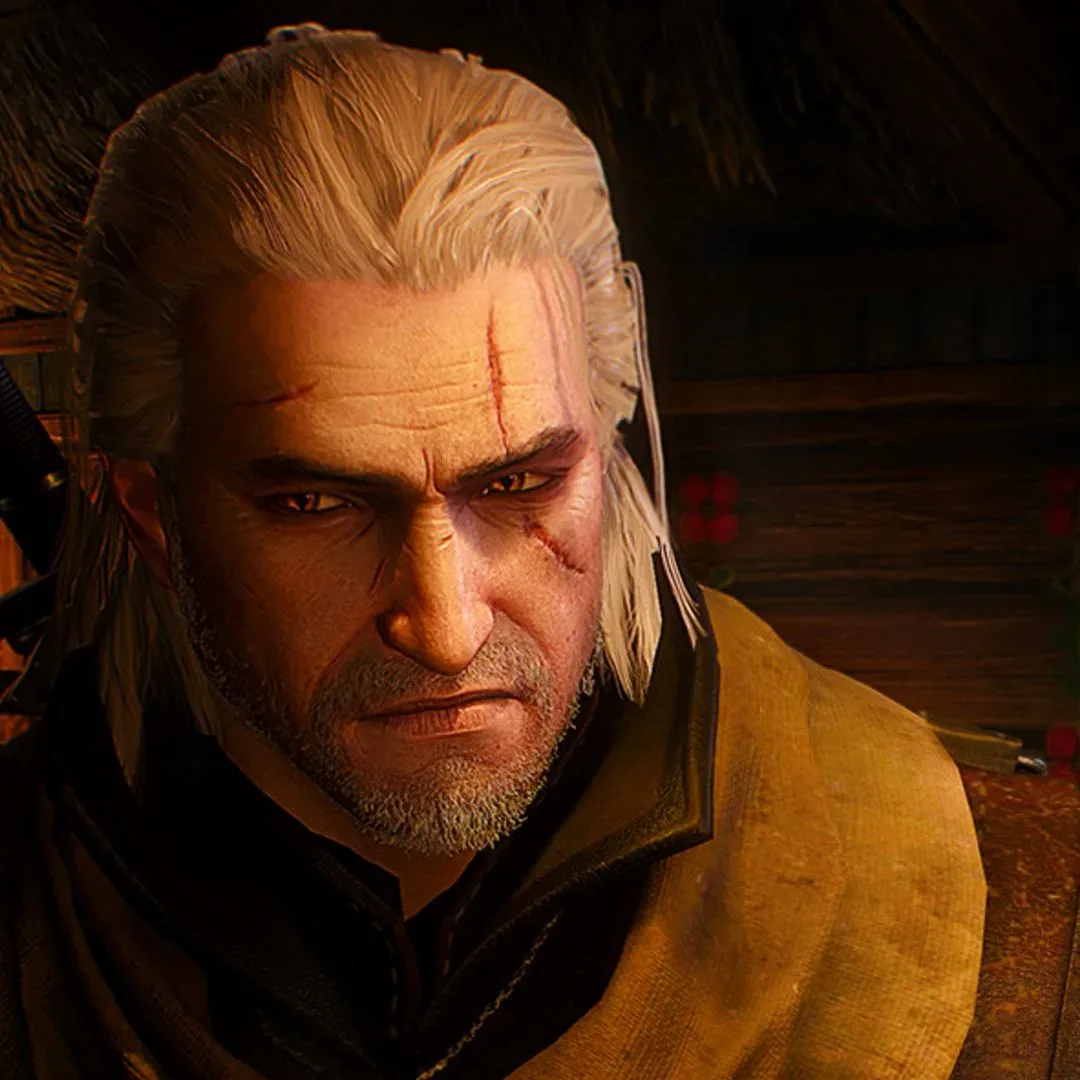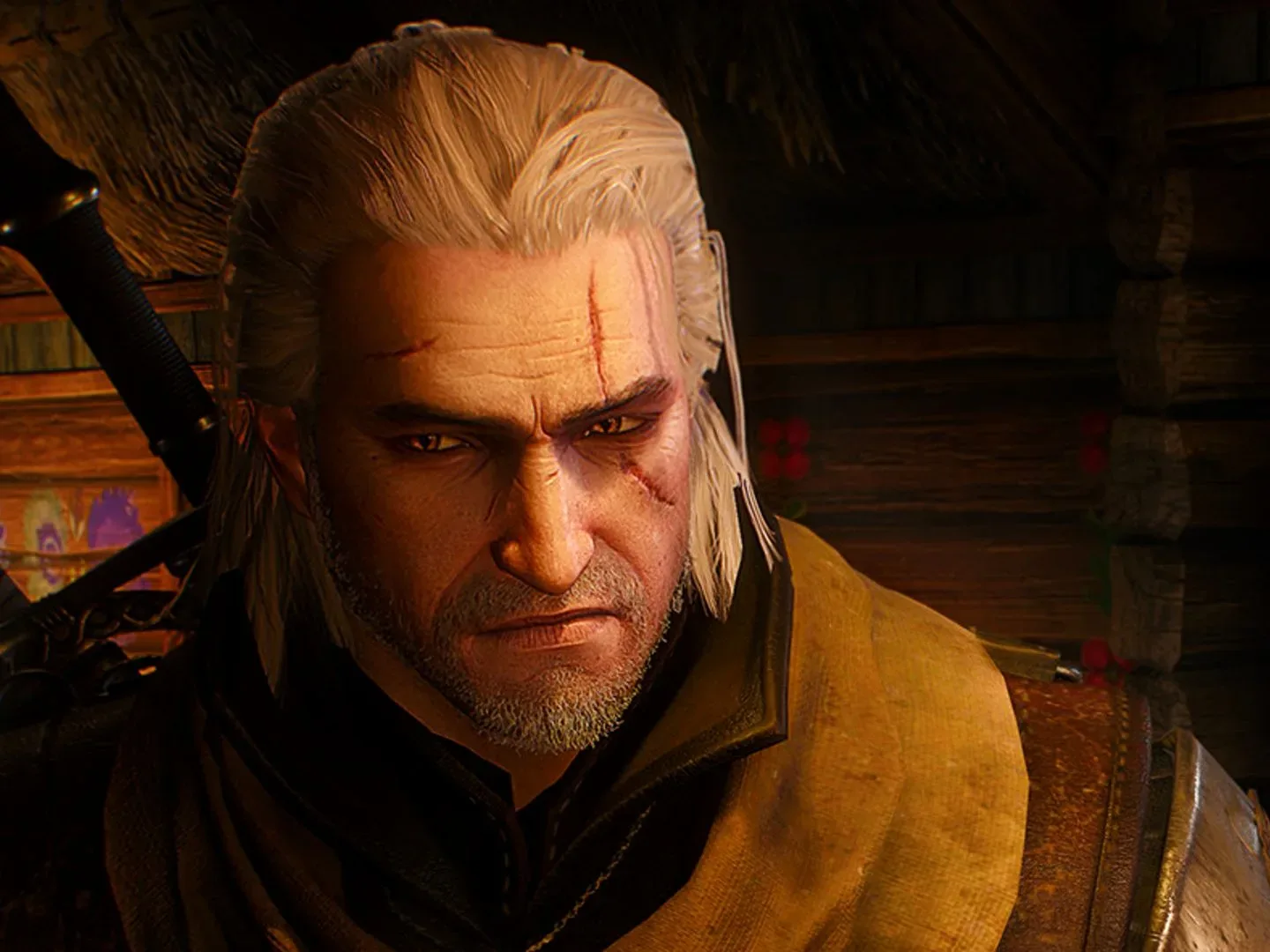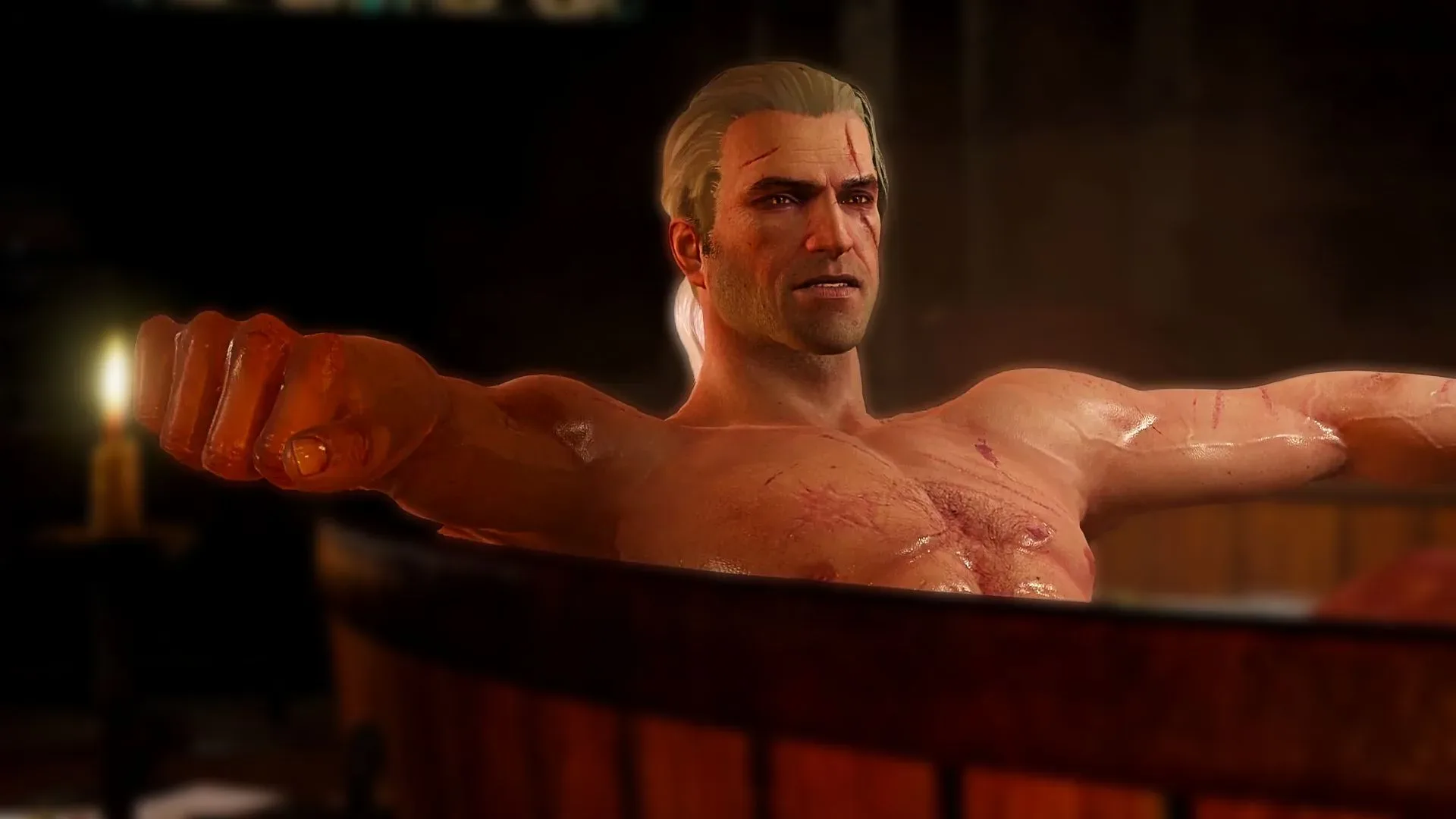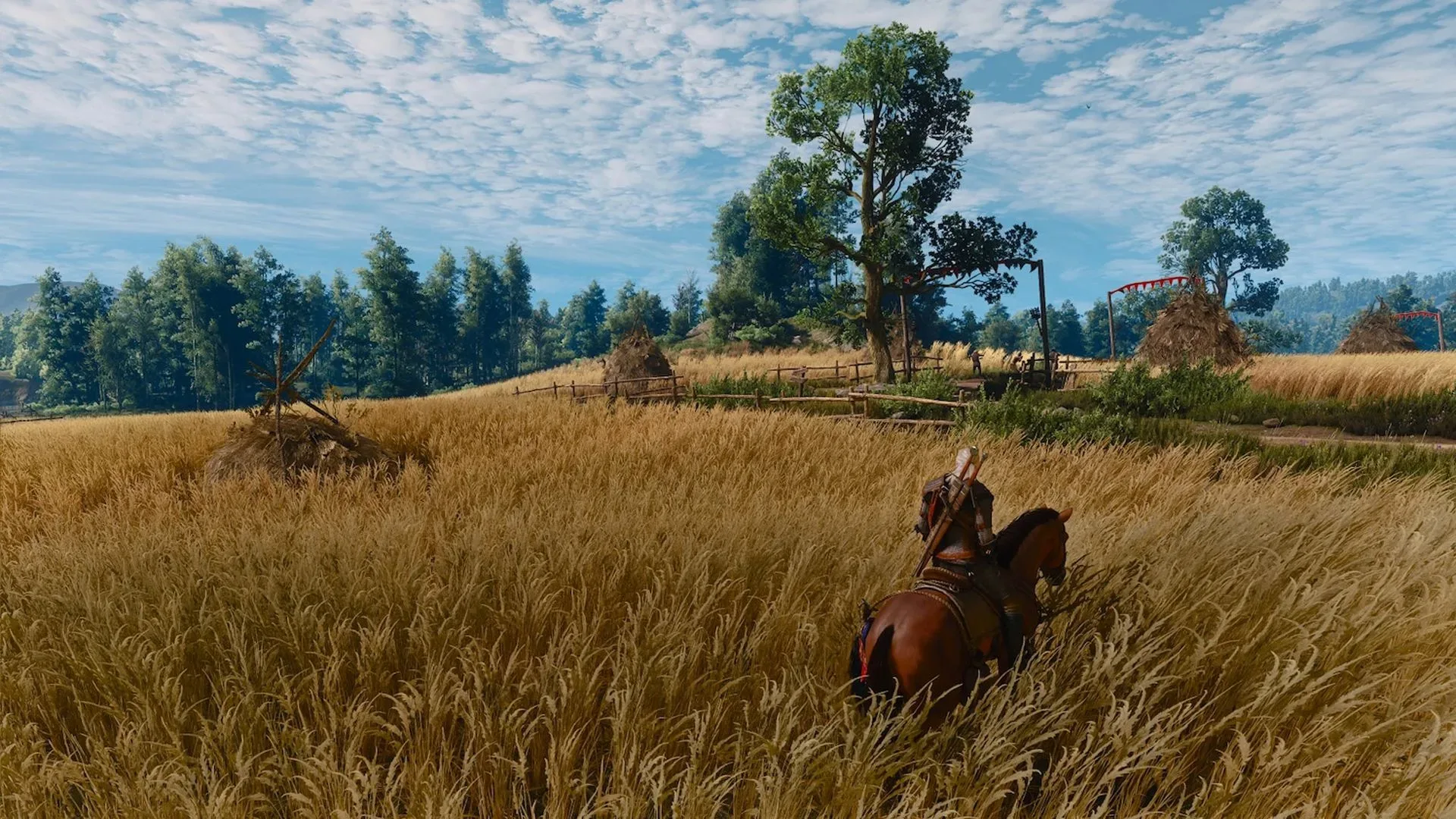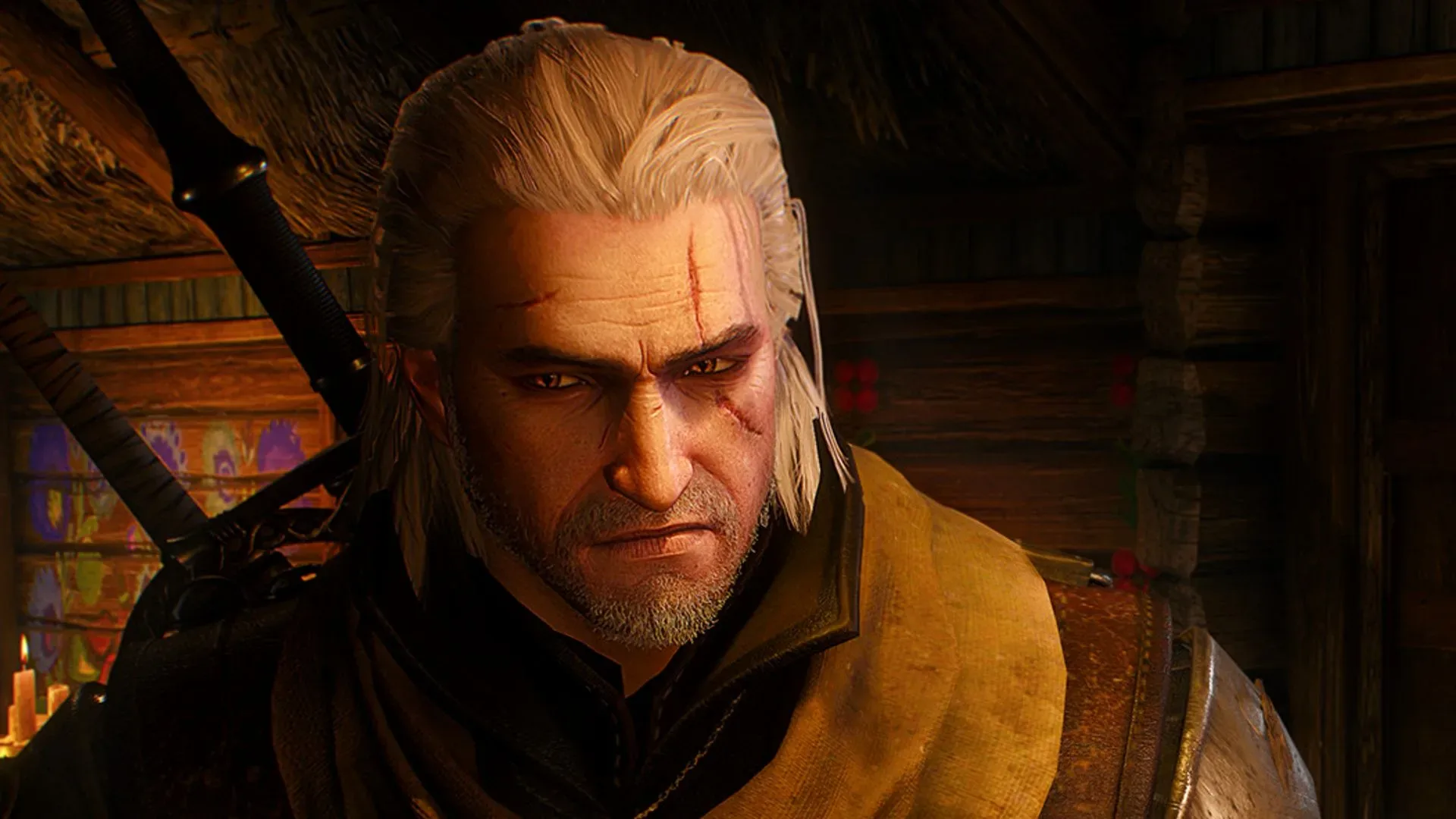
The Witcher 3: Wild Hunt may be one of the most durable fantasy RPGs of its generation, but Marcin Blacha does not view it as a relic that must be preserved untouched. The game’s lead writer, now CD Projekt Red’s vice president of narration, says he can still spot moments he would approach differently today—a perspective that helps explain why the team is returning to the game with both a remaster and the forthcoming Songs of the Past expansion.
“For me, The Witcher 3 is not a monument and is not untouchable,” Blacha said. Rather than treating the game strictly as a past achievement or a fixed benchmark, he described it as a work that remains vivid to him and could still be improved. Even when playing it now, he said, he encounters places where his present-day instincts would lead to a different choice.
That is an unusually direct way to discuss a game with such a long cultural tail. It also gives the remaster and new story content a more interesting framing than simple preservation. The project is not being presented merely as a fresh coat of paint over an established RPG; it is also an opportunity for developers to revisit a world they know intimately, with the benefit of a decade of distance and experience.
A living RPG rather than a sealed monument
Calling a game a “monument” suggests something complete, historically important and best left alone. Blacha’s point is not that The Witcher 3 lacks importance. It is that importance does not prevent reassessment. In creative work, hindsight can expose story beats, pacing decisions, mechanics, locations or production compromises that the original team had to accept at the time.
That distinction matters particularly for a massive role-playing game. A game of Wild Hunt’s scale is not one decision but thousands of interconnected decisions: what a player sees first, how a quest is introduced, how character motivations are communicated, which activities reward exploration, and how individual stories sit alongside the main narrative. The supplied details do not specify which parts Blacha would change, and it would be premature to turn his broad reflection into a list of promised alterations. But the underlying attitude is clear: past success does not erase the lessons learned while making it.
For players, this does not automatically mean the remaster will rewrite the parts they remember. A remaster generally refers to an updated version of an existing game, often focused on its presentation and technical foundation rather than a ground-up remake. Here, it has been described as giving the base game a substantial visual refresh, while Songs of the Past provides newly created expansion material. Those are related efforts, but they serve different purposes: one returns to the original game, while the other extends it.
Why Songs of the Past fits alongside two major expansions
Blacha said the striking discovery was that the team could still make a story that belongs not only with the original version of The Witcher 3, but alongside Hearts of Stone and Blood and Wine as well. That is a bigger narrative challenge than simply finding another adventure for Geralt.
An expansion is additional content that builds on an existing game rather than functioning as a separate sequel. For a narrative RPG, “fitting” an expansion means more than sharing characters, monsters and scenery. Its tone, dramatic stakes and place in the broader experience need to feel credible beside what players already associate with the game. An add-on that feels disconnected can make an established world seem smaller rather than richer.
Blacha characterized the ability to return as creatively uplifting, likening it to a time machine that brought him back roughly a decade. His comments suggest that the team’s familiarity with the setting is an asset rather than a limitation. They are not trying to reconstruct a lost creative language from scratch; they still believe they can speak it.
That does not mean adding content to an older RPG is effortless. “Not such a huge deal,” in Blacha’s telling, is best understood as a statement about creative continuity: the world and its storytelling framework are still usable. It should not be read as a detailed account of development scope, production time or the amount of content planned for Songs of the Past. No release date, platform list, price, or full feature breakdown has been provided here.
The chain weapon is a useful clue
One specific detail does show how a return to The Witcher 3 can make room for unfinished ideas. Geralt’s chain weapon in Songs of the Past originated as a concept for the base game, but the team could not make it work in time during the original development. It is now set to appear in the expansion.
That makes the weapon more than a new combat hook. It is an example of a shelved idea finding a second chance when the circumstances are right. Game development invariably involves cuts, revisions and features that do not reach a workable state before a project must ship. Their absence does not necessarily mean they were bad ideas. Sometimes they simply did not fit the schedule, technology, balance needs or larger design priorities of that moment.
A chain weapon also carries a practical design implication, even though its precise moveset has not been detailed. Unlike Geralt’s familiar swords, a chain-based tool suggests a different sense of distance and movement in combat. Whether that becomes a major system, a limited option or something else entirely has not been established. The important confirmed point is narrower: an abandoned base-game idea is being reintroduced through the expansion.
That kind of continuity is potentially reassuring for players wary of a late addition feeling bolted on. An idea conceived during the original game’s development has roots in that game’s creative process. Of course, an old concept still has to work in its eventual form; being previously considered is not the same as guaranteeing a successful implementation. But it explains why the developers see the expansion as an extension of an ongoing conversation with the game rather than an attempt to attach something arbitrary to it.
The remaster created the opening
The planned expansion is tied closely to the remaster. CD Projekt Red has said Songs of the Past would not have been possible without the remaster, describing the circumstances as needing to align. That gives the update a role beyond aesthetics. It appears to have created the practical and creative opening for the team to return to the world with new narrative material.
This is worth separating from assumptions players may bring to the word “remaster.” Remasters are sometimes seen as products aimed primarily at revisiting an old favorite with improved presentation. In this case, the update is also the foundation around which a new expansion can exist. The two projects therefore form a package of related ambitions: revisiting what remains valuable in The Witcher 3, while using the opportunity to tell one more story within its established setting.
There is also an obvious audience reason for the return. A new chapter in Geralt’s game provides something concrete for people awaiting The Witcher 4, without requiring the studio to pretend that an expansion and a new numbered installment are the same thing. Songs of the Past is a return to a known world; The Witcher 4 remains the next major destination.
Fantasy-RPG conversations can often flatten games into comparisons with The Witcher 3, though that framework is not always especially useful. As Joking Joystick has noted in its look at why The Blood of Dawnwalker deserves consideration beyond Witcher 3 comparisons, an influential RPG can become an overly convenient measuring stick. Blacha’s remarks offer a healthier version of the same idea: even the developers who built the measuring stick still see room to reconsider it.
What players should and should not take from Blacha’s comments
The strongest takeaway is philosophical rather than a checklist of changes. The people returning to The Witcher 3 are approaching it as a living creative work, not an object immune to critique. That can be encouraging for anyone who wants an older game revisited by people willing to interrogate their own choices instead of simply celebrating them.
At the same time, Blacha’s comments are not confirmation that every rough edge will be changed, every story thread will be revisited, or every discarded concept will finally be restored. The evidence supports a remaster, a new expansion, the chain weapon, and a desire to make the added story feel at home with the base game and its two existing expansions. It does not establish the breadth of remaster changes or how Songs of the Past will be structured.
What it does establish is a compelling reason for the project to exist. The team still has ideas rooted in the original development, still recognizes areas where time and experience have changed its perspective, and still believes the world can support a story that belongs with Wild Hunt, Hearts of Stone, and Blood and Wine. For a game that has endured for 11 years, that is a more substantial claim than nostalgia alone.