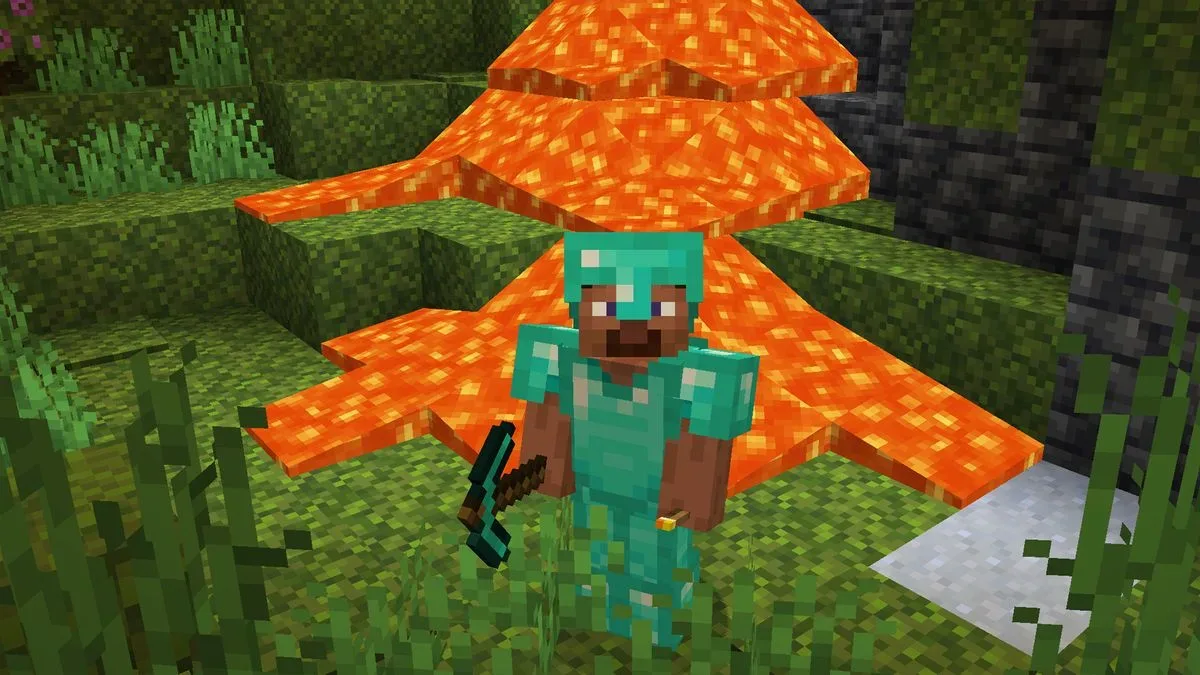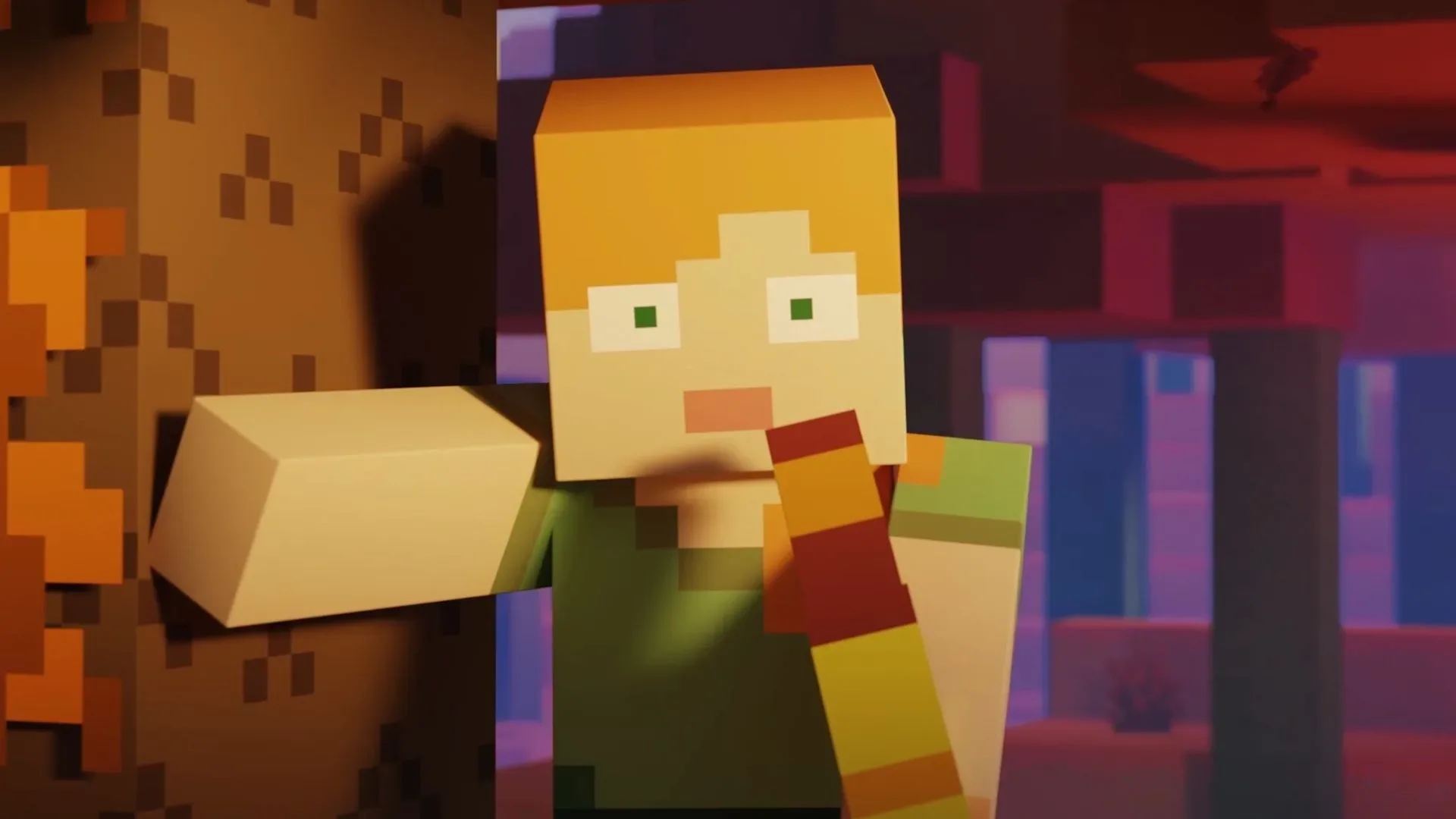
A small attempt to give a child’s gaming channel a little visibility has reportedly become a six-figure financial mess. The father behind the Mighty Mike Plays story says his 9-year-old son used payment details saved to a YouTube-linked Google account to promote Minecraft, Roblox and other gameplay videos, ultimately generating $118,000 in charges on a company credit card.
The claim comes from a video posted by the father, Dave, under the title “Message from Dad...Mighty Mike Plays is Over.” In it, he says the channel is being paused while he tries to untangle the consequences at work. The video quickly gained substantial attention and reached seventh on YouTube’s gaming trends, nearing 400,000 views in one day.
The numbers are startling, but the more useful part of the story is not the spectacle of a 9-year-old apparently discovering the promotional budget of a midsize game launch. It is how a normal-looking setup—a parent helping with one small ad purchase, a payment method left on an account, and a young creator eager for views—can turn into a costly chain of decisions.
From a $20 test to a reported $118,000 bill
Dave says Mighty Mike began uploading videos on August 7. The channel primarily featured Roblox, with some Minecraft footage mixed in. Like most new hobby channels, the uploads initially attracted limited attention. The child then asked about reaching more viewers, leading to what Dave describes as a modest $20 YouTube advertising experiment.
For more context, explore BloomKeeper Is Now on Steam, Sending Players to Reclaim a Corrupted Island With a Growing Pouic Colony.
That first purchase appears to be the pivotal detail. Dave says he entered his company-card information himself, but did not realize the details and account access would remain available afterward through the Google account connected to the channel. In practical terms, a payment method that was intended for a narrowly limited campaign was reportedly still ready for additional advertising purchases whenever the account was used.
Dave says his son then used that saved card to buy promotion for channel videos. The ads reportedly reached hundreds of thousands of viewers, including one that appeared to play a 34-minute Minecraft video as the advertisement itself.
That distinction matters. A video ad campaign is not simply uploading a video and hoping recommendation systems find an audience. It is paid distribution: money is allocated to place a video in front of viewers. The case described here is therefore not about an unexpected viral hit producing an expensive bill. The reported costs came from paid promotion, not from the ordinary act of publishing gameplay clips.
Related coverage includes Dad Says 9-Year-Old Spent $118,000 on YouTube Ads for Minecraft and Roblox Videos.
The consequences came to Dave’s attention, he says, when he was called into work and shown company-card figures by managers and finance staff. The total he says was missing from the card: $118,000.
Why the story has drawn skepticism—and what supports it
Stories involving eye-popping sums, children, and suddenly viral YouTube channels naturally invite scrutiny. Several major questions remain unanswered in the publicly described account: why the spending was not noticed sooner, what controls existed on the company card, how long the campaigns ran, and how responsibility for the charges will ultimately be handled.
Those are not minor loose ends. The father himself says the outcome is unresolved and that there is a real possibility he could have to repay some or all of the money personally. There is no basis here to present the story as a settled billing dispute, a confirmed fraud finding, or a tidy cautionary tale with a happy ending.
Still, there are visible signs that advertising did occur. A separate video from Minecraft creator NeverMyFault, who has 2.1 million subscribers, captured one of Mighty Mike’s Minecraft promotions appearing as an ad. That clip prompted a response from Mighty Mike. The young channel also had several Minecraft uploads with unusually high view counts for a newly launched amateur account.
The apparent concentration of views was around three titles: “Minecraft part 1 {new series},” “Minecraft ultra starter guide,” and “Minecraft Hardcore part 1 wait for end.” Comments on at least one of those videos included viewers saying they had found it through an advertisement. The 34-minute “Minecraft part 1 {new series}” was the video seen running as an ad in the separate capture.
That evidence does not independently establish every part of the $118,000 claim. It does, however, support the narrower point that the channel’s Minecraft material was promoted through YouTube ads rather than receiving every view organically.
A long gameplay video is a particularly strange ad creative
The 34-minute ad is one reason the incident has travelled so widely. Most advertising is designed to deliver a compact message quickly. A full half-hour-plus Minecraft session operates on an entirely different logic: it is closer to dropping a viewer into an unedited episode than making a conventional pitch for a channel.
That does not mean a long video cannot be used in promotion; the reported example shows that it can appear in that role. But it illustrates the difference between reach and audience building. Reach means getting material in front of people. Audience building means persuading people to return, subscribe, watch further uploads and care about the creator. A very broad paid push can inflate exposure without necessarily producing the enduring community a new channel wants.
For a child, that distinction may be especially hard to see. A screen full of growing view numbers can look like a straightforward measure of success. Dave says his son did not understand what a company card represented or that the large on-screen number corresponded to real money. The described behavior should not be treated as evidence that the child grasped the scale or the business consequences of what was happening.
NeverMyFault had estimated that a single Mighty Mike Minecraft promotion could have cost more than $6,000. Dave’s response was that the eventual figure was far beyond that estimate: six figures. Even without a full campaign ledger, it is a vivid demonstration that paid-distribution tools can move from small trial amounts to enormous totals when access is left open.
The account design problem behind the headline
The story is easy to frame as a child spending a fortune on Minecraft videos. But Dave’s own account identifies a more practical failure: payment permissions were still available after the initial $20 campaign. A saved card is convenient precisely because it removes the friction of having to enter payment information again. That same convenience can be a liability when an account is accessible to someone who should not be able to make open-ended purchases.
There are two separate issues in the situation Dave describes:
- Payment information was saved: the card was apparently retained after the original ad buy instead of being removed once that limited experiment ended.
- The account was accessible to the child: the relevant login and payment pathway were available through an account he could open independently.
Neither issue alone tells the full story. A card can be saved to an account that only an adult controls, while a child can have an account with no payment option attached. The dangerous combination is a child-accessible account paired with a payment method that has no effective spending boundary.
It is also worth separating parental controls from spending caps. Parental controls broadly refer to settings used to limit what a child can access or do online. A spending cap is narrower: it sets a ceiling on purchases. Dave says the family intends to implement both, along with removing saved payment information from accounts. In the circumstances he describes, each measure addresses a different part of the same problem.
A spending cap can limit the size of a mistake. Removing stored payment data can ensure that a new payment decision requires adult involvement. Restricting account permissions can reduce the chance that a child reaches an advertising or purchasing screen in the first place. None is a magic fix by itself, but they are more meaningful as overlapping safeguards than as a single checkbox switched on after the damage is done.
What families making gaming videos can take from this
Young players routinely move between games, video platforms and creator tools. Roblox and Minecraft are central to this story because they were the subjects of the uploads, but the risk is bigger than either game. Any child-operated account that can publish content, boost posts, buy an in-app item or access a saved payment method needs clear boundaries.
For adults helping a child launch a channel, the lesson is not that kids should never make videos or learn creative tools. Dave says the family initially thought Mighty Mike was simply having fun playing games and uploading clips. That is a reasonable, common activity. The issue is treating promotion and payment as separate from the creative hobby when, on a connected account, they may sit only a few clicks apart.
A more cautious approach follows directly from the facts in this case:
- Use no saved payment method on accounts a child can access independently.
- Keep any advertising experiment strictly limited rather than leaving a payment route active after a first purchase.
- Set a defined spending ceiling before a campaign begins.
- Make reviewing ad activity and account permissions an adult task, not something assumed to be covered by a one-time setup.
- Explain that views, virtual purchases and campaign budgets are connected to actual money—even when they appear as numbers on a dashboard.
Those measures are mundane compared with the headline, which is exactly the point. Big disasters are often built out of small unattended permissions rather than one dramatic decision. The relevant safeguard is not a lecture about Minecraft, Roblox or ambition. It is making the payment path impossible—or at least difficult—for a child to use without an adult.
What happens next for Mighty Mike Plays
Dave says Mighty Mike’s YouTube activity is on hold while the family deals with the billing situation. He joked that the child may be mowing lawns until age 18 to help make amends, but his broader message was notably less comedic: he said he was not blaming his son for behaving like a 9-year-old who did not understand the financial stakes.
The real uncertainty is financial. Dave says there is a genuine chance he may personally have to cover a portion or all of the reported $118,000. Until that process is resolved, the final consequences for the family and the company card remain unknown.
For everyone else watching the viral saga, it is a reminder that a paid boost is not harmless just because it begins with a tiny test budget. In this account, $20 was not the final cost—it was the door left open. And on platforms where a child can upload gameplay one moment and promote it the next, removing that door may be the most important part of the setup.