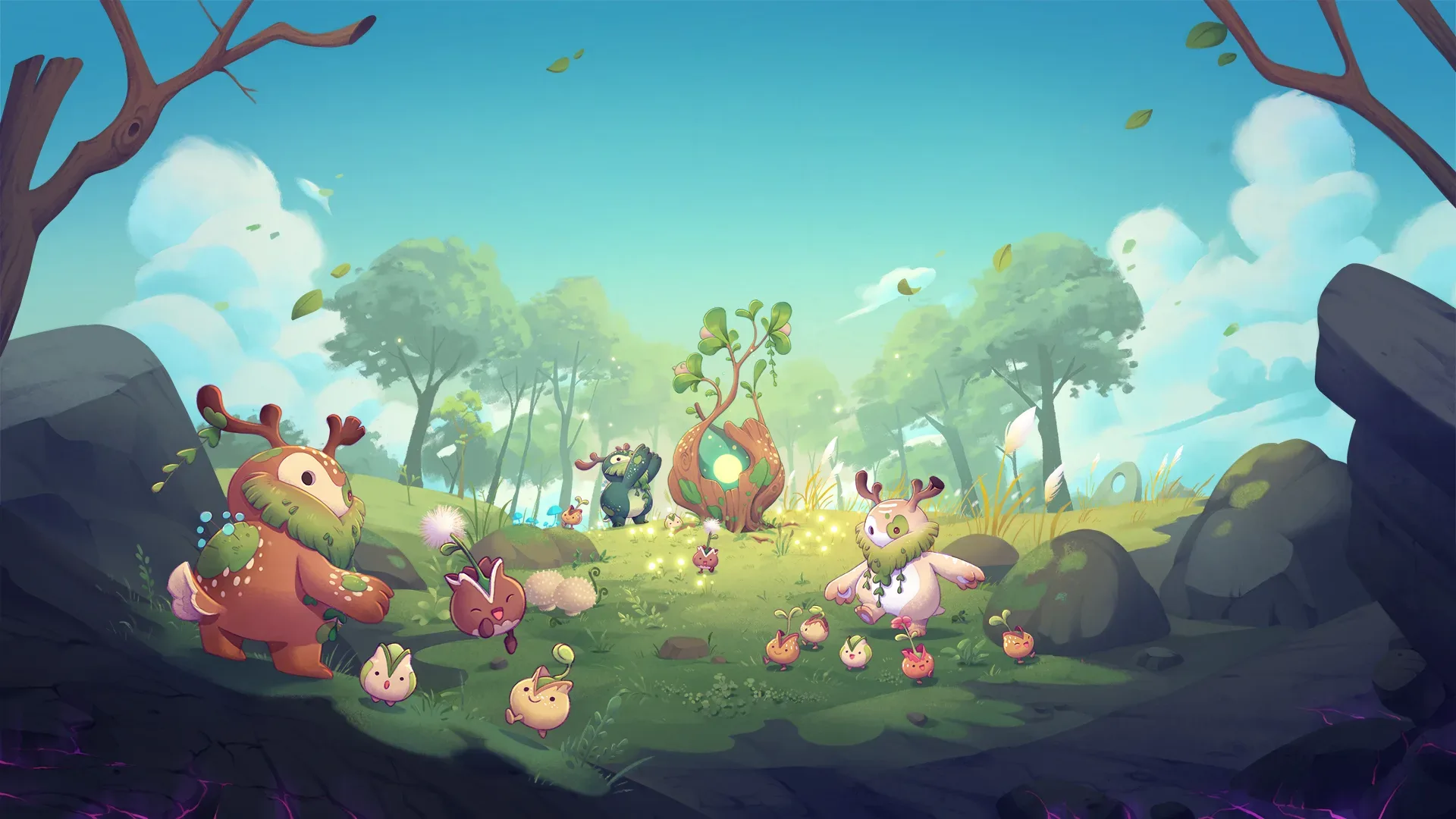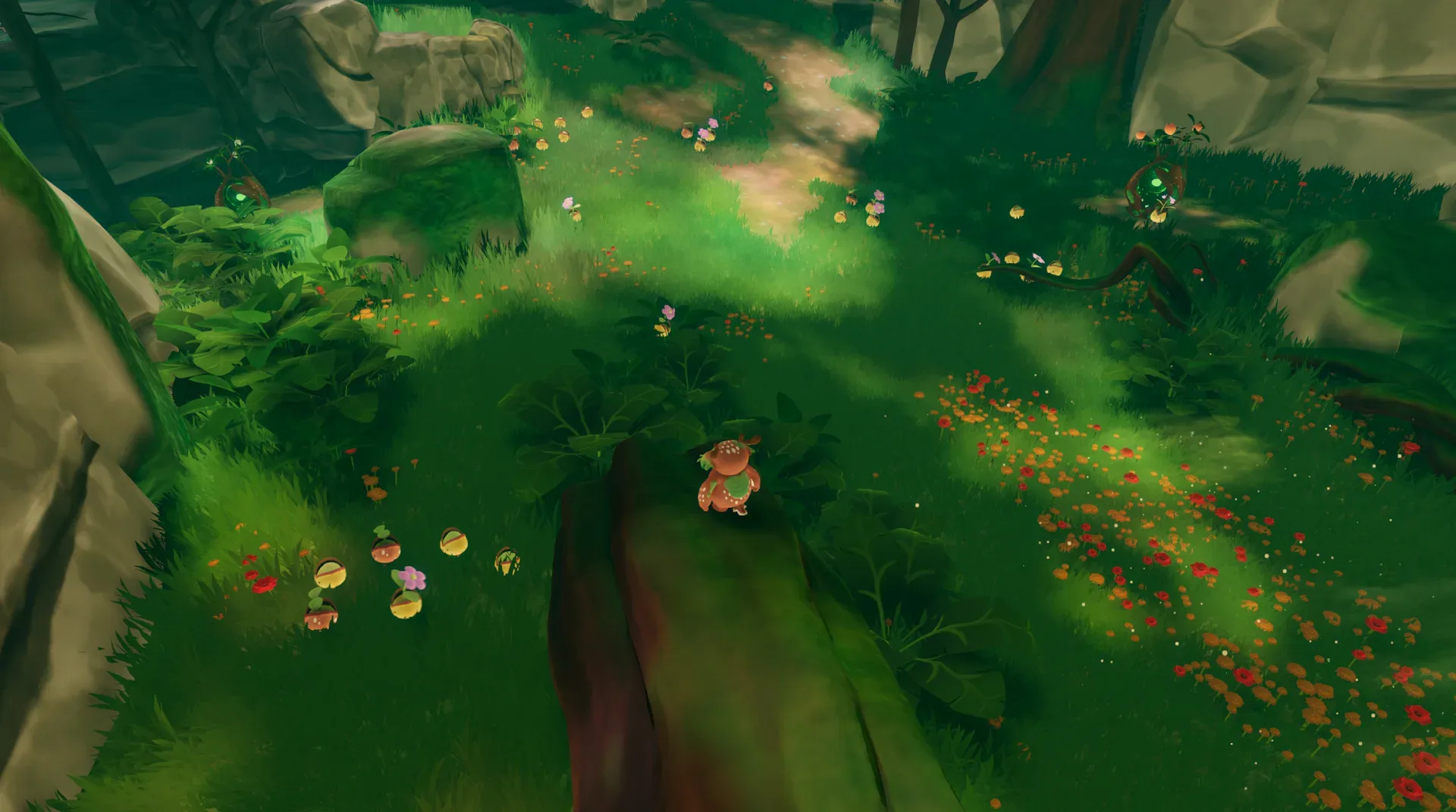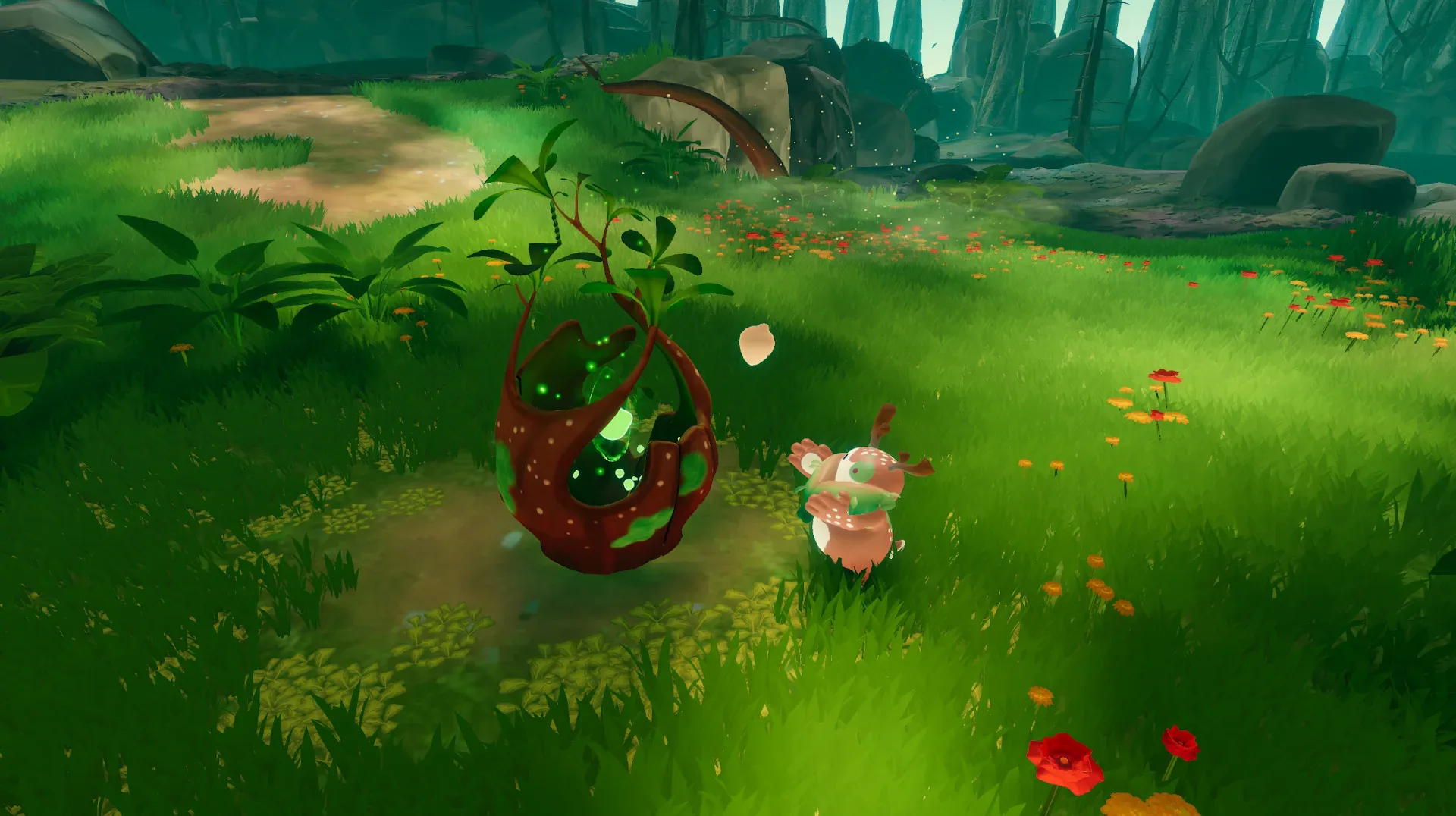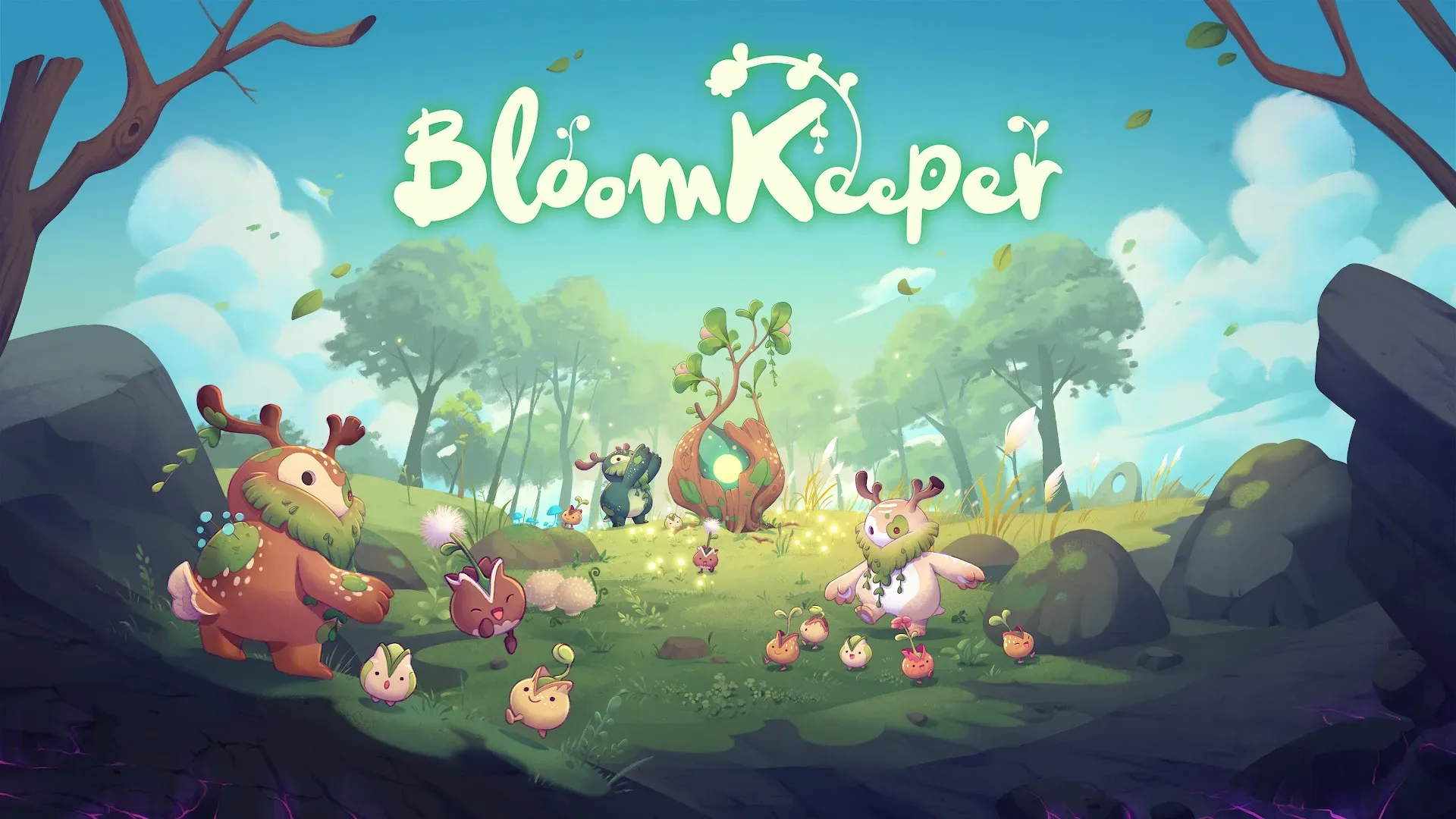
BloomKeeper, the real-time tactical adventure from Resonance Interactive, is now available on Steam. Set on the island of Hedera, the game asks players to guide a colony of small creatures known as Pouics through terrain damaged by fire and corruption, restoring plant life while keeping the group intact.
The core idea is refreshingly direct: travel through a scorched world and make it green again. The complication is that recovery is not merely visual decoration or a reward at the end of a mission. Restored ground must be protected, the corruption continues to spread, and the vulnerable creatures responsible for regrowth can be lost, scattered, or turned against the colony. BloomKeeper frames environmental restoration as an active tactical responsibility rather than a passive backdrop.
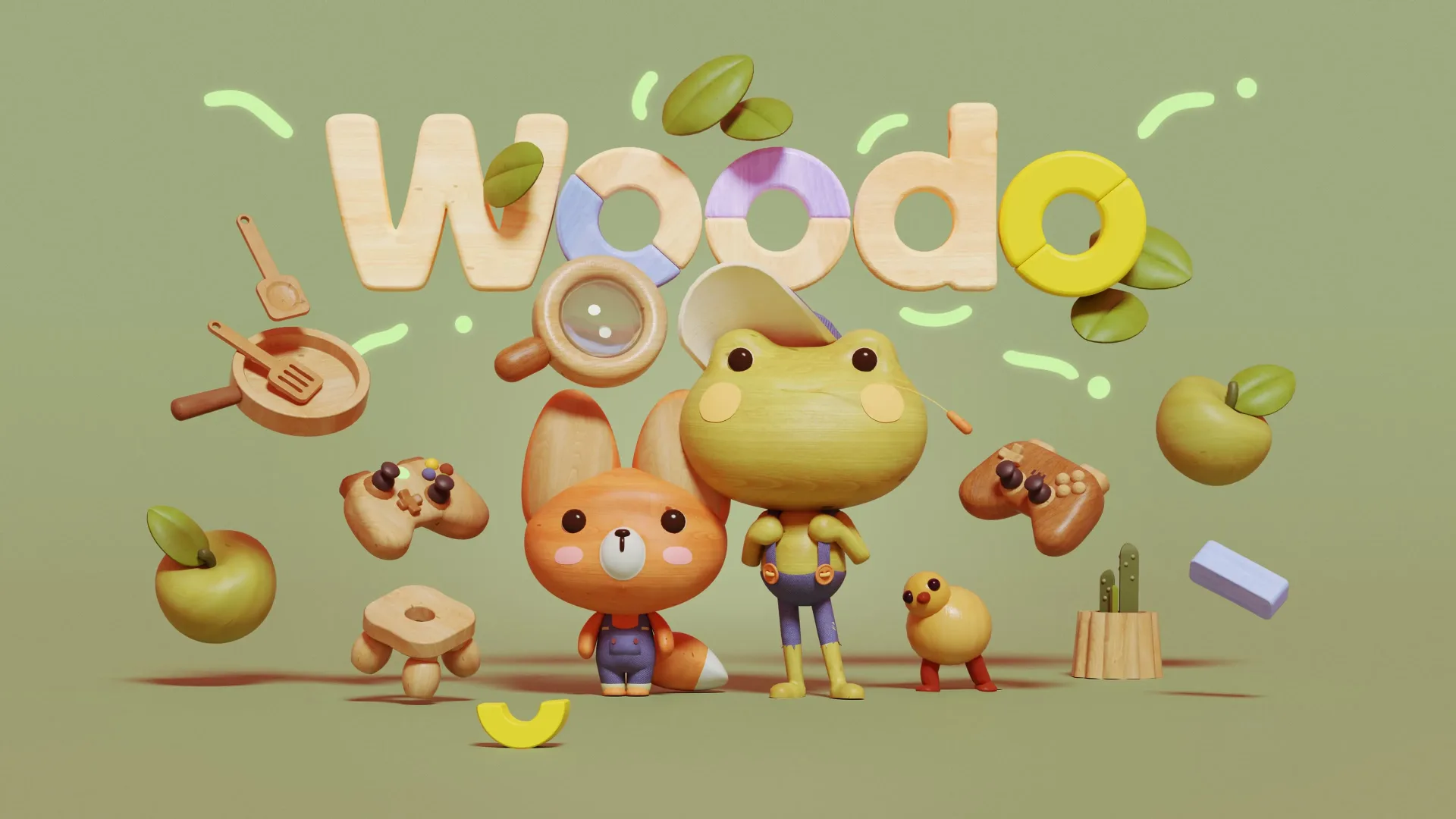
The Steam release arrives alongside a new launch trailer showing Hedera’s damaged landscapes, the Pouics’ movement through the environment, and the mounting dangers closer to each region’s corrupting source. It joins a busy period for PC releases that also includes games expanding onto multiple systems, such as Woodo’s launch across Steam, consoles and Switch.
What players do in BloomKeeper
Players take the role of the Guardian, directing the Pouics as they move through Hedera. As the colony travels, it brings vegetation and color back to burned-out areas. Yet pushing onward is only one side of the game’s intended rhythm. Players must also decide where to secure reclaimed territory, how to negotiate hazards, and how much risk the colony can absorb before the state of a region worsens.
That makes the game a blend of several connected activities:
- Exploration: finding a route through regions of Hedera and dealing with natural barriers.
- Colony guidance: moving and protecting the Pouics, whose size and safety directly affect what the group can accomplish.
- Environmental restoration: turning scorched ground back into living terrain and maintaining that recovery under pressure.
- Real-time tactics: making decisions while conditions evolve instead of taking turns in a static board-state.
“Real-time” is an important term here. It means that threats and player choices occur continuously rather than waiting for a player to end a turn. In practice, that places a premium on reacting quickly while still making deliberate route and positioning decisions. BloomKeeper’s tactical tension comes from the need to balance those demands: pausing too long or taking a careless path can have consequences for both the colony and the land it has restored.
More Pouics bring opportunity—and management problems
The Pouics are the center of BloomKeeper’s risk-and-reward structure. Gathering additional members of the colony can unlock routes and make traversal more efficient. A larger group therefore represents greater potential: it can do more and reach places that a smaller colony may not be able to access.
But scale is not presented as an uncomplicated advantage. A larger colony is harder to manage, and Hedera contains cliffs, lakes, other environmental obstacles, natural hazards, and threats that can scatter the group. The player is not simply accumulating units for a numerical advantage. They are taking responsibility for a more complicated moving formation.
This is where colony guidance differs from conventional character action. The challenge is not limited to the location of a single protagonist. The Guardian must think about where a group is going, whether everyone can get there safely, and how a single setback could create a wider problem. The available information suggests that route planning matters not just because it determines speed, but because terrain can be used to protect restored ground.
Corruption changes the level when the colony breaks down
BloomKeeper’s clearest escalation mechanic is what happens when Pouics are claimed by corruption. Lost creatures can become Malpouics: hostile versions that help accelerate the spread of scorched zones. This turns a mistake into a changing-world consequence rather than a simple momentary loss.
That distinction has practical importance. In a game with a fixed obstacle, an error might cost time or force a retry. Here, the loss of a Pouic can make the environment itself more difficult to stabilize. Malpouics add pressure to an already dangerous region, while spreading scorched areas threaten the ground the player has worked to recover.
The result is a feedback loop. Careless colony management can lead to corruption, corruption can create hostile Malpouics and further scorched territory, and the increasingly damaged environment can make it harder to continue safely. BloomKeeper’s premise is consequently not just about making progress; it is about preventing that progress from unraveling.
Each run can produce different priorities
Hedera’s corruption changes in response to player progress, so the same region is designed to create different priorities from one run to another. The game identifies route choices, the colony’s size and safety, the territory players secure, and the handling of regrowth as factors that can shape a journey.
This should not be confused with a promise that every aspect of a level is randomly generated. The available details instead point to changing tactical conditions: a route that is sensible in one attempt may become a poor choice if scorched zones are spreading elsewhere, if the colony is less secure, or if a previously restored area now needs defending. That is a more focused form of replayability, rooted in responding to a dynamic threat rather than memorizing one universal solution.
The approach also ties the game’s theme to its systems. Restoration is inherently fragile in BloomKeeper’s setup. The player is continually asked whether to advance deeper into danger or shore up the land already brought back to life. Neither priority is described as permanently correct, which is likely to make judgment and adaptation more valuable than a single optimum route.
Solo play and four-player online co-op
BloomKeeper supports solo play as well as online co-op for up to four players. Alone, players can move through a region at their own pace and personally manage the colony’s shifting needs. That format puts the full burden of route selection, protection, and rapid responses on one Guardian.
In co-op, communication becomes an explicit part of the tactical challenge. Multiple players will need to coordinate around the Pouics and react together as hazards and corruption alter the situation. The central objective does not change, but the decision-making context does: a group must align on whether to push forward, attend to a threatened area, or respond to a scattered colony.
Resonance Interactive has described restoration and Pouic protection as inseparable from the decisions players make. Based on the game’s stated systems, that is the key to BloomKeeper’s identity. Hedera is not simply a damaged setting to admire before and after a mission. Its recovery, its vulnerability, and the safety of the creatures nurturing it all appear to be one continuous tactical problem.
BloomKeeper is available now on Steam. Players can also watch the official launch trailer for a closer look at its island, colony management, and evolving corruption.