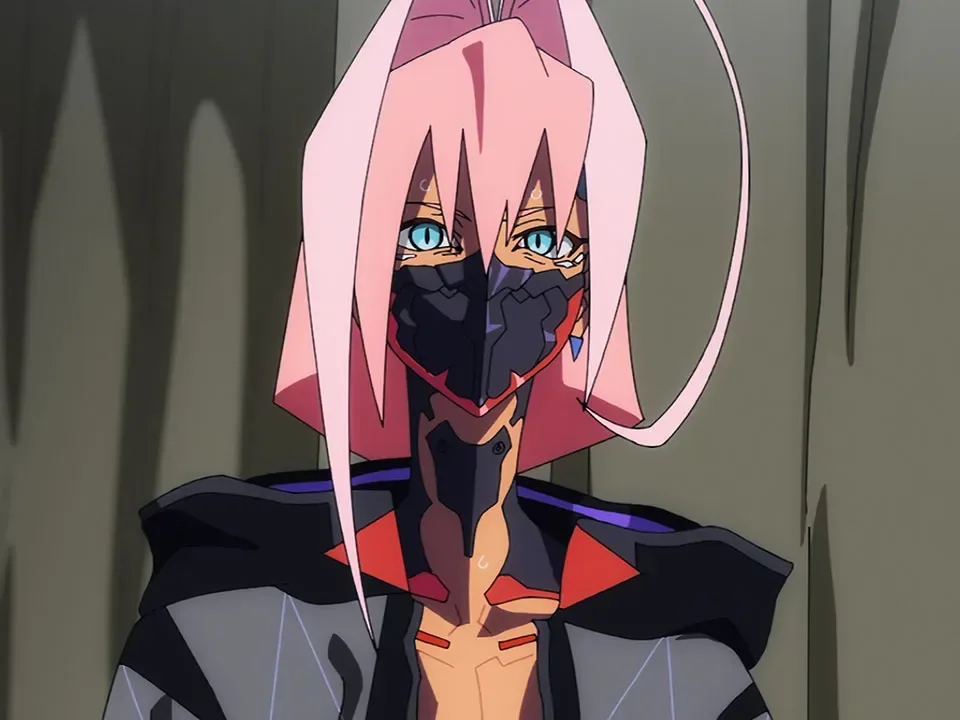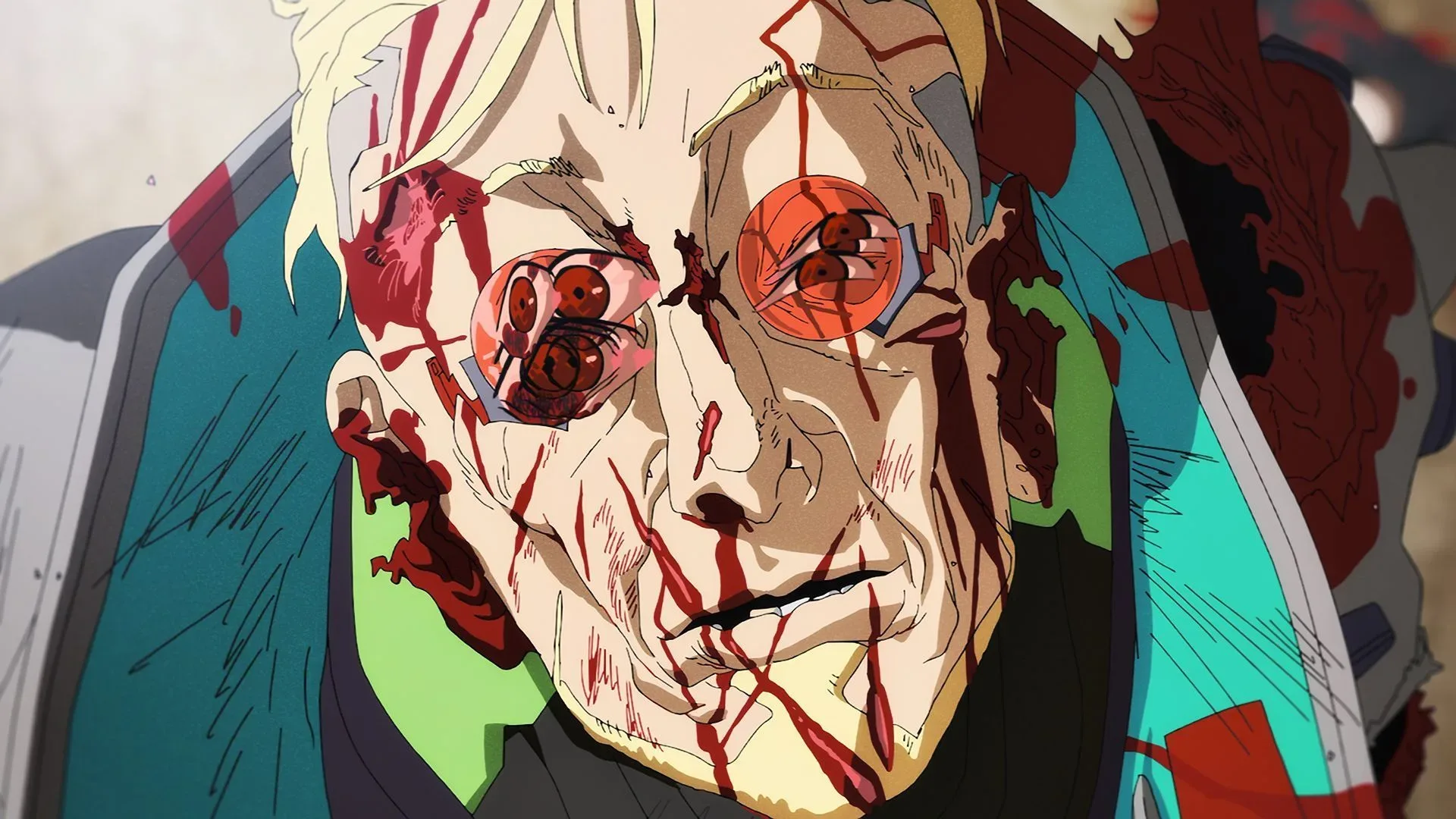
Cyberpunk’s expanding screen-and-print universe is deliberately keeping one of Cyberpunk 2077’s biggest questions unresolved: which ending, if any, becomes the official future of Night City.
Bartosz Sztybor, writer, producer and showrunner on Cyberpunk: Edgerunners, has said the franchise is not choosing a single canonical conclusion to the game. That answer also puts a potential V reference in the newer animated story on much firmer ground: it is a prompt for audience interpretation, not confirmation that a particular version of the player character has entered the story in a definitive way.
For players, that distinction matters. V is a protagonist shaped by player choices, including choices that affect the game’s ending. A post-game story that plainly followed one route could turn other routes into alternate possibilities rather than equally valid player experiences. The approach described here instead establishes a broader state of Night City while leaving the exact road that got there unspoken.
The V image is not a confirmation
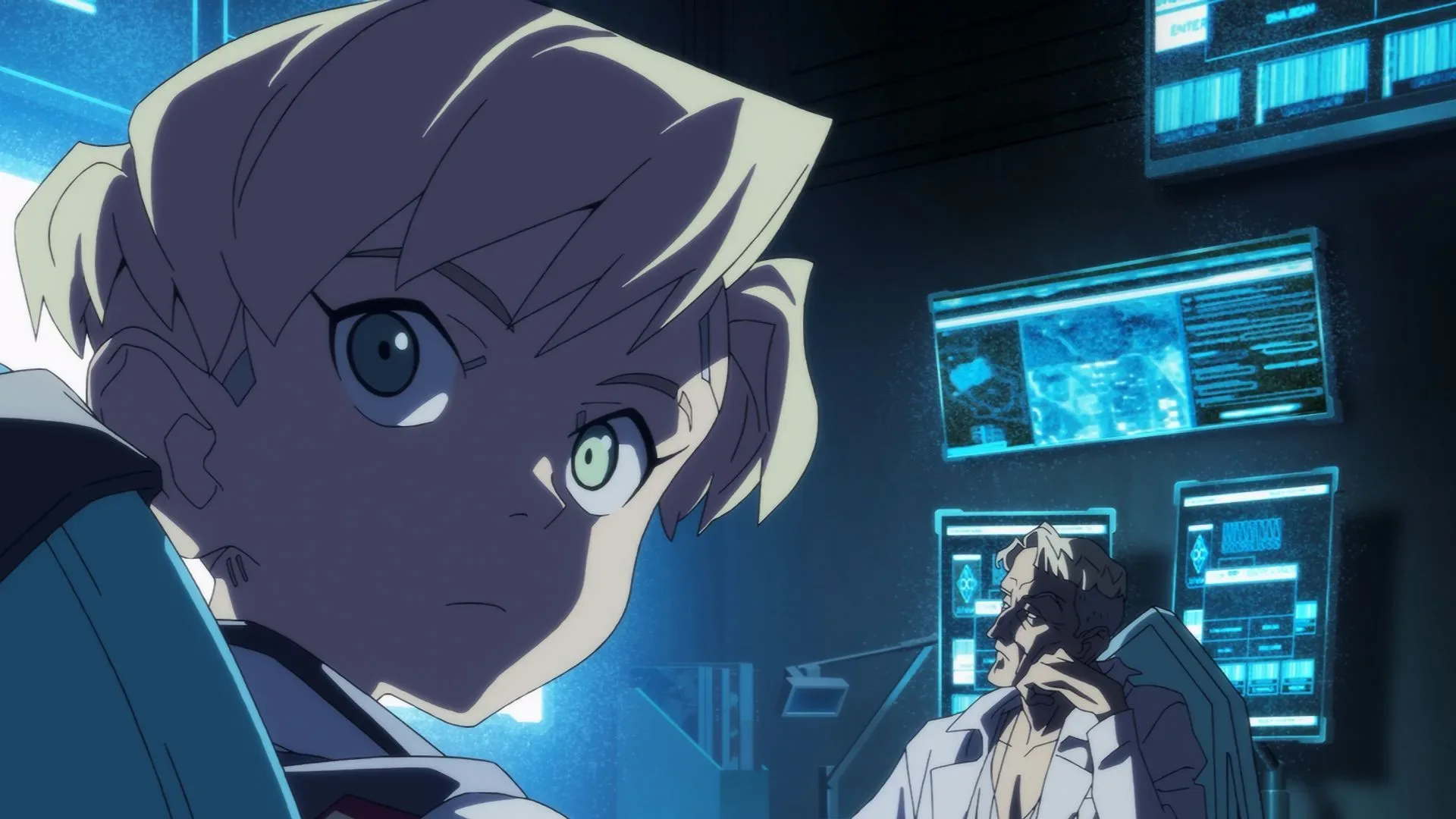
Viewers noticed what appears to be female V among images in a data-archive scene and wondered whether it was an intentional tease. Sztybor’s response was that the detail is left to interpretation, while emphasizing that the scene’s dialogue is important.
For more context, explore Apple’s Rumored HomeView Ultra Could Put a 360-Degree Screen on a Home Robot.
That is not confirmation that V appears, survives, returns, or has a fixed role in the animated continuity. Nor is it a denial that the image has been placed with purpose. It is a carefully limited answer that encourages close reading without turning a visual resemblance into a lore ruling.
In practical terms, fans should separate three levels of certainty:
- What is shown: viewers can examine the archive imagery and its surrounding dialogue.
- What is suggested: the image may invite a connection to female V and to the events of the game.
- What is confirmed: no statement here makes the image a definitive appearance of V or verifies a particular game-ending outcome.
This is especially significant because Cyberpunk 2077 allows V to be customized. Even an unmistakable-looking character model would not automatically settle every question about the player-created protagonist. The creative team appears to be using the uncertainty rather than attempting to erase it.
Related coverage includes Cyberpunk: Edgerunners Showrunner Leaves V Tease Open to Interpretation, Rejects a Single Canon Game Ending.
A shared aftermath, not one winning ending
Sztybor said there have been extensive discussions with the lore team about what can be depicted after the game and how its endings can be accommodated. The stated goal is not to make one ending the official answer.
There is, however, one major piece of post-game background the team can work from: Arasaka is weakened. That gives later stories a meaningful change in the balance of power without forcing audiences to accept a single chain of events for V.
Canon is the set of events and facts that a franchise treats as part of its official continuity. In a game with branching conclusions, canon can be handled in several ways. A later sequel might select one route outright. It might avoid the consequences of every route. Or it can identify a shared result broad enough to coexist with multiple choices. Cyberpunk’s current strategy, as described by Sztybor, is closest to that third option.
The difference is more than technical. Saying “Arasaka is weakened” creates a new storytelling condition for Night City: new gaps in power, potential rivalries, and an altered corporate landscape. It does not require the franchise to spell out which intimate decision V made, which allies were involved, or precisely what became of the player character. That leaves room for new characters and conflicts while respecting the uncertainty built into the game.
Post-game continuity has a defined setting change, but it is not being used to establish one final answer for V.
The newer animated story is described as taking place in 2078, one year after the main game’s 2077 setting. That timing naturally raises questions about continuity, but a date alone does not dictate a canon ending. It only establishes that its creators have to consider the world after the game.
Connections are meant to reward attention, not become homework
Sztybor rejects the idea that franchise connections should be added merely as Easter eggs or fan service. His stated preference is for self-contained entries: a comic, animation or other story should work from beginning to end even for someone who has not played the game or read other material.
That philosophy does not mean the individual works are isolated. Rather, recurring details can make the setting feel inhabited across formats. Sztybor pointed to Sal Bigelow, who appears in the newer Edgerunners story after appearing years earlier in the comic Cyberpunk: Big City Dreams. He also cited fixer Arthur Cormac, seen in the first Edgerunners story and elsewhere in the comics.
A fixer, in Cyberpunk terminology, is a broker who connects clients with mercenary work and manages information, contacts and deals. Reusing a fixer can therefore be a natural connective thread: the character can plausibly move through different stories without needing to become their central villain or hero.
Sztybor’s framing is useful for anyone approaching this universe from a single entry point. References may deepen the experience for returning fans, but they should not be treated as mandatory lore assignments. The intent is for readers and viewers to notice patterns if they want to, then form their own links among events occurring at different times.
It also explains why the V imagery remains noncommittal. A direct, explanatory cameo could make a story depend too heavily on prior game knowledge and on a decision about the game’s ending. A suggestion, by contrast, helps establish that the game and the later story inhabit the same living world without making either one a prerequisite for the other.
What this means for Cyberpunk’s growing slate
The Cyberpunk setting has more projects in development, including Cyberpunk 2, whose setting has not been announced, and a live-action film that is not expected to simply retell the game’s plot. The choice to preserve flexibility around the game’s conclusion may be especially valuable as the universe expands into more formats.
It allows each project to tell a distinct story rather than repeatedly circling the same protagonist. More importantly, it reduces the risk that a film, comic or animation turns into a continuity document designed mainly to settle old branching-story debates. Night City can change in recognizable ways while the personal ending players made for V remains theirs.
That does not mean every future project will avoid concrete lore. Sztybor was clear that canon exists. The distinction is that post-game canon is not being laid out in exhaustive detail, particularly where a detail would crown one ending over the others. Some answers may emerge later through comics or other stories, but the existing comments do not identify which answers, when they might arrive, or whether they would concern V directly.
Edgerunners 3 is an idea, not a promise
Sztybor also discussed the possibility of a third Edgerunners installment. He said he has more stories in mind, but stressed that a new season would depend on the right story and the right creative team. The threshold, in his view, is not simply whether more content can be made; it is whether the project has a strong enough vision and the people capable of delivering it.
He described a similar process behind the move beyond the first season. The aim was not a conventional sequel, and the eventual pitch offered a different direction. That approach is central to the current uncertainty: there are ideas, but no commitment presented here that another season is happening.
It is also notable that Sztybor considers the existing first and second stories capable of working as a complete package. That means audiences should not read the presence of unresolved world-building clues as an automatic cliffhanger or as evidence that a third season is required to finish the narrative.
For now, the most solid takeaway is intentionally modest. Cyberpunk’s post-2077 stories can portray a Night City where Arasaka has been weakened. They can seed references, share side characters and invite fans to connect details. But they are not being positioned as a verdict on which ending a player “really” chose, and the apparent V nod remains a possibility for viewers to interpret rather than a locked piece of canon.