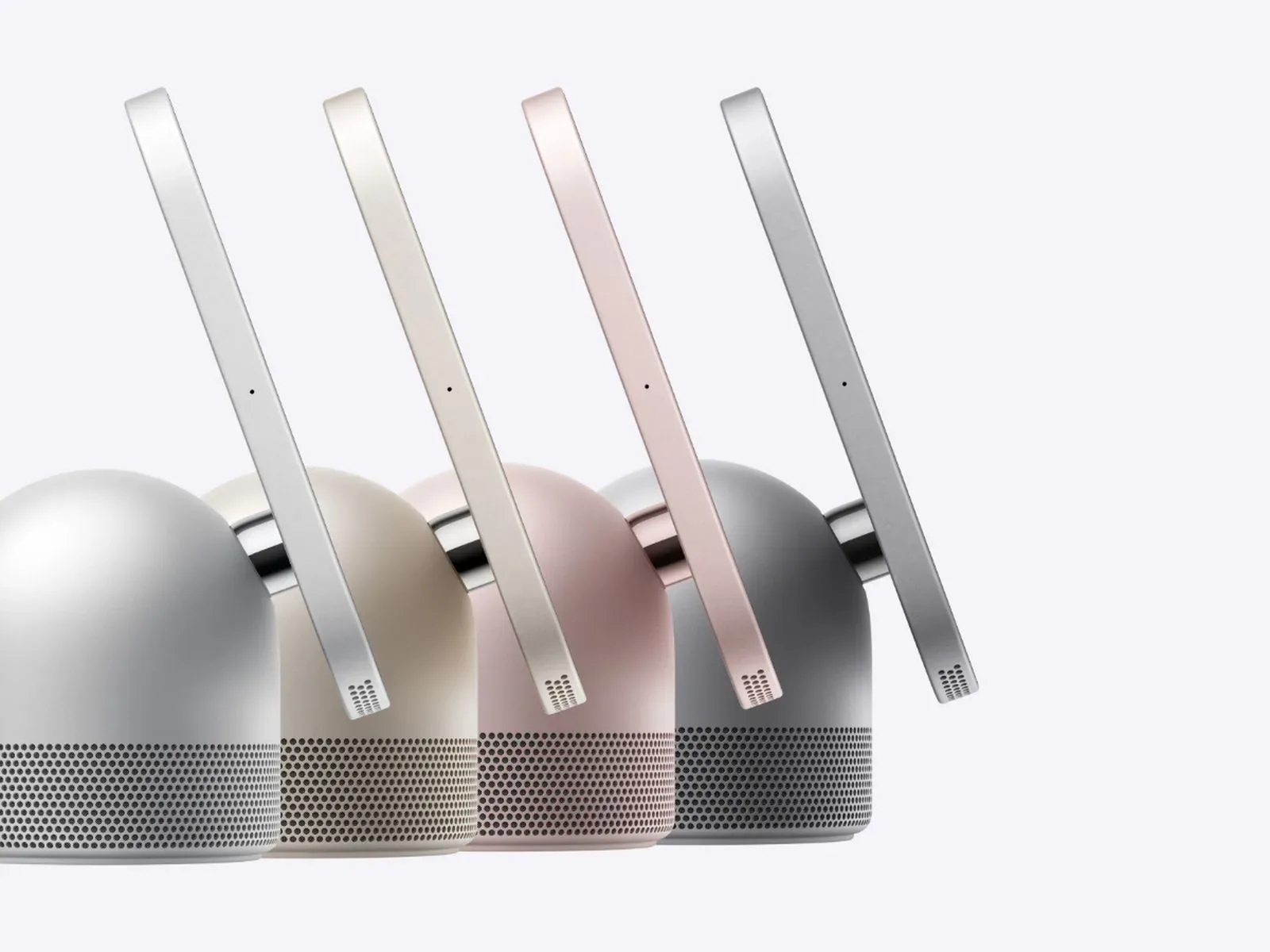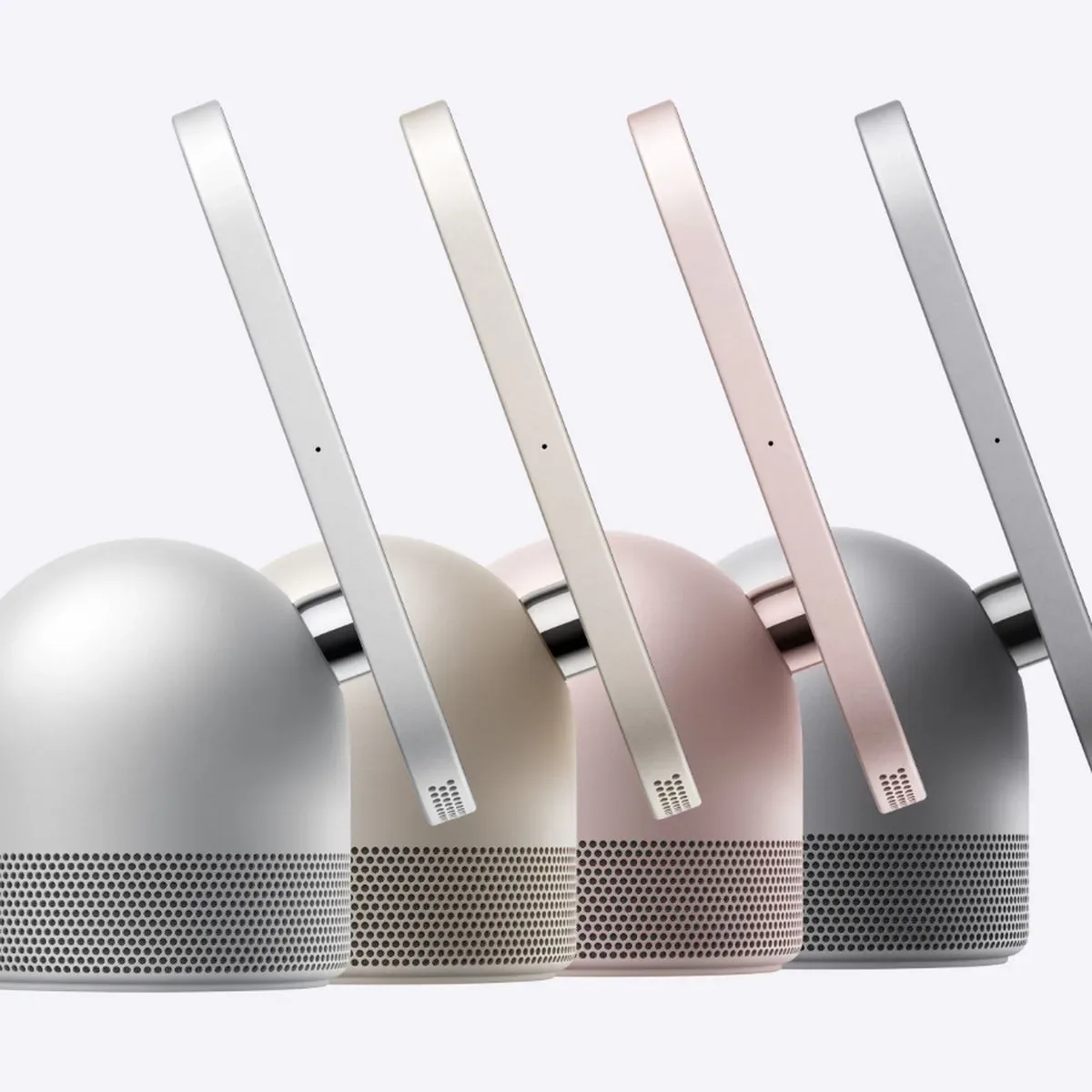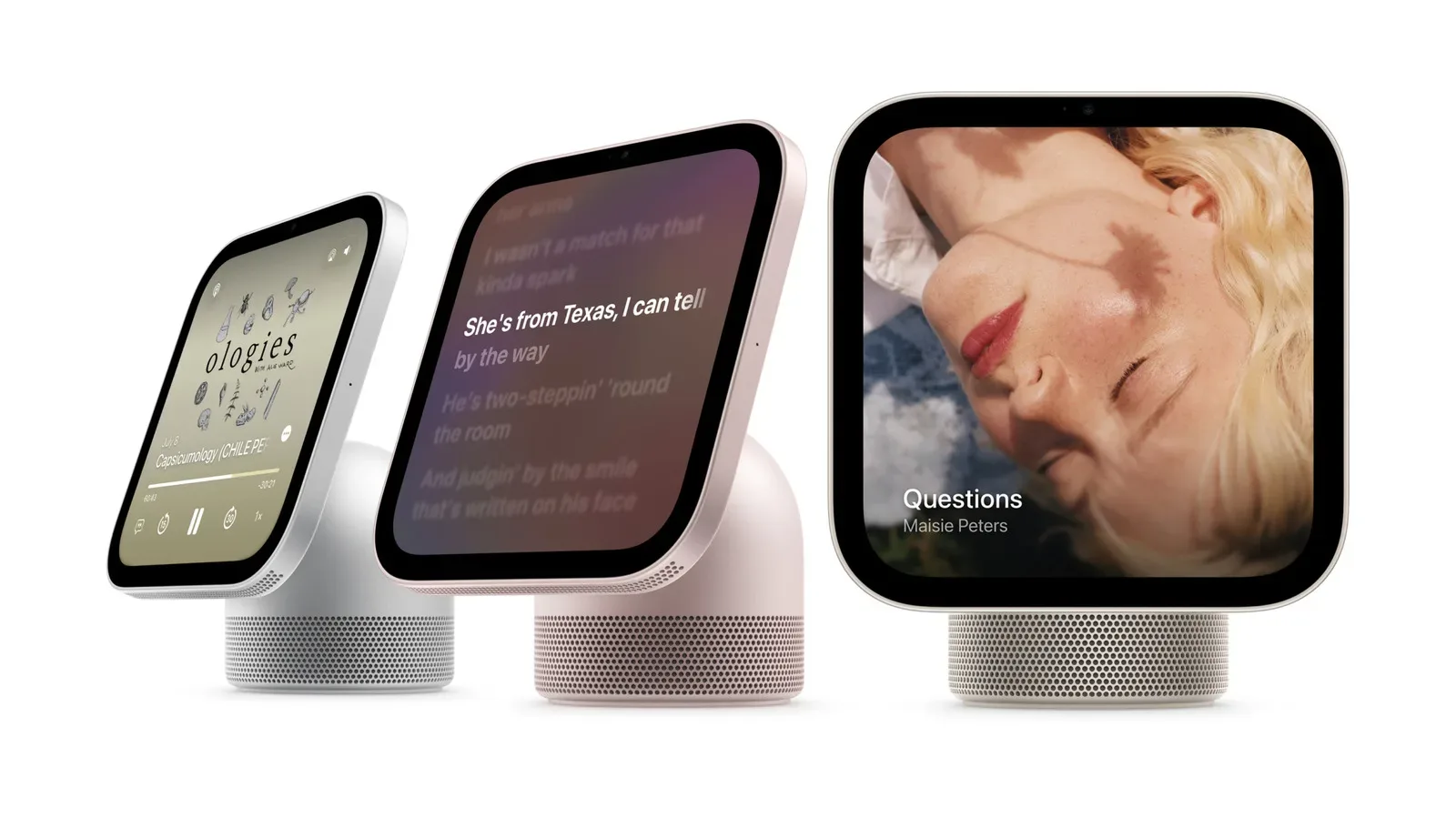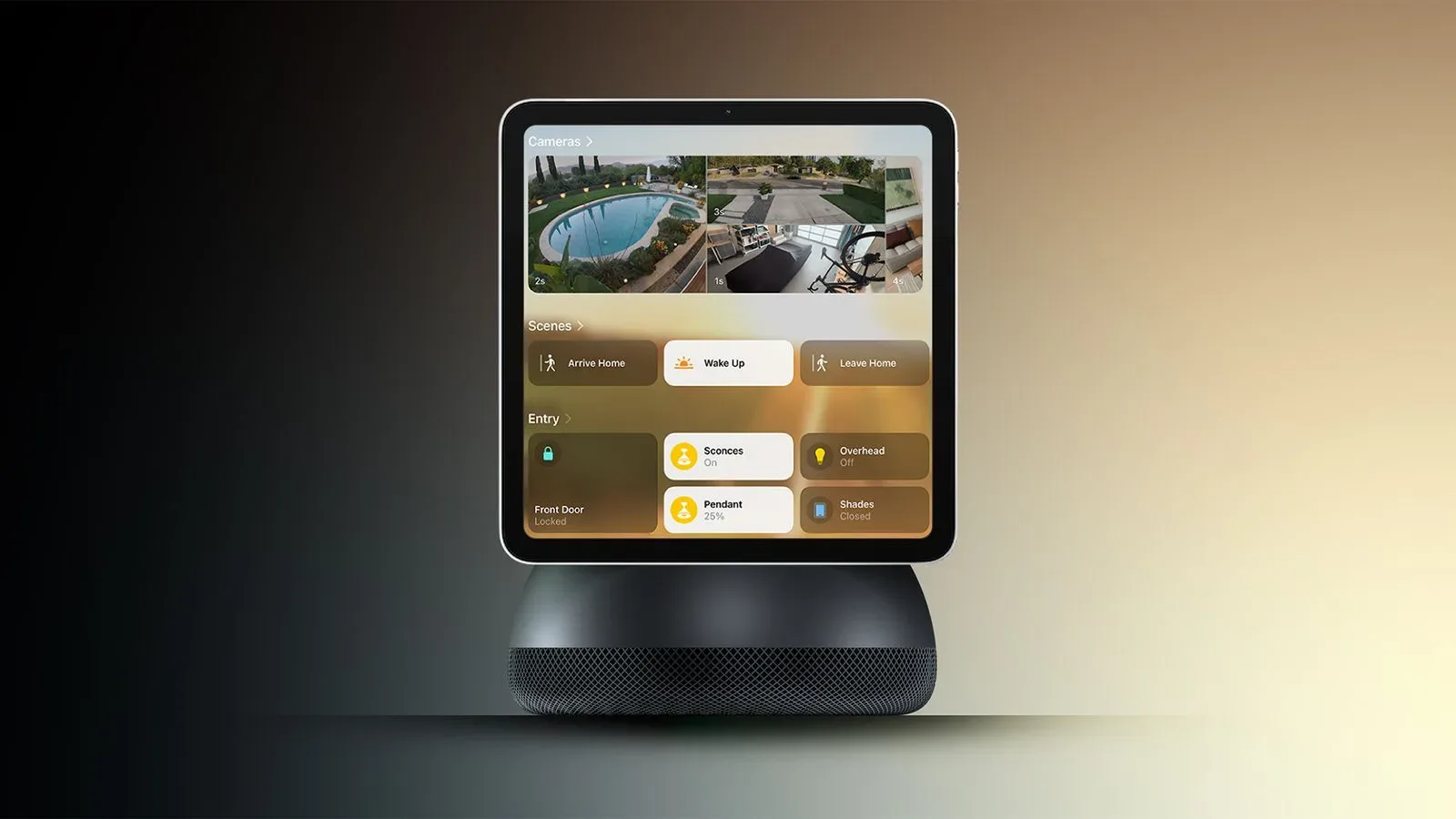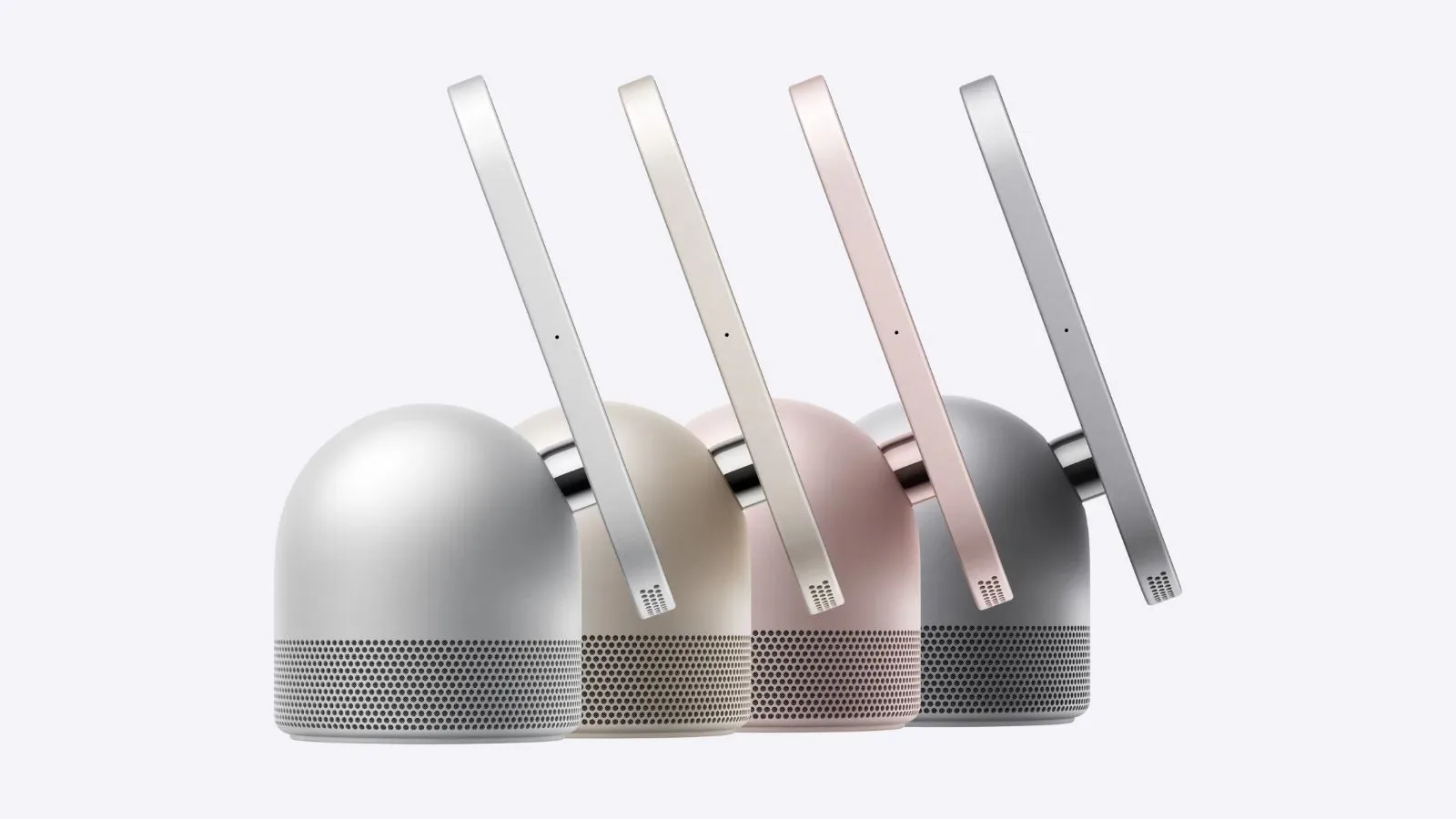
Apple is reportedly developing a larger robotic smart-home display, currently referred to in rumors as the HomeView Ultra or HomeView Max. Neither name should be treated as final. What makes the reported device notable is not simply its screen size, but the role the screen is meant to play: this would be a display on a swiveling robotic arm, designed to watch its surroundings, react to activity in a room and physically turn toward a person.
The current prototype is said to use a 9-inch display capable of swiveling a full 360 degrees. Its visual character has been compared to the old iMac G4 and a familiar animated desk-lamp silhouette: a compact screen elevated by an articulated arm rather than a fixed tablet propped on a stand. It would reportedly offer conventional features such as FaceTime, but its larger purpose is expected to be a more active form of home automation.
That distinction matters. A smart display can present controls, video-call interfaces and information. A robotic smart display is trying to add orientation, awareness and movement to that equation. The screen can face the person it is interacting with, while its sensors and camera could help it understand whether someone has entered the room and whether the arm has enough space to move safely.
A screen that can turn is the central idea
The reported 360-degree rotation is more than a visual flourish. A fixed display forces the household to accommodate the device’s viewing angle. A swivel-mounted one could, in principle, turn toward a speaker during a call or rotate to face a person who has walked into the room. That changes the relationship between screen and space: rather than being an object aimed at a single sofa, counter or desk chair, it could be intended to serve a larger portion of a room.
“Swiveling arm” does not necessarily mean the unit would travel through the home. The reported design concerns an arm holding the display, not a wheeled base. Apple has explored robots that could follow people around a home, but there is no indication that such a device is part of this specific product plan. Keeping that distinction clear is important, because a stationary tabletop robot and a mobile household robot bring very different safety, privacy and reliability questions.
The reported device is therefore best understood as a smart-home hub with a visible, physical response to the environment. It may turn its display; it is not currently described as driving from room to room.
What “environmentally aware” could mean here
The prototype is said to rely on a camera and sensors to become aware of its surroundings and act autonomously. In straightforward terms, autonomously means carrying out an action without someone needing to tap a screen or issue a fresh instruction at that exact moment. One example under consideration is turning on lights when a person enters a room. Another is recognizing a cat on a table and attempting to tell it to get down.
Those examples describe ambition rather than a confirmed final feature list. But they illustrate the goal: the HomeView Ultra would not merely wait for a request. It could be designed to perceive an event, decide that an associated response makes sense and then act.
That requires several layers to work together:
- Camera and sensor input: Hardware would need to detect people, objects and the surrounding physical space.
- Environmental interpretation: Software would need to determine what it has seen—for example, whether someone is entering a room or whether an object is in the arm’s path.
- Automation decisions: The device would need rules for when it should trigger an action, such as operating connected lights.
- Physical movement: The arm would have to turn the display without hitting nearby objects.
The last point is an especially consequential part of the report. The unit is meant to be smart enough to avoid accidentally striking objects around it. A screen that moves in a living room, kitchen or office has to account for clutter, furniture and people reaching across its path. A conventional display can be awkwardly placed and remain harmlessly still. A motorized arm creates a new responsibility: knowing when not to move.
That is why the reported camera-and-sensor setup is fundamental to the concept, not a side specification. Without dependable awareness of the immediate area, a swiveling screen would risk becoming an expensive, overly confident desk ornament.
FaceTime is familiar; the robotic behavior is the leap
FaceTime is among the ordinary display functions mentioned for the product. Video calls are easy to understand as a use case for a screen that rotates toward a person. The more challenging question is whether the device can make that motion feel helpful rather than distracting.
For example, a system that turns to keep a caller in view could be convenient, but it needs to recognize when movement is useful and when it would be intrusive. Likewise, room-entry lighting could make a smart home feel more responsive, but it depends on correctly identifying the relevant person and context. The difference between a useful automated action and an annoying one is often not the action itself; it is whether the device gets the timing and situation right.
The reports do not establish how these judgments would work, what controls owners would receive or which capabilities will make it into a first-generation model. Those missing details are significant. Smart-home automation commonly involves preferences, household routines and access to connected devices. A product meant to act with less prompting will need a clear way for people to set its boundaries.
For now, the practical takeaway is narrower: the reported hardware is intended to support a home device that can see, orient itself and perform certain actions, rather than simply display an interface.
Hardware may be settled, while software remains the debate
The device’s hardware has reportedly been largely finalized for about two years. At the same time, there have apparently been internal disagreements over software—particularly which features should launch in the first generation and which should wait for a second-generation version that is already being discussed.
This is a useful reminder that a product can be mechanically far along without being ready for customers. The arm, screen, sensors and physical form may be closer to a settled design, while the behavior that gives those parts meaning can remain unsettled. With a robotic home device, software is not merely a collection of apps. It helps define how the device interprets a room, when it takes action and how safely it moves.
Launching with fewer autonomous functions could make a first model more predictable. On the other hand, holding back too much could leave a roughly $1,000 product looking like a pricey video-call screen with an impressive neck. The reported first-generation-versus-second-generation debate suggests Apple is weighing exactly that tension: how much robotic intelligence is ready to ship, and how much needs more time.
Readers following Apple’s nearer-term smart-home plans can also see the reported HomeView in this overview of Apple’s November 2026 calendar. The larger device described here is a separate, more ambitious concept, and its schedule is much less certain.
A 2027 target is not a release promise
Apple is reportedly aiming to release the larger HomeView in 2027 at around $1,000 in the United States. However, the device may not be ready until 2028. Both the name and timing remain uncertain, and the price is a reported target rather than confirmed retail information.
The gap between 2027 and 2028 is meaningful because the unresolved software scope appears to be part of the product’s core identity. A delay would not necessarily indicate a redesign of the physical unit; it could instead reflect the difficulty of deciding which environment-aware features are reliable enough for the first release.
The approximate $1,000 figure also positions the rumored product as a premium home device, not a casual impulse-buy display. At that level, the value proposition would likely depend on more than a 9-inch screen and a stylish articulated arm. Buyers would reasonably expect its awareness, automation and movement to offer day-to-day utility that a static smart display cannot.
Other robot experiments remain separate and uncertain
Apple has also explored other domestic robot ideas, including a machine that follows a person around the home on wheels, a flying indoor robot and a robot capable of folding clothes. There is no clear indication any of those concepts will ever be released.
They do, however, provide context for the HomeView Ultra report. A swiveling display is a more bounded proposition than a robot that navigates rooms, flies indoors or handles laundry. Its movement is limited to an arm, and its stated duties center on interaction and smart-home behavior. That does not make the software challenge trivial, but it does make the reported product more focused than those more speculative concepts.
At present, the HomeView Ultra is best treated as a reported prototype and an outline of Apple’s thinking about household robotics: start with a screen people already understand, add sensors and deliberate movement, then try to make the system useful enough that its autonomy feels earned. Whether that outline becomes a 2027 product, slips to 2028 or changes substantially before launch remains unresolved.