Vintage-card auctions often begin with a familiar proposition: famous athlete, celebrated issue, grade, bid. Rabbit Hole Auctions is taking a wider view for its second sale, which opened October 11 and closes November 1. The approximately 170-lot catalog has recognizable sports-card names at its center, including Mickey Mantle, Hank Aaron, Jackie Robinson, Willie Mays and Wayne Gretzky. But it also gives substantial space to nineteenth-century entertainment cards, early boxing material, advertising-linked collectibles, historical artifacts and a few personal stories that do not fit neatly into a price guide.
That mix is deliberate. Founder Justin Hirsch describes the company’s approach as “attainable vintage”: a catalog designed to leave room for collectors who want accessible material as well as those chasing an exceptional item. He has said typical price points run from roughly $10 to $3,000, while acknowledging that higher-end pieces belong in the sale too.
The result is less a single-sport, single-era checklist than an invitation to browse. The full catalog is hosted through Rabbit Hole Auctions, and its range is the central idea: a 1954 Topps Hank Aaron card can sit near early-1910s boxing cards, while a group of T206 tobacco cards can share an auction with an 1889 set depicting English running horses.
A boutique catalog built for browsing
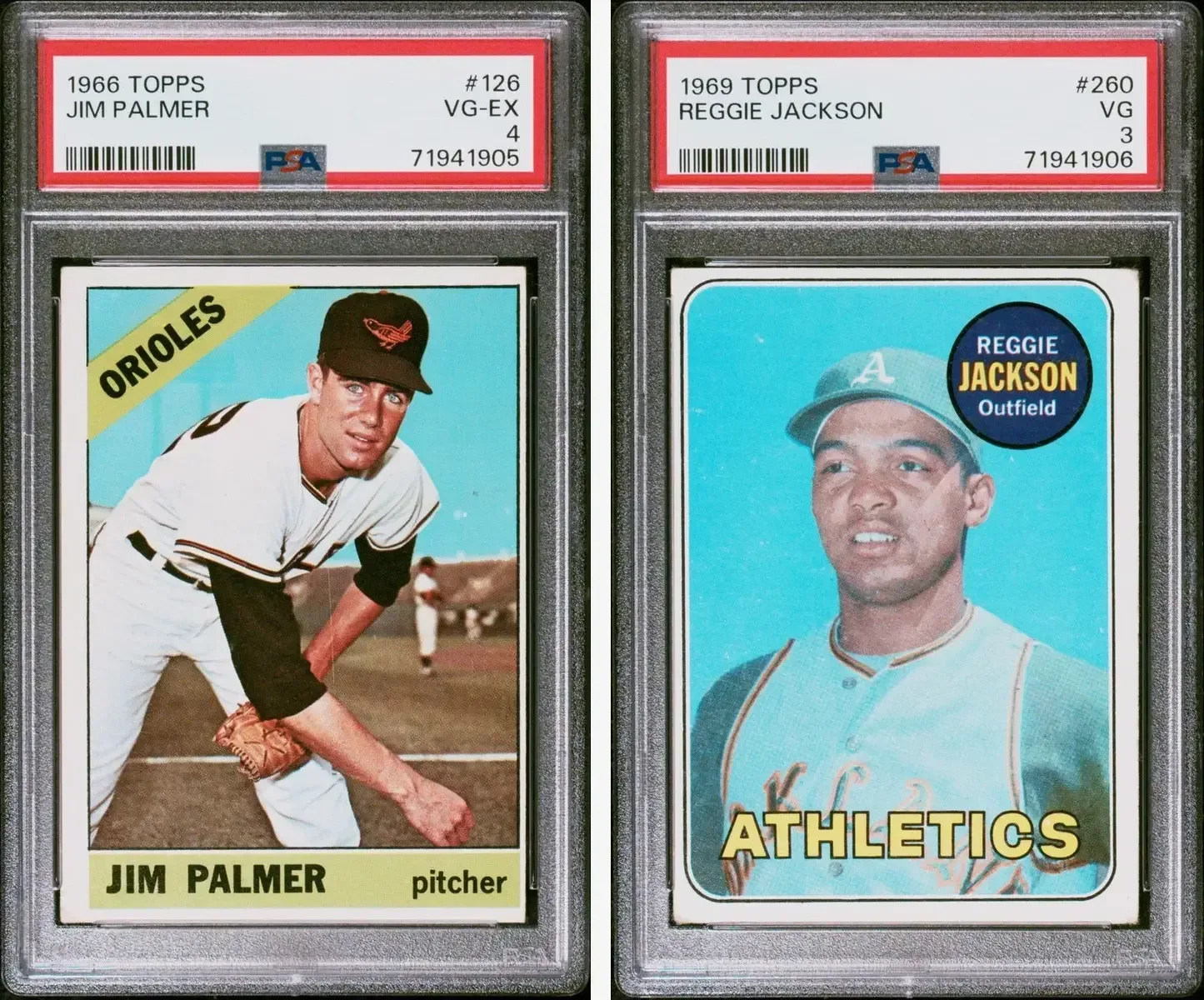
Hirsch founded Rabbit Hole Auctions after decades as a collector and alongside his work running a global executive recruiting firm. His entry into auctions dates to 1982, when his father took him to his first sale. They returned with two rookie cards: a 1966 Topps Jim Palmer and a 1969 Topps Reggie Jackson. Hirsch still owns both, calling them the two cards he cannot replace.
For more context, explore Ye Ordered to Pay $181,433.93 in Legal Fees and Costs in Malibu Mansion Worker Case.
That distinction matters. In a collecting context, an item’s financial value and its personal value can overlap, but they are not interchangeable. A card associated with a formative day, a family member or a completed pursuit can become effectively unavailable to its owner regardless of its market value. Hirsch’s early cards offer a concise example of why provenance can mean more than a formal chain of ownership: it can also mean the story a collector attaches to an object.
His interests continued through childhood and business travel, when he bought vintage cards connected to places he visited. During the pandemic, he rediscovered a box of 1955 Bowman cards and set about completing the set. That collecting perspective informs the scale of the auction house. Rather than presenting an enormous catalog that encourages buyers to filter straight to predetermined targets, Hirsch intentionally keeps sales smaller enough that a visitor can explore the whole offering.
That is a practical choice as much as an aesthetic one. A manageable catalog makes the less immediately obvious items easier to encounter. Someone arriving for a familiar Topps card may also see a period-signed player photograph, a tobacco-card subject outside baseball, or an entertainment-card set they had not previously considered. It does not guarantee that every unusual lot will draw the same attention as a Mantle or Aaron card; Hirsch has been candid that it will not. It does, however, make curiosity part of the auction’s design.
Related coverage includes Rabbit Hole Auctions Blends Vintage Sports Cards With Historic Finds.
Major sports names anchor the offering
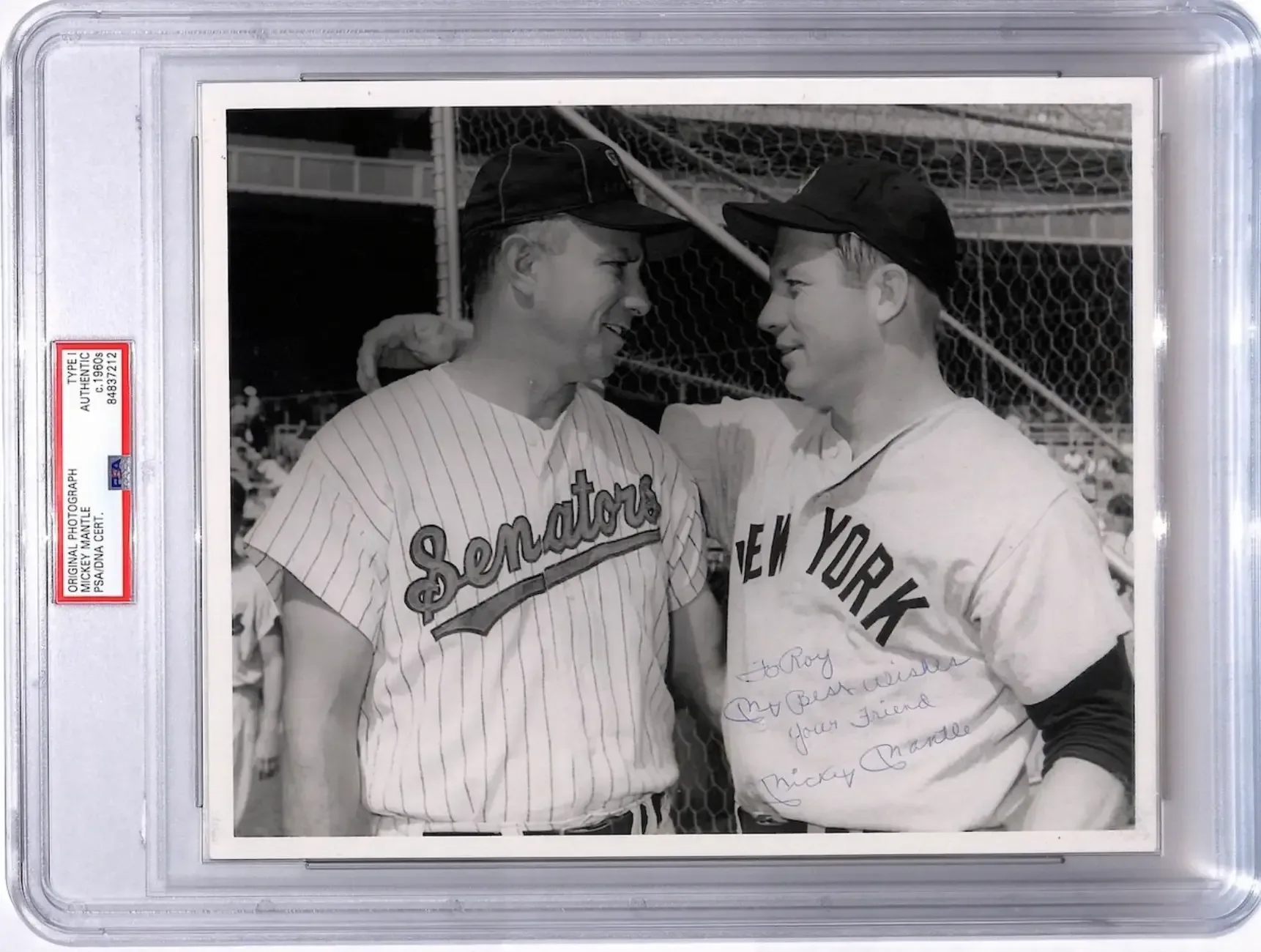
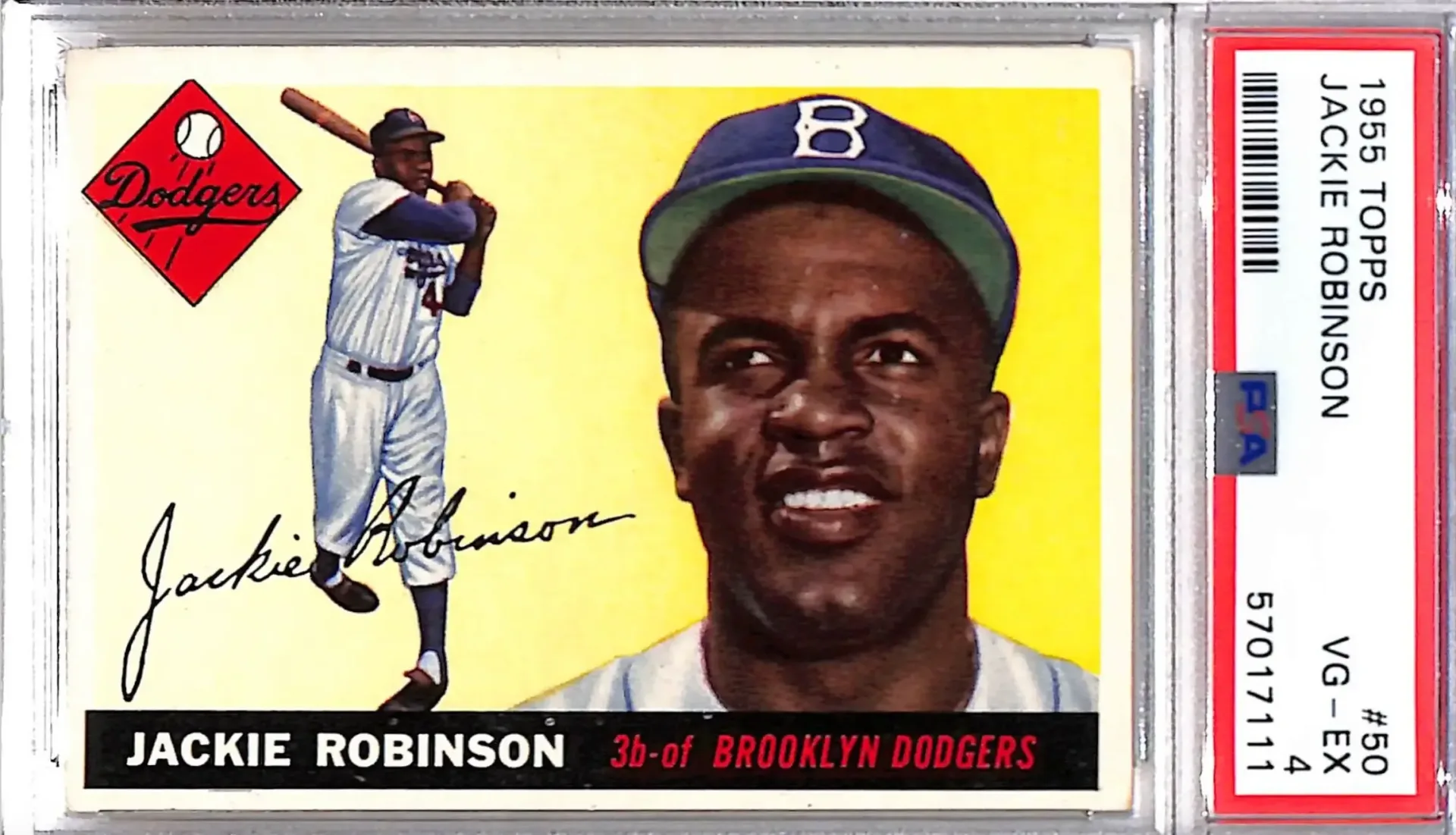
The sale has no shortage of conventional touchstones for sports-card collectors. Along with the 1954 Topps Hank Aaron and numerous T206 tobacco cards, it includes a 1979 O-Pee-Chee Wayne Gretzky rookie card and a 1955 Topps Jackie Robinson No. 50 graded PSA 4, identified as Very Good-Excellent.
Those labels carry useful information, but they should not be flattened into a universal verdict. PSA is a third-party authentication and grading company. A numeric grade is an assessment of a particular item’s condition under that grader’s standards; it is not a statement that all copies are equivalent, nor does it replace examining an auction listing’s images and description. “Raw,” meanwhile, means a card has not been encapsulated with a third-party numerical grade. Rabbit Hole’s catalog includes an example of raw cards used in a display rather than presented as individually graded lots.
That display is one of the sale’s more distinctive pieces: a vintage 1956 Topps baseball card machine containing six Hall of Famers, among them Mays, Ted Williams, Sandy Koufax and Yogi Berra. Hirsch already owned the machine and later acquired a group of around 50 raw 1956 Topps cards, then combined them into the finished presentation.
The appeal is different from a single-card lot. A standalone card directs attention to player, set, condition and scarcity. A card machine with selected cards functions as an object and a display, placing the cards in a format that changes how they are viewed. For collectors who care about presentation or the physical culture around trading cards, that context may be as important as the individual names visible inside it.
Autographs with a family archive behind them
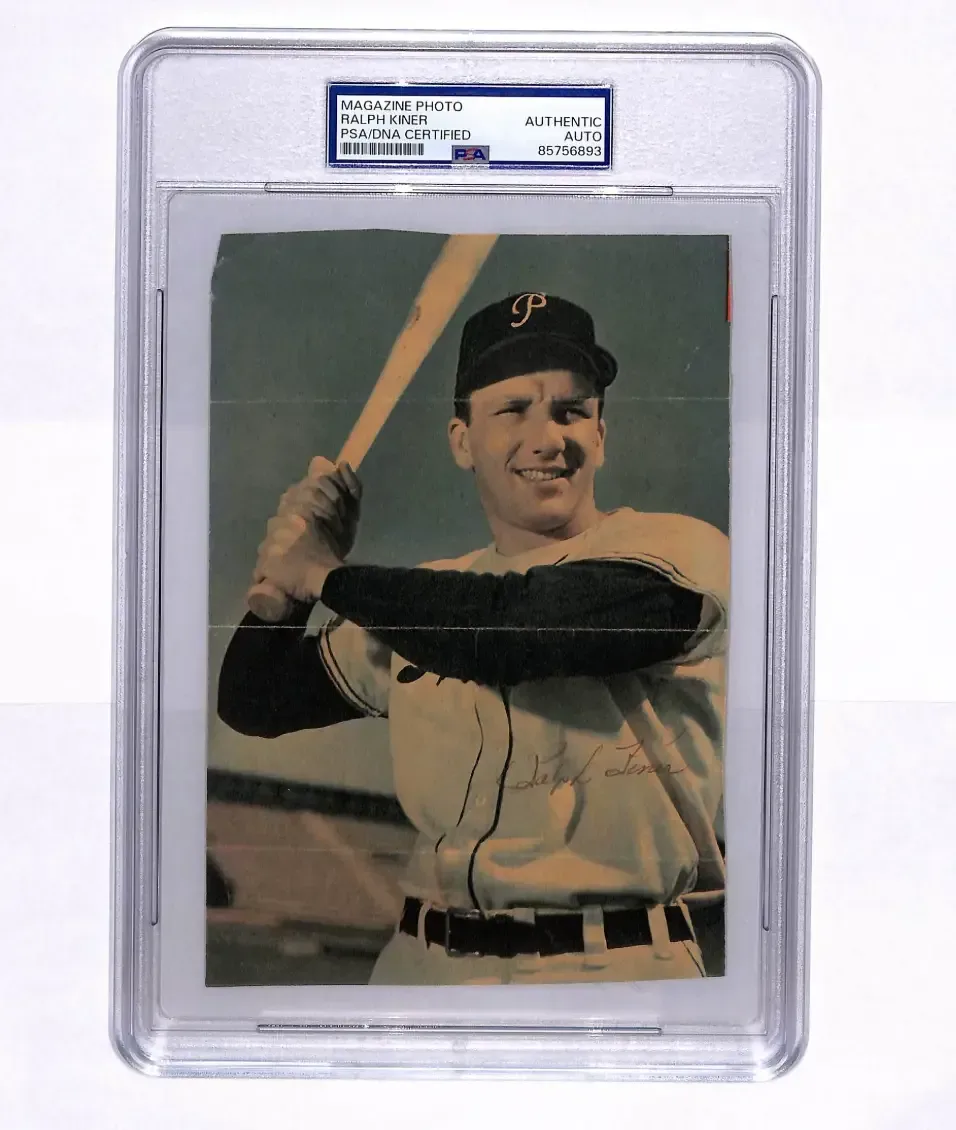
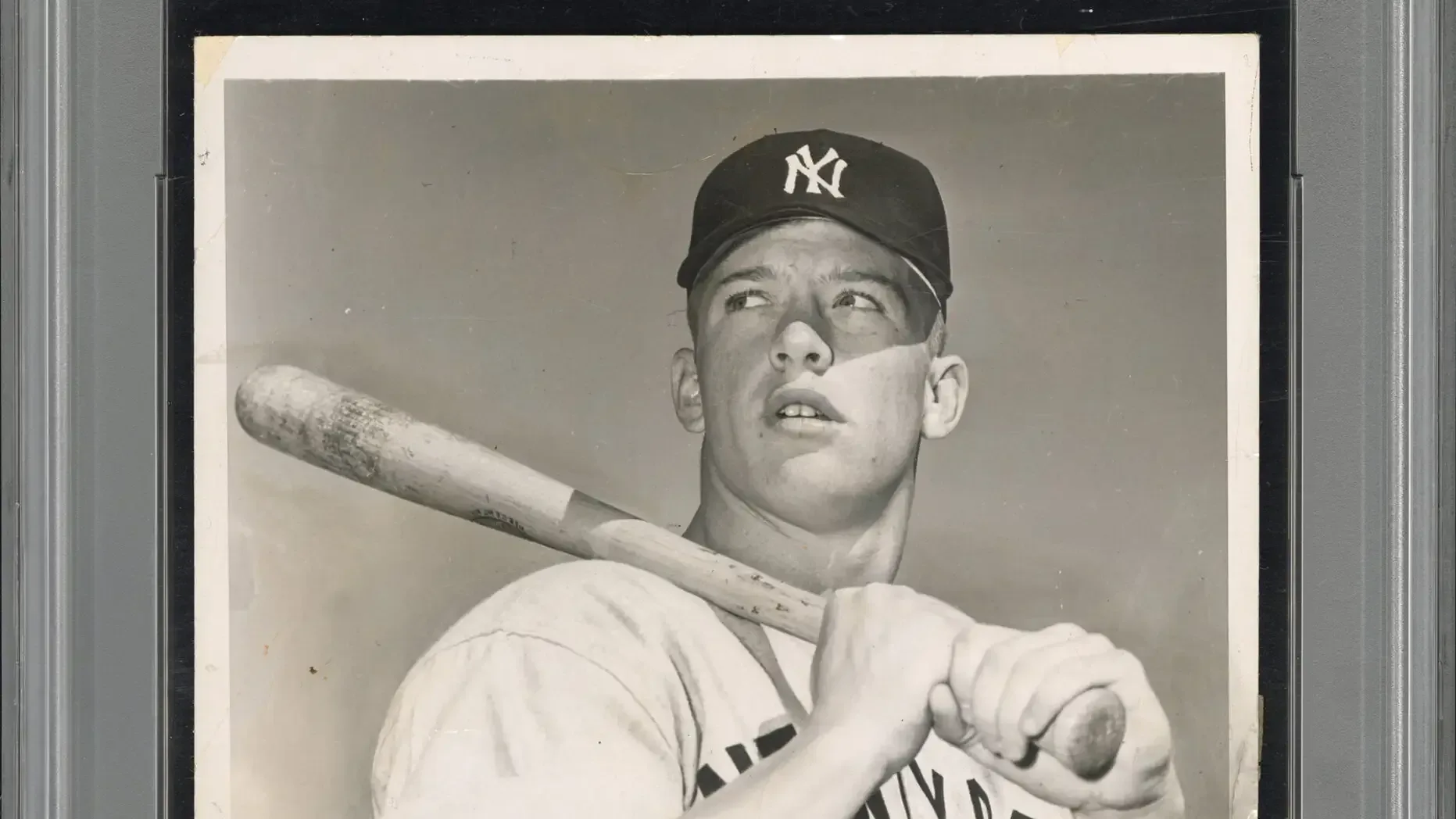
Another major section comes from the Barry Walner Collection. It consists of Baseball Magazine player photographs signed through the mail in the early 1950s, with examples connected to Warren Spahn, Ralph Kiner and Herb Score. Walner preserved the signed pieces in a scrapbook for decades. Hirsch had them removed and submitted to PSA, while Walner helped prepare the accompanying lot descriptions.
Period-signed is an important description here. It indicates that the autograph dates to the player’s era rather than being obtained much later. The term does not, by itself, tell a buyer every detail about condition or authentication, but it helps explain why a signed magazine photograph can interest collectors beyond the athlete’s name alone. The original method of obtaining the signatures, the years of scrapbook storage, the later removal from that scrapbook and the authentication submission are all parts of the item’s documented story.
The same emphasis on personal context appears in a 1970–71 basketball-card collection from the estate of Priscilla Reetz. Her children assisted with the lot descriptions as a tribute to their mother. Estate material can carry varied meanings for bidders: it may represent a coherent collection assembled over time, but it can also preserve the specific choices of one collector. In this case, the family’s participation makes that connection explicit rather than leaving the cards as anonymous inventory.
Why the non-sports material belongs here
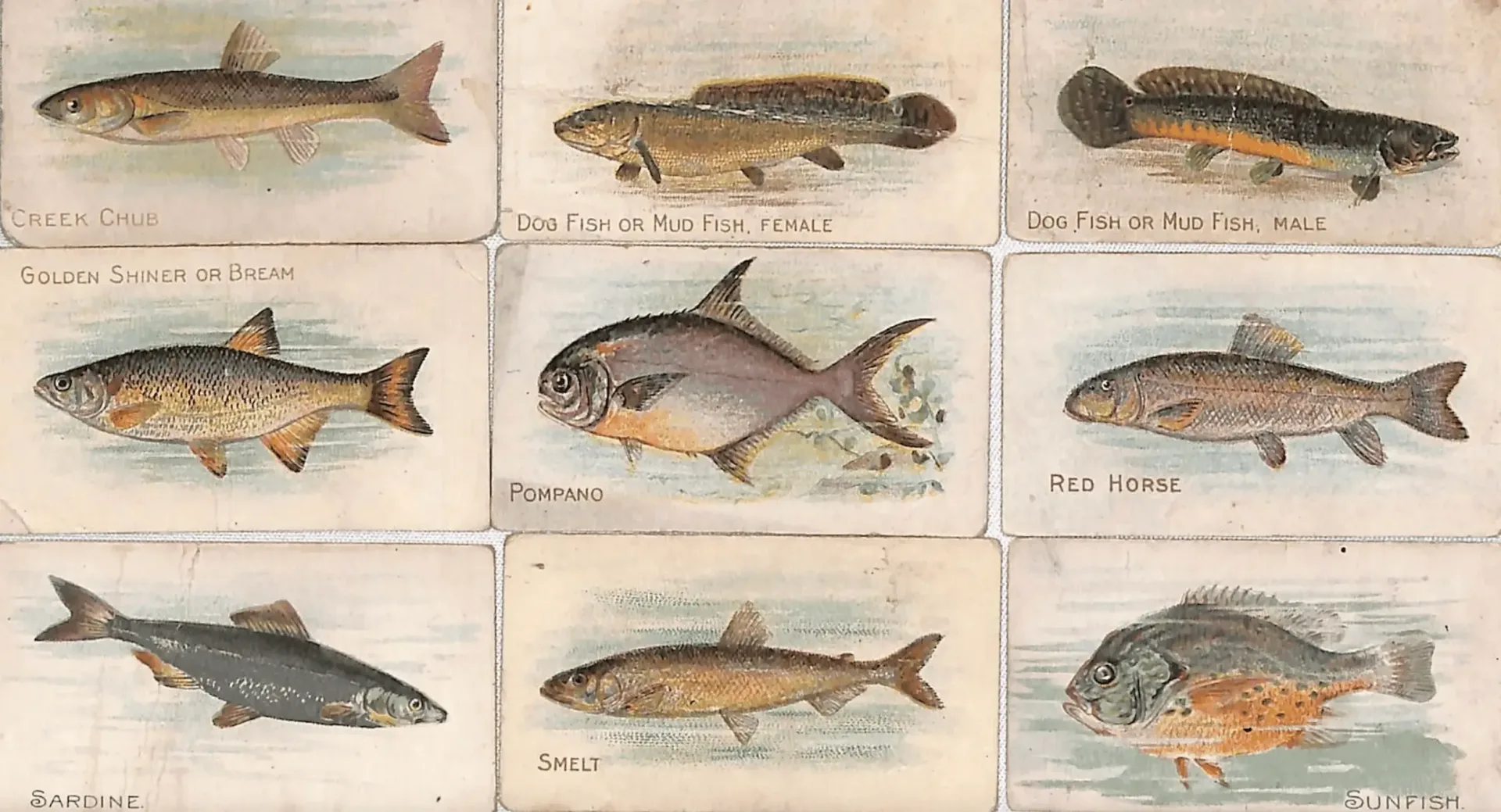
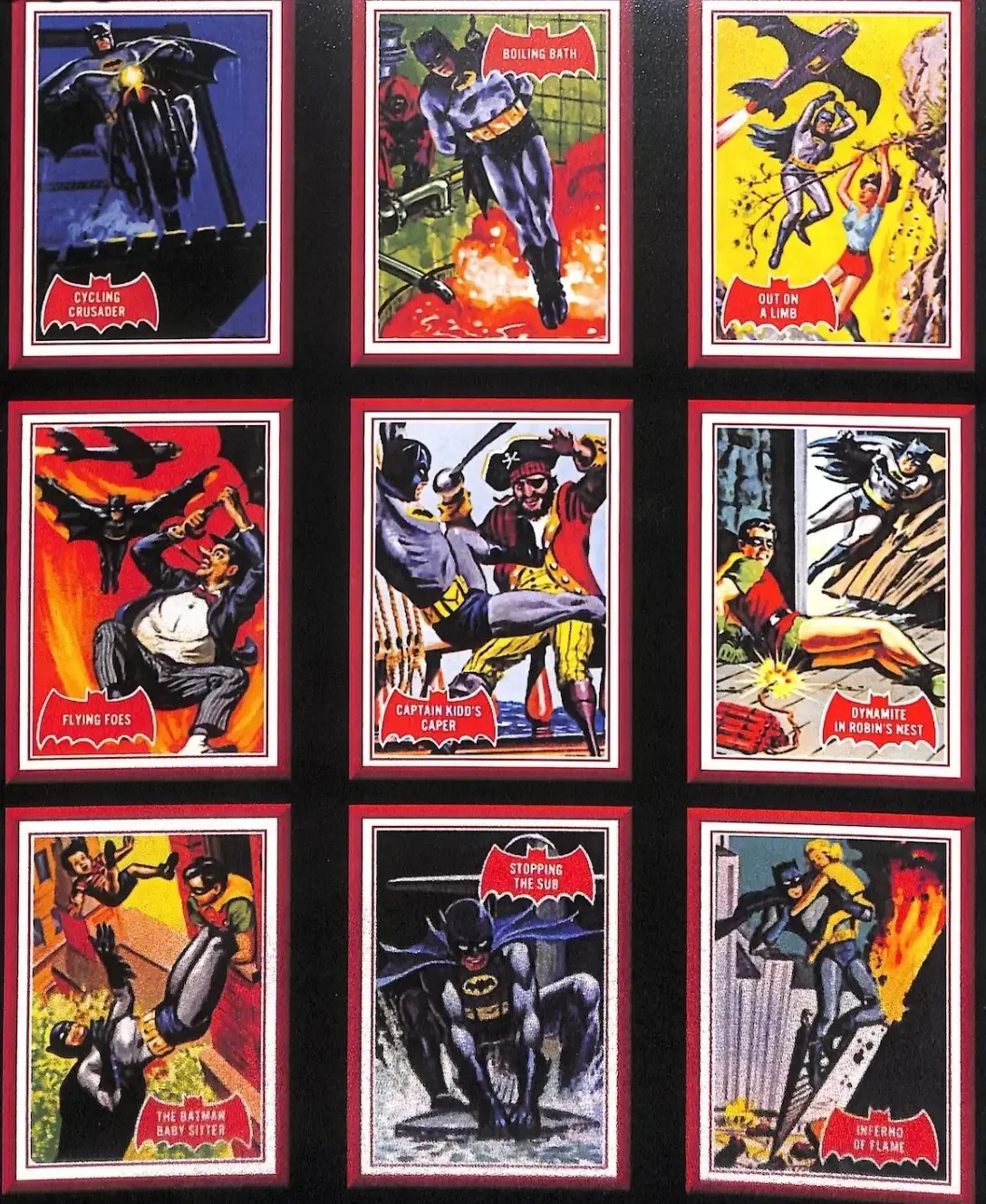
Rabbit Hole’s strongest point of differentiation may be its decision to place unusual historical material beside established sports-card categories. The current sale includes 178 nineteenth-century actors and actresses cards, cards from an early 1910–12 boxing run, a nine-card 1910 T206 Fish Series lot and five 1889 Kinney Bros. N230 Famous English Running Horses cards. A complete 1966 Batman Red set in a custom binder adds another branch to the catalog.
These lots underscore that “trading cards” is a wider category than modern sports releases. Some older issues used collectible cards to feature performers, animals, sports figures and other subjects, often tied to advertising or consumer products. Their interest can lie in design, topic, age, completeness and the historical setting that produced them. That is why the Fish Series and running-horses material can be a natural fit for collectors who enjoy modern Allen & Ginter cards: both reflect an appetite for subjects that move beyond a conventional baseball-only frame.
This does not make every historical card a direct substitute for another. T206, for example, is a designation associated in this catalog with tobacco cards, while the Fish Series is represented as its own nine-card lot. Kinney Bros. N230 identifies a distinct 1889 running-horses issue. Collectors should read each lot as its own object with its own set, subject matter and stated condition, rather than assuming that age alone creates the same kind of appeal or demand.
For Hirsch, that breadth is about restoring some surrounding history to card collecting. Advertising, memorabilia and artifacts can make an era feel less abstract than a roster of names and numbers. The approach is not built on the assumption that unconventional items will be the sale’s biggest performers. It is built on the view that a catalog is more engaging when it offers a chance to find something unexpected.
A small personal item among the vintage lots
Perhaps the clearest signal that Rabbit Hole is not trying to operate as a purely formulaic sports-card sale is Yummy Up Bakery, a children’s book written by Hirsch’s daughter when she was 10 and published when she was 16. She is now 22, and the book returns after proving popular in the company’s inaugural auction.
It is an unconventional fit beside tobacco cards and Hall of Fame players, yet it expresses the same idea visible in the signed-photo archive and the Reetz estate material: a collectible can be meaningful because someone cared for, made or preserved it. The sale is not presenting all categories as identical. Instead, it lets their differences remain visible, from mainstream vintage baseball to objects that are significant primarily through their personal connection.
What collectors can take from the format
Rabbit Hole Auctions’ second sale suggests a useful collecting principle: a focused budget does not require a narrow field of vision. Hirsch’s stated $10-to-$3,000 typical range positions the auction around possibilities that can include an entry-level historical piece, an ungraded card, an unusual set or a more established vintage name, depending on the eventual bidding.
That range should not be treated as a promise of a final hammer price, and bidders should assess individual listings rather than assuming a category will fall within a preferred budget. But the company’s stated goal is clear. It wants a collector to feel able to browse widely, not only look upward toward a few obvious trophy lots.
The sale closes November 1. Its combination of major sports figures, graded and raw material, period autographs, entertainment cards and nineteenth-century issues will likely appeal to different kinds of collectors for different reasons. The connecting thread is not simply that everything is old. It is that each lot is being offered as an object with a story, whether that story begins with a 1950s mail request, a family scrapbook, a box rediscovered decades later, or a collector’s decision to place a fish card beside a baseball card and see who stops to look.