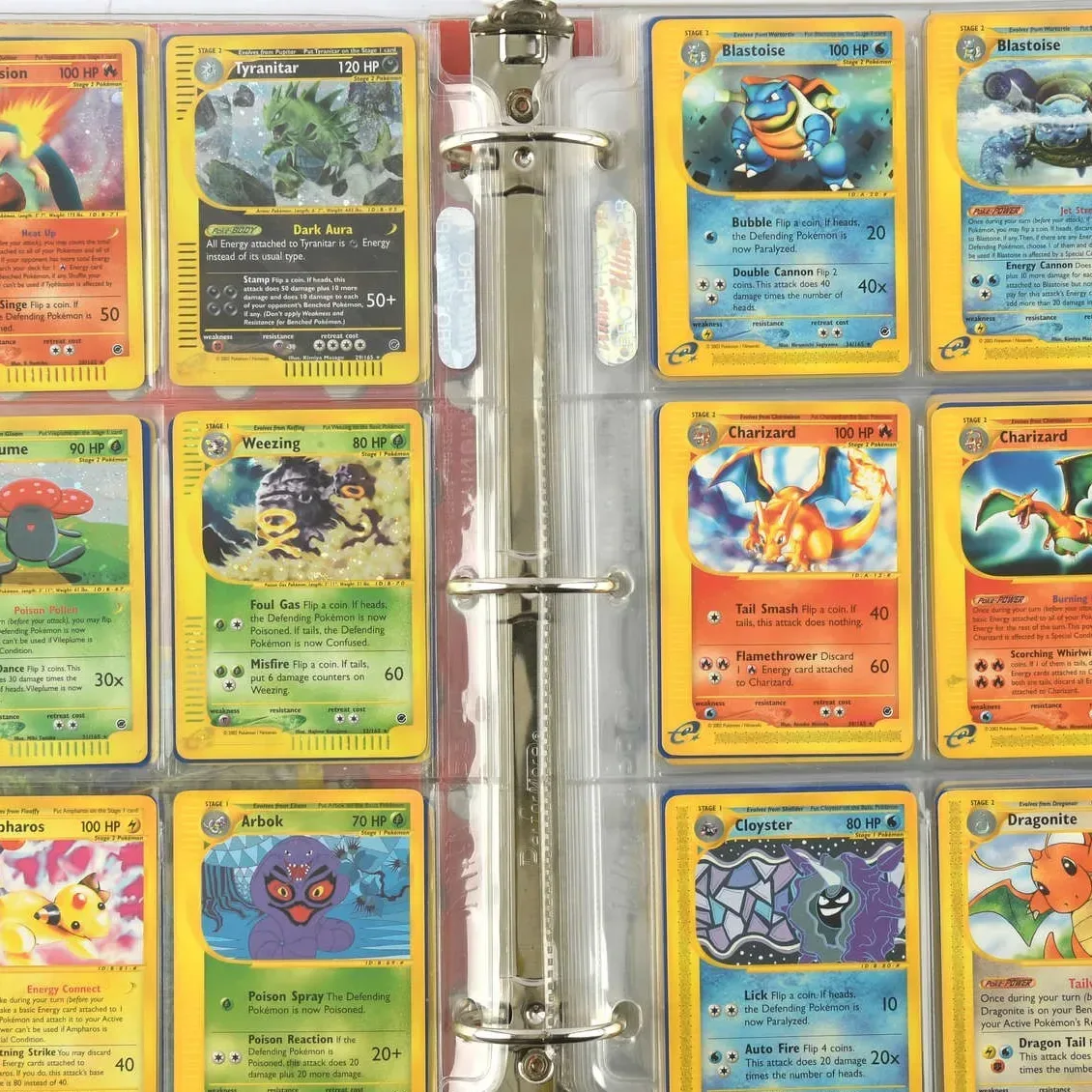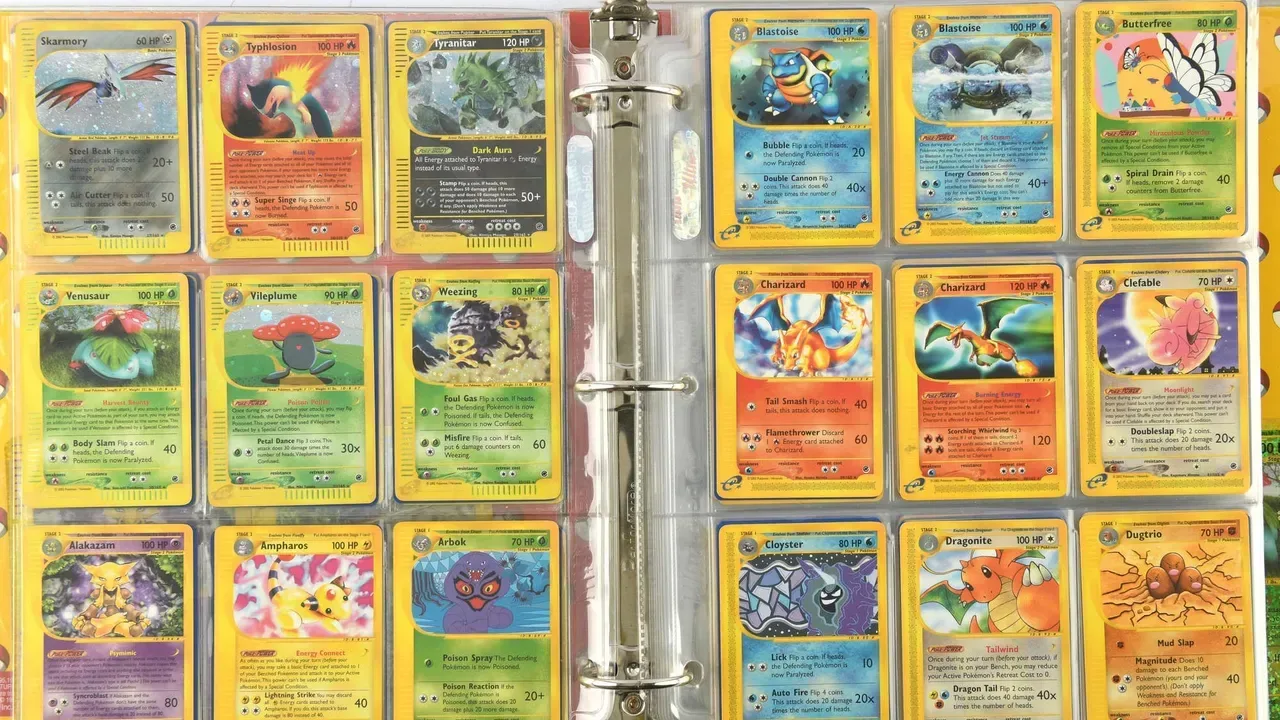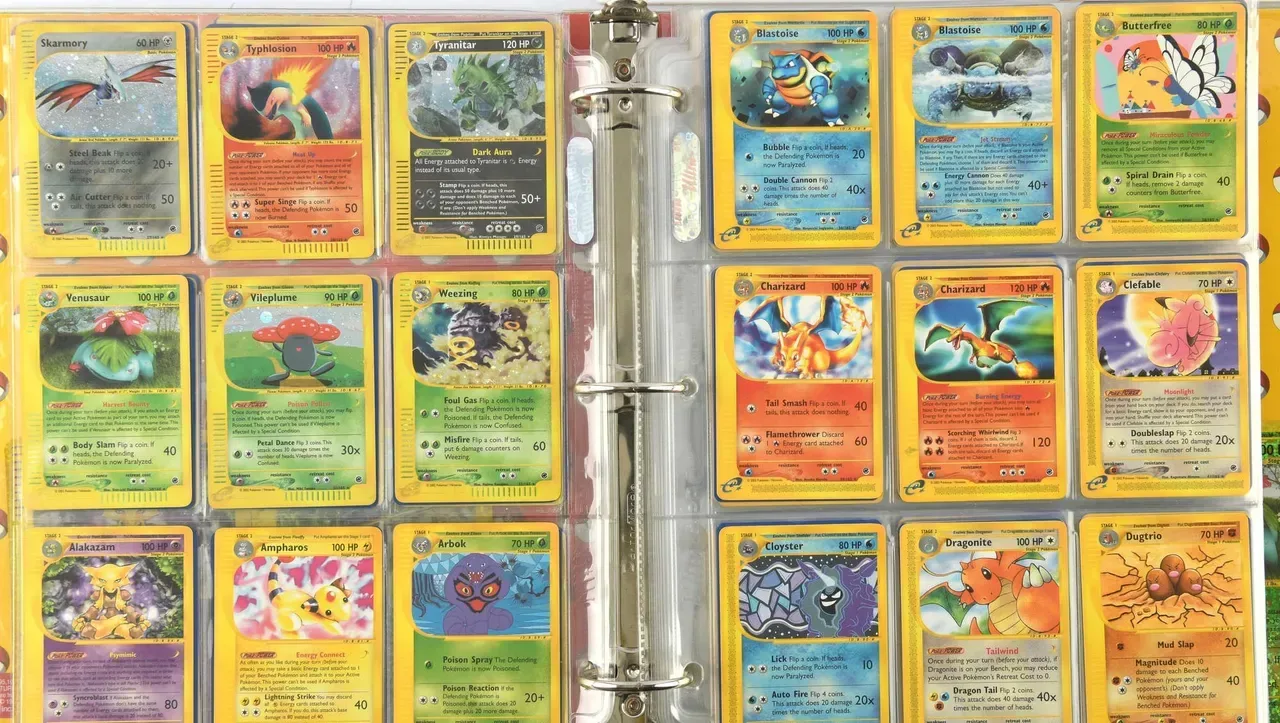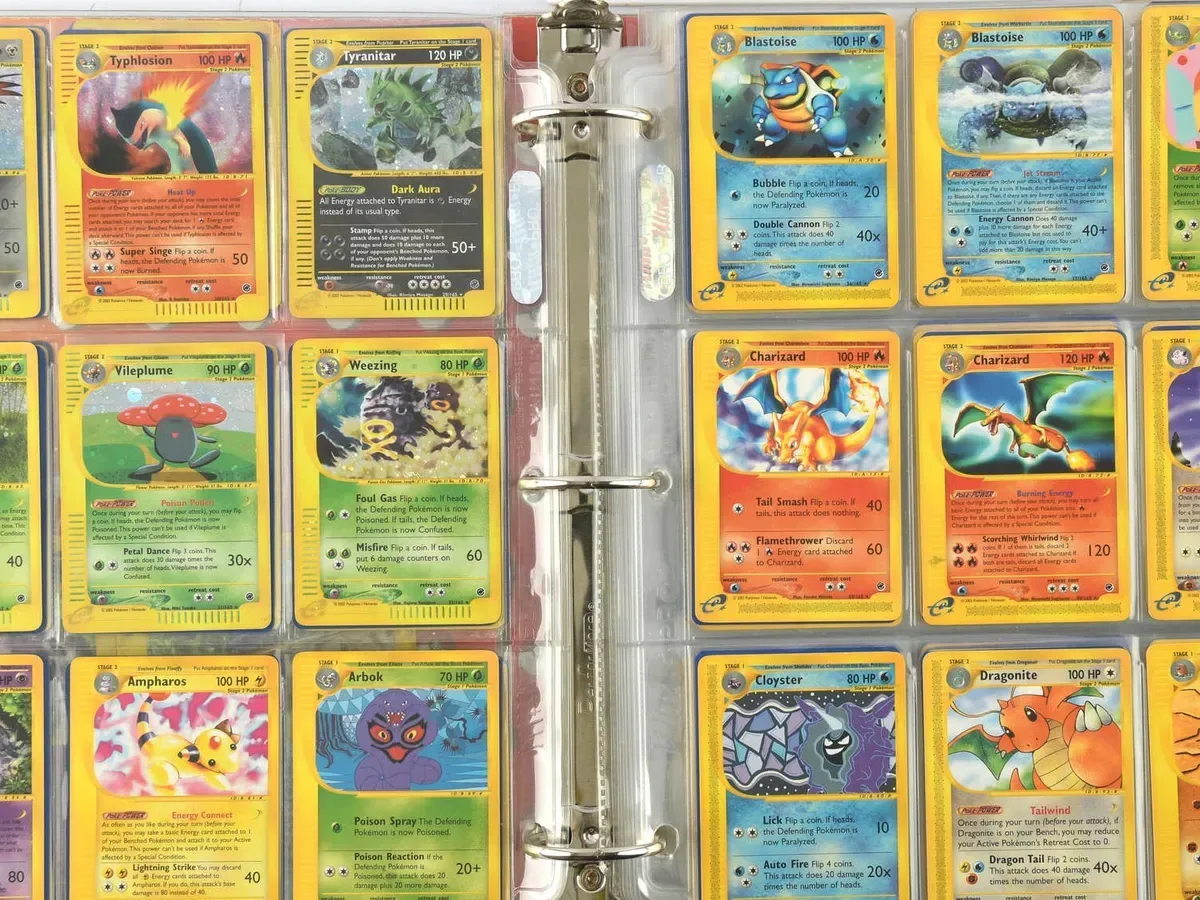
A Pokémon card collection stored away in a loft has sold for £1.56 million, roughly $2 million, at a Surrey auction. The seller, an anonymous retired decorator from Woking in the UK, had kept the cards since the late 1990s after buying them during the first major wave of Pokémon trading-card mania.
The result is remarkable not simply because one valuable card surfaced from storage, but because the collection appears to have combined qualities collectors prize together: it was described as mint condition, complete, and largely untouched. Those details turned a childhood-era collecting decision into an auction event that drew bidders from around the world.
For the owner, the collection had remained out of sight until he read that an individual card could sell for £6,000, approximately $8,000. That discovery prompted a closer look at the cards in his loft. The eventual £1.56 million total made the sale the auction house’s most successful in more than 30 years of business.
“I know people always talk about finding treasure in the attic, but in my case that is literally true,” the seller said.
A collection built when Pokémon cards were a schoolyard pastime
The owner said his son began receiving and swapping Pokémon cards at school in the late 1990s. He liked the look of the cards and wondered whether they could make a worthwhile investment, so he began buying separately from his son’s own collection. The seller said his son never handled these particular cards.
That distinction matters. A collection that has spent decades being played with, traded, carried in pockets, or repeatedly removed from binders can accumulate wear even when the owner considers it well preserved. Collectors assess physical condition closely, looking for issues such as whitening along edges, bent corners, surface scratches, print defects, creases and other signs of handling. The cards in this sale were described as mint, a major factor in the attention they attracted.
The story is also a useful reminder that age alone does not explain a seven-figure auction result. Pokémon cards have been printed in extraordinary numbers: more than 10 billion were printed in the previous year, while the total number produced has reached 85 billion. A large print history means old cards are not automatically scarce, and a random box from the era is not automatically valuable. What stands out here is the combination of condition, rarity, completeness and long-term preservation.
One £300 purchase became a £75,000 lot
Among the most striking individual results was a set the owner bought from a Malaysian eBay seller for £300, around $400. It ultimately sold for £75,000, approximately $100,000. The difference illustrates how the collectibility of a group of cards can be greater than an original purchase price suggests—especially where a set has remained intact and the cards have survived in unusually strong condition.
Related coverage includes Forgotten Pokémon Card Binders Sell for £1.56 Million at Auction.
The Legendary Collection Complete Master Set sold for £100,000, roughly $133,000. In trading-card language, a master set generally means a collection assembled to include the intended cards from a release, often encompassing variations and rarities beyond a basic checklist. That level of completeness can be difficult to maintain over time. Individual cards get traded away, damaged, misplaced or separated from the rest of a binder; rebuilding the missing pieces later can be costly or impractical.
Completeness should not be treated as a magic label, however. What is included in a master set can vary depending on how a collector, seller, or auction listing defines the release and its variants. A prospective buyer or seller should therefore read any lot description carefully rather than assuming that “complete” has one universal checklist. In this case, the £100,000 result shows the premium bidders were willing to place on a clearly presented, high-condition complete collection.
Why condition and preservation became the central story
An auction representative said “jaws hit the floor” when the cards were first presented and emphasized that they were all in mint condition. That reaction helps explain why the result rose far beyond the familiar headline of an old collection found in storage. Many people kept Pokémon cards; far fewer kept large, complete collections in pristine shape for decades.
“Mint” is a condition description, not merely a synonym for old or unopened. It indicates that an item is believed to have extremely little visible wear. The term can be especially consequential with collectible cards because the market often differentiates sharply between a sharp, clean copy and one with visible handling damage. This auction’s descriptions stressed both condition and the fact the collection had been left untouched after it was stored.
That does not mean loft storage itself is a recommended preservation strategy. The sale demonstrates what happened to one particular collection, not that any attic or loft environment is inherently safe for paper collectibles. The practical lesson is narrower: storage history can matter, and people who find older cards should avoid making premature assumptions—either that they are worthless or that they are worth a fortune.
Anyone uncovering a similar cache has a few sensible first steps before rushing into a sale:
- Keep cards together with their binders, sleeves, wrappers or set organization where possible; that context may help establish what the collection includes.
- Handle cards sparingly and carefully. Avoid trying to clean, flatten, alter or “improve” a card without understanding the possible effect on condition.
- Make an inventory before separating a collection into individual sales. A complete run or set may carry a different appeal than its component cards sold one by one.
- Seek a professional assessment from an appropriate specialist if the collection appears significant, particularly before accepting an unsolicited offer.
- Use caution around publicity and security. High-value cards are portable and have attracted theft, so an owner should think carefully about who knows the collection exists and where it is kept.
Those are preservation and decision-making steps, not a promise of value. The overwhelming majority of old cards will not produce a result like this one. But treating a potentially important collection carefully gives an owner time to understand exactly what they have.
An international market for Pokémon’s rarest cards
Interest in the £1.56 million sale extended beyond the UK, with bidders participating by phone from around the world. The global audience reflects how Pokémon’s most desirable cards now move through an international collector market. A card’s appeal can be shared by people who grew up with the franchise in different countries, while rare variants, complete sets and exceptional condition copies can draw specialist attention regardless of where they were originally found.
The biggest recorded Pokémon-card prices remain on another scale. A Pikachu Illustrator card sold for $16.492 million in February after 41 days of bidding. It belonged to Logan Paul, who had bought it for $5.275 million in July 2021. The loft collection’s £1.56 million total therefore does not challenge that individual-card benchmark, but it is significant for a different reason: it demonstrates the value that a broad, well-preserved collection can command when its parts are presented to a global market.
That distinction is important. A record-setting single card and a major collection sale are not identical kinds of transactions. The Pikachu Illustrator result centred on one extraordinarily notable card. The Woking collection’s result was built across many cards and sets, including the £100,000 Legendary Collection Complete Master Set and the £75,000 set originally acquired for £300. Each sale tells collectors something different about demand.
What the sale does—and does not—say about old Pokémon cards
It is tempting to turn a headline-grabbing attic discovery into a universal rule: check every binder, buy every old card, or assume untouched means valuable. None of those conclusions follows. The seller’s result was exceptional because several favourable variables aligned at once. The cards were described as pristine. The collection included complete material. Rarities were present. And auction interest was strong enough to bring bidders from across the world into the process.
Still, the story gives people with older collections a clear reason to pause before treating them as clutter. The right question is not “Are all old Pokémon cards valuable?” It is “What exactly is here, what condition is it in, how complete is it, and what is the appropriate route to assessing it?” Those questions are more useful than trying to estimate a collection’s value from one viral sale or one exceptionally expensive card.
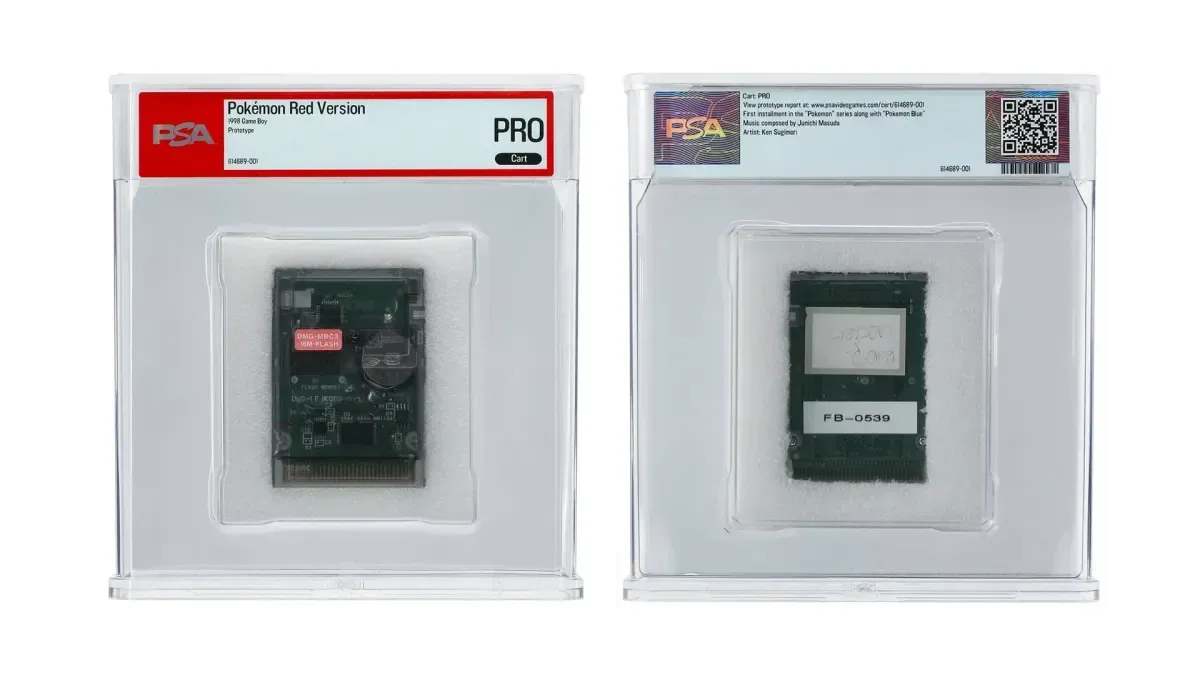
For more on how provenance and the underlying material can complicate a high-value Pokémon find, see this look at a rare Pokémon Red development cartridge. The broader lesson applies across gaming collectibles: rarity claims, condition, completeness and documentation all deserve scrutiny.
In this case, the outcome is already unambiguous. A group of Pokémon cards bought and stored decades ago has delivered a £1.56 million auction sale, turning a quiet loft collection into one of the most notable Pokémon-card results of the year.