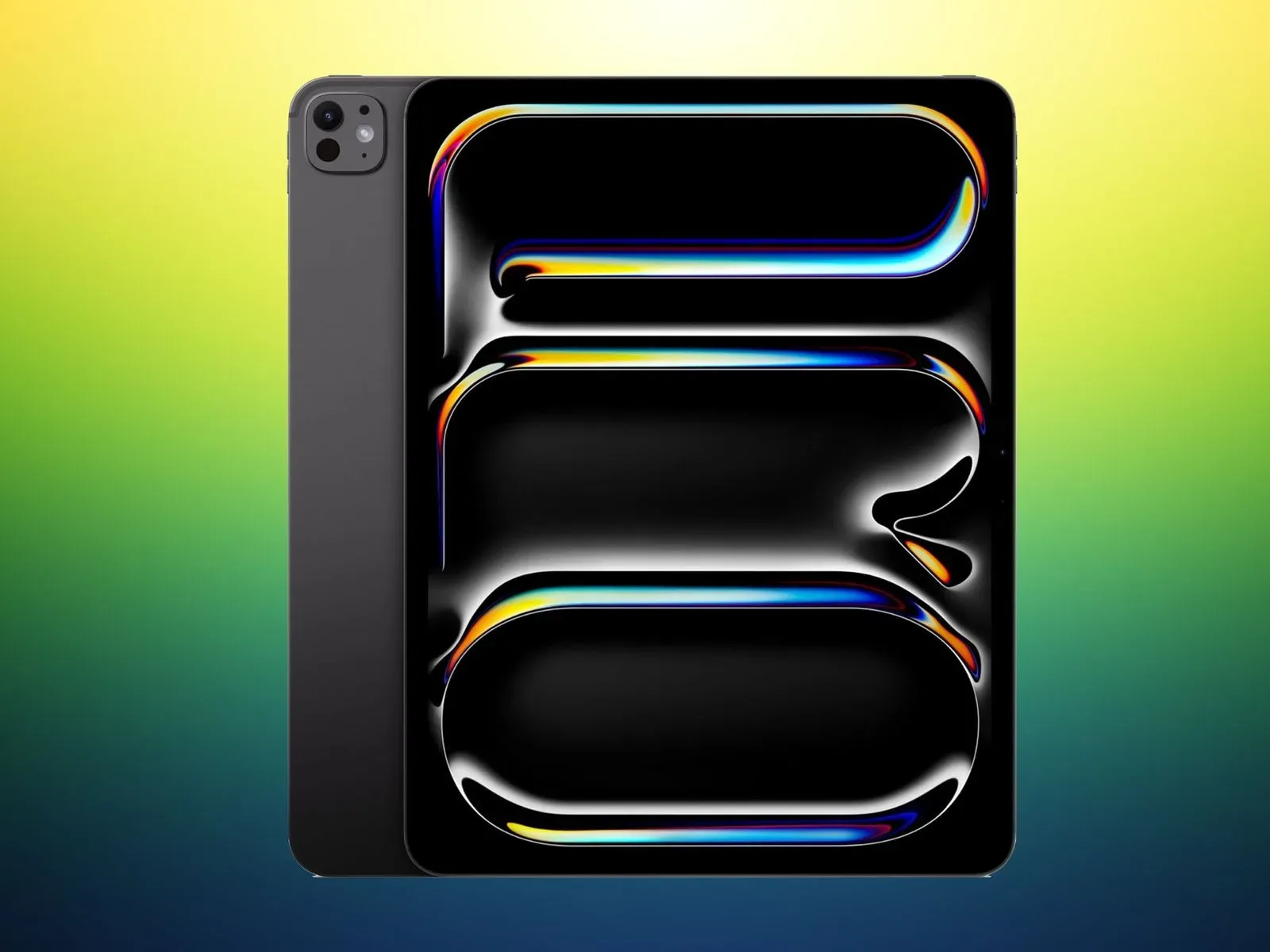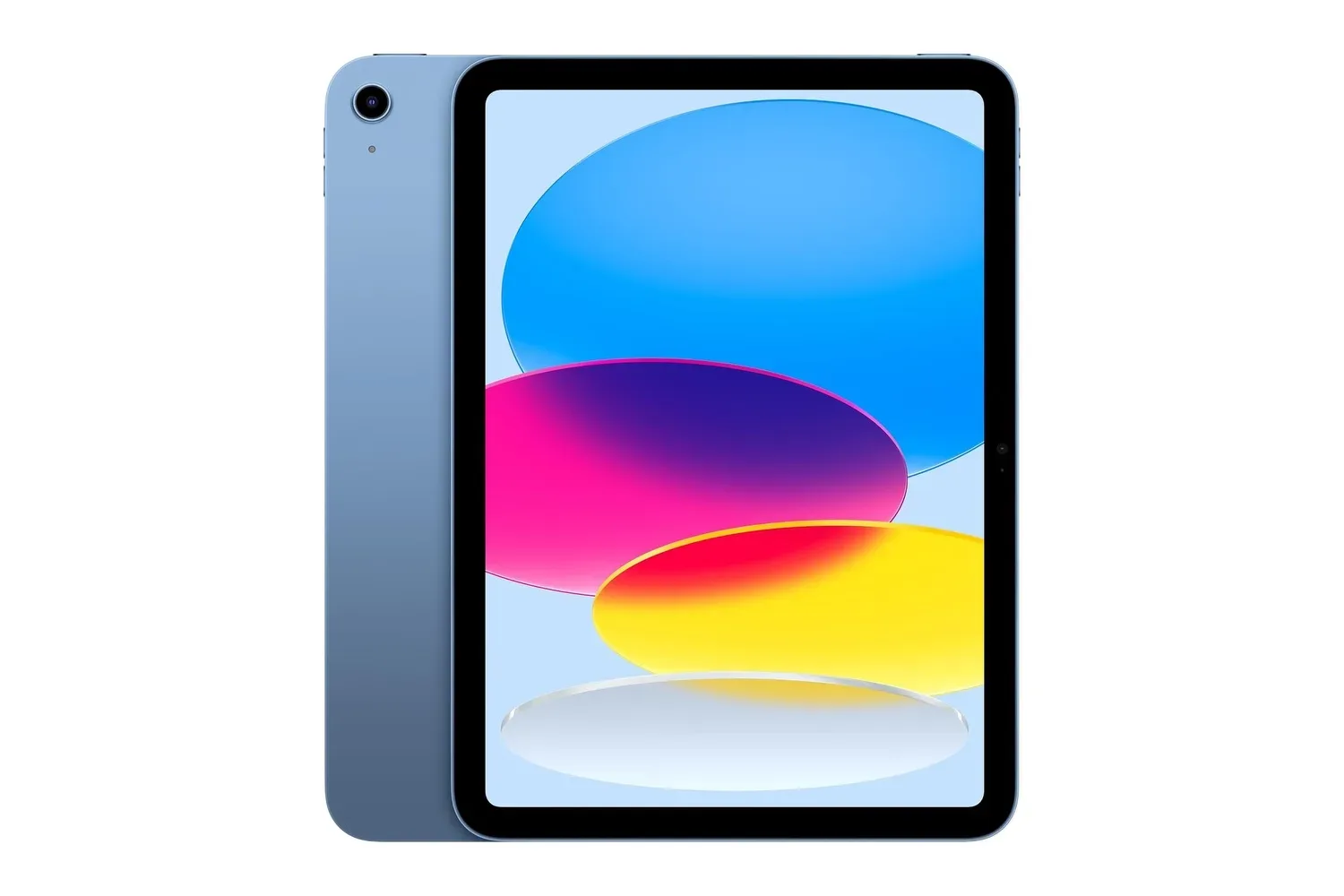
Apple reportedly has iPads running macOS inside the company, but anyone hoping that this means a Mac-style desktop operating system is about to land on an iPad should keep expectations firmly in check. The same report says there is currently no work underway to make macOS a consumer-facing iPad product.
That is an important distinction. An internal device running software is evidence that engineers can explore an idea; it is not evidence that the idea has been approved, scheduled, or even considered desirable for public release. The reported direction is instead more gradual: continue bringing selected Mac capabilities and apps to iPadOS one piece at a time, including apps such as Final Cut.
For players who use an iPad as a portable App Store gaming machine, and for creators who edit clips, stream, or manage a gaming setup from a tablet, the practical message is less dramatic than “macOS is coming.” Apple’s tablet may gain more powerful tools over time, but it is still expected to do so as an iPad, with iPadOS at the center of the experience.
Internal macOS iPads are not a product roadmap
It is easy to turn “Apple has tested this internally” into “Apple plans to ship this soon.” Those are very different statements. Companies use internal hardware and software configurations to investigate technical feasibility, workflow questions, interface concepts, app behavior, performance, and many other issues. A project can be useful to test even if the final decision is to never sell it.
In this case, the report is unusually clear about the limitation: although macOS-running iPads have reportedly existed internally for some time, there is said to be no ongoing effort to consumerize macOS for the iPad. “Consumerize” matters here because it implies much more than getting an operating system to boot on a device. A public product needs a coherent interface, dependable app behavior, support plans, documentation, and a reason to exist alongside the company’s other devices.
None of those details were provided, and none should be assumed. There is no reported launch date, no listed iPad model, no promised macOS feature set, and no indication that buyers will be able to install macOS on an existing tablet. The report supports curiosity about Apple’s internal experimentation, not a purchasing decision based on a future desktop-mode iPad.
Why the distinction between macOS and iPadOS matters
macOS is Apple’s operating system for Mac computers. iPadOS is the operating system designed around the iPad’s tablet form factor. Even where their capabilities overlap, separate operating systems can be built around different assumptions: one can prioritize a conventional computer environment, while the other can prioritize touch interaction and the tablet’s particular app model.
A full macOS iPad, if it ever became a real retail product, would raise immediate questions that the report does not answer. How would its interface work primarily through touch? Would software behave exactly as it does on a Mac? What would the product mean for people deciding between an iPad and a Mac? Would Apple treat it as a distinct mode, a separate configuration, or a fundamentally different iPad? Those questions illustrate why an internal test should not be confused with a retail-ready concept.
Apple has recently rejected the notion of merging iPadOS and macOS. That public stance fits the reported strategy of maintaining two operating systems while selectively narrowing the capability gap where Apple believes it makes sense.
The reported path: add capabilities rather than replace the platform
The more credible near-term reading is incremental development. Rather than transplanting the Mac operating system to a tablet, Apple is said to be continuing the process of moving individual Mac-style features and apps into iPadOS.
That approach lets Apple target particular needs without committing every iPad user to a desktop operating system. It also avoids treating “more powerful” as synonymous with “identical to a Mac.” A feature can be adapted to the iPad environment rather than copied wholesale. Likewise, a professional app can arrive on iPadOS without turning the device into a Mac with a touchscreen.
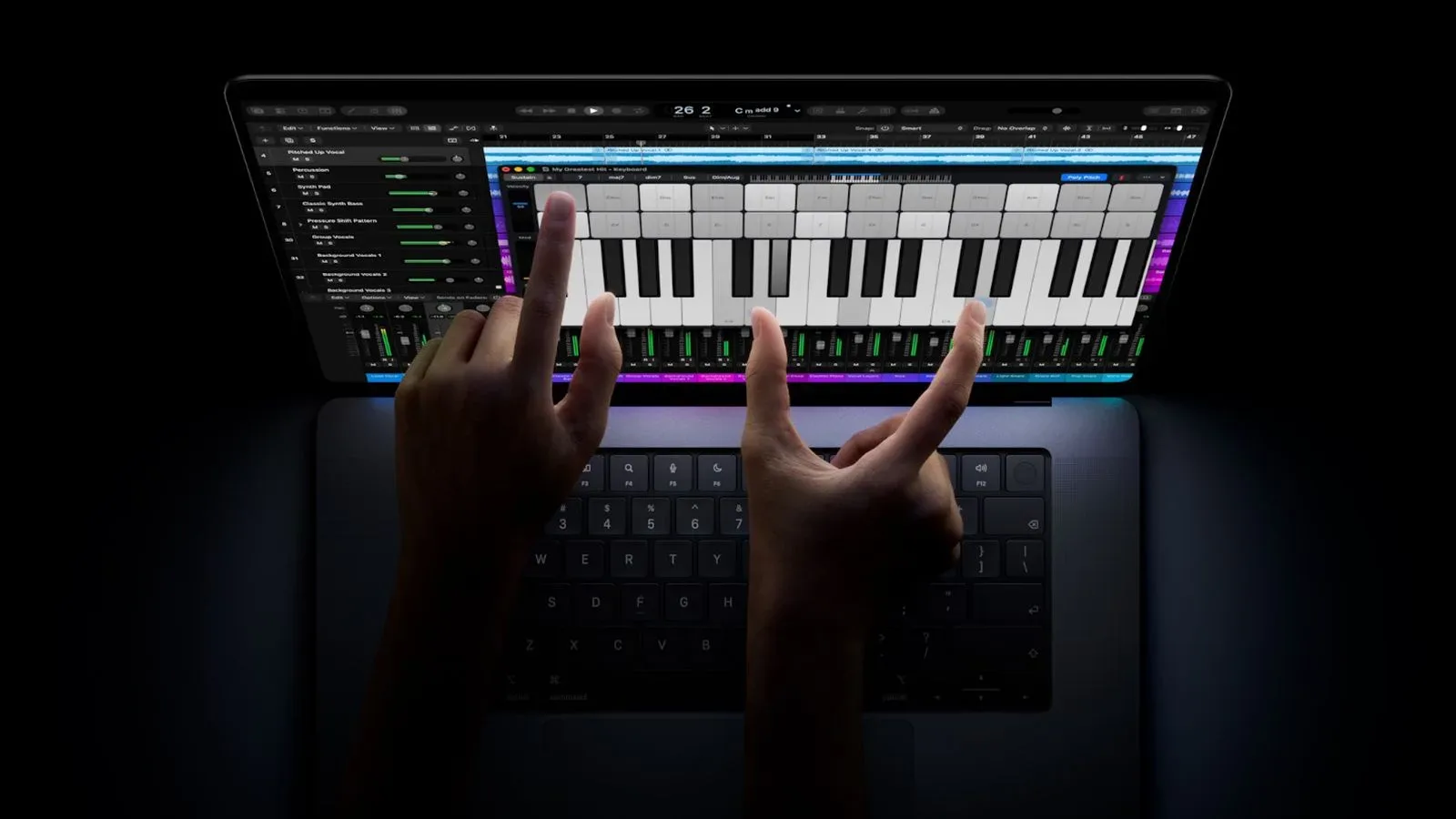
Final Cut is the concrete example named in the report. Its presence in this discussion signals Apple’s interest in making iPadOS more useful for demanding creative work. It does not, however, establish what other Mac apps are planned, which features could follow, or whether every Mac workflow will eventually have an iPad equivalent.
For gaming-adjacent use, this gradual approach may ultimately be more relevant than the headline-grabbing possibility of macOS. A player capturing footage, assembling a short highlight reel, organizing a channel’s assets, or using tablet apps around a console or PC setup benefits from tools that are genuinely designed for the iPad. The value lies in whether the tools fit the workflow, not merely in whether their operating system shares a name with the one used on a Mac.
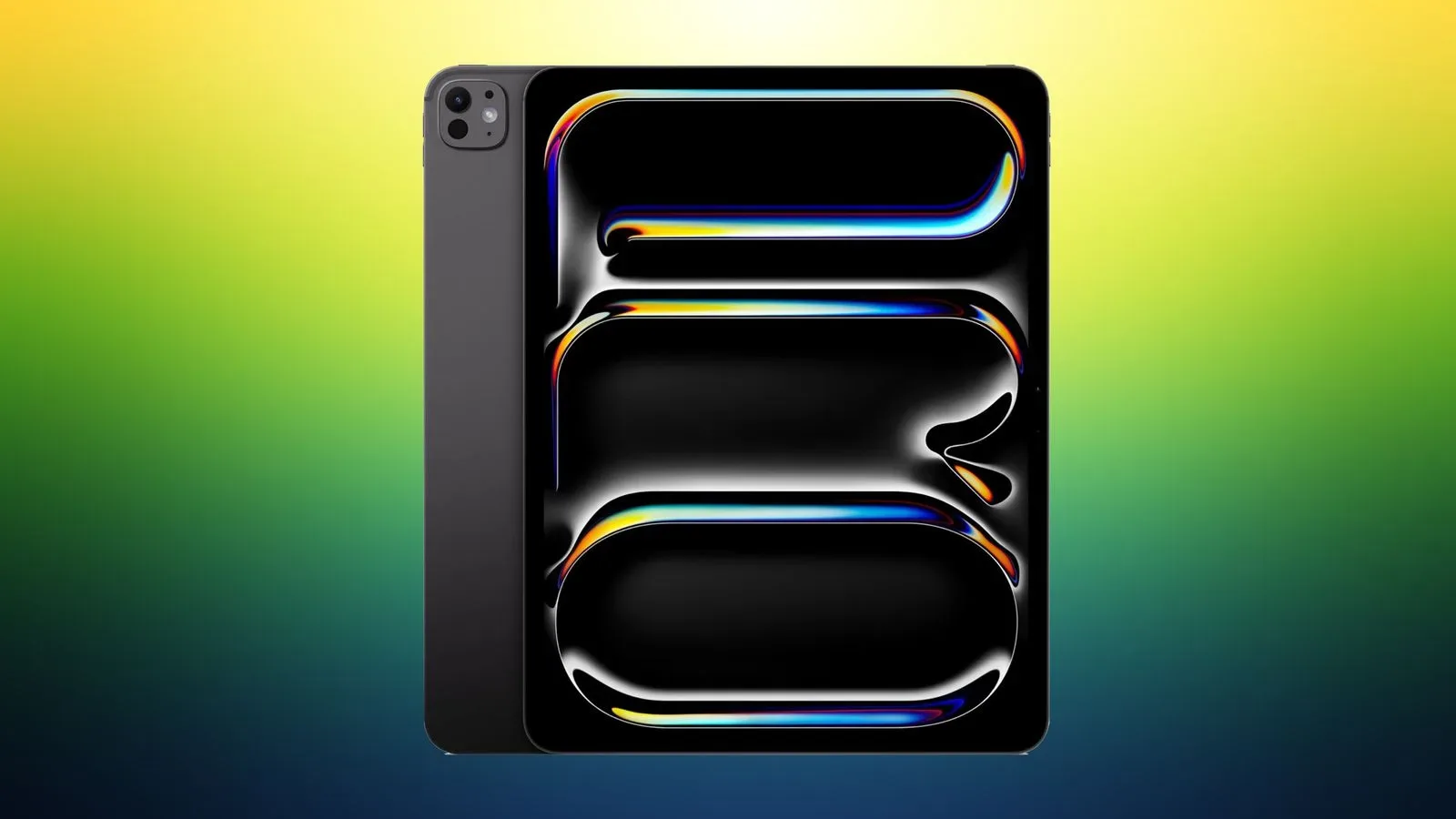
An iPad can already be positioned as a tablet for App Store games, as covered in this look at Apple’s 11-inch A16 iPad as an App Store gaming tablet. The new report does not change that device category or promise a new way to play games. It instead points to a possible long-term pattern: keep enhancing the software around iPad hardware while preserving its separate identity.
EU regulation may reinforce separate operating systems
The report also identifies a strategic reason Apple may prefer keeping macOS and iPadOS distinct: European Union rules that apply on a per-operating-system basis. The argument is not that regulation makes a macOS iPad technically impossible. Rather, separate systems may give Apple an incentive not to merge them into one platform.
That is an analysis of corporate incentives, not confirmation of a single legal outcome. The report does not specify which requirements would apply in which exact way, nor does it state that regulation is the only factor in Apple’s thinking. Product design, software development, app ecosystems, customer expectations, and device positioning can all matter when a company decides whether platforms should remain separate.
Still, the regulatory point helps explain why the “just combine them” argument can be too simplistic. A unified platform could bring conveniences, but it could also reshape the company’s obligations and product decisions. Keeping two operating systems allows Apple to evolve them independently and, potentially, manage rules that are assessed at the operating-system level.
What this means for current and prospective iPad owners
The sensible takeaway is restraint. Do not buy an iPad in anticipation of a promised macOS option, because no such consumer initiative is reported to be in development. Do not assume that an internally tested configuration will reach the public. And do not read the report as confirmation of a combined Mac-and-iPad device.
Instead, evaluate an iPad on what it currently does and on the specific software ecosystem it currently offers. For a gaming-focused buyer, that means the games, controllers and accessories they already intend to use, plus the device’s usefulness for surrounding tasks such as browsing, communication, watching content, and light creative work. For a creator, it means checking whether iPadOS versions of needed apps and features fit the job today.
The report does leave room for a more interesting long-term possibility: Apple appears willing to investigate the boundary between its tablet and computer platforms, even while declining to erase that boundary for consumers. That can lead to iPadOS becoming more capable without becoming macOS.
For now, the reported macOS iPads belong in the category of internal exploration. The public-facing direction remains iPadOS, expanded gradually with selected Mac-inspired capabilities and apps rather than replaced by the Mac operating system.