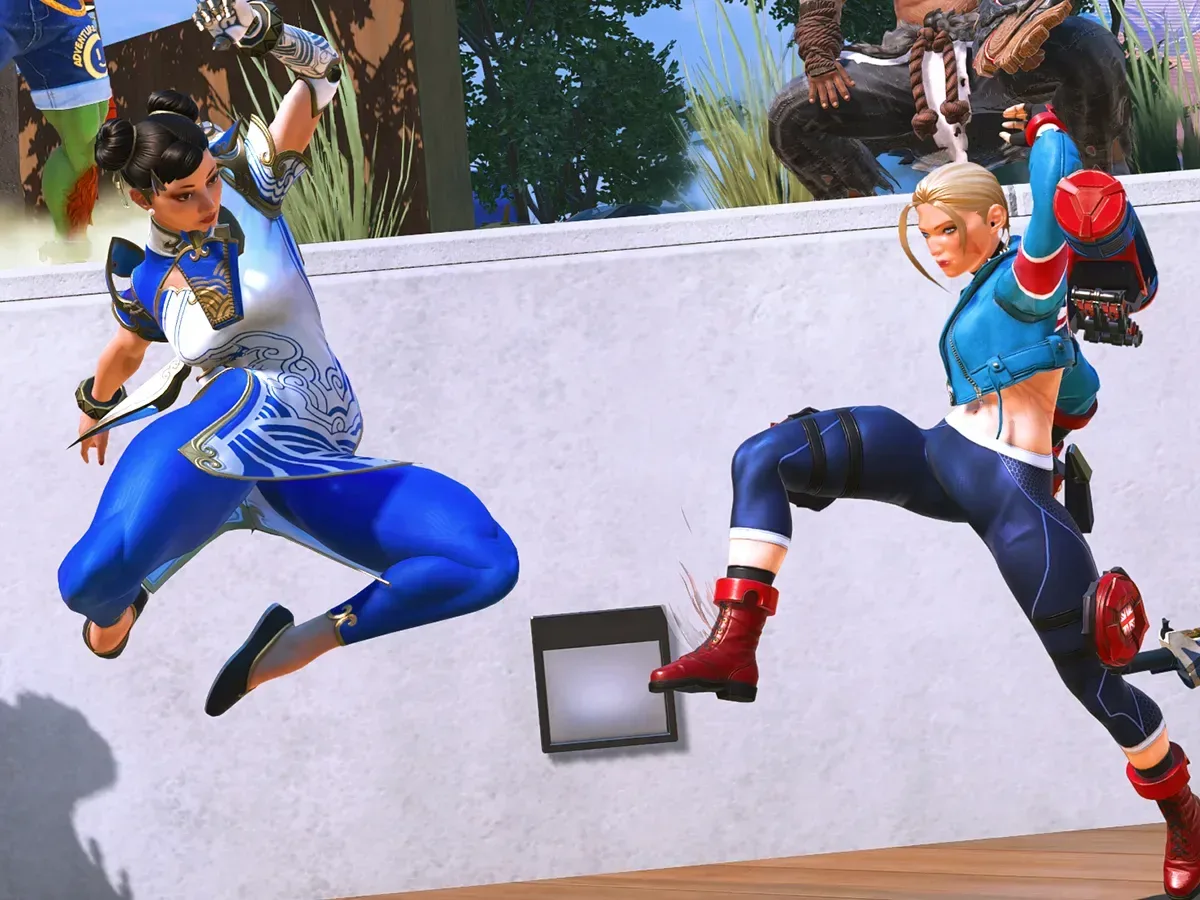
When Street Fighter 6 arrives in Apex Legends on September 22, it will bring more than recognizable costumes. The collaboration is built around an unusually difficult visual translation: fitting some of fighting games’ most deliberately exaggerated martial artists into a shooter with a comparatively semi-realistic character style.
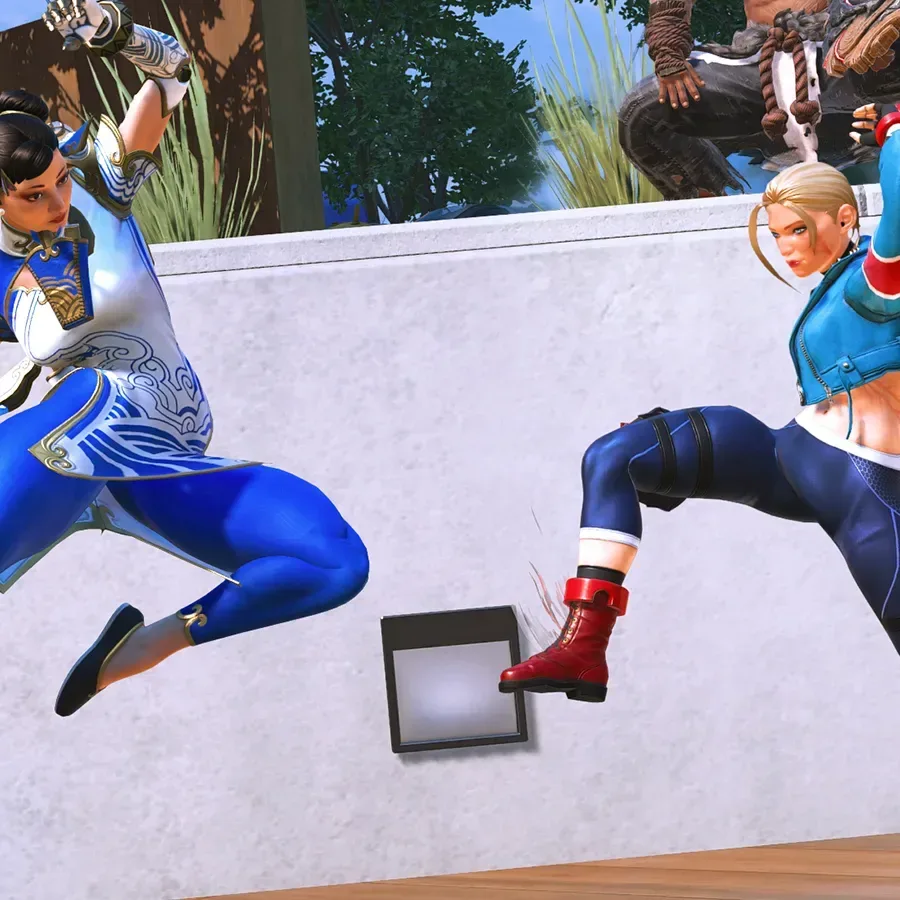
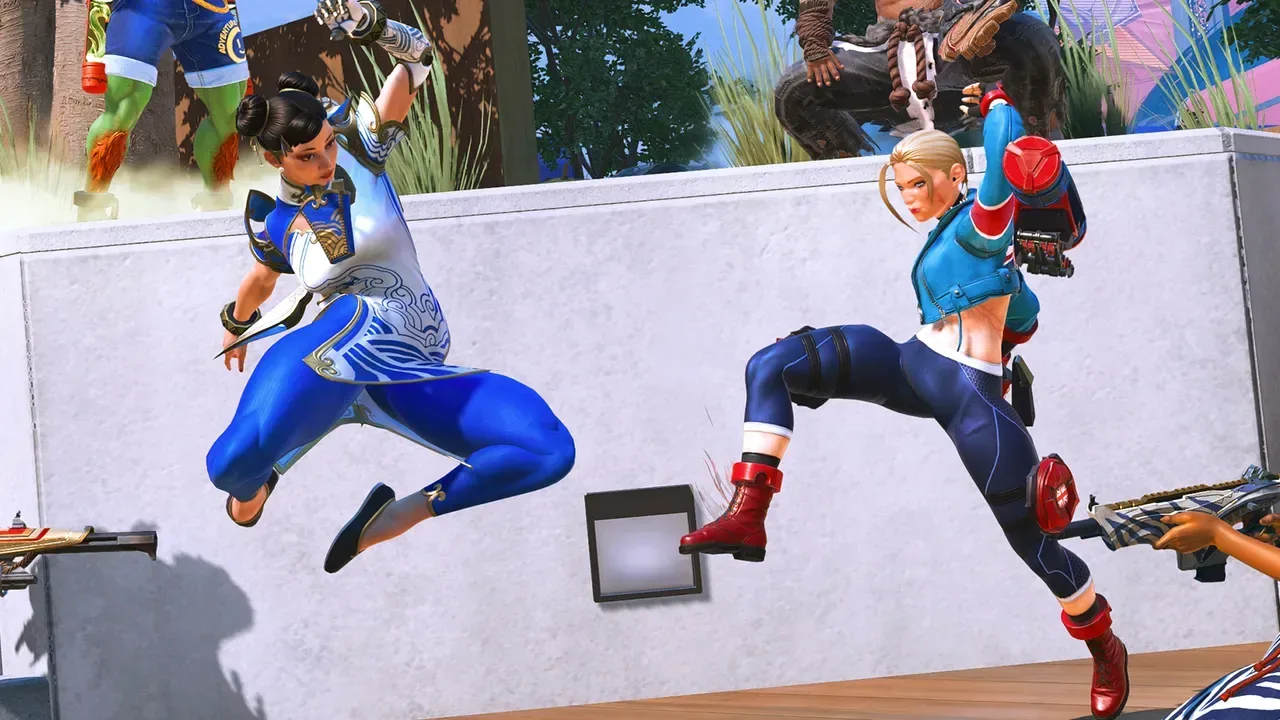
That job meant substantially changing the silhouettes and muscle definition of selected Legends. Art director Alisa Rastorgueva said the project has produced some of the thickest thighs the Apex team has created. It is a memorable detail, but it points to a serious character-art problem. Street Fighter fighters are designed to read immediately through bold proportions, powerful limbs and distinctive stances. A cosmetic crossover has to preserve those signals while still looking at home in Apex’s world.
The result will pair eight Apex Legends with Street Fighter 6 characters:
- Sparrow as Ryu
- Alter as Chun-Li
- Mirage as Luke
- Caustic as Blanka
- Wattson as Cammy
- Gibraltar as Akuma
- Bangalore as Elena
- Pathfinder as Dhalsim
Alongside the character skins, the event is set to include a themed point of interest, weapon skins, a Wildcard Takeover and Street Fighter-inspired interactions including destructible cars and a Hadouken. The full roster of Capcom fighters is not being adapted, however—and the reason is as much about the structure of a first-person shooter as it is about costume design.
Why muscles and proportions became the central art challenge
In character art, a silhouette is the instantly readable outer shape of a figure. It is one of the fastest ways a player recognizes a character, even before details such as facial features, textures or costume accessories become clear. Street Fighter has historically relied on forceful silhouettes: broad shoulders, imposing torsos, elongated limbs and, particularly in the case of fighters such as Chun-Li, prominently stylized lower-body proportions.
That visual language is not automatically compatible with Apex Legends. Rastorgueva characterized Apex as semi-realistic and said its look differs significantly from Street Fighter’s approach. The art team therefore had to balance two goals that can pull in opposite directions. The skins must be visibly faithful enough that a player recognizes Ryu or Chun-Li at a glance, but the altered bodies cannot feel disconnected from the Legends underneath them or from the game’s established visual treatment.
“Pushing body types” in this context does not simply mean making every model larger. It means deciding how far muscle definition and proportion can move before the design stops serving either identity. A fighter’s physique is part of the costume’s message. Ryu’s martial-artist presence, Chun-Li’s iconic shape, Blanka’s wildness and Akuma’s intimidating frame all depend on more than clothing color or a familiar hairstyle.
That helps explain why the collaboration’s most quoted detail is also a design constraint. The team could not rely on a shirt, headband or gloves alone to make a Street Fighter homage land. It had to alter the physical read of the Apex characters. The “thickest thighs” remark is a concise way of describing how far the models were pushed in pursuit of that recognizable Street Fighter exaggeration.
Related coverage includes Apex Legends Street Fighter 6 Skins Push Character Models to New Limits.
Eight pairings, chosen for clarity rather than a complete roster
The crossover’s selections were the product of testing and collaboration between Apex’s internal departments and the Street Fighter rights holder. Rastorgueva indicated that numerous possible combinations were considered, but not every fit was equally clear.
Sparrow as Ryu and Alter as Chun-Li emerged as especially strong visual matches. The stated objective was for the Street Fighter character to remain recognizable when designed around the chosen Legend, and these two combinations evidently gave the team the clearest results. That is an important distinction in a character-skin crossover: a successful design is not merely a costume that references a guest character. It must communicate both the guest and the base-game character without making either side unreadable.
The rest of the lineup illustrates the same approach. Rather than announcing a one-to-one recreation of every Street Fighter 6 fighter, the event uses a limited group of pairing opportunities that could work within Apex’s roster and presentation. Mirage, Caustic, Wattson, Gibraltar, Bangalore and Pathfinder give the collaboration additional avenues for matching costume, physique and personality cues with Luke, Blanka, Cammy, Akuma, Elena and Dhalsim.
There is also a practical reason to prefer a focused set over a maximal roster. Each skin demands work on character modeling, costume design and visual recognizability. A larger list would not just mean more outfits; it would multiply the number of difficult decisions about anatomy, shapes and how a Street Fighter character’s identity translates onto a Legend.
Gameplay fit limited which fighters could make the jump
Visual compatibility was only half of the selection process. Senior technical game designer Chris Ruvolo said the team also evaluated what kinds of Street Fighter abilities could make sense in Apex, a game primarily structured around shooting.
The key technical idea is gameplay readability: players need to understand what an effect is and how it behaves quickly enough to respond during play. In a fighting game, a close-range grappler can be built around throws and command grabs because the combat system is designed for duels, spacing and direct exchanges. A battle royale shooter operates differently, with guns, range, positioning and larger engagements shaping the moment-to-moment experience.
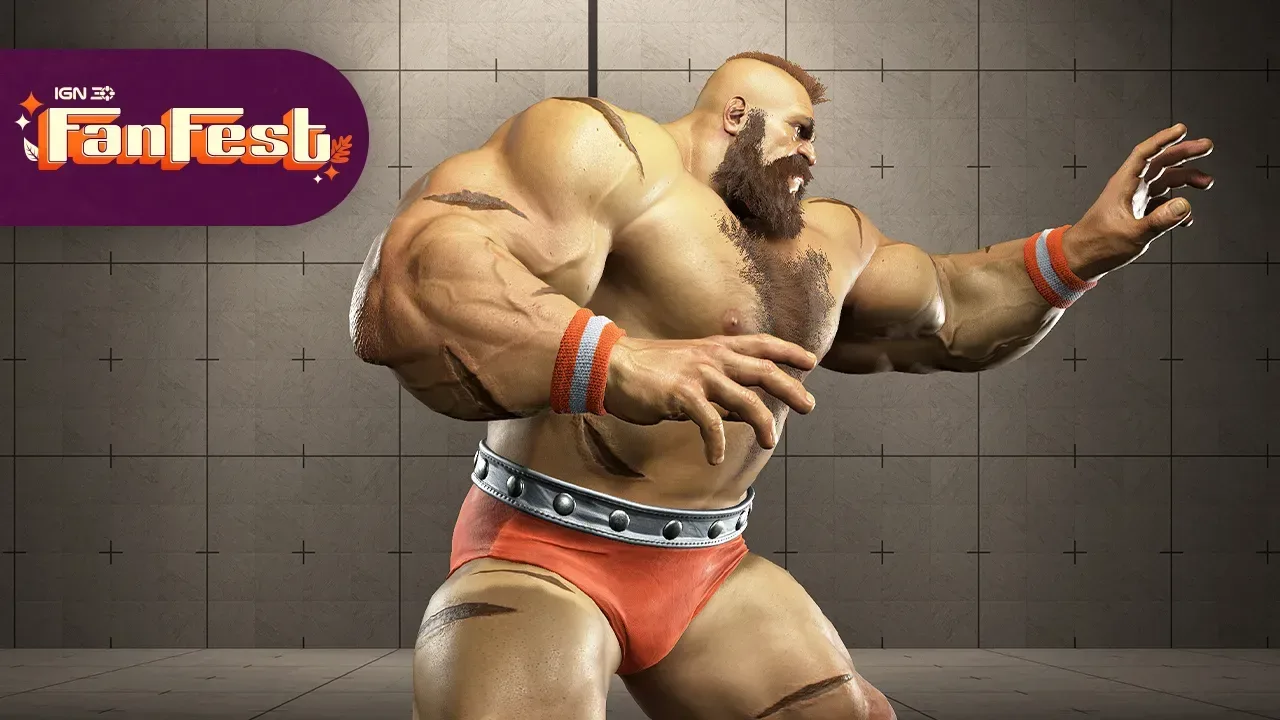
Ruvolo identified Zangief as an example of a beloved character whose grappling-centered style would be difficult to bring across. The issue is not a lack of appeal. It is that a fighter focused on grabs does not naturally map to the kind of interactions Apex prioritizes. The team instead put projectile users and characters associated with area-of-effect attacks high on the list.
An area-of-effect attack affects a zone rather than a single target. That concept is generally easier for players to understand in a shooter setting because it can be communicated through visible space: an attack covers an area, creating danger or pressure within it. Projectile-based attacks are likewise legible in a game where players already track bullets, explosives and other moving threats.
That rationale does not mean every Street Fighter-inspired feature will turn Apex Legends into a fighting game. It means the crossover team sought points where a guest franchise’s visual and ability language could be adapted without ignoring the host game’s fundamentals. The promised Hadouken is the obvious headline reference, while the event’s broader activity is still framed around Apex’s shooter identity.
What the Wildcard Takeover is trying to accomplish
The themed Wildcard Takeover is where the collaboration moves beyond the shop-style concept of character skins and into match activity. The event will let players brawl, punch destructible cars and use a Hadouken. Those elements give Street Fighter imagery a direct role in the Apex environment rather than confining it to character select and weapon appearances.
Destructible cars are especially useful as a thematic prop because they evoke the physical, arcade-like spectacle associated with combat games while remaining understandable as an environmental interaction. Likewise, a Hadouken is among Street Fighter’s clearest visual symbols. Its inclusion is a shorthand for the crossover’s larger goal: put enough unmistakable Street Fighter energy into an Apex match without losing sight of the game players came to play.
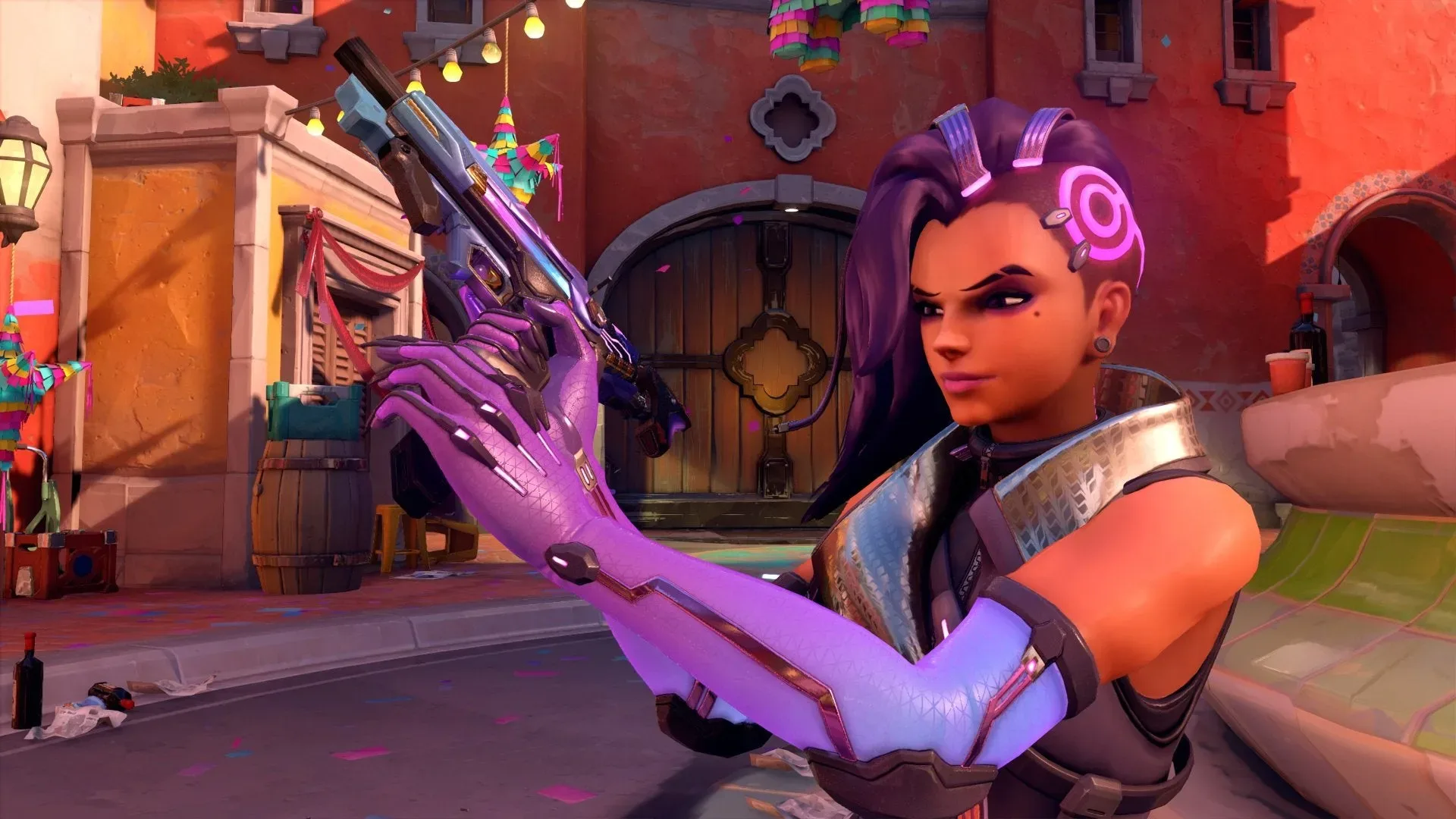
There is a broader identity lesson in that balancing act. Crossovers can attract attention through logos and recognizable costumes, but they work best when guest material is filtered through what the host game actually does. The current conversation around character roles in competitive games has often returned to that same tension; for another example, Joking Joystick has examined how changing a hero’s role can preserve mechanics while threatening the identity that made the character distinctive in its discussion of Support Sombra.
For Apex Legends, the Street Fighter 6 collaboration appears to be treating anatomy, pairings and abilities as connected decisions. The costumes need to resemble their inspirations; the selected inspirations need to make sense for the Legends; and the special event actions need to fit a shooter. It is why a statement about thigh size ends up revealing much more about the production than a throwaway visual gag.
Players will be able to see the outcome of those decisions when the Street Fighter 6 collaboration launches September 22.