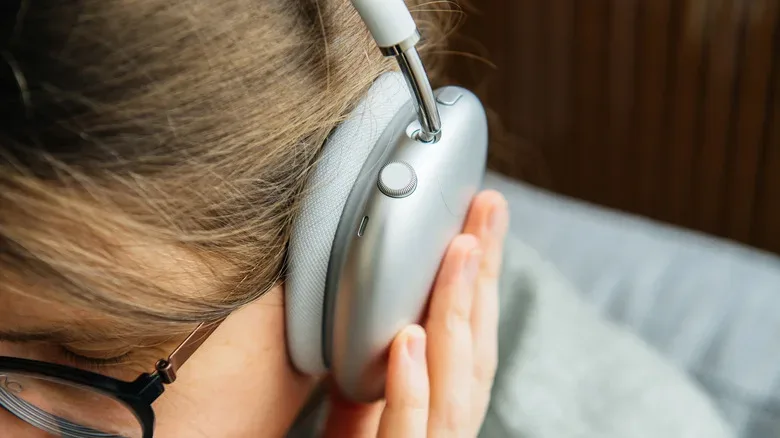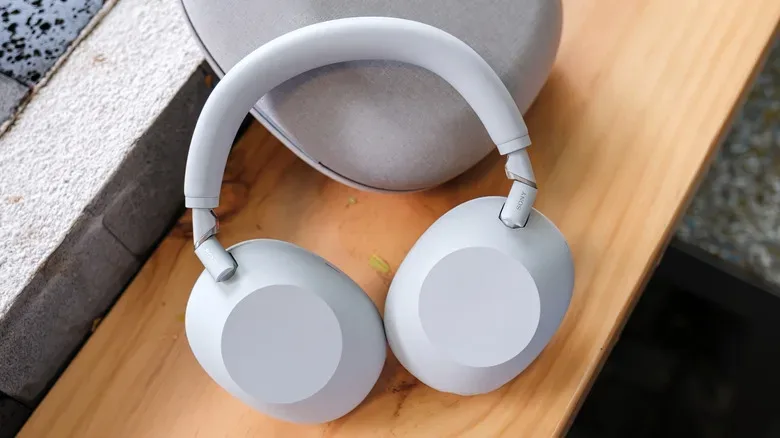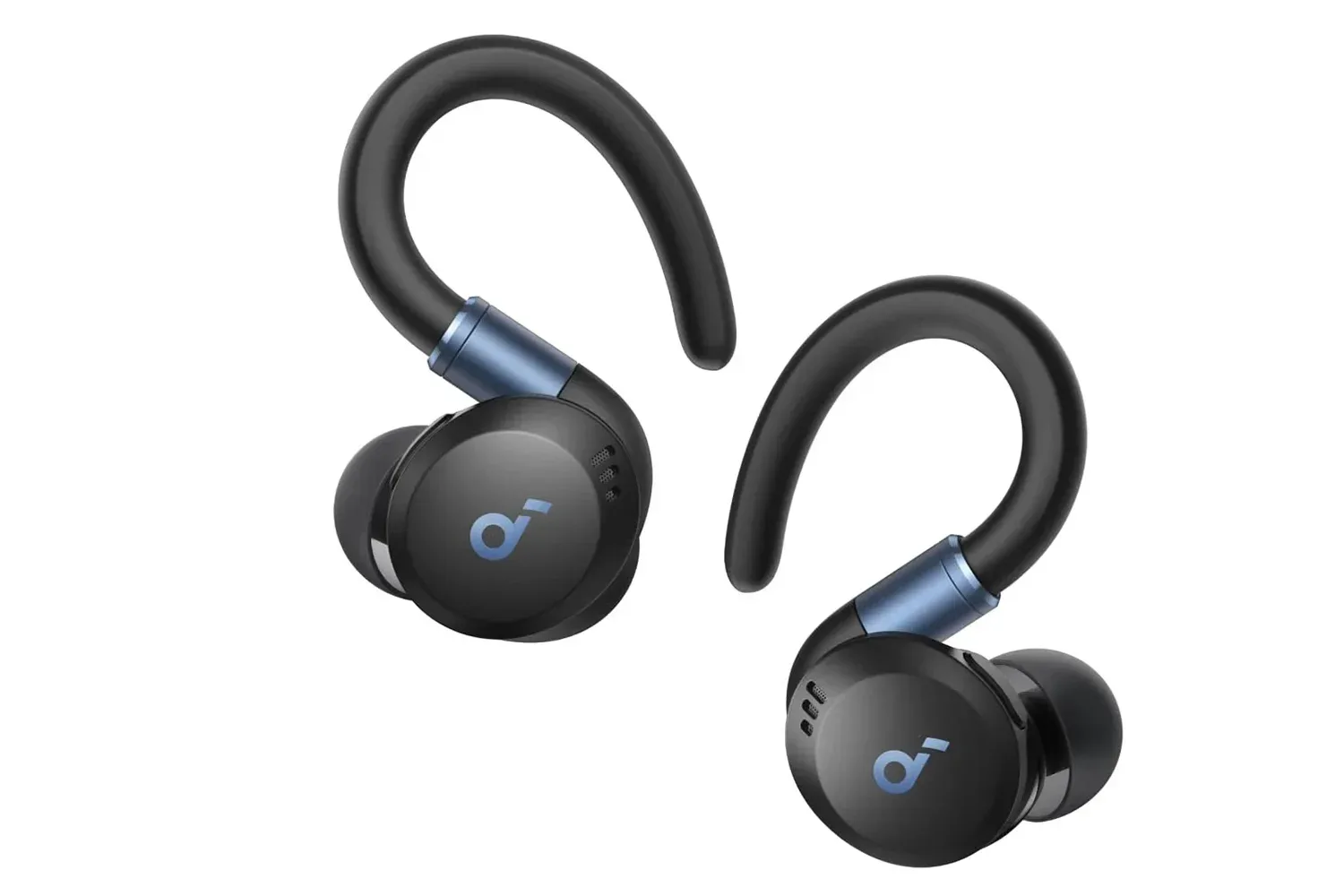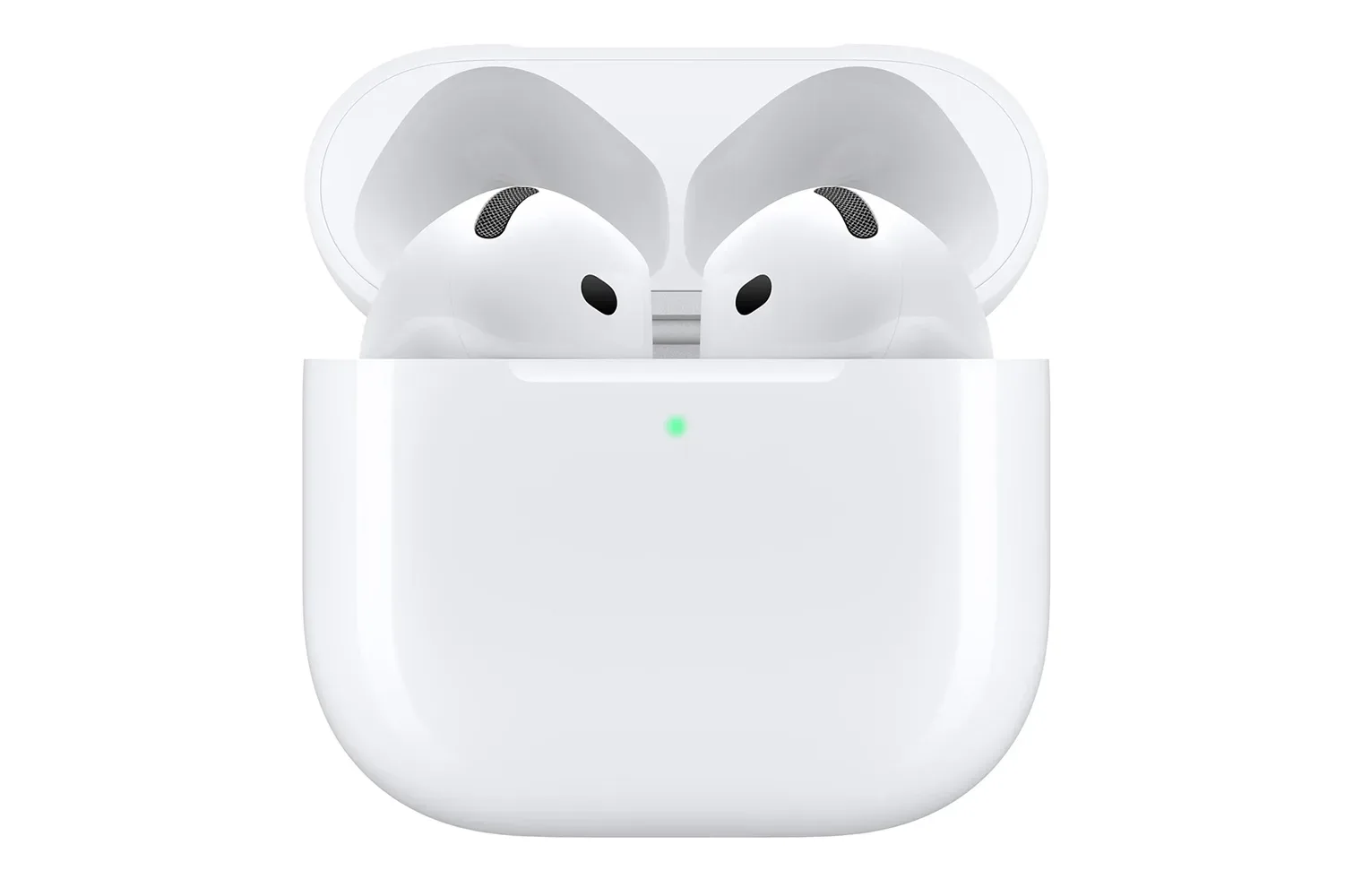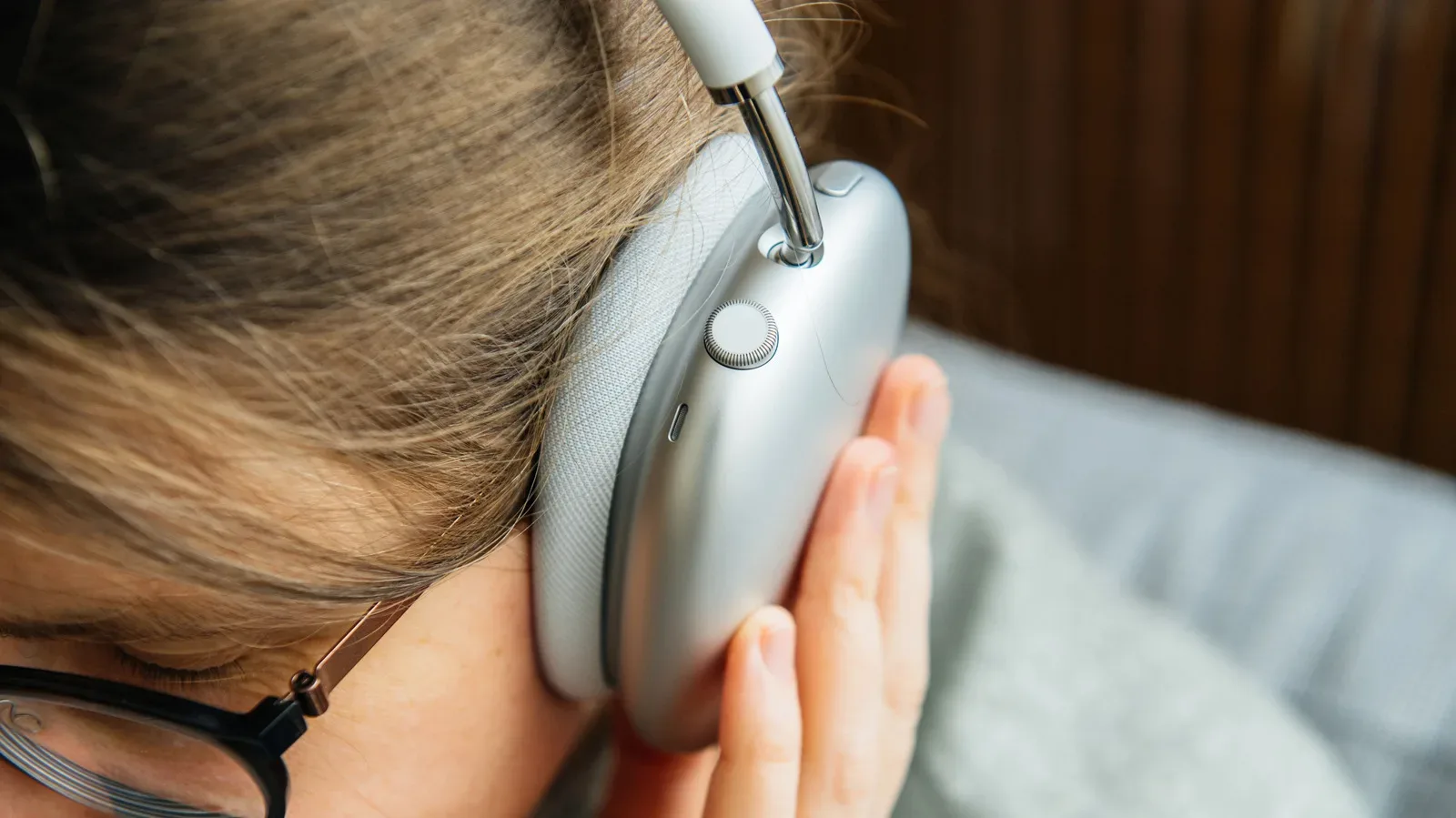
Active noise cancellation has become one of the headline features on premium headphones and earbuds, and for understandable reasons. A good ANC mode can cut through the steady drone of a plane cabin, air conditioner, public transport or busy coffee shop, making a game soundtrack, a call or a podcast easier to follow without cranking the volume. For players trying to concentrate, it can feel a little like muting the unimportant part of a level’s ambient audio mix.
But ANC is not an all-purpose “silence” button. It has specific strengths, real trade-offs and a few moments when turning it off—or switching to a mode that lets outside sound in—is simply the smarter call. Knowing the difference matters more than chasing the most aggressive cancellation setting.
What active noise cancellation actually does
Active noise cancellation, usually shortened to ANC, uses microphones built into the headphones or earbuds to listen to sound outside the listener’s ears. A processor then analyzes that incoming sound and produces an inverted version of it through the speakers. When the outside sound wave and the inverted signal meet, they can reduce one another through a principle called destructive interference.
Sound is created by vibration and travels in waves. The useful shorthand is that two opposed waves can partially cancel out. ANC hardware tries to make that happen fast enough that the unwanted sound is reduced before it dominates what the listener hears. The timing is critical: the calculations must happen in milliseconds. A delay undermines the effect, which is one reason ANC models need microphones and processing hardware beyond the speakers themselves.
This is also why active cancellation tends to raise the cost of headphones and earbuds compared with models that offer only passive noise cancellation. Passive cancellation is physical isolation. Over-ear headphones create a barrier around the ears, while in-ear earbuds reduce external sound by sealing the ear canal. Passive isolation does not analyze or generate audio; it relies on fit and materials. ANC adds an electronic layer on top.
Neither approach makes every sound disappear. The important expectation-setting detail is that ANC is strongest against consistent, lower-frequency noise. Think of the sustained hum of an aircraft or an air-conditioning system. Sudden, sharp and higher-pitched sounds—such as a horn or a person shouting—are harder for it to suppress effectively. That distinction is more useful than assuming a product’s noise-cancellation label means complete isolation.
Why ANC can be useful for games, calls and everyday listening
The immediate benefit is less competing noise. In a loud environment, external sound can mask details in a song, film or game. Players may find dialogue easier to follow and quieter elements of a soundtrack easier to notice. On a call, reduced surrounding noise can make the other person easier to hear. These are comfort and clarity benefits, rather than evidence that ANC changes the underlying quality of the media being played.
It may also encourage a more sensible listening level. When outside noise is loud, people may raise the volume to overpower it. If the headset has reduced the background drone first, there may be less reason to push playback volume all the way up. That is a meaningful practical advantage for anyone who spends long sessions listening on commutes, during work or while gaming.
Related coverage includes Active Noise Cancellation: When It Helps and When to Turn It Off.
ANC can be useful even when nothing is playing. Someone who needs a calmer environment to read, work or focus may prefer the reduction in steady background sound. It can also be helpful for people who find external stimuli particularly difficult to tolerate. Some users wear ANC earbuds while trying to sleep, though comfort and the need to remain aware of one’s surroundings are personal considerations that do not disappear just because the feature is available.
For gaming specifically, the value is situational. ANC can help a player remain immersed in a single-player game when a household appliance or nearby conversation is competing with the audio. But it should not be confused with a cure for every audio problem. If an emulator has crackle, stutter or other playback faults, noise cancellation will not repair those issues; they originate in the audio chain rather than the room. Our guide to emulator audio crackle and stutter covers a troubleshooting-first approach for that separate problem.
The limits: ANC is selective, not magical
There is a temptation to judge noise cancellation only by whether a noisy space becomes quieter. A better question is which sounds became quieter. Steady mechanical sound is the format ANC handles best. Variable, abrupt sound is tougher. This explains why a set of headphones may feel remarkably effective on a flight yet still allow conspicuous nearby voices, shouts or horns through.
The physical design still matters, too. Passive isolation can help determine how much environmental sound reaches the ear before the active system gets involved. A poor earbud seal or an imperfect over-ear fit can limit the overall effect. Meanwhile, the electronic system needs to continually capture, process and counteract outside audio. It is a real-time balancing act, not a static filter.
Some headphones can also alter the listening experience when ANC is enabled. Depending on the particular model, users may perceive a reduction in audio quality, while others report discomfort or pressure-like ear sensations with the feature active. Those reactions are reasons to test the modes that a device offers and use the one that works best for the session, rather than treating ANC-on as an automatic default.
That flexibility is particularly valuable in long gaming sessions. A player may want cancellation while concentrating on story dialogue, then prefer more environmental awareness when another person in the room needs to get their attention. The ideal setting can change without the headphones themselves changing.
When awareness matters more than quiet
The biggest downside of effective isolation is simple: the outside world can contain information that matters. Hearing approaching cars while crossing a street or cycling is important. Noise cancellation can reduce the cues that help people notice what is happening around them, even though it does not reliably eliminate sudden sound. That combination—less awareness, but not total silence—is a strong reason not to regard ANC as a safety tool.
It can also be socially impractical. Trying to talk with nearby people while active cancellation is enabled is likely to be a poor experience. The listener may not hear the other person well enough, or may need to repeatedly pause, remove an earbud or switch modes. In shared spaces, a moment of transparency can be more useful than insisting on uninterrupted isolation.
Some studies have suggested that noise cancellation may affect how the brain filters background sound. The practical takeaway here is not a sweeping medical claim; it is that there is a reasonable case for avoiding constant isolation when awareness is needed. Headphone modes should match the setting, not merely the listener’s desire for fewer distractions.
Transparency and hybrid modes are the compromise
Many modern headphones offer a mode intended to mix outside sound back into what the listener hears. Apple’s Transparency Mode is one example. These modes use the same external microphones for the opposite goal: rather than primarily counteracting environmental noise, the headphones bring some of it through.
This makes the feature useful for short interactions, waiting for a transit announcement, listening for someone in the home, or moving through places where situational awareness matters. It is not necessarily identical to hearing the environment with no headphones on, because the sound is being picked up and relayed electronically. Still, it is a practical middle ground between full cancellation and removing the headphones entirely.
For a player, this can be the difference between maintaining a comfortable game volume and missing a doorbell, a roommate or a verbal warning. The useful habit is to learn the device’s controls before they are urgently needed. If switching between ANC and an awareness mode requires fumbling through an app or menu, users are less likely to make the switch at the right time.
Battery life is part of the ANC decision
Active cancellation costs power. The microphones, chip and signal processing involved are all running while ANC is on, so battery life drains faster than it does with the feature disabled. This does not make the feature a bad trade; a long flight or noisy workspace may be exactly when spending that battery is worthwhile. It does mean that leaving ANC enabled at all times has a cost.
For wireless earbuds in particular, it can be sensible to save cancellation for the places where its strengths are clearest: steady transport noise, air conditioning, a persistent appliance or a busy room. Turning it off in naturally quiet spaces can stretch the remaining charge through the day. Switching to a transparency-style mode should also be treated as an intentional choice, since it likewise relies on external microphones.
A practical way to choose the right mode
Rather than declaring one mode best, start with the environment and task. ANC earns its keep when it reduces a persistent noise that would otherwise force louder listening or break concentration. Transparency is a better fit where other people, traffic or announcements may require attention. And no active mode is necessary when a room is already quiet and battery life is the greater priority.
- Use ANC for steady low-frequency background sound, including aircraft-like hum and air-conditioning noise, when you can safely focus on the audio.
- Use a transparency or hybrid mode when you need to hear nearby people or retain a clearer sense of the surroundings.
- Turn ANC off in quiet places when extending battery life matters, or if the mode creates discomfort or affects listening quality on a particular headset.
- Do not rely on ANC while crossing streets or cycling; environmental awareness is more important than a quieter soundtrack.
- Set volume with the environment in mind; the benefit of cancellation is that it may reduce the urge to overpower noise with louder playback.
ANC is best understood as an adjustable tool, not a permanent state. It can make travel, calls, films, music and focused play substantially more comfortable, especially against the low and steady sounds it handles well. Its weaknesses—limited performance against abrupt noise, potential isolation from important cues, possible listener discomfort and extra battery use—are not deal-breakers. They are reasons to use the quiet button with the same attention players bring to any other setting that changes how they experience the world.