Apple’s standard AirPods 4 have been listed at $99 on Amazon, a notable number for an ecosystem-focused pair of wireless earbuds that usually live in the “convenient, but not cheap” corner of the audio aisle. The timing matters for players who split their listening between a phone, a handheld, a laptop, and the occasional desperate Discord call made while hunting for a charger.
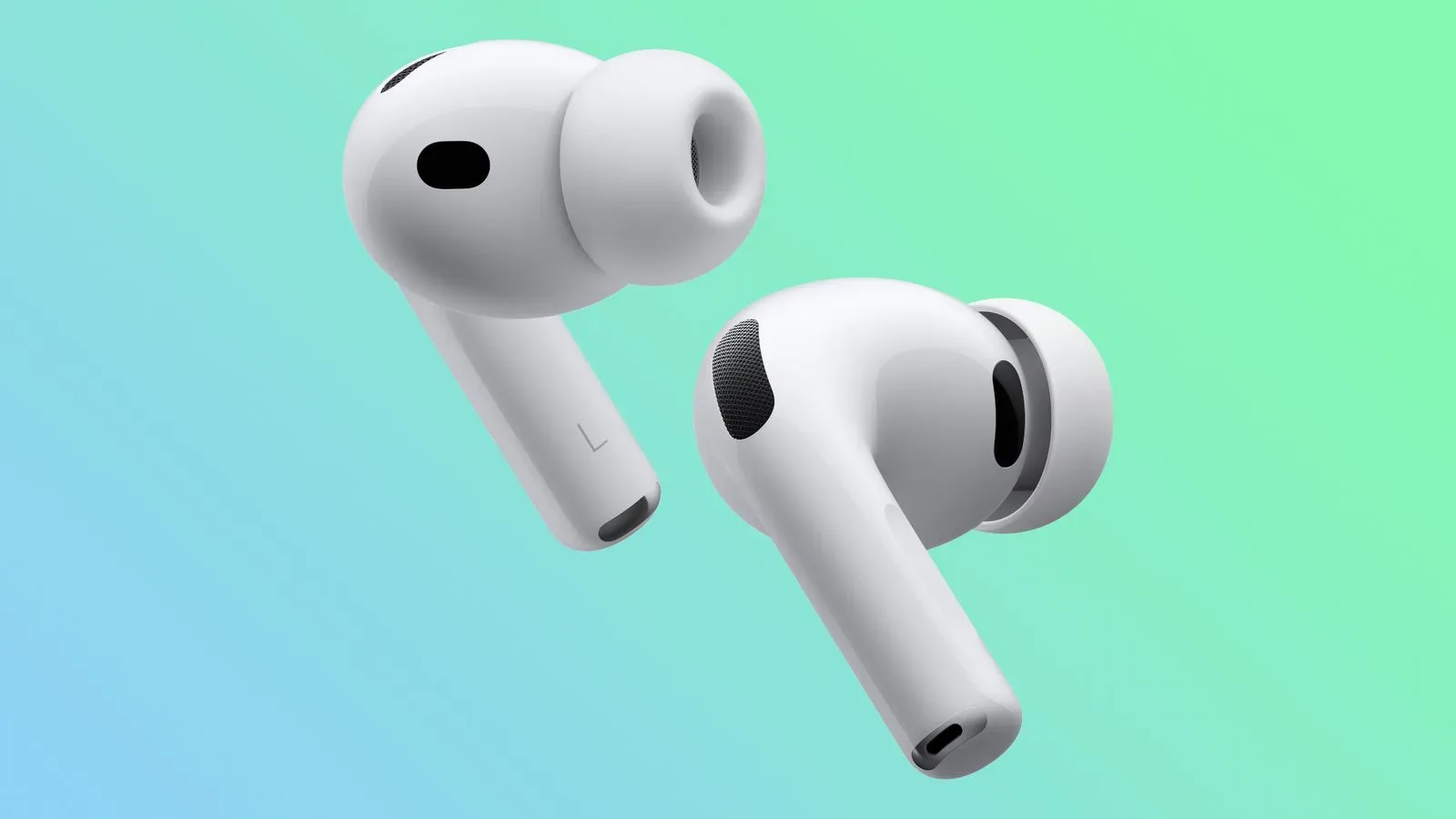
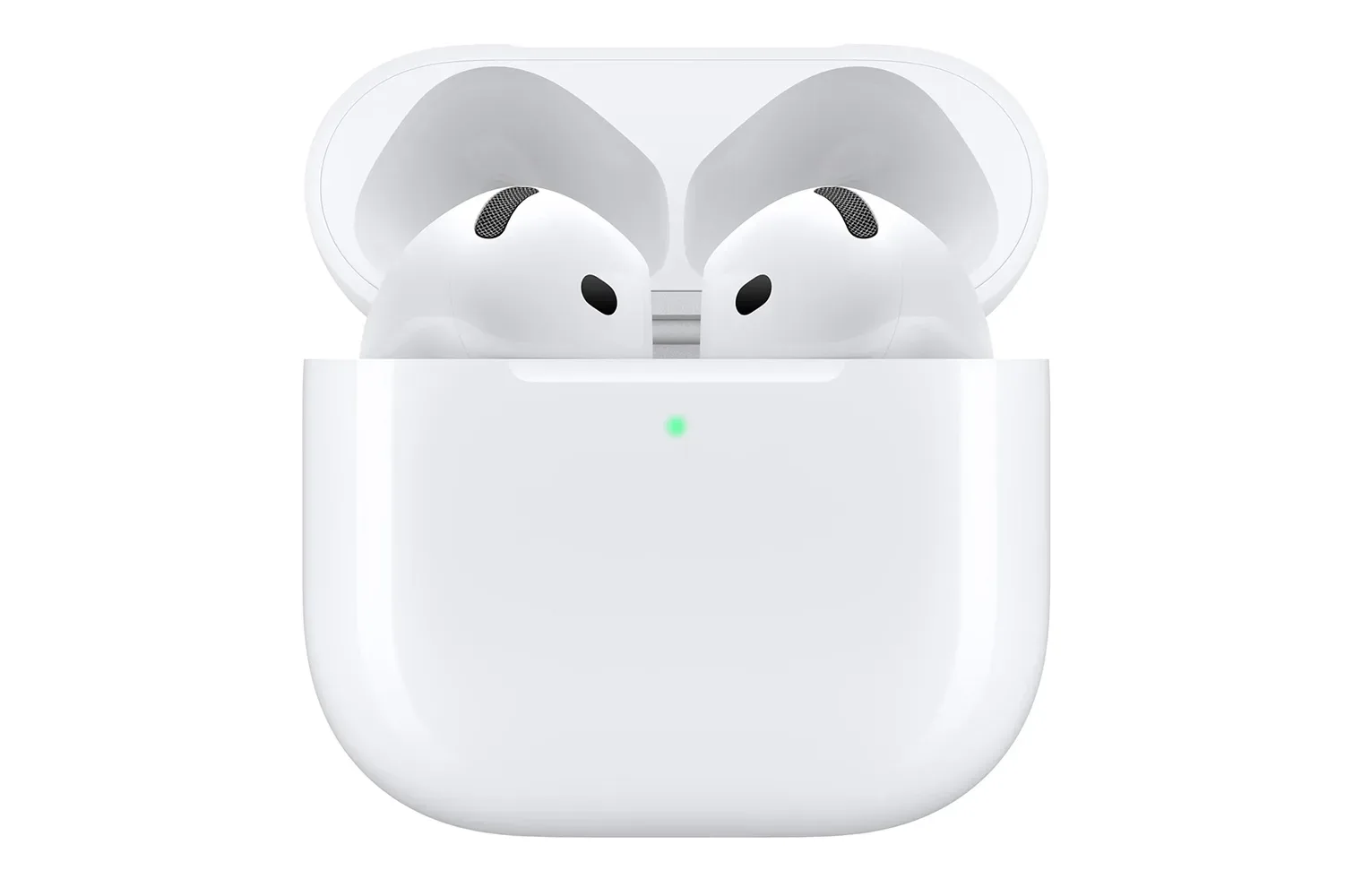
This is the regular AirPods 4 configuration, not the version with Active Noise Cancellation. That absence is the major line drawn between this model and its more feature-packed sibling. Still, the non-ANC pair retains several of Apple’s newer audio and usability features: the H2 chip, Voice Isolation for calls, Personalized Spatial Audio, a USB-C charging case, automatic in-ear detection, Siri head gestures, and Find My support.
At $99, the central question is less “Are these secretly premium earbuds in disguise?” and more “Do the features that remain make sense for an iPhone owner who wants easy everyday audio?” For the right person, especially someone already deep in Apple hardware, the answer can be reasonably straightforward. For someone shopping primarily for noise reduction, multi-platform flexibility, or a dedicated gaming headset microphone, the missing ANC and the limits of the AirPods form factor remain important.
The $99 listing changes the value conversation
Entry-level products often exist to steer buyers toward a more expensive version. They carry the recognizable branding, perform the core function, and leave an annoyingly attractive checklist of extras for the model one shelf higher. AirPods 4 still fit that broad strategy because Active Noise Cancellation is not included here. Anyone who regularly commutes in loud public spaces, works amid constant chatter, or wants to turn an airplane cabin into a faint background hum will need to look elsewhere in Apple’s lineup.
But $99 changes how severe that omission feels. At a three-figure price, shoppers may reasonably expect a fuller feature set or start comparing every small specification to rival products. Below $100, the calculation becomes more practical: decent portable audio, Apple-first convenience, and useful calling tools may be enough. A sale listing is also inherently temporary, so it is worth checking the current page price and the exact configuration before treating this figure as permanent.
For gaming, that practical framing is familiar. Plenty of people do not need a full desk microphone and a giant closed-back headset for every session. They need something compact for a mobile game, a quick party chat, a streamed video, an RPG soundtrack during travel, or a call that interrupts a session at the most dramatically inconvenient moment possible.
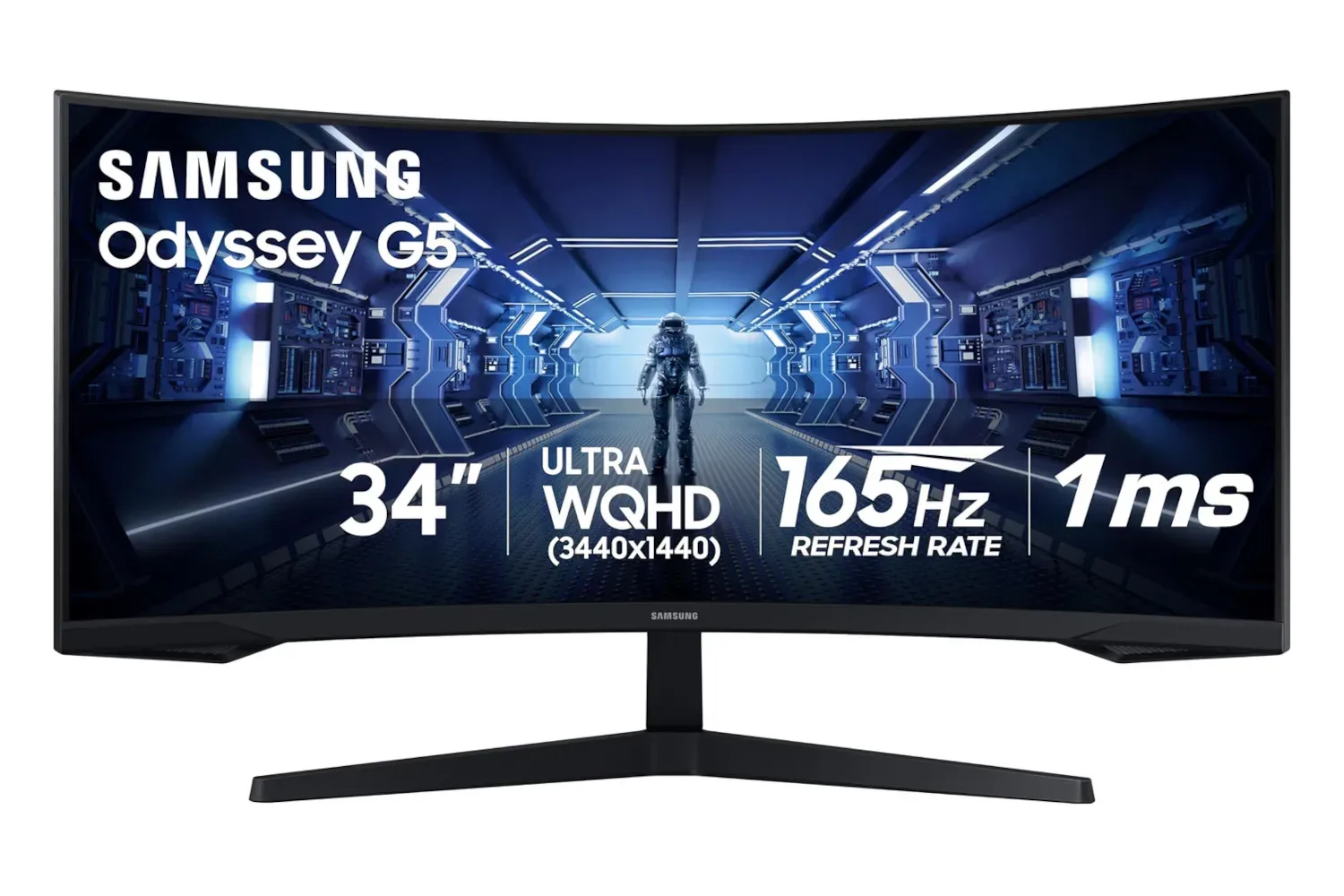
Players building a more traditional desktop setup may instead gravitate toward display hardware such as the Samsung Odyssey G5 ultrawide listing, where the priorities are refresh rate, screen space, and PC immersion. AirPods 4 belong to a different lane: lightweight everyday listening with especially strong appeal when an iPhone is the center of the setup.
H2 chip and Voice Isolation are the headline features
The H2 chip is the key piece of technology inside these earbuds. Its presence matters less as a component-name flex and more for what it enables in use, particularly for calls. Voice Isolation is designed to distinguish a speaker’s voice from environmental sound in real time, helping conversations remain clearer when the world refuses to respect a microphone.
That can be relevant in a coffee shop, while walking near traffic, or in a busy home where somebody has apparently decided that the blender needs a starring role in every conversation. It can also help with game-related voice chat when a player is not sitting at a quiet desk. The feature does not turn a noisy setting into a recording booth, and wireless earbuds are not automatically a substitute for a dedicated boom mic. But clear calls are a meaningful quality-of-life benefit on a product positioned as the accessible AirPods option.
Apple’s computational approach to audio has long been part of the AirPods identity. Rather than relying only on the physical microphone and speaker hardware, the system uses processing to improve speech handling and related features. Buyers should keep expectations grounded: results will depend on the surrounding noise, fit, connection, software, and the app or service handling the call. The important point is that this lower-cost AirPods 4 model does not discard the H2-powered calling features simply because it lacks ANC.
Spatial Audio has a narrower, but real, entertainment appeal
AirPods 4 also support Personalized Spatial Audio. Setup uses the front-facing camera on an iPhone to map the user’s ears and create a spatial audio profile tailored to that person rather than applying a generic configuration. The effect can include head tracking, intended to make compatible sound feel more anchored to the device or screen as the listener moves.
This is the kind of feature that can sound either futuristic or unnecessary depending on the content. It tends to make more sense with films, cinematic soundtracks, and recordings mixed with spatial presentation in mind than it does with every compressed music stream or every random video on a timeline. For game players, its usefulness similarly depends on what is being played and where. A story-heavy title on a supported Apple device, a movie on a tablet, or a concert recording may showcase it better than a competitive match where latency, communication, and practical positional cues outrank atmosphere.
Personalization is the significant detail. Ear shape affects how sound reaches a listener, so a profile based on that geometry has a more specific goal than a one-size-fits-all spatial mode. It is not a promise that every track suddenly gains the soundstage of a cinema. It is, however, an advanced feature to find on the standard AirPods 4, particularly at a listed $99 price.
Smaller physical design, familiar everyday conveniences
Apple redesigned the physical shape of AirPods 4 with a shorter stem, revised contours, and adjusted contact points intended to improve comfort and fit across different ear shapes. Fit is personal, of course. No product description can guarantee that an open-earbud design will feel stable or comfortable for every listener. Anyone who has had earbuds slowly migrate out of place during a walk knows that anatomy has a veto vote.
The included in-ear sensor supports automatic pause and resume when an earbud is removed or put back in. That is an established convenience, but it remains valuable in real routines: answering someone nearby, listening for a delivery, or instantly pretending the game was not the reason a task took three hours. Siri can also be controlled with head gestures, which may be useful when hands are occupied.
These features are most compelling within Apple’s own device ecosystem. The AirPods experience is built around tight integration with iPhone hardware and Apple services. Prospective buyers who mainly use Android, a PC, or a console should consider their needs carefully, including how they intend to connect, switch devices, communicate, and access platform-specific features. The earbuds can be useful beyond one narrow scenario, but their strongest case is not universal compatibility; it is Apple integration.
Battery, USB-C, and durability details
Apple rates AirPods 4 for up to five hours of listening time per earbud charge. With the USB-C charging case, the total rises to up to 30 hours. Those are the stated battery figures, and actual runtime can vary with volume, calls, features, and usage conditions. Still, the case is the practical part of the equation for day-to-day carry: it turns a short listening window into something easier to top up between commutes, classes, work breaks, or travel segments.
The case is more than 10% smaller by volume than the preceding generation’s case. That is not a feature that will revolutionize anyone’s backpack, but pocketability is an honest advantage for earbuds. A case that is easier to carry is also a case more likely to be present when the battery indicator starts delivering bad news.
Both the earbuds and their case carry an IP54 rating for dust, sweat, and water resistance. That makes them better suited to workouts and getting caught in rain than unprotected electronics, but it does not mean they are designed for submersion. Water resistance should be treated as a safeguard against ordinary exposure, not an invitation to test a particularly ill-advised aquatic side quest.
Find My support extends to the case as well as the earbuds, offering another practical ecosystem benefit. Tiny wireless earbuds have a remarkable talent for disappearing into sofa cushions, jacket pockets, and the mysterious dimension behind a nightstand. Being able to locate the case is therefore more useful than it may sound on a product page.
Who should consider this AirPods 4 deal?
The $99 Amazon listing makes the standard AirPods 4 a more compelling fit for iPhone owners who value simple pairing, portable calls, automatic device-friendly features, and a compact USB-C charging case. It may be particularly appealing to someone replacing older AirPods, buying their first pair, or seeking a lighter companion to a larger gaming headset.
- Consider them if Apple ecosystem integration, Voice Isolation, and compact everyday carry are higher priorities than total isolation.
- Consider the ANC version or alternatives if blocking environmental noise is essential to your commute, work, or listening habits.
- Check compatibility and chat requirements if the purchase is chiefly for console or PC gaming rather than iPhone and Apple-device use.
- Verify the listing at checkout, since promotional pricing can change and product pages may present multiple versions.
At this price, AirPods 4 do not erase the reasons some shoppers might want specialized headphones, an over-ear gaming set, or earbuds with Active Noise Cancellation. They do offer a notably complete Apple-centric feature package without demanding the usual premium-tier spend. For listeners whose everyday audio life happens largely through an iPhone, that is the real reason this under-$100 listing deserves attention.
Shop the products
Check current price, model and availability at the retailer.