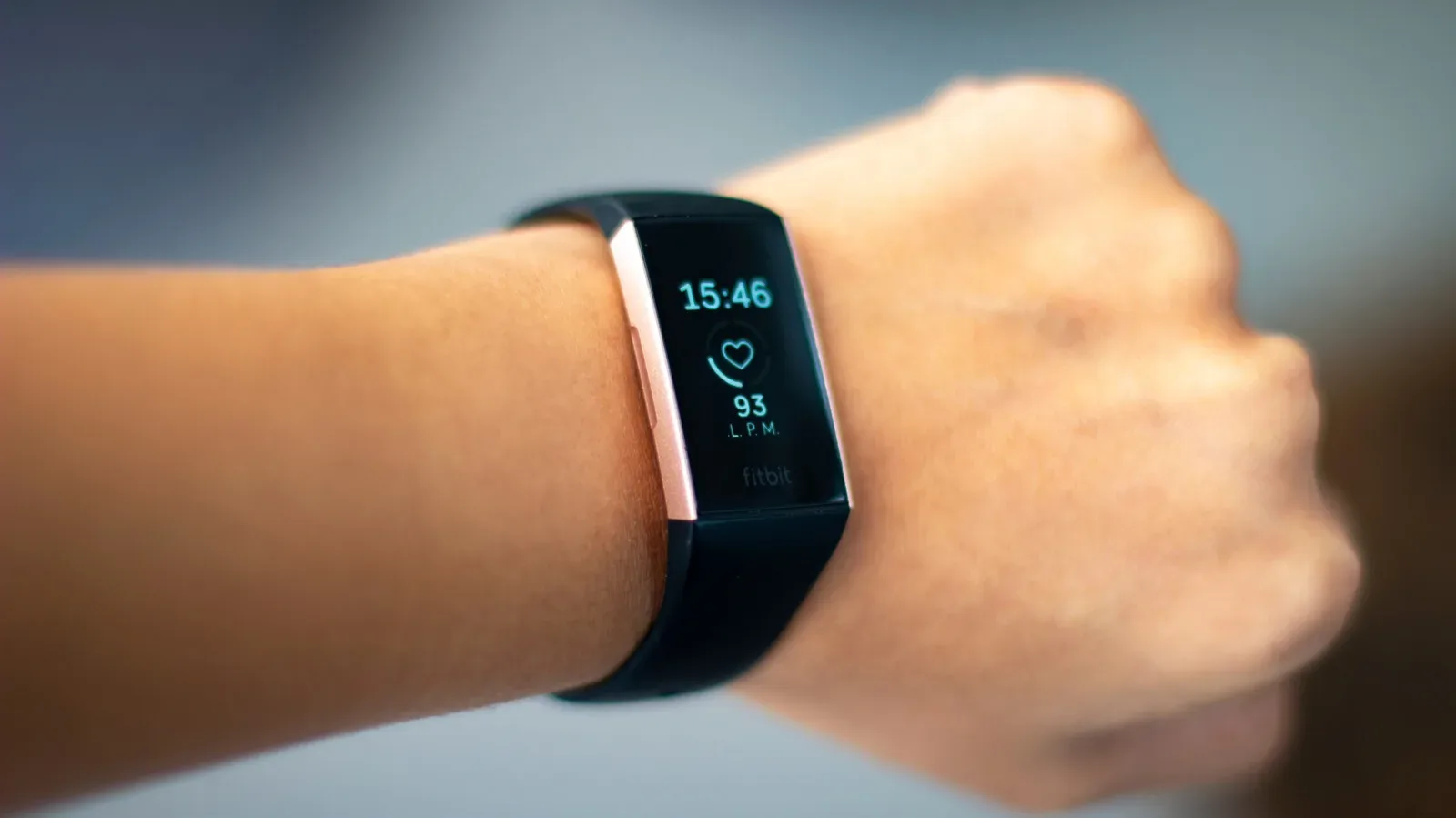
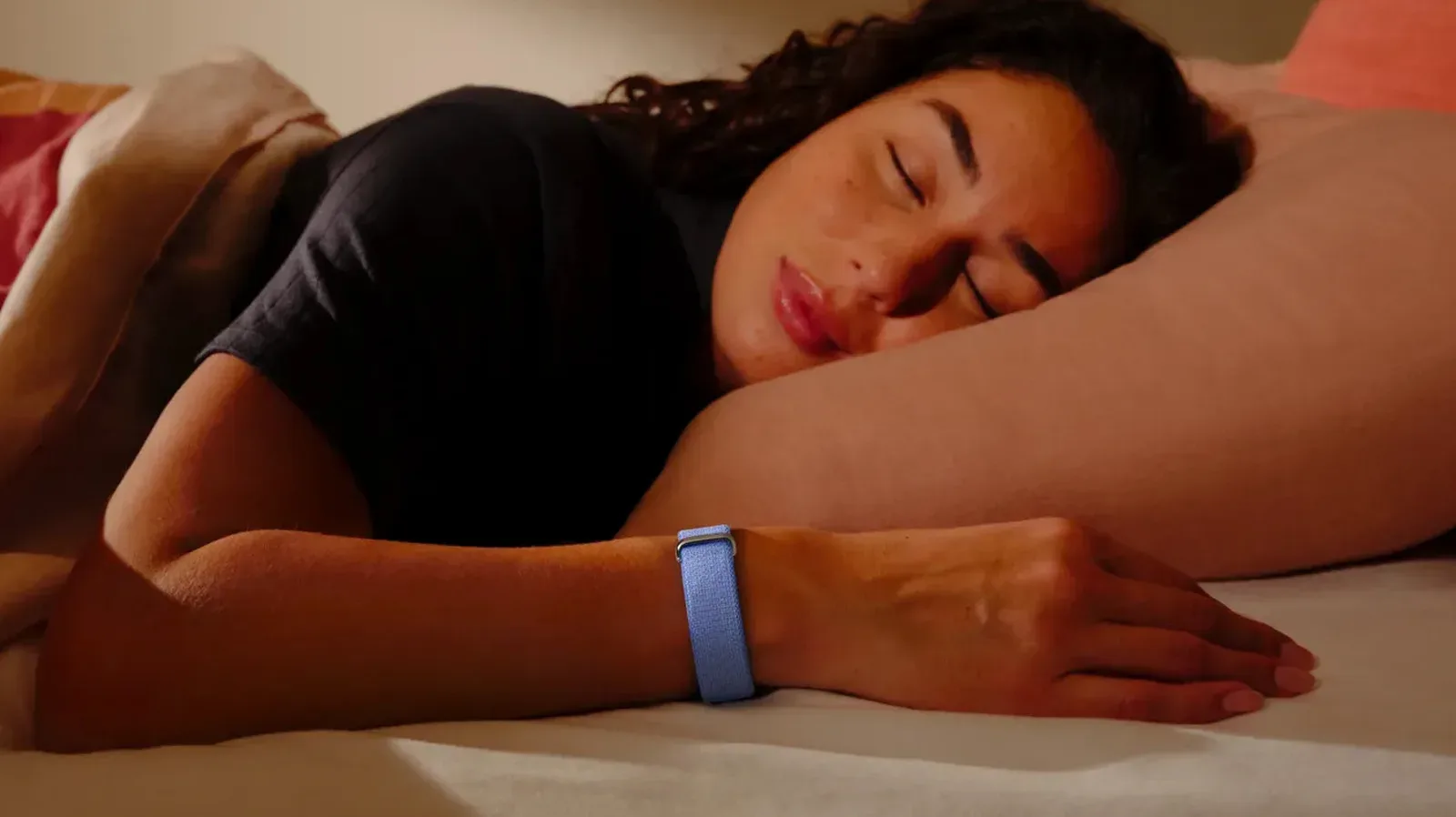
Fitness trackers are built for a fairly rude existence. They are worn while exercising, sleeping, sweating, showering and, for some people, swimming. They meet doorframes, desk edges, barbells and the occasional spectacularly mistimed arm gesture. That makes the obvious question—will it physically survive?—an important one.
But a Fitbit can reach the end of its useful life without a dramatic crack across the display. A device may still look fine while its battery no longer lasts long enough to be convenient, its water protection has weakened, or the software and companion app have moved on. For anyone deciding whether a tracker is a short-term accessory or a purchase intended to stick around, the useful answer is not a single number of years. It is a set of overlapping limits.
The practical planning estimate is up to around five years, not a guarantee of five years. Some owners may get longer service, particularly with gentle use and a battery that still meets their needs. Others—especially people who expose a wearable to water every day—could encounter trouble earlier. Hardware condition, charging habits and support policy all matter, and any one of them can become the reason to replace an otherwise functional tracker.
Durability is more than surviving a bump
Scratches and scuffs are annoying, but they are not always fatal. Provided that a tracker’s screen and buttons remain intact, many everyday impacts are cosmetic rather than terminal. Water exposure is the more complicated durability concern because its protection relies on components that can change over time.
The Fitbit Edge, for example, is described as having an IP68 rating. In simple terms, that rating indicates protection against dust and an ability to withstand submersion under the rating’s test conditions. It does not mean the device has acquired an eternal force field against moisture. Water resistance depends on seals continuing to do their job, and seals can deteriorate as a device ages and is repeatedly exposed to moisture.
That distinction matters because two people can own identical trackers and put very different stress on them. Someone wearing a Fitbit primarily for walks may never push its moisture protection particularly hard. A daily swimmer, meanwhile, gives water seals far more opportunities to become the weak point. Sweat is also relevant: it is a regular part of wearable use, not an unusual accident to be checked off by an IP rating and forgotten.
There is no supplied evidence for a precise timetable for seal degradation, so consumers should be cautious of anyone presenting one. The responsible takeaway is that water resistance is a condition that can age, rather than a permanent property stamped onto a product box. A tracker that has handled years of showers or swims is not necessarily protected to the exact same degree as it was when new.
What an IP rating can—and cannot—tell you
An IP rating is useful shorthand, but it answers a narrow question: how a device performed under a defined protection standard. It should not be translated into a promise that every kind of water exposure, forever, will be harmless. The “68” in IP68 signals dust protection and submersion resistance, yet the continuing effectiveness of that resistance still depends on the hardware’s condition.
For shoppers, the implication is practical. If swimming is central to the reason for buying a tracker, the water rating deserves more weight in the decision—and so does the possibility that frequent water exposure may shape the device’s lifespan. If swimming is not part of the routine, accidental splashes may be a much smaller long-term concern than battery aging or software compatibility.
The battery clock starts before the tracker feels old
Like many portable gadgets, a Fitbit uses a lithium-ion battery. These batteries do not retain their original capacity forever. One common way to discuss their wear is through a charge cycle: the equivalent of using 100% of a battery’s capacity, whether that happens all at once or across several partial charges.
Wearable batteries are typically associated with roughly 300 full 0-to-100% cycles. At a simple, theoretical level, a tracker charged about once a week could therefore pass five years before reaching that figure. That arithmetic is helpful for understanding why a weekly-charging wearable could potentially have a multi-year run. It is not a dependable expiry date.
Capacity can decline for chemical reasons before a device reaches a particular cycle count, and the lived experience is more important than the counter. A tracker with a technically working battery may become irritating well before it fully fails if it needs charging multiple times per day. That is the point at which “still works” and “still useful” split apart.
Battery habits can influence the outcome. Avoiding repeated runs all the way down to an empty battery can help preserve health, although it cannot halt aging. A buyer should also remember that charging frequency is only one part of the equation: actual capacity loss, personal tolerance for charging and the device’s features all determine whether the remaining runtime is acceptable.
Replaceability can decide whether aging means retirement
Battery aging is especially consequential because most Fitbits do not offer an easy escape hatch. The Edge is identified as an exception with a replaceable battery. For most models, once capacity falls far enough, replacement of the entire tracker may be the only realistic route.
This is worth considering at purchase rather than years later, when a fading battery turns a previously invisible design choice into the deciding factor. A replaceable battery does not solve water-seal aging, accidental damage or eventual software obsolescence. It does, however, address one major consumable part that otherwise can end a wearable’s useful run.
For a broader reminder that connected hardware remains tied to the software around it, see our look at new Apple Watch audio tools and other iOS 27.3 beta clues. Wearables are not isolated gadgets; their value depends heavily on the evolving phone, app and account ecosystem beside them.
A secure Fitbit is not automatically a fully featured Fitbit
Physical survival and battery longevity are only two legs of the stool. A fitness tracker also needs to sync data and let its owner view it. If the relevant app no longer works properly with a legacy device, a tracker can be functionally diminished even with an intact display and a battery that still lasts days.
Google says it provides Fitbit security updates for at least two years after a product is no longer sold. That policy is a meaningful baseline, but it should be read accurately. Security support means updates aimed at protecting the product. It is not the same promise as continual feature additions, complete parity with new hardware or permanent compatibility with every future version of an app.
Current Fitbit models are expected to receive updates through 2028 and possibly longer, depending on when hardware is refreshed. The Inspire 3, Versa 4 and Sense 2, which launched in 2022, appear likely to be closer to the front of the eventual end-of-support line than newer devices. “Likely” is important here: the exact future timetable and the real-world impact of changes remain uncertain.
The difference between support categories already has practical consequences. Google Health Guardian functions such as irregular rhythm notifications work only on a limited selection of Fitbits, even though other unsupported models may also include heart-rate sensors. A sensor’s physical presence is therefore not enough to guarantee access to every health-related feature. Eligibility is also determined by the product and software support arrangement.
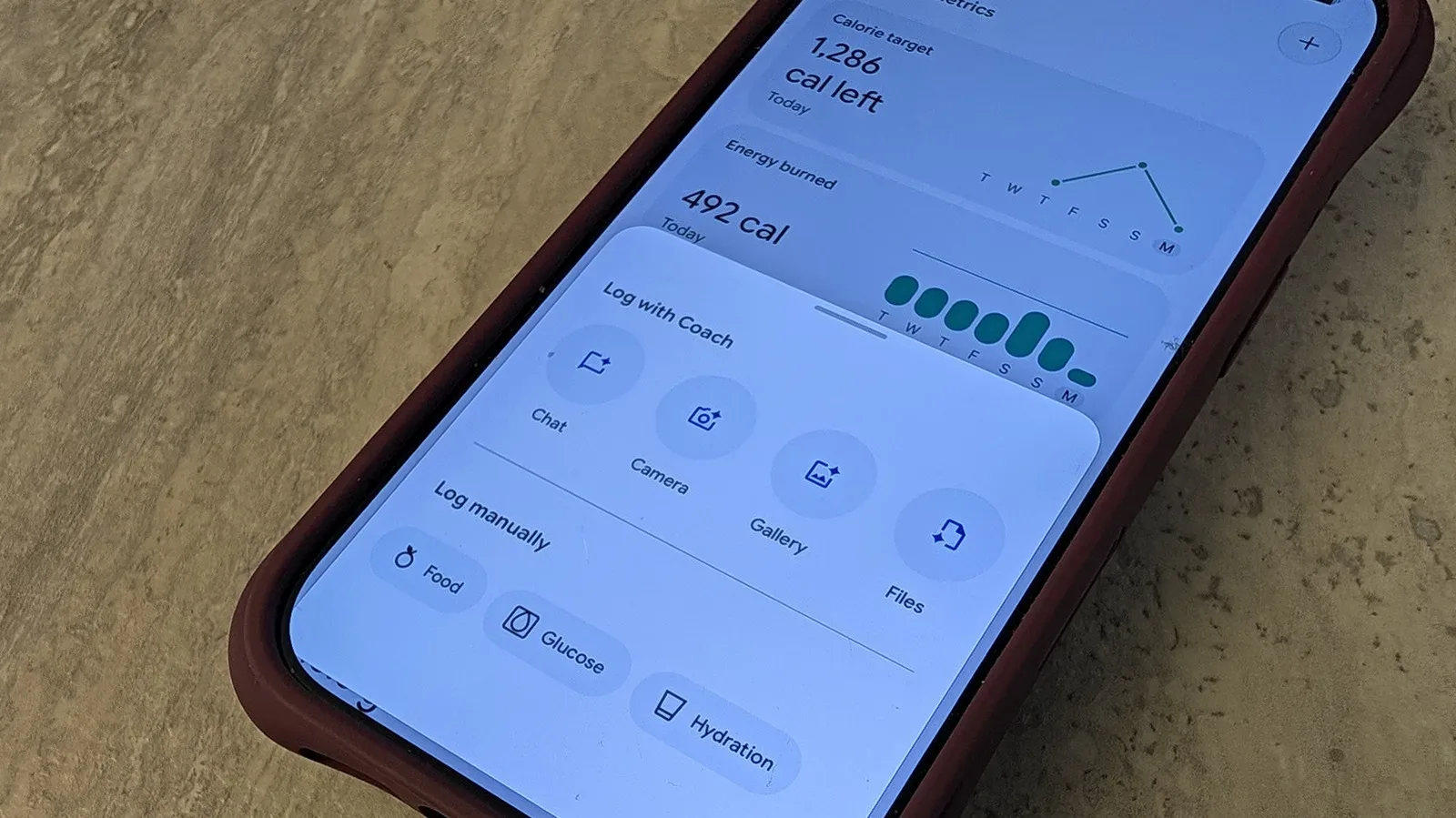
The app transition adds another layer. The original Fitbit app has been replaced by Google Health. As that newer app changes, it is impossible to know exactly how long older hardware will remain fully compatible. Owners should separate the question “Will it receive security updates?” from “Will all the parts of the experience I care about remain available and reliable?”
How to judge lifespan before buying
A good Fitbit lifespan decision starts with identifying the failure mode that would bother you most. For some people, it is an unreliable battery. For swimmers, it may be water exposure. For people who buy wearables chiefly for a particular health or app feature, compatibility and feature eligibility can outweigh both.
- Match the device to water exposure: Frequent swimming or constant moisture makes long-term seal wear more relevant than it is for walking-only use.
- Think about charging tolerance: A battery need not be dead to become a deal-breaker. Consider how much reduced runtime you would accept before the tracker becomes a chore.
- Check whether the battery is replaceable: The Edge stands out here; most Fitbits do not provide the same route around battery decline.
- Separate security updates from feature support: A secure device may still lose ground on newer functions or app compatibility.
- Verify the features that matter now: Do not assume that a heart-rate sensor alone makes a model eligible for every health feature.
- Plan around uncertainty: Treat long-term app compatibility and seal performance as variables, not guarantees.
The sensible expectation: useful life, not immortality
It is tempting to seek one definitive lifespan for a Fitbit, but the supplied information supports a more conditional answer. A tracker used gently, charged roughly weekly and kept compatible with its app could plausibly deliver years of service. The cycle-count math makes more than five years conceivable in theory. Yet battery chemistry can reduce capacity earlier, water seals can age, and platform evolution can make an older device less compelling before the hardware is physically broken.
That is why a five-year ownership expectation is best treated as a ceiling to hope for rather than a contractual promise. A Fitbit’s real final boss may not be the workout that bangs it into a dumbbell. It may be the quiet accumulation of diminished battery capacity, aging seals and software that has decided newer hardware gets the party invitations.