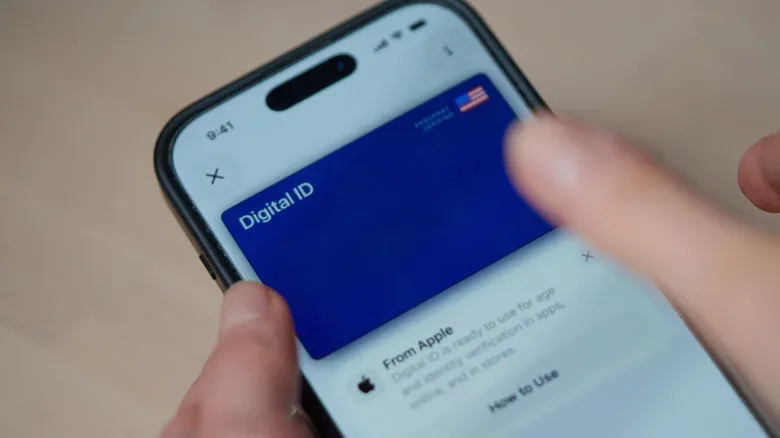
A driver’s license in a phone wallet may sound like a simple digitization of the card already sitting in a pocket. It is not meant to be that. A standards-based mobile driver’s license, commonly shortened to mDL, holds digitally signed identity information that a compatible reader can verify as originating with the issuing authority. That distinction is central to both its promise and its limits.
The promise is data minimization: a person can potentially confirm a narrow fact without exposing the entire collection of details printed on a conventional license. The limits emerge at every other stage of the interaction. How is the credential retrieved? Does the issuer learn about the transaction? Will the recipient keep the information? And, more basically, is the phone available, powered and accepted where the person needs to use it?
For people accustomed to treating a physical license as the universal fallback, the practical answer is not that a wallet-based ID is automatically safer or less private. It is that it can provide more control in certain supported interactions. That control remains meaningful only if the credential system, the receiving organization and the user’s device security all do their parts.
The important difference: proving a fact instead of showing a card
A physical license is an all-or-nothing object. When it is handed to someone checking age, the checker can generally see the full date of birth, address, license number and other information printed on the card. Even if the only legitimate question is whether the holder is old enough to buy an age-restricted product, the card reveals much more than the answer.
An mDL can be designed to handle that exchange more narrowly. The relevant standard supports broad age assertions, including an answer to whether the holder is over 21. In a compatible transaction, the verifier can request that outcome instead of receiving the person’s exact birth date.
That is a useful privacy principle often called data minimization: collect or disclose only what is necessary for the task. A yes-or-no age result is materially different from providing a full birth date, and it avoids exposing unrelated details such as a home address to a person who has no reason to need it.
This is not merely an argument that a phone display is tidier than a plastic card. A photo of a license saved to a handset would still expose the same printed fields. The mDL model instead relies on signed data and a compatible reader so the receiving party can verify the requested claim.
What Apple Wallet and Google Wallet say they protect
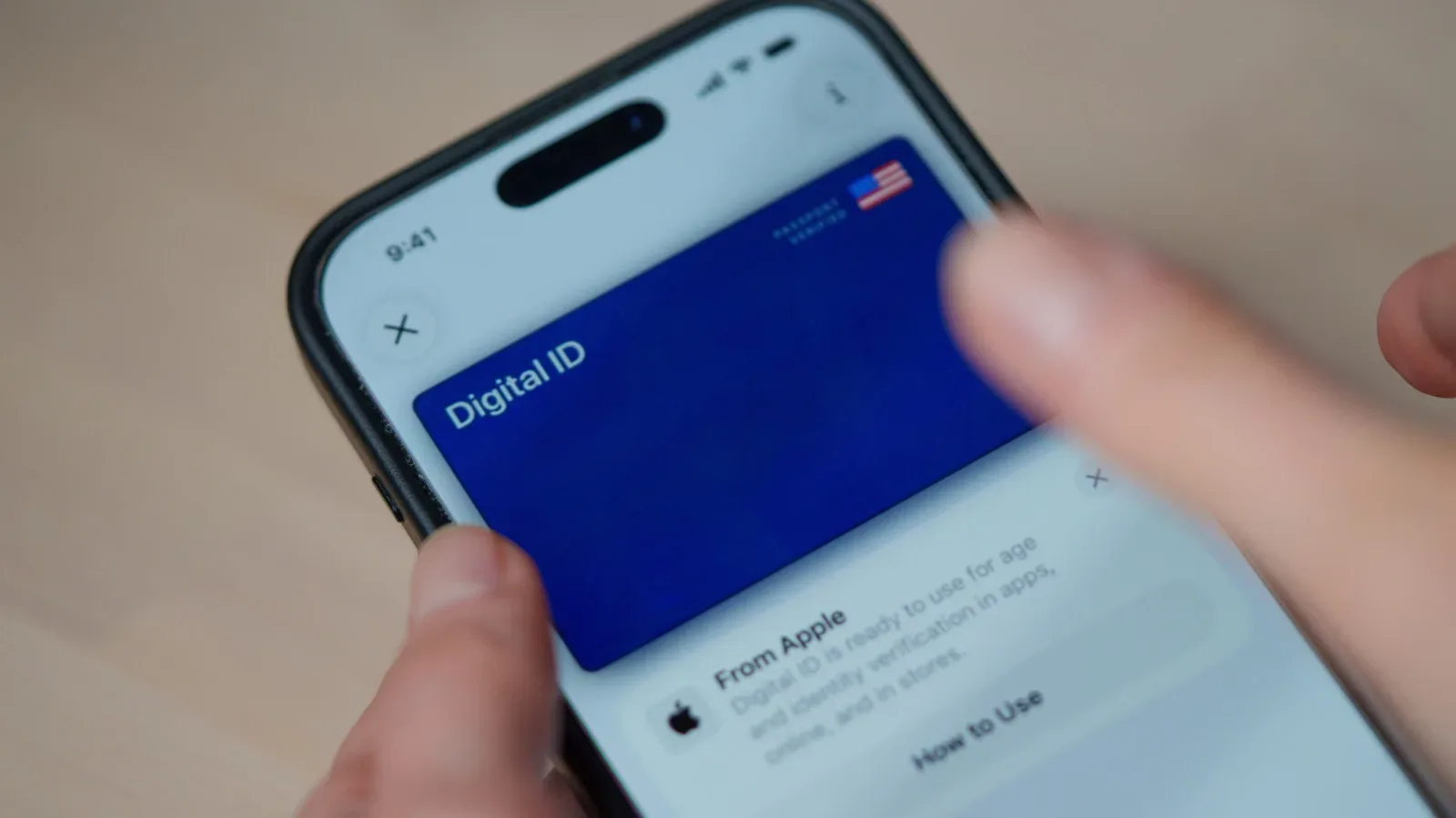
The wallet layer adds controls around access and approval. Apple says users can inspect the information being requested before sharing it. Its in-person presentation process requires authentication through Face ID, Touch ID or an applicable accessibility method. Apple also says license and ID information is encrypted, and the user does not need to unlock the phone or hand it to the person conducting the check.
Google says US driver’s licenses and state IDs in Google Wallet are encrypted and stored locally on the device, rather than in the user’s Google Account. Google Wallet similarly displays the requested information before it is shared and requires authentication.
These are valuable safeguards, especially compared with casually passing a physical card across a counter. Authentication means an individual who picks up a locked phone should not simply be able to open the credential and read its contents. Local storage, as described by Google for its US IDs, also distinguishes the credential from information kept in the account itself.
Still, encryption and biometric authentication address a specific part of the chain: protecting information on the device and requiring the holder’s approval before disclosure. They do not, by themselves, answer every privacy question. A secure handoff can still result in a recipient retaining data. A carefully limited request can still occur in a system whose rules differ by location or implementation.
Device retrieval versus server retrieval
The technical choice behind the transfer matters. ISO/IEC 18013-5, published in 2021, supports two ways to provide a digital license.
- Device retrieval sends information directly from the phone to the reader.
- Server retrieval has the reader obtain information from the authority that issued the credential.
The second approach is the basis of a major privacy concern. If an issuer participates in retrieving the information, it could potentially learn when or where an ID is being used. Privacy advocates describe this as a “phone home” problem: identification should not automatically create a record back at the issuing agency for every routine use.
It is important not to turn that potential into an unsupported claim about every wallet transaction. The concern is about what server retrieval could permit if used, not proof that Apple Wallet or Google Wallet track each presentation in that way.
There is also a meaningful policy development. The American Association of Motor Vehicle Administrators prohibited server retrieval in 2025. Its Mobile Driver License Implementation Guidelines published in July 2026 retain that prohibition. That sharply addresses the particular risk that an issuer could receive a use-by-use signal through server retrieval in implementations following that guidance.
But “server retrieval is prohibited” is not equivalent to “all digital-ID activity is untraceable.” Privacy depends on the standard in use, regional requirements and the wallet’s design. A user evaluating an mDL should be careful to separate the concrete restriction on server retrieval from broader claims about the entire ecosystem.
The privacy boundary is the moment data leaves the phone
The strongest advantage of an mDL may be its ability to limit the initial disclosure. Yet that is only the first half of the transaction. Once a business, service or other organization receives identity data, the wallet generally cannot dictate what that recipient does with it next.
This is where data retention becomes just as important as the on-screen approval prompt. Retention means keeping information after it has been received. An organization may need a particular field for its process, may state an intent to retain it, or may be subject to legal rules that shape what it can do. From the holder’s perspective, a narrowly shared data field is still worth scrutinizing if it will be kept.
Apple Wallet indicates what information is requested before the user approves a share and, where applicable, whether the requesting party intends to retain it. Google Wallet also allows requesters to indicate whether they plan to retain particular information before approval. That is not a guarantee that every recipient’s practices are desirable; it is an opportunity to make a decision with more context.
A sensible habit is to pause at this point rather than treating the authentication prompt as routine. What is requested? Is the requester saying it will retain anything? Is an age assertion enough, or is more information being sought? The value of selective disclosure is greatest when the holder actually reviews the selection before authorizing it.
Rules can differ by jurisdiction
Legal protections are not identical everywhere. New Jersey’s digital ID law, for example, says an organization cannot require a person to hand over their device to present a digital ID. It also says presenting the credential does not amount to consent for a search of other information on the phone.
Those provisions address a practical concern created by putting identification onto a general-purpose device. A phone is not just an ID holder; it can contain messages, photos, accounts and many other kinds of personal information. A digital-ID presentation should not become an excuse to inspect that broader contents.
The broader debate is also about how widely digital identification could be requested in the future. The American Civil Liberties Union has argued that easier access to government-backed digital IDs might lead more online services to require identity or age checks where anonymous browsing remains possible today. That is a warning about potential expansion of the infrastructure, not evidence that current mDLs are monitoring people’s web browsing.
Google’s expansion of Wallet digital ID and age-verification features in parts of the European Union makes the distinction particularly tangible. Some of those features can confirm age without disclosing a name, address or complete birth date. That is the data-minimizing use case. The policy question is whether an age-only check remains appropriately limited, or becomes a common gate for activities that previously required no identity check at all.
A lost phone is different from a lost card
Physical and digital credentials fail differently. A person who finds a plastic driver’s license can immediately read its printed details. A phone with a properly configured lock is harder to access. Apple requires biometric security to add a digital ID and requires confirmation before viewing the information. Google requires screen-lock protection and authentication before ID details are shared.
Those protections depend on the device being configured responsibly. A strong PIN remains significant. Biometrics and screen locks are barriers, not magic properties that make a phone safe regardless of how it is secured.
There are also remote recovery measures if the handset cannot be retrieved. Apple users can erase a lost device through Find My, removing Wallet cards and passes, including a driver’s license or ID. Android users can remotely remove a driver’s license or state ID through their Google Account. For a broader look at protecting a phone from scams and unwanted access, see the latest Pixel security and scam-alert updates.
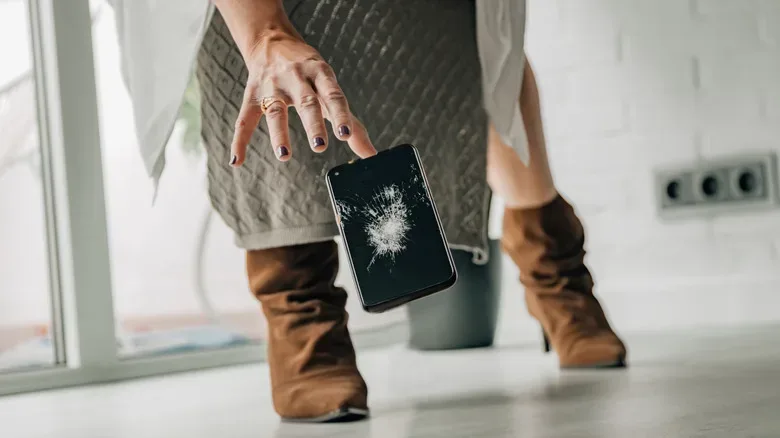
However, a digital credential has an unavoidable dependency that a plastic card does not: the device needs to work. A dead battery, damaged phone or unsupported device can prevent a presentation altogether. Compatibility matters too; the signed credential needs a reader that can handle the transaction.
Practical rules for treating an mDL as a companion credential
The most grounded way to approach a mobile driver’s license today is as a companion to the physical card rather than a universal replacement. That framing preserves its privacy benefits without assuming it will be available or accepted in every situation.
- Review the exact request. An over-21 assertion is not the same as a request for a complete identity record. Share the least information the interaction genuinely requires.
- Read retention notices. A wallet can show what a requester says it plans to keep. This is the point where the holder can decide whether the exchange is acceptable.
- Maintain device security. Use the required biometric or screen-lock protections and choose a strong PIN. The credential is only as protected as the phone’s access controls.
- Know the remote-removal option. If a device goes missing, use Find My to erase an Apple device or remove the credential through the Google Account on Android.
- Carry the physical license when needed. Battery, damage, reader compatibility and local acceptance can all make the physical card necessary.
Mobile IDs offer a real improvement over indiscriminately revealing every detail on a physical card. Their best case is straightforward: prove a limited fact, authenticate the approval and keep the phone in the holder’s hands. The harder questions begin after that limited fact is shared. Retention practices, local law and system design determine whether the rest of the transaction deserves the same level of trust.