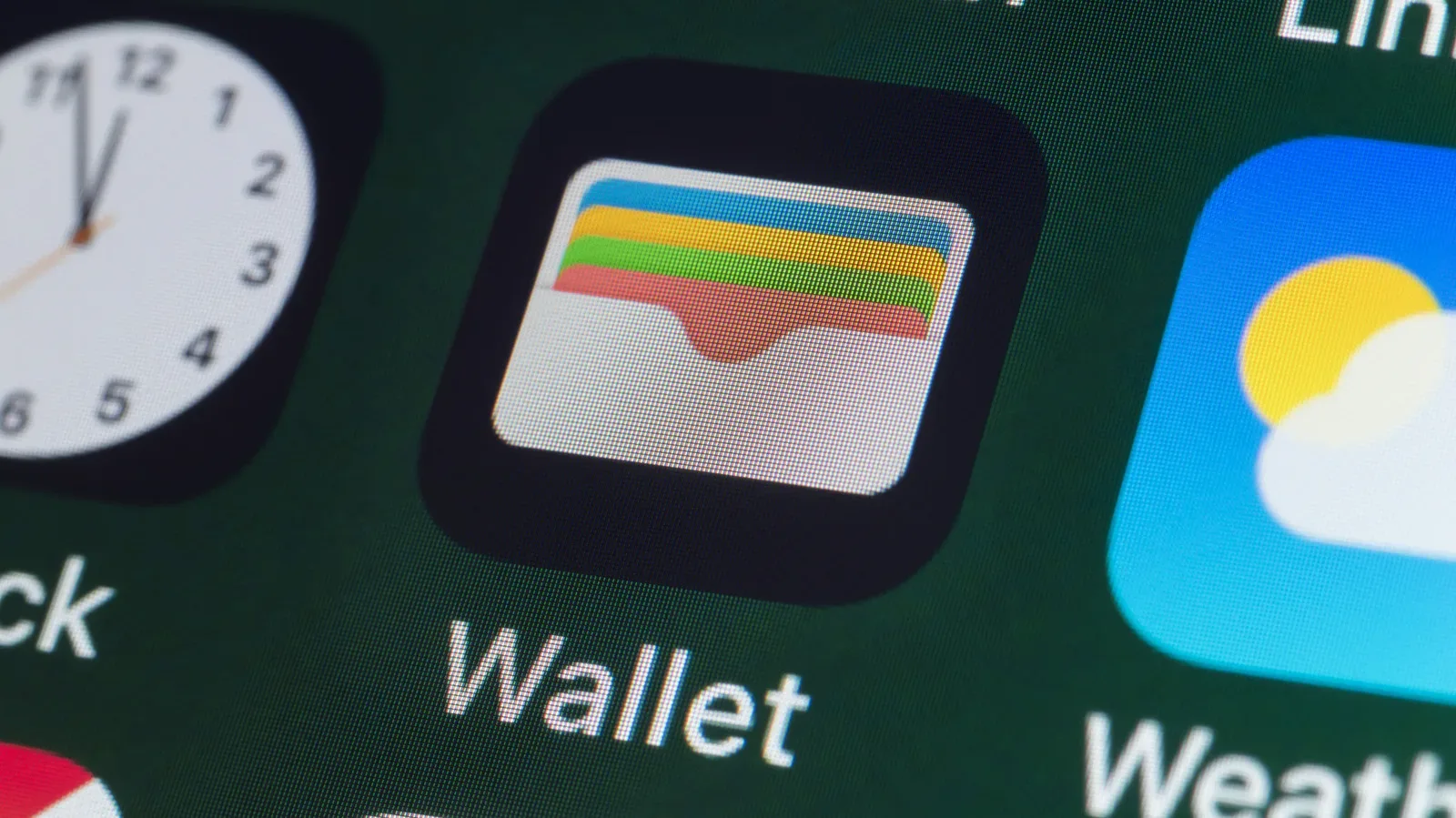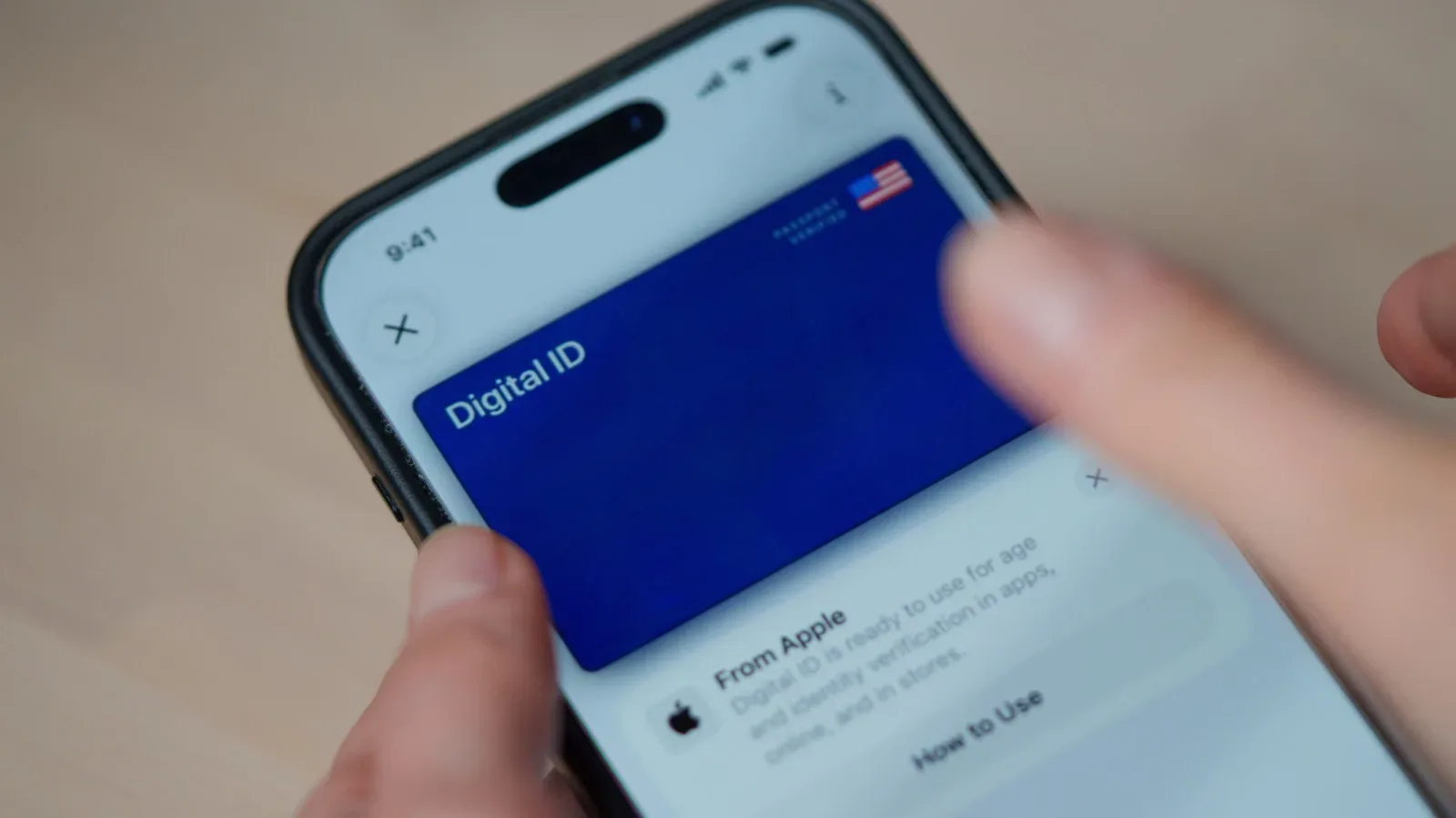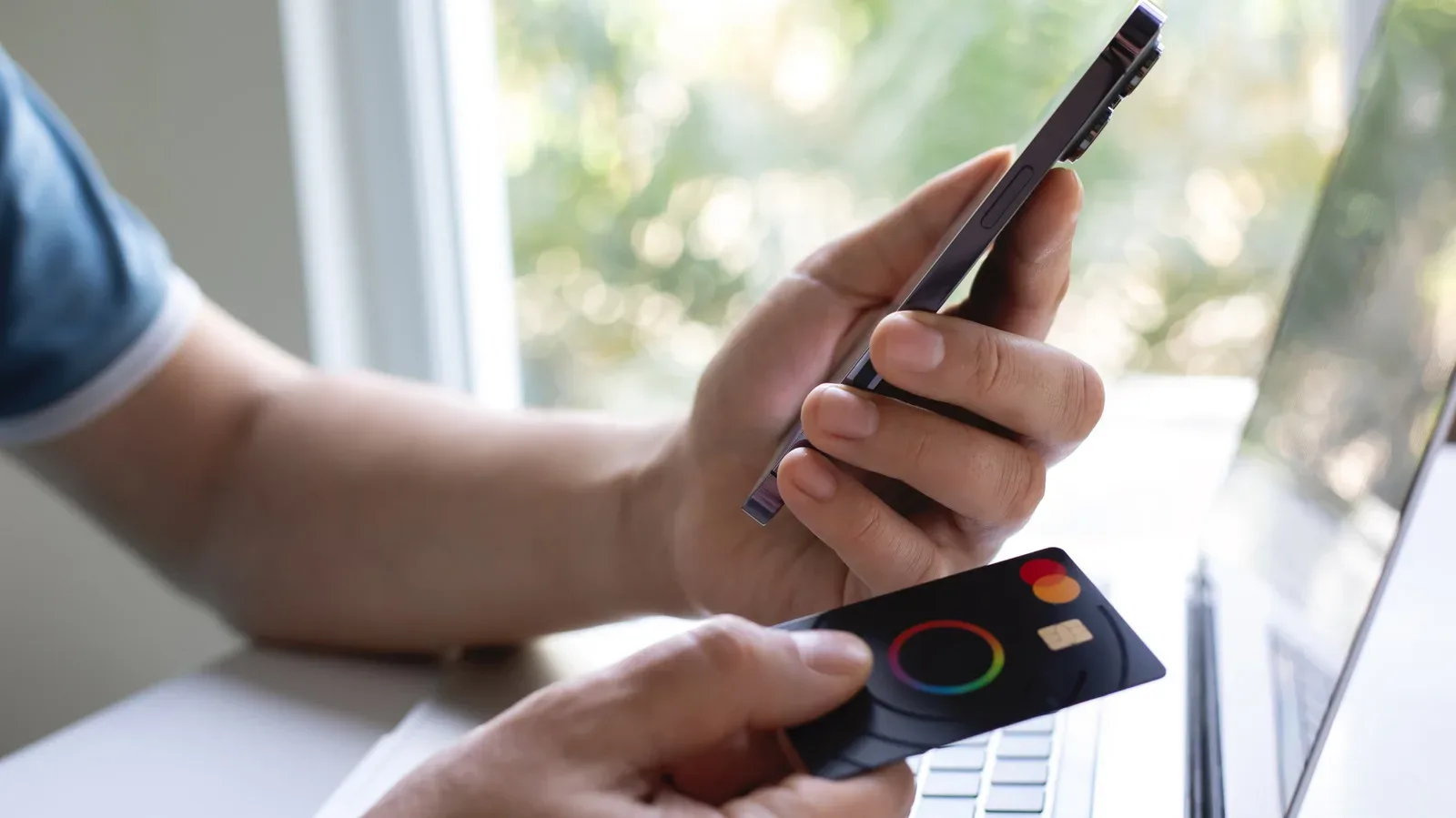
A smartphone may contain an alarming amount of personal information, which makes losing one feel like dropping a backpack full of save files into a bottomless pit. Yet, when it comes to payment cards, a properly secured phone can offer stronger protection than the physical wallet in a pocket or bag. Digital wallets such as Apple Wallet and Google Wallet combine the security of the device with payment-specific protections that a loose credit card simply cannot provide.
That does not mean a physical card is automatically unsafe, or that a phone is invincible. Chip and contactless card payments have meaningful protections of their own. But a digital wallet places multiple gates between a thief and a purchase: the phone’s lock system, a required confirmation for payment, tokenized card details, and tools to find or disable a missing device. The result is less like carrying a bare card and more like bringing a card into a guarded menu screen before every transaction.
The lock screen is the first line of defense
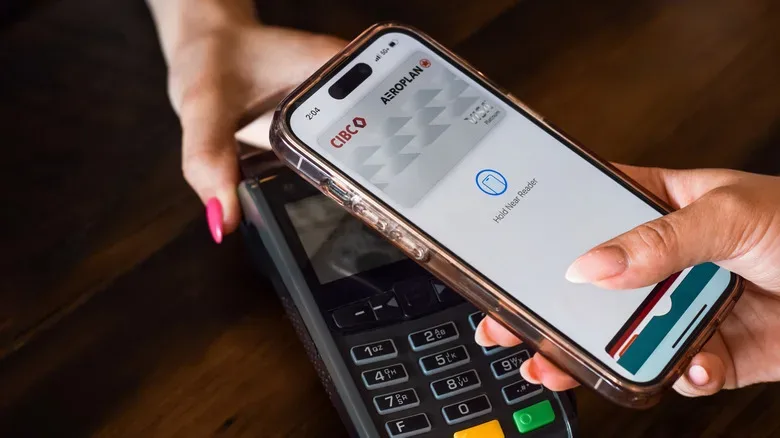
Digital-wallet payments are built on a basic requirement: the device needs a form of authentication. On an iPhone, a lock-screen passcode must be enabled before Apple Pay can be set up. Purchases are then confirmed using the same protections that guard access to the device. Face ID or Touch ID can make this step quick, while the passcode generally remains the fallback option.
That distinction matters. A conventional physical card can sometimes be tapped for a small purchase without the cardholder proving anything at the register. Someone who takes the card may be able to attempt those payments immediately. A phone holding a digital version of that card does not work the same way. Having the device in hand is not normally enough; the person attempting to pay must also satisfy the device’s authentication requirement.
Apple Watch demonstrates that the safety model is not dependent on a biometric sensor. The watch uses its own PIN for Apple Pay. After it is worn and unlocked with that PIN, it can be used for payments until it is taken off. Once removed, it requires the passcode again. This does not turn a weak PIN into an iron vault, of course. A predictable passcode undermines any system built around it. But a strong device passcode substantially raises the barrier compared with a card that can be presented by whoever possesses it.
Tokenization keeps the real card number out of the checkout
The central technical advantage of a digital wallet is tokenization. Rather than handing a merchant the actual number printed on a credit or debit card, the wallet uses a distinct number associated with that card inside the payment system. The merchant does not receive the underlying card details through the transaction.
Each payment also uses a one-time code. If that code were obtained by someone else, it would not serve as a reusable key for additional charges. In gaming terms, it is closer to a single-use quest item than an all-access cheat code: it works for one defined purpose and then has no value for repeating the move.
This arrangement reduces the value of payment data exposed during a transaction. The critical card number is not what the merchant sees, and the transaction credential is designed for that one payment. Digital wallets therefore do more than store an image of a card inside a phone. They change the payment credentials used at checkout.
Modern physical cards can benefit from similar principles in the right circumstances. Chip readers and contactless tap-to-pay payments also use tokenization and one-time codes rather than simply transmitting the card’s permanent number. The advantage of carrying the card digitally is that it keeps the transaction inside the wallet’s authenticated flow. There is no reason to fall back to swiping a magnetic stripe if more secure payment options are unavailable or fail at a store.
Less exposure to skimmers, with an important limit
Card skimmers are malicious devices placed on legitimate-looking payment hardware to capture card information. A physical card can be inserted into a compromised reader, creating a risk that is largely avoided when a person pays through a digital wallet instead of inserting the card.
That is not a license to treat every payment terminal as harmless scenery. Fraudulent contactless touchpoints are a possible threat, even if they are not commonly encountered in practice. The better lesson is narrower: keeping the physical card out of a reader eliminates the particular risk of having that card inserted into a skimmer. The wallet’s authentication and tokenization protections then add further safeguards to the payment itself.
A lost phone is not the same as a lost stack of cards
Remote management is another major difference between a digital wallet and a traditional one. Losing a leather wallet can mean a hurried sequence of calls, canceled cards, replacement waits, and the deeply unpleasant task of remembering every card that was inside. A missing phone is stressful too, but Apple’s Find My and Google’s Find Hub can help locate a device and, when necessary, remove its wallet information remotely. In some situations, these services can assist even when the device is off.
The useful detail is that disabling the wallet on that phone affects the digital copies stored there. It does not necessarily require canceling the physical payment cards and ordering replacements. That can preserve access to the actual cards while closing off the wallet on the missing device.
Remote controls do not replace the need to secure the phone from the beginning. They are the emergency item in the inventory, not the armor equipped before the boss fight. A device passcode and the wallet’s payment confirmation are what make a stolen phone difficult to use in the first place; location and remote-disable features provide a way to respond if the phone is not recovered quickly.
Convenience can improve security habits
The convenience case is familiar: a phone or smartwatch can pay in stores, apps, and online without requiring a separate wallet to be carried everywhere. But convenience is part of the security story as well. If a person can keep multiple cards in the wallet app, there is less need to carry every rewards card, payment card, or other item each day. Fewer physical cards carried means fewer cards available to lose or have stolen.
Digital wallets can also reduce the friction of choosing the appropriate card for a purchase. Instead of bringing a thick stack of plastic for different rewards programs or spending categories, users can select among the cards saved in the wallet. That does not make the financial decisions automatic, but it reduces the physical clutter that has long turned ordinary wallets into inventory-management games.
In many cases, even documents such as identification can remain at home. The practical boundaries will differ by situation, so it is sensible not to assume a digital version replaces every physical document everywhere. Still, the broader direction is clear: the phone can consolidate items that previously lived in a wallet while applying a more rigorous access check to payments.
What a safer setup actually looks like
The technology works best when the basics are treated as mandatory rather than optional. The following is not about making payment feel complicated; it is about ensuring the protections already built into a digital wallet have something solid to work with.
- Use a strong device passcode. Biometrics are convenient, but the passcode remains the fallback protection and should not be easy to guess.
- Keep payment confirmation enabled. The authentication prompt is the barrier that distinguishes a wallet on a phone from a physical card sitting in a pocket.
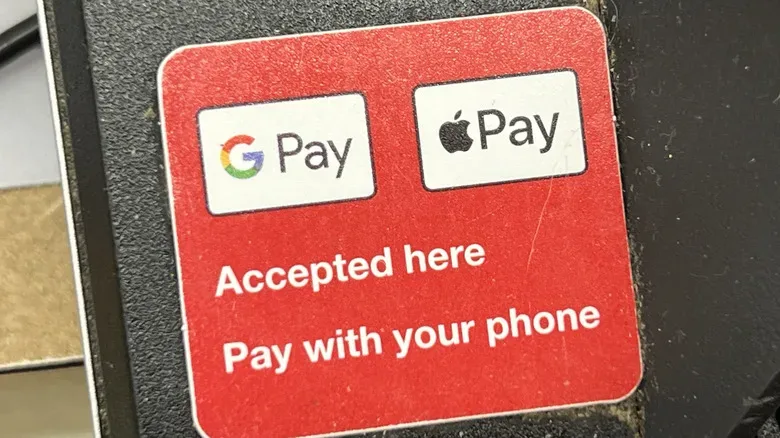
- Add at least one card to a wallet you use. Mobile payments are widely accepted in stores and are also useful for in-app and online purchases.
- Know the device-recovery tools before an emergency. Find My and Find Hub are valuable because they can help locate a missing device or disable its wallet data when needed.
- Prefer the more secure payment path. Wallet payments, contactless transactions, and chip readers avoid the weaker magnetic-stripe fallback.
The same phone that hosts games, messages, photos, and a deeply questionable number of notifications can therefore be a surprisingly disciplined place for payment cards. Authentication verifies the person trying to pay. Tokenization prevents a merchant from seeing the real card number. One-time codes make captured transaction data far less useful. And remote controls offer a response plan if the device disappears.
For readers keeping up with Apple’s evolving software ecosystem, iOS 27.1’s expected October timing and feature plans offer a reminder that the smartphone remains a central hub for more than entertainment. A digital wallet is one of the most practical examples: it can simplify checkout while placing several layers of protection around the cards people rely on every day.