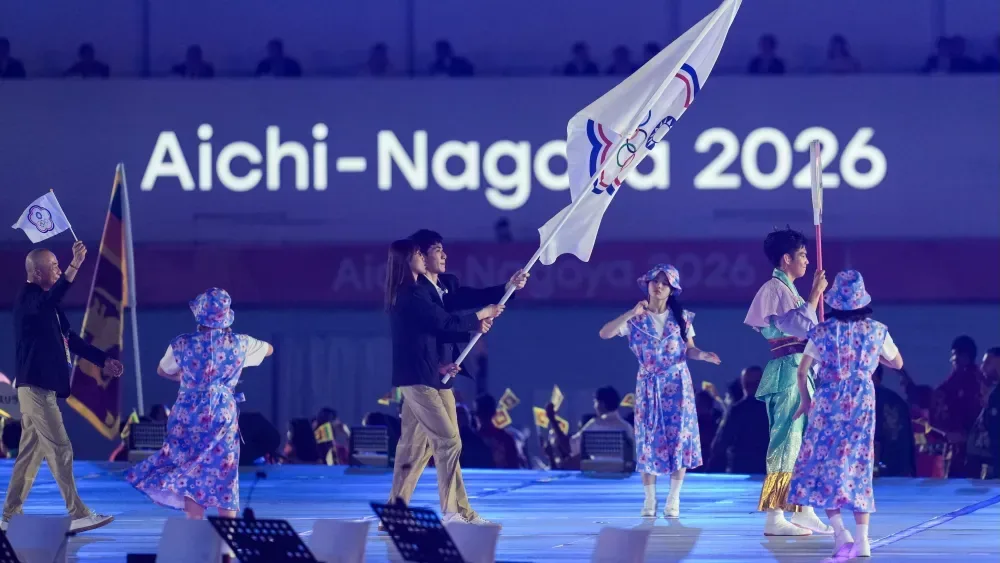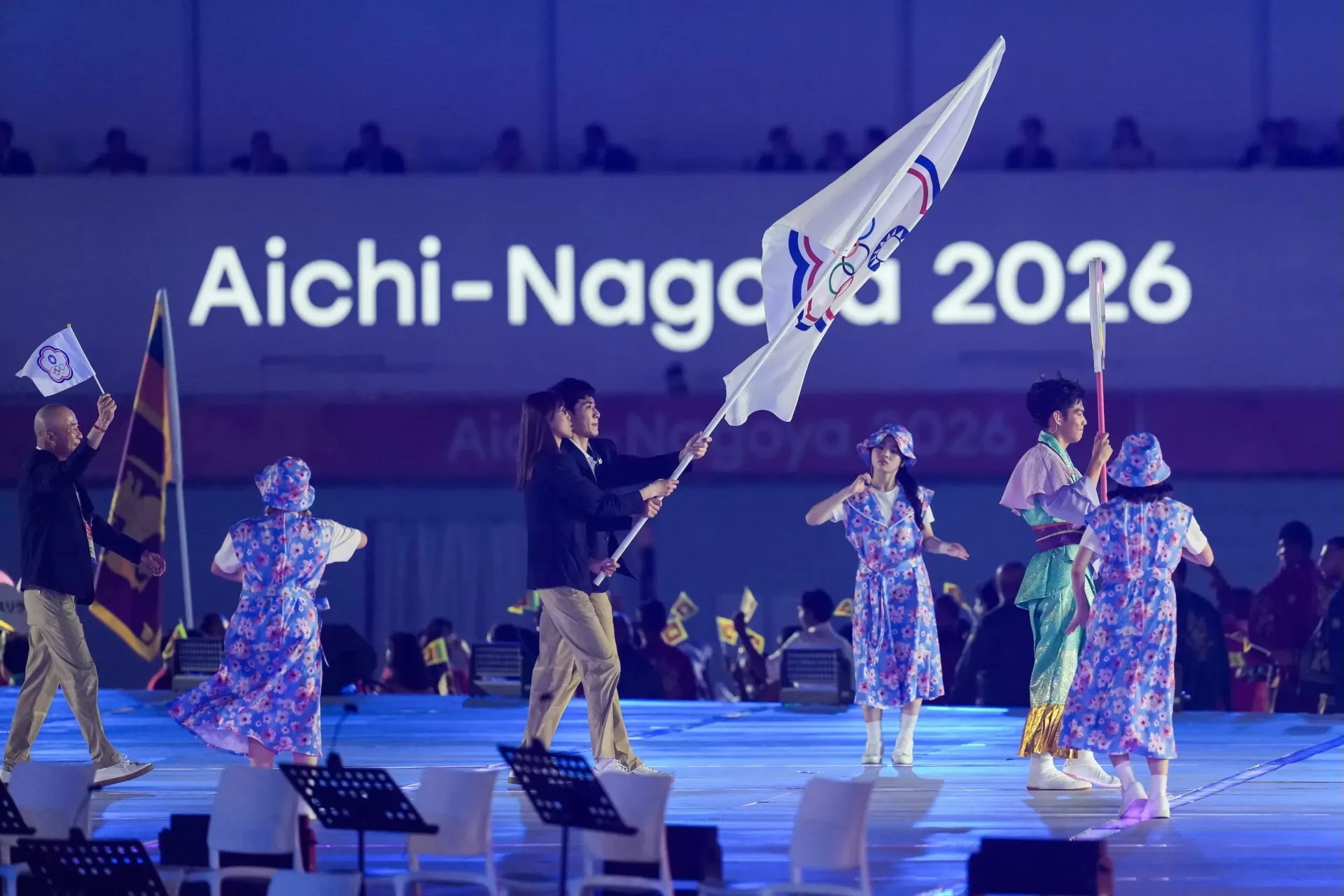
The 2026 Asian Games are in progress in Aichi–Nagoya, Japan, bringing a huge multi-sport program to a single international stage. The event began September 19 and is scheduled to run through October 4, with nearly 20,000 athletes competing across 43 disciplines.
For viewers in the United States, the practical viewing route identified for the event is Willow TV. The service is available through Amazon Prime Video or Sling, and its coverage is not limited to cricket: it is also set to carry hours of live programming from other Asian Games sports, with replays available for past events.
That matters because a multi-sport competition rarely behaves like a one-game broadcast. Sports are contested across different sessions and days, while audiences may be following a single athlete, a national team, or a late-stage medal event. A service with replays is useful when live timing does not line up with a viewer’s schedule—or when several events overlap.
What the Asian Games are—and why this edition is substantial
The Asian Games are held every four years for countries in Asia. Aichi–Nagoya 2026 is the competition’s 20th edition, staged in Nagoya in Japan’s Aichi Prefecture.
The scale is the headline: almost 20,000 athletes and 43 disciplines. That breadth is what separates an event like this from a single-sport championship. A viewer can arrive for cricket and find tennis, swimming, gymnastics, diving or track and field on the schedule, each with its own format and medal rounds.
The named athletes and teams illustrate that range. Filipino tennis player Alexandra Eala is among the competitors, as are Chinese Olympic swimming champion Pan Zhanle and Filipino Olympic gymnastics champion Carlos Yulo. India’s men’s cricket team also enters with major recent credentials, holding the Twenty20 World Cup, Champions Trophy and Asia Cup titles.
Those facts do not guarantee outcomes in Nagoya, of course. They do explain why the remaining sessions can be compelling: established champions and high-profile teams are competing in a format where a broader event schedule shares attention across many sports.
How to watch in the U.S.
Willow TV is the stated U.S. destination for online and television viewing. It can be accessed as a standalone option through Prime Video or through Sling’s Desi Binge Plus package. The supplied pricing information lists Willow on Sling or Prime Video at $10, while Sling has marked the Desi Binge Plus package down to $10 for a limited time.
Related coverage includes How to Watch the 2026 Asian Games in the U.S..
Availability and promotional terms can change, so viewers should confirm the current package details before subscribing. The key distinction is simple:
- Prime Video route: Willow is available directly through Prime Video.
- Sling route: Willow is included in the Sling Desi Binge Plus package, alongside SonyLIV, Jio Cinema, Simply South and other Desi-focused film and series programming.
Both routes support viewing on phones, tablets, computers and smart TVs. That gives viewers a choice between a portable stream, a browser-based session and a living-room screen, depending on where they want to follow an event.
For people deciding between live coverage and catch-up viewing, the replay component is especially relevant. Live sports coverage follows the competition timetable; a replay is an on-demand recording of an event that has already occurred. Replays can be the more practical option for viewers who are tracking several disciplines, missed an earlier session, or only want to watch a particular athlete’s appearance.
The events still worth tracking
The calendar is now in its latter stretch. Women’s tennis runs from September 27 through October 3, placing Eala’s tournament inside the final week. Cricket, diving and athletics—also called track and field—are among the sports still being contested this week.
For tennis followers, the September 27–October 3 window provides the clearest scheduling marker. Rather than treating the entire Asian Games as one continuous broadcast, it is better to use sport-specific dates to narrow down what to watch and when to look for replays.
Cricket has a natural draw for Willow’s existing audience, given the service’s international-cricket focus. India’s men’s team arrives as the reigning holder of three prominent titles: the Twenty20 World Cup, Champions Trophy and Asia Cup. That pedigree makes the cricket portion one of the event’s notable storylines, while the wider broadcast plan provides a way to follow other disciplines from the same Games.
Diving and athletics offer a different kind of viewing rhythm. Athletics is the umbrella term often used for track-and-field competition, covering events conducted on the track and in the field. Diving is a judged aquatic discipline. The supplied information does not specify individual event times, finalists or results, so viewers should use the platform schedule to identify the particular sessions they want.
Why the platform choice matters
A livestream is a video feed watched while the event is taking place. It is ideal for viewers who want results as they happen and want to avoid spoilers. But it is only one piece of a useful sports package. Device support determines whether a viewer can watch on the screen they prefer, while replay access adds flexibility after a live window has passed.
In this case, Prime Video and Sling both offer access across phone, tablet, computer and smart-TV screens. The better fit depends less on the hardware and more on the surrounding subscription a household actually wants. A viewer who already uses Prime Video may prefer adding Willow there. Someone interested in the additional Desi entertainment services included with Sling’s package may find that bundle more relevant.
It is also worth separating the competition itself from the distribution path. Broadcasters in several Asian markets are airing the Games, including CCTV5 in China, RTM in Malaysia, MeWatch in Singapore, and KBS and SBS in South Korea. Their existence demonstrates the event’s broad regional television presence, but U.S. viewers should prioritize the U.S.-available Willow option and review the terms of any service they consider using.
Context for a crowded international sports calendar
The Asian Games follow the 2026 Commonwealth Games, which took place in July. The Commonwealth event brings together athletes from nations across the British Commonwealth, including countries currently or formerly associated with the British Empire. The Asian Games have a different regional basis: they are for countries in Asia.
That difference is more than a label. Multi-sport events can look similar from a distance because both place many disciplines under one banner, but the athlete fields and participating nations are shaped by separate eligibility frameworks. For a viewer, the most immediate effect is the mix of competitors and national teams appearing in the draws, heats and medal sessions.
Aichi–Nagoya 2026 also makes for a useful reminder that the biggest sports stories do not always arrive in a single familiar format. The same Games can host Eala’s tennis campaign, Pan’s swimming presence, Yulo’s gymnastics participation and a major cricket side, while carrying competition in dozens of other disciplines. The strongest viewing plan is therefore not to chase everything. Pick the sport or competitor that matters most, check the live schedule, and use replays to fill the gaps.
For viewers balancing a stream across multiple screens, the basics of a stable home connection can make a noticeable difference. Our guide to the router settings worth checking first explains the practical network side of smoother streaming.
With competition running until October 4, there remains time to catch the final phases of women’s tennis and follow the ongoing cricket, diving and athletics program. Willow’s live coverage and replay access provide the central U.S. route described here, while the event’s 43-discipline scope means there is considerably more on offer than any one headline sport.