
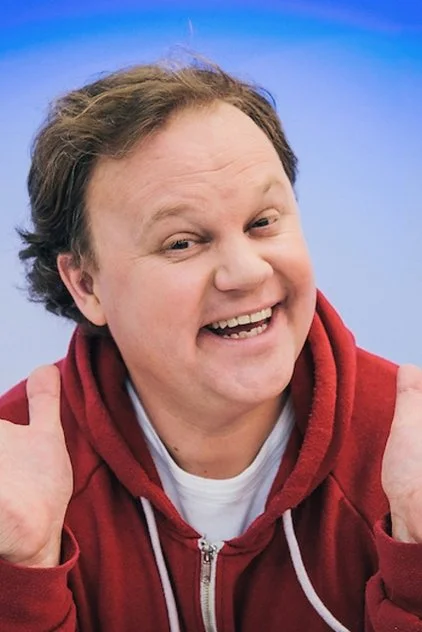
 Justin FletcherShaun / Timmy (voice)
 John SparkesThe Farmer / Bitzer (voice)
 Kate HarbourTimmy's Mum (voice)
 Simon GreenallTwins (voice)
 Nina SosanyaVet (voice)
 Paul WhitehouseShop Keeper (voice)
 Roman KempPizza Boy (voice)
 Dani DyerInfluencer (voice)
 Matthew WalkerConcrete Finisher (voice)
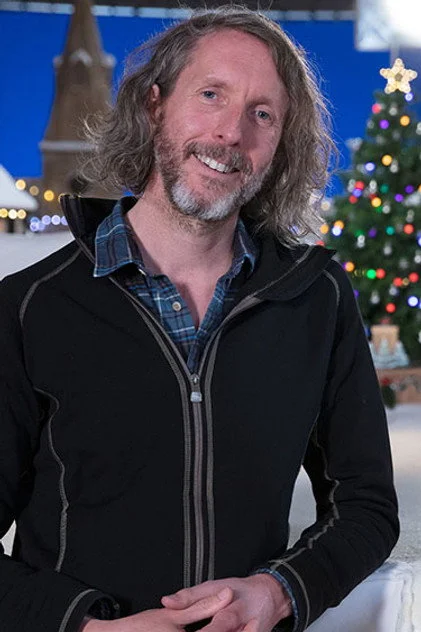 Steve CoxAdditional Voices
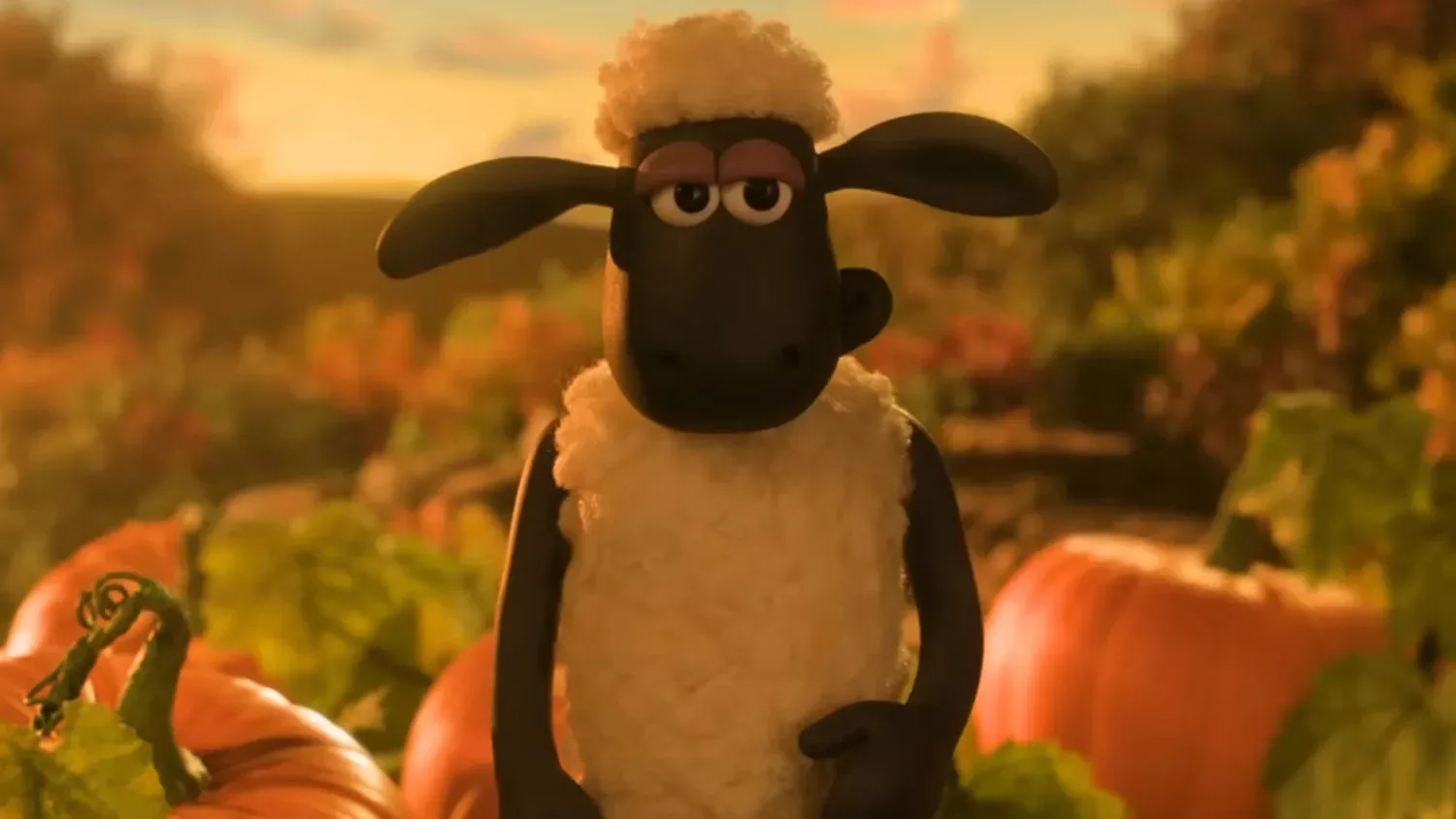
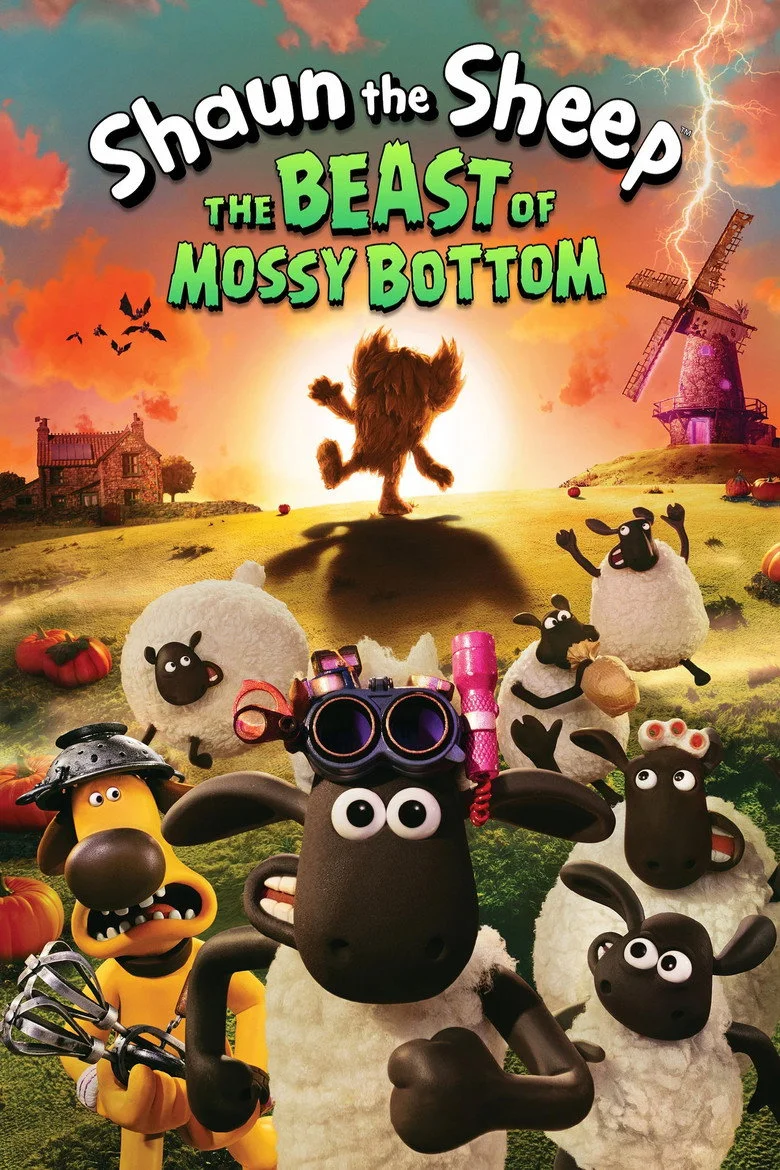
Shaun The Sheep: The Beast Of Mossy Bottom takes its flock into a family-friendly horror pastiche, with Halloween enthusiasm, mad science and a farmyard monster driving the mayhem. The premise is knowingly broad: Shaun and the flock want the perfect seasonal jack-o’-lanterns; an accident ruins their prize pumpkins; and Shaun’s improvised scientific solution turns the Farmer into a Bigfoot-like menace for the local village.
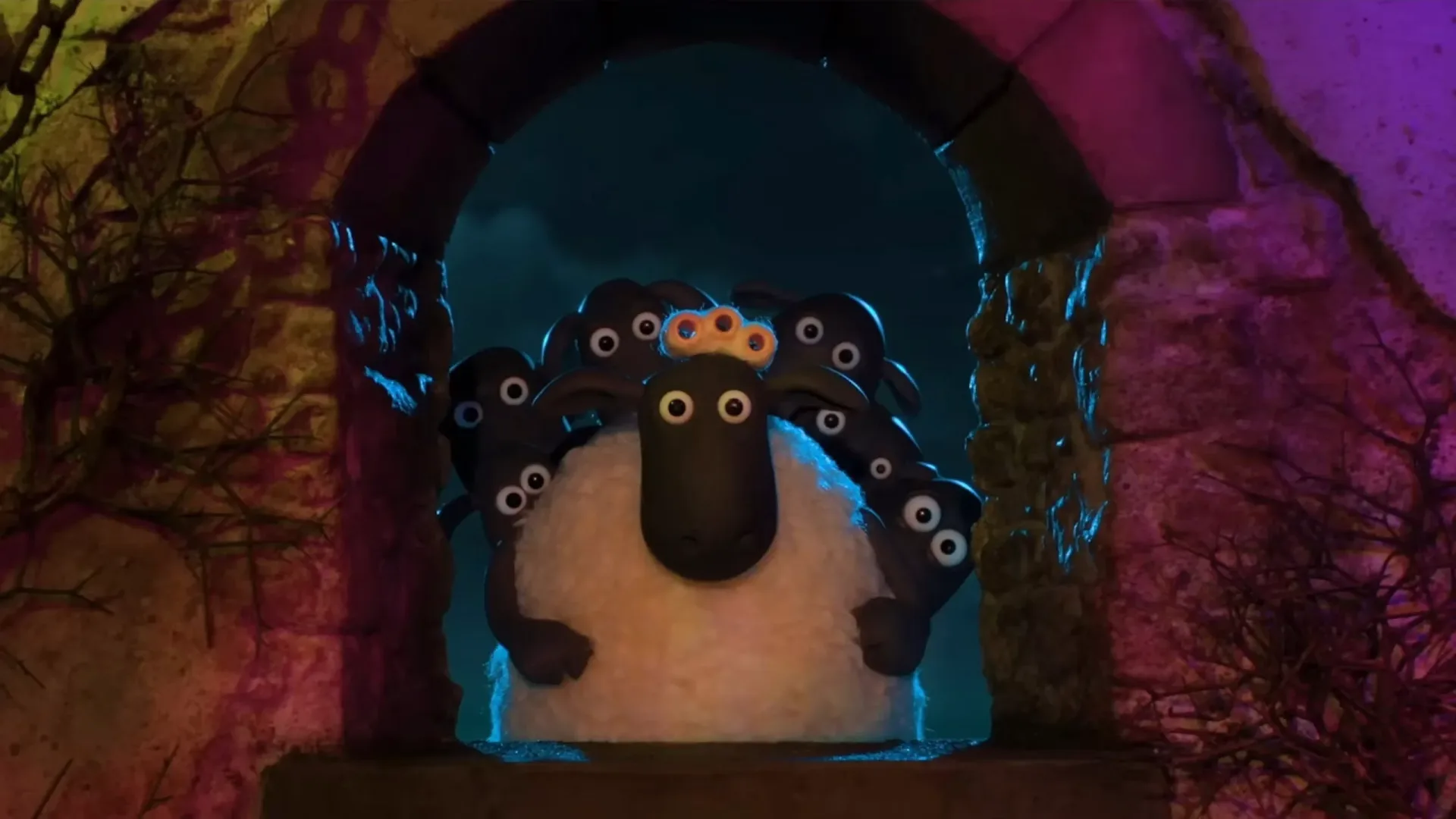
That set-up gives the film a sturdy comic engine. It draws on the iconography of classic creature features—especially the mad-laboratory energy associated with Frankenstein and the transformation anxieties of The Wolf Man—but filters it through Plasticine animals and Shaun’s essentially good-hearted impulse to fix a problem. The result is horror as dress-up rather than dread: a playground for escalating visual gags, not a bid to unsettle its young audience.
A monster movie built for giggles
The film’s major strength is its wholehearted commitment to absurdity. Shaun adopting mad-scientist attire and accidentally creating a monster from the Farmer is the kind of premise that only works if the filmmakers treat every ridiculous turn as an opportunity for a precise joke. Here, silliness is not a detour from the storytelling; it is the storytelling. The transformation lets the film turn an everyday farm setting into a miniature B-movie playground while preserving the genial, non-threatening atmosphere central to Shaun’s appeal.
The horror references appear to be pitched at two levels. Children get immediate physical comedy and the clear stakes of a familiar character becoming a large, disruptive creature. Adults can enjoy the genre construction and the more discreet nods to filmmakers and traditions associated with suspense and British horror. References to Hitchcock and Hammer add texture without requiring viewers to recognize them. That balance matters in a dialogue-light family film: the joke must work visually first, while any extra layer should feel like a bonus rather than a barrier.
Its humour is similarly broad in the best sense. A gag involving pigs playing Jenga needs no specialist knowledge, no verbal explanation and no age-specific context. It is simply a funny image with an inherently precarious payoff. The film’s silent-comedy approach is therefore more than a franchise trademark. It is a practical route to cross-generational accessibility, allowing movement, timing, props and reaction shots to do the work dialogue would otherwise perform.
Wordless storytelling remains the key
Shaun’s adventures are largely dialogue-free apart from bleats and grunts, and that format remains well suited to an international family audience. It asks the animation to communicate intention, confusion, affection and panic with unusually exact physical detail. Shaun’s attempt to solve the pumpkin crisis, for instance, must establish both his eager ingenuity and the scale of the mistake without leaning on explanatory speeches.
Justin Fletcher returns as Shaun, while John Sparkes voices the Farmer. Within a mostly nonverbal framework, vocal performance is necessarily about character punctuation rather than conventional dialogue scenes. The important expressive work is carried by the figures’ movement and the filmmakers’ visual staging. That places a great deal of pressure on clarity and rhythm, and the film’s comic premise suggests it understands that discipline: a monster transformation, village terror and a flock attempting to manage the consequences are all situations that can be grasped instantly through action.
There is also a pleasing thematic fit between the story and the series’ established temperament. Shaun’s trouble begins with an understandable desire to make Halloween special, then grows because his problem-solving becomes overly ambitious. The comedy comes from the mismatch between a small domestic disappointment and an enormous, uncontrolled solution. Yet the premise retains warmth because Shaun is trying to help, and because the Farmer is described as beloved despite his ungainliness. Even at its most monstrous, the film’s conflict is grounded in familiar affection.
Handmade craft, confident tone
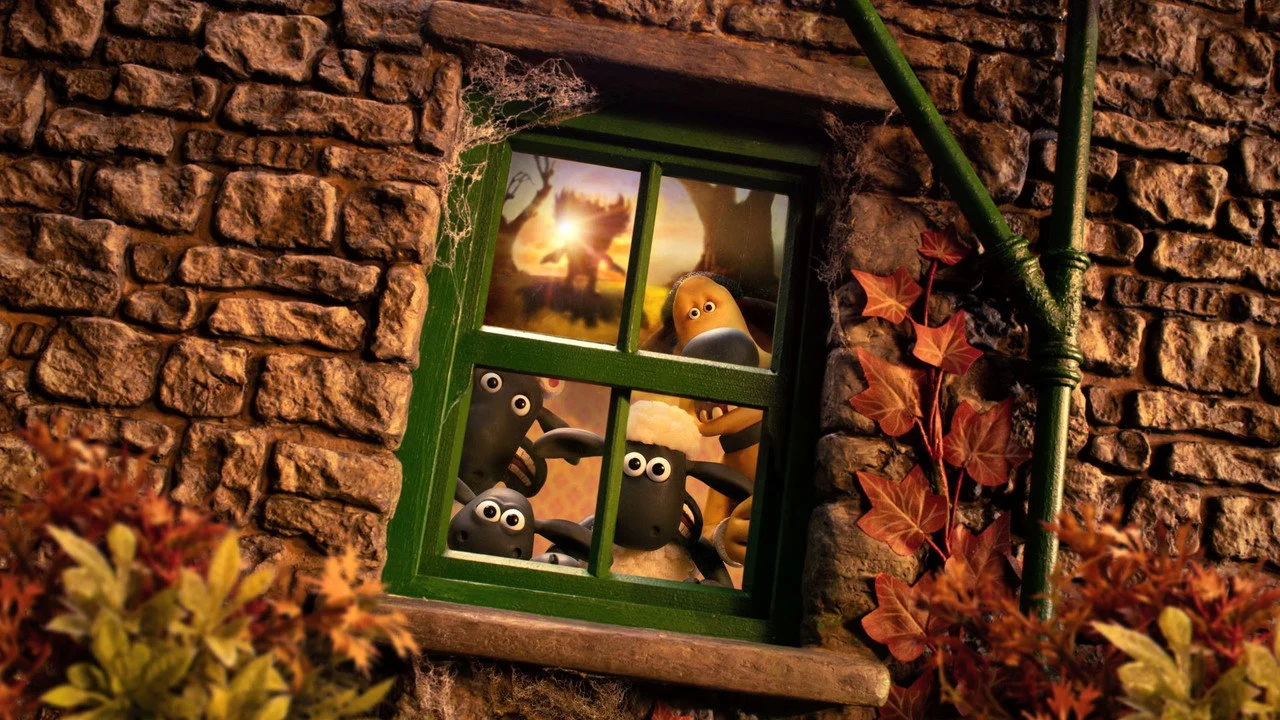
The most persuasive reason to recommend The Beast Of Mossy Bottom is the continuing precision of Aardman’s stop-motion craft. The studio’s handmade aesthetic is not merely decorative. In this kind of comedy, tangible textures and carefully manipulated objects make the world feel responsive to every gag. The farm, the pumpkins, the monster-movie apparatus and the characters’ small reactions all benefit from a form in which physical detail is part of the joke.
Steve Cox and Matthew Walker make their feature-directing debuts here, and the film retains the warmth and wit associated with Aardman’s best-known work. That continuity is significant. A Shaun feature needs to be brisk enough for young children, legible without much dialogue and packed with visual business, but it also needs to avoid treating its audience as passive. The horror pastiche creates room for craft-based pleasures: setups can be read in the scenery, transformations can play as both plot turns and visual spectacles, and a familiar genre can be made newly comic by the sheer incongruity of a clay farmyard cast.
The tone appears deliberately calibrated rather than adventurous in a disruptive sense. This is firmly made for younger viewers, including a pop-music montage designed to energize the room. That is a virtue for families seeking a communal, low-stress seasonal outing. Viewers looking for a more genuinely frightening Halloween film, or for a radical reinvention of Shaun’s formula, should set expectations accordingly. Its pleasures lie in polish, recognizability and inventive variations on a dependable comic language.
Who should visit Mossy Bottom?
For children, the appeal is direct: pumpkins, costumes, a big harmless monster, animals in trouble and jokes readable at a glance. For accompanying adults, the draw is the care lavished on the animation and the film’s willingness to tuck classic-horror and suspense references around its all-ages comedy. The lack of dialogue also makes it an especially easy shared watch across ages and language backgrounds.
It is not presented as a horror film that tests an audience’s nerves. Instead, it uses monster-movie shapes to make a reassuringly playful comedy. That distinction is the basis of the recommendation. The Beast Of Mossy Bottom succeeds when viewed as a seasonal family lark made with close attention to comic timing and stop-motion detail, rather than as a film chasing scares or complex dramatic weight. For more on the film’s monster-movie angle, see our look at how Mossy Bottom becomes a family-friendly horror lab.
With its affectionate creature-feature premise, visual gags and enduring handmade charm, Shaun’s third big-screen adventure offers a polished Halloween treat. The formula is familiar by design, but the film’s warmth, craft and total faith in a well-built silly joke give that familiarity real value.