
 Peyton Elizabeth LeePrue McKeel (voice)
 Jacob TremblayCurtis Mehlberg (voice)
 Carey MulliganAlexandra (voice)
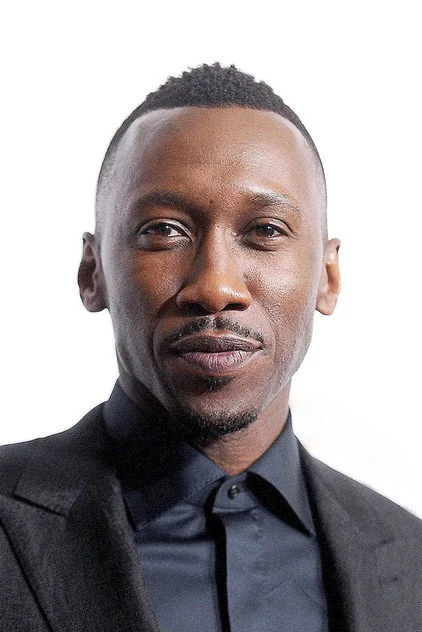 Mahershala AliBrenden (voice)
 Angela BassettThe General (voice)
 AwkwafinaSeptima (voice)
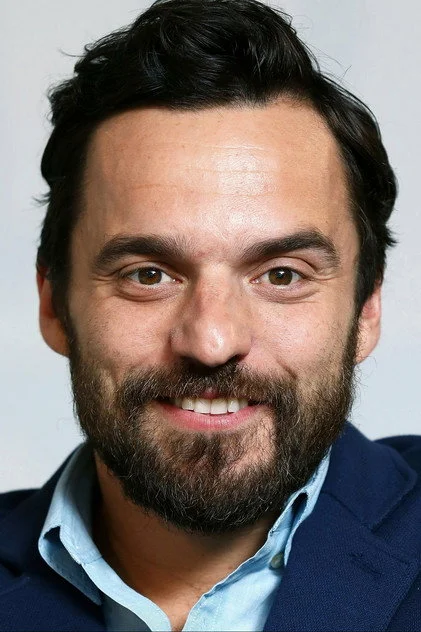 Jake JohnsonMr. McKeel (voice)
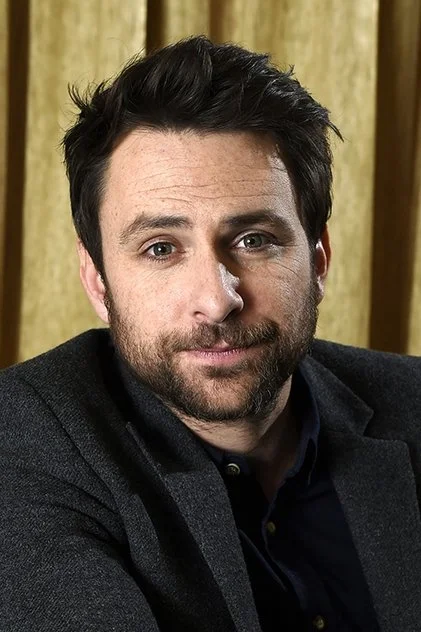 Charlie DayDmitri (voice)
 Amandla StenbergNiamh (voice)
 Jemaine ClementRoger Swindon (voice)
 Maya ErskineMrs. McKeel / Darla Thennis (voice)
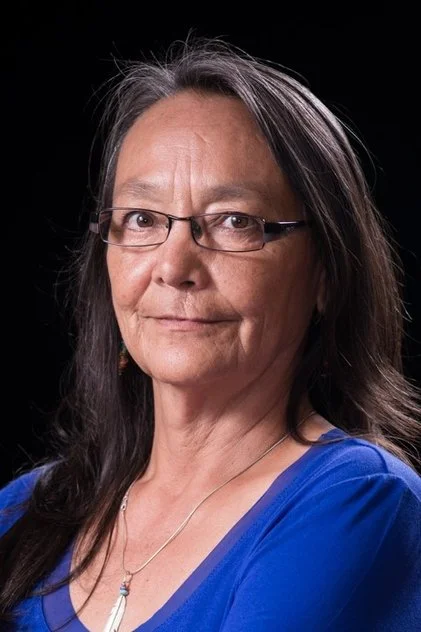 Tantoo CardinalIphigenia (voice)
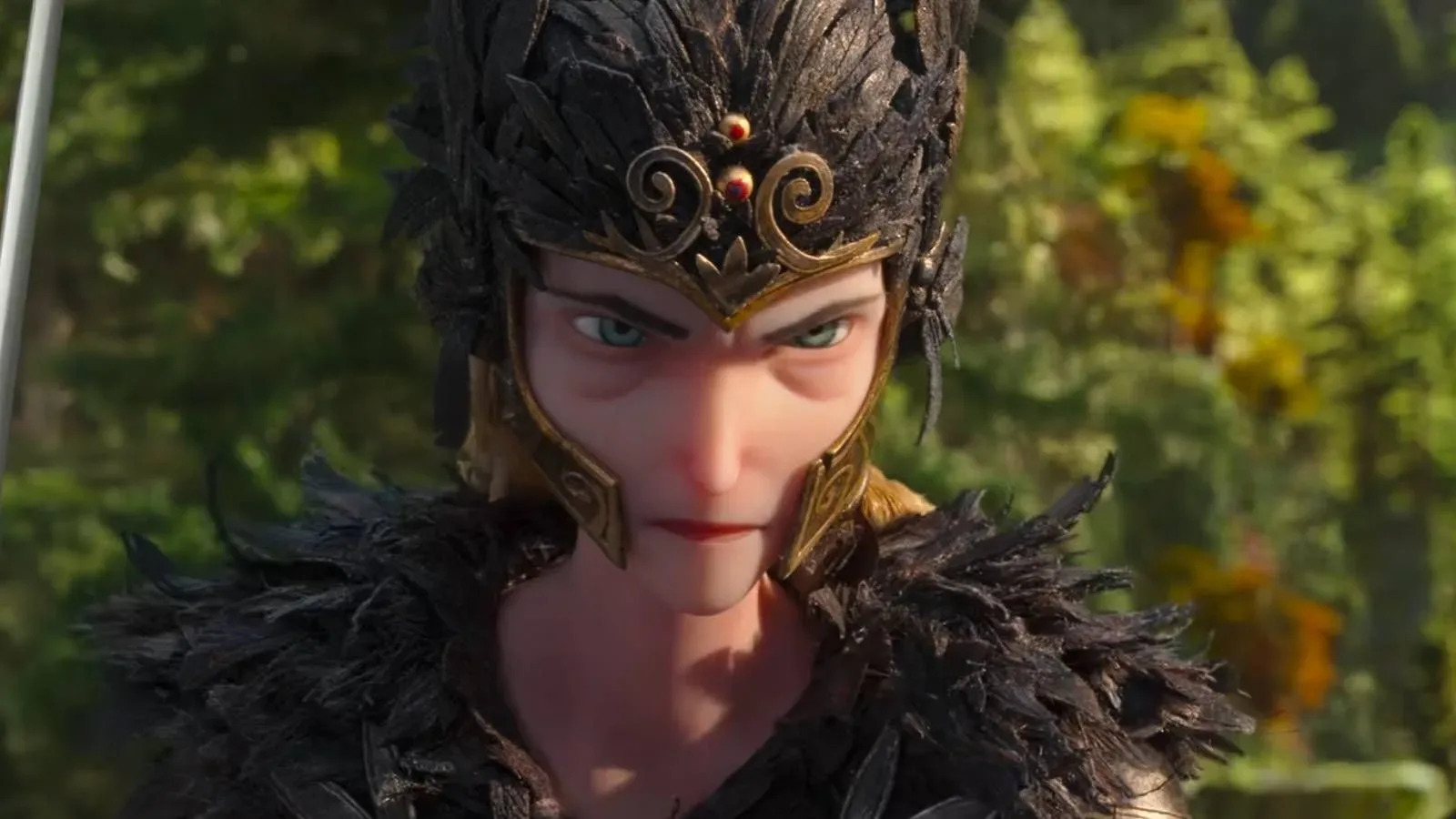
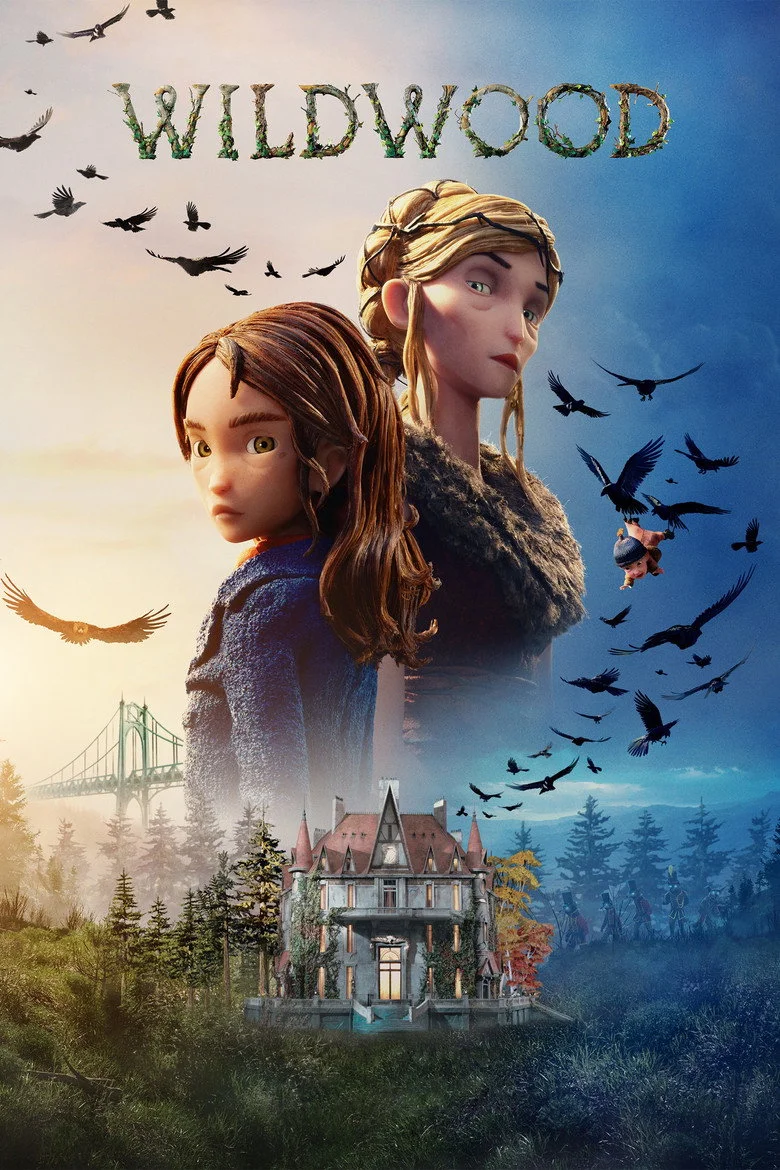
Wildwood is a fantasy adventure built on a contradiction that becomes its greatest spell: its world looks remarkably expansive and immediate, yet its physical construction is never entirely concealed. The film’s handcrafted quality does not limit its scale; it intensifies it. Its environments, characters and movement are so detailed that the fantasy can carry the sweep of live action while retaining the tactile, slightly uncanny presence unique to stop-motion.
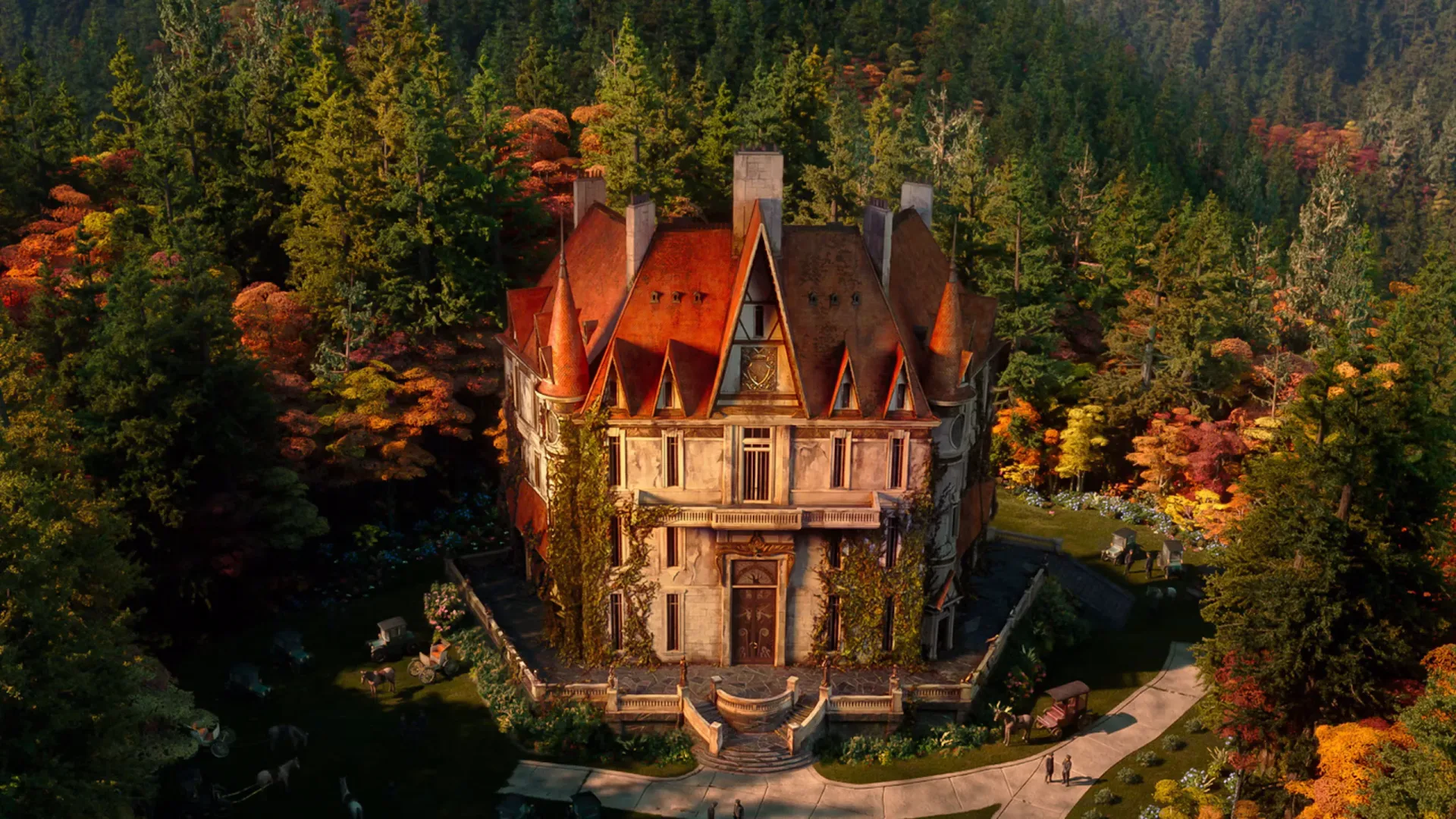
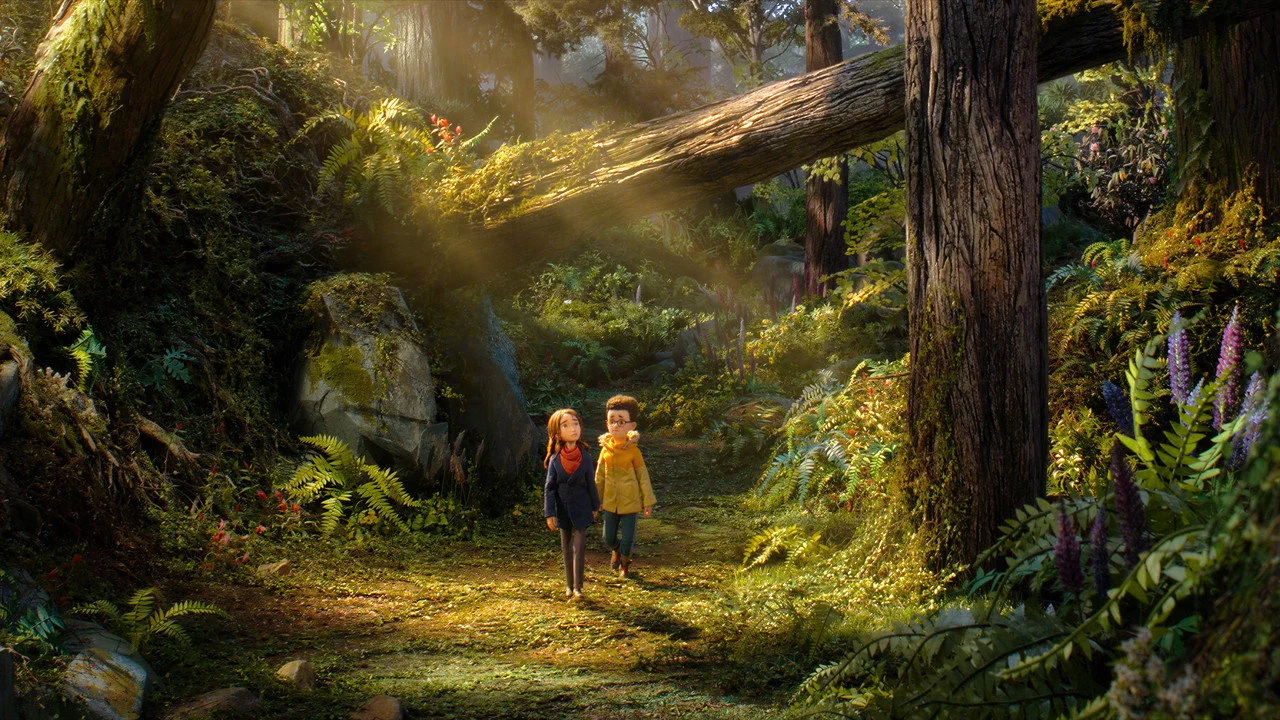
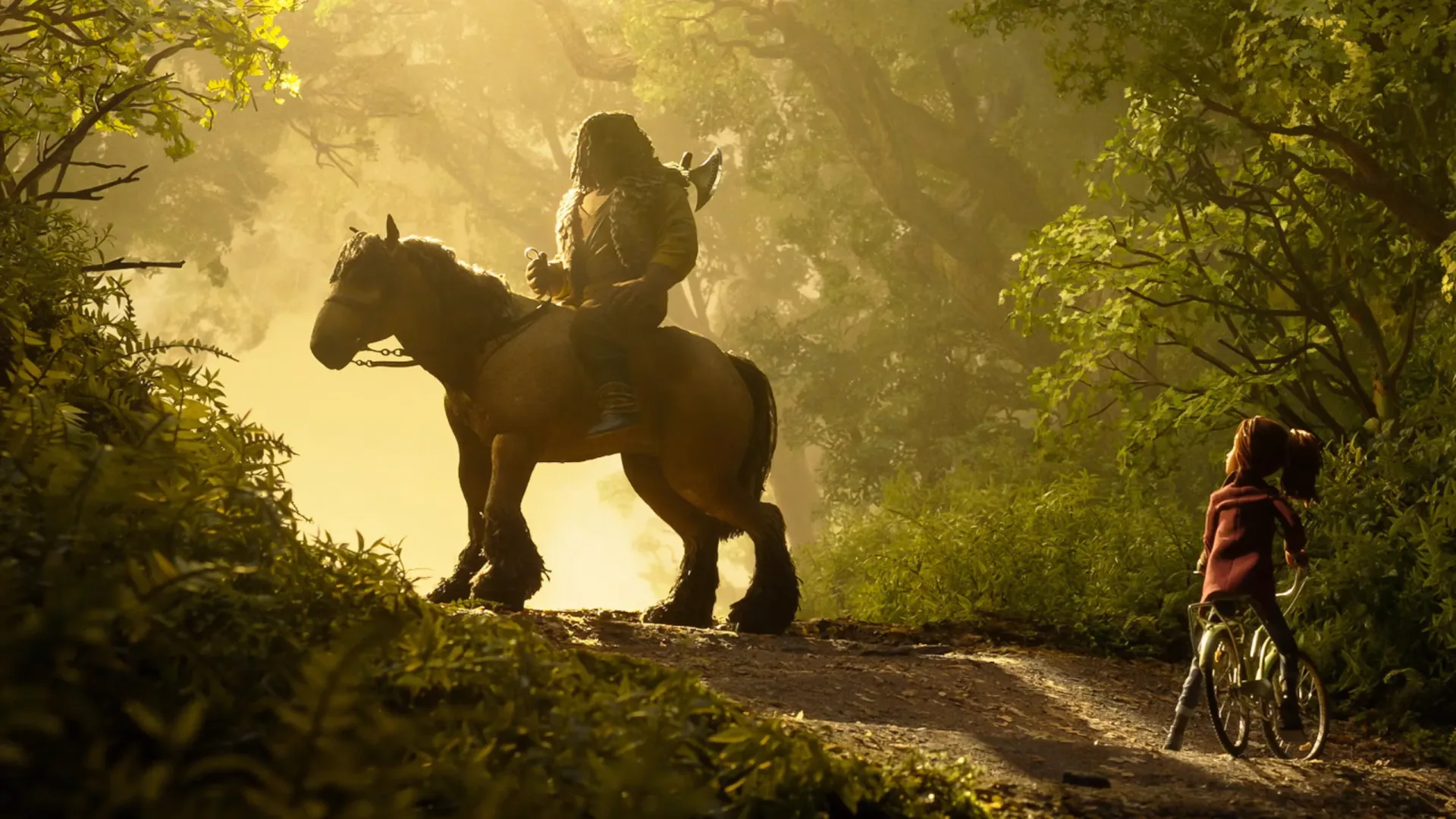
The first and most persuasive achievement is the production design. More than 100 locations were reportedly created for the film, and the sheer range of the setting gives the adventure unusual breadth. Portland, Oregon is presented as a specific, eccentric home rather than a generic launchpad for fantasy, with pink blossom, cobbled streets and affectionate nods to its independent-minded local culture. Then the story crosses into the Wildwood, an “Impassable Wilderness” where talking animals, mystics and rival forces turn the strangeness up several notches.
That transition is central to the film’s appeal. Wildwood does not abandon the offbeat flavour of its opening city scenes when it enters fantasy territory. Instead, it suggests that the bizarre, playful and magical have always been close together. A unicycling, fire-breathing Darth Vader gag and a world that includes musket-wielding coyotes establish a gleefully odd sensibility, but the weirdness has a purpose beyond decoration. It makes the Wildwood feel like an escalation of Prue McKeel’s existing world, not simply a disconnected realm through a portal.
A larger canvas for Laika
Directed by Travis Knight and adapted from Colin Meloy and Carson Ellis’ book, Wildwood is Laika’s sixth feature and a substantial expansion of the studio’s established strengths. The animation is described as smoother and more naturalistic, with practical work and computer-generated assistance integrated more seamlessly than before. This creates a difficult balance: the craft appears polished enough to support a vast, cinematic adventure, but it still registers as work made by artists moving physical models in tiny increments.
That awareness matters. Stop-motion has always had an expressive advantage over cleaner digital animation because it lets viewers sense the objects beneath the illusion. Wildwood apparently pushes toward realism without sanding away that essential quality. The result is an intriguing visual tension: the film can feel startlingly close to live action while still inviting appreciation of the labour and artistry that made every image possible.
There is, however, a potential trade-off in that accomplishment. When the blend between hand-made animation and digital touch-ups becomes almost invisible, some of the medium’s process-driven identity may become harder to read moment by moment. That is not a criticism of the execution so much as a consequence of its ambition. Wildwood wants the audience to be immersed in a large-scale fantasy, and it achieves that immersion so effectively that the seams of its construction can recede. Viewers who value stop-motion’s tangible imperfections may miss them; viewers wanting a handcrafted film that can compete with enormous fantasy worlds should be impressed.
Wonder with consequences
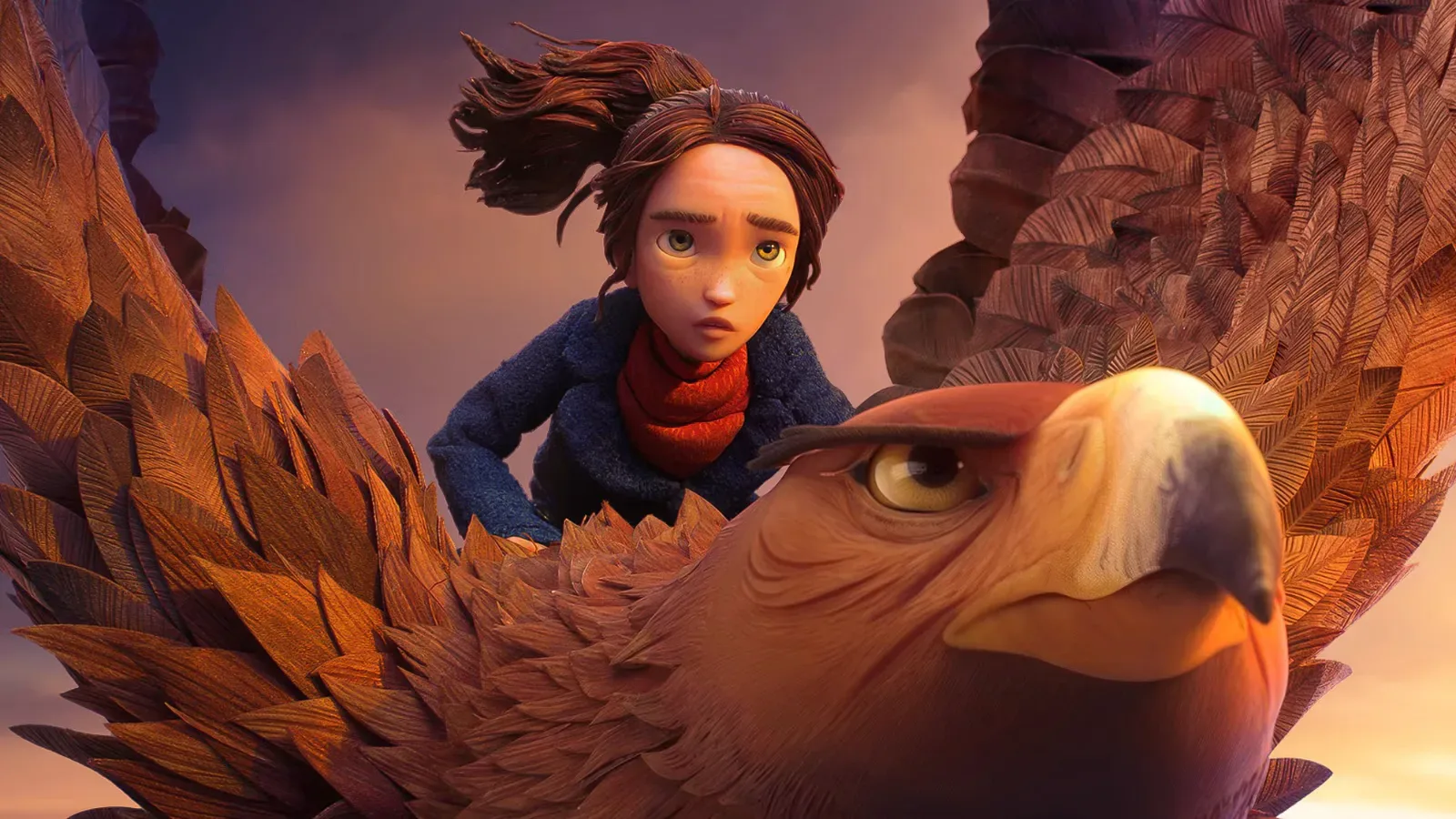
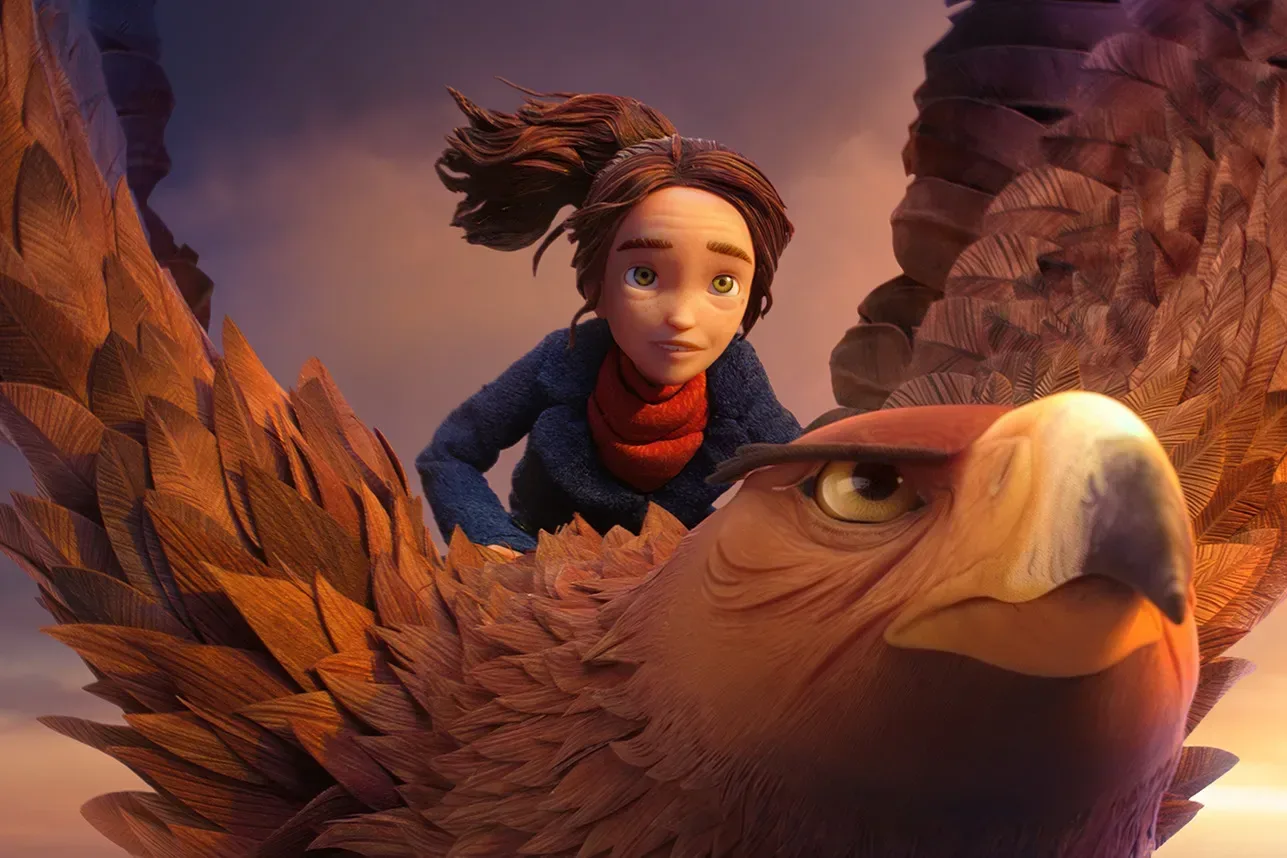
The plot follows Prue, voiced by Peyton Elizabeth Lee, after her younger brother Mac is taken by crows. Prue begins as a perceptive teenager who dismisses magic, finds her hometown embarrassing and resents being tasked with looking after Mac. Her journey with Curtis, a kind-hearted tabletop role-playing enthusiast voiced by Jacob Tremblay, takes them over a mysterious bridge and into the Wildwood in an effort to rescue him.
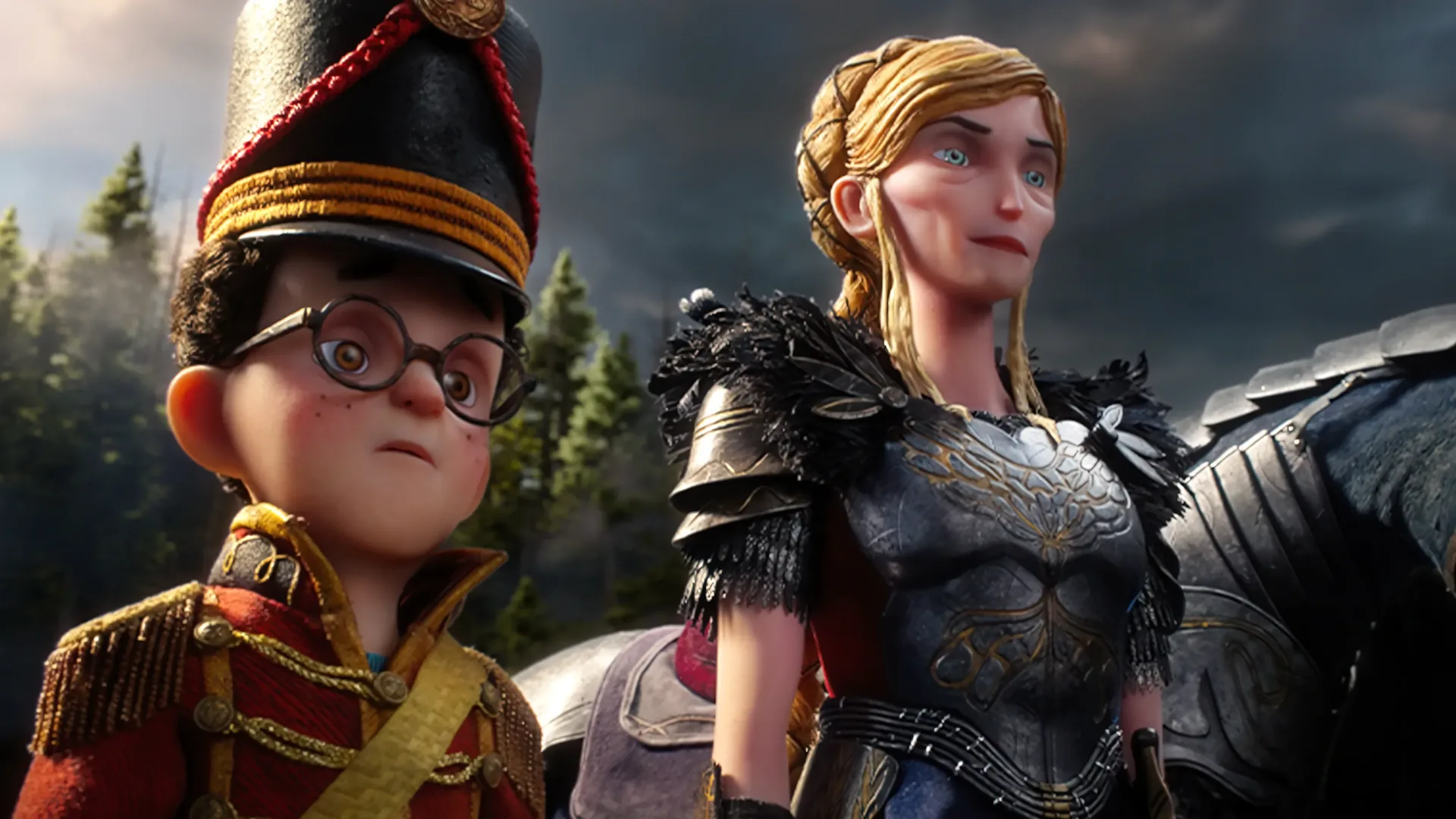
That premise has recognisable portal-fantasy ingredients, but Wildwood’s tone is far more severe than its eccentric surface may initially imply. The film deals with grief, trauma, family secrets and destructive belief systems. It frames conflict not as an abstract quest obstacle, but as something with human and physical cost. A burnt battlefield, dead soldiers and an opening involving a form of suicide establish that this is not a lightweight fairy tale merely wearing a dark coat.
The seriousness appears to give the adventure its emotional backbone. Wildwood is interested in how people carry pain, how ideologies take hold, and how differences may need to be overcome when collective action becomes necessary. Those are substantial concerns for a family-facing animated film, and they help explain why the story’s fantastical creatures and comic details do not reduce it to empty whimsy. An enormous bird called Owl Rex and a rabbit law-enforcement officer can coexist with loss and warfare because the film’s imagination is broad enough to hold both.
Its most important tonal limitation is equally clear: this is not suitable for very young children. The violence is not merely implied, and the material includes death, bloodshed and heavy ideas. Families should not mistake the stop-motion form, talking animals or playful Portland humour for a guarantee of gentle viewing. Older children, teenagers and adults who are comfortable with dark fantasy may find that seriousness rewarding; anyone seeking an undemanding all-ages romp should approach with caution.
Character before spectacle
For all its large-scale world-building, Wildwood’s most meaningful advance may be its attention to character. The animation is praised for its nuance at both intimate and epic scales, suggesting that expression and behaviour carry as much care as the sets. That focus is especially important for Prue. A protagonist who begins skeptical, impatient and reluctant has room to be changed by a world that refuses to conform to her assumptions.
Lee’s Prue is joined by Tremblay’s Curtis, while Jake Johnson and Maya Erskine voice Prue’s parents: Oregon hippies and former Burning Man attendees who knit their own beanies. Richard E. Grant voices Owl Rex, and Rob Delaney plays Constable Samuel. The supplied details do not support a granular assessment of individual vocal performances, but they do indicate a cast assembled to serve the film’s mixture of family comedy, heightened fantasy and emotional gravity.
Knight’s direction appears especially alert to the danger of letting a vast fantasy setting overwhelm its people. The story may include factions, mystics, animal officials and a major war, but it remains anchored in a sister’s attempt to retrieve her brother. That basic emotional line gives the film a directness that can keep its elaborate mythology from becoming an end in itself. The consequence is a fantasy that seems designed not simply to impress with lore, but to make its fantastical stakes matter.
Fantasy at war with itself
Wildwood draws on a wide range of fantasy traditions: threshold-crossing adventure, animals with organised societies, mythic natural forces, dark fairy-tale imagery and a final confrontation of considerable scale. The many reference points could sound unwieldy in outline. In practice, the breadth seems to be part of the film’s confidence. Its world is allowed to be funny, mysterious, bloody and beautiful, rather than restricted to a single familiar fantasy register.
The natural world is particularly important to its mood. The film treats nature as majestic and frightening, not just picturesque. This makes the Wildwood more than a backdrop for a rescue mission: it becomes an environment with its own moral and emotional force. That atmosphere supports the story’s themes of conflict and poisonous ideology, since a wilderness can evoke both renewal and danger without making either feel simplistic.
The climax is described as a jaw-dropping battle sequence, one with the mass and choreography associated with large-scale action cinema. In a stop-motion feature, such a set-piece has an additional appeal. It is not only dramatic; it is a demonstration of how far the medium can be stretched. The film’s action therefore functions as spectacle and as proof of concept, showing that painstaking physical animation can support a bold, mature fantasy canvas.
Wildwood’s recommendation comes with a useful caveat rather than a major artistic reservation. Its darkness, violence and thematic density are defining features, not incidental ones. They are likely to deepen the film for viewers looking for a serious adventure, yet they narrow the age range and mood for which it is best suited. The very qualities that make the story feel weighty may be too intense for the youngest viewers.
The verdict
Wildwood is an exceptionally ambitious stop-motion fantasy whose lavish physical world-building is matched by a more emotionally substantial story than its playful oddities initially suggest. Laika’s technical advances serve the material instead of eclipsing it, lending realism, scale and expressive detail to a tale of family, grief, conflict and belief.
For viewers prepared for its violence and dark themes, the film offers the rare pleasure of fantasy that is both meticulously made and sincerely felt. It does not treat animation as a softer alternative to live-action spectacle. It uses the particular magic of stop-motion to make a strange, dangerous world feel wonderfully real.