
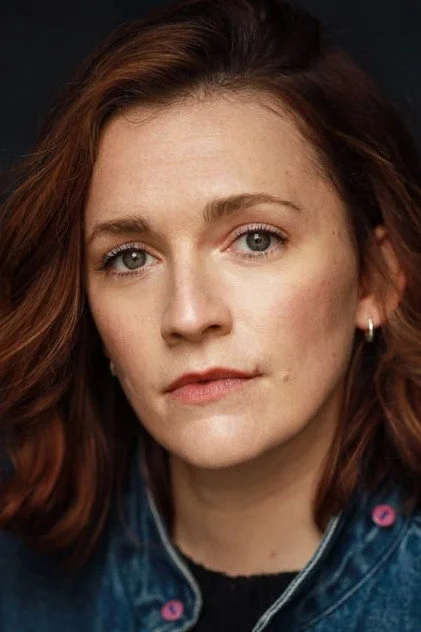
 Charlotte RitchieAlison Cooper
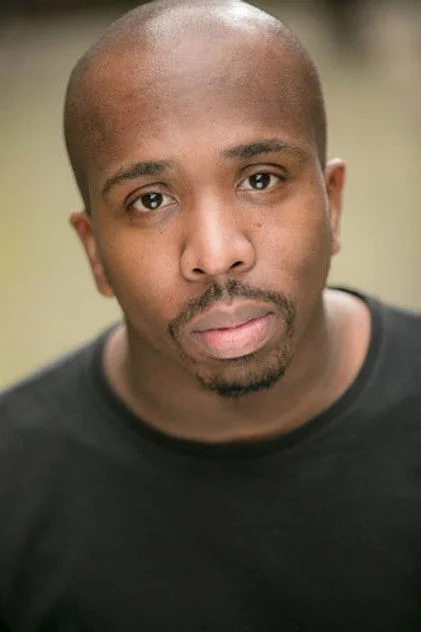 Kiell Smith-BynoeMike Cooper
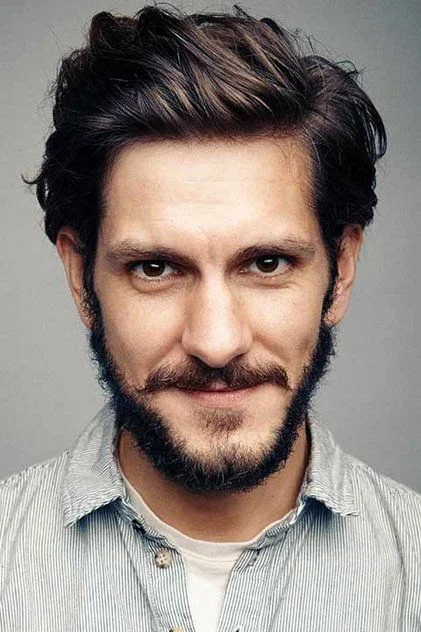 Mathew BayntonThomas Thorne
 Lolly AdefopeKatherine "Kitty" Higham
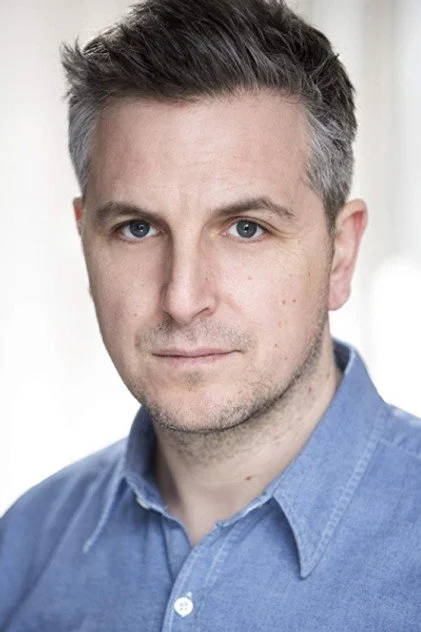 Ben WillbondThe Captain
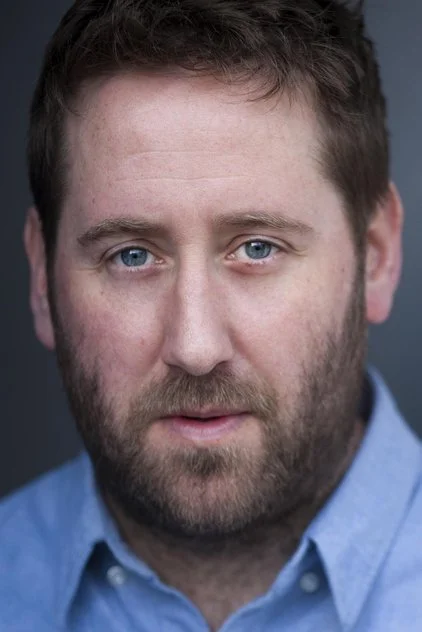 Jim HowickPat Butcher
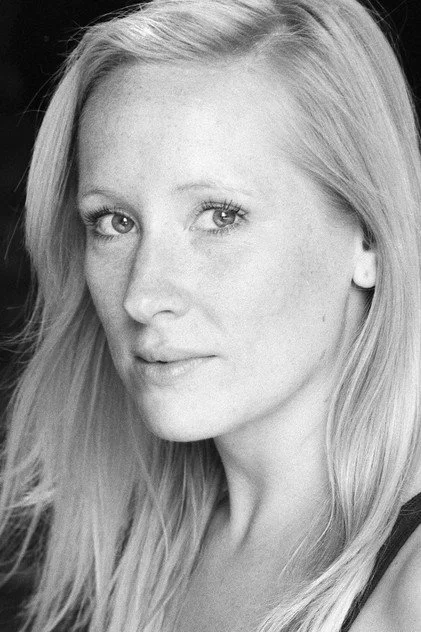 Martha Howe-DouglasFanny Button
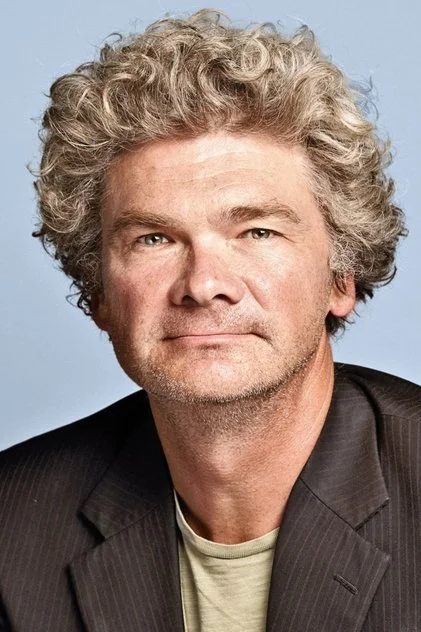 Simon FarnabyJulian Fawcett
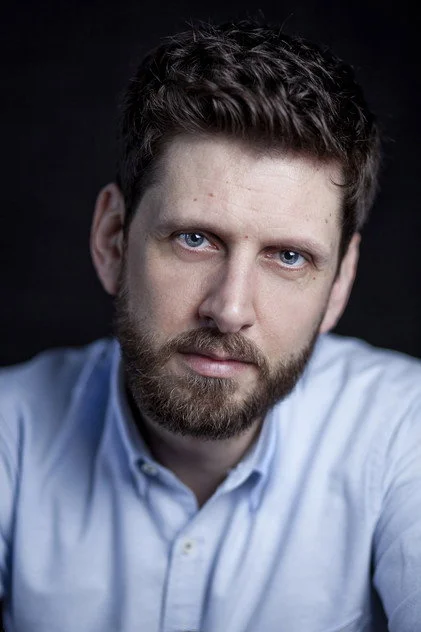 Laurence RickardHumphrey (Head)/Robin
 Sidhant AnandLee
Ghosts: The Possession Of Button House has a clear challenge: turn a beloved ensemble sitcom into a feature without treating its regulars as museum pieces. The solution is reassuringly direct. It brings the Button House ghosts back to the place that has defined them, restores the squabbling camaraderie that makes their afterlife entertaining, and gives them a new ability that widens the premise beyond the walls of the manor.
The setting begins in a state of suspended animation. Alison and Mike have sold Button House with plans for a hotel and golf resort, but more than a hundred days later the promised transformation has not begun. The ghosts are still there, bored and stranded, with the last owners gone. That situation preserves the central irony of the property: generations of dead residents remain intensely invested in a home they cannot leave, even as the living world’s plans for it keep changing.
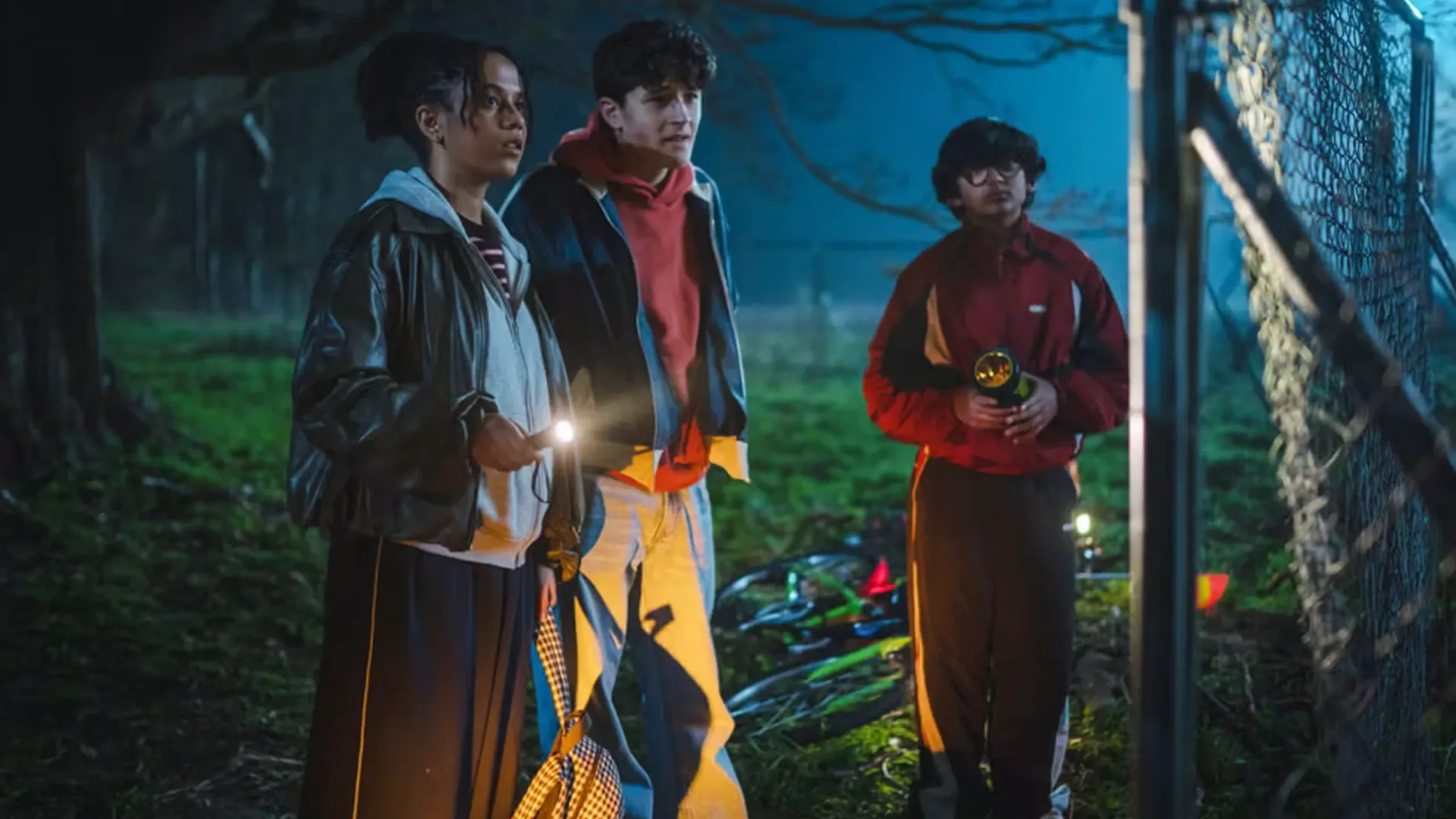
Julian, the disgraced former Tory MP played by Simon Farnaby, gets an early opportunity to express both that frustration and the film’s comic sensibility. When local children conduct a séance, he uses the Ouija board to spell out a message ordering them to leave, with a political addendum waiting in the wings. It is a small gag, but an efficient reintroduction to a character whose vanity and resentment can be turned into punchlines. The film’s stated comic engine is not a reinvention of these personalities; it is the pleasure of watching them bounce off a new set of problems.
A crowded house, deliberately so
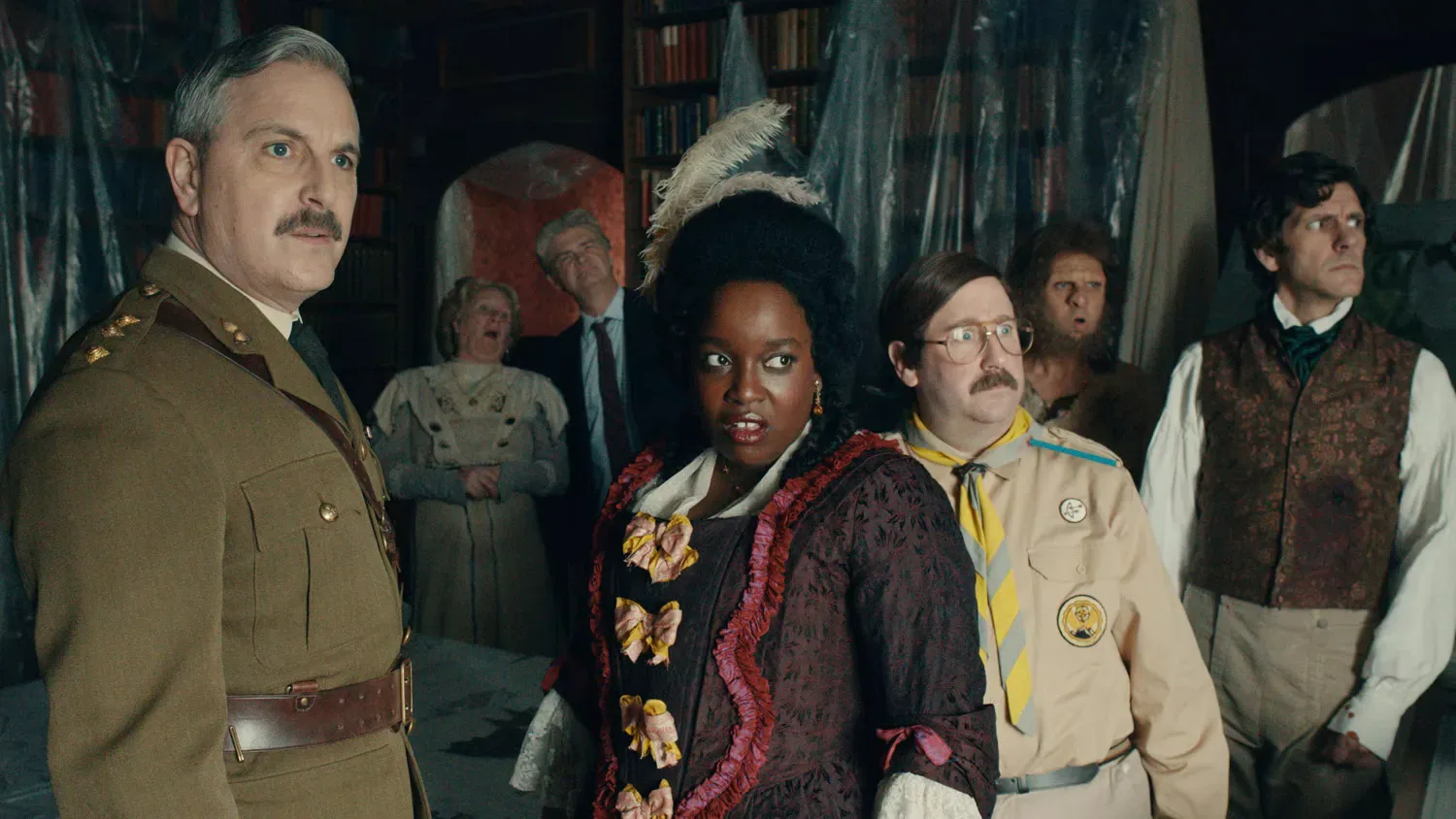
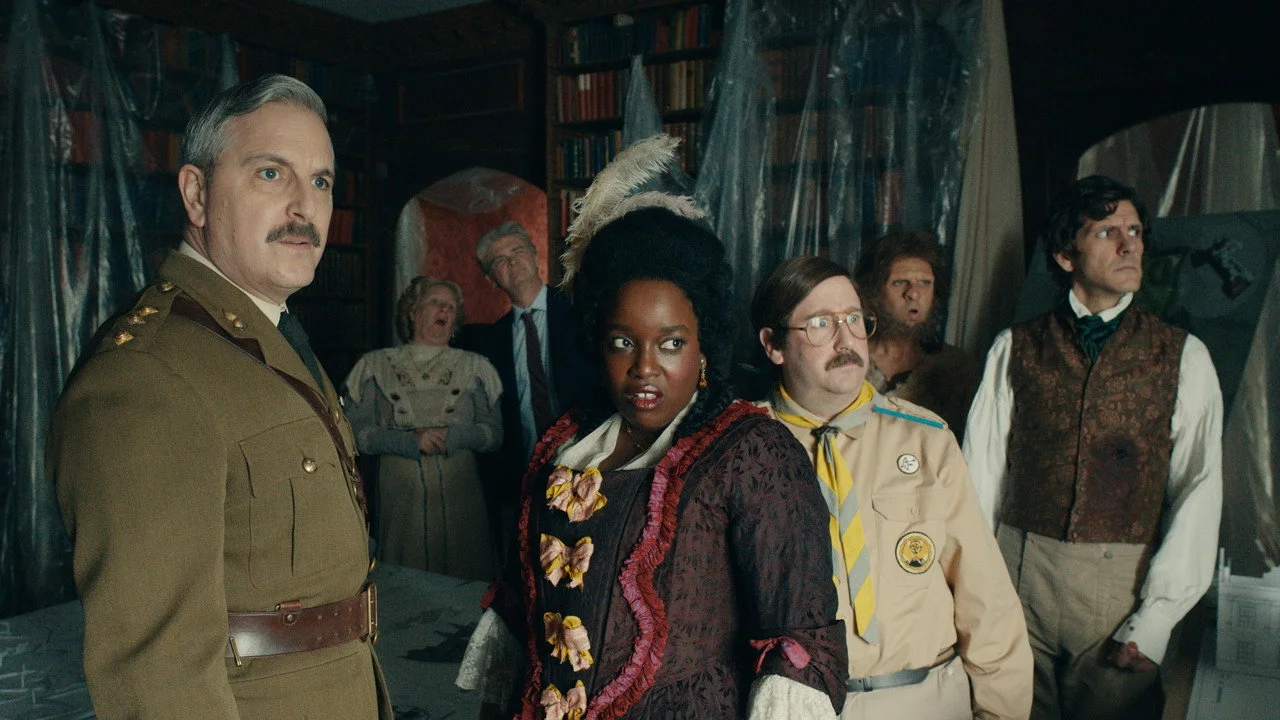
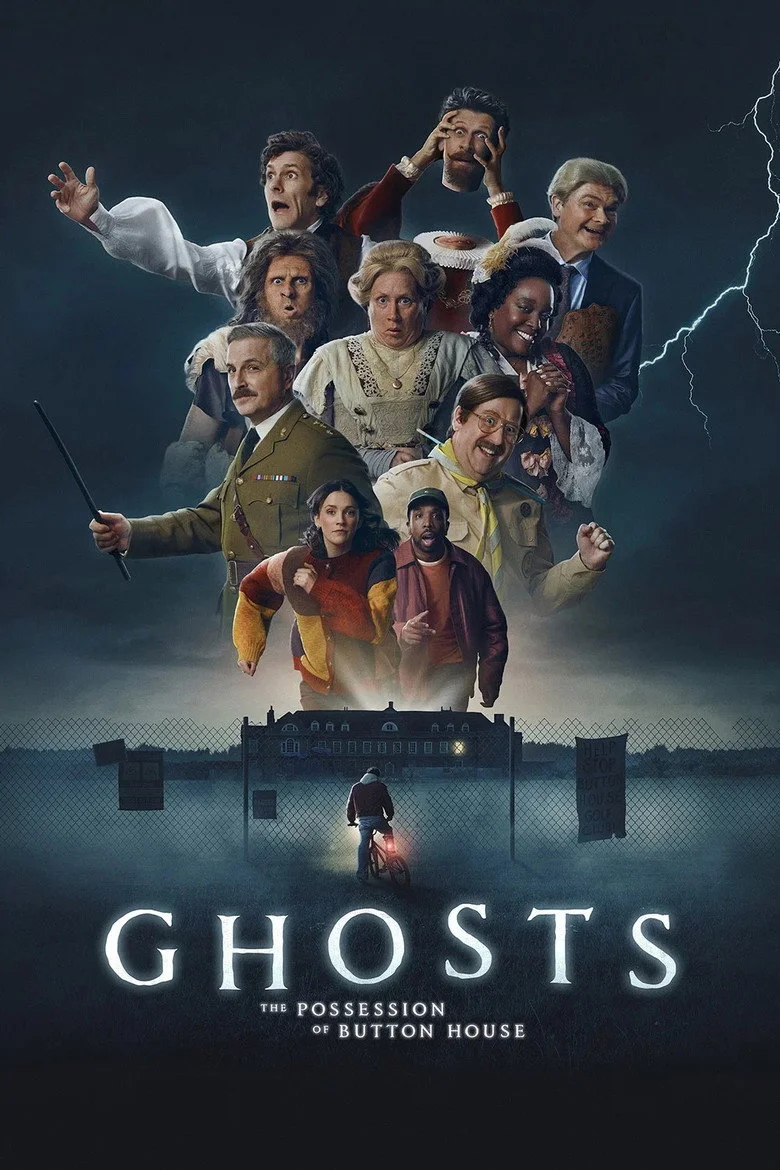
The returning residents cover a broad historical and comic range: Martha Howe-Douglas’ Edwardian matriarch Fanny, Ben Willbond’s Captain, Jim Howick’s youth-group leader Pat, Laurence Rickard’s caveman Robin, Mathew Baynton’s unsuccessful Georgian poet Thomas, and Lolly Adefope’s trusting Georgian noblewoman Kitty. Their differences are built into the concept, and the film leans into the fact that they can be perpetually bickering yet unmistakably attached. The reunion’s appeal comes from that friction being affectionate rather than corrosive.
Alison and Mike, played by Charlotte Ritchie and Kiell Smith-Bynoe, are also drawn back into the ghosts’ orbit. Around them, the story introduces eco-protesters, a corrupt MP, and the group of children led by foster child Jack, played by Scott Ellis Watson. These groups are not presented as decorative detours: each is tied to what becomes of Button House. That gives the movie a practical spine. Rather than simply staging a longer episode in which the ghosts trade quips, it builds a story around the house’s future and distributes narrative importance among several competing visitors.
The most consequential new idea is that the ghosts discover they can possess the children. It is a premise expansion with an immediately visual, character-based payoff. Julian, defined in part by having gone without trousers since his death in a 1993 sex scandal, wearing jeans is funny because it is so specifically contrary to the character’s long-established condition. More broadly, possession gives the film a way to put immaterial characters into active contact with the outside world. It creates opportunities for the cast’s familiar comic identities to be displaced into unfamiliar circumstances.
Familiar warmth, broader genre play
The film’s tone appears intentionally hybrid. Its baseline remains gentle supernatural comedy: mild scares sit beside domestic-sitcom humour, and the manor remains a comforting comic arena rather than a place of sustained dread. But the plot borrows shapes from body-swap, coming-of-age, culture-clash, political-conspiracy and action storytelling. That is an ambitious mixture for a property whose core pleasures are conversational and character-driven.
In practice, the blend sounds like the feature’s defining strength. The different genre ingredients give the Button House formula movement without abandoning it. Possession naturally invites body-swap-style disorder; the children’s involvement makes room for a coming-of-age strand; the corrupt politician and the fight over the estate introduce a more outward-facing conflict. The result is a story that can feel recognisably like Ghosts while doing more than replaying its television setup.
That balance matters for the intended audience. Longtime viewers are likely to value the return of a group whose relationships have already earned affection, especially after the television story ended on a bittersweet note. The movie seems designed to honour that attachment rather than challenge it with a radically altered version of the premise. Its most appealing promise is not darkness, spectacle, or reinvention; it is renewed time with a sharply contrasted ensemble, now facing a problem large enough to justify a feature-length outing.
There is also a modest formal effort to make the transition to film visible. The use of crane shots is specifically noted as a more cinematic flourish. That does not necessarily mean the movie abandons its sitcom roots, and it need not. A setting as central as Button House benefits from being treated as a place with scale and consequence, particularly when its ownership and future are driving the plot. The cinematic language seems to add lift while the comedy stays close to its established character work.
What the movie is—and is not—trying to be
Nothing in the available details suggests a wholesale tonal departure. The scares are mild, the familiarity is part of the attraction, and the comic momentum is described as near-constant. For viewers hoping for a harsher supernatural thriller or a radically more serious political satire, that may limit the appeal. The corrupt-MP element and eco-protest storyline are components of a comic plot, not evidence of a film aiming for grim realism or sustained social drama.
Likewise, the busy genre assortment could be a limitation for anyone who prefers the clean simplicity of the show’s domestic setup. Body-swap antics, action beats, conspiracy material and several groups of living characters make for a notably fuller machine than a contained haunting comedy. Yet the premise offers a good reason for this busyness: the ghosts must have a meaningful way to affect the fate of the house. The story’s expansion is tied to the central setting rather than pasted on as empty feature-film escalation.
The strongest recommendation, then, is for viewers already fond of Button House and its inhabitants. The film understands that these characters are the main event, using a standalone threat to give them fresh comic business and a different route into the lives of the living. It also sounds accessible in basic dramatic terms: a threatened home, a collection of parties with interests in its future, and a newly discovered power that changes what the ghosts can do.
Ghosts: The Possession Of Button House succeeds on the evidence available because it treats familiarity as an asset, then gives it a productive jolt. Its laughs arise from character-specific absurdity, its plot gives the manor’s future stakes, and its genre mash-up makes room for a supernatural sitcom ensemble to stretch into feature territory. It is a warm return rather than a reinvention—and, for this particular house full of dead misfits, that sounds like exactly the point.