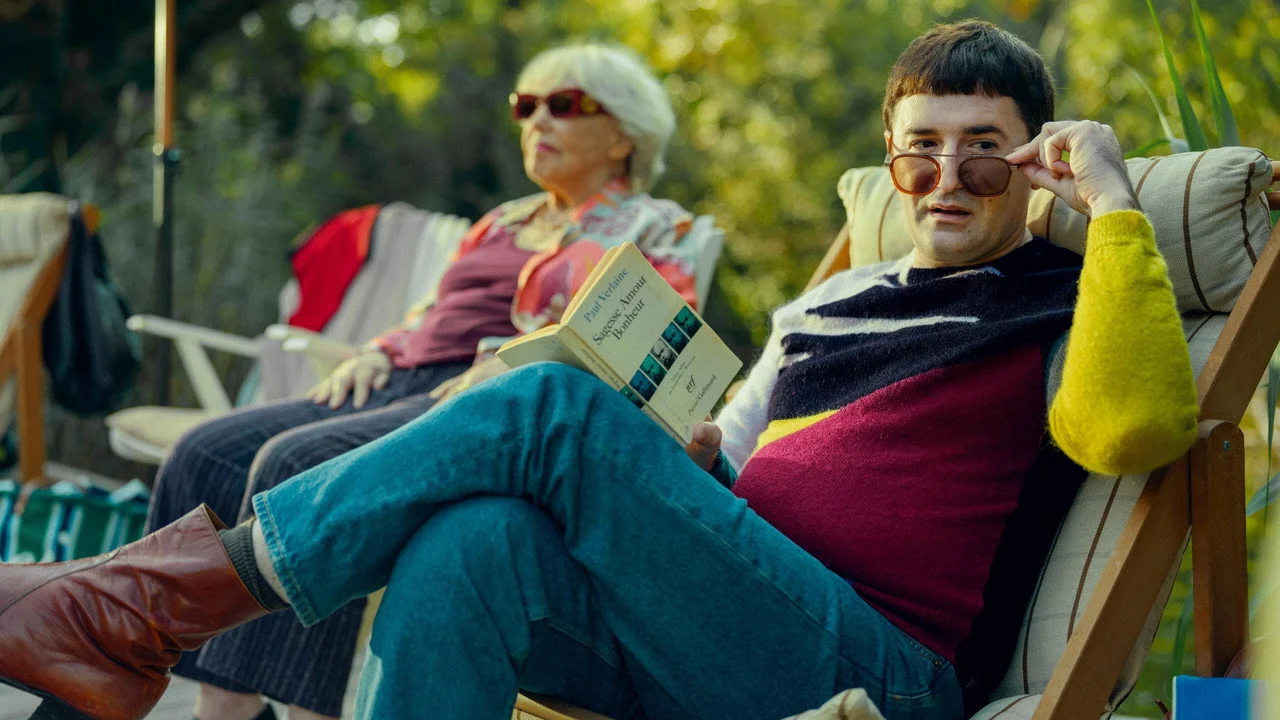

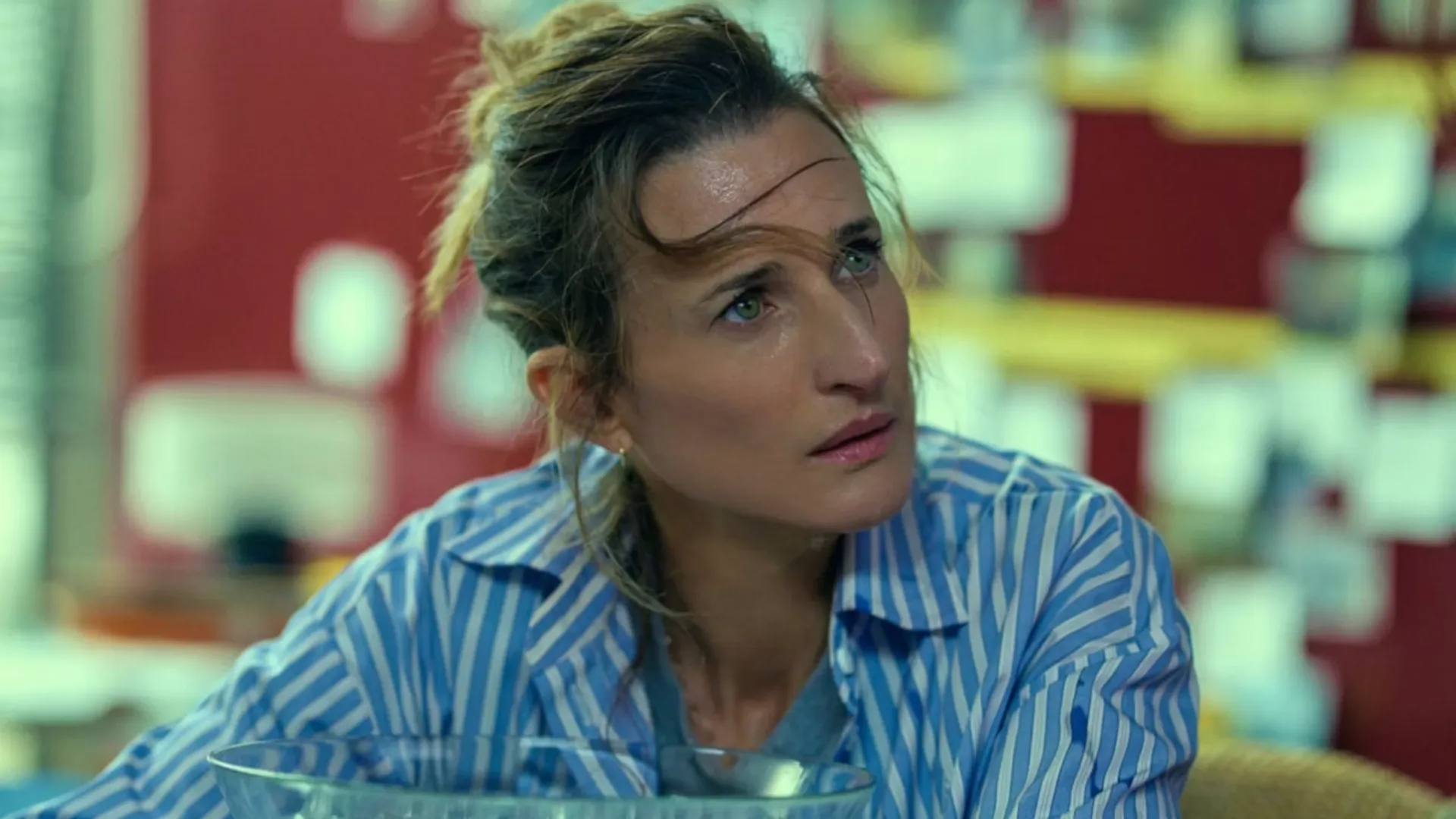
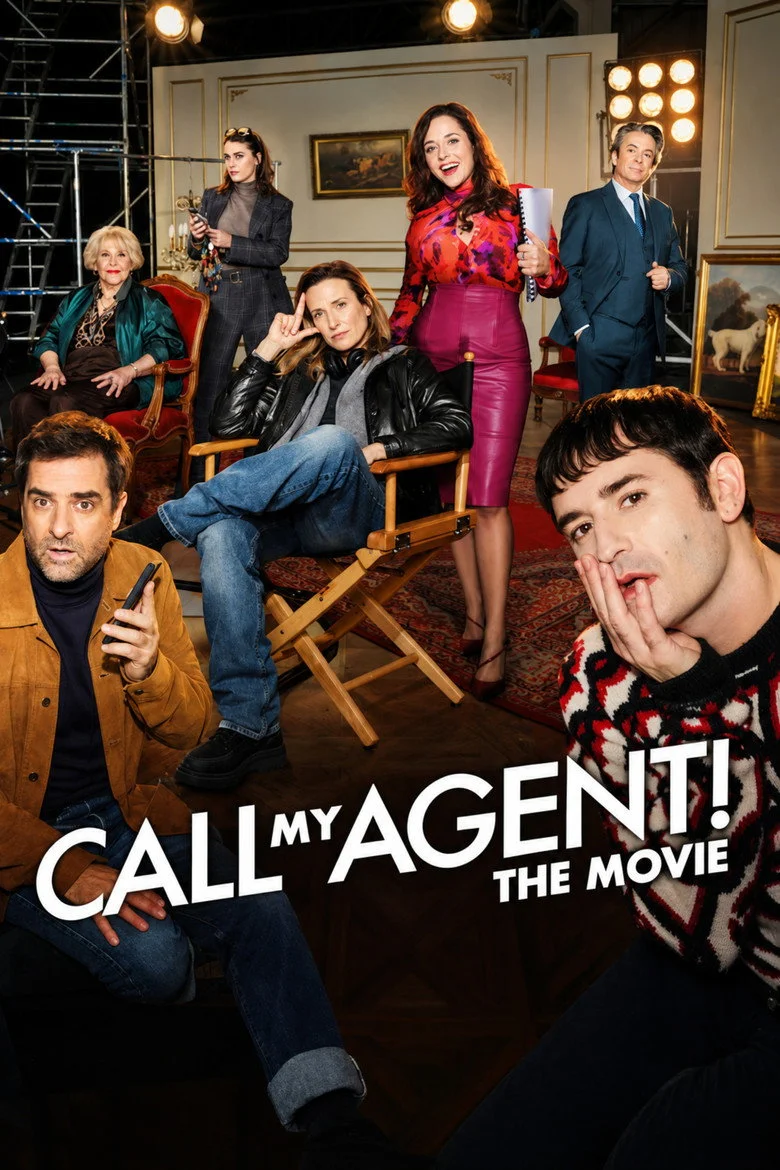
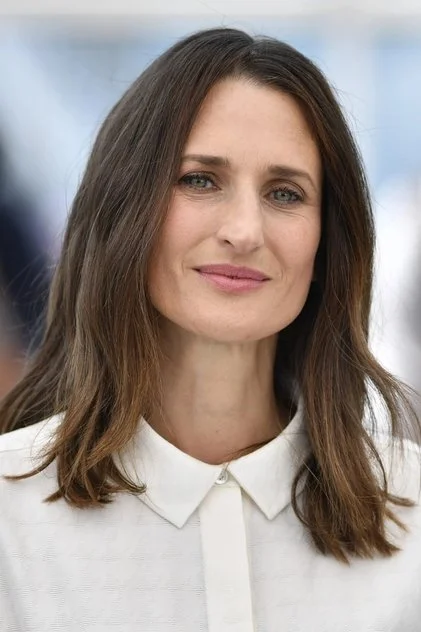
 Camille CottinAndréa Martel
 Thibault de MontalembertMathias Barneville
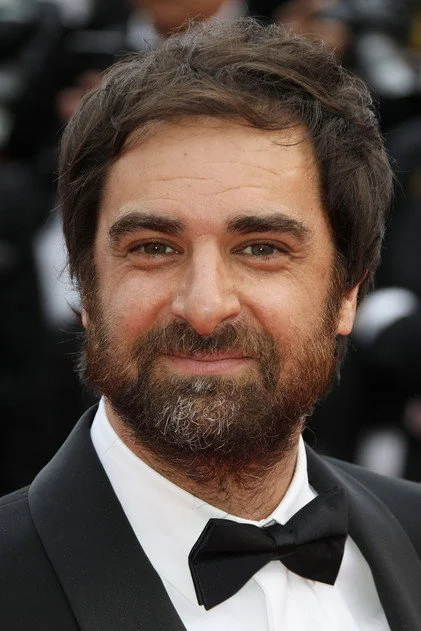 Grégory MontelGabriel Sarda
 Liliane RovèreArlette Azémar
 Fanny SidneyCamille Valentini
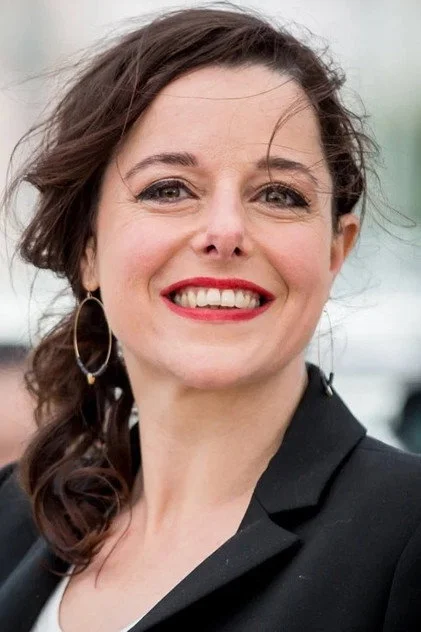 Laure CalamyNoémie Leclerc
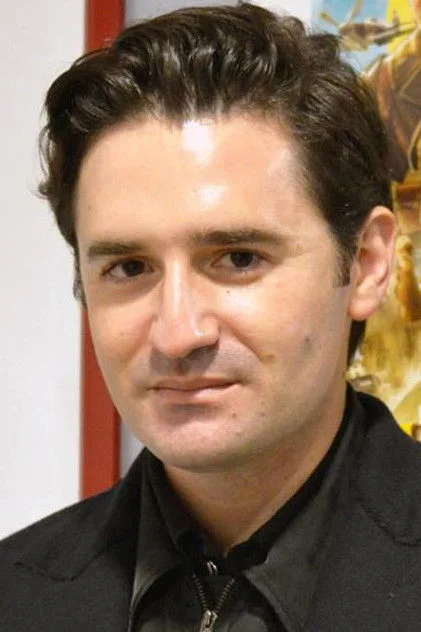 Nicolas MauryHervé André-Jezak
 Ophélia KolbCollette Brancillon
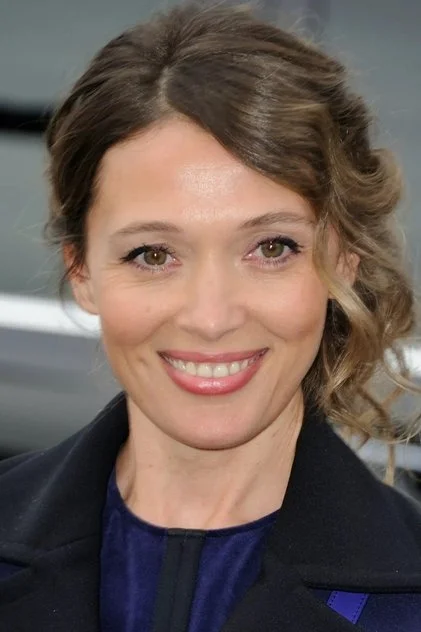 Anne MarivinÉlise Formain
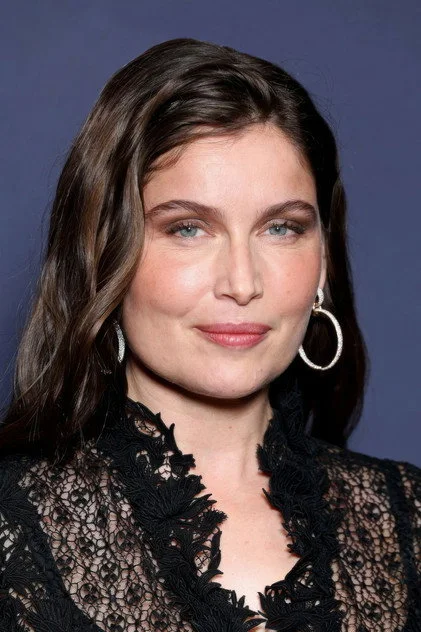 Laetitia CastaLaetitia Casta
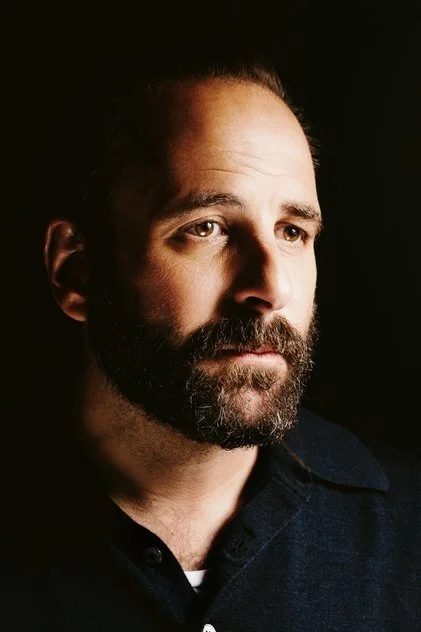 Vincent MacaigneVincent Macaigne
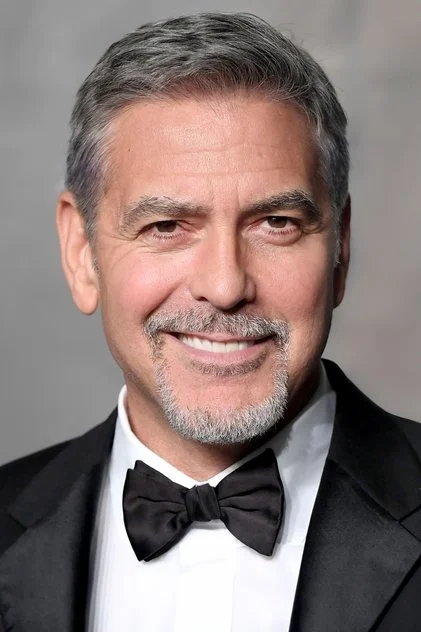 George ClooneyGeorge Clooney
Call My Agent! The Movie arrives with a built-in risk that is easy to spot: a feature continuation of a series already devoted to the vanities, disasters and self-mythologising of screen entertainment could become trapped in its own reflection. Add celebrity appearances by performers playing themselves, and the prospect of a smug, industry-only in-joke machine is not hard to imagine. Instead, this sequel keeps its footing by treating its glamorous setting as a pressure cooker for character comedy rather than as an excuse to celebrate it.
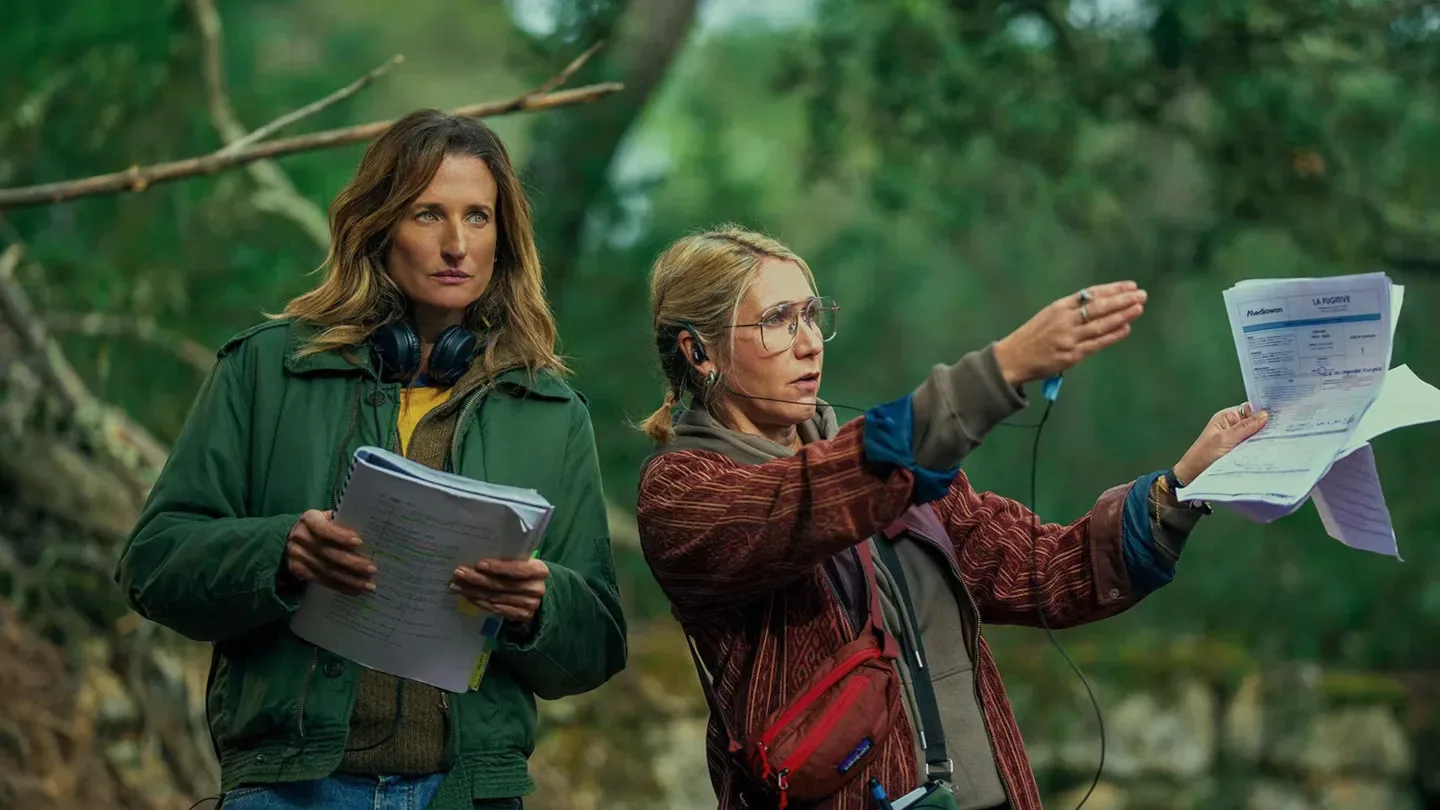
The central reversal gives the film its strongest comic engine. Andréa, played by Camille Cottin, has moved from talent agent to first-time feature director. She once dealt with creative egos from the outside; now she is attempting to manage a production from within, discovering that authority is much less useful when the people around her cannot be bullied into compliance through a phone call. When her lead actor disappears and the shoot is threatened, she calls on Noémie, her former assistant and now a reality-TV producer, played by Laure Calamy. Gabriel, played by Grégory Montel, and other figures from ASK are gradually pulled into the ensuing disorder.
The joke is on Andréa
That setup is more than a convenient reason to bring familiar faces back together. It gives the story an appropriately pointed sense of karmic turnabout. Andréa was previously the person charged with calming down demanding filmmakers and performers; as a director, she increasingly becomes a version of the very problem she used to contain. The comic pleasure lies in the mismatch between her need for total control and the fact that directing requires cooperation, persuasion and diplomacy.
Cottin is the key reason that reversal has bite. Her Andréa is still formidable enough to make a request sound perilously close to an order, and the film does not sand away that forcefulness simply because it has repositioned her as the imperilled protagonist. Motherhood has apparently softened the character to a degree, but not neutralised her. That balance matters: the comedy would be thinner if Andréa were merely humbled into sweetness. Instead, her desperation retains the hard, imposing edge that makes her failures funny and keeps the satire aimed at a recognisable kind of professional certainty.
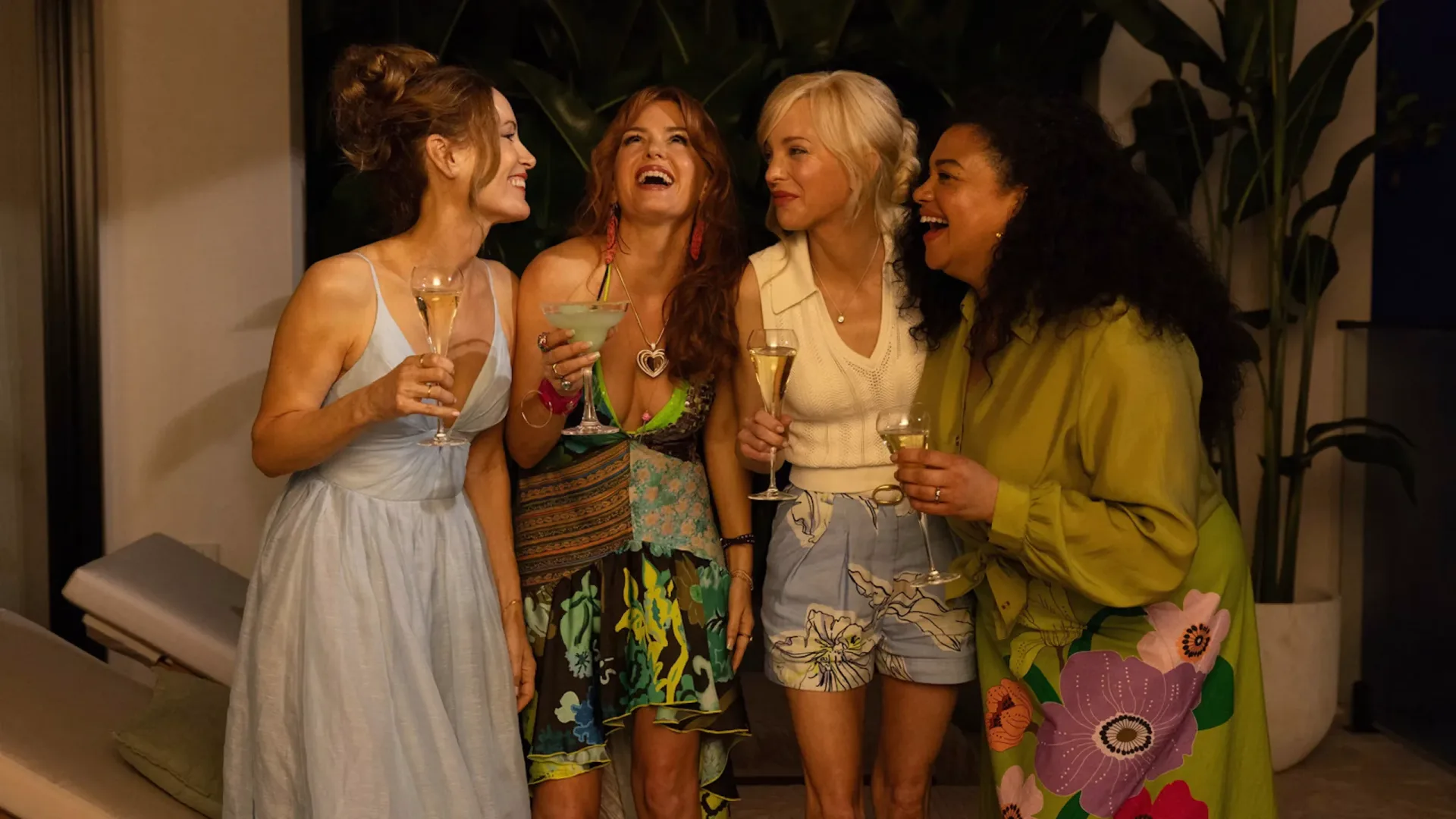
The film’s perspective is affectionate, but it is not sentimental about its returning group. The ASK reunion does not become an uncomplicated celebration of old friendships. Lingering resentments keep the relationships prickly, making the renewed ensemble feel like a collision of personalities rather than a tidy victory lap. That friction helps the sequel avoid relying entirely on familiarity. The past is useful here not because everyone is pleased to see one another, but because old dynamics have enough unfinished business to generate new conflict.
A feature with episodic instincts
Director Émilie Noblet makes her feature debut from a screenplay co-written by series creator Fanny Herrero, and the film retains the show’s interest in professional crises escalating into emotional and comic confrontations. Yet the move to feature length comes with a trade-off. The story inevitably loses some of the nimble episodic rhythm that served the series, especially once troubles begin stacking up around the endangered production.
That limitation affects pacing more than the film’s basic appeal. A serial format can parcel out its escalating messes with brisk, self-contained precision; a movie has to carry its accumulation of crises across a longer single arc. Here, the pile-up can feel less agile than the format that preceded it. The sequel is more indulgent by nature, too: it has more space for the entertainment industry to admire, mock and complicate itself.
Still, the film understands the danger of taking showbusiness too seriously. Its saving grace is a persistent refusal to present the chaos of a troubled production as grandly important. That attitude keeps the comedy from inflating along with the stakes. The movie can enjoy the absurdity of professional catastrophe without asking viewers to regard every scheduling problem, ego clash or production emergency as a matter of profound cultural consequence.
Cameos used as seasoning, not the meal
George Clooney and Eva Longoria appear as themselves among the film’s celebrity cameos. Those appearances could easily pull the story toward celebrity-pageantry navel-gazing, particularly in a movie already set inside an entertainment-industry bubble. But their brevity is important. They register as playful asides rather than taking over the film’s identity.
That restraint is a meaningful tonal choice. Cameos can stop a satire cold when the movie becomes too delighted by the famous people passing through it. Here, the celebrity material occasionally edges toward that risk, but does not tip fully into it. The focus remains Andréa’s unraveling attempt to complete her film and the renewed complications surrounding ASK. The result is a more disciplined kind of self-reference: the movie recognises that famous faces are funny in context, without mistaking recognition alone for a joke.
Sharp enough beneath the affection
The sequel’s title promises a return to a familiar professional world, and the film largely delivers one with its comic barbs intact. Its targets are not obscure industry trivia so much as pomposity, the fantasy of absolute control and the tendency of creative professionals to turn personal panic into a public emergency. Andréa’s move behind the camera makes those ideas concrete. She is no longer simply observing egos; she is forced to confront how quickly competence, authority and self-importance can overlap.
There is warmth in that approach, but it is a conditional warmth. The characters are not protected from the joke, and the film’s affection does not require viewers to pretend that their behaviour is admirable. That is why the old resentments and Andréa’s implied threats are so useful: they preserve an edge that a pure reunion story might have sacrificed.
For viewers attached to the series, the draw is clear. Cottin remains a commanding centre, the ASK orbit supplies conflict rather than empty nostalgia, and the story finds a clever way to put its most formidable character under pressure. Newcomers can still follow the basic premise of a director trying to save a collapsing shoot, though the returning relationships and their accumulated resentments are likely to carry more weight for audiences already familiar with this world.
Call My Agent! The Movie is not entirely free of the feature-length bloat that shadows its transition from television, and the celebrity appearances briefly test its resistance to self-congratulation. But its best qualities are sturdier than those hazards: a smart reversal of Andréa’s role, Cottin’s fierce comic control, and a satirical tone that refuses to confuse the business of making entertainment with something sacred. It is a fond return, certainly, but one still willing to sharpen the knife before cutting into the egos on screen.