

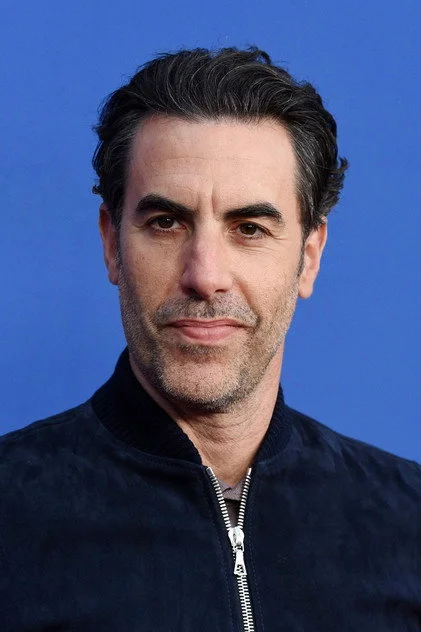
 Sacha Baron CohenAlistair Leslie 'Ali G' Graham/Colonel Erran Morad/Dr. Nira Cain-N'Degeocello
 Morgana RobinsonJulie
 A$AP RockySelf
 RihannaSelf
 Allan LichtmanSelf
 George SantosSelf
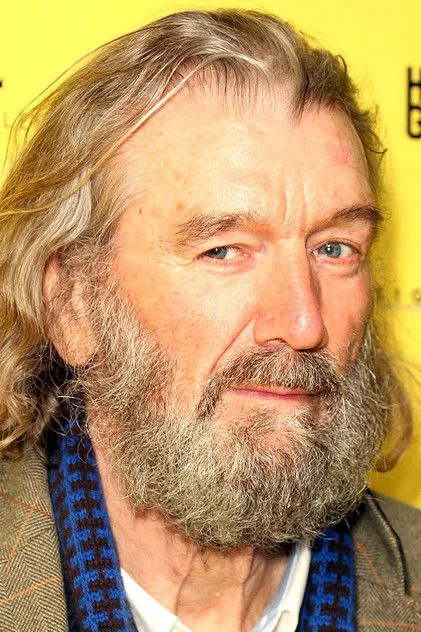 Clive RussellMalcolm “Rocky” Atkins
 Tiffany HaddishLab Technician
 DJ Jazzy JeffSelf
Ali G: Who Iz I? makes a case for itself twice: first as a comeback for one of Sacha Baron Cohen’s most recognisable creations, then as a piece of escalating ambush comedy built to detonate in its final act. The problem is that those cases do not sit comfortably together. The film’s most effective passages come when its star-director uses a gallery of alternate personas and unsuspecting participants to construct elaborate, alarming situations. Its weakest passages are the ones that ask Ali G himself to carry a conventional comic narrative. That divide leaves a film with a genuinely startling destination but an unusually laboured route to reach it.
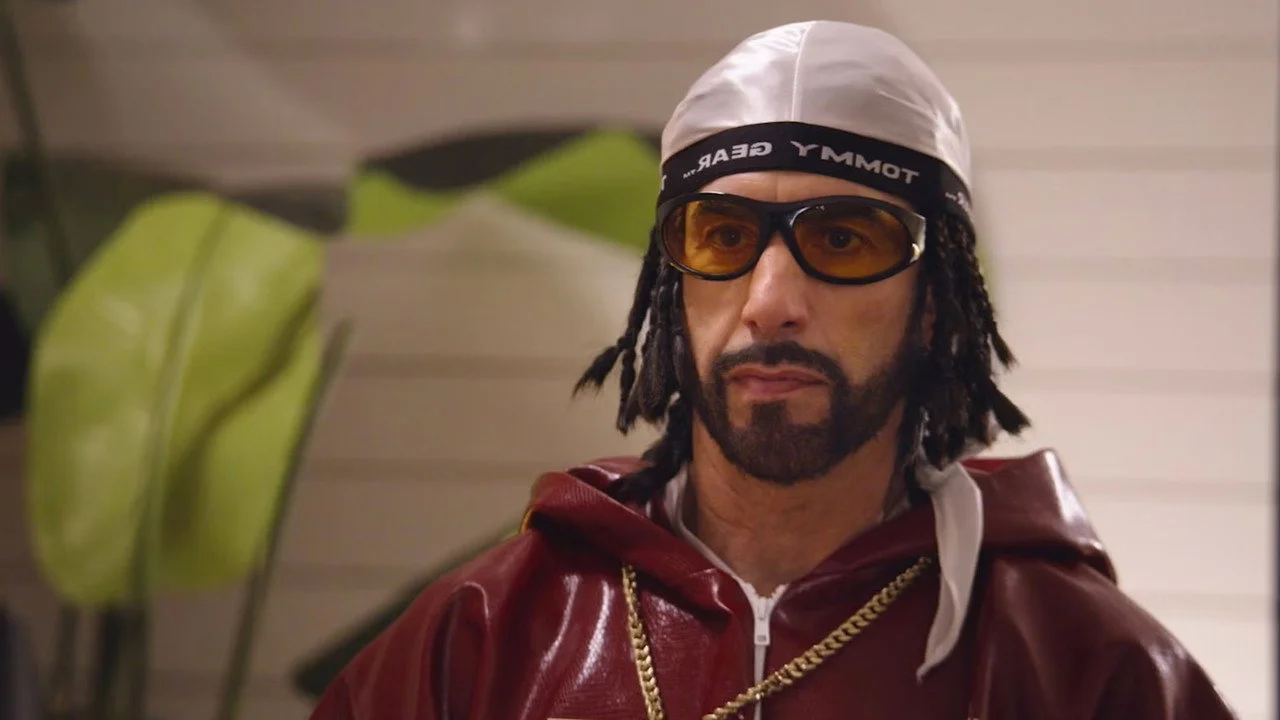
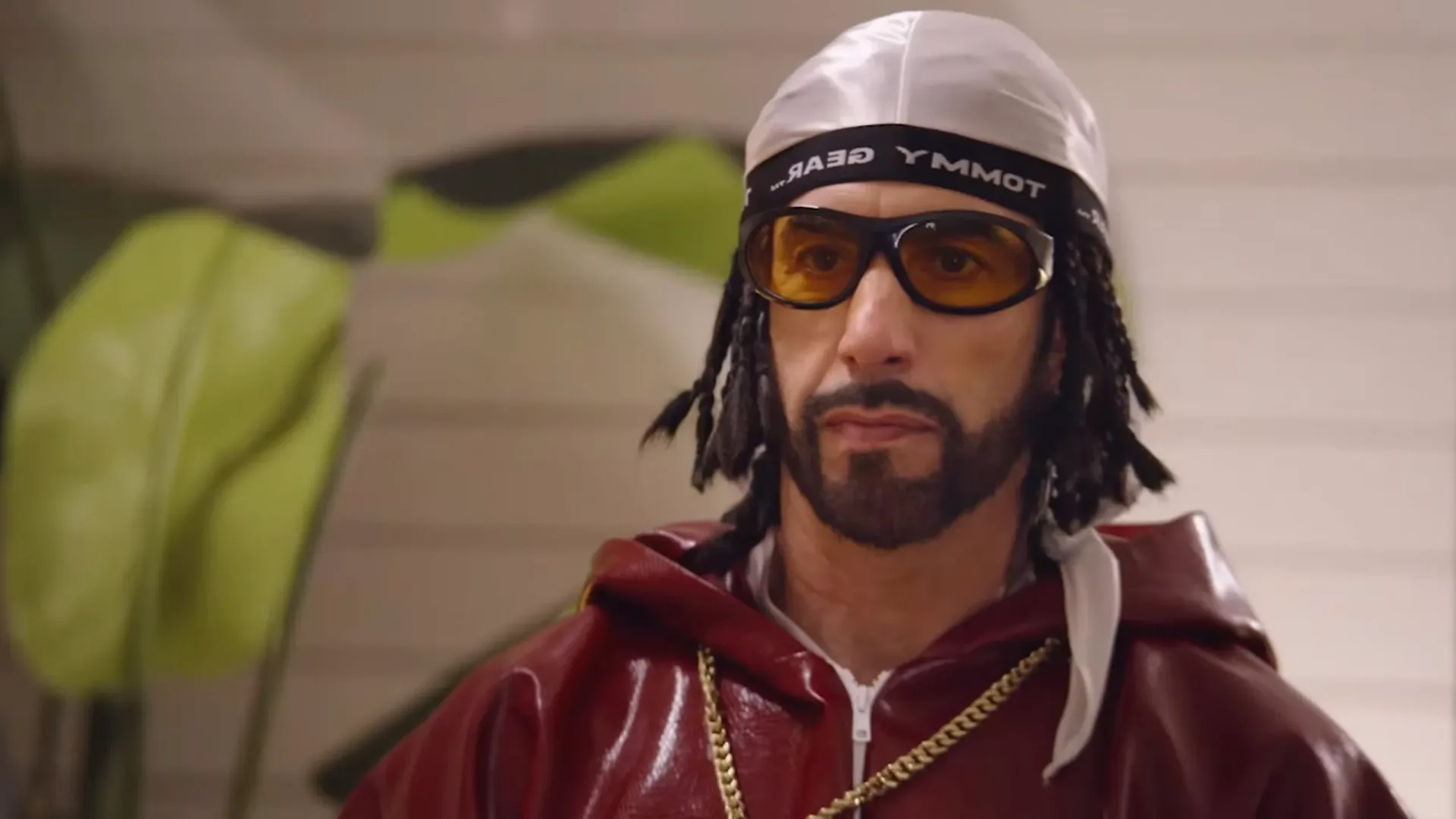
The premise finds Ali unemployed and unemployable in Staines, resisting girlfriend Me Julie’s hopes of marriage while reacting badly to news of her pregnancy. An offer for a third series from HBO sends the pair to Los Angeles. Those are the basic story mechanics, but the film is not principally interested in developing a domestic comedy or a romantic two-hander. Instead, it uses the move as a launchpad for confrontations, schemes and public encounters. That decision is understandable for a character associated with confrontation-based comedy; it also makes the stretches between the major set-pieces feel conspicuously thin.
A character the film struggles to update
Ali G arrived as a parody of rap-inflected excess at a moment when that target was already fading. Who Iz I? acknowledges the problem simply by placing him in a contemporary setting, yet acknowledgment is not reinvention. The film presents Ali as a relic, and the material around him does not consistently turn that obsolescence into a fruitful comic idea. The result is a tension at the centre of the film: the character’s dated quality may be part of the point, but it does not automatically make the character funny enough to anchor long scenes.
This matters because the early material reportedly offers relatively few laughs outside brief musical stings. A joke can deliberately be awkward, tasteless or confrontational and still be shaped into a strong comic beat. Here, too much of the first half instead seems to idle. Ali has some gently amusing interactions, including one with an estate agent whose politeness and calm form a welcome contrast to his bombast. But that contrast appears to be an exception rather than the engine of the film. The estate-agent scene suggests a clearer comic approach: let other people’s unflappable responses expose Ali’s absurdity. The wider film too often leaves him circling familiar behaviour without finding an equally vivid counterpressure.
That lack of momentum has a tonal cost. The movie does not merely delay its best material; it risks weakening the appetite for it. Comedy driven by escalation depends on confidence that each detour is adding tension, surprise or a new angle. When scenes feel like they are treading water, the eventual escalation has to work harder to feel earned. For viewers with patience for Baron Cohen’s long-form provocations, the promise of a major late payoff may be sufficient motivation. For anyone already unconvinced by Ali G, the first two acts sound likely to confirm the scepticism.
The sharper machinery lies around Ali G
Once the film turns toward its larger late-game constructions, it apparently becomes far more alive. Baron Cohen plays not only Ali but Professor Nira Cain-Degeocello, described as a professor of African diasporic ethno-musicality, and an Israeli security specialist training right-wing anti-immigration figures. As director, he uses these identities as mechanisms for steering the people around them toward a spectacular denouement. That is where the film’s design becomes clearer: the supporting personas are not decorative impressions but levers that can redirect a room, intensify a premise and make the eventual collision possible.
The Professor material is also where the film’s satirical limits come into focus. The character is framed as a parody of a hyper-liberal academic type attempting to explain Black culture to Black people, while Berkeley is presented with the visual language of an American war film’s Middle Eastern setting. The intended target is legible. Yet the film is said not to be consistently punching up, and that qualification is important. Satire is not made incisive simply because it identifies hypocrisy, pretension or ideological performance. It depends on where the ridicule lands, who bears the discomfort, and whether the comic framing has enough precision to distinguish critique from broad caricature. This film appears to have moments of pointed provocation without sustaining that control throughout.
There is nevertheless a meaningful difference between material that merely trades on Ali G’s established weirdness and material that constructs a social trap with consequences. The late set-pieces belong to the second category. Baron Cohen is credited with finding extraordinary participants, and the final act is described as gobsmacking. That response speaks less to a tidy narrative resolution than to the force of the scenario-building: the film finally delivers situations whose unpredictability and discomfort justify the long setup.
An ending with real bite
Several late details indicate how varied that payoff becomes. There is an instance of AI use that is actually funny, a TV game show presented as bone-chilling, and a drone-related choice described as the most horrifying action taken by a real person on screen this year. Without reducing those moments to plot spoilers, they suggest that the finale moves beyond loose banter into darker comic territory—where technological absurdity, entertainment formats and human decision-making can all become sources of dread as well as laughter.
That tonal shift is the film’s strongest argument for being seen. Baron Cohen’s best provocations have often depended on the uncomfortable gap between a ridiculous mask and a very real social response. When this film reaches its final run, the comedy reportedly finds that dangerous charge. The reaction is not just amusement but shock, which is a more fitting measure for material designed to make an audience watch through its fingers. An inspired end-credits appearance, said to surpass most of the preceding film, adds one more late flourish.
Yet a great final act is not the same thing as a great film. The ending’s effectiveness throws the earlier vagueness into sharper relief. If the most vivid comic ideas, most remarkable participants and most unsettling choices are saved for the finish, then the earlier hours of Ali’s unemployment, relationship conflict and money-making efforts need to do more than move pieces into place. They need a comic identity of their own. On the available evidence, they do not reliably achieve that.
Who should take the trip?
Ali G: Who Iz I? is easiest to recommend with a substantial caveat. Viewers who value Baron Cohen’s elaborate, discomfort-driven public comedy—and who can tolerate a long, uneven lead-in—may find the finale powerful enough to make the whole experience worthwhile. The late material sounds unusually bold, inventive and unsettling, and the film’s use of multiple personas gives it a tactical complexity that the Ali G scenes alone lack.
Those looking for a consistently funny return for the character should temper expectations. Ali G’s cultural premise feels dated, the early laughs are scarce, and the satire does not always appear to land with a clear upward aim. Me Julie, played by Morgana Robinson, is part of the setup and travels to Los Angeles with Ali, but the available material does not establish her as a developed counterweight capable of stabilising the film’s comic chaos. The relationship thread chiefly supplies circumstances rather than a demonstrated emotional or comic anchor.
Ultimately, this is a film of two markedly different experiences. One is a sluggish and sometimes questionable revival that cannot fully solve the problem of why Ali G should return now. The other is a ferocious final-act construction that shows Baron Cohen can still orchestrate shocking comic spectacle when he finds the right situation and lets it spiral. The latter is strong enough to be memorable. It just arrives after too much material that feels like waiting for the movie to begin.