
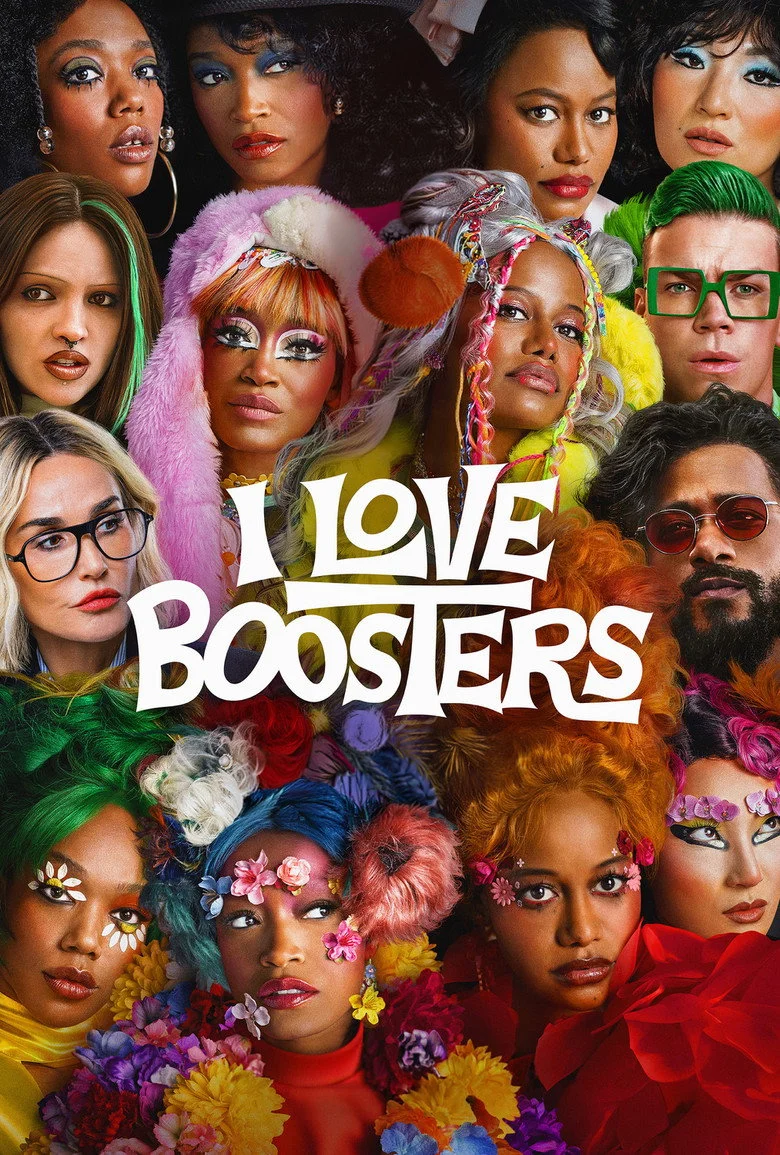
 Keke PalmerCorvette
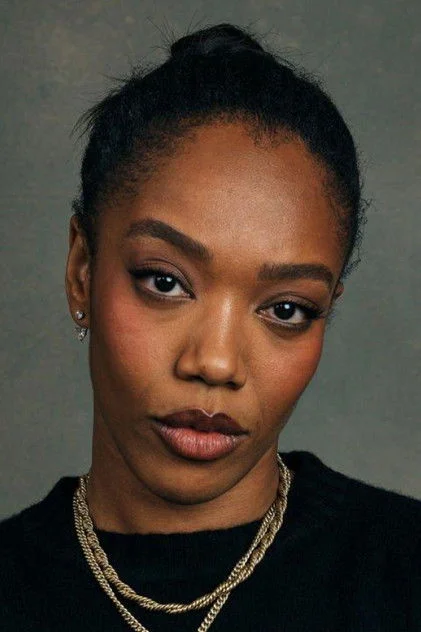 Naomi AckieSade
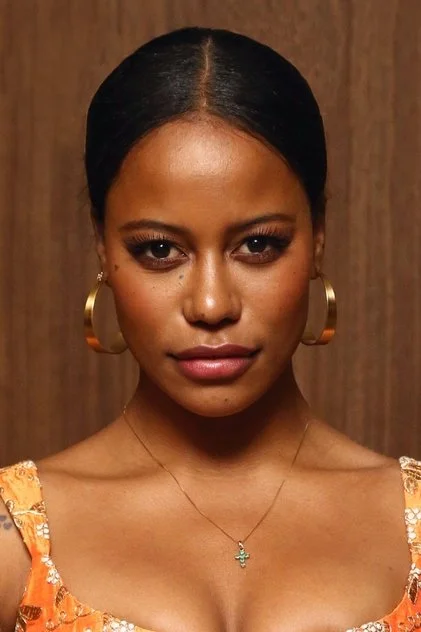 Taylour PaigeMariah
 Poppy LiuJianhu
 Eiza GonzálezVioleta
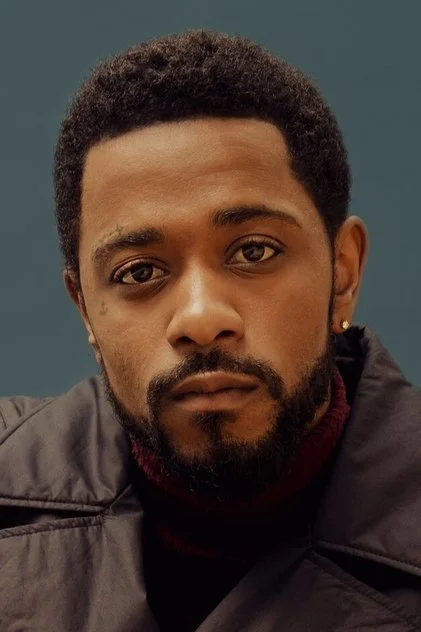 LaKeith StanfieldPinky Ring Guy
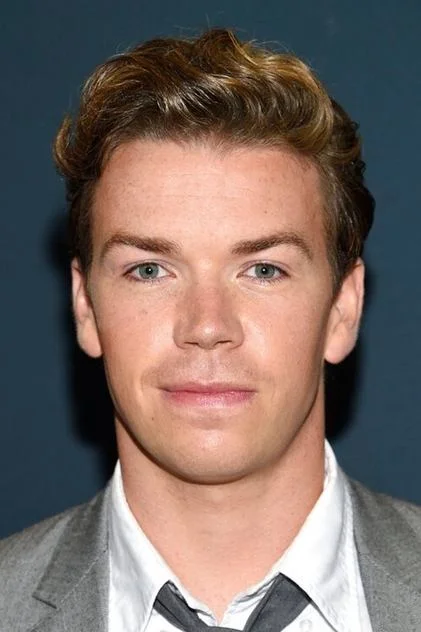 Will PoulterGrayson
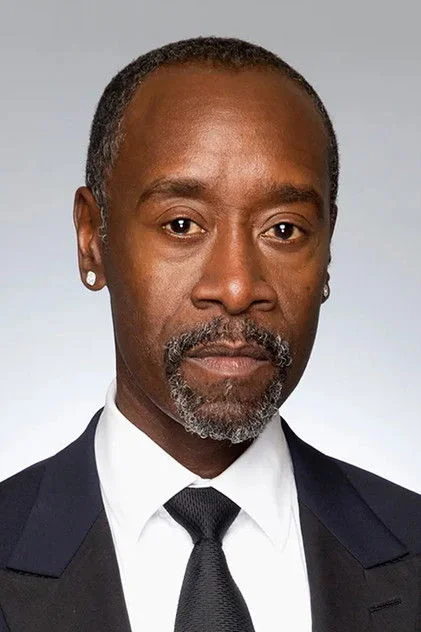 Don CheadleDr. Jack
 Demi MooreChristie Smith
 Mahdi CocciDesigner Suit Dude
 Rachel WaltersStevie
 Kara YoungCrying Black Mother
I Love Boosters takes the fashion industry’s familiar machinery of aspiration, theft, trends and exploitation, then feeds it through a surrealist comic sensibility. The result is a heist caper with a forceful anti-capitalist point of view, but it does not present that point with solemnity. Its ideas arrive amid vivid colours, elaborate disguises, model-set artifice, stop-motion animation and gags pitched at live-action cartoon intensity. The film’s most persuasive quality is its willingness to make political satire look playful, excessive and unmistakably authored.
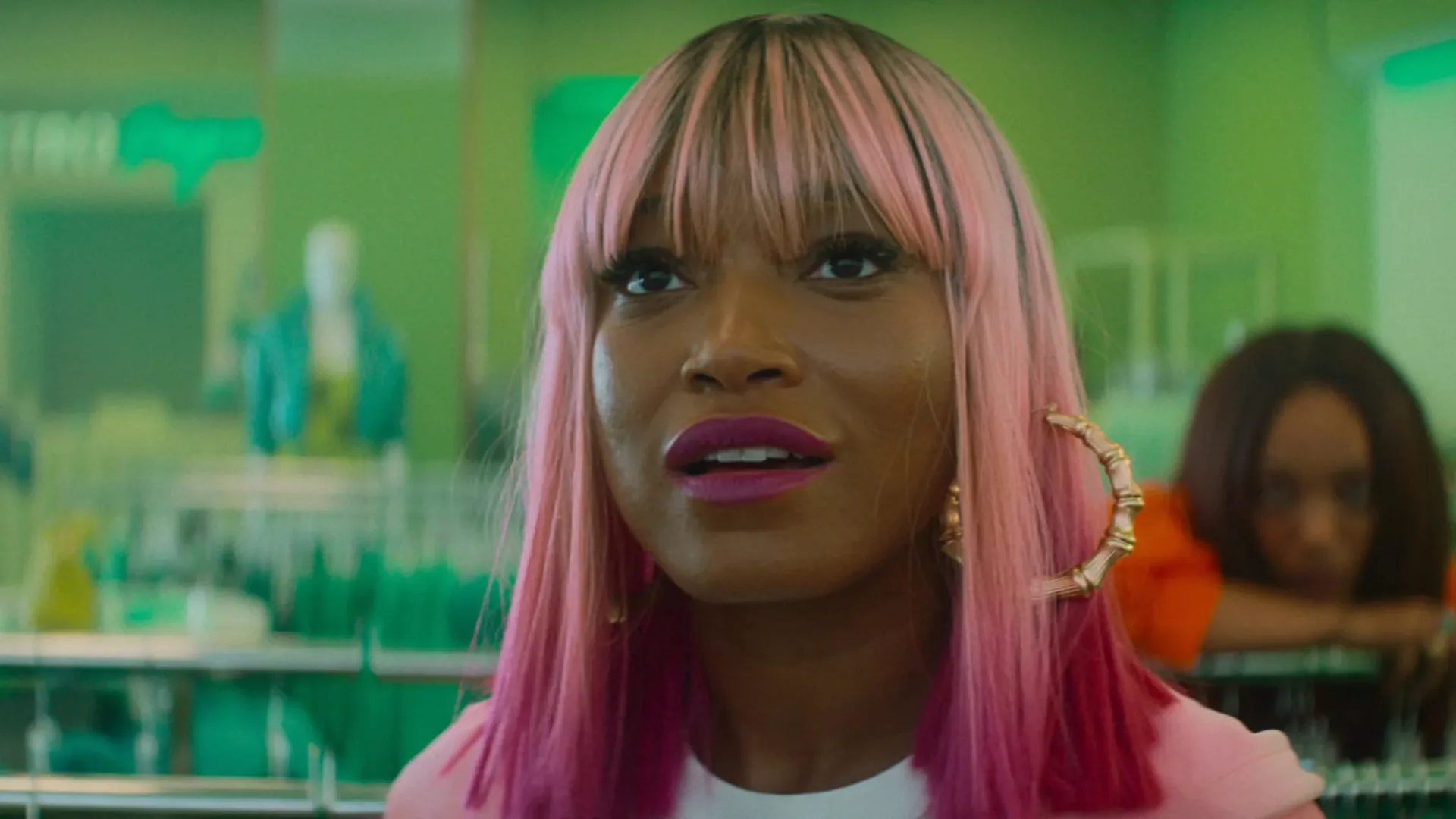
Keke Palmer plays Corvette, an aspiring fashion designer whose work is stolen, setting her against fashion mogul Christie Smith. That conflict supplies more than a personal grievance: it puts questions of ownership, artistic authorship and access to culture at the centre of a story about an industry built on selling image. Corvette joins friends Sade and Mariah in the Velvet Gang, and the premise becomes a Robin Hood-inflected campaign of heists. The setup appears to establish its ideological tensions quickly, treating competing beliefs and interests as active parts of the plot rather than background decoration.
That directness is important to the film’s comic engine. Its targets include pyramid schemes, fast-fashion cycles, workers’ rights and the unequal power to decide who can create art and who merely consumes it. These are large subjects, but the approach is not one of tidy realism. The satire instead seems designed to keep escalating the systems it is mocking until their absurdity becomes visual and theatrical. Interpreted this way, the film’s maximalism is not simply a stylistic flourish; it is the method by which its criticism gains bite. Fashion’s spectacle, commerce’s self-mythology and the strange bargains demanded by capitalist success are all suited to a world that refuses to behave naturally.
A heist movie dressed as a cartoon
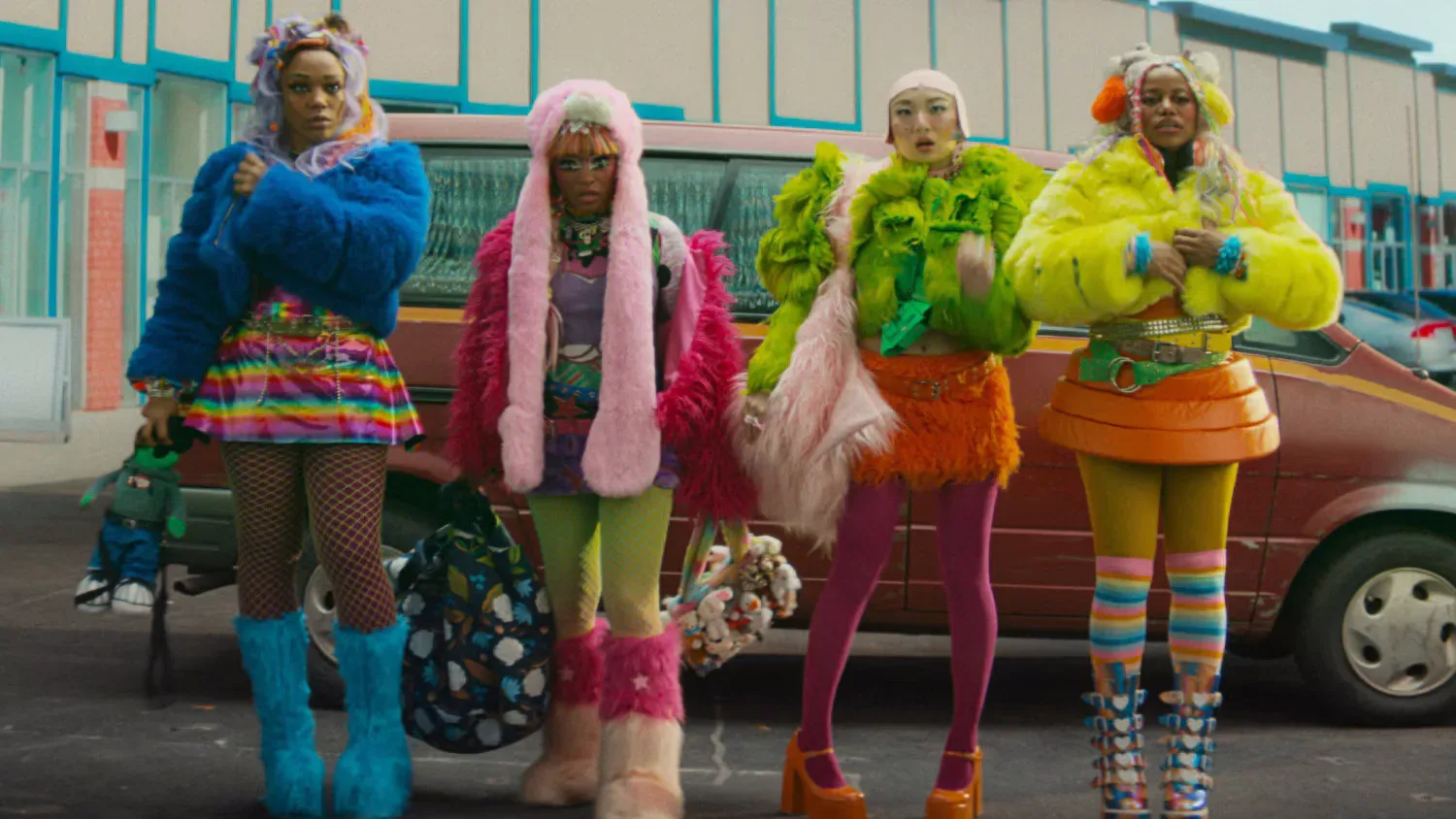
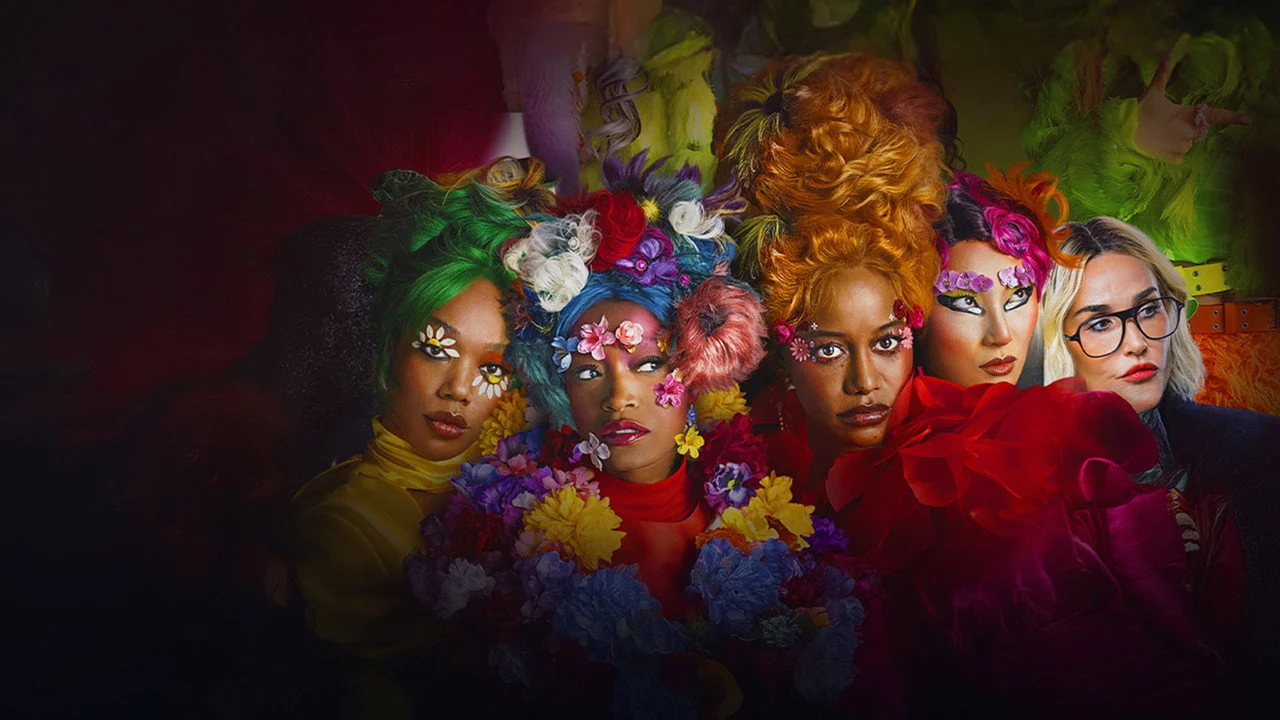
The visual conception sounds like the film’s greatest asset. Its fever-dream imagery is described through bold palettes, dolly shots, model sets and pockets of stop-motion, while the Velvet Gang’s heist disguises grow increasingly elaborate as the stakes rise. Those costumes do more than offer attractive production design. In a story preoccupied with fashion, identity and the value assigned to creative work, disguise is a particularly apt form of action: clothing becomes camouflage, performance and resistance at once.
The Looney Tunes comparison captures the intended rhythm: broad, elastic comedy rather than a grounded crime thriller. The film’s capers evidently make room for visual surprise, and the outsize form keeps the satire entertaining rather than merely programmatic. There is a real pleasure in a movie that treats design as part of the joke, especially when its antagonism toward the fashion business is expressed through fashion images that are beautiful, strange and knowingly artificial.
Riley’s direction also appears assured in its commitment to this unstable tonal terrain. The movie does not seem interested in separating “serious” politics from sillier comic invention. Instead, its labour concerns and artistic arguments exist alongside heightened performances, elaborate schemes and a bizarre visual vocabulary. That combination will be a feature for viewers who want a satire that risks looking unruly. It is also the reason the film registers as distinctive rather than like a conventional message movie with a heist plot attached.
Palmer and Moore give the conflict its charge
Palmer is a crucial anchor for such a heightened concept. Corvette’s role asks her to carry both the creative frustrations behind the conflict and the forward momentum of the gang’s schemes. With Naomi Ackie’s Sade and Taylour Paige’s Mariah beside her, the Velvet Gang gives the film a collective centre rather than leaving Corvette to battle a corporate figure alone. The trio’s presence makes the Robin Hood framing feel essential to the premise: this is a caper built around solidarity as well as retaliation.
Demi Moore, as Christie Smith, is positioned at the other end of that struggle and is given a deliciously excessive mode to play in. Her scenery-chewing performance fits a film that turns wealth and industry power into flamboyant spectacle. Rather than softening the villainy into plausibility, the character’s heightened presentation appears to sharpen the satire’s sense of unequal power.
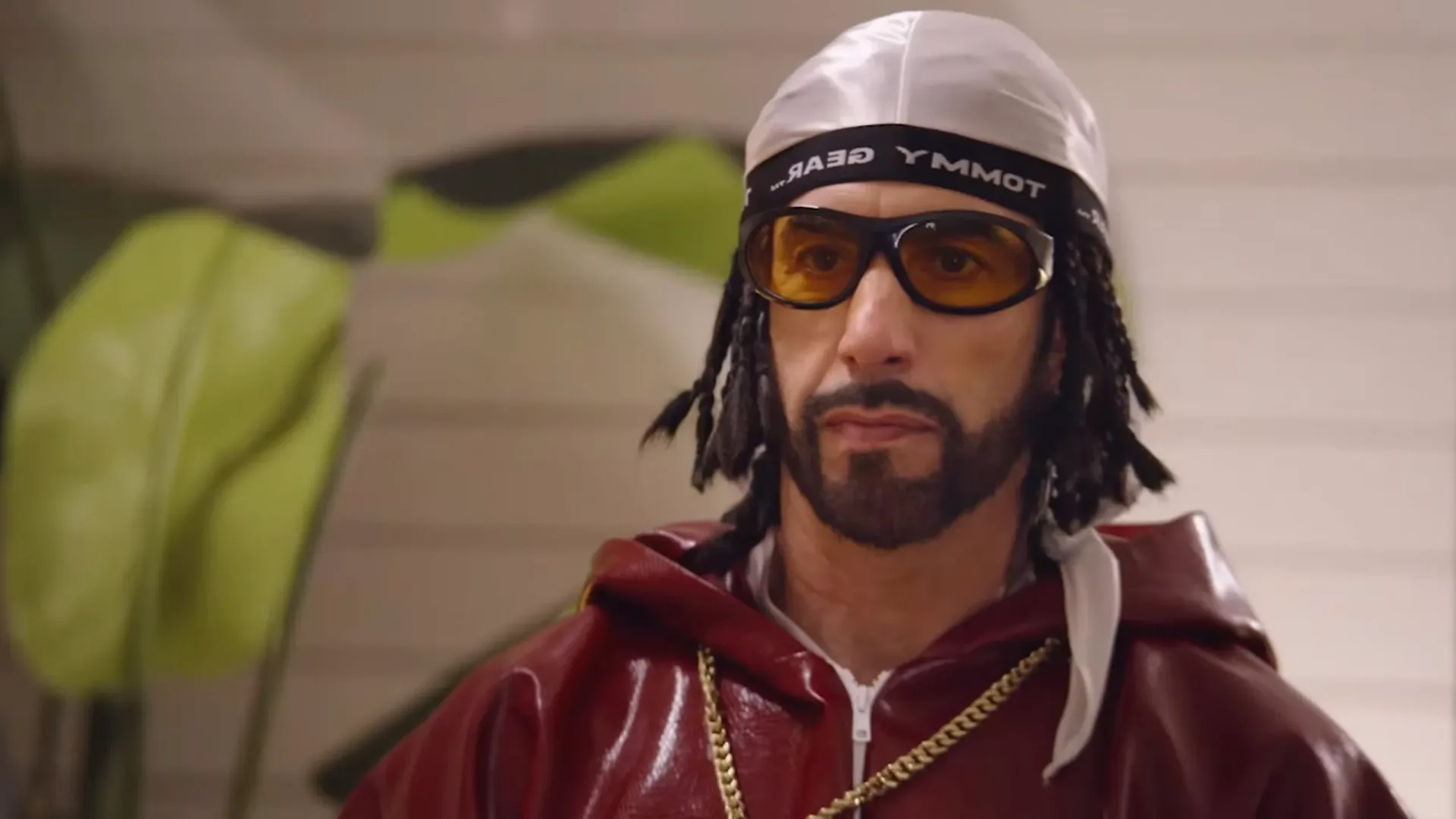
The supporting cast embraces the same pitch. Will Poulter brings overt comic intensity to Grayson, a sycophantic shop manager, while Don Cheadle is transformed for the role of pyramid schemer Dr Jack. These performances suggest that the film understands its absurdity as something shared across the ensemble, not an eccentricity imposed on one or two characters. When a movie moves between fashion-world satire, criminal plotting and surreal invention, that collective buy-in matters; it allows the tonal leaps to feel like a chosen rule of the universe.
LaKeith Stanfield’s Pinky Ring Guy becomes part of the later expansion. The character is tied to a side plot that broadens the film beyond its central heist momentum, and that shift points toward its principal limitation. The film’s ambition is considerable, but it does not always organize every idea with the same precision as its opening stretch.
When the ambition starts to crowd the caper
The second half brings wider implications of human labour practices into the foreground, alongside Pinky Ring Guy’s subplot and an added science-fiction element. None of those concerns is inherently out of place in a satire already taking on fashion, pyramid schemes and workers’ rights. In fact, their inclusion is consistent with the movie’s broad political imagination. The difficulty is one of accumulation. As more threads and modes enter, the clean propulsion of the caper becomes harder to sustain.
That unevenness affects the recommendation in a specific way. Viewers looking for a tightly engineered heist narrative may find that the later material dilutes the momentum established by Corvette’s conflict and the Velvet Gang’s operations. The film seems more energized by pursuing its next strange, provocative possibility than by narrowing those possibilities into a single streamlined shape. Its sprawling design is therefore both a strength and a constraint: the same refusal to think small produces thrilling invention, but can also leave the story carrying more than it can comfortably resolve.
Still, the overreach sounds preferable to caution here. The movie’s political arguments are not presented as a set of neutral observations, and its visual ideas are not designed to disappear behind conventional polish. It is an emphatic work: funny, colourful, confrontational and willing to turn an anti-capitalist critique into an extravagant comic event. The later sprawl may keep it from total control, but it does not erase the invention, performance energy or clarity of purpose that makes the film stand out.
For viewers drawn to movies that connect art, class and the politics of who gets to create, Possible Love explores some adjacent questions in a very different dramatic register. I Love Boosters, by contrast, makes its case with cartoon logic, high-fashion disguises and a heist crew determined to make the system look as ridiculous as it is exploitative.