


 Jeon Do-yeonMi-ok
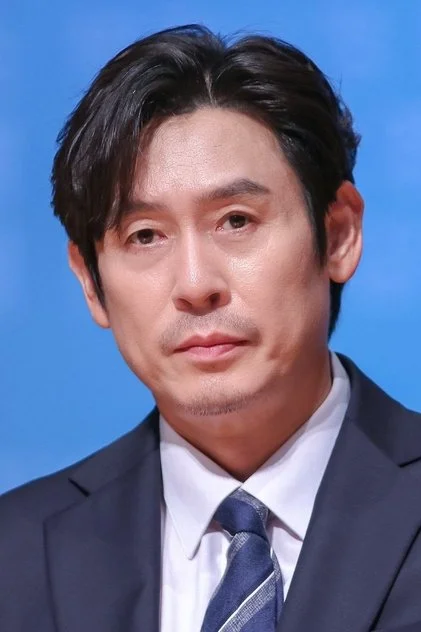 Sul Kyung-guHo-seok
 Zo In-sungSang-woo
 Cho Yeo-jeongYe-ji
 Jo YuriYoung Mi-ok
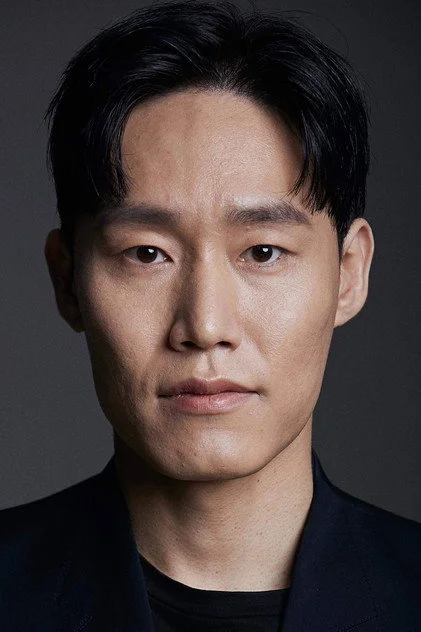 Jeon Woon-jongJeong-dae
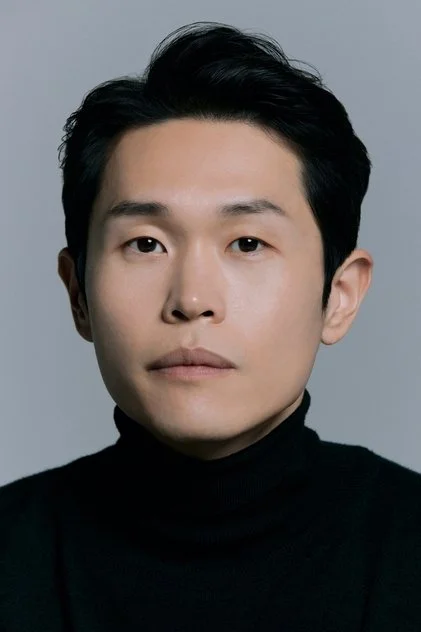 Kang Gil-wooFuneral guest
Possible Love begins from an elegantly compact dramatic situation and keeps finding deeper implications inside it. Two couples from profoundly different economic circumstances meet when Ye-ji, a documentarian, seeks to make a film about working-class hardship. What follows is not treated as a convenient collision between social types, nor as a tidy exercise in the familiar divide between the wealthy and the precarious. Lee Chang-dong’s drama lets proximity itself become fraught: attention can be compassionate, intrusive, self-serving or all three at once; affection can be sincere while remaining shaped by unequal power.
The result is a patient, emotionally acute film with a large intellectual reach. Its concerns include Korea’s labour-market crisis, police violence against striking workers, class inequality and the ethics of documentary practice. Yet its political force does not apparently come from reducing people to arguments. The drama keeps returning to the private lives that public crisis changes: marriages under pressure, survivor’s guilt that cannot be readily articulated, desires that are both personal and conditioned by material circumstance. That fusion of the intimate and the systemic is the film’s central achievement.
A meeting loaded with unequal stakes
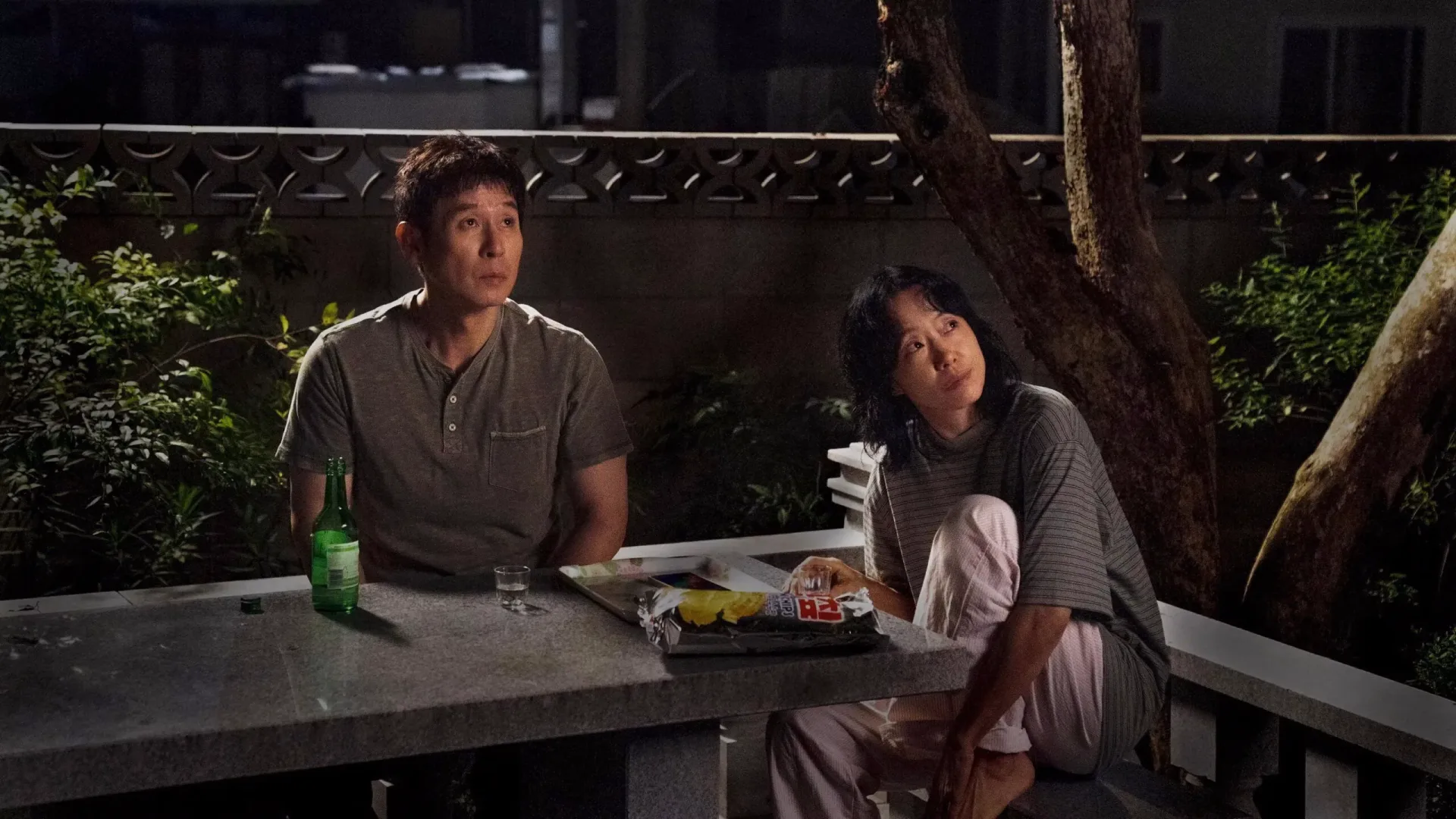
Mi-ok and Ho-seok are the working-class couple at the story’s heart. Mi-ok works at a mask factory, and her outward brightness sits alongside a visible well of sadness. Ho-seok has been laid off by an auto firm and survived a police raid on protesting colleagues in which friends were killed. Those facts give the film a grave foundation before Ye-ji enters their lives. Her proposed documentary offers recognition and the possibility of being heard, but it also raises the harder question: what exactly is being taken when another person’s trauma becomes a subject?
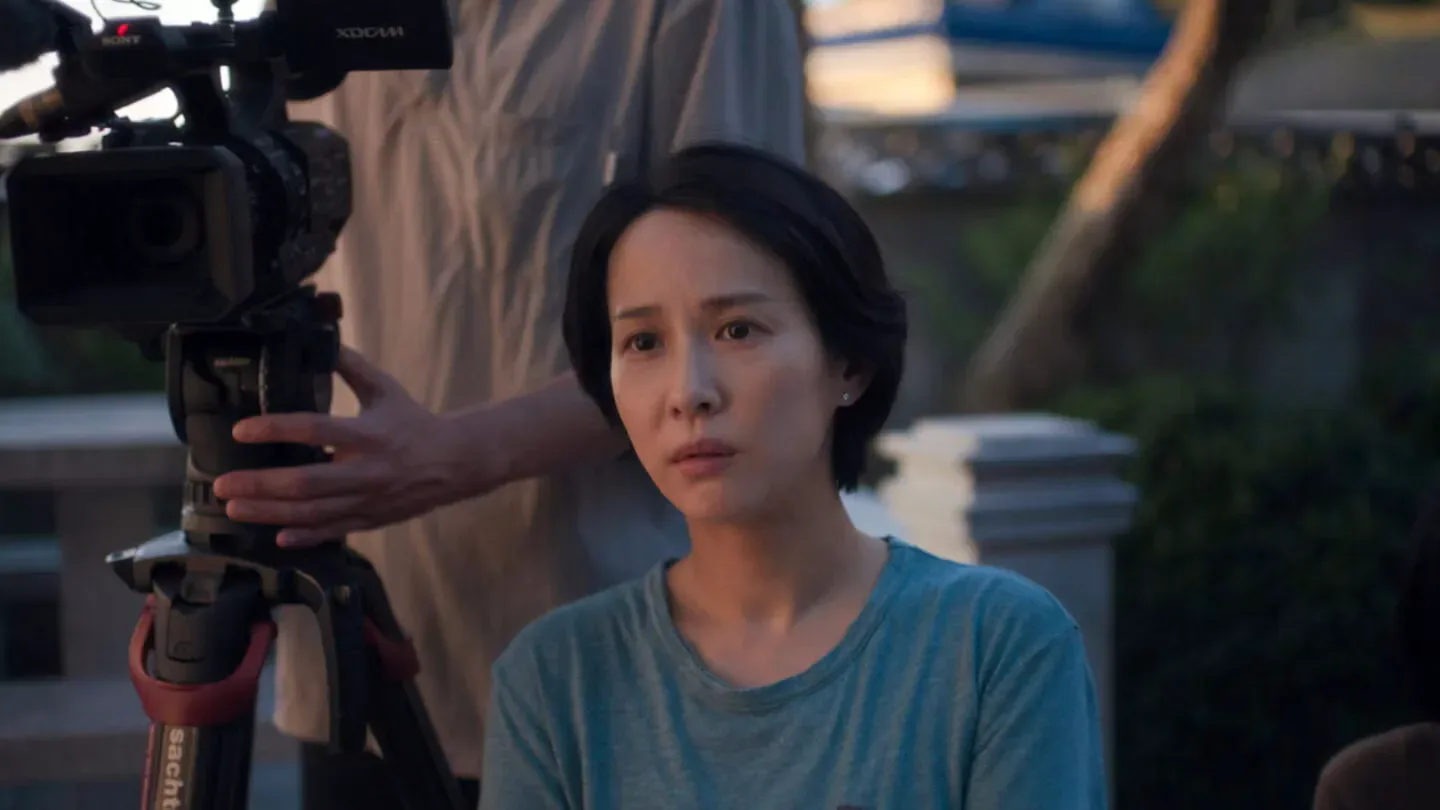
Ye-ji and her generationally wealthy husband, Sang-woo, do not simply function as villains opposite Mi-ok and Ho-seok. The film’s apparent interest is more unsettling than that. Ye-ji wants to know the other couple and make meaningful work about their experiences; Sang-woo views her involvement more cynically, as a kind of performance. The tension between those positions makes the film’s ethical inquiry productive rather than declarative. Good intentions do not automatically dissolve distance. A desire for emotional access may coexist with the professional impulse to record, arrange and turn experience into a finished work.
That is where the premise earns its complexity. The question is not only whether Ye-ji can tell a story responsibly, but whether intimacy itself can be disentangled from the structures that make one person a filmmaker and another a filmed subject. The film reportedly asks this of its director as well as its characters, giving its self-scrutiny a particular sting. Rather than presenting art as a clean moral corrective, Possible Love appears to recognize the compromises and ambiguities built into representing suffering.
Frames inside frames
Lee and co-writer Jungmi Oh construct the story through a layered story-within-a-story design, using cameras and frames to keep the act of narration in view. This is more than a formal flourish. By repeatedly prompting the audience to consider who is telling whose story, the structure turns spectatorship into part of the drama. A camera can offer testimony, but it can also confer control. It can bring someone into view while still keeping them at a distance.
The film’s density of symbolism and imagery is presented as a feature of its deliberate method, not an invitation to hunt for plot tricks. This is not a drama built around shocks, scandal or twists deployed for their own sake. Revelations grow from character, and the formal layers deepen the emotional material rather than replacing it. The approach asks viewers to remain alert to appearances and to the gap between an experience as lived and an experience as shaped into narrative.
That makes Possible Love a demanding watch in the best sense. Its ideas do not sound as though they have been packaged into simple answers about art, activism, privilege or love. Instead, the film seems willing to sit with the discomfort of its questions. Can a filmmaker make work that is truthful without becoming exploitative? Is personal connection necessary for honesty, or can closeness itself create a different sort of compromise? The film’s refusal to make those questions painless gives its social critique more weight.
Four performances built on restraint
The four central performances are crucial to making this complexity feel lived rather than diagrammatic. Jeon Do-yeon gives Mi-ok a bright surface and an undercurrent of sorrow, allowing the character’s emotional life to register without flattening her into an emblem of hardship. Sul Kyung-gu’s Ho-seok is described as tightly coiled before becoming devastating, an arc that fits a man carrying rage, loss and survivor’s guilt he cannot fully express.
Cho Yeo-jeong brings a class blindness to Ye-ji without stripping the character of earnestness. That balance matters. If Ye-ji were only calculating, the documentary ethics thread would be far easier to resolve; if she were only benevolent, the film’s critique would lose its teeth. Zo In-sung’s Sang-woo supplies a counterpoint in the wealthy couple’s relationship, including the more cynical reading of Ye-ji’s engagement with Mi-ok and Ho-seok.
More importantly, the ensemble’s work is characterized by understatement and delicate modulation. The film invests sufficiently in all four inner lives that shifts in their relationships feel like consequences of character rather than signs of a screenplay moving pieces into position. When attachments form, strain or seem close to breaking, the emotional effect comes from accumulation. That is an especially valuable quality in a story where every connection is shadowed by questions of need, envy, curiosity and power.
Love, longing and the material world
For all its attention to social systems, Possible Love is also a film about marriages. The couples are not merely stand-ins for opposing classes; they are people negotiating what love has enabled, what it has cost, and which dreams have been realized or relinquished. The film connects those intimate negotiations to covetousness: the longing for another person’s home, spouse or freedom. Such desires are not presented as trivial side business to the larger politics. They are part of how inequality is felt, imagined and carried into ordinary relationships.
This broadens the movie beyond a straightforward haves-versus-have-nots drama. Economic inequality is structural, but it becomes emotionally legible through envy, attraction, resentment and the ache of seeing a life that appears more spacious than one’s own. Conversely, material comfort does not erase emotional vacancy or prevent a person from reaching outward in ways that may be clumsy, possessive or naïve. The film’s perspective seems strongest when it permits these contradictions to coexist without pretending they are equivalent.
Its anger is described as righteous, particularly in relation to the crushing pressures placed on working people. But the drama’s tone is not limited to denunciation. It is emotionally febrile and overtly personal, concerned with restless individuals whose choices may hurt one another even as those choices are shaped by a larger crisis. That combination gives the politics a human scale while preventing the personal story from floating free of material reality.
Deliberate pacing is the price of admission
The chief caveat is also inseparable from the film’s strengths. Possible Love moves deliberately and is dense with imagery and symbolism. Viewers wanting immediate momentum, conspicuous plot turns or an easy background watch may find its pace forbidding. The film asks for concentration because its meanings reside in the gradual interaction of character, framing and theme. That requirement is not a flaw on its own, but it is a real viewing-context consideration.
For attentive viewers, however, the slowness appears purposeful. It gives the relationships room to develop organically and allows revelations to emerge from accumulated behavior rather than abrupt explanation. The film’s refusal to sensationalize its material is especially important given its concern with trauma and documentation. A more aggressively engineered version of this story might have converted pain into spectacle—the very tendency its ethical questions interrogate. Lee’s restraint instead aligns form with subject.
Verdict: Possible Love is a searching, formally layered drama whose careful pace supports rather than blunts its emotional impact. It treats class, labour, marriage and artistic responsibility as intertwined pressures on four fully considered people. Its density will not suit every mood, but viewers prepared to engage with a film that trusts character and ambiguity will find a resonant, unsettling work with plenty to contemplate after the final scene.