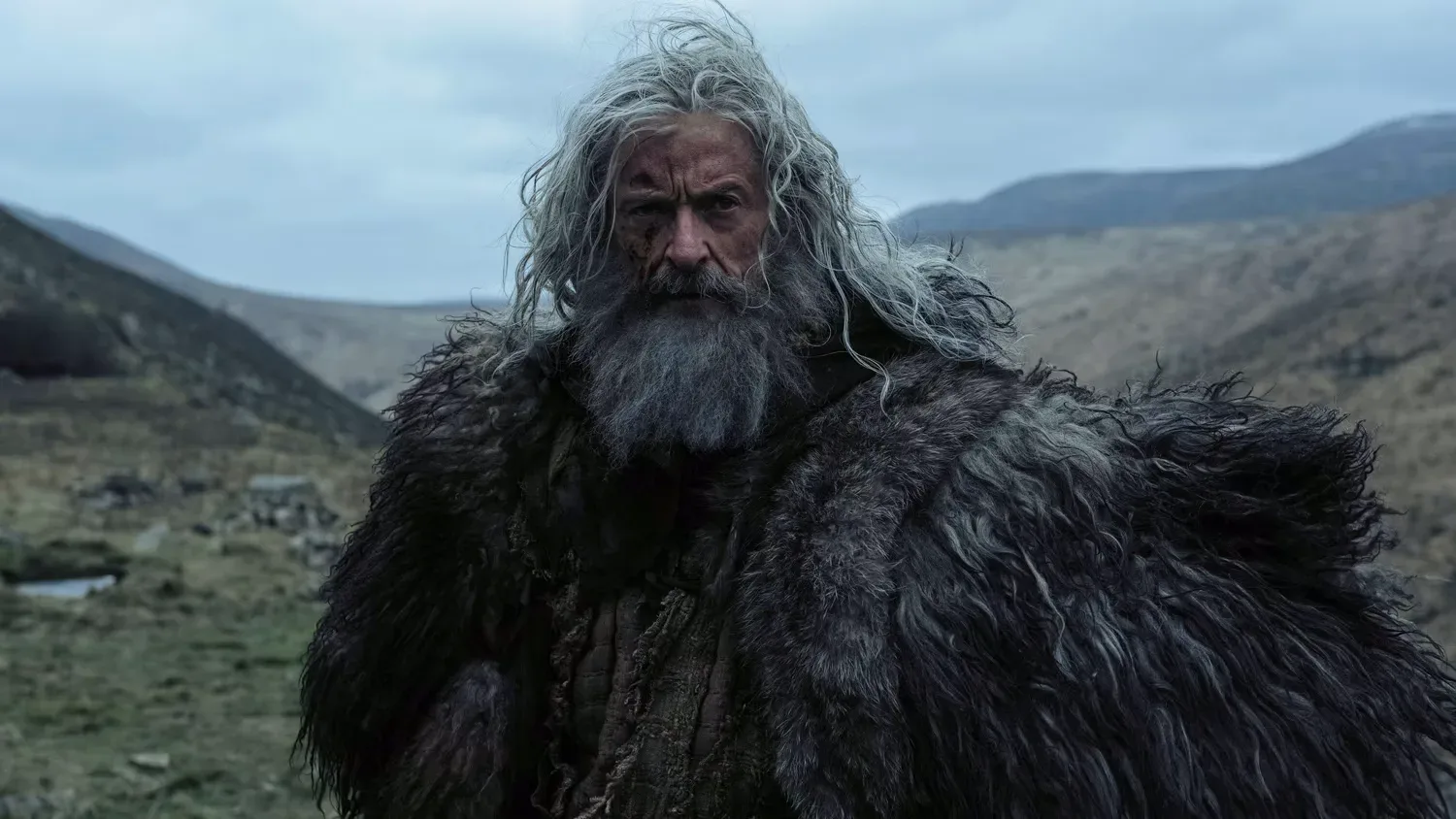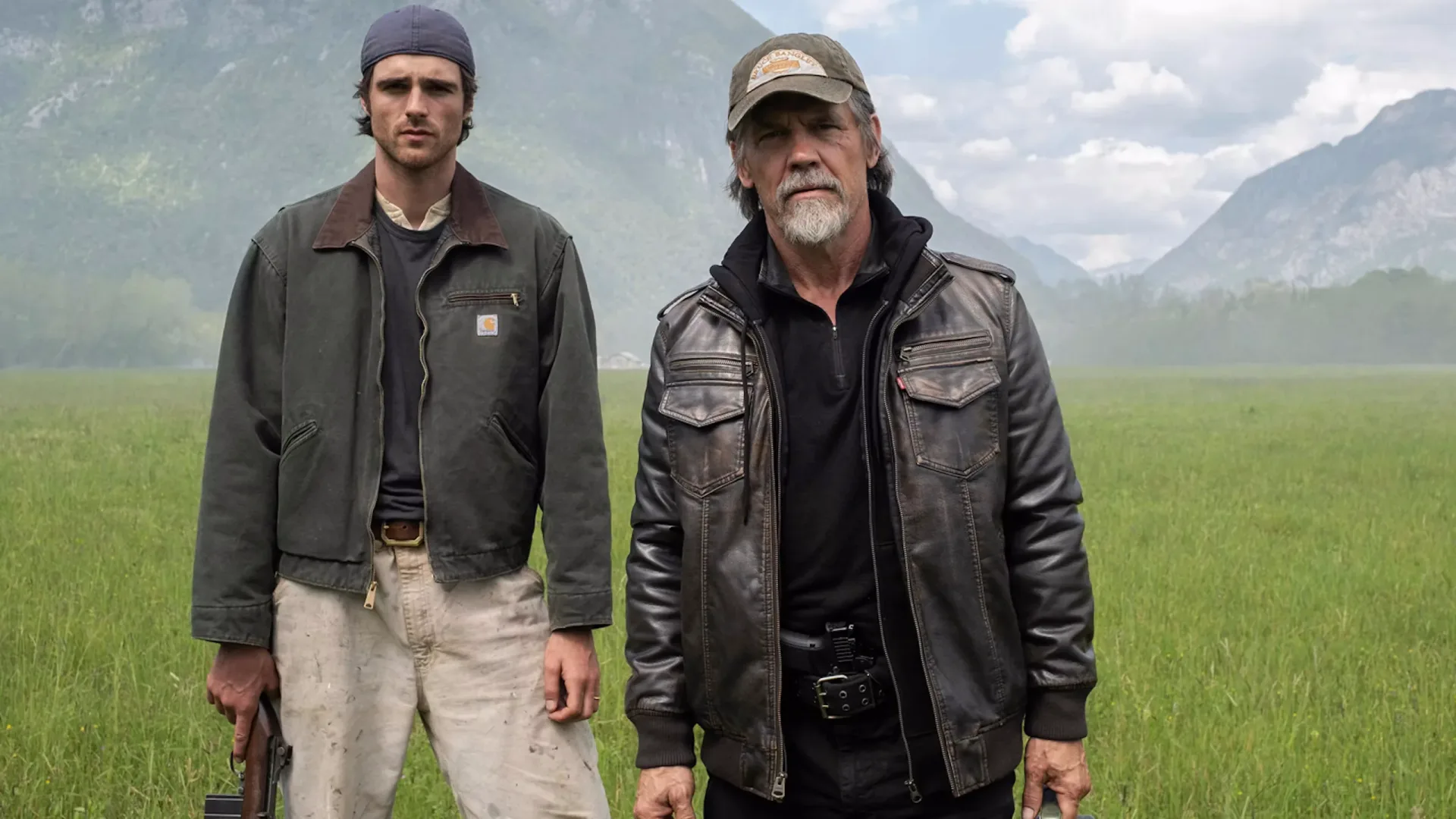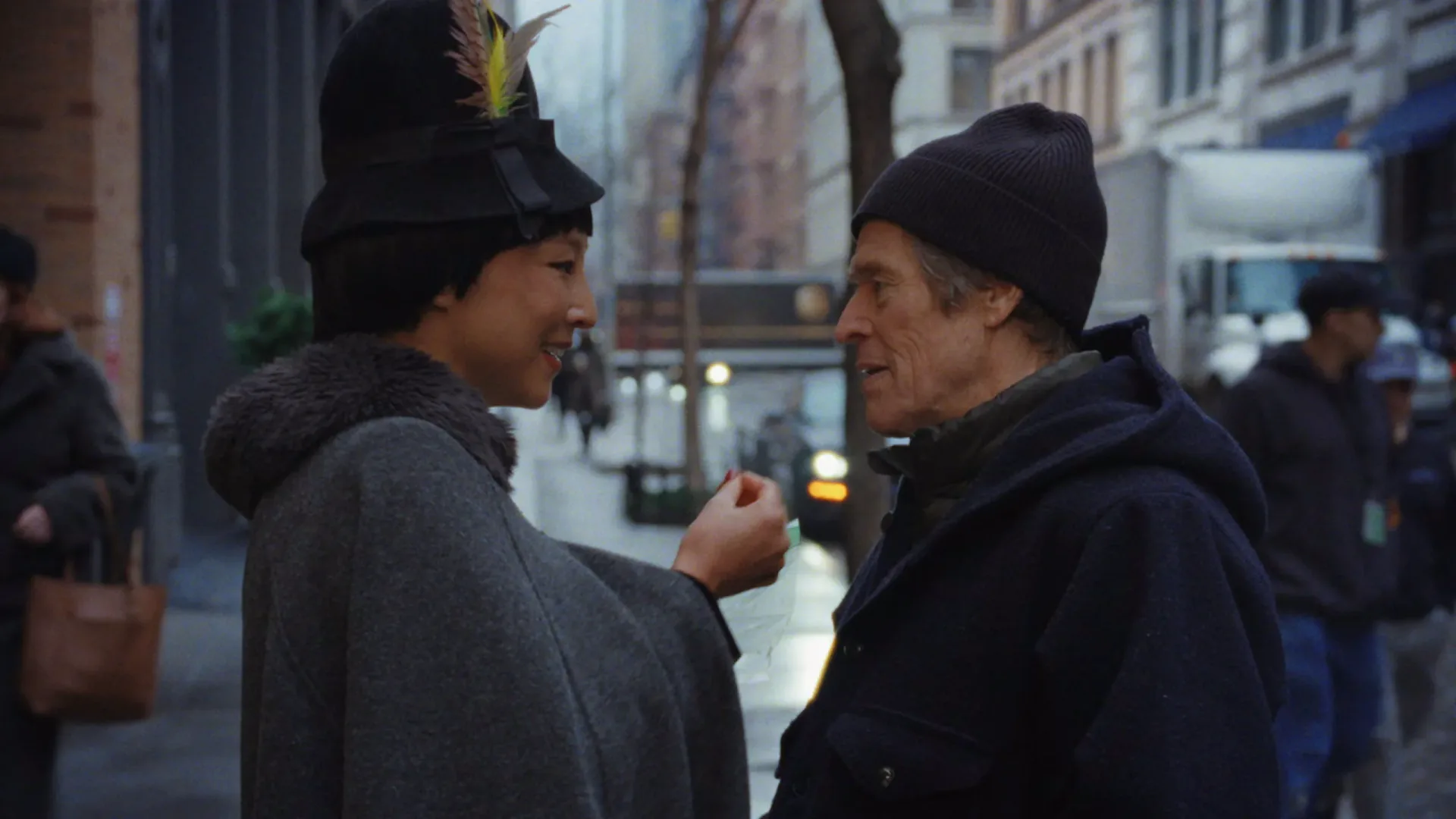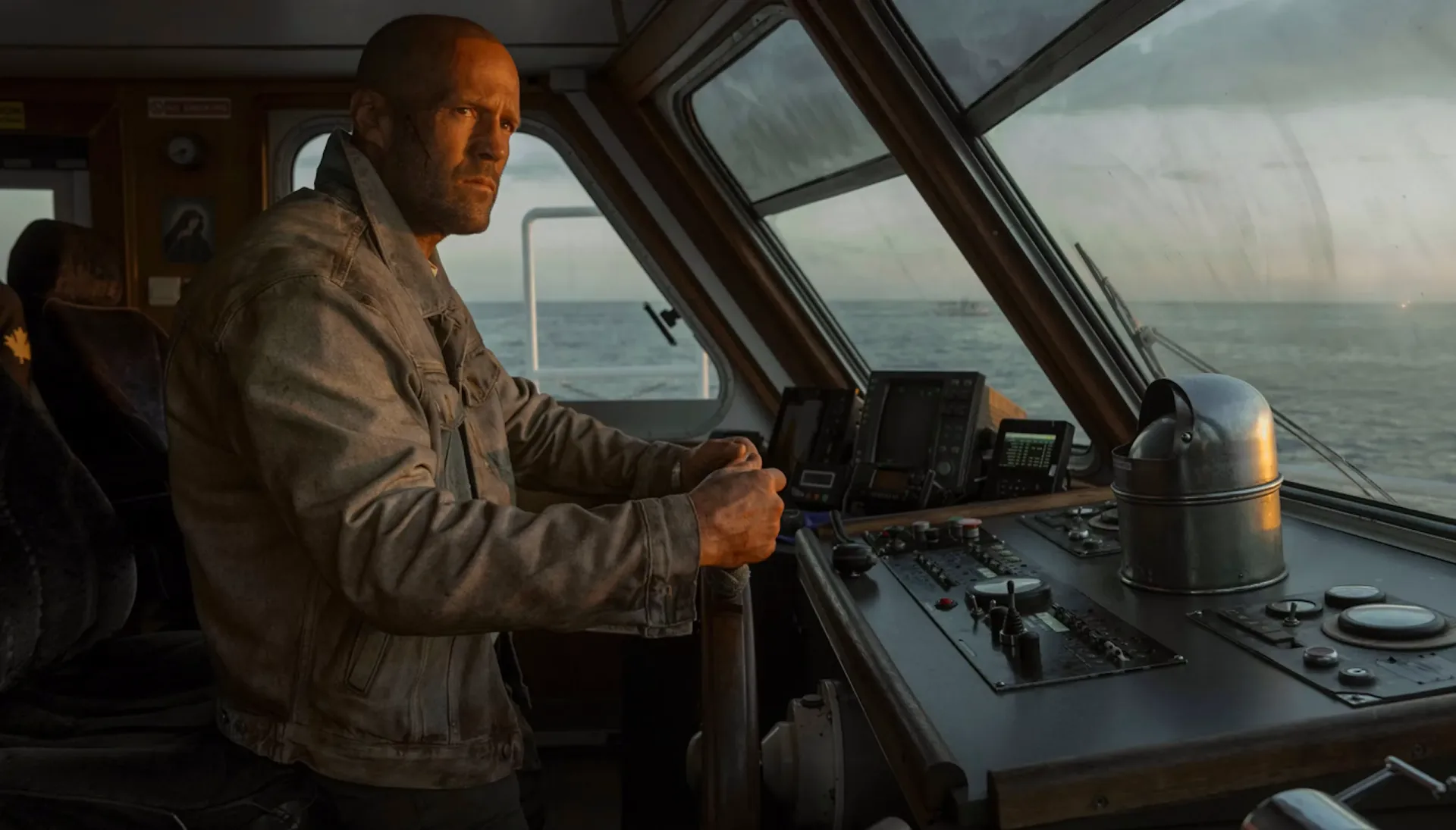
The Death Of Robin Hood does not arrive to rob the rich, charm the villagers or fire off a jaunty tune. This is a severe reworking of the old legend: Robin Hood is presented as a man whose notoriety may have been built not on heroism, but on killing and theft. The result is less a rollicking outlaw adventure than a grim reckoning with the stories violence leaves behind.
The opening stretch makes that intention unmistakable. Its brutality includes slain children, gouged eyes and a flaming-spike attack, establishing a film that wants viewers to confront rather than cheer its central figure. Hugh Jackman plays Hood as a grizzled warrior exhausted by the life he has lived. The part’s physical damage and emotional weariness give the film a heavy, mournful centre.
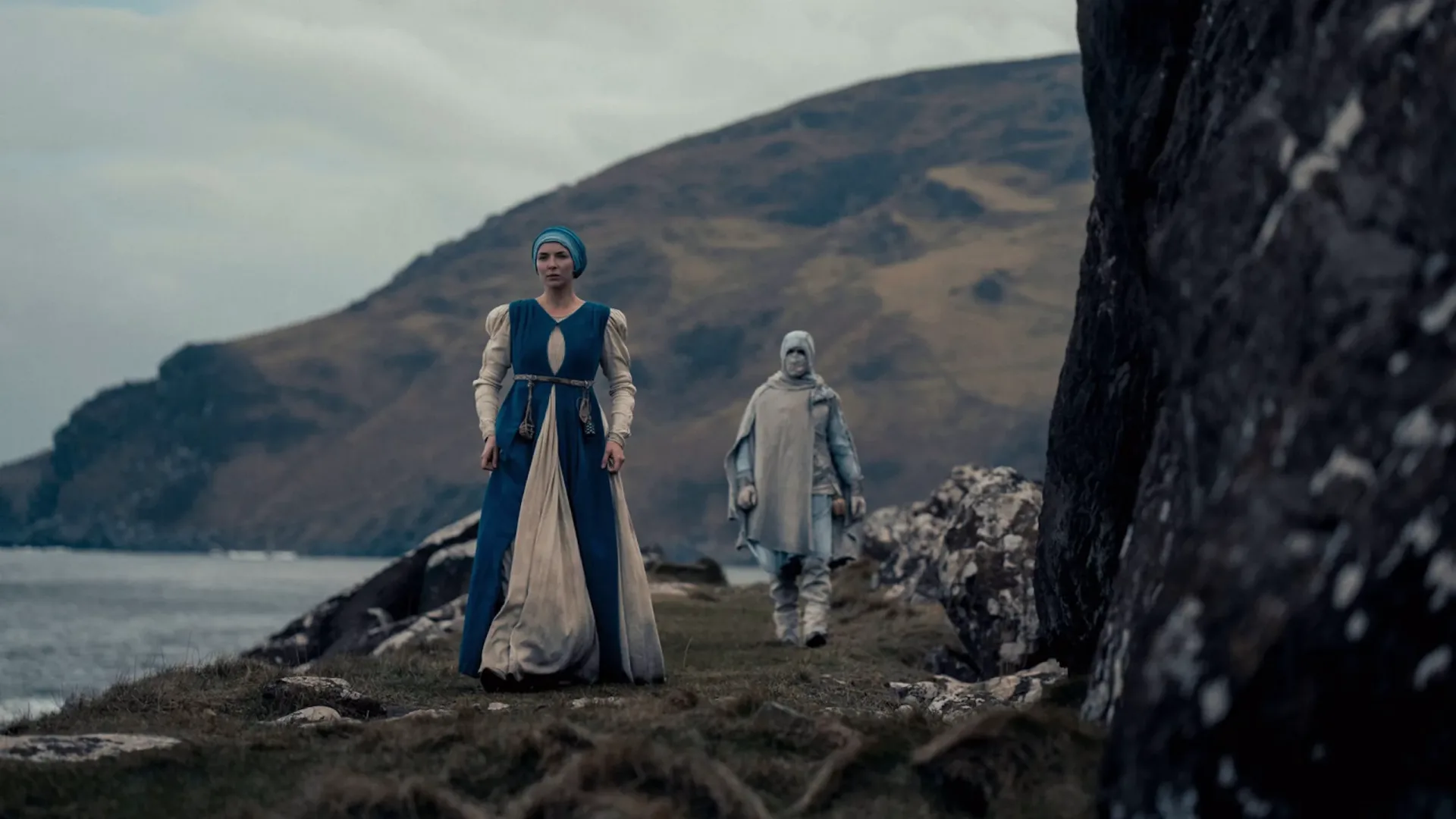
After an attack at the farm occupied by Hood's friend Little John, played by Bill Skarsgård, Hood is brought to a remote island for treatment. Jodie Comer plays Sister Brigid, while Faith Delaney plays Margaret, Little John’s daughter. Hood’s growing bond with Margaret, Brigid and the isolated community shifts the drama toward the possibility of care, regret and an existence beyond bloodshed. Murray Bartlett also appears as a nameless leper.
A legend stripped of its comfort
Writer-director Michael Sarnoski finds tenderness in a story designed to be punishing. The cast’s performances give the quieter material weight, particularly as Hood begins to recognise what a life devoted to violence has cost him. The film’s visual movement supports that change: early scenes are sombre and grey, before colour takes greater prominence as Hood considers his past and the life still available to him.
That tonal turn will be the dividing line. Those expecting the set-up to drive toward a more conventional bloody payoff may find the film deliberately withholding. Arthur, a new arrival played by Noah Jupe, introduces a thread that appears to promise a violent reckoning, but it does not fully deliver one. Instead, the film directs Hood toward a more internal confrontation, placing his conscience above any straightforward final enemy.
Violence with an aftertaste
This is a Robin Hood film for viewers willing to accept a familiar icon as a damaged and possibly monstrous figure. Its violence is extreme, and its interest lies not in making that violence entertaining, but in asking whether a man can live with the legend built around it. The approach produces affecting performances and striking rural imagery, even if the restrained resolution may feel like a missed opportunity for viewers invested in its more ominous plot strands.
For a similarly reflective drama built around an actor’s quietly powerful work, see Late Fame.