
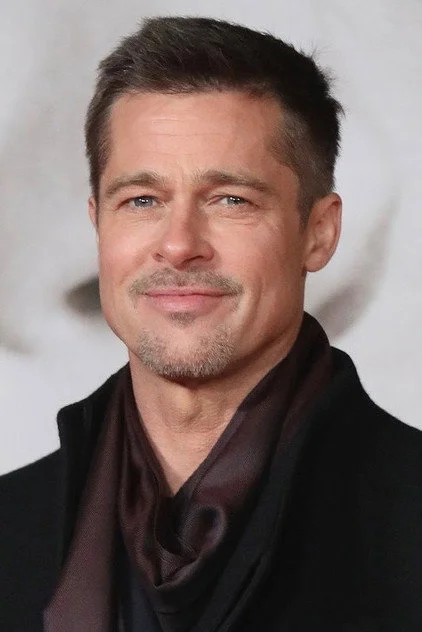
 Brad PittJames Belmont
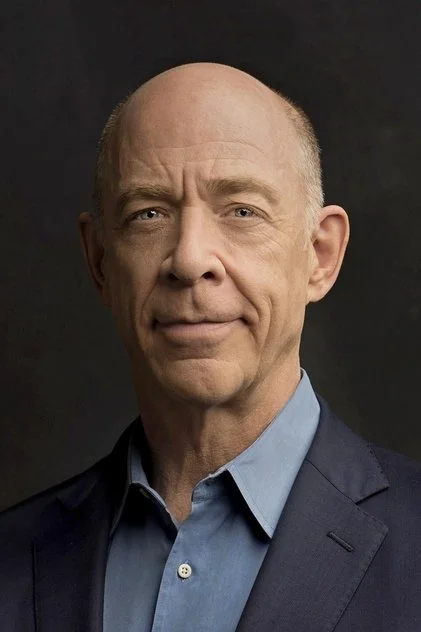 J.K. SimmonsWalter Boone
 Anna Lambe
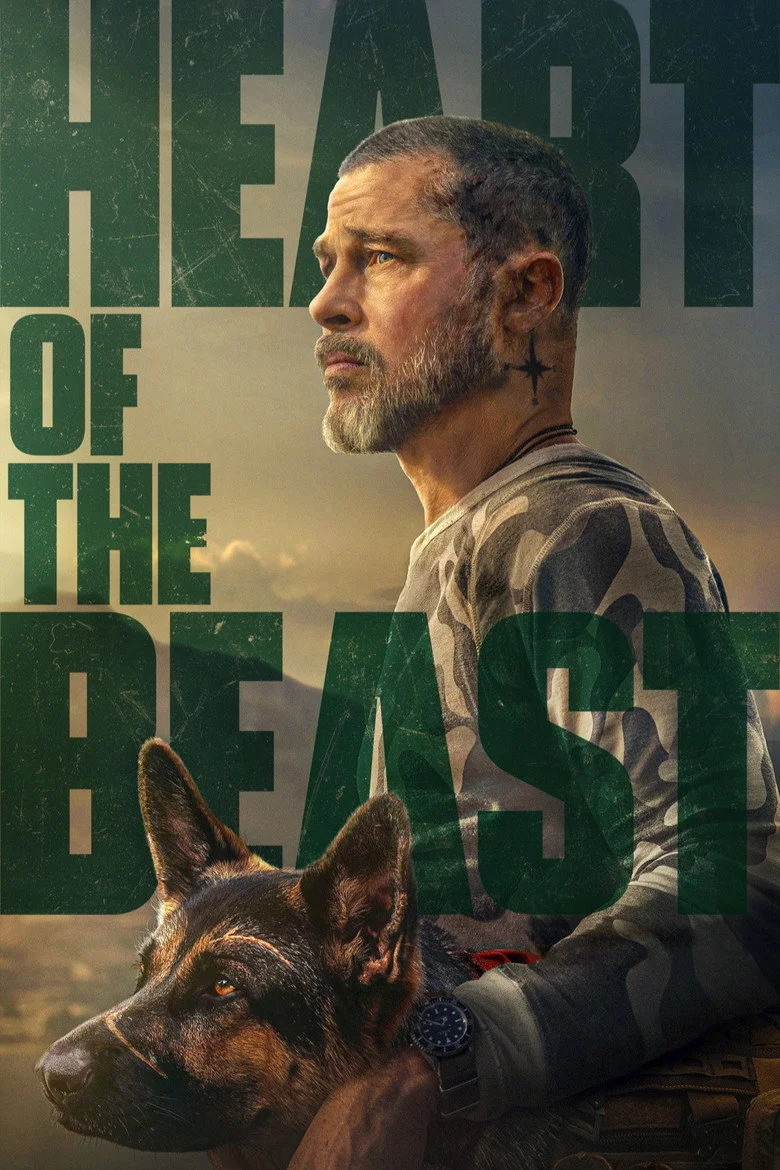
Heart Of The Beast understands the particular cruelty of telling an audience a dog will be fine, then spending nearly 100 minutes making that assurance feel dangerously unreliable. Director David Ayer opens with Odin, a German Shepherd, standing alone on a remote road as a van approaches. The image establishes that the dog reaches some form of safety, but the film immediately turns that apparent comfort into a source of anxiety. A flashback takes viewers back one week, to the disaster that leaves Odin and his owner James isolated in the Alaskan mountains.
That opening manoeuvre is simple but effective. The destination is partially disclosed; the emotional route remains uncertain. The film’s tension therefore does not depend entirely on a cheap question of whether Odin survives. Instead, it asks what these two companions must endure, how much either can give, and whether the injuries they carry into the wilderness will allow them to get through it together. For anyone especially susceptible to dogs in danger, that is likely to be a stressful bargain. The film knows exactly which emotional button it is pressing.
A survival story built around partnership
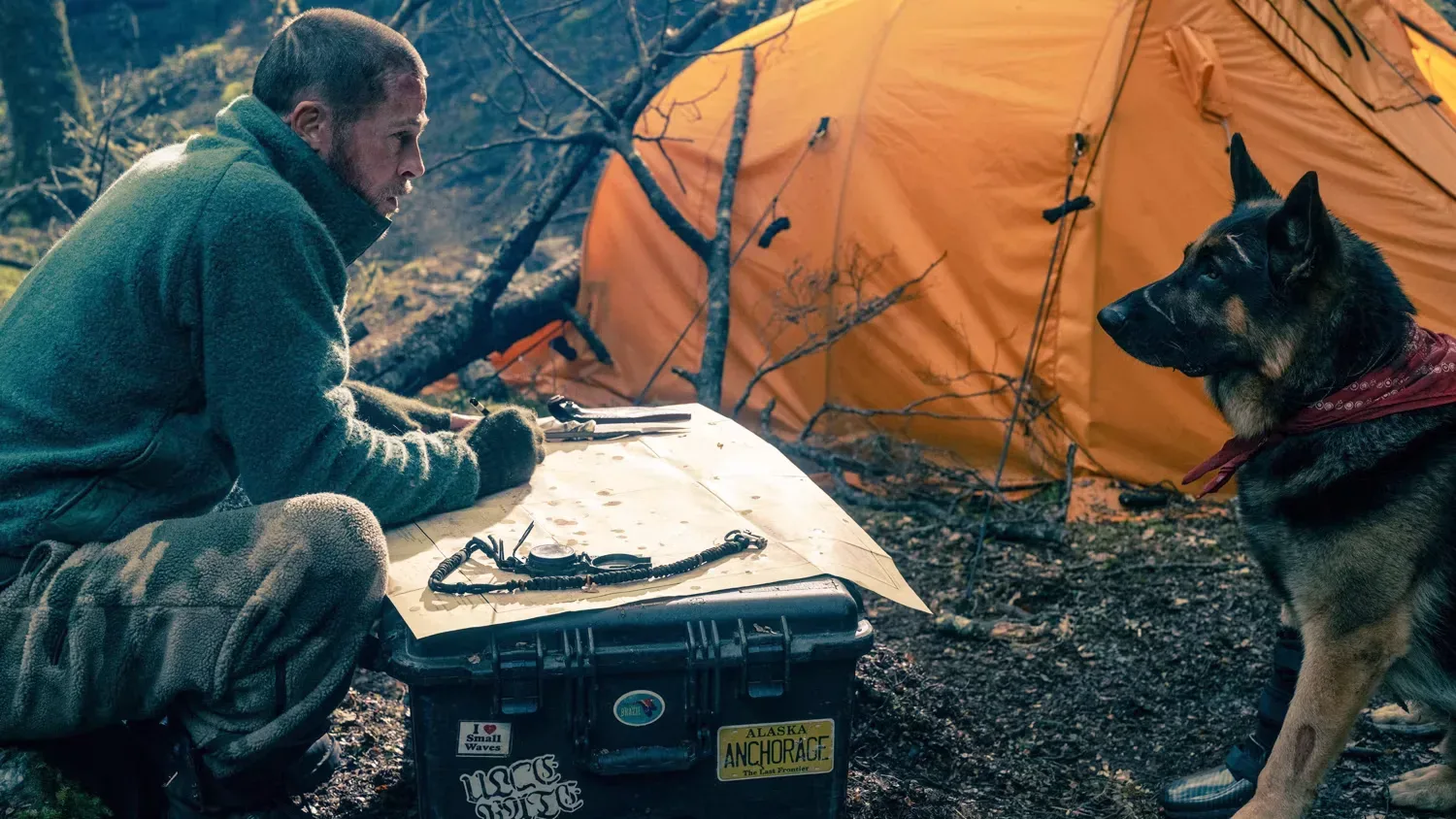
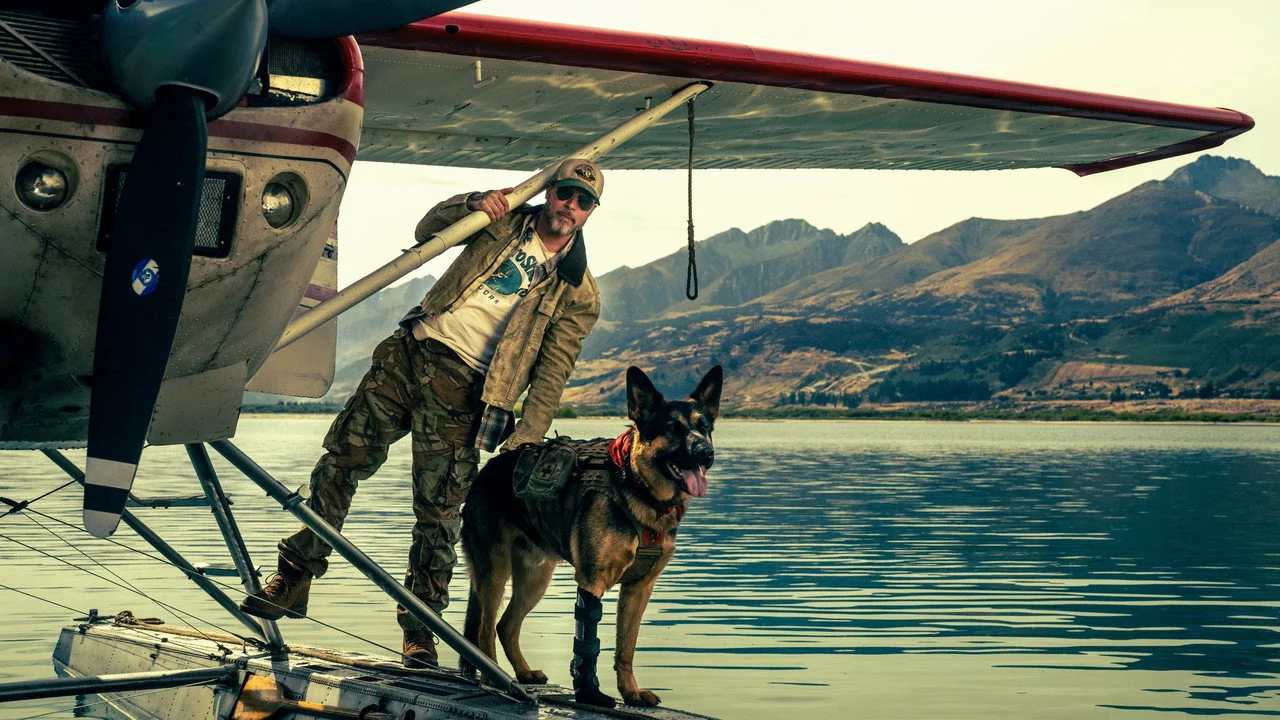
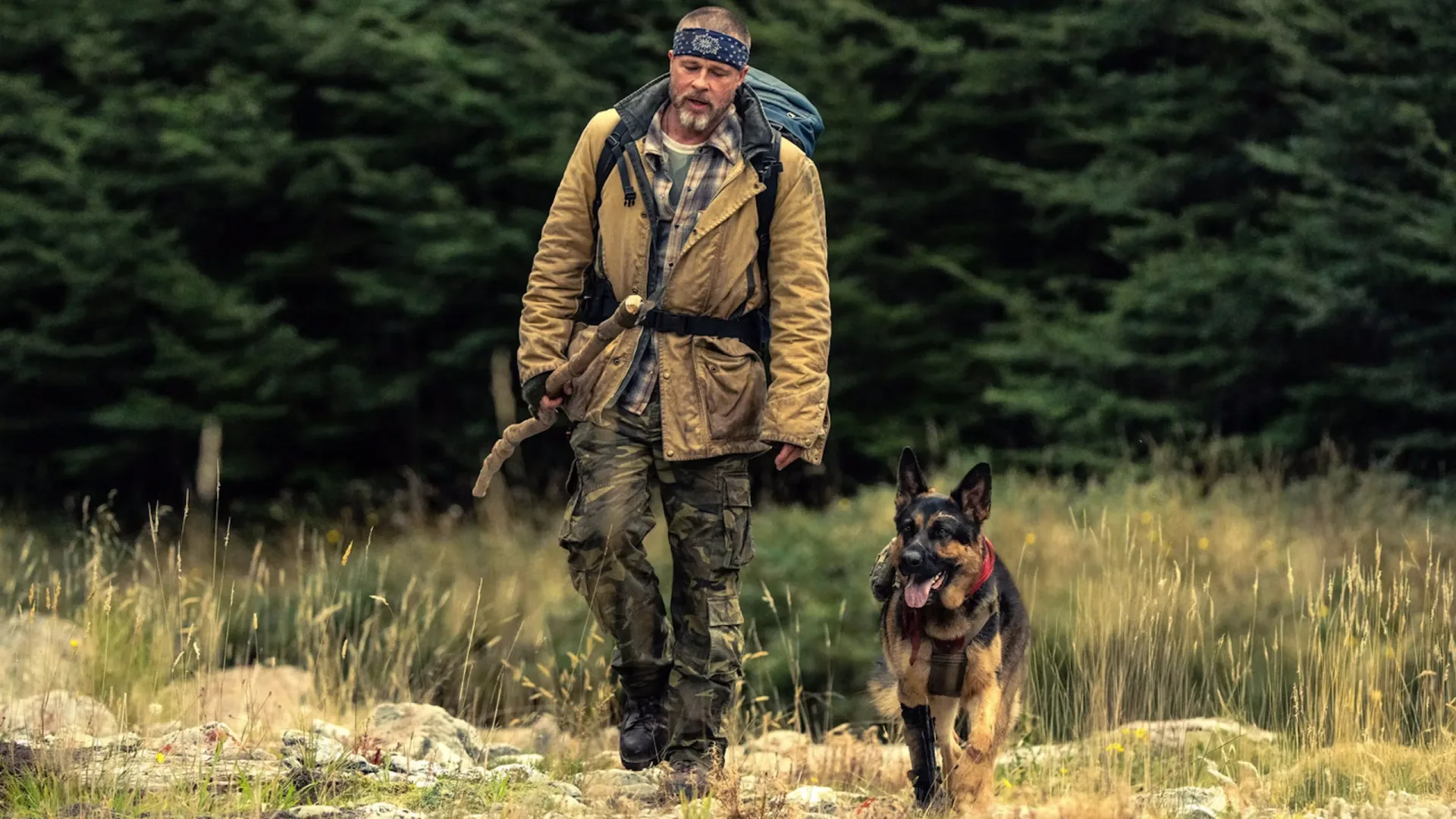
James, played by Brad Pitt, is a retired US Army Special Forces officer seeking solitude after leaving service with scars. Odin is not merely his pet or a handy wilderness sidekick: he is also a retired military working dog, living with a prosthetic leg and PTSD-related nightmares. They are flying to a camping trip together when James suffers a heart attack while trying to fly home. The resulting crash leaves man and dog stranded, with survival dependent on the other.
It is a setup with a clear action-adventure framework, and the film does not disguise its familiarity. Rivers, animals, falls, physical exhaustion and a hostile landscape put pressure on the pair in recognisable survival-movie fashion. Yet predictability is not automatically a defect here. The narrative arrives at expected story beats with enough conviction that the emotional response feels earned rather than mechanically demanded. The familiar shape gives the movie room to focus on the specific relationship at its centre.
Crucially, that relationship is not framed as a one-way display of canine devotion. The screenplay by Cameron Alexander distributes the rescues and care between its two leads. Odin attempts to revive James as the heart attack begins, while James tends to Odin after the crash. That exchange matters. It gives the film a more persuasive sense of companionship than a version in which the human is simply protected by an exceptionally good dog, or one in which the dog is reduced to an object that must be saved. Their loyalty is practical, reciprocal and, as a result, moving.
Brad Pitt makes the connection credible
For much of its running time, Heart Of The Beast functions as an unusually concentrated two-hander: one man and one dog. J.K. Simmons appears in one of only two brief supporting roles, but this is overwhelmingly James and Odin’s film. That economy places considerable responsibility on Pitt. James has no large ensemble around him to redirect scenes or explain his feelings through conventional conversation. Pitt has to make a bond believable while often playing opposite an animal and, in effect, carrying scenes with limited dialogue partners.
The performance succeeds because the relationship reads as established rather than conveniently manufactured by the emergency. James and Odin evidently know how to operate together before the crash; the flight to their camping trip and their shared training make their competence part of the premise. Pitt’s contribution is to make their affection feel compatible with that professional history. James’s care for Odin is not sentimental decoration added around the action. It is the emotional logic that makes every hazard land.
Odin, played by Uber, is equally central to the movie’s effect. The film’s editing is especially important in conveying a sense of the dog’s thought process without requiring the audience to accept him as a human being in fur. That is a delicate tonal balance in an animal-centred adventure. Ayer generally keeps the presentation on the right side of cute, inviting identification without turning Odin into a wisecracking or implausibly articulate stand-in for a person. The exception is a nightmare sequence that pushes the anthropomorphism too far and feels daft. It is a brief misstep, but it identifies the film’s narrowest tonal danger: the more directly it insists on translating canine experience into human terms, the less affecting it becomes.
Peril with a pulse
Ayer’s action direction gives the film momentum. The threats are varied enough to keep the survival premise active, and the pacing of the action sequences maintains suspense even after the opening has offered a measure of reassurance about Odin’s fate. That is an achievement of scene construction rather than plotting trickery. Viewers may know that the dog will be found, but they do not know what condition either companion will be in, what losses the journey might involve, or whether James will be there beside him. The film makes its stakes about the pair, not simply one final reveal.
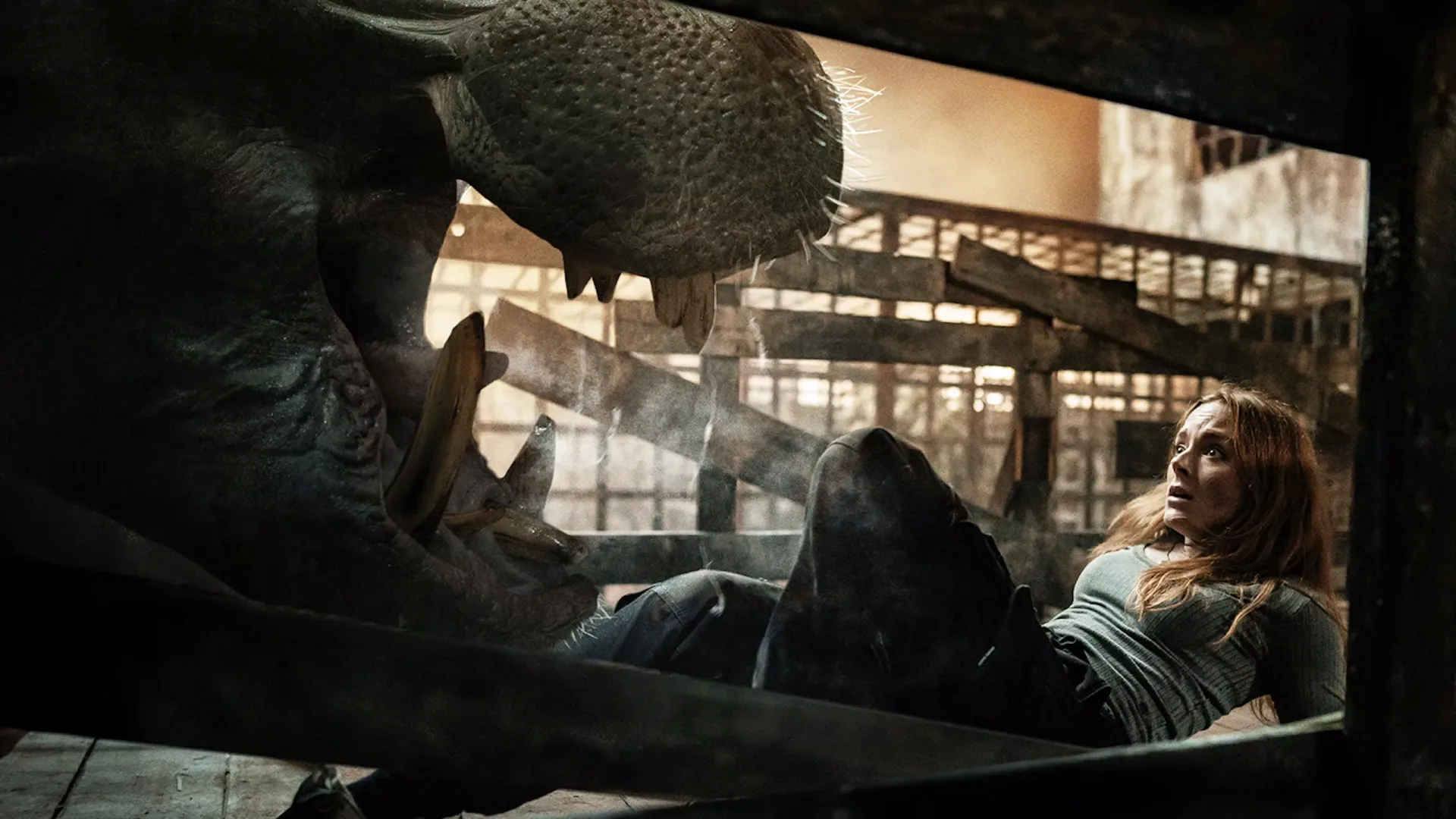
That focus also explains why the action works best when it reinforces the story of mutual protection. Roaring rivers, wild animals and falls are not presented merely as wilderness attractions. Each can become a test of the trust and attentiveness already established between James and Odin. The result is an adventure that treats external danger as an extension of emotional pressure: two wounded survivors have to rely on the very connection that their isolation makes more intense.
There is a satisfying directness to this approach. Heart Of The Beast does not appear interested in making a complicated puzzle out of its setup. It is a survival tale that commits to the pleasures of the form—escalating obstacles, resourcefulness, close calls—and grounds those pleasures in tenderness. Ayer, whose body of work includes forceful, masculine action films, proves able to make room for softness without abandoning propulsion. The movie can be muscular and mushy at once, and its strongest passages are the ones where neither quality cancels the other out.
Simple does not mean shallow
The film’s limitations are largely visible in the same choices that make it accessible. Its route through the wilderness is broadly foreseeable, and the slim supporting cast means there is little opportunity for the story to expand beyond James and Odin’s ordeal. Simmons’ brief appearance has an expository function, which further underlines how decisively the film centres its main pair. Audiences wanting a more surprising narrative or a wider network of characters may find the construction modest.
But that modesty is purposeful rather than careless. The film does not need to overcomplicate a premise that already contains physical jeopardy, trauma, illness and a compelling cross-species bond. Its effectiveness comes from treating those elements sincerely. James’s scars and Odin’s nightmares establish that both arrive in Alaska already damaged; the crash does not create their vulnerability so much as expose it. Interpreted this way, their journey becomes less about mastering nature than about finding a way to keep moving when neither partner is entirely whole.
That reading gives the film’s sentiment its weight. It is plainly designed to make dog lovers anxious and emotional, and it may push hard on those feelings. Yet the sentiment is supported by the script’s decision to let Odin be a participant in survival rather than a passive symbol. The tears it seeks are tied to care, responsibility and reciprocity. For viewers willing to meet it at that emotional frequency, the predictability becomes part of the reassurance: this is a story that understands what people want from an endangered-dog adventure, then works diligently to make them feel it.
Who should take the trip
Heart Of The Beast is best recommended as a tense, heartfelt survival adventure for viewers comfortable with distressing animal peril and eager for a story about a man and dog protecting one another. Its emotional design is especially potent for dog owners and dog lovers, who may want company for the journey home. The movie offers sturdy pacing, a convincing central bond, and a performance from Pitt that makes the minimal two-character format feel full rather than sparse.
Its reservations are clear: the plot follows expected tracks, the animal perspective is occasionally pushed too far, and the narrow setup leaves little room for broader character texture. Still, these are relatively small costs when the central relationship works this well. By making James and Odin equal partners in endurance, Heart Of The Beast turns a familiar wilderness ordeal into an affectionate and frequently nerve-racking tribute to mutual trust.