


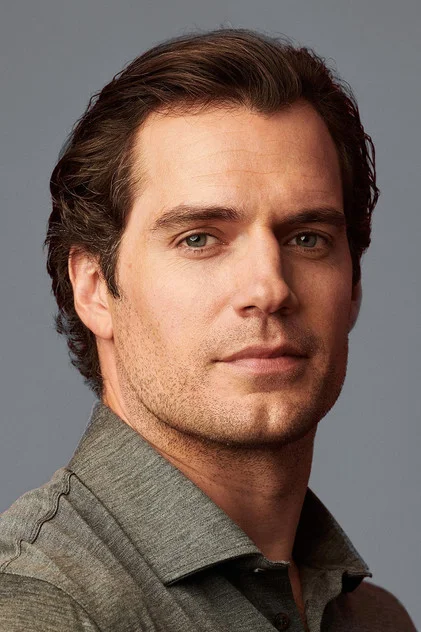
 Henry CavillSid
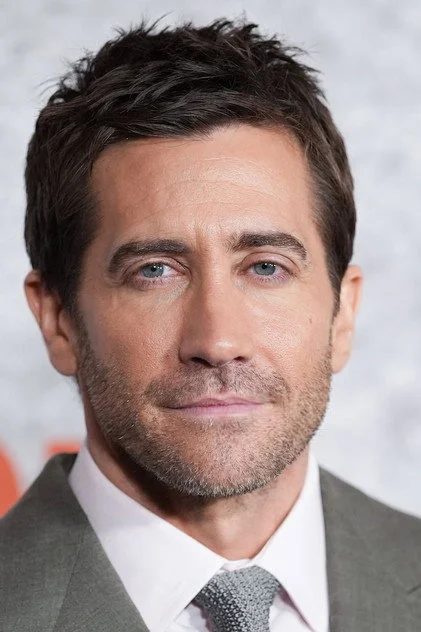 Jake GyllenhaalBronco
 Eiza GonzálezRachel
 Carlos BardemManny Salazar
 Michael VuEd Glover
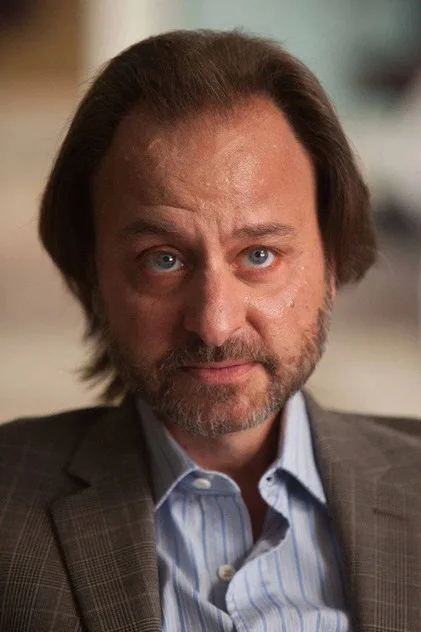 Fisher StevensWilliam Horowitz
 Rosamund PikeBobby Sheen
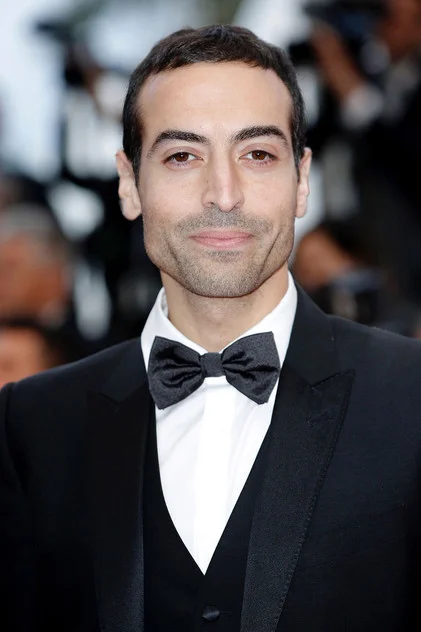 Mohammed Al TurkiWolfgang Klose
 Kojo AttahAndre Baker
 Jason WongGucci Reyes
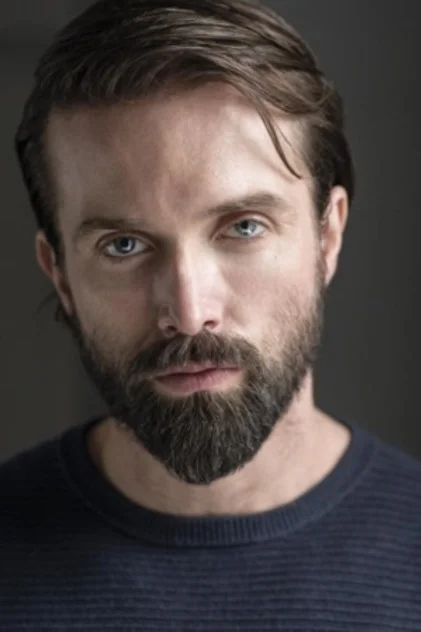 Emmett J. ScanlanMick Dunne
 Christian Ochoa LaverniaJonathan Moreno
In The Grey is built like a polished recovery operation: identify the target, assemble the specialists, deploy the expensive-looking plan, and get out before the momentum drops. Guy Ritchie’s action-thriller has plenty of the surface ingredients that make this kind of operation easy to watch. It is globe-trotting, gadget-minded and generously equipped with explosions and action setpieces. Its brisk runtime also appears calibrated to keep the machinery moving rather than let any individual stretch of business linger.
That efficiency is both the film’s virtue and its defining limitation. The movie gets the job done as a slick, goofily confident caper, but it rarely finds a reason to be more than that. The plotting is heavily explained, the people executing it are thinly drawn, and the danger never seems substantial enough to test their self-assurance. The result is a film with forward motion and professional shine, yet little suspense, comedy or character texture to carry away afterward.
A lawyer in the middle of the action
Rachel Wild, played by Eiza González, is a notable variation on the usual Ritchie lead. She is a lawyer rather than an immediately recognizable bruiser or criminal operator, and she works in the title’s legal-and-not-quite-legal grey zone. Her clients are extraordinarily wealthy, and her firm pursues billion-dollar assets through conventional legal pressure as well as more aggressively off-the-books methods.
That premise gives the film an appealingly pulpy angle: corporate recovery work reframed as an international heist. Rachel calls on two trusted fixers when the job requires coercion, surveillance, sabotage or extraction. Sid, played by Henry Cavill, and Bronco, played by Jake Gyllenhaal, each command teams with different skill sets, turning legal leverage into a route for action-movie problem-solving.
There is an inherent tension in that setup that the film could have explored. A lawyer who operates between official procedure and force might have faced meaningful moral, professional or practical compromises. The picture instead treats its privileged clientele and high-value recoveries as invitations to glamorous manoeuvring. That is a tonal choice rather than a flaw by itself; this is not positioned as an examination of wealth inequality. But it means the supposedly murky territory functions more as branding than as a source of dramatic friction.
Rachel herself is presented as decisively competent. Competence can be entertaining, especially in a caper where the pleasure lies in watching a plan snap into place. Yet the film reportedly gives her very little room to make an error, recalibrate, or reveal a more complicated side under pressure. She becomes an efficient centre for the operation without becoming a particularly revealing character study.
Style, schemes and exposition
Ritchie frames the job with familiar heist-film pleasures: playful music, glamorous settings, elaborate planning and gadgetry that has a Q-branch flavour. Even a drink-making sequence is enlisted to sell the work as sleek and fashionable, complete with on-screen identification for Rachel’s cocktail. The approach understands that capers thrive on presentation. Legal strategy is not inherently cinematic, so the movie dresses it in titles, tools and tailored confidence.
The downside is that explanation seems to overwhelm discovery. The film spends substantial time spelling out who does what and how the machine works. Exposition is inevitable in a story involving layered operations and specialist teams, but it is most satisfying when it either creates uncertainty or exposes personality. Here it appears to chiefly reaffirm that everyone is prepared, cool and good at their job.
That polished certainty extends to the central scheme against Salazar, the scowling antagonist played by Carlos Bardem. The operation has the form of a best-laid-plan caper, but not much of the risk that makes a plan’s execution electrifying. The gang encounter a moment of jeopardy, yet the storytelling is too protective of its characters to make it feel like their control has truly slipped. They account for every contingency and recover the money. In dramatic terms, mastery becomes a trap: when the heroes are always ahead, anticipation can turn into mere confirmation.
Charm without much character
Cavill and Gyllenhaal are asked to supply much of the film’s easygoing appeal. Both are positioned as charismatic fixers, and the movie lets them operate on the strength of that presence. It is an understandable strategy for a breezy action ensemble, but the characters seem to stop at their broadest identifiers. Sid’s nickname, “Captain Sensible,” is about as much interior detail as the film provides.
That sparseness matters because In The Grey leans on banter and alpha-male camaraderie as part of its identity. Ritchie’s earlier crime-film sensibility is present in the laddy energy and the desire for jokey swagger. But banter needs either genuinely sharp comic escalation or personalities distinct enough to make the exchanges feel specific. The humour here is more strained than reliably funny, and the character writing does not give the performers many unexpected angles to play.
González has the comparatively unusual role in this environment: Rachel is the professional who initiates and directs the team’s effort rather than simply standing adjacent to it. Still, the film’s conception of her is straightforwardly functional. The choice to make a woman the centre of a typically blokey Ritchie setup is welcome as a shift in emphasis; it does not, on its own, deepen the material. The movie appears more interested in keeping Rachel poised and effective than in letting her become complicated, vulnerable or surprising.
Momentum is the main attraction
If the characters are too protected, the pacing is where the film earns its recommendation. The action is described as muscular, and the film does not overstay its welcome. For viewers after a cleanly packaged dose of international schemes, shoot-first enforcement and polished caper logistics, those qualities count for a great deal. A movie does not need to reinvent its genre to provide a lively, undemanding night’s entertainment.
Its limitations are equally clear, however. The story is largely predictable. The comic material does not consistently land. The villain sounds more like a familiar retro action-movie threat than a fully developed obstacle. And without compelling setbacks or richer character dynamics, the film’s glossy devices and locations can feel like decoration around an outcome that is never meaningfully in doubt.
There is a distinction between a film being light on its feet and a film being weightless. In The Grey lands on both sides of that line. Its streamlined construction keeps it moving, and its action-forward energy should satisfy viewers in the mood for an efficiently mounted Guy Ritchie-style caper. But the same refusal to complicate the plan, the people or the stakes leaves it with little lingering impact. It is competent escapism: a smooth operation, successfully completed, then quickly filed away.
Who it is for
This is best suited to audiences who value pace, action setpieces, confident performers and a glossy heist-thriller atmosphere over surprise or depth. Fans looking for densely written personalities, genuine peril or comedy with more bite should temper expectations. The movie’s strongest case is not that it breaks new ground, but that it delivers familiar genre comforts without dragging its feet.