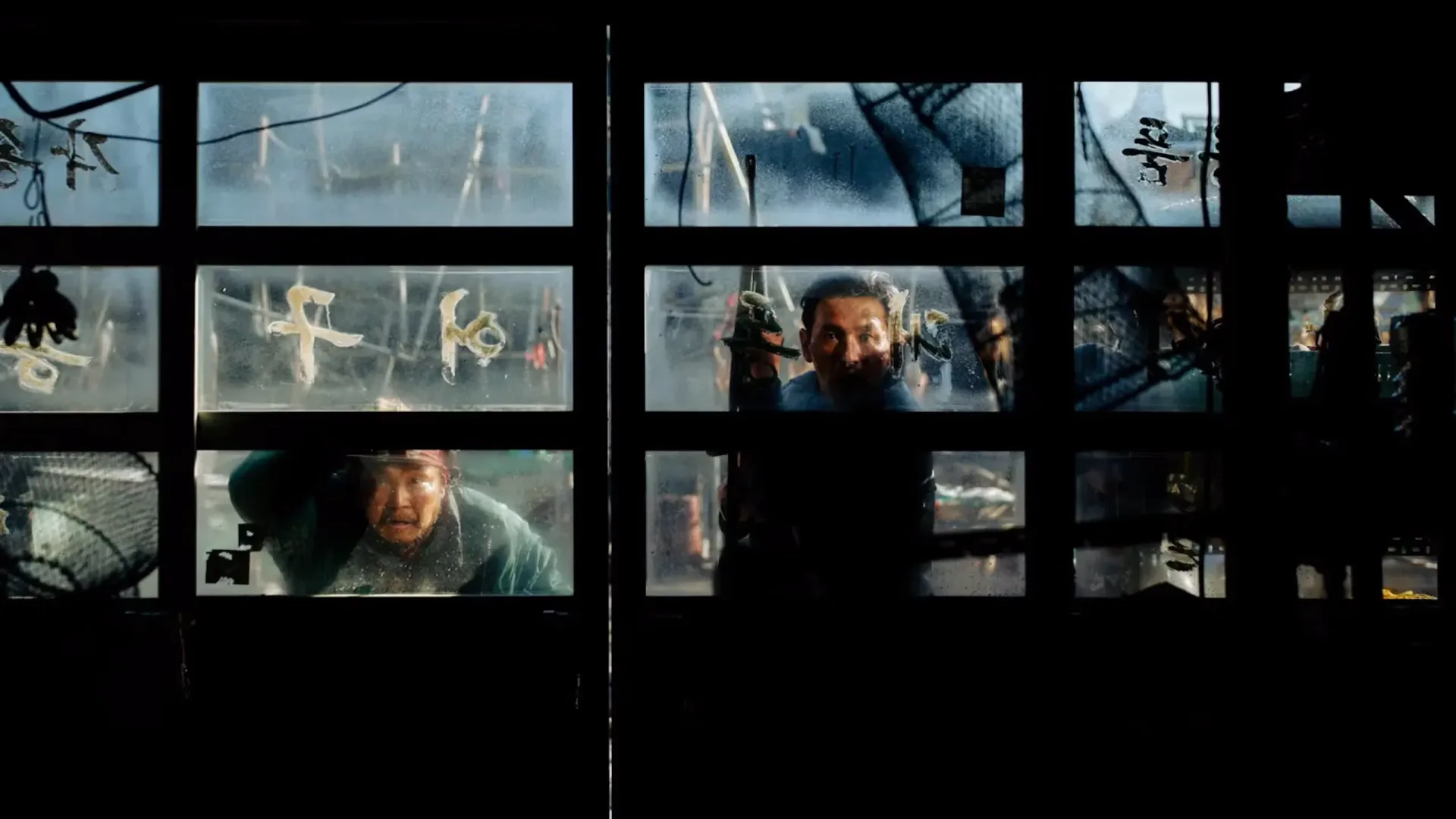
Hope does not sound built for restraint. Set in the small DMZ town of Hope Harbour, Na Hong-jin’s creature film begins with a police chief tracking the damage caused by a mysterious intruder, then keeps widening into something louder, stranger and harder to categorise. Its monster-mystery setup may be familiar, but the film’s appetite for escalation clearly is not.
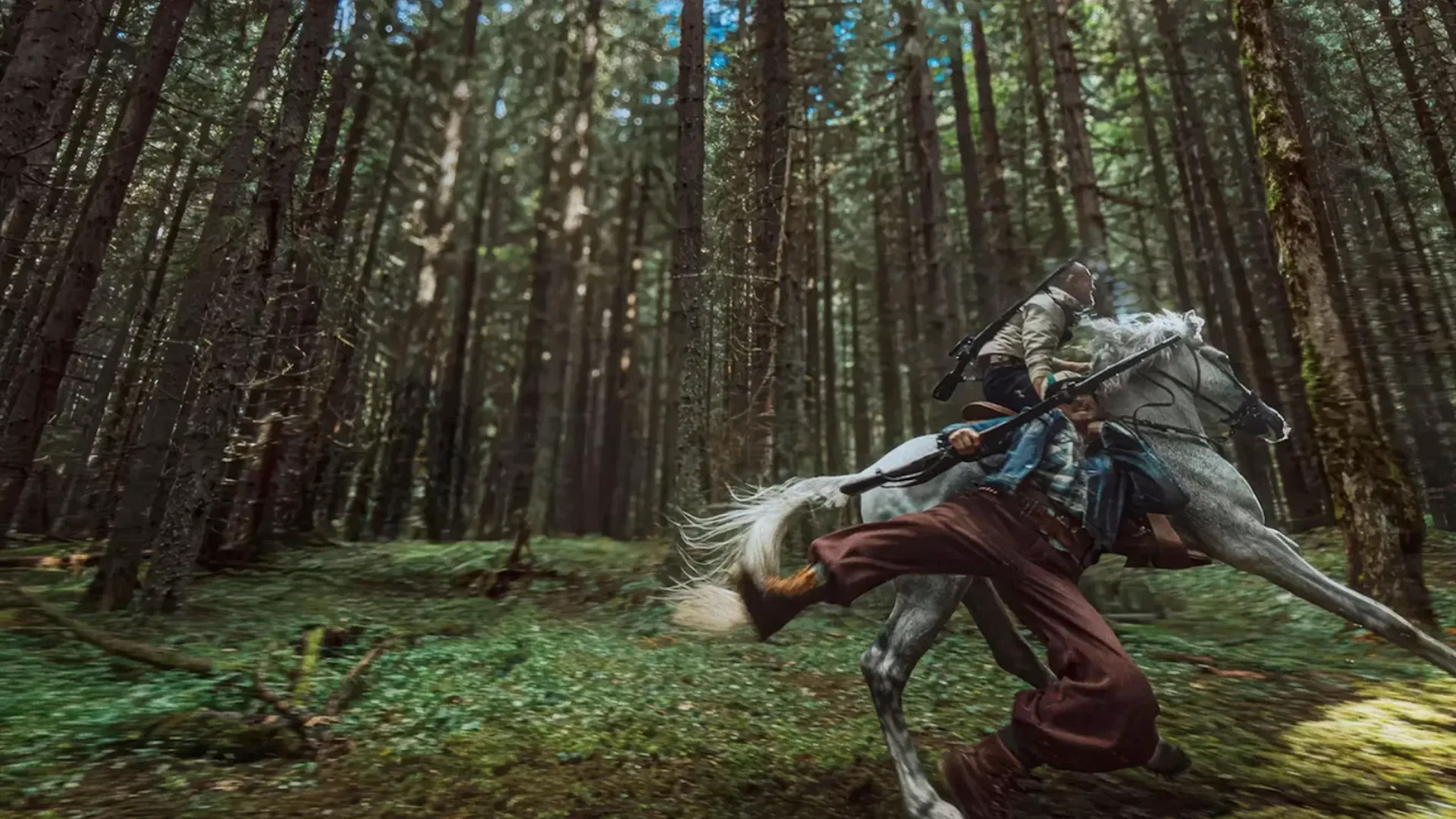
The strongest reason to see it is its momentum. The early stretch sustains tension while withholding the creature, following the trail of wreckage with real urgency. From there, the film shifts into a huge cat-and-mouse pursuit, including an extended chase that moves through several modes of transport. The action is presented as deliberately excessive rather than tidy or tactical: buildings fall, guns blaze and the pace seems designed to leave the audience scrambling to keep up.
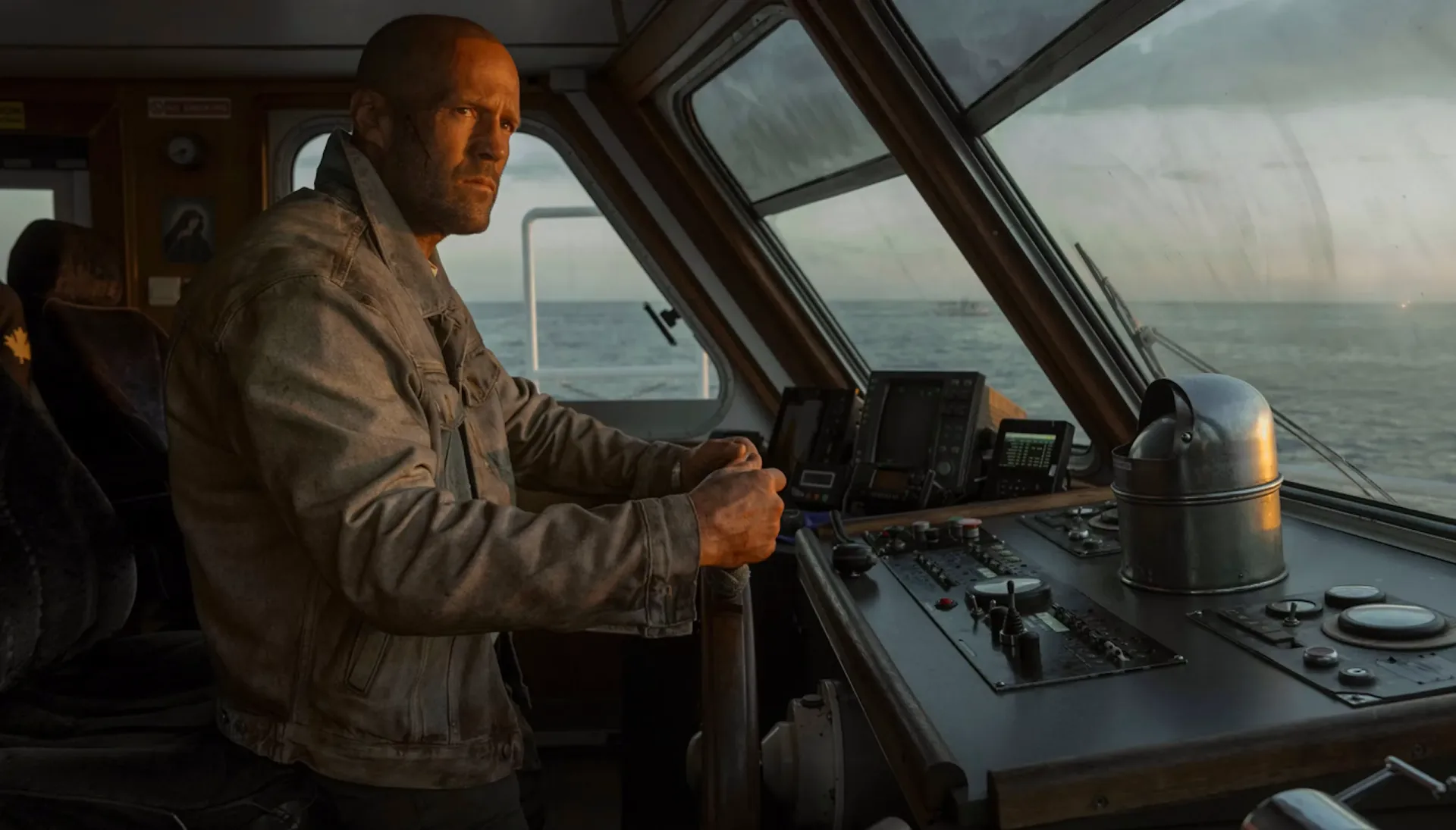
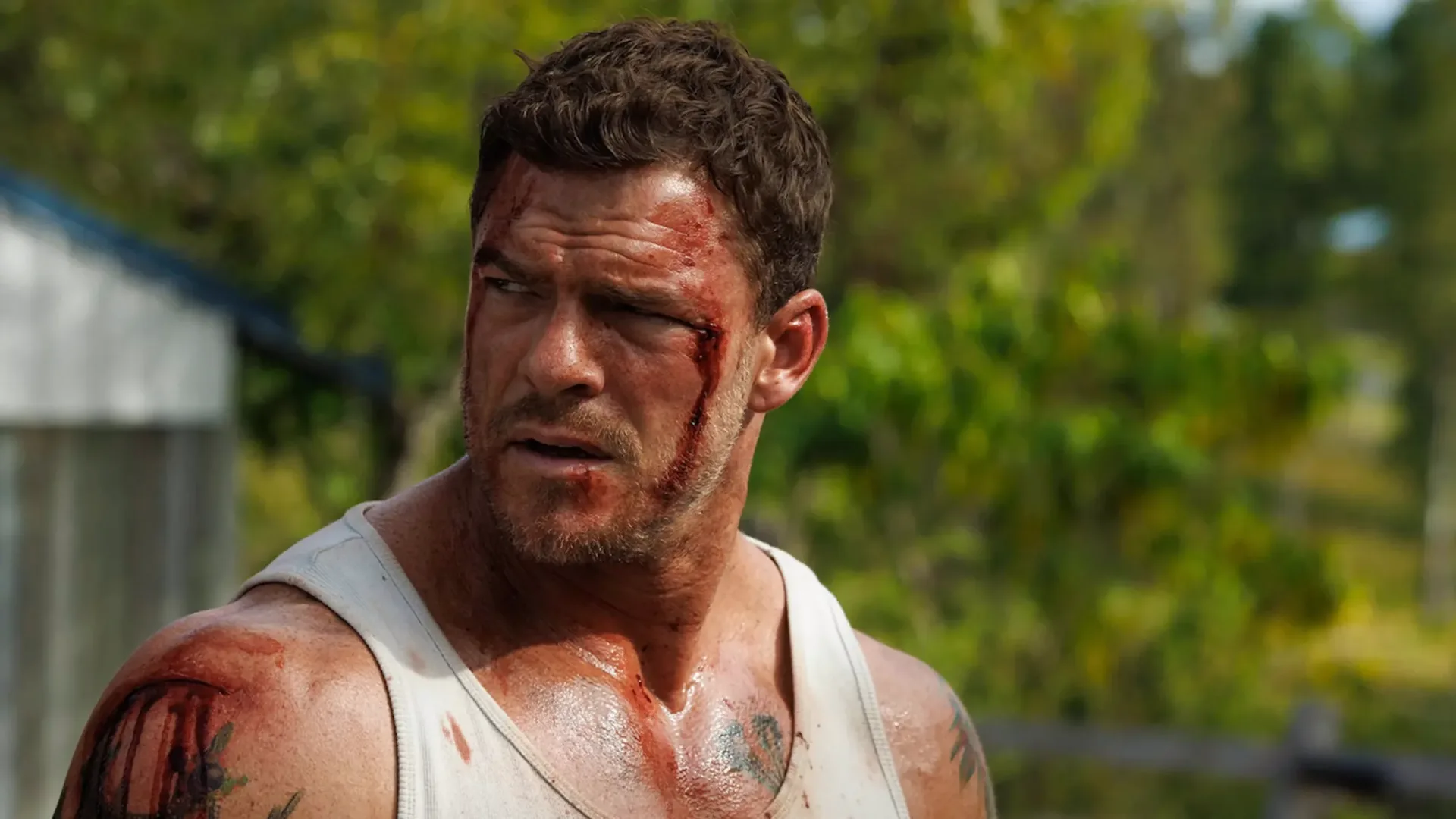
That maximalism extends to the tone. Hope makes room for brutal spectacle, absurd humour, a consequential monologue about diarrhoea, and startling appearances from Michael Fassbender and Alicia Vikander. On paper, that combination sounds less like a movie than an argument in a group chat. Yet the apparent point is the collision. The film’s willingness to be unruly gives it an identity beyond a conventional creature feature.
A town under pressure
There is more going on than debris and ammunition. Hope Harbour’s position near North Korea, alongside its suspicion of outsiders, gives the invasion premise a social dimension. When the otherworldly threat arrives, the community’s fearful instincts come to the surface. The movie does not appear interested in exhaustive character study, but its setting provides enough texture for the chaos to carry a sharper edge.
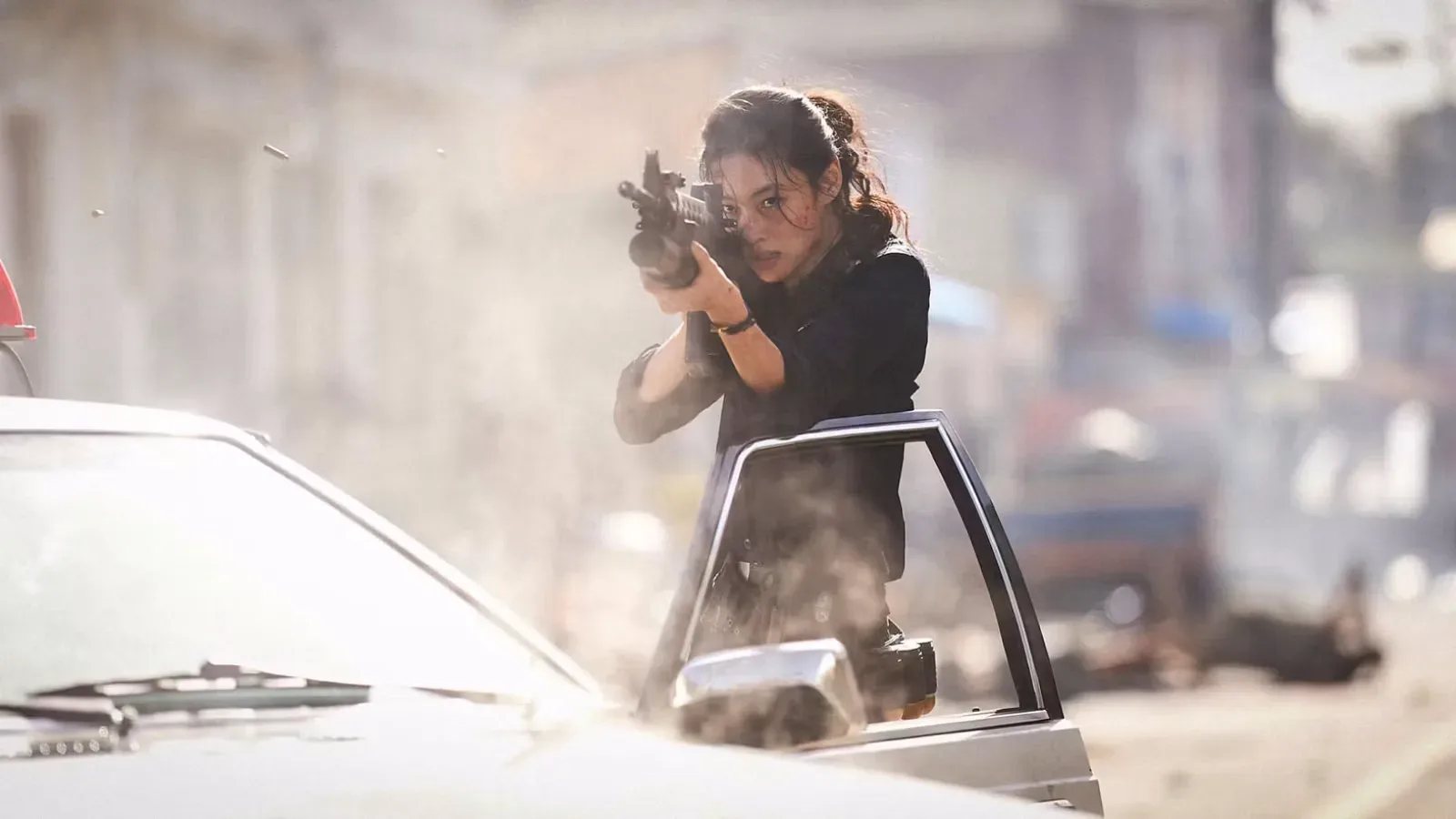
Hwang Jung-min anchors the disorder as the overwhelmed officer at the centre of the response, moving beyond a gruff initial impression into someone plainly out of his depth. Hoyeon brings a different energy, entering with a grenade launcher and handling both the film’s action demands and its more tender beats. With the story moving at such a punishing speed, those performances matter: they give the spectacle a pair of human presences to hold onto.
Big swing, imperfect landing
The trade-off for all that nerve is unevenness. The visual effects are not consistently convincing, which can blunt the intended impact of a monster movie that asks viewers to buy into so much mayhem. Its length and relentless velocity may also exhaust viewers who want clearer pauses for character or reflection.
Most importantly, the final stretch leans heavily into lore and frames the story as only the first part of something larger. That decision promises more, but it also limits the sense of closure here. Hope is therefore best approached as an audacious, unruly ride rather than a neatly self-contained thriller. For viewers happy to meet a monster movie at its most bizarre and breathless, that is very much the attraction.